Einstein’s overlooked idea could explain how the Universe really began

How did the universe come into existence, and what early processes shaped everything that followed? A new study published in Physical Review Research takes aim at this fundamental question. Scientists from Spain and Italy have introduced a model that reimagines what happened moments after the universe was born. Their approach could upend long-standing ideas about the forces and events that governed the universe’s earliest evolution.

To explore these beginnings, the researchers ran advanced computer simulations that question the traditional “inflation” theory. According to that theory, the universe expanded at an extraordinary rate within a tiny fraction of a second after it came into existence. The inflation model relies on several interconnected variables, all of which must align to make the theory work.

The newly proposed model offers a simpler explanation. It suggests that gravitational waves — predicted by general relativity — may be the true driving force behind the universe’s formation, giving rise to galaxies, stars, planets, and ultimately life on Earth. The researchers link this idea to a mathematical construct known as De Sitter space, named for Dutch mathematician Willem De Sitter, who collaborated with Albert Einstein in the 1920s on understanding the structure of the cosmos.

“For decades, we have tried to understand the early moments of the Universe using models based on elements we have never observed,” said Dr. Raúl Jiménez, who studies experimental sciences & mathematics at ICREA in Spain and is a co-author on the study. “What makes this proposal exciting is its simplicity and verifiability. We are not adding speculative elements but rather demonstrating that gravity and quantum mechanics may be sufficient to explain how the structure of the cosmos came into being.”

The concept of gravitational waves dates back to 1893 and 1905, when Oliver Heaviside and Henri Poincaré first proposed related ideas. Albert Einstein expanded on this in 1916, describing gravitational waves as ripples in the fabric of space-time in his general theory of relativity. These waves can originate from powerful cosmic events such as supernovae, merging black holes, and colliding neutron stars. Because they are incredibly faint, detecting them requires highly sensitive instruments. It was not until September 2015 that scientists at the Laser Interferometer Gravitational-Wave Observatory (LIGO), with facilities in Washington and Louisiana, achieved the first confirmed detection.

The birth of the universe continues to be one of science’s greatest puzzles. The Big Bang theory remains the prevailing explanation, yet many questions persist — especially about what might have occurred before that explosive beginning.

Carl Sagan once reflected on humanity’s deep connection to the cosmos, saying, “The cosmos is within us. We are made of star-stuff. We are a way for the universe to know itself.”

We may never know exactly how the universe began and the processes responsible for you reading this article right now. But like the simplicity this study presents, perhaps this study is simply a way for us to know the universe itself a little bit better.

What new discoveries about the origins of the universe will researchers make in the coming years and decades? Only time will tell, and this is why we science!

As always, keep doing science & keep looking up!

Adapted from an article originally published on Universe Today.

Share Button

Scientists just debunked the calcium and dementia myth

New findings from Edith Cowan University (ECU), Curtin University, and the University of Western Australia show no evidence that taking calcium alone increases the risk of developing dementia over time. The results help ease earlier fears that calcium supplements might have harmful effects on the brain health of older women.

The investigation drew on data from an earlier project involving 1,460 older women who were randomly assigned to receive either calcium supplements or a placebo for five years. Researchers found that the supplements did not raise the likelihood of dementia in the long term.

“Calcium supplements are often recommended to prevent or manage osteoporosis,” said ECU PhD student Ms. Negar Ghasemifard.

About 20 percent of women over 70 live with osteoporosis, and calcium is widely advised to help prevent bone fractures.

“Previous research has raised concerns around the impacts that calcium supplements could have on cognitive health, particularly dementia. Results from our study provides reassurance to patients and clinicians regarding the safety of calcium supplements in the context of dementia risk for older women,” Ms. Ghasemifard said.

According to ECU Senior Research Fellow Dr. Marc Sim, even after adjusting for supplement use, diet, lifestyle factors, and genetic risk, the outcomes did not change.

“Previous research suggesting potential links between calcium supplement use and the risk for dementia was purely observational in nature. Our research, in comparison, consisted of a post-hoc analysis from a 5-year double-blind, placebo controlled randomized clinical trial on calcium supplements to prevent fracture. Whilst our study is still epidemiology, its design does reduce the likelihood of unmeasured confounding”

“Some 730 older women were given calcium supplements over five years, and a further 730 were given placebo. This study design offers more accurate data on dosage and duration, and we had a long follow-up period of 14.5 years, which strengthens our results,” Dr. Sim said.

Although the findings suggest calcium does not increase the risk of dementia in older women, particularly those over 80, further studies are still needed, said Professor Simon Laws, Director of ECU’s Centre for Precision Health.

“Whether this extrapolates to other demographics, such as men or even women commencing supplementation earlier in life, remains unknown. To confirm the current findings, particularly regarding brain health, and to address these population gaps, future clinical trials of calcium supplements, with or without vitamin D, would need to be undertaken. These should include specific and robust assessments of brain health as the primary outcome measures.”

Professor Blossom Stephan, a Dementia Australia Honorary Medical Advisor said the research highlighted a very important finding that provides reassurance to clinicians and patients about the long-term safety of calcium supplementation.

“Given calcium’s critical role in multiple physiological functions, including bone health, these results provide reassurance that long-term calcium supplementation did not increase dementia risk in older women,” she said.

Share Button

Scientists finally read the hidden DNA code that shapes disease

For centuries, scientists have noticed that certain illnesses seem to pass from one generation to the next, a connection first noted by Hippocrates, who observed that some diseases “ran in families.” Over time, researchers have steadily advanced their ability to uncover the biological roots of these inherited patterns within the human genome.

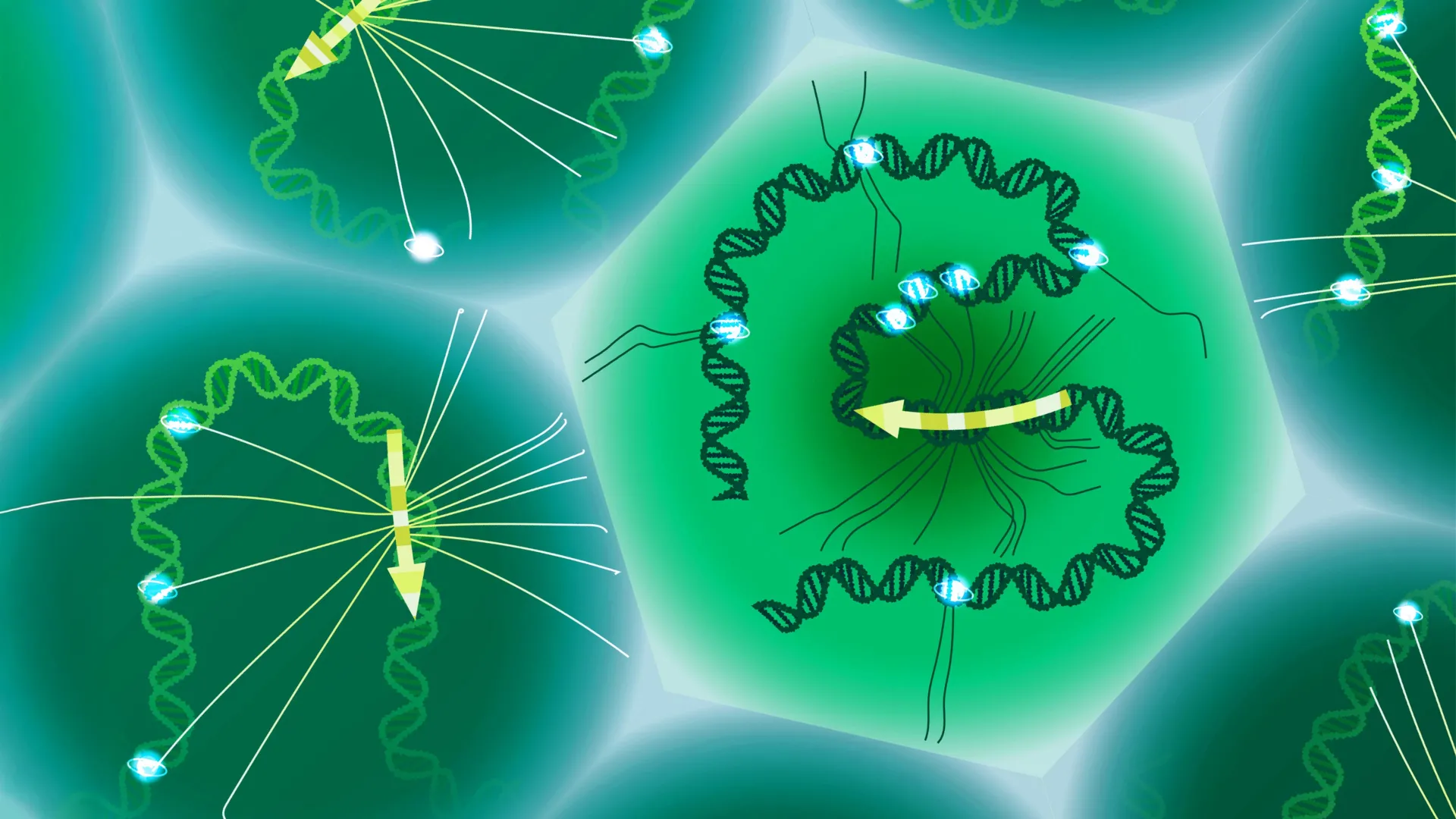
A team of EMBL researchers and collaborators has now created a tool that takes single-cell analysis to a new level. It can capture both genomic variations and RNA within the same cell, offering greater accuracy and scalability than earlier technologies. This approach allows scientists to identify variations in non-coding regions of DNA, the areas most often linked to disease, giving them a new way to explore how genetic differences contribute to human health. With its precision and ability to process large numbers of cells, the tool marks a major step toward linking specific genetic variants with disease outcomes.

“This has been a long-standing problem, as current single-cell methods to study DNA and RNA in the same cell have had limited throughput, lacked sensitivity, and are complicated,” said Dominik Lindenhofer, the lead author on a new paper about SDR-Seq published in Nature Methods and a postdoctoral fellow in EMBL’s Steinmetz Group. “On a single-cell level, you could read out variants in thousands of cells, but only if they had been expressed — so only from coded regions. Our tool works, irrespective of where variants are located, yielding single-cell numbers that enable analysis of complex samples.”

The important difference between coding and non-coding regions

DNA contains both coding and non-coding regions. The coding parts function like instruction manuals, since their genes are expressed into RNA, which directs cells in building proteins essential to life.

Non-coding regions, on the other hand, contain regulatory elements that guide how cells grow and function. Over 95% of disease-linked DNA variants occur in these non-coding regions, yet existing single-cell methods have not had the sensitivity or scale to study them effectively. Until now, researchers were unable to observe DNA and RNA from the same cell on a large scale, limiting insight into how DNA variants affect gene activity and contribute to disease.

“In this non-coding space, we know there are variants related to things like congenital heart disease, autism, and schizophrenia that are vastly unexplored, but these are certainly not the only diseases like this,” Lindenhofer said. “We needed a tool to do that exploration to understand which variants are functional in their endogenous genomic context and understand how they contribute to disease progression.”

Deciphering barcodes that track single cells

To perform single-cell DNA-RNA sequencing (SDR-seq), researchers used tiny oil-water droplets, each containing a single cell, allowing them to analyze DNA and RNA simultaneously. This method enabled them to examine thousands of cells in a single experiment and directly link genetic changes to patterns of gene activity. Developing this technology required overcoming major challenges and brought together teams from EMBL’s Genome Biology and Structural and Computational Biology units, the Stanford University School of Medicine, and Heidelberg University Hospital.

Collaborators from EMBL’s Judith Zaugg and Kyung-Min Noh groups developed a way to preserve delicate RNA by “fixing” the cells, while computational biologists in Oliver Stegle’s group designed a specialized program to decode the complex DNA barcoding system needed for data analysis. Although this decoding software was built for this specific project, the team believes it could prove valuable for many other studies.

Researchers from Wolfgang Huber’s and Sasha Dietrich’s groups at EMBL and Universitätsklinikum Heidelberg were already examining B-cell lymphoma samples for other studies. These patient samples, rich in genetic variation, provided an ideal test case for the new technology. Using these samples, Lindenhofer observed how variations in DNA were linked to disease processes and found that cancer cells with more variants showed stronger activation signals that support tumor growth.

“We are using these small reaction chambers to read out DNA and RNA in the same single cell,” Lindenhofer said. “This lets us accurately tell whether a variant is on one or both copies of a gene and measure its effects on gene expression in the same single cells. With the B-cell lymphoma cells, we were able to show that depending on the variant makeup of cells, they had different propensities to belong to distinct cellular states. We could also see that increasing variants in a cell actually were associated with a more malignant B-cell lymphoma state.”

The many opportunities from a single-cell sequencing tool

The SDR-seq tool now offers genomic biologists scale, precision, and speed to help better understand genetic variants. While it could eventually play a role in treating a broad range of complex diseases, it may first help in developing better screening tools for diagnosis.

“We have a tool that can link variants to disease,” said Lars Steinmetz, a senior author on the paper, an EMBL group leader, and a genetics professor at Stanford University School of Medicine. “This capability opens up a wide range of biology that we can now discover. If we can discern how variants actually regulate disease and understand that disease process better, it means we have a better opportunity to intervene and treat it.”

Share Button

Exciting results from blood test for 50 cancers

The Galleri test looks for fragments of DNA that have broken off a tumour and are circulating in the blood.

Share Button

This common liver supplement could boost cancer treatment success

Immunotherapy is a cancer treatment that harnesses the body’s own immune defenses to attack tumors. It has shown remarkable success against cancers of the lung, kidney, and bladder but has not worked as well for liver cancer. That gap is troubling because liver cancer cases have nearly tripled over the past four decades.

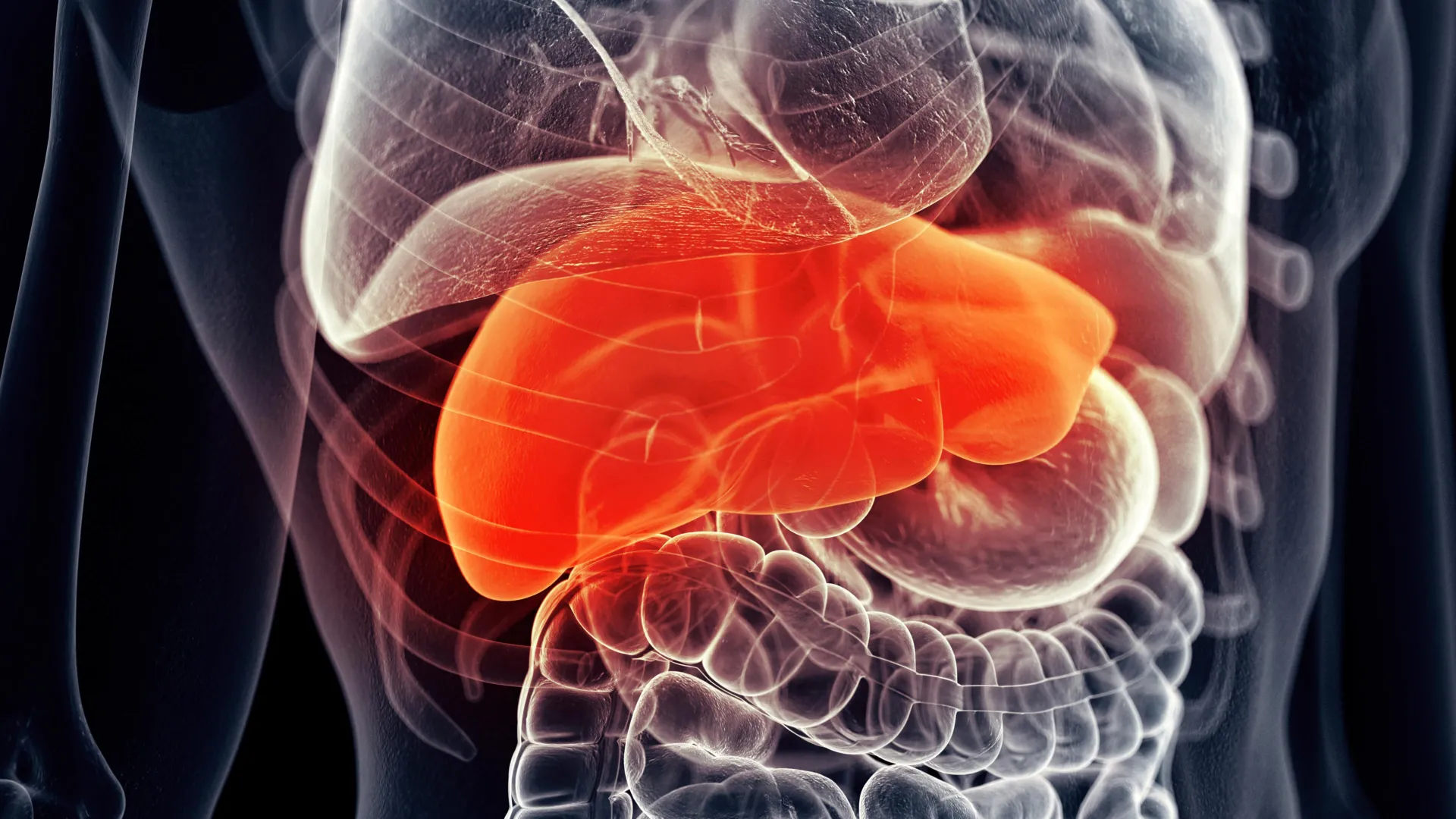
To explore why liver cancer responds poorly to immunotherapy, scientists at the Salk Institute examined how the immune system interacts with the liver. Using both mouse models and human tumor samples, they discovered that certain bile acids — molecules produced by the liver to aid digestion — can interfere with cancer-fighting immune cells known as T cells.

The team pinpointed several bile acids linked to weakened T cell function and faster tumor growth. By blocking the production of these acids, they were able to slow or stop tumor progression. One bile acid, called ursodeoxycholic acid (UDCA), had the opposite effect, enhancing T cell activity in the liver. When researchers increased UDCA levels through dietary supplements, liver tumors in mice shrank. Because UDCA supplements are already approved for other liver diseases, scientists believe they could potentially make immunotherapy more effective for liver cancer patients.

The study, published in Science, sheds light on why immune cells behave differently depending on the tumor’s location and identifies new molecular targets to strengthen liver cancer therapies.

“How do organ-specific properties and processes influence the immune response?” asks Professor Susan Kaech, senior author of the study and director of Salk’s NOMIS Center for Immunobiology and Microbial Pathogenesis. “Livers have a particularly unique environment, but we didn’t really understand how it was affecting the immune and cancer cells. By investigating these liver-specific features, we have identified several potential ways to regulate bile acids, improve T cell performance, and enhance patient outcomes.”

The liver generates more than 100 types of bile acids, which travel through the intestines to help digest fats. To combat liver cancer, T cells must function effectively within this chemically rich environment. Past studies have linked high bile acid levels to poor health and cancer progression, but researchers had not previously distinguished the effects of individual bile acids.

“Considering how T cell performance varies across different organs, tissues, and tumors puts us at a great vantage point for looking at ways to optimize cancer treatment,” says Siva Karthik Varanasi, former postdoctoral researcher in Kaech’s lab and current assistant professor at the University of Massachusetts Chan Medical School. “By taking this unique approach, we’re able to see that bile acids in the liver are hugely influencing T cells’ ability to do their job and therefore may be a useful therapeutic target.”

To better understand these effects, the Salk team first analyzed human liver cancer biopsies to identify which bile acids were present. They found elevated levels of conjugated bile acids and tested whether these compounds contributed to tumor growth. When they removed a protein called BAAT, which produces conjugated bile acids, the tumor load in mice dropped significantly. This suggests that adjusting BAAT activity in humans could improve their response to immunotherapy.

The researchers then examined 20 distinct bile acids to determine how each affected T cells. Most primary bile acids showed little influence, except for one called TCDCA, which triggered oxidative stress — a harmful molecular imbalance. Secondary bile acids had much stronger effects. One, called LCA, damaged T cell function by causing endoplasmic reticulum stress, while another, UDCA, boosted T cell performance and drew more immune cells to the liver. Increasing UDCA levels through supplementation effectively reduced tumor growth in mice, pointing to a promising strategy for enhancing immunotherapy in liver cancer.

Together, these results suggest that lowering BAAT and increasing UDCA could help control liver tumor growth and strengthen the immune system’s response to treatment.

“We’re already a huge step ahead when it comes to translating our findings to the clinic, because UDCA supplementation is already used to treat liver disease and could easily be tested in liver cancer next,” says Kaech, who also holds the NOMIS Chair at Salk. “We are really excited to also explore the role of the gut microbiome in all of this, since bile acids are a huge part of that picture — how can we manipulate ‘good’ and ‘bad’ bacteria in the microbiome to further regulate bile acid levels? How does the microbiome change during liver cancer? Could probiotics be a therapeutic approach?”

In addition to exploring dietary and microbiome manipulations that could help with liver cancer, the team is curious to see if other conditions could be treated by targeting BAAT. Already, they believe chronic liver disease and obesity may benefit from the same reduction of conjugated bile acids.

Other authors include Dan Chen, Melissa Johnson, Kathryn Lande, Michael LaPorta, Filipe Hoffmann, Thomas Mann, Eduardo Casillas, Kailash Mangalhara, Varsha Mathew, Ming Sun, Yagmur Farsakoglu, Timothy Chen, Bianca Parisi, Shaunak Deota, H. Kay Chung, Satchidananda Panda, April Williams, and Gerald Shadel of Salk; Jin Lee, Yingluo Liu, Cayla Miller, and Gen-Sheng Feng of UC San Diego; Souradipta Ganguly and Debanjan Dhar of UC San Diego and Sanford Burnham Prebys Medical Discovery Institute; Marcos Teneche, Aaron Havas, and Peter Adams of Sanford Burnham Prebys Medical Discovery Institute; Isaac Jensen and Donna Farber of Columbia University; Andrea Schietinger of Memorial Sloan Kettering Cancer Center, Weill Cornell Graduate School of Medical Sciences, and Parker Institute for Cancer Immunotherapy; and Mark Sundrud of Dartmouth College.

The work was supported by the National Institutes of Health (NCI CCSG: P30 014195, S10-OD023689, P30 AG068635, P30 CA014195, P01 AG073084, R01 CA240909-04, R21 AI151562, F31CA278581, CCSG Grant P30CA23100, R01DK137061, R01DK133930, DK120515, R01AI143821, R01AI164772, U01AI163063), Waitt Foundation, Helmsley Charitable Trust, Chapman Foundation, Cancer Research Institute, National Cancer Center, NOMIS Foundation, Salkexcellerators Fellowship, Damon Runyon Fellowship, Audrey Geisel endowed Chair of Biomedical Science, Altman Clinical Translational Research Institute (KL2TR001444), San Diego Digestive Diseases Research Center, and Dartmouth Cancer Center.

Share Button

Student paramedic helps deliver lecturer’s baby

Elise Faragher is on placement in Worcester and lecturer Aaron Collins, and his wife, came in.

Share Button

MIT finds traces of a lost world deep within planet Earth

Researchers from MIT and collaborating institutions have uncovered exceptionally rare traces of “proto Earth,” the ancient precursor to our planet that existed about 4.5 billion years ago. This primitive world took shape before a massive collision forever changed its chemistry and gave rise to the Earth we inhabit today. The discovery, described on October 14 in Nature Geosciences, could help scientists reconstruct the earliest ingredients that shaped not only Earth but also the rest of the solar system.

Billions of years in the past, the solar system was a vast rotating cloud of gas and dust. Over time, this material coalesced into solid objects, forming the first meteorites. These meteorites gradually merged through repeated impacts to create the proto Earth and its neighboring planets.

During its infancy, Earth was a molten, lava-covered world. Less than 100 million years later, it experienced a catastrophic event when a Mars-sized body struck the young planet in what scientists call a “giant impact.” The collision melted and mixed the planet’s interior, wiping out much of its original chemical identity. For decades, scientists believed that any trace of the proto Earth had been completely destroyed in that cosmic upheaval.

However, the MIT team’s new results challenge that assumption. The researchers found an unusual chemical signature in ancient, deep rock samples that differs from most materials found on Earth today. This signature appears as a slight imbalance in potassium isotopes — atoms of the same element with different numbers of neutrons. After extensive analysis, the scientists concluded that the anomaly could not have been created by later impacts or by ongoing geological processes within Earth.

The most plausible explanation is that these rocks preserve tiny portions of the proto Earth’s original material, somehow surviving the planet’s violent reshaping.

“This is maybe the first direct evidence that we’ve preserved the proto Earth materials,” says Nicole Nie, the Paul M. Cook Career Development Assistant Professor of Earth and Planetary Sciences at MIT. “We see a piece of the very ancient Earth, even before the giant impact. This is amazing because we would expect this very early signature to be slowly erased through Earth’s evolution.”

Nie’s co-authors include Da Wang of Chengdu University of Technology (China), Steven Shirey and Richard Carlson of the Carnegie Institution for Science (Washington, D.C.), Bradley Peters of ETH Zürich (Switzerland), and James Day of the Scripps Institution of Oceanography (California).

A curious anomaly

In 2023, Nie and her team examined numerous well-documented meteorites collected from around the world. These meteorites formed at different times and locations throughout the solar system, capturing its changing chemistry over billions of years. When the researchers compared their compositions to that of Earth, they noticed a peculiar “potassium isotopic anomaly.”

Potassium occurs naturally in three isotopic forms — potassium-39, potassium-40, and potassium-41 — each differing slightly in atomic mass. On modern Earth, potassium-39 and potassium-41 dominate, while potassium-40 exists only in minute amounts. Yet the meteorites displayed isotope ratios distinct from those typically seen on Earth.

This finding suggested that any substance showing the same kind of potassium imbalance must come from material that existed before the giant impact altered Earth’s chemistry. In essence, the anomaly could serve as a fingerprint of proto-Earth matter.

“In that work, we found that different meteorites have different potassium isotopic signatures, and that means potassium can be used as a tracer of Earth’s building blocks,” Nie explains.

“Built different”

In the current study, the team looked for signs of potassium anomalies not in meteorites, but within the Earth. Their samples include rocks, in powder form, from Greenland and Canada, where some of the oldest preserved rocks are found. They also analyzed lava deposits collected from Hawaii, where volcanoes have brought up some of the Earth’s earliest, deepest materials from the mantle (the planet’s thickest layer of rock that separates the crust from the core).

“If this potassium signature is preserved, we would want to look for it in deep time and deep Earth,” Nie says.

The team first dissolved the various powder samples in acid, then carefully isolated any potassium from the rest of the sample and used a special mass spectrometer to measure the ratio of each of potassium’s three isotopes. Remarkably, they identified in the samples an isotopic signature that was different from what’s been found in most materials on Earth.

Specifically, they identified a deficit in the potassium-40 isotope. In most materials on Earth, this isotope is already an insignificant fraction compared to potassium’s other two isotopes. But the researchers were able to discern that their samples contained an even smaller percentage of potassium-40. Detecting this tiny deficit is like spotting a single grain of brown sand in a bucket rather than a scoop full of of yellow sand.

The team found that, indeed, the samples exhibited the potassium-40 deficit, showing that the materials “were built different,” says Nie, compared to most of what we see on Earth today.

But could the samples be rare remnants of the proto Earth? To answer this, the researchers assumed that this might be the case. They reasoned that if the proto Earth were originally made from such potassium-40-deficient materials, then most of this material would have undergone chemical changes — from the giant impact and subsequent, smaller meteorite impacts — that ultimately resulted in the materials with more potassium-40 that we see today.

The team used compositional data from every known meteorite and carried out simulations of how the samples’ potassium-40 deficit would change following impacts by these meteorites and by the giant impact. They also simulated geological processes that the Earth experienced over time, such as the heating and mixing of the mantle. In the end, their simulations produced a composition with a slightly higher fraction of potassium-40 compared to the samples from Canada, Greenland, and Hawaii. More importantly, the simulated compositions matched those of most modern-day materials.

The work suggests that materials with a potassium-40 deficit are likely leftover original material from the proto Earth.

Curiously, the samples’ signature isn’t a precise match with any other meteorite in geologists’ collections. While the meteorites in the team’s previous work showed potassium anomalies, they aren’t exactly the deficit seen in the proto Earth samples. This means that whatever meteorites and materials originally formed the proto Earth have yet to be discovered.

“Scientists have been trying to understand Earth’s original chemical composition by combining the compositions of different groups of meteorites,” Nie says. “But our study shows that the current meteorite inventory is not complete, and there is much more to learn about where our planet came from.”

This work was supported, in part, by NASA and MIT.

Share Button

‘Game-changing’ HIV protection jab approved in England and Wales

The shot, given six times a year or every other month, is an alternative to taking daily pills to protect against ever catching the virus.

Share Button

Cheaper than lithium, just as powerful — Sodium batteries are finally catching up

All-solid-state batteries offer a safer and more powerful way to run electric vehicles, power electronics, and store renewable energy from the grid. However, their key ingredient, lithium, is both costly and scarce, and mining it often causes serious environmental harm.

Sodium presents a much cheaper and more abundant alternative, and it is far less damaging to extract. Yet, sodium-based solid-state batteries have long struggled to match lithium’s performance at typical temperatures.

“It’s not a matter of sodium versus lithium. We need both. When we think about tomorrow’s energy storage solutions, we should imagine the same gigafactory can produce products based on both lithium and sodium chemistries,” said Y. Shirley Meng, Liew Family Professor in Molecular Engineering at the UChicago Pritzker School of Molecular Engineering (UChicago PME). “This new research gets us closer to that ultimate goal while advancing basic science along the way.”

A new study from Meng’s group, published in Joule, takes a major step toward solving that issue. The researchers developed a sodium-based solid-state battery that performs reliably from room temperature to below freezing, setting a new benchmark for the field.

According to first author Sam Oh of the A*STAR Institute of Materials Research and Engineering in Singapore, who conducted the work while visiting Meng’s Laboratory for Energy Storage and Conversion, the results bring sodium technology much closer to competing with lithium on electrochemical performance.

The achievement also represents a fundamental advance in materials science.

“The breakthrough that we have is that we are actually stabilizing a metastable structure that has not been reported,” Oh said. “This metastable structure of sodium hydridoborate has a very high ionic conductivity, at least one order of magnitude higher than the one reported in the literature, and three to four orders of magnitude higher than the precursor itself.”

Established technique, new field

To create this structure, the researchers heated a metastable form of sodium hydridoborate until it began to crystallize, then cooled it rapidly to lock the structure in place. The method is well known in other areas of materials science but had not previously been used for solid electrolytes, Oh said.

That practical familiarity could make it easier to transition the discovery from laboratory research to industrial production.

“Since this technique is established, we are better able to scale up in future,” Oh said. “If you are proposing something new or if there’s a need to change or establish processes, then industry will be more reluctant to accept it.”

Pairing that metastable phase with a O3-type cathode that has been coated with a chloride-based solid electrolyte can create thick, high-areal-loading cathodes that puts this new design beyond previous sodium batteries. Unlike design strategies with a thin cathode, this thick cathode would pack less of the inactive materials and more cathode “meat.”

“The thicker the cathode is, the theoretical energy density of the battery — the amount of energy being held within a specific area — improves,” Oh said.

The current research advances sodium as a viable alternative for batteries, a vital step to combat the rarity and environmental damage of lithium. It’s one of many steps ahead.

“It’s still a long journey, but what we have done with this research will help open up this opportunity,” Oh said.

Share Button

Saturn’s moon Titan just broke one of chemistry’s oldest rules

Scientists from Chalmers University of Technology in Sweden and NASA have made a surprising discovery that challenges one of chemistry’s fundamental principles, while also offering new insight into Saturn’s mysterious moon Titan. In Titan’s intensely cold environment, substances that normally cannot mix are able to combine. This finding expands our understanding of how chemistry may have worked before life appeared on Earth.

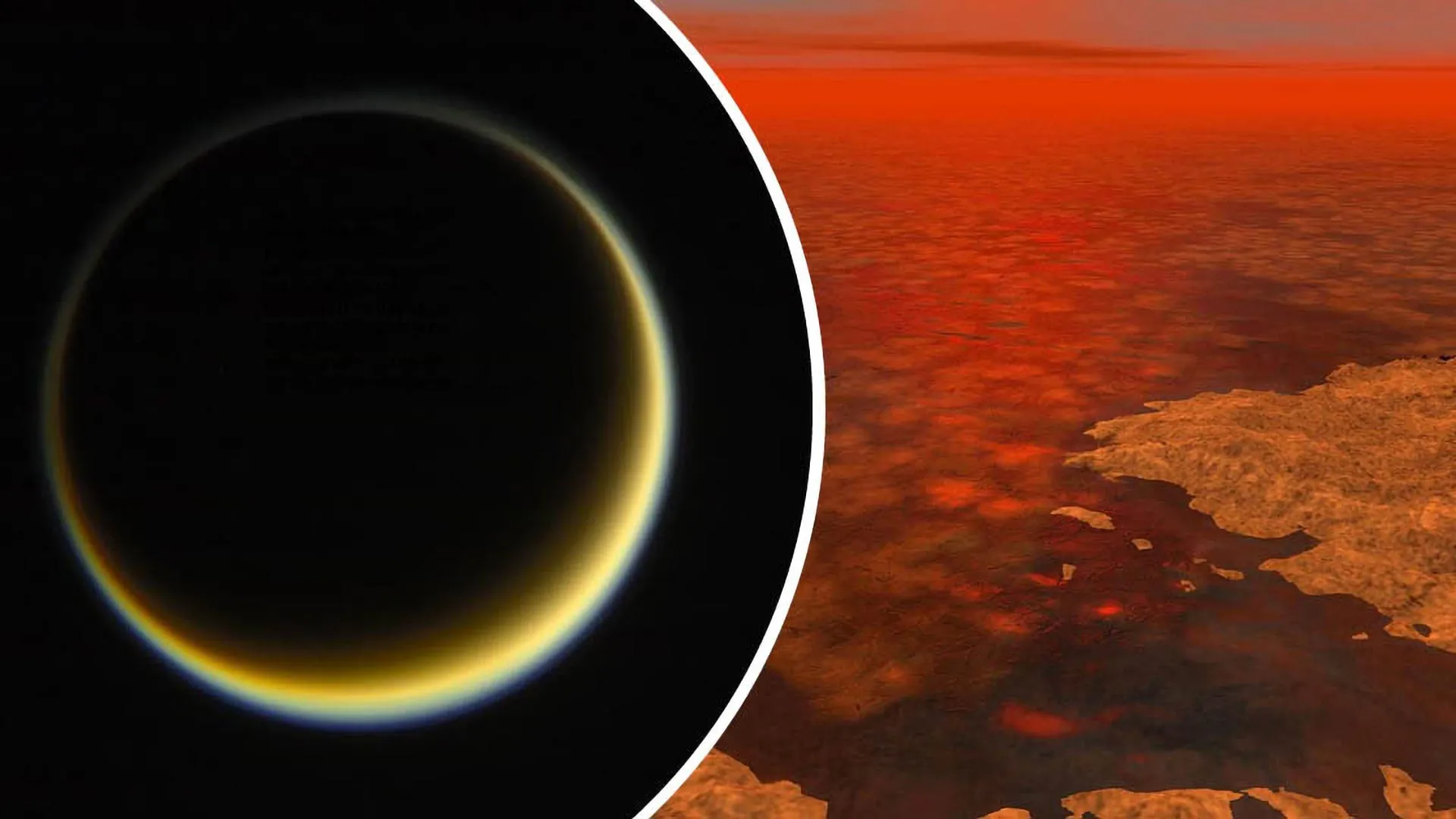
Saturn’s largest moon has long fascinated researchers because its evolution could shed light on the early chemical processes that once shaped our own planet. Titan’s frigid surface and its dense atmosphere, rich in nitrogen and methane, are thought to resemble the conditions that existed on the young Earth billions of years ago. By exploring Titan, scientists hope to uncover new clues about the origins of life itself.

Martin Rahm, Associate Professor at Chalmers’ Department of Chemistry and Chemical Engineering, has spent years investigating Titan’s chemistry. He and his colleagues now believe their latest finding — that certain polar and nonpolar substances* can combine under extreme cold — could guide future research into the moon’s surface and atmosphere.

“These are very exciting findings that can help us understand something on a very large scale, a moon as big as the planet Mercury,” he says.

New insights into the building blocks of life in extreme environments

The study, published in PNAS, reveals that methane, ethane, and hydrogen cyanide — compounds abundant on Titan’s surface and in its atmosphere — can interact in ways once thought impossible. The fact that hydrogen cyanide, a strongly polar molecule, can form crystals together with nonpolar substances like methane and ethane is remarkable, since these types of molecules usually stay separate, much like oil and water.

“The discovery of the unexpected interaction between these substances could affect how we understand the Titan’s geology and its strange landscapes of lakes, seas and sand dunes. In addition, hydrogen cyanide is likely to play an important role in the abiotic creation of several of life’s building blocks, for example amino acids, which are used for the construction of proteins, and nucleobases, which are needed for the genetic code. So our work also contributes insights into chemistry before the emergence of life, and how it might proceed in extreme, inhospitable environments,” says Martin Rahm, who led the study.

An unanswered question led to NASA collaboration

The Chalmers research began with a simple but unresolved question about Titan: What happens to hydrogen cyanide after it forms in the moon’s atmosphere? Does it accumulate in thick layers on the surface, or does it react with its surroundings in some way? To investigate, scientists at NASA’s Jet Propulsion Laboratory (JPL) in California performed experiments mixing hydrogen cyanide with methane and ethane at extremely low temperatures of about 90 Kelvin (around -180 degrees Celsius). At these temperatures, hydrogen cyanide becomes a crystal, while methane and ethane remain liquid.

When the team analyzed the mixtures using laser spectroscopy, which examines materials and molecules at the atomic level, they found that although the molecules stayed intact, something unusual had occurred. To understand it, they reached out to Rahm’s group at Chalmers, known for its deep expertise in hydrogen cyanide chemistry.

“This led to an exciting theoretical and experimental collaboration between Chalmers and NASA. The question we asked ourselves was a bit crazy: Can the measurements be explained by a crystal structure in which methane or ethane is mixed with hydrogen cyanide? This contradicts a rule in chemistry, ‘like dissolves like’, which basically means that it should not be possible to combine these polar and nonpolar substances,” says Martin Rahm.

Expanding the boundaries of chemistry

The Chalmers researchers used large scale computer simulations to test thousands of different ways of organizing the molecules in the solid state, in search of answers. In their analysis, they found that hydrocarbons had penetrated the crystal lattice of hydrogen cyanide and formed stable new structures known as co-crystals.

“This can happen at very low temperatures, like those on Titan. Our calculations predicted not only that the unexpected mixtures are stable under Titan’s conditions, but also spectra of light that coincide well with NASA’s measurements,” he says.

The discovery challenges one of the best-known rules of chemistry, but Martin Rahm does not think it is time to rewrite the chemistry books.

“I see it as a nice example of when boundaries are moved in chemistry and a universally accepted rule does not always apply,” he says.

In 2034, NASA’s space probe Dragonfly is expected to reach Titan, with the aim of investigating what is on its surface. Until then, Martin Rahm and his colleagues plan to continue exploring hydrogen cyanide chemistry, partly in collaboration with NASA.

“Hydrogen cyanide is found in many places in the Universe, for example in large dust clouds, in planetary atmospheres and in comets. The findings of our study may help us understand what happens in other cold environments in space. And we may be able to find out if other nonpolar molecules can also enter the hydrogen cyanide crystals and, if so, what this might mean for the chemistry preceding the emergence of life,” he says.

More about the research

The scientific article Hydrogen cyanide and hydrocarbons mix on Titan has been published in the journal PNAS. It was written by Fernando Izquierdo Ruiz, Morgan L. Cable, Robert Hodyss, Tuan H. Vu, Hilda Sandström, Alvaro Lobato Fernandez and Martin Rahm. The researchers are based at Chalmers University of Technology, Sweden, NASA’s Jet Propulsion Laboratory (JPL) at the California Institute of Technology (Caltech), USA, and Universidad Complutense de Madrid, Spain.

The research at Chalmers was funded by the Swedish Research Council.

More on Titan and Dragonfly Saturn’s largest moon, Titan, is among the Solar System’s most unusual worlds — and it may share features with Earth’s early evolution. Titan is surrounded by a thick atmosphere composed mostly of nitrogen and methane, a composition that could resemble the atmosphere on Earth billions of years ago, before life emerged. Sunlight and other radiation from space cause these molecules to react with each other, which is why the moon is shrouded in a chemically complex, orange-coloured haze of organic (i.e. carbon-rich) compounds. One of the main substances created in this way is hydrogen cyanide.

Titan’s extremely cold surface is home to lakes and rivers of liquid methane and ethane. It is the only other known place in our solar system, apart from Earth, where liquids form lakes on the surface. Titan has weather and seasons. There is wind, clouds form and it rains, albeit in the form of methane instead of water. Measurements also show that there is likely a large sea of liquid water many kilometres below the cold surface which, in principle, might harbour life.

In 2028, the US space agency NASA plans to launch the Dragonfly space probe, which is expected to reach Titan in 2034. The aim is to study prebiotic chemistry, the chemistry that precedes life, and to look for signs of life.

Notes

* About polar and nonpolar substances: Polar substances consist of molecules with an asymmetrical charge distribution (a positive side and a negative side), while nonpolar materials have a symmetrical charge distribution. Polar and nonpolar molecules rarely mix, because polar molecules preferentially attract one another via electrostatic interactions.

Share Button