Health24.com | 6 ‘healthy’ foods you should cut back on if you want to lose weight

As a dietitian, I frequently have to analyse a client’s diet and troubleshoot certain areas where they can improve. Often, red flags pop up. When I tell my clients to cut back on certain foods, they sometimes stare at me like, “Huh?”

Most of the educating I do focuses on dispelling persistent nutrition myths or poking holes in the “research” behind marketing-generated label claims. Notice I didn’t say that these are foods you should stop eating. No one food is bad or good, but some foods can be detrimental to your health and sabotage your desire to lose weight when consumed in high amounts.

Read more: This common weight loss food might actually be giving you a belly

1. Egg whites

The egg white trend makes me see red. Whole eggs are one of the least expensive, highest-quality proteins on the planet. Though once demonised due to their high cholesterol, better science now shows that dietary cholesterol has no effect on overall blood cholesterol. Don’t believe restaurants and “experts” who say egg whites are heart healthy and that whole eggs are not.

2. Non- or low-fat packaged foods

Fat helps your body absorb nutrients. So when you buy a bottle of non-fat salad dressing, you’re actually consuming fewer nutrients from the greens than if you were to use a little olive oil. Plus, admit it: Non-fat dressing tastes terrible.

Read more: Craving chips? This is how to make your own vegetable crisps and satisfy your junk food cravings

3. Full carb snacks

Crackers, cereal bars, pretzels–these foods offer little nutrition beyond a measly gram or so of fibre, at most. Swap these for snacks that include stomach-filling protein and/or better fibre numbers. Nuts, biltong, apples, cheese, Greek yoghurt, berries, and cottage cheese are all good picks.

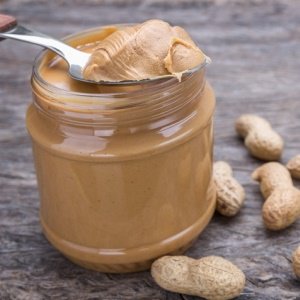
4. Peanut butter

I have a friend who can sit with a jar in hand and mindlessly feed himself spoonful after spoonful of the stuff. Yes, peanut butter (and almond butter, and cashew butter) offers a great source of heart-healthy fats, but PB kilojoules can pile up fast. Limit yourself to two spoonfuls. Then close up the jar and back away. If this seems impossible, give any of the popular powdered peanut butters a try.

Read more: These peanut butter protein bombs will make your muscles grow

5. Energy bars

Many of them are nothing more than fortified candy bars – sometimes with more calories. Yes, they’re convenient, but think about packing your snack bag with more nutritious non-perishable options (nuts, shelf-stable single-serving milks) instead.

6. Fruit-on-the-bottom yoghurt

The word “fruit” should be used loosely. It’s more like sugar on the bottom, as some yoghurts can have more added sugar than a soft drink. Instead, stick with plain Greek yogurt and add fresh fruit.

Originally published on menshealth.com

Image credit: iStock

Share Button

Mental health: Firms ask PM to deliver on pledge

Bosses ask the PM to honour a pledge to give it the same status as physical health in the workplace.

Share Button

Schools in Wales not aware of severe allergies, campaigner says

A campaign group says more than 100 schools did not take up free awareness sessions.

Share Button

Health24.com | Here’s exactly how often you should wash your hair

No, you can’t skip that daily shower – your butt needs to be washed, sorry – but you can save some time, effort, and product by washing your bod and skipping shampoo. How? Just wet your mane with plain water. (You can rock a shower cap if you want, though.)

You’re probably thinking that seems unsanitary, but according to the experts, you’re way off.

Read more: 5 rules for styling your facial hair to compliment your face

“Obviously every guy is different, but on average I recommend washing with shampoo every three days,” Dr Susan Bard, a dermatologist at Manhattan Dermatology Specialists, says. In fact, washing daily can actually backfire, leaving your scalp and hair in poorer condition.

Celebrity hairstylist Ken Paves, who’s worked on soccer star David Beckham’s grooming line as well as with stars like Jennifer Lopez and Jessica Simpson, agrees.

“Two to three times a week is best to wash your hair with a shampoo,” Paves says. “For the days in between, I recommend rinsing the hair with water alone. For a fresh feel and smell, you can condition from the mid-shaft out.”

Why shouldn’t you wash your hair daily?

“Neither guys or gals need to wash daily unless their scalps are particularly greasy,” Bard says. “Most people report that their hair doesn’t accumulate enough sebum to feel greasy until day three.”

Read more: Ace your morning routine with these 5 steps from the MH style team

Of course, if you do have a particularly greasy scalp, you sweat a lot, or have super thin hair, maybe washing every other day is preferable, but still don’t do it daily.

“Every other day is okay too if that’s what the individual’s oil production calls for,” she says.

In fact, you can actually benefit from that extra day or two.

“Sebum protects our skin from over drying, so you definitely don’t want to over strip it by washing every day,” Bard says. “Additionally, washing the hair daily takes a toll on the hair as well, not just the scalp.”

When should you wash your hair?

Don’t get carried away with skipping shampoo, though.

“Washing less than that allows for a build up of oils in the scalp, which can lead to an overgrowth of yeast that naturally lives on the skin, leading to dandruff,” Bard says.

Read more: 4 shaving techniques every man should know

And as if those little white flakes aren’t bad enough, it may even lead to hair loss. “It’s also believed that the oils on the scalp can trap DHT the hormone responsible for male (and female) pattern hair loss thereby exacerbating it,” she says.

You should rinse more than you wash

Wetting your hair depends on how sweaty and dirty the hair feels.

If it’s been a little toasty outside, you’re probably fine to either keep it dry or rinse with plain water.

“[If not wetting it in the shower], the hair will dry, you can wash the sweat out the next day. Not a problem if it doesn’t look or feel bad,” Bard says. If it looks gross, feel free to rinse with water.

But if you’re coming from CrossFit and your hair is stinky and greasy, plain water probably won’t cut it. “Sweat alone can be rinsed off but often times water alone is insufficient to remove dirt and oil,” she says.

And your hair type plays a role in how often you should wash

It’s a good idea to use products and a shower protocol that matches your hair type.

“Thinner hair is more delicate and will likely like do well with over-washing, [meaning taking the every other day approach] but also tends to look greasier faster. This requires a delicate balance,” Bard says.

Read more: 12 things you need to treat your beard this summer

“For these men I recommend washing every other night, as freshly washed hair that is less weighed down by grease and dirt gives the illusion of more volume,” Bard suggests.

And it probably feels a whole lot better to touch, honestly. For a thick head of hair, go for the three-day mark – you’ll be fine.

This article was originally published on www.mh.co.za

Image credit: iStock

Share Button

Health24.com | 4 mistakes you’re making that are causing you to gain weight

We don’t always realise that our daily habits are making us gain weight. Despite our best efforts, we still struggle to lose the weight. Drop these habits if you’re serious about shedding kilos.

1. You drink diet soda like it’s water

A University of North Carolina at Chapel Hill study found that when people swapped their favourite sugary soft drink for the diet variety, they ate more desserts and more bread than people who swapped their go-to beverage for water. Artificial sweeteners may increase your hunger for sweet things, says study author Dr Barry Popkin.

Read more: Here’s why cutting out sugar helps you lose weight

2. You try too hard

Adopting a very rigid diet almost guarantees that your weight loss efforts will be sabotaged by food cravings, suggests a new study in the journal Appetite. So cut yourself some slack. Flexible dieters have just as many cravings and give into them just as often, says study author Adrian Meule. The difference is that they are more likely to get back on track quickly.

Read more: The science behind your cravings and how to beat them

3. You play call of duty until 2am

A study in the American Journal of Clinical Nutrition reports that scant sleep can cause you to overeat fatty foods. When people slept only four hours a night for five days, they took in nearly 1 275 kilojoules more than when they slept nine hours a night. Too little shut-eye may increase your appetite by short-circuiting your brain’s sense of reward.

Read more: 10 easy ways to lose weight without starving yourself

4. You’re too damn optimistic

If you’re like most people, you wildly overestimate the number of kilojoules you burn during exercise. According to a study in the Journal of Sports Medicine and Physical Fitness, people thought that a workout incinerated about 3 825 kilojoules when it actually only burned 1 275.

This article was originally published on www.mh.co.za

Image credit: iStock

Share Button

Health24.com | Why does anaemia make you feel tired and what can you do about it?

Anaemia occurs when there is a lack of red blood cells in your body. One of the most common symptoms of anaemia is fatigue, as your vital organs are not getting enough oxygen to function properly.

Iron-deficiency anaemia is the most common form of anaemia. Apart from the fact that your body is not producing enough oxygen-carrying red blood cells, your body is also working harder to produce energy.

Iron is vital for the production of adequate, healthy red blood cells. If you don’t have enough iron, there won’t be enough red blood cells to carry oxygen through your body.

The risks of constant fatigue

Fatigue is far more than simply feeling a little sleepy. Fatigue is defined as extreme exhaustion, and can have a far-reaching impact on your overall health if the cause isn’t found and addressed. In the case of undetected anaemia, your vital organs suffer oxygen loss, which can impair their function over time.

Anaemia can also lead to chronic fatigue syndrome, which puts your body under strain – it affects the functioning of your immune system, leads to sleep deprivation, headaches and low blood-pressure, and can impair your cognitive skills and productivity.

Fatigue is not the only key symptom of anaemia. People who suffer from anaemia also tend to experience dizziness and heart palpitations.

Combined with extreme fatigue, these symptoms can make a person feel irritable and severely impact concentration. This leads to the risk of hurting yourself, especially in those who need to stay alert on the job.

Could you be suffering from anaemia? Do our quiz to find out.

How to treat anaemia-related fatigue

While research shows that red blood cell transfusions may help with anaemia-related fatigue, it can be a costly procedure.

Other procedures include intravenous iron therapy, where iron is administered to replenish iron levels in the body, or even surgery to stop bleeding that may be responsible for anaemia. These procedures are often done in cases of severe anaemia.

But there are lifestyle measures that you can take to help fight anaemia-related fatigue. Less severe cases of anaemia can be treated by taking an iron supplement recommended by your doctor. Your doctor may also recommend the following:

  • Adapt your lifestyle to include a healthy, balanced diet and proper sleep in your daily routine.
  • Include iron-rich foods in your diet.
  • Increase your vitamin C intake to help your body absorb all the iron it can.
  • Avoid black tea as this can reduce iron absorption.
  • Reduce your intake of caffeine, sugar and alcohol to keep your energy levels up.
  • Avoid dehydration as this can add to your fatigue. Drink plenty of water during the day.
  • Try incorporating light exercise in your day, as there is evidence that regular exercise can help combat fatigue. Aerobic exercise can even help regenerate red blood cells. 
  • Always monitor your condition and make sure that any additional health conditions that you may have are also addressed. 
  • Go for regular checkups to check your level of red blood cells.
  • Tell your doctor about any other symptoms, such as shortness of breath, nausea or a rapid heartbeat.

Image credit: iStock

NEXT ON HEALTH24X

Share Button

Cardiff boy, 7, finally walks after losing both legs aged 3

Aged three, Romeo Hadley suffered purpura fulminans, which led to both his legs being amputated.

Share Button

Treated superalloys demonstrate unprecedented heat resistance

Researchers at Idaho National Laboratory have discovered how to make “superalloys” even more super, extending useful life by thousands of hours. The discovery could improve materials performance for electrical generators and nuclear reactors. The key is to heat and cool the superalloy in a specific way. That creates a microstructure within the material that can withstand high heat more than six times longer than an untreated counterpart.

“We came up with a way to make a superalloy that is much more resistant to heat-related failures. This could be useful in electricity generators and elsewhere,” said Subhashish Meher, an INL materials scientist. He was lead author of a new Science Advances paper describing the research.

Alloys are combinations of two or more metallic elements. Superalloys are exceptionally strong and offer other significantly improved characteristics due to the addition of trace amounts of cobalt, ruthenium, rhenium or other elements to a base metal. Understanding how to build an improved superalloy is important for making the metallic mixture better for a particular purpose.

INL scientists have been studying nickel-based superalloys. Since these superalloys can withstand high heat and extreme mechanical forces, they are useful for electricity-generating turbines and high-temperature nuclear reactor components. Previous research had shown that performance can be improved if the material structure of the superalloy repeats in some way from very small sizes to very large, like a box within a box within a box.

This is called a hierarchical microstructure. In a superalloy, it consists of a metallic matrix with precipitates, regions where the composition of the mixture differs from the rest of the metal. Embedded within the precipitates are still finer-scale particles that are the same composition as the matrix outside the precipitates — conceptually like nested boxes.

Meher and his coauthors studied how these precipitates formed within a superalloy. They also investigated how this structure stood up to heat and other treatments.

They found that with the right recipe of heating and cooling, they could make the precipitates two or more times larger than would be the case otherwise, thereby creating the desired microstructure. These larger precipitates lasted longer when subjected to extreme heat. Moreover, computer simulation studies suggest that the superalloy can resist heat-induced failure for 20,000 hours, compared to about 3,000 hours normally.

One application could be electrical generators that last much longer because the superalloy that they are constructed of would be tougher. What’s more, INL scientists may now be able to come up with a procedure that can be applied to other superalloys. So, it may be possible to adjust a superalloy’s strength, heat tolerance or other properties to enhance its use in a particular application.

“We are now better able to dial in properties and improve material performance,” Meher said.

Story Source:

Materials provided by DOE/Idaho National Laboratory. Note: Content may be edited for style and length.

Share Button

Color coded: Matching taste with color

Color can impact the taste of food, and our experiences and expectations can affect how we taste food, according to Penn State researchers, who suggest this may have implications for how food and beverage industries should market their products.

“The color of a beverage can impact how we think it should taste,” said John E. Hayes, associate professor of food science and director, Sensory Evaluation Center, Penn State. “For example, yellow is commonly associated with drinks that are more sour, like lemonade, whereas red is associated with drinks that are more sweet, like sports drinks.”

The Penn State researchers wondered how people learn color-taste associations, and whether people could be taught new color-taste associations. They reported their findings online in Food Quality and Preference, and it will be published in the January print edition.

Also, the researchers wanted to determine why people enjoy the bitter taste in some foods but not others.

“Bitterness can indicate toxicity, but people still enjoy coffee, chocolate and IPA-style beers,” said Molly J. Higgins, doctoral candidate in food sciences. “Why do people like some bitter compounds but not others?”

Hayes and Higgins wanted to find out if there were differences between different bitter compounds, and if people could taste those differences. If there are different types of bitter tastes, it could explain why some people like the bitterness of coffee, but not the bitterness of chocolate.

“There may be different kinds of bitterness, even if we don’t have the language to describe it,” said Hayes.

First, Hayes and Higgins needed to test whether they could teach people to associate specific tastes with specific colors. They created solutions that tasted bitter, sweet, sour or savory, and paired each one with a unique color, such as green for sweet or red for bitter.

“We avoided preconceived color-taste pairings, such as yellow for sour or red for sweet, because we didn’t want to bias our sample,” said Higgins.

The researchers had participants taste the colored liquids over four different sessions, then gave the participants uncolored solutions and asked them to taste and choose a color for each.

Participants matched the correct color and taste 59 percent of the time, significantly higher than the researchers expected from random chance, which would have been 25 percent. It surprised researchers how quickly some participants learned to associate new colors with different tastes.

“This was only after four exposures,” said Higgins. “We were surprised to see some participants correctly match every sample in the post test.”

After showing that they could teach new color-taste associations to their participants, researchers then tested whether people could distinguish between three different bitter tastes — caffeine, quinine, and Tetralone, a hop extract found in beers. Hayes and Higgins repeated the experiment with a new group of study subjects and assigned unique colors to each bitter chemical, such as yellow for caffeine and green for quinine. However, after four lab visits, participants could not match the colors to their corresponding bitter compounds any better than expected by chance.

Although the research did not get the results they expected, they still were intrigued by how quickly some participants learned new color-taste associations in the first experiment. Hayes and Higgins continue to study how people associate taste with color, noting that while some participants were quick learners, others were not.

“This finding could indicate that some people learn color-taste associations well, while others might be more resistant to changes or new color-taste associations,” said Higgins. “This might have implications in the food industry if a company were to launch a new flavored product with a color. Some consumers might not learn or accept a new color and flavor pairing as well as others.”

The U.S. Department of Agriculture Hatch Project and Penn State supported this work. Kalsec supplied materials for this research.

Story Source:

Materials provided by Penn State. Original written by Carolyn Triesch. Note: Content may be edited for style and length.

Share Button

Overflowing crater lakes carved canyons across Mars

Today, most of the water on Mars is locked away in frozen ice caps. But billions of years ago it flowed freely across the surface, forming rushing rivers that emptied into craters, forming lakes and seas. New research led by The University of Texas at Austin has found evidence that sometimes the lakes would take on so much water that they overflowed and burst from the sides of their basins, creating catastrophic floods that carved canyons very rapidly, perhaps in a matter of weeks.

The findings suggest that catastrophic geologic processes may have had a major role in shaping the landscape of Mars and other worlds without plate tectonics, said lead author Tim Goudge, a postdoctoral researcher at the UT Jackson School of Geosciences who will be starting as an assistant professor at the school in 2019.

“These breached lakes are fairly common and some of them are quite large, some as large as the Caspian Sea,” said Goudge. “So we think this style of catastrophic overflow flooding and rapid incision of outlet canyons was probably quite important on early Mars’ surface.”

The research was published Nov. 16 in the journal Geology. Co-authors include NASA scientist Caleb Fassett and Jackson School Professor and Associate Dean of Research David Mohrig.

From studying rock formations from satellite images, scientists know that hundreds of craters across the surface of Mars were once filled with water. More than 200 of these “paleolakes” have outlet canyons tens to hundreds of kilometers long and several kilometers wide carved by water flowing from the ancient lakes.

However, until this study, it was unknown whether the canyons were gradually carved over millions of years or carved rapidly by single floods.

Using high-resolution photos taken by NASA’s Mars Reconnaissance Orbiter satellite, the researchers examined the topography of the outlets and the crater rims and found a correlation between the size of the outlet and the volume of water expected to be released during a large flooding event. If the outlet had instead been gradually whittled away over time, the relationship between water volume and outlet size likely wouldn’t hold, Goudge said.

In total, the researchers examined 24 paleolakes and their outlet canyons across the Red Planet. One of the paleolakes examined in the study, Jezero Crater, is a potential landing site for NASA’s Mars 2020 rover mission to look for signs of past life. Goudge and Fassett proposed the crater as a landing site based on prior studies that found it held water for long periods in Mars’ past.

While massive floods flowing from Martian craters might sound like a scene in a science fiction novel, a similar process occurs on Earth when lakes dammed by glaciers break through their icy barriers. The researchers found that the similarity is more than superficial. As long as gravity is accounted for, floods create outlets with similar shapes whether on Earth or Mars.

“This tells us that things that are different between the planets are not as important as the basic physics of the overflow process and the size of the basin,” Goudge said. “You can learn more about this process by comparing different planets as opposed to just thinking about what’s occurring on Earth or what’s occurring on Mars.”

Although big floods on Mars and Earth are governed by the same mechanics, they fit into different geological paradigms. On Earth, the slow-and-steady motion of tectonic plates dramatically changes the planet’s surface over millions of years. In contrast, the lack of plate tectonics on Mars means that cataclysmic events — like floods and asteroid impacts — quickly create changes that can amount to near permanent changes in the landscape.

“The landscape on Earth doesn’t preserve large lakes for a very long time,” Fassett said. “But on Mars … these canyons have been there for 3.7 billion years, a very long time, and it gives us insight into what the deep time surface water was like on Mars.”

Story Source:

Materials provided by University of Texas at Austin. Note: Content may be edited for style and length.

Share Button