Health24.com | How much alcohol is too much? A nutritionist weighs in

Alcoholic drinks are enjoyed by many of us and they can help us relax, socialise and enjoy our meals. The downside, though, is that these drinks are dense in kilojoules and devoid of nutrients, and an excessive intake can contribute to our risk of chronic diseases.

Many South Africans have a drinking problem and our country ranks high compared to other countries in regard to alcohol consumption. And when it comes to road deaths, South Africa has a high number of fatalities caused by drunk driving. Up to 65% of road deaths are as a result of drunken driving.

It has been established that men are bigger drinkers than women. It also appears that the middle and lower income groups drink the most.

What is excessive drinking?

According to the definition formulated by the Center for Disease Control and Prevention (CDC), excessive drinking includes binge drinking, heavy drinking, and any drinking by pregnant women or people younger than age 21.

Binge drinking, the most common form of excessive drinking, can be defined as:

  • For women, consuming four or more drinks during a single occasion
  • For men, consuming five or more drinks during a single occasion

Heavy drinking can be defined as:

  • For women, consuming eight or more drinks per week
  • For men, consuming 15 or more drinks per week

What are the consequences?

The consequences of excessive alcohol intake include:

  • Weight gain
  • Increased blood pressure, which increases the risk for heart disease and stroke
  • Increased inflammation
  • Increased uric acid levels, which can trigger gout in some people
  • Increased risk of numerous cancers, especially lung cancer in smokers. If a cancerous tumour is already present, alcohol can speed up its development.
  • Liver disease and pancreatitis
  • Malabsorption of several nutrients

If you want to live a longer and healthier life it is time to sober up. Researchers have found that people drinking more than five 175ml glasses of wine or six small cans of beer per week were at the biggest risk of developing stroke, heart failure and fatal stroke. In addition, according to a study reviewing the global burden of disease, alcohol-attributable liver cancer and cirrhosis rank high and are entirely preventable.

To top it all, if you are 40 years or older and regularly drink between 10 to 18 glasses of wine or cans of beer each week, you will lower your life expectancy by approximately one to two years.

What is moderate consumption?

The American Heart Association recommends that if you drink on a regular basis, moderation is defined by enjoying one or two alcoholic drinks for men and one drink per day for women. This means one small glass (125ml) of wine, one can of beer (340 ml) or 25ml of spirits (containing 40% alcohol per volume).

Easy tips to reduce your intake

  • Alternate your alcoholic drinks with a sugar-free low-kilojoule non-alcoholic drink, such as sugar-free frizzy drinks with lemon slices or a Rock Shandy (½ sugar-free lemonade, ½ soda water, lemon and bitters).  
  • Add soda water to alcoholic beverages, such as wine, to decrease the alcohol and kilojoule content.
  • Reduce volumes of alcohol by using smaller glasses and adding lots of ice to drinks.
  • Drink slowly to reduce the number of drinks you consume per occasion.
  • Reconsider your mixers – instead of mixing your spirits with sugary drinks or tonic water, switch to soda water and a dash of lime. 

Image credit: iStock

NEXT ON HEALTH24X

Share Button

Dementia risk: Five-minute scan ‘can predict cognitive decline’

Scientists hope the test may offer a new way to spot those at risk of dementia, before symptoms show.

Share Button

Health24.com | Um, is it possible to get pregnant from anal sex?

Throwback to your sex-ed class: You probably (ahem, hopefully) learnt that penis-in-vagina sex equals babies.

Unfortunately, anal probably wasn’t included in the lesson plan… which leaves the question: Can you get pregnant from anal sex?

Well…can you?

Okay, not technically. Your anus isn’t connected to your reproductive organs, so anal sex wouldn’t directly lead to a baby.

But at the same time… never say never. The vaginal and rectal openings are pretty close to each other, so it’s definitely a possibility that some semen could slip into the vagina, says Dr Mary Jane Minkin, a clinical professor of obstetrics, gynaecology and reproductive sciences at Yale School of Medicine.

“You’re not going to get a high concentration [of sperm], but you only need one sperm to get pregnant,” Dr Minkin says. So while it’s very rare to get pregnant from anal, using it as a means of birth control is not 100% effective. Sorry, dudes.

Read more: 10 things you need to know before trying anal for the first time

So, you’re saying I should use condoms even during anal sex?

Yes, one million percent. Dr Minkin explains that while of course you want to use a condom to prevent pregnancy, you’re at even greater risk of STDs when doing it rectally, compared to vaginally.

“The lining of the anus if not designated to fight off infections,” Dr Minkin explains. “Vaginal tissue in premenopausal women can do a much better job at fighting this off, as the vaginal lining is much tougher.”

The thing you never ever want to do is go from anal sex straight into vaginal. “Not that the vagina doesn’t have bacteria, but the rectum has even more, so you’re just adding more bacteria to the vagina,” Dr Minkin says, which can lead to infections. If you’re dead-set on doing anal sex before vaginal sex, clean things off a bit first and switch to a new condom.

And while you’re at it, don’t skip on the lube for anal sex. “If you don’t use it, you’ll have more tissue pulling apart, and if you have a break in skin, you’re even more vulnerable to infection,” Dr Minkin explains.

The bottom line: There’s an extremely small chance of pregnancy from unprotected anal sex, but the real risk from anal sex is getting an STI, so remember to use a condom.

This article was originally published on www.womenshealthmag.com

Image credit: iStock 

NEXT ON HEALTH24X

Share Button

Michelle Keegan vlogs about her cervical cancer screening

Michelle Keegan admits she had put off cervical cancer screening but tells women it was not painful.

Share Button

Health24.com | 5 strength training mistakes to avoid

Developing lean muscle mass is important for everyone – it can keep you active and independent throughout your life.

But to maximise the benefits of strength training, make sure you’re not making these common mistakes.

Mistake number 1

Letting momentum drive your workout. If you power through repetitions at a rapid clip, chances are that you’re using momentum rather than controlled muscle movement to do those reps. To get the most out of each rep, take two to three seconds to lift the weight and three to four seconds to return to the starting position.

Mistake number 2

Not moving through a complete range of motion. You’re short-changing yourself if you’re also rushing through reps without carefully moving from your starting position to a full extension, no matter what the exercise. If you’re unable to do this, chances are you’re lifting too heavy a weight for your current ability.

Mistake number 3

Not lifting enough weight. Some women still incorrectly believe that they’ll develop manly muscle mass if they lift more than a few kilos. But female hormones typically won’t allow that to happen. To get the benefits of strength training, you have to challenge yourself, and that means lifting the most weight you can while still maintaining proper form.

Mistake number 4

Changing your routine too often. This can actually set you back because you’re not giving muscles time to react. Resist jumping to different exercises because you think you’re not seeing results fast enough. Progress is slow and steady. Expect it to take from one to three months to see results, according to the American Council on Exercise.

Mistake number 5

Not changing your routine often enough. On the flip side, not updating your routine enough can keep you from progressing. You might simply need to increase the weight you’re lifting, but it also could be time to move to more complex exercises or switch from free weights to machines.

If you’re unsure about the effectiveness of your current training regimen, schedule a brush-up session with a fitness expert.

Image credit: iStock

Share Button

Health24.com | Would it be a terrible idea to try intermittent fasting while breastfeeding?

Make no mistake: Losing the baby weight after pregnancy is really hard for most moms.

It makes sense, then, that some new moms might look into intermittent fasting to help lose some of the baby weight – celebs like Halle Berry and Jenna Jameson swear by it, and research suggests that it can help with modest weight loss… but is it a good idea if you’re breastfeeding?

Read more: Should you be intermittent fasting on the keto diet?

Remind me: What is intermittent fasting?

There are a few different iterations of intermittent fasting, but they all centre around the same idea: You eat as you normally would during specific time periods, and fast during other time periods.

Like the 16:8 diet, for example – you eat whatever you want (within caloric reason – so if you do want to lose weight, you shouldn’t exceed 6 270kJ) for eight hours each day and you fast during the remaining 16. Another form of intermittent fasting, called the 5:2 diet, instructs you to eat normally for five days a week and then fast for two days, eating just 2 000 to 2 500kJ.

Research shows that intermittent fasting diets can have an effect on weight loss – a recent study in the journal Nutrition and Healthy Aging found that participants lost a modest amount of weight on the 16:8 diet and actually ate 1 500kJ fewer each day than those who didn’t do intermittent fasting.

Read more: Everything you need to know before you try an intermittent fasting diet

So, should I try intermittent fasting while breastfeeding?

Honestly, it’s probably not the best idea. Dietician Torey Armul, a spokesperson for the US Academy of Nutrition and Dietetics, says intermittent fasting is something to avoid if you’re nursing a little one.

“Intermittent fasting can be dangerous during breastfeeding because it restricts the amount of food and fluids for both mom and baby,” Armul says. “Breastfeeding requires a continuous source of fluids and kilojoules to maintain a woman’s milk supply and meet her own body’s needs. Limiting food and fluids from any type of fasting can lead to reduced milk supply, inadequate nutritional status, low energy levels and dehydration.”

Armul points out that if, for example, a woman is exclusively breastfeeding (i.e. no formula supplementation or solid foods), then she will require approximately 2 000 extra kilojoules per day, depending on her size, activity level, metabolism and breastfeeding demands. Plus, she says, even though water is allowed during intermittent fasting, restricting food can also lead to dehydration, “since food makes up approximately 20% of our fluid intake during the day”.

Read more: So, water fasting for weight loss is a thing you definitely shouldn’t do

The better plan for tackling post-pregnancy weight loss? Pay attention to what different hunger cues might be telling you – sometimes, for instance, you’re just thirsty – and skip grazing in between large meals, in favour of smaller meals throughout the day.

Your breastfeeding body – and new baby – will thank you.

This article was originally published on www.womenshealthmag.com

Image credit: iStock

Share Button

‘I was in excruciating pain from excess iron’

Too much iron in the blood, or haemochromatosis, is a little-known, debilitating condition, often undiagnosed.

Share Button

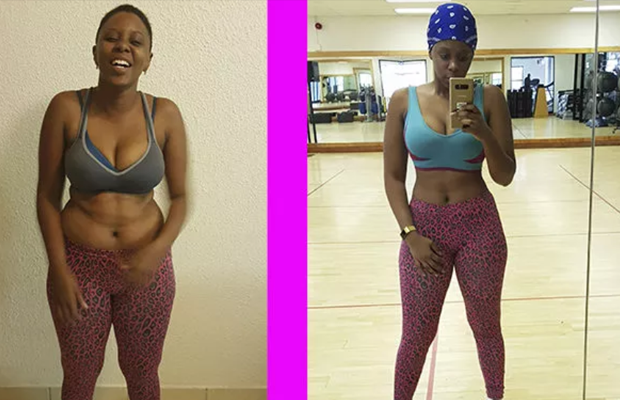
Health24.com | “I used this weight-loss programme and it totally changed my body”

Neo Maarohanye wasn’t living her best life – and it was all down to complacency. Stuck in a toxic relationship, she’d lost sight of the woman she used to be. But when that relationship ended, she knew it was time to start taking care of herself.

Knowing that she couldn’t do it on her own, Neo found guidance in Women’s Health Shedding For The Wedding (a healthy meal and exercise plan, designed by experts) – and it totally changed her life!

Read more: Can sipping aloe juice really help you lose weight?

Neo Maarohanye

Occupation: Pharmacist

Age: 24

City: Rustenburg

Weight before: 74.2kg

Weight after: 66.5kg

Height 167cm

Time required to reach current weight: 3.5 months

Secret weapon to your weight loss: Shedding For The Wedding

Read more: How to tell which of the 4 weight-loss stages you’re in

The gain

Neo was always body-conscious. “Growing up, I was obsessed with health and fitness,” she says. But that all changed when she entered the working world. “I could finally afford to buy all the food I couldn’t eat growing up.” Neo used her newfound financial freedom to experience restaurants, but she never chose healthy options. “I had the worst diet ever. In the morning I would eat my All-Bran cereal with sugar, but the portion was ridiculous. I literally filled my bowl, which wasn’t even small. I would indulge at least twice a week on a slab of Top Deck chocolate, and every Wednesdays I had to have an Oreo McFlurry.”

Even the pizza delivery guy knew her by name. “I had no self-discipline. If I wanted McDonald’s at 2am I’d get into my car and go buy it. Whatever I was craving, I made sure I got it.”  Added to her love of junk food, Neo loved fizzy drinks, along with a few glasses of alcohol during the week.

While she was exercising most days, she wasn’t challenging herself during her workouts, and the weight crept on steadily. “I didn’t even notice until my jeans stopped fitting, and even then I thought it was okay to gain weight because I was working out. Within a year, I’d gained 12kg.”

Read more: 5 surprisingly easy ways to fast-track your weight loss

The change

Everything changed when Neo left that toxic relationship. “I looked in the mirror and could no longer recognise myself. I missed the person I was before the relationship. My health and fitness were no longer a priority in my life. I would rather chill with my boyfriend than go to the gym. And we both led an unhealthy lifestyle: Eating junk and [drinking] lots of alcohol.

“I realised I needed help on this journey, some guidelines to follow. That’s I why I decided to buy the Women’s Health Shedding for the Wedding (SFTW),” she explains.

Neo Maarohanye, weight loss, exercise, fitness, he


Read more:
 “I lost 12 kilos with this simple eating and exercise strategy”

Neo started by following the SFTW eating plan. It wasn’t easy initially, but she stuck it out. “I felt like I was constantly hungry. Like I wasn’t eating enough because my body was used to having huge portions of food three times daily. Chocolate and sweets were the things I used to snack on, and now I had to snack on an apple, nuts and yoghurt.”

But as time went on, it became easier to stick to the plan, especially when she began to meal prep. Neo gave up fast food and unhealthy snacking; instead, she started practising her culinary skills with the SFTW recipes. She also learnt how to snack the healthy way. Next to go was her fizzy drinks and alcohol. “I quit alcohol and started drinking a least four litres of water a day.”

Now that she had the eating on lockdown, Neo worked on her fitness. “I couldn’t afford a personal trainer, so having the book was great. I would warm up on the treadmill, then do the workouts from SFTW. The book is amazing as it told me what to do step-by-step,” she explains.

Read more: “Here’s what finally pushed me to put my health first – and lose 17kg”

The lifestyle

“When the number on the scale started decreasing and my clothes fitted better, I was motivated to continue,” says Neo. She’s since become more flexible with the eating plan, but still sticks to the basics. “The plan helped me learn that food is a source of nutrients and fuel for my body. It didn’t give me a quick fix, but helped me create a lifestyle I can maintain forever,” she says. As her fitness levels increased, she started adding more exercises, like high-intensity interval training and squash.

The rewards

Neo is happier, healthier and fitter than she’s ever been. She’s dropped two dress sizes, lost 11cm around her waist and can now run a 5k in 37 minutes. “I’m able to push my body to its limits. I lift heavier weights now. And, most importantly, I’m confident in my body, I love my body – I’m now my own #bodygoals,” she exclaims.

According to Neo, the ironic part is that the book was meant to help women who were heading for the altar, but instead, it helped her fall in love with herself – and you don’t get a greater love story than that.

Read more: “Here’s how I took control of my eating habits – and lost 46 kilos”

Neo’s tips

Set a goal: “It helps to keep you motivated and driven. It can be to lose 10kg, fit into a dress, run a 5km – just set a target for yourself.”

Enjoy the progress: “Don’t be too hard on yourself – patience is a virtue. Take progress pictures, compliment yourself on your hard work, and don’t wait for other people to see the difference. You know your body best.”

Leave your comfort zone: “This is very important when it comes to the exercise part. The reason you might not be losing weight is because your workouts have become stale. Push your body to new limits. Challenge your body and try new exercises.”

If you would like to get your own amazing results, sign up to Shedding for the Wedding here. The programme is online and comes with loads of cool bonuses. Or you can get the book here.

This article was originally published on www.womenshealthsa.co.za

Image credit: iStock; Neo Maarohanye

NEXT ON HEALTH24X

Share Button

Health24.com | 4 backyard items you can use as weights for workouts

Head outside and take a look around your backyard. You might be surrounded by a few familiar objects that can help you get your workout in. Perhaps you haven’t used a few of them in quite some time. You know, like that old bag of charcoal hiding behind your braai?

Read more: Take on this week’s friday fitness test: The vertical jump

The truth is, you don’t have to travel far or spend big bucks on fancy equipment to put your body to work. Sometimes, all the tools you need are right outside your door. Take a look at some of the everyday objects we’ve selected.

A bag of charcoal (7.5kg)

Let’s be honest, that braai of yours probably hasn’t seen any braaiing action since last summer. The next time you’re looking to get your fire started, reconsider what you can do with that bag of charcoal.

Think about it. You can flip boerie with one hand and do a couple lifts with the other. Caution advised.

Read more: This is why you should get outside for your next workout

A spare tyre (4kg)

If you’re lucky, your car hasn’t given you much trouble as of yet and your tyres are in working condition. While you may not have to whip out your tyre-changing abilities just yet, you can put a twist on a regular ball slam routine, with the spare sitting in your garage.

Read more: The 5 muscles that make up your abs plus our workout plan

A bag of sand (23kg)

Bags of sand are sometimes used as weight, which means they’re perfect for working out. Try putting your core strength to the test by doing some bear hug squats.

Read more: What should you do when running gets boring?

A 19 litre bucket of soil (20kg)

That old bucket of dirt in your backyard can do more than provide a home for some plants, it can also be great for taking arm exercises to the next level. Try doing some swings with it in the same way you would with a kettlebell.

This article was originally published onwww.menshealth.com

Image credit: iStock 

NEXT ON HEALTH24X

Share Button

Health24.com | 14 delicious easy lunches that will help you lose weight

When you’re trying to shed kilos, lunchtime can be a real battle.

“Although there doesn’t seem to be anything special about lunch, consuming regular, healthy meals and reducing snacking may help you lose weight,” says registered dietician Dr Tom Hritz, clinical nutrition manager at Mercy Hospital at the University of Pittsburgh Medical Center.

Aiming for three healthy meals a day, including lunch, can help maintain appetite-regulating hormones and keep your blood sugar stable, making it even easier to resist cravings when they strike, says Dr Hritz.

Read more: The 15 minute workout you can do in your lunch break

So to keep your second meal of the day on point, we’re bringing you 14 easy lunches that you can actually get excited about. Bonus: They’ll help you lose weight.

1. Kale salad with salmon and avocado

Eating leafy greens is a great way to increase the volume of your meals without increasing the kilojoules, says New York-based registered dietitian Brooke Alpert.

Meanwhile, salmon is rich in protein and omega-3 fatty acids – the former boosts fullness while the latter revs up metabolism, she says. Avocado is also packed with protein and contains a compound called oleic acid, which can reduce your appetite and melt away belly fat.

Mix a handful of chopped kale with a palm-sized portion of salmon and half of an avocado, pitted and cut into small chunks. Add chopped tomato, cucumber, and bell peppers to taste.

Drizzle with lemon dressing (three parts extra-virgin olive oil, one part lemon juice).

2. Tuna wraps with pesto and tomato

Lean protein is crucial when it comes to appetite control.

“Studies have shown that making your protein intake 25 to 30% of kilojoules can cut cravings by 60%,” says Alpert.

That helps to curb those 3pm vending machine binges. And even though pesto is higher in kilojoules, it can improve cholesterol and decrease inflammation, which play a role in obesity and metabolic disease, she adds. Plus, it adds a ton of flavour so you’re satisfied quicker.

Mix one can or packet of tuna with your choice of pesto and chopped tomato. Spoon onto lettuce leaves, roll up, and enjoy.

tortilla pieces close up with fuzzy depth of field

Read more: Four ways to build the ultimate protein bowl that you can throw in your bag and take wherever you go

3. Peanut butter and banana sandwich

The peanut butter, banana and whole-grain bread all provide fibre from low-kilojoule sources, which helps you stay full, says Dr Hritz.

There’s also some healthy, monounsaturated fat in the peanut butter, which helps keep your blood sugar in check and levels out your appetite.

Bonus: You can keep all of these ingredients in your desk drawer.

Spread two tablespoons of peanut butter onto one slice of sprouted whole-grain bread and add a layer of banana on top. To stomp out your hunger, add another dose of low-kilojoule fibre with a side of carrot and celery sticks, he says.

4. Brussel sprouts with grilled chicken

Like most vegetables, Brussel sprouts are high in fibre, but these petite cabbages seem to keep her clients fuller for a longer period of time, says Laura Cipullo, registered dietitian and author of The Women’s Health Body Clock Diet.

Bonus: The lean protein from the chicken adds to the fullness factor, which helps curb late-afternoon cravings.

Roast 1 1/2 cups of shredded Brussel sprouts. Add a palm-sized portion of grilled chicken, one strip of cooked bacon and cherry tomatoes to taste.

Mix two parts olive oil to one part apple cider vinegar and a pinch of salt and pepper, coating the salad with the mixture.

Read more: Add this protein-packed chicken burger to your recipe book

5. Tuna salad

This combination of protein, fibre, and healthy fats is super-satiating and will help keep your appetite in check over the long haul, says registered dietitian Cara Harbstreet.

Mix one can or packet of tuna with half an avocado, plus seasonings like garlic or chilli powder to taste.

Spoon onto a whole-wheat wrap and top with salad greens.

6. Veggie burger

There’s tons of protein and fibre-rich carbs in veggie burgers (mostly from soy beans or other beans), says Dr Hritz.

The protein and fibre will keep you full, and the carbs will give you an energy boost, curbing your appetite until dinner.

Cook a veggie burger and top with one slice of low-fat cheese, mushrooms, and tomato on a whole-grain bun.

Healthy baked sweet potato burger with whole grain

Read more: Craving chips? This is how to make your own vegetable crisps and satisfy your junk food cravings

7. Fish tacos

Fish provides a good amount of protein to keep you full and metabolism-boosting omega-3 fatty acids (especially albacore tuna or salmon), says Dr Hritz.

Plus, the cabbage, avocado and whole-wheat tortillas provide low-kilojoule fibre.

Layer a whole-wheat tortilla with a palm-sized portion of fish (sautéed and shredded), half a chopped avocado, and shredded red cabbage.

8. Burrito bowl

This easy creation is full of flavour and contains more than 20g of protein, keeping you full (and satisfied) throughout the afternoon, says New York-based registered dietitian Emily Braaten.

Start with a base of 1/2 cup of brown rice, roasted sweet potatoes or lots of greens.

Top with a half can of black beans mixed with taco seasoning, salsa and an avocado slice or dollop of plain Greek yoghurt.

Read more: 6 ‘healthy’ foods you should cut back on if you want to lose weight

9. Quinoa salad

This salad is easy to take on the go, doesn’t require heating and is packed with weight-loss promoting nutrients, says registered dietitian McKenzie Flinchum. The quinoa is a great protein source and full of fibre, while the pistachios are low in kilojoules and contain heart-healthy fats.

As for the reduced fat feta cheese: It boosts the protein content of the meal without the fat and kilojoules of other cheeses, which further contributes to the feeling of satiety, says Flinchum.

To make two servings, cook 1/2 cup of quinoa and let it cool. Mix in 1/4 cup shelled pistachios, 1/4 cup reduced fat feta cheese, 1/4 cup chopped fresh basil leaves, 1/4 cup reduced-sugar dried cranberries, one or two tablespoons of balsamic vinegar, two teaspoons of olive oil, and one tablespoon of lemon zest.

10. Spicy shrimp and black bean wrap

The whole-wheat wrap provides fibre, the shrimp is a source of lean protein, and the black beans add to the fibre and protein quotas, says Flinchum.

The hummus adds flavour, but heart-healthy fats help keep your blood sugar in check, quashing cravings before they start. On top of all that, adding spring mixed greens is an easy way to add volume and fibre to a meal without adding many kilojoules, she says.

Spread one tablespoon of hummus over the bottom of a whole-wheat wrap. Add 60g of cooked shrimp (roughly five or six shrimps) and 1/3 cup black beans. Top with spring mix and one to two tablespoons of salsa.

Read more: 6 food combinations that are insanely good for you

11. Peanut butter cup smoothie

Having a smoothie – and taking a short break from solid foods – encourages your metabolism to burn off stored fat, says registered dietitian, Caroline Apovian, director of the Nutrition and Weight Management Center at the Boston Medical Center.

The high protein content feeds your muscles and prevents muscle loss, which contributes to a slower metabolism and higher body fat.

Blend one cup of unsweetened vanilla almond milk, one banana, one cup of spinach, three tablespoons of unsweetened cocoa powder, two tablespoons of peanut butter, and one serving of protein powder. Blend until smooth, adding water or ice to achieve your desired consistency.

Peanut butter banana oat smoothie with paper straw

12. Greek yoghurt salad

The chicken and yoghurt contain protein, while the almonds contain protein and healthy fats. That keeps your stomach full and your blood sugar in check, says registered dietitian, Ashvini Mashru, author of Small Steps to Slim.

The water content and fibre from the celery, apple and grapes adds to the satiety factor by filling you up with fewer kilojoules.

To make three servings, dice one poached boneless, skinless chicken breast and place in a large bowl. Mix in two tablespoons of non-fat Greek yoghurt until the chicken is evenly coated.

Add two or three tablespoons each of diced celery, apple and grapes, along with two tablespoons of slivered almonds.

Read more: Eat this high-calorie food at least once a week to stay lean

13. Mason jar salad

“This lunch packs a heavy punch of fibre to help you feel full and curb cravings,” says registered dietitian Taylor D’Anna.

Layer your favourite salad components in a jar and pour in your dressing of choice.

Add firmer veggies to the bottom of the jar, like tomatoes, cucumber or peppers.

Then add your greens. Opt for a mix of kale, spinach and romaine for a flavourful and vitamin-rich mix.

14. Garbage bowl

Don’t let the name fool you. This is a delicious way to morph your leftovers into a brand new dish, says D’Anna. Just make sure to include a combination of lean protein, fibre and healthy fats for weight-loss success.

Start by adding a base, such as quinoa or brown rice (fibre). Next, add grilled chicken (lean protein), tofu, or even hummus (protein and healthy fats).

Choose a colourful addition of veggies, such as peppers, onion, carrots, cauliflower or broccoli (for more fibre).

Lastly, season to taste.

This article was originally published on www.menshealth.com

Image credit: iStock 

NEXT ON HEALTH24X

Share Button