The new face of South American people

The history of the peopling of the Americas has just been interpreted afresh. The largest and most comprehensive study ever conducted on the basis of fossil DNA extracted from ancient human remains found on the continent has confirmed the existence of a single ancestral population for all Amerindian ethnic groups, past and present.

Over 17,000 years ago this original contingent crossed the Bering Strait from Siberia to Alaska and began peopling the New World. Fossil DNA shows an affinity between this migratory current and the populations of Siberia and northern China. Contrary to the traditional theory it had no link to Africa or Australasia.

The new study also reveals that once they had settled in North America the descendants of this ancestral migratory flow diversified into two lineages some 16,000 years ago.

The members of one lineage crossed the Isthmus of Panama and peopled South America in three distinct consecutive waves.

The first wave occurred between 15,000 and 11,000 years ago. The second took place at most 9,000 years ago. There are fossil DNA records from both migrations throughout South America. The third wave is much more recent but its influence is limited as it occurred 4,200 years ago. Its members settled in the Central Andes.

An article on the study has just been published in the journal Cell a group of 72 researchers from eight countries, affiliated with the University of São Paulo (USP) in Brazil, Harvard University in the United States, and Max Planck Institute for the Science of Human History in Germany, among others.

According to the researchers’ findings, the lineage that made the north-south journey between 16,000 and 15,000 years ago belonged to the Clovis culture, named for a group of archeological sites excavated in the western US and dating from 13,500-11,000 years ago.

The Clovis culture was so named when flint spearheads were found in the 1930s at a dig in Clovis, New Mexico. Clovis sites have been identified throughout the US and in Mexico and Central America. In North America, the Clovis people hunted Pleistocene megafaunas such as giant sloth and mammoth. With the decline of the megafauna and its extinction 11,000 years ago, the Clovis culture eventually disappeared. Long before that, however, bands of hunter-gatherers had traveled south to explore new hunting grounds. They ended up settling in Central America, as evidenced by 9,400-year-old human fossil DNA found in Belize and analyzed in the new study.

At a later date, perhaps while pursuing herds of mastodons, Clovis hunter-gatherers crossed the Isthmus of Panama and spread into South America, as evidenced by genetic records from burial sites in Brazil and Chile revealed now. This genetic evidence corroborates well-known archeological finds such as the Monte Verde site in southern Chile, where humans butchered mastodons 14,800 years ago.

Among the many known Clovis sites, the only burial site associated with Clovis tools is in Montana, where the remains of a baby boy (Anzick-1) were found and dated to 12,600 years ago. DNA extracted from these bones has links to DNA from skeletons of people who lived between 10,000 and 9,000 years ago in caves near Lagoa Santa, Minas Gerais State, Brazil. In other words, the Lagoa Santa people were partial descendants of Clovis migrants from North America.

“From the genetic standpoint, the Lagoa Santa people are descendants of the first Amerindians,” said archeologist André Menezes Strauss, who coordinated the Brazilian part of the study. Strauss is affiliated with the University of São Paulo’s Museum of Archeology and Ethnology (MAE-USP).

“Surprisingly, the members of this first lineage of South Americans left no identifiable descendants among today’s Amerindians,” he said. “Some 9,000 years ago their DNA disappears completely from the fossil samples and is replaced by DNA from the first migratory wave, prior to the Clovis culture. All living Amerindians are descendants of this first wave. We don’t yet know why the genetic stock of the Lagoa Santa people disappeared.”

One possible reason for the disappearance of DNA from the second migration is that it was diluted in the DNA of the Amerindians who are descendants of the first wave and cannot be identified by existing methods of genetic analysis.

According to Tábita Hünemeier, a geneticist at the University of São Paulo’s Bioscience Institute (IB-USP) who took part in the research, “one of the main results of the study was the identification of Luzia’s people as genetically related to the Clovis culture, which dismantles the idea of two biological components and the possibility that there were two migrations to the Americas, one with African traits and the other with Asian traits.”

“Luzia’s people must have resulted from a migratory wave originating in Beringia,” she said, referring to the now-submerged Bering land bridge that joined Siberia to Alaska during the glaciations, when sea levels were lower.

“The molecular data suggests population substitution in South America since 9,000 years ago. Luzia’s people disappeared and were replaced by the Amerindians alive today, although both had a common origin in Beringia,” Hünemeier said.

Brazilian contribution

The Brazilian researchers’ contribution to the study was fundamental. Among the 49 individuals from which fossil DNA was taken, seven skeletons dated to between 10,100 and 9,100 years ago came from Lapa do Santo, a rock shelter in Lagoa Santa.

The seven skeletons, alongside dozens of others, were found and exhumed in successive archeological campaigns at the site, led initially by Walter Alves Neves, a physical anthropologist at IB-USP, and since 2011 by Strauss. The archeological campaigns led by Neves between 2002 and 2008 were funded by São Paulo Research Foundation — FAPESP.

Altogether the new study investigated fossil DNA from 49 individuals found at 15 archeological sites in Argentina (two sites, 11 individuals dated to between 8,900 and 6,600 years ago), Belize (one site, three individuals dated to between 9,400 and 7,300 years ago), Brazil (four sites, 15 individuals dated to between 10,100 and 1,000 years ago), Chile (three sites, five individuals dated to between 11,100 and 540 years ago) and Peru (seven sites, 15 individuals dated to between 10,100 and 730 years ago).

The Brazilian skeletons come from the archeological sites Lapa do Santo (seven individuals dated to about 9,600 years ago), Jabuticabeira II in Santa Catarina State (a sambaqui or shell midden with five individuals dated to about 2,000 years ago), as well as from two river middens in the Ribeira Valley, São Paulo State: Laranjal (two individuals dated to about 6,700 years ago), and Moraes (one individual dated to about 5,800 years ago).

Paulo Antônio Dantas de Blasis, an archeologist affiliated with MAE-USP, led the dig at Jabuticabeira II, which was also supported by FAPESP through a Thematic Project.

The digs at the river midden sites in São Paulo State were led by Levy Figuti, also an archeologist at MAE-USP, and were also supported by FAPESP.

“The Moraes skeleton (5,800 years old) and the Laranjal skeleton (6,700 years old) are among the most ancient from the South and Southeast of Brazil,” Figuti said. “These locations are strategically unique because they’re between the highlands of the Atlantic plateau and the coastal plain, contributing significantly to our understanding of how the Southeast of Brazil was peopled.”

These skeletons were found between 2000 and 2005. From the start, they presented a complex mixture of coastal and inland cultural traits, and the results of their analysis generally varied except in the case of one skeleton diagnosed as Paleoindian (analysis of its DNA is not yet complete).

“The study that’s just been published represents a major step forward in archeological research, exponentially increasing what we knew until only a few years ago about the archaeogenetics of the peopling of the Americas,” Figuti said.

Hünemeier has also recently made a significant contribution to the reconstruction of human history in South America using paleogenomics.

Amerindian genetics

Not all the human remains found at some of the most ancient archeological sites in Central and South America belonged to genetic descendants of the Clovis culture. The inhabitants of several sites did not have Clovis-associated DNA.

“This shows that besides its genetic contribution the second migration wave to South America, which was Clovis-associated, may also have brought with it technological principles that would be expressed in the famous fishtail points that are found in many parts of South America,” Strauss said.

How many human migrations from Asia came to the Americas at the end of the Ice Age more than 16,000 years ago was hitherto unknown. The traditional theory, formulated in the 1980s by Neves and other researchers, was that the first wave had African traits or traits similar to those of the Australian Aboriginals.

The well-known forensic facial reconstruction of Luzia was performed in accordance with this theory. Luzia is the name given to the fossil skull of a woman who lived in the Lagoa Santa region 12,500 years ago and is sometimes referred to as the “first Brazilian.”

The bust of Luzia with African features was built on the basis of the skull’s morphology by British anatomical artist Richard Neave in the 1990s.

“However, skull shape isn’t a reliable marker of ancestrality or geographic origin. Genetics is the best basis for this type of inference,” Strauss explained.

“The genetic results of the new study show categorically that there was no significant connection between the Lagoa Santa people and groups from Africa or Australia. So the hypothesis that Luzia’s people derived from a migratory wave prior to the ancestors of today’s Amerindians has been disproved. On the contrary, the DNA shows that Luzia’s people were entirely Amerindian.”

A new bust has replaced Luzia in the Brazilian scientific pantheon. Caroline Wilkinson, a forensic anthropologist at Liverpool John Moores University in the UK and a disciple of Neave, has produced a facial reconstruction of one of the individuals exhumed at Lapa do Santo. The reconstruction was based on a retrodeformed digital model of the skull.

“Accustomed as we are to the traditional facial reconstruction of Luzia with strongly African features, this new facial reconstruction reflects the physiognomy of the first inhabitants of Brazil far more accurately, displaying the generalized and indistinct features from which the great Amerindian diversity was established over thousands of years,” Strauss said.

The study published in Cell, he added, also presents the first genetic data on Brazilian coastal sambaquis.

“These monumental shell mounds were built some 2,000 years ago by populous societies that lived on the coast of Brazil. Analysis of fossil DNA from shell mound burials in Santa Catarina and São Paulo shows these groups were genetically akin to the Amerindians alive today in the South of Brazil, especially the Kaingang groups,” he said.

According to Strauss, DNA extraction from fossils is technically very challenging, especially if the material was found at a site with a tropical climate. For almost two decades extreme fragmentation and significant contamination prevented different research groups from successfully extracting genetic material from the bones found at Lagoa Santa.

This has now been done thanks to methodological advances developed by the Max Planck Institute. As Strauss enthusiastically explained, much more remains to be discovered.

“Construction of Brazil’s first archaeogenetic laboratory is scheduled to begin in 2019, thanks to a partnership between the University of São Paulo’s Museum of Archeology and Ethnology (MAE) and its Bioscience Institute (IB) with funding from FAPESP. When it’s ready, it will give a new thrust to research on the peopling of South America and Brazil,” Strauss said.

“To some extent, this study not only changes what we know about how the region was peopled but also changes considerably how we study human skeletal remains,” Figuti said.

Human remains were first found in Lagoa Santa in 1844, when Danish naturalist Peter Wilhelm Lund (1801-1880) discovered some 30 skeletons deep in a flooded cave. Almost all these fossils are now at the Natural History Museum of Denmark in Copenhagen. A single skull has stayed in Brazil. It was donated by Lund to the Brazilian History and Geography Institute in Rio de Janeiro.

Colonization by leaps and bounds

On the same day as the Cell article was published (November 8, 2018), a paper in the journal Science also reported new findings on fossil DNA from the first migrants to the Americas. André Strauss is one of the authors.

Among the 15 ancient skeletons from which genetic material was taken, five belong to the Lund Collection in Copenhagen. They date from between 10,400 and 9,800 years ago. They are the oldest in the sample, alongside an individual from Nevada estimated to be 10,700 years old.

The sample comprised fossilized human remains from Alaska, Canada, Brazil, Chile, and Argentina. The results of its molecular analysis suggested the peopling of the Americas by the first human groups out of Alaska did not come about merely through gradual occupation of territory concomitantly with population growth.

According to the researchers responsible for the study, the molecular data suggests that the first humans to invade Alaska or neighboring Yukon, split into two groups. This happened between 17,500 and 14,600 years ago. One group colonized North and Central America, the other South America.

The peopling of the Americas ensued by leaps and bounds, as small bands of hunter-gatherers traveled far and wide to settle in new areas until they reached Tierra del Fuego in a movement lasting one or at most two millennia.

Among the 15 individuals whose DNA was analyzed, three of the Lagoa Santa five were found to have some genetic material from Australasia, as suggested by the theory proposed by Neves for the occupation of South America. The researchers are unable to explain the origin of this Australasian DNA or how it ended up in only a few of the Lagoa Santa people.

“The fact that the genomic signature of Australasia has been present for 10,400 years in Brazil but is absent in all the genomes tested to date, which are as old or older, and found farther north, is a challenge considering its presence in Lagoa Santa,” they said.

Other fossils collected during the twentieth century include the Luzia skull, found in the 1970s. Almost 100 skulls excavated by Neves and Strauss in the past 15 years are now held at USP. A similar number of fossils are held at the Pontifical Catholic University of Minas Gerais (PUC-MG).

But the vast majority of these osteological and archeological treasures, belonging to perhaps more than 100 individuals, were deposited at the National Museum in Rio de Janeiro and were presumably destroyed in the fire that raged through this historic building on September 2, 2018.

The Luzia skull was on display at the National Museum alongside Neave’s facial reconstruction. Scientists feared it had been lost to the fire but fortunately it was one of the first objects to be recovered from the ruins. It had broken up but survived. The fire destroyed the original facial reconstruction (of which there are several copies).

Share Button

A two-atom quantum duet

Researchers at the Center for Quantum Nanoscience (QNS) within the Institute for Basic Science (IBS) achieved a major breakthrough in shielding the quantum properties of single atoms on a surface. The scientists used the magnetism of single atoms, known as spin, as a basic building block for quantum information processing. The researchers could show that by packing two atoms closely together they could protect their fragile quantum properties much better than for just one atom.

The spin is a fundamental quantum mechanical object and governs magnetic properties of materials. In a classical picture, the spin often can be considered like the needle of a compass. North or south pole of the needle, for example, can represent spin up or down. However, according to the laws of quantum mechanics, the spin can also point in both directions at the same time. This superposition state is very fragile since the interaction of the spin with the local environment causes dephasing of the superposition. Understanding the dephasing mechanism and enhancing the quantum coherence are one of the key ingredients toward spin-based quantum information processing.

In this study, published in the journal Science Advances in November 9, 2018, QNS scientists tried to suppress the decoherence of single atoms by assembling them closely together. The spins, for which they used single titanium atoms, were studied by using a sharp metal tip of a scanning tunneling microscope and the atoms’ spin states were detected using electron spin resonance. The researchers found that by bringing the atoms very close together (one million times closer than a millimeter), they could protect the superposition states of these two magnetically-coupled atoms 20 times longer compared to an individual atom. “Like a phalanx, the two atoms were able to protect each other from external influences, better than on their own.” said Dr. Yujeong Bae, researcher at QNS and first author of the study. “In that way the entangled quantum states we created were not affected by environmental disruptions such as magnetic field noise.”

“This is a significant development that shows how we can engineer and sense the states of atoms. This allows us to explore their possibility to be used as quantum bits for future quantum information processing.,” added Prof. Andreas Heinrich, director of QNS. In future experiments, the researchers plan to build even more sophisticated structures in order to explore and improve the quantum properties of single atoms and nanostructures.

Story Source:

Materials provided by Institute for Basic Science. Note: Content may be edited for style and length.

Share Button

Graphene on the way to superconductivity

Carbon atoms have diverse possibilities to form bonds. Pure carbon can therefore occur in many forms, as diamond, graphite, as nanotubes, football molecules or as a honeycomb-net with hexagonal meshes, graphene. This exotic, strictly two-dimensional material conducts electricity excellently, but is not a superconductor. But perhaps this can be changed.

A complicated option for superconductivity

In April 2018, a group at MIT, USA, showed that it is possible to generate a form of superconductivity in a system of two layers of graphene under very specific conditions: To do this, the two hexagonal nets must be twisted against each other by exactly the magic angle of 1.1°. Under this condition a flat band forms in the electronic structure. The preparation of samples from two layers of graphene with such an exactly adjusted twist is complex, and not suitable for mass production. Nevertheless, the study has attracted a lot of attention among experts.

The simple way to flat bands

But there is one more, much simpler way of flat band formation. This was shown by a group at the HZB around Prof. Oliver Rader and Dr. Andrei Varykhalov with investigations at BESSY II.

The samples were provided by Prof. Thomas Seyller, TU Chemnitz. There they are produced using a process that is also suitable for the production of larger areas and in large quantities: A silicon carbide crystal is heated until silicon atoms evaporate from the surface, leaving first a single-layer of graphene on the surface, and then a second layer of graphene. The two graphene layers are not twisted against each other, but lie exactly on top of each other.

Scanning the band structure with ARPES

At BESSY II, the physicists are able to scan the so-called band structure of the sample. This band structure provides information on how the charge carriers are distributed among the quantum-mechanically permitted states and which charge carriers are available for transport at all. The angle-resolved photoemission spectroscopy (ARPES) at BESSY II enables such measurements with extremely high resolution.

An interesting region under scrutiny

Via an exact analysis of the band structure, they identified an area that had previously been overlooked. “The double layer of graphene has been studied before because it is a semiconductor with a band gap,” explains Varykhalov. “But on the ARPES instrument at BESSY II, the resolution is high enough to recognize the flat area next to this band gap.”

“It is an overseen property of a well-studied system,” first author Dr. Dmitry Marchenko points out: “It was previously unknown that there is a flat area in the band structure in such a simple well-known system.”

Superconductivity? Needs still a little help

This flat area is a prerequisite for superconductivity but only if it is situated exactly at the so-called Fermi energy. In the case of the two-layer graphene, its energy level is only 200 milli-electron volts below the Fermi energy, but it is possible to raise the energy level of the flat area to the Fermi energy either by doping with foreign atoms or by applying an external voltage, the so-called gate voltage.

The physicists have found that the interactions between the two graphene layers and between graphene and the silicon carbide lattice are jointly responsible for the formation of the flat band area. “We can predict this behavior with very few parameters and could use this mechanism to control the band structure,” adds Oliver Rader.

Story Source:

Materials provided by Helmholtz-Zentrum Berlin für Materialien und Energie. Note: Content may be edited for style and length.

Share Button

New flexible, transparent, wearable biopatch, improves cellular observation, drug delivery

Purdue University researchers have developed a new flexible and translucent base for silicon nanoneedle patches to deliver exact doses of biomolecules directly into cells and expand observational opportunities.

“This means that eight or nine silicon nanoneedles can be injected into a single cell without significantly damaging a cell. So we can use these nanoneedles to deliver biomolecules into cells or even tissues with minimal invasiveness,” said Chi Hwan Lee, an assistant professor in Purdue University’s Weldon School of Biomedical Engineering and School of Mechanical Engineering.

A surgeon performs surgery on the back of a hand of a patient who has melanoma. Purdue researchers are developing a new flexible and translucent base for silicon patches to deliver exact doses of biomolecules directly into cells and expand observational opportunities. The researchers say skin cancer could be one of the applications for the patches.

Silicon nanoneedles patches are currently placed between skin, muscles or tissues where they deliver exact doses of biomolecules. Commercially available silicon nanoneedles patches are usually constructed on a rigid and opaque silicon wafer. The rigidity can cause discomfort and cannot be left in the body very long.

“These qualities are exactly opposite to the flexible, curved and soft surfaces of biological cells or tissues,” Lee said.

Lee said the researchers have resolved that problem.

“To tackle this problem, we developed a method that enables physical transfer of vertically ordered silicon nanoneedles from their original silicon wafer to a bio-patch,” Lee said. “This nanoneedle patch is not only flexible but also transparent, and therefore can also allow simultaneous real-time observation of the interaction between cells and nanoneedles.” A study on the new procedure was published today (Nov. 9) in Science Advances. The collaborators from South Korea’s Hanyang University and Purdue’s Weldon School of Biomedical Engineering and School of Mechanical Engineering received joint support from the United States Air Force Office of Scientific Research and the Korean Ministry of Science and ICT to complete this study. The nanoneedles are partly embedded in a thin flexible and transparent bio-patch that can be worn on the skin and can deliver controlled doses of biomolecules.

Lee said the researchers hope to develop the patch’s functionality to act as an external skin patch, lowering the pain, invasiveness and toxicity associated with long-term drug delivery.

In this technology’s next iterations, Lee said the researchers plan to test operational validity of the patch’s capabilities monitoring cellular electrical activity or treating cancerous tissue.

This technology aligns with Purdue’s “Giant Leaps” celebrating the university’s global advancements made in health, space, artificial intelligence and sustainability highlights as part of Purdue’s 150th anniversary. Those are the four themes of the yearlong celebration’s Ideas Festival, designed to showcase Purdue as an intellectual center solving real-world issues.

Story Source:

Materials provided by Purdue University. Note: Content may be edited for style and length.

Share Button

Health24.com | Could you handle multiple orgasms every day?

What would you do if doing simple tasks, like brushing your teeth, driving or yawning triggered an orgasm? While it might seem unusual, it does happen to certain people.

In one case, women taking a certain antidepressant experience much more than an improvement in their mood… when yawning, many of them have a spontaneous orgasm. Despite this unusual side effect, it appears that doctors are still prescribing the medication.  

Some fitness fanatics experience the same effect, apparently brought on by increased blood flow to the genitalia when doing exercises like crunches or sit-ups. 

Medical professionals are familiar with a condition called Persistent Genital Arousal Disorder (PGAD), formerly known as Persistent Sexual Arousal Syndrome (PSAS).

While PGAD may not be the correct diagnosis for those people who experience random orgasms throughout the day, these unwanted occurrences can have a negative effect on their lives. 

Women suffering from this condition have been given all sorts of labels — from “nymphomaniac” to “whore” – but it is not something they can control, and doctors are trying their best to find the cause and a possible cure for this reaction.

Even though many people might see it in a positive light, those who suffer from the condition tend to regard it as more of a burden.

Do you, or someone you know, suffer from a condition of this nature? Share your story by emailing healthnews@health24.com and we may publish your story. Should you wish to remain anonymous, please us know.

NEXT ON HEALTH24X

Share Button

Making wind farms more efficient

With energy demands rising, researchers at Penn State Behrend and the University of Tabriz, Iran, have completed an algorithm — or approach — to design more efficient wind farms, helping to generate more revenue for builders and more renewable energy for their customers.

Wind energy is on the rise, and not just in the US,” said Mohammad Rasouli, assistant professor of electrical engineering at Penn State Erie, the Behrend College. “The efficiency of solar panels is less than 25 percent, and is still a subject of current research. Wind turbines, on the other hand, are much more efficient and convert over 45 percent of the wind energy to electricity.”

Though wind turbines are efficient, wind farm layouts can reduce this efficiency if not properly designed. Builders do not always put turbines in the places with the highest wind speeds, where they will generate the most power, said Rasouli. Turbine spacing is also important — because turbines create drag that lowers wind speed, the first turbines to catch the wind will generate more power than those that come after.

To build more efficient wind farms, designers must take these factors into account wind speed and turbine spacing, as well as land size, geography, number of turbines, amount of vegetation, meteorological conditions, building costs, and other considerations, according to the researchers.

Balancing all of these factors to find an optimum layout is difficult, even with the assistance of mathematical models.

“This is a multi-objective approach,” said Rasouli. “We have a function and we want to optimize it while taking into account various constraints.”

The researchers focused on one approach, called “biogeographical-based optimization.” Created in 2008 and inspired by nature, BBO is based on how animals naturally distribute themselves to make the best use of their environment based on their needs. By creating a mathematical model from animal behavior, it is then possible for the researchers to calculate the optimal distribution of objects in other scenarios, such as turbines on a wind farm.

“Analytical methods require a lot of computation,” said Rasouli. “This BBO method minimizes computation and gives better results, finding the optimum solution at less computational cost.”

Other researchers used simplified versions of the BBO approach in 2017 and 2018 to calculate more efficient wind farm layouts, but these simplified versions did not take into account all factors affecting the optimum layout.

The researchers from Penn State and the University of Tabriz completed the approach by incorporating additional variables, including real market data, the roughness of the surface — which affects how much power is in the wind — and how much wind each turbine receives.

The research team also improved the BBO approach by incorporating a more realistic model for calculating wakes — areas with slower wing speeds created after the wind blows past a turbine, similar to the wake behind a boat — and testing how sensitive the model was to other factors such as interest rates, financial incentives, and differences in energy production costs. They report their results online in the Journal of Cleaner Production, which will be published in November.

“This is a more realistic optimization approach compared to some of the simplifying methods that are out there,” said Rasouli. “This would be better to customers, to manufacturers, and to grid-style, larger-size wind farms.”

By incorporating more data, such as updated meteorological records and manufacturer information, the researchers will be able to use the BBO approach to optimize wind farm layouts in many different locations, helping wind farm designers across the world make better use of their land and generate more energy to meet future energy demands from consumers.

“There is an end time for fossil fuels,” said Rasouli. “With this and upcoming methods or better optimization approaches, we can make better use of wind energy.”

Story Source:

Materials provided by Penn State. Note: Content may be edited for style and length.

Share Button

Innovative experimental scheme can create tailor-made mirror molecules

Exploring the mystery of the molecular handedness in nature, scientists have proposed a new experimental scheme to create custom-made mirror molecules for analysis. The technique can make ordinary molecules spin so fast that they lose their normal symmetry and shape and instead form mirrored versions of each other. The research team from DESY, Universität Hamburg and University College London around group leader Jochen Küpper describes the innovative method in the journal Physical Review Letters. The further exploration of handedness, or chirality (from the ancient Greek word for hand, “cheir”), does not only enhance insight in the workings of nature, but could also pave the way for new materials and methods.

Like your hands, many molecules in nature exist in two versions that are mirror images of each other. “For unknown reasons, life as we know it on Earth almost exclusively prefers left-handed proteins, while the genome is organised as the famous right-handed double helix,” explains Andrey Yachmenev, who lead this theoretical work in Küpper’s group at the Center for Free-Electron Laser Science (CFEL). “For more than a century, researchers are unravelling the secrets of this handedness in nature, which does not only affect the living world: mirror versions of certain molecules alter chemical reactions and change the behaviour of materials.” For instance, the right-handed version of caravone (C10H14O) gives caraway its distinctive taste, while the left-handed version is a key factor for the taste of spearmint.

Handedness, or chirality, only occurs naturally in some types of molecules. “However, it can be artificially induced in so-called symmetric-top molecules,” says co-author Alec Owens from the Center for Ultrafast Imaging (CUI). “If these molecules are stirred fast enough, they lose their symmetry and form two mirror forms, depending on their sense of rotation. So far, very little is known about this phenomenon of rotationally-induced chirality, because hardly any schemes for its generation exist that can be followed experimentally.”

Küpper’s team has now computationally devised a way to achieve this rotationally-induced chirality with realistic parameters in the lab. It uses corkscrew-shaped laser pulses known as optical centrifuges. For the example of phosphine (PH3) their quantum-mechanical calculations show that at rotation rates of trillions of times per second the phosphorus-hydrogen bond that the molecule rotates about becomes shorter than the other two of these bonds, and depending on the sense of rotation, two chiral forms of phosphine emerge. “Using a strong static electric field, the left-handed or right-handed version of the spinning phosphine can be selected,” explains Yachmenev. “To still achieve the ultra-fast unidirectional rotation, the corkscrew-laser needs to be fine-tuned, but to realistic parameters.”

This scheme promises a completely new path through the looking-glass into the mirror world, as it would in principle also work with other, heavier molecules. In fact, these would actually require weaker laser pulses and electric fields, but were just too complex to be solved in these first stages of the investigation. However, as phosphine is highly toxic, such heavier and also slower molecules would probably be preferred for experiments.

The proposed method could deliver tailor-made mirror molecules, and the investigation of their interactions with the environment, for instance with polarized light, should help to further penetrate the mysteries of handedness in nature and explore its possible utilization, expects Küpper, who is also a professor of physics and of chemistry at Universität Hamburg: “Faciliating a deeper understanding of the phenomenon of handedness this way could also contribute to the development of chirality-based tailor-made molecules and materials, novel states of matter, and the potential utilization of rotationally-induced chirality in novel metamaterials or optical devices.”

Story Source:

Materials provided by Deutsches Elektronen-Synchrotron DESY. Note: Content may be edited for style and length.

Share Button

Scalpel-free surgery enhances quality of life for Parkinson’s patients

A high-tech form of brain surgery that replaces scalpels with sound waves improved quality of life for people with Parkinson’s disease that has resisted other forms of treatment, a new study has found.

Further, the University of Virginia School of Medicine researchers conclude their study offers “comprehensive evidence of safety” in terms of the approach’s effect on mood, behavior and cognitive ability, areas largely neglected in previous research.

“In our initial study that looked at the outcomes of focused ultrasound surgery in Parkinson’s disease, we primarily described post-operative improvements in motor symptoms, specifically tremor,” said Scott Sperling, PsyD, a clinical neuropsychologist at UVA. “In this study, we extended these initial results and showed that focused ultrasound thalamotomy is not only safe from a cognitive and mood perspective, but that patients who underwent surgery realized significant and sustained benefits in terms of functional disability and overall quality of life.”

Focused Ultrasound and Parkinson’s Disease

Focused ultrasound, as the procedure is known, has already been approved by the federal Food and Drug Administration for the treatment of essential tremor, the most common movement disorder. That approval came after a pioneering international study led by UVA neurosurgeon Jeff Elias, MD. He and his colleagues have since demonstrated the technology’s potential in reducing tremor in people with drug-resistant Parkinson’s disease. The goal is to use focused sound waves to interrupt the faulty brain circuits responsible for the uncontrollable shaking associated with the disease.

The new study looked at the effects on 27 adults, all with severe Parkinson’s tremor that had not responded to previous treatment. The study participants were initially divided into two groups. Twenty received the procedure, while seven received a fake procedure, to serve as a control group. (The seven in the control group were later offered the opportunity to receive the real procedure, and all but one did.)

After receiving the procedure, study participants reported improved quality of life at both three months and 12 months. “After surgery, patients experienced significant improvements in multiple aspects of quality of life, including their ability to perform simple daily tasks, emotional well-being and the sense of stigma they experienced due to their tremor,” Sperling said. “Our results suggest that post-operative improvements in tremor lead to very meaningful improvements in day-to-day functioning and, subsequently, to better overall quality of life.”

The Effects on Mood and Memory

The study was notable for its in-depth examination of the psychological and cognitive effects of the procedure, areas that have received relatively little attention in previous research.

The researchers found that mood and cognition, and the ability to go about daily life, ultimately had more effect on participants’ assessment of their overall quality of life than did their tremor severity or the amount of tremor improvement seen after the procedure.

“A person’s perception of their quality of life is shaped in many different ways,” Sperling said. “Mood and behavioral symptoms, such as depression, anxiety and apathy, often have a greater impact on quality of life than the measurable severity of one’s tremor.”

The only cognitive declines seen in participants followed through the study were in how quickly they were able to name colors and think of and speak words. The cause of this was unclear, though the researchers suggested this could be a result of the natural progression of Parkinson’s. (Focused ultrasound is being tested to address the tremor associated with the disease, not its other symptoms.)

The researchers noted that their study was limited by its small size and the fact that participants’ medication dosing varied, among other factors.

To become available as a treatment for medication-resistant Parkinson’s, the approach would need approval from the FDA. UVA’s new research is an important step in that process.

Share Button

Scientists simplify and accelerate directed evolution bioengineering method

In a process known as directed evolution, scientists reengineer biomolecules to find ones that perform beneficial new functions. The field is revolutionizing drug development, chemical engineering and other applications, but to realize its promise involves painstaking and time-consuming laboratory work.

In a study published today in the journal Cell, University of California, Irvine researchers reported that they have accelerated and simplified directed evolution by having live cells do most of the heavy lifting. By inserting a specially engineered DNA replication system into yeast, the scientists were able to coax selected genes to rapidly and stably mutate and evolve as the host yeast cells reproduced.

“By moving high rates of diversification into cells in a targeted manner, we can grow and pressure those cells to evolve into something new from any genes of our choosing,” said first author Arjun Ravikumar, who earned his Ph.D. in biomedical engineering at UCI earlier this month. “Our work has reduced evolution to be an extremely rapid, straightforward and scalable process.”

Previously, for scientists to screen biomolecules to see if a desired function has been achieved, they needed to build a DNA library in a test tube and insert that DNA into the cells, a laborious and difficult process. The UCI team has eliminated this step entirely in their new approach, letting the cell’s internal machinery do all of the work.

According to senior author Chang Liu, UCI assistant professor of biomedical engineering, when using directed evolution to create a better enzyme or protein — the work that won the Nobel Prize in Chemistry this year — the number of evolutionary cycles becomes very important, because each one can be seen as a step toward a new or improved function. “But if each cycle requires repetitious test-tube DNA molecular biology processing, you can only reasonably go through a few iterations,” he said.

“In contrast, natural evolution runs cycles continuously, essentially by culturing cells over time in an environment that pressures them to develop some new function; the problem from a biomolecular engineering standpoint is that the process is very slow,” Liu added. “We have figured out a genetic architecture that allows biomolecular evolution to be very fast.”

In addition to speeding and simplifying directed evolution, Liu said this new technique can allow scientists to perform additional types of experiments that they had difficulty doing in the past. For example, in their study, the UCI researchers described how they evolved an enzyme in 90 replicate experiments in order to figure out all the ways it could adapt to a certain condition — in this case how a malarial target could develop resistance to a certain drug.

“There are many ways of solving a particular evolutionary challenge such as drug resistance, so the ability to run evolution experiments at the scale that we have allows us to capture and understand more of those possibilities, giving us therapeutically relevant insights into how resistance arises,” Liu said.

Future work will focus on getting the new platform to continuously evolve disease-fighting antibodies and valuable enzymes for drug synthesis, he added.

“Instead of having to inject an antigen into an animal in order to isolate an antibody, imagine just putting it into a culture of yeast cells and having it come out as a specific antibody,” he said. “That could revolutionize how these and other protein drugs are discovered and developed.”

Frances Arnold — the Linus Pauling Professor of Chemical Engineering, Bioengineering & Biochemistry at the California Institute of Technology, who won the 2018 Nobel Prize in Chemistry for her pioneering contributions in the field — said, “Directed evolution is a powerful way to build new proteins, but it can certainly benefit from technological innovations. The technique that Professor Liu and Dr. Ravikumar have developed will stimulate new applications and new avenues of investigation which will continue to expand our ability to compose new DNA.”

Share Button

Health24.com | How to choose the right mattress for your back

If you’re unable to get a peaceful night’s sleep or you’re waking up with back pain every morning, your mattress may be the cause of the problem.

Fortunately mattress technology has come a long way since those creaky old coil mattresses. Today, mattresses are made up of all kinds of extraordinary features and adjustments that provide comfort for every sleeper.

In an interview with Forty Winks, musculoskeletal physiotherapist Richard Christianson said, “My advice is to test the mattress and make sure you test it in your preferred sleeping position (stomach, side or back). Spend time lying on it to get the feel of it. You want enough firmness to support your body, but with it still to offer flexibility to the contours of your body. There is a difference between firm support and firm feel. You want firm support with a comfortable feel and comfort will be determined by your personal preference. There is no strong evidence to date that suggests one mattress is better for your back than another.”

Among the bewildering choice of mattresses on the market, we take a look at four of the most common variations.

Memory foam mattress

Memory foam mattresses are made up of visco-elastic foam. The quality of this foam depends on the company’s foam formula. The formula ultimately determines the ability of the mattress to return to its original shape.

memory foam

Memory foam mattresses take the shape of the body and provide a great source of support. The even weight distribution of the mattress provides all-round pressure relief for the body. These types of mattresses are great for people who enjoy a “snug” sensation when sleeping and also for those in need of pain relief.

According to Christianson, “There is some research that suggests higher-specification foam mattresses (high density or visco-elastic foam) are less likely to cause pressure ulcers in the elderly population as they distribute the surface pressure more evenly.” 

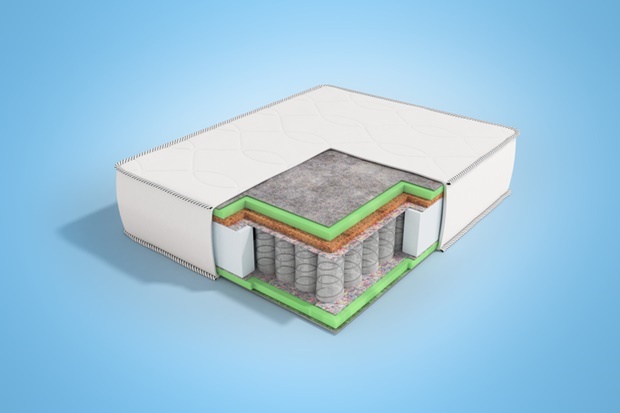
Coil mattress

The coil mattress has gone through an array of modifications and technological advances. Its firmness and comfort are dependent on the number and layers of coils in the mattress. A good coil mattress supports motion isolation, which means that if your partner is a restless sleeper, your sleep will be undisturbed.

.

This mattress is a great source of support, making it excellent for those who suffer from lower back pain. However, springs tend to lose stiffness over time and therefore may not be such a great long-term investment.

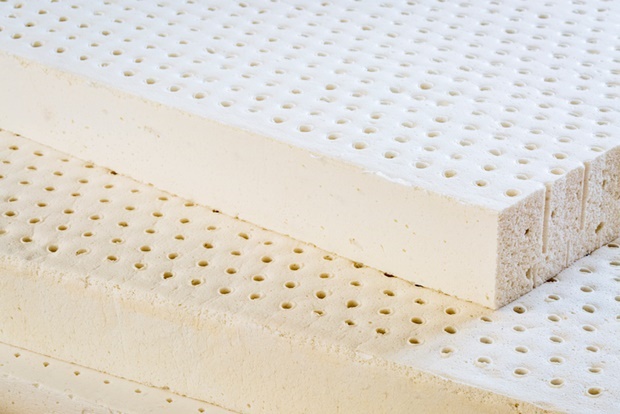
Latex mattress

Latex mattresses are known for their pain relief properties. They’re both firm and buoyant, allowing for sufficient back support and body contouring.

latex mattress

The firmness of the mattress provides great spinal and body alignment. However, given the design of the mattress, they’re not good for severe lower back pain.

In an interview with Women’s Health, professor of orthopaedic surgery Dr Neel Anand says, “While specialists used to recommend an extra-firm mattress as the ideal choice for proper back support, that guidance is outdated and has pretty much been overruled,” he says. “In fact, new studies have shown a too-hard mattress may actually create more pain because there isn’t enough ‘give’ near pressure points like your hips and shoulders.” 

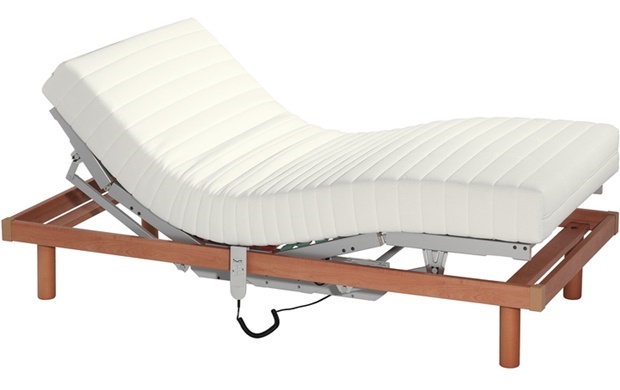
Adjustable mattress

Adjustable beds were once only available for hospital and healthcare patients. Over the years, these beds have been adjusted in a number of ways and their prices have come down, making them suitable for any home.

adjustable mattress

Adjustable beds are great for people suffering from back pain as they allow you to shift your body weight off your back. Lying flat on a mattress tends to cause back pain or aggravate pre-existing conditions for some people.

Image credit: iStock

Share Button