Think light drinking protects your brain? Think again

Drinking any amount of alcohol likely increases the risk of dementia, suggests the largest combined observational and genetic study to date, published online in BMJ Evidence Based Medicine.

Even light drinking — generally thought to be protective, based on observational studies — is unlikely to lower the risk, which rises in tandem with the quantity of alcohol consumed, the research indicates.

Current thinking suggests that there might be an ‘optimal dose’ of alcohol for brain health, but most of these studies have focused on older people and/or didn’t differentiate between former and lifelong non-drinkers, complicating efforts to infer causality, note the researchers.

To try and circumnavigate these issues and strengthen the evidence base, the researchers drew on observational data and genetic methods (Mendelian randomization) from two large biological databanks for the entire ‘dose’ range of alcohol consumption.

These were the US Million Veteran Program (MVP), which includes people of European, African, and Latin American ancestry, and the UK Biobank (UKB), which includes people of predominantly European ancestry.

Participants who were aged 56-72 at baseline, were monitored from recruitment until their first dementia diagnosis, death, or the date of last follow-up (December 2019 for MVP and January 2022 for UKB), whichever came first. The average monitoring period was 4 years for the US group, and 12 for the UK group.

Alcohol consumption was derived from questionnaire responses — over 90% of participants said they drank alcohol — and the Alcohol Use Disorders Identification Test (AUDIT-C) clinical screening tool. This screens for hazardous drinking patterns, including the frequency of binge drinking (6 or more drinks at a time).

In all, 559,559 participants from both groups were included in observational analyses, 14,540 of whom developed dementia of any type during the monitoring period:10,564 in the US group; and 3976 in the UK group. And 48,034 died: 28,738 in the US group and 19,296 in the UK group.

Observational analyses revealed U-shaped associations between alcohol and dementia risk: compared with light drinkers (fewer than 7 drinks a week) a 41% higher risk was observed among non-drinkers and heavy drinkers consuming 40 or more drinks a week, rising to a 51% higher risk among those who were alcohol dependent.

Mendelian randomization genetic analyses drew on key data from multiple large individual genome-wide association studies (GWAS) of dementia, involving a total of 2.4 million participants to ascertain lifetime (rather than current) genetically predicted risks.

Mendelian randomization leverages genetic data, minimizing the impact of other potentially influential factors, to estimate causal effects: genomic risk for a trait (in this case, alcohol consumption) essentially stands in for the trait itself.

Three genetic measures related to alcohol use were used as different exposures, to study the impact on dementia risk of alcohol quantity, as well as problematic and dependent drinking.

These exposures were: self-reported weekly drinks (641 independent genetic variants); problematic ‘risky’ drinking (80 genetic variants); and alcohol dependency (66 genetic variants).

Higher genetic risk for all 3 exposure levels was associated with an increased risk of dementia, with a linear increase in dementia risk the higher the alcohol consumption.

For example, an extra 1-3 drinks a week was associated with a 15% higher risk. And a doubling in the genetic risk of alcohol dependency was associated with a 16% increase in dementia risk.

But no U-shaped association was found between alcohol intake and dementia, and no protective effects of low levels of alcohol intake were observed. Instead, dementia risk steadily increased with more genetically predicted drinking.

What’s more, those who went on to develop dementia typically drank less over time in the years preceding their diagnosis, suggesting that reverse causation — whereby early cognitive decline leads to reduced alcohol consumption — underlies the supposed protective effects of alcohol found in previous observational studies, say the researchers.

They acknowledge that a principal limitation of their findings is that the strongest statistical associations were found in people of European ancestry, because of the numbers of participants of this ethnic heritage studied. Mendelian randomisation also relies on assumptions that can’t be verified, they add.

Nevertheless, they suggest that their findings “challenge the notion that low levels of alcohol are neuroprotective.”

And they conclude: “Our study findings support a detrimental effect of all types of alcohol consumption on dementia risk, with no evidence supporting the previously suggested protective effect of moderate drinking.

“The pattern of reduced alcohol use before dementia diagnosis observed in our study underscores the complexity of inferring causality from observational data, especially in aging populations.

“Our findings highlight the importance of considering reverse causation and residual confounding in studies of alcohol and dementia, and they suggest that reducing alcohol consumption may be an important strategy for dementia prevention.”


Share Button

This new semaglutide dose helped nearly half of patients lose 20% body weight

A higher weekly dose of semaglutide (7.2 mg) can significantly improve weight loss and related health outcomes in adults living with obesity, including those with type 2 diabetes (T2D), according to the results of two large-scale, international phase 3 clinical trials. The findings, published in The Lancet Diabetes & Endocrinology journal, suggest that a higher dose of semaglutide offers a promising new option for people with obesity, including those with T2D, who have not achieved sufficient weight loss with existing treatments.

The STEP UP and STEP UP T2D clinical trials are the first to investigate whether increasing the dose of semaglutide from the currently approved dose of 2·4 mg to 7·2 mg is safe and leads to additional weight reduction. Trial participants were randomized to receive either the higher 7·2 mg dose of semaglutide, the currently approved 2.4 mg dose, or placebo over 72 weeks. All participants — regardless of treatment group — received lifestyle interventions such as dietary counseling and increased physical activity recommendations.

In adults without diabetes, a 7·2 mg dose of semaglutide led to an average weight loss of nearly 19%, surpassing the 16% loss seen with 2·4 mg and 4% with placebo. Nearly half of the participants on the higher dose lost 20% or more of their body weight, with about one-third losing at least 25%. Participants also experienced improvements in waist circumference, blood pressure, blood sugar, and cholesterol levels, all key factors in reducing obesity-related health risks. Similarly, in adults with obesity and T2D, the 7·2 mg dose resulted in an average 13% weight loss compared to 10% with 2.4 mg and 3.9% with placebo, along with significant reductions in blood sugar levels and waist size.

Both trials reported that the higher dose of semaglutide was safe and generally well tolerated. Gastrointestinal side effects like nausea and diarrhea, and some sensory symptoms like tingling, were the most common. However, most side effects were manageable, resolved over time, and did not lead to participants dropping out of the trial. No increase in serious adverse events or severe hypoglycemia was observed with the higher dose.

By delivering greater weight reduction and metabolic benefits while maintaining a favorable safety profile, the authors say this higher dose could help more people reach their health goals and reduce the burden of obesity-related complications worldwide. However, they highlight that further research is needed to fully understand the long-term benefits and risks.

Share Button

What exactly is freshers’ flu – and why do so many get it?

It’s not an actual flu, and it’s rarely serious, but when thousands of students arrive on campus they bring a cocktail of viruses.

Share Button

The vitamin D mistake weakening your immunity

Taking vitamin D2 might lower the body’s levels of the more efficient form of vitamin D, vitamin D3, according to new research from the University of Surrey, John Innes Centre and Quadram Institute Bioscience. Many people take vitamin D supplements to support their bone and immune health and meet the UK government recommendation of 10 micrograms (µg) each day, especially during the winter months.

There are two forms of vitamin D supplements available: vitamin D2 and vitamin D3. Researchers have found that taking vitamin D2 supplements can lead to a drop in the body’s concentration of vitamin D3, which is the form our bodies naturally produce from sunlight and use most effectively to raise overall vitamin D levels.

The study, published in Nutrition Reviews, analysed data from randomised controlled trials and found that vitamin D2 supplementation resulted in a reduction in vitamin D3 levels compared to those not taking a vitamin D2 supplement. In many of the studies, the vitamin D3 levels went lower than in the control group.

Emily Brown, PhD Research Fellow and Lead Researcher of the study from the University of Surrey’s Nutrition, Exercise, Chronobiology & Sleep Discipline, said:

“Vitamin D supplements are important, especially between October and March, when our bodies cannot make vitamin D from sunlight in the UK. However, we discovered that vitamin D2 supplements can actually decrease levels of vitamin D3 in the body, which is a previously unknown effect of taking these supplements. This study suggests that subject to personal considerations, vitamin D3 supplements may be more beneficial for most individuals over vitamin D2.”

Professor Cathie Martin, Group Leader at the John Innes Centre, said:

“This meta-analysis highlights the importance of ensuring plant-based vitamin D3 is accessible in the UK.”

This research supports a previous study published in Frontiers in Immunology, led by Professor Colin Smith from the University of Surrey, which suggests that vitamin D2 and D3 do not have identical roles in supporting immune function. Vitamin D3 has a modifying effect on the immune system that could fortify the body against viral and bacterial diseases.

Professor Colin Smith said:

“We have shown that vitamin D3, but not vitamin D2, appears to stimulate the type I interferon signalling system in the body — a key part of the immune system that provides a first line of defence against bacteria and viruses. Thus, a healthy vitamin D3 status may help prevent viruses and bacteria from gaining a foothold in the body.”

Further research into the different functionalities of vitamin D2 and D3 should be a priority in deciding whether vitamin D3 should be the first-line choice of vitamin D supplement, subject to individual requirements.

Professor Martin Warren, Chief Scientific Officer at the Quadram Institute, said:

“Vitamin D deficiency represents a significant public health concern, especially during the winter months with significant deficiency across the UK population. This collaborative research effort aligns well with the Quadram Institute’s mission to deliver healthier lives through food innovation to enhance the nutrient density of the food we eat. Tackling this with the most effective form of vitamin D supplementation or fortification is of the utmost importance to the health of the nation.”

Share Button

Surprising study reveals what really kills fatty liver disease patients

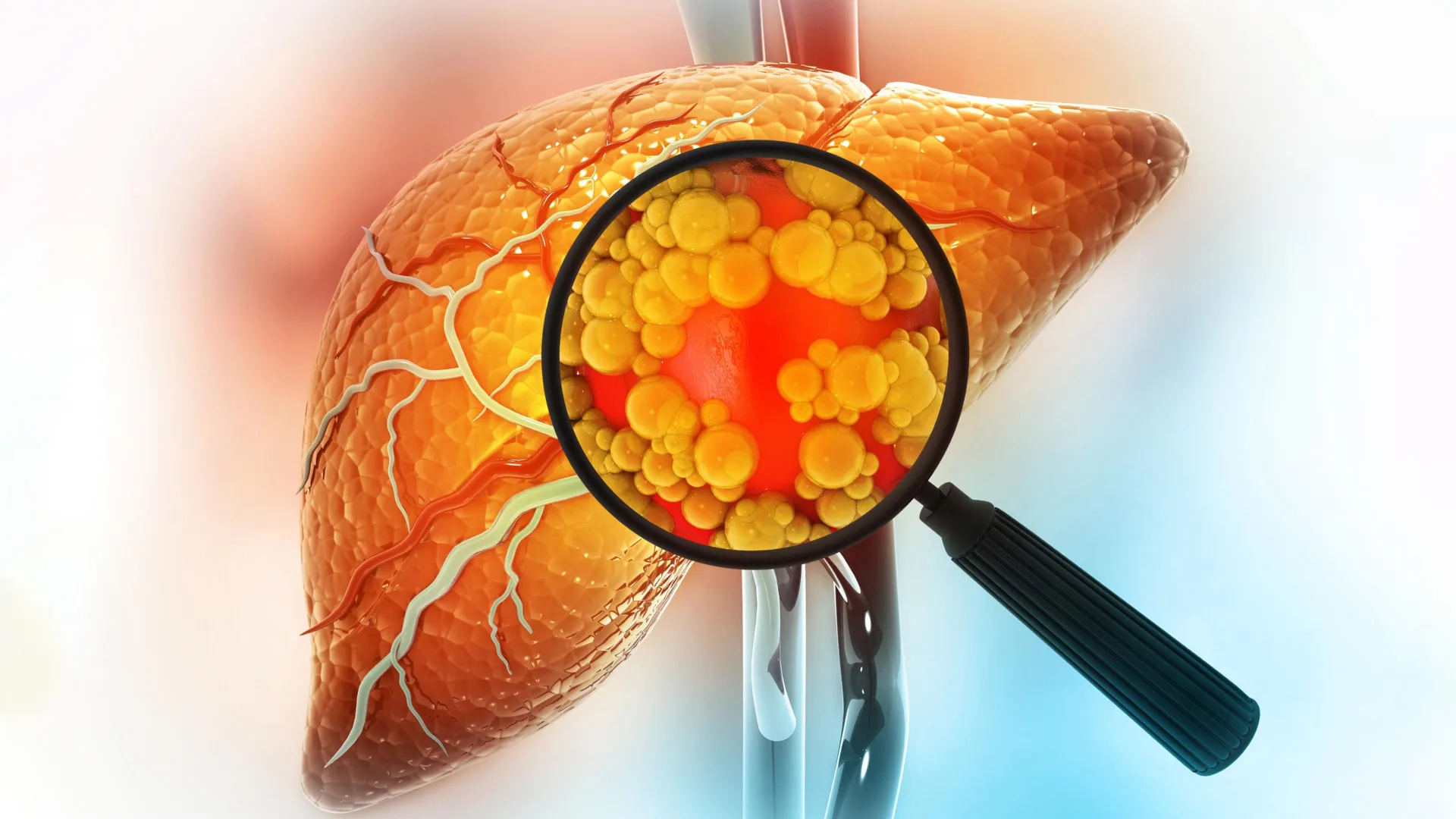
More than a third of the world’s population is affected by metabolic dysfunction-associated steatotic liver disease, or MASLD, the most common chronic liver disease in the world.

MASLD occurs when fat builds up in the liver and is associated with one or more of five conditions: obesity, Type 2 diabetes, high blood pressure, high blood sugar and low HDL cholesterol, known as “good” cholesterol. These conditions are characterized as cardiometabolic risk factors because they affect the heart or metabolism.

MASLD can lead to serious illness, such as advanced liver, heart and kidney disease, but little research has been done to examine if certain cardiometabolic risk factors for those with MASLD are more associated with death than others.

The deadliest cardiometabolic risk factors

Now, a new study from Keck Medicine of USC published in Clinical Gastroenterology and Hepatology reveals that three of the cardiometabolic risk factors carry the greatest risk of death for those with MASLD: high blood pressure, pre-diabetes or Type 2 diabetes, and low HDL, which raise the risk of death by 40%, 25% and 15%, respectively.

These results were independent of how many or which combination of cardiometabolic risk factors patients had, and held steady despite individuals’ gender, sex, race or ethnicity.

“MASLD is a complicated disease, and this study sheds new light on where doctors may want to focus their efforts when treating patients,” said Norah A. Terrault, MD, a hepatologist with Keck Medicine and a senior author of the study. “Knowing which aspects of MASLD might lead to poorer outcomes can help us offer patients the best possible care.”

Researchers were especially surprised to discover that high blood pressure was associated with a higher chance of death than diabetes, said Matthew Dukewich, MD, PharmD, MS, a USC transplant hepatology fellow and lead author of the study. “Until now, it was commonly thought that diabetes was the most pressing health problem for MASLD patients, which is a key insight.”

The study also found that obesity, the most common cardiometabolic risk factor of MASLD, can substantially raise the risk of mortality depending on a patient’s body mass index (BMI), which is a formula used to estimate body fat percentage based on an individual’s height and weight. The higher a patient’s BMI, the higher the association with death.

Additionally, the research adds to the growing body of research that patients with more cardiometabolic risk factors have poorer outcomes. The study found that the risk of death in MASLD patients increased by 15% for each additional cardiometabolic risk factor present.

How the study was conducted

Researchers used data from the National Health and Nutrition Examination Survey (NHANES), which collected health information about children and adults in the United States from 1988-2018, the most current year for which data was available for their study. Out of 134,515 participants 20 years or older, some 21,000 patients qualified as having MASLD.

The study authors tracked all-cause mortality rates by individual cardiometabolic risk factors to reach their conclusions.

Looking ahead, the study authors hope to conduct further studies examining patients’ genetic background, dietary habits and alcohol use in relation to MASLD outcomes to provide more comprehensive risk profiles. “The more we can understand about the drivers of the disease, the more we can identify those most in need of interventions and prioritize our resources for enhanced outcomes,” said Terrault.

Liyun Yuan, MD, a transplant hepatologist with Keck Medicine, is also a study author.

Share Button

Doctors stunned by a cheap drug’s power against colon cancer

A Swedish-led research team at Karolinska Institutet and Karolinska University Hospital has shown in a new randomized clinical trial that a low dose of the well-known medicine aspirin halves the risk of recurrence after surgery in patients with colon and rectal cancer with a certain type of genetic alteration in the tumor.

Every year, nearly two million people worldwide are diagnosed with colorectal cancer. Between 20 and 40 percent develop metastases, which makes the disease both more difficult to treat and more deadly.

Previous observational studies have suggested that aspirin may reduce the risk of certain cancers and possibly also the risk of recurrence after surgery in patients with colorectal cancer harboring mutations in genes within the PIK3 signaling pathway.

These genes regulate key cellular processes such as growth and division. When mutated, these processes can become dysregulated, leading to uncontrolled cell proliferation and cancer development. However, prior findings have been inconsistent and no randomized clinical trials had previously confirmed the association. To address this gap, the ALASCCA trial was initiated and has now been published in The New England Journal of Medicine.

The current study included more than 3,500 patients with colon and rectal cancer from 33 hospitals in Sweden, Norway, Denmark, and Finland. Patients whose tumors showed a specific genetic mutation in the PIK3 signaling pathway — a mutation found in approximately 40 percent of patients — were randomized to receive either 160 mg of aspirin daily or a placebo for three years after surgery.

For patients with the genetic mutation in PIK3, the risk of recurrence was reduced by 55 percent in those who received aspirin compared with the placebo group.

“Aspirin is being tested here in a completely new context as a precision medicine treatment. This is a clear example of how we can use genetic information to personalize treatment and at the same time save both resources and suffering,” says first author Anna Martling, professor at the Department of Molecular Medicine and Surgery, Karolinska Institutet, and senior consultant surgeon at Karolinska University Hospital.

So how does aspirin reduce the risk of recurrence of colon and rectal cancer? The researchers believe that the effect is likely due to aspirin acting through several parallel mechanisms – it reduces inflammation, inhibits platelet function and tumor growth. This combination makes the environment less favorable for cancer.

“Although we do not yet fully understand all the molecular links, the findings strongly support the biological rationale and suggest that the treatment may be particularly effective in genetically defined subgroups of patients,” says Anna Martling.

The researchers believe that the results could have global significance and influence treatment guidelines for colon and rectal cancer worldwide. Anna Martling sees the fact that the drug is well established as a major advantage.

“Aspirin is a drug that is readily available globally and extremely inexpensive compared to many modern cancer drugs, which is very positive,” says Anna Martling.

The study was funded in part by the Swedish Research Council and the Swedish Cancer Society. The researchers state that there are no conflicts of interest.

Facts: What is aspirin?

Aspirin is a medicine that contains acetylsalicylic acid, a substance that relieves pain, fever, and inflammation. It belongs to the group of NSAIDs (non-steroidal anti-inflammatory drugs). The effect usually occurs within 30 minutes. In low doses, it is also used to prevent blood clots.

Common side effects include stomach problems and increased bleeding tendency. People with stomach ulcers, bleeding disorders, or asthma should avoid aspirin. Aspirin is available over the counter in higher doses, but should be used with caution, especially in combination with other blood-thinning agents or alcohol.

Share Button

A tiny detector could unveil gravitational waves we’ve never seen before

Scientists have unveiled a new approach to detecting gravitational waves in the milli-Hertz frequency range, providing access to astrophysical and cosmological phenomena that are not detectable with current instruments.  

Gravitational waves—ripples in spacetime predicted by Einstein—have been observed at high frequencies by ground-based interferometers such as LIGO and Virgo, and at ultra-low frequencies by pulsar timing arrays. However, the mid-band range has remained a scientific blind spot.  

Developed by researchers at the Universities of Birmingham and Sussex, the new detector concept uses cutting-edge optical cavity and atomic clock technologies to sense gravitational waves in the elusive milli-Hertz frequency band (10⁻⁵ – 1 Hz).  

Publishing their proposal today (Oct. 3) in Classical and Quantum Gravity, the scientist reveal a detector that uses advances in optical resonator technology, originally developed for optical atomic clocks, to measure tiny phase shifts in laser light caused by passing gravitational waves. Unlike large-scale interferometers, these detectors are compact, relatively immune to seismic and Newtonian noise.  

Co-author Dr Vera Guarrera, from the University of Birmingham, commented: “By using technology matured in the context of optical atomic clocks, we can extend the reach of gravitational wave detection into a completely new frequency range with instruments that fit on a laboratory table. This opens the exciting possibility of building a global network of such detectors and searching for signals that would otherwise remain hidden for at least another decade.” 

The milli-Hertz frequency band – sometimes called the ‘mid-band’ – is expected to host signals from a variety of astrophysical and cosmological sources, including compact binaries of white dwarfs and black hole mergers. Ambitious space missions such as LISA also target this frequency band, but they are scheduled for launch in the 2030s. The proposed optical resonator detectors could begin exploring this territory now. 

Co-author Professor Xavier Calmet, from the University of Sussex, commented: “This detector allows us to test astrophysical models of binary systems in our galaxy, explore the mergers of massive black holes, and even search for stochastic backgrounds from the early universe. With this method, we have the tools to start probing these signals from the ground, opening the path for future space missions.” 

While future space-based missions like LISA will offer superior sensitivity, their operation is over a decade away. The proposed optical cavity detectors provide an immediate, cost-effective means to explore the milli-Hz band.  

The study also suggests that integrating these detectors with existing clock networks could extend gravitational wave detection to even lower frequencies, complementing high-frequency observatories like LIGO. 

Each unit consists of two orthogonal ultrastable optical cavities and an atomic frequency reference, enabling multi-channel detection of gravitational wave signals. This configuration not only enhances sensitivity but also allows for the identification of wave polarisation and source direction. 

Share Button

Green leader Zack Polanski backs legalisation of all drugs

Zack Polanski speaks to BBC South East on the party’s new approach ahead of the party’s conference.

Share Button

A flu test you can chew

Flu season is fast approaching in the northern hemisphere. And a taste-based influenza testcould somedayhave you swapping nasal swabs for chewing gum. A new molecular sensor has been designed to release a thyme flavor when it encounters the influenza virus. Researchers reporting in ACS Central Science say that they plan to incorporate this type of low-tech sensor into gum or lozenges to increase at-home screenings and potentially prevent pre-symptomatic transmission of the disease.

Staying home is critical to preventing the spread of infectious diseases like influenza; however, people with the flu are contagious before they develop symptoms. Current flu diagnostics like nasal swab-based PCR tests are accurate, but they are slow and expensive. At-home lateral flow tests, akin to those used to test for COVID-19, are convenient and generally low-cost, but don’t catch pre-symptomatic infections.

As written in their published study, Lorenz Meinel and colleagues address these flu detection shortcomings “by switching away from complex detectors and machinery and toward a detector that is available for anyone, everywhere and anytime: the tongue.”

The team developed a molecular sensor that releases a flavor that human tongues can detect — thymol, found in the spice thyme. The sensor is based on a substrate of the influenza virus glycoprotein called neuraminidase (the “N” in H1N1). Influenza viruses use neuraminidase to break certain bonds on the host’s cell to infect it. So, the researchers synthesized a neuraminidase substrate and attached a thymol molecule to it. Thymol registers as a strong herbal taste on the tongue. Theoretically, when the synthesized sensor is in the mouth of someone infected with the flu, the viruses lob off the thymol molecules, and their flavor is detected by the tongue.

After developing their molecular sensor, the researchers conducted lab tests with it. In vials with human saliva from people diagnosed with the flu, the sensor released free thymol within 30 minutes. When they tested the sensor on human and mouse cells, it didn’t change the cells’ functioning. Next, Meinel and team hope to start human clinical trials in about two years to confirm the sensor’s thymol taste sensations in people with pre- and post-symptomatic influenza.

If incorporated into chewing gums or lozenges, “this sensor could be a rapid and accessible first-line screening tool to help protect people in high-risk environments,” says Meinel.

The authors acknowledge funding from the Federal Ministry of Research and Education (now called the Federal Ministry of Research, Technology and Space) and have registered a patent with the European Patent Office on this technology.

Share Button

Japan’s hot springs hold clues to the origins of life on Earth

Earth was not always the blue-green world we know today: the early Earth’s oxygen levels were about a million times lower than we now experience. There were no forests and no animals. For ancient organisms, oxygen was toxic. What did life look like at that time then? A recent study led by Fatima Li-Hau (graduate student at ELSI at the time of the research) along with the supervisor Associate Professor Shawn McGlynn (at the time of research) of the Earth-Life Science Institute (ELSI) at Institute of Science Tokyo, Japan, explores this question by examining iron-rich hot springs that mimic the chemistry of Earth’s ancient oceans around the time of one of Earth’s most dramatic changes: the oxygenation of the atmosphere. Their findings suggest that early microbial communities used iron along with oxygen released by photosynthetic microbes, for energy, revealing a transitional ecosystem where life turned a waste product of one organism into a new energy source before photosynthesis became dominant.

The Great Oxygenation Event (GOE) occurred around 2.3 billion years ago and marked the rise of atmospheric oxygen, likely triggered by green Cyanobacteria that used sunlight to split water, subsequently converting carbon dioxide into oxygen through photosynthesis. The result is that the current atmosphere is around 78% nitrogen and 21% oxygen, with only traces of other gases such as methane and carbon dioxide, which might have played a greater role before the rise of oxygen. The GOE fundamentally changed the course of life on Earth. This high amount of oxygen allows us animals to breathe, but it also complicates life for ancient life forms, which were almost unaware of the O2 molecule. Understanding how these ancient microbes adapted to the presence of oxygen remains a major question.

To answer this, the team studied five hot springs in Japan, which are rich in varied water chemistries. Those five springs (one in Tokyo, two each in Akita and Aomori prefectures) are naturally rich in ferrous iron (Fe2+). They are rare in today’s oxygen-rich world because ferrous iron quickly reacts with oxygen and turns into an insoluble ferric iron form (Fe3+). But in these springs, the water still contains high levels of ferrous iron, low levels of oxygen, and a near-neutral pH, conditions thought to resemble parts of the early Earth’s oceans.

“These iron-rich hot springs provide a unique natural laboratory to study microbial metabolism under early Earth-like conditions during the late Archean to early Proterozoic transition, marked by the Great Oxidation Event. They help us understand how primitive microbial ecosystems may have been structured before the rise of plants, animals, or significant atmospheric oxygen,” says Shawn McGlynn, who supervised Li-Hau during her dissertation work.

In four of the five hot springs, the team found microaerophilic iron-oxidising bacteria to be the dominant microbes. These organisms thrive in low-oxygen conditions and use ferrous iron as an energy source, converting it into ferric iron. Cyanobacteria, known for producing oxygen through photosynthesis, were also present but in relatively small numbers. The only exception was one of the Akita hot springs, where non-iron-based metabolisms were surprisingly dominant.

Using metagenomic analysis, the team assembled over 200 high-quality microbial genomes and used them to analyse in detail the functions of microbes in the community. The same microbes that coupled iron and oxygen metabolism converted a toxic compound into an energy source and helped maintain conditions that allowed oxygen-sensitive anaerobes to persist. These communities carried out essential biological processes such as carbon and nitrogen cycling, and the researchers also found evidence of a partial sulfur cycle, identifying genes involved in sulfide oxidation and sulfate assimilation. Given that hot springs contained very little sulfur compounds, this was a surprising discovery. The researchers propose that this may indicate a “cryptic” sulfur cycle, where microbes recycle sulfur in complex ways that are not yet fully understood.

“Despite differences in geochemistry and microbial composition across sites, our results show that in the presence of ferrous iron and limited oxygen, communities of microaerophilic iron oxidisers, oxygenic phototrophs, and anaerobes consistently coexist and sustain remarkably similar and complete biogeochemical cycles,” says Li-Hau.

The research suggests a shift in our understanding of early ecosystems, showing that microbes may have harnessed energy from iron oxidation and oxygen produced by early phototrophs. The study proposes that, similar to these hot springs, early Earth hosted ecosystems were composed of diverse microbes, including iron-oxidising bacteria, anaerobes, and Cyanobacteria living alongside one another and modulating oxygen concentrations.

“This paper expands our understanding of microbial ecosystem function during a crucial period in Earth’s history, the transition from an anoxic, iron-rich ocean to an oxygenated biosphere at the onset of the GOE. By understanding modern analogue environments, we provide a detailed view of metabolic potentials and community composition relevant to early Earth’s conditions,” says Li-Hau.

Together, these insights deepen our understanding of life’s early evolution on Earth and have implications for the search for life on other planets with geochemical conditions similar to those of early Earth.

More information

Earth-Life Science Institute (ELSI) is one of Japan’s ambitious World Premiere International research centers, whose aim is to achieve progress in broadly inter-disciplinary scientific areas by inspiring the world’s greatest minds to come to Japan and collaborate on the most challenging scientific problems. ELSI’s primary aim is to address the origin and co-evolution of the Earth and life.

Institute of Science Tokyo (Science Tokyo) was established on October 1, 2024, following the merger between Tokyo Medical and Dental University (TMDU) and Tokyo Institute of Technology (Tokyo Tech), with the mission of “Advancing science and human wellbeing to create value for and with society.”

World Premier International Research Center Initiative (WPI) was launched in 2007 by Japan’s Ministry of Education, Culture, Sports, Science and Technology (MEXT) to foster globally visible research centers boasting the highest standards and outstanding research environments. Numbering more than a dozen and operating at institutions throughout the country, these centers are given a high degree of autonomy, allowing them to engage in innovative modes of management and research. The program is administered by the Japan Society for the Promotion of Science (JSPS).

Share Button