130-year-old brain coral reveals encouraging news for open ocean

When nitrogen-based fertilizers flow into water bodies, the result can be deadly for marine life near shore, but what is the effect of nitrogen pollution far out in the open ocean?

A 130-year-old brain coral has provided the answer, at least for the North Atlantic Ocean off the East Coast of the United States. By measuring the nitrogen in the coral’s skeleton, a team of researchers led by Princeton University found significantly less nitrogen pollution than previously estimated. The study was published online in the Proceedings of the National Academy of Sciences.

“To our surprise, we did not see evidence of increased nitrogen pollution in the North Atlantic Ocean over the past several decades,” said Xingchen (Tony) Wang, who conducted the work as part of his doctorate in geosciences at Princeton and is now a postdoctoral scholar at the California Institute of Technology.

Earlier work by the Princeton-based team, however, did find elevated nitrogen pollution in another open ocean site in the South China Sea, coinciding with the dramatic increase in coal production and fertilizer usage in China over the past two decades.

In the new study, the researchers looked at coral skeleton samples collected in the open ocean about 620 miles east of the North American continent near the island of Bermuda, a region thought to be strongly influenced by airborne nitrogen released from U.S. mainland sources such as vehicle exhaust and power plants.

Although the team found no evidence that human-made nitrogen was on the rise, the researchers noted variations in nitrogen that corresponded to levels expected from a natural climate phenomenon called the North Atlantic Oscillation, Wang said.

The result is in contrast to previously published computer models that predicted a significant increase in human-made nitrogen pollution in the North Atlantic.

The work may indicate that U.S. pollution control measures are successfully limiting the amount of human-generated nitrogen emissions that enter the ocean.

“Our finding has important implications for the future of human nitrogen impact on the North Atlantic Ocean,” said Wang. “Largely due to advances in pollution technology, human nitrogen emissions from the U.S. have held steady or even declined in recent decades,” he said. “If emissions continue at this level, our results imply that the open North Atlantic will remain minimally affected by nitrogen pollution in coming decades.”

Nitrogen, when in its biologically available form and supplied in excess, can cause overgrowth of plants and algae and lead to severe ecosystem harm, including marine “dead zones” that form when microorganisms consume all the oxygen in the water, leaving none for fish. Fertilizer production and fossil fuel burning have greatly increased the production of biologically available, or “fixed,” nitrogen since the early 20th century.

When emitted to the atmosphere, fixed nitrogen can influence the ocean far from land. However, the impacts on the ocean are difficult to study because of the challenges involved in making long-term observations in the open ocean.

Corals can help. Stony or “Scleractinian” corals are long-lived organisms that build a calcium carbonate skeleton as they grow. The corals soak up nitrogen from the surrounding water and deposit a small portion in their skeletons. The skeletons provide a natural record of nitrogen emissions.

To distinguish human-made, or anthropogenic, nitrogen from the naturally occurring kind, the researchers take advantage of the fact that nitrogen comes in two weights. The heavier version, known as 15N, contains one more neutron than the lighter 14N. Anthropogenic nitrogen has a lower ratio of 15N to 14N than does the nitrogen in the ocean.

“It has long been my dream to use the nitrogen in coral skeletons to reconstruct past environmental changes; thanks to Tony, we are now doing it,” said Daniel Sigman, the Dusenbury Professor of Geological and Geophysical Sciences at Princeton.

While a graduate student at Princeton, Wang developed a sensitive and precise method to measure the 15N-to-14N ratio using a mass spectrometer, which is like a bathroom scale for weighing molecules.

To collect coral samples in the North Atlantic Ocean, Wang and Anne Cohen, an associate scientist in geology and geophysics at Woods Hole Oceanographic Institution, led a team in 2014 to Bermuda. The investigators removed a 23-inch-long core from a living brain coral (Diploria labyrinthiformis) about 10 feet below the surface on Hog Reef, about six miles from the main island. The researchers confirmed that Bermuda’s nitrogen run-off was not a factor at the site by measuring nitrogen levels in plankton floating nearby.


In addition to Wang, Cohen and Sigman, the research featured contributions from Princeton graduate student in geosciences Victoria Luu, Haojia Ren of National Taiwan University, Zhan Su of Caltech, and Gerald Haug of the Max Planck Institute for Chemistry.

This work was supported by the National Science Foundation and Princeton University’s Grand Challenges Program.

The study, “Natural forcing of the North Atlantic nitrogen cycle in the Anthropocene,” by Xingchen Tony Wang, Anne Cohen, Victoria Luu, Haojia Ren, Zhan Su, Gerald Haug and Daniel Sigman, was published online the week of October 1, 2018 in the Proceedings of the National Academy of Sciences.

Share Button

Nearly the entire sky in the early universe is glowing with Lyman-alpha emission

An unexpected abundance of Lyman-alpha emission in the Hubble Ultra Deep Field (HUDF) region was discovered by an international team of astronomers using the MUSE instrument on ESO’s Very Large Telescope (VLT. The discovered emission covers nearly the entire field of view — leading the team to extrapolate that almost all of the sky is invisibly glowing with Lyman-alpha emission from the early Universe [1].

Astronomers have long been accustomed to the sky looking wildly different at different wavelengths, but the extent of the observed Lyman-alpha emission was still surprising. “Realising that the whole sky glows in optical when observing the Lyman-alpha emission from distant clouds of hydrogen was a literally eye-opening surprise,” explained Kasper Borello Schmidt, a member of the team of astronomers behind this result.

“This is a great discovery!” added team member Themiya Nanayakkara. “Next time you look at the moonless night sky and see the stars, imagine the unseen glow of hydrogen: the first building block of the universe, illuminating the whole night sky.”

The HUDF region the team observed is an otherwise unremarkable area in the constellation of Fornax (the Furnace), which was famously mapped by the NASA/ESA Hubble Space Telescope in 2004, when Hubble spent more than 270 hours of precious observing time looking deeper than ever before into this region of space.

The HUDF observations revealed thousands of galaxies scattered across what appeared to be a dark patch of sky, giving us a humbling view of the scale of the Universe. Now, the outstanding capabilities of MUSE have allowed us to peer even deeper. The detection of Lyman-alpha emission in the HUDF is the first time astronomers have been able to see this faint emission from the gaseous envelopes of the earliest galaxies. This composite image shows the Lyman-alpha radiation in blue superimposed on the iconic HUDF image.

MUSE, the instrument behind these latest observations, is a state-of-the-art integral field spectrograph installed on Unit Telescope 4 of the VLT at ESO’s Paranal Observatory [2]. When MUSE observes the sky, it sees the distribution of wavelengths in the light striking every pixel in its detector. Looking at the full spectrum of light from astronomical objects provides us with deep insights into the astrophysical processes occurring in the Universe [3].

“With these MUSE observations, we get a completely new view on the diffuse gas ‘cocoons’ that surround galaxies in the early Universe,” commented Philipp Richter, another member of the team.

The international team of astronomers who made these observations have tentatively identified what is causing these distant clouds of hydrogen to emit Lyman-alpha, but the precise cause remains a mystery. However, as this faint omnipresent glow is thought to be ubiquitous in the night sky, future research is expected to shed light on its origin.

“In the future, we plan to make even more sensitive measurements,” concluded Lutz Wisotzki, leader of the team. “We want to find out the details of how these vast cosmic reservoirs of atomic hydrogen are distributed in space.”

Notes:

[1] Light travels astonishingly quickly, but at a finite speed, meaning that the light reaching Earth from extremely distant galaxies took a long time to travel, giving us a window to the past, when the Universe was much younger.

[2] Unit Telescope 4 of the VLT, Yepun, hosts a suite of exceptional scientific instruments and technologically advanced systems, including the Adaptive Optics Facility, which was recently awarded the 2018 Paul F. Forman Team Engineering Excellence Award by the American Optical Society.

[3] The Lyman-alpha radiation that MUSE observed originates from atomic electron transitions in hydrogen atoms which radiate light with a wavelength of around 122 nanometres. As such, this radiation is fully absorbed by the Earth’s atmosphere. Only red-shifted Lyman-alpha emission from extremely distant galaxies has a long enough wavelength to pass through Earth’s atmosphere unimpeded and be detected using ESO’s ground-based telescopes.

Story Source:

Materials provided by ESO. Note: Content may be edited for style and length.

Share Button

Health24.com | Brushing up on dental hygiene

Sarah Masina is an unemployed single mother of four who has gone most of her life without ever going to the dentist. 

“I never thought by neglecting my teeth all those years could have serious health consequences,” the 45-year-old woman told Health-e News. “I was embarrassment of my appearance – a lot of my teeth had fallen out – I was ashamed to seek treatment.” 

Keep your teeth clean

But recently Masina put her feelings of shame aside and went to her local clinic to seek help.

“I was diagnosed with gum disease. The dentist told me the reason my teeth had fallen out over the years was because of the gum disease.”

Masina said her family was poor and they couldn’t afford toothpaste and toothbrushes so dental hygiene wasn’t a priority. 

According to dentist Dr Innocentia Mbatha, oral hygiene is the regular practice of keeping your mouth and teeth clean to prevent dental problems such as cavities, gingivitis, gum disease and bad breath.  

Damage to soft tissue and bone

Gum disease is a condition caused by bacteria and food debris that build up on teeth and form a sticky film known as plaque. As the plaque hardens, it forms tartar and more plaque continues to form. Ultimately, this results in the gums becoming swollen and red. As it worsens it can cause teeth to become loose because of the damage it causes to the soft issue and bone underneath the teeth. 

Mbatha said gum disease can be prevented by brushing your teeth at least twice a day and flossing, changing your toothbrush regularly and visiting a dentist every six months for a check-up and cleaning. – Health-e News 

Image credit: iStock

Share Button

Health24.com | Shortage of injectable contraceptives in Limpopo is ‘not a crisis’

While injectable contraceptives are in short supply at Limpopo’s public health facilities, the Department of Health (DoH) maintains there is no crisis and patients need to simply opt for other methods of family planning.

Several clinics in Tzaneen, such as Nkowankowa, Mariveni and Dan clinics, are the facilities to most recently have reported that they are out of injectable contraceptives, while Lephepane clinic has been experiencing the shortage since early February this year.

No word from the department

According to a staff member at Lephepane clinic, patients are not fond of other methods of contraceptive.

“I am afraid we have to embrace a high number of unplanned pregnancies because patients are not open to other family planning methods. They go home as soon as they are told that there is no injection,” said the staff member.

“We have been out of stock with nulstrate for eight months now, with no word from the department as to what is going on. We have been turning away patients without a proper explanation. Most of them are still on their teens and it seems we are going to have lots of school drop outs soon, as it evident they are not using other contraceptives,” she said.

There’s always an alternative

However, the provincial Department of Health spokesperson, Neil Shikwambane says the suppliers are responsible for the shortage of injectable contraption at health facilities. And he again said patients should use other types of contraceptives.

“We are experiencing problems with the suppliers and we know most people prefer the injection. But we have a host of family planning methods to go for. We have the oral family planning method for instance. There is always an alternative. When people go to a clinic and don’t find injections they walk out and say there is no family planning. But we do have the pill as another option,” Shikwambane said.

“We are advising community members to utilise alternative medicines because sometimes there is a shortage of what they prefer and which is beyond our control,” said Shikwambane. – Health-e News.

Image credit: iStock

NEXT ON HEALTH24X

Share Button

Health24.com | How lack of sleep affects your body

Missing out on the recommended seven to nine hours of sleep a night can have long-term effects on your mental and physical well-being.

According to the Centers for Disease Control and Prevention, lack of sleep is a public health problem and a contributing factor to many chronic health conditions that include diabetes, heart disease, obesity and obstructive sleep apnoea. 

Effects on your body:

Endocrine system: Hormone production is dependent on sleep. The production of testosterone requires at least three hours of uninterrupted sleep, according to the Discipline of Medicine and Freemasons Foundation Centre for Men’s Health at the University of Adelaide in South Australia.

An interruption of this process can affect growth hormone production. These hormones help build muscle mass and tissues. Both sleep and exercise help the pituitary gland to release growth hormone.

Cardiovascular system: Sleep helps with maintaining a healthy heart and blood vessels, blood pressure, blood sugar and inflammation levels. It also plays a vital role in healing and repairing the heart and blood vessels. A report published in the European Journal of Preventative Cardiology suggests that insomnia is linked to an increased risk of heart attack and stroke.

Digestive system: Like overeating and not exercising, lack of sleep is another risk factor that contributes to weight gain and obesity. Leptin and ghrelin are the two hormones that control feelings of hunger and fullness, both of which can be affected by sleep, according to PLOS Medicine.

The hormone leptin alerts your brain that you’ve had enough to eat, but without enough sleep, your brain produces less leptin and raises ghrelin levels. The fluctuation of these hormones, could be the reason for your overeating late at night.

Sleep deprivation prompts the body to release higher levels of insulin, which promotes fat storage and increases your risk for type 2 diabetes and obesity, the Department of Health Science of the University of Chicago suggests.

Respiratory system: According to a US National Library of Medicine article, obstructive sleep apnoea (OSA) is when your breathing pauses during sleep. This happens repeatedly during sleep, which means that your body may not get enough oxygen. 

Losing out on sleep throughout the night contributes to sleep deficit, leaving you more vulnerable to respiratory infections like colds and flu. Sleep deprivation can also worsen existing respiratory infections like chronic lung disease. 

Immune system: The immune system and sleep influence each other. Sleep is important for producing cytokines. These substances are used to fight bacteria and viruses. Cytokines also help one sleep, giving your body the energy to combat disease. Researchers from the University of Hafiz Hayat in Pakistan report that if you suffer from sleep deprivation, your immune system fails to build up resources against these foreign elements. 

Central nervous system: During sleep, neurons in your brain help you process new information. With sleep deprivation your brain is left exhausted, unable to perform its duties, affecting your concentration span and your memory, according to an article from the University of Pennsylvania, USA. Emotions and mental abilities are also negatively affected by sleep deprivation, compromising decision making, creativity and triggering mood swings. 

Short-term problems caused by sleep deprivation:

  • Lack of alertness
  • Impaired memory
  • Reduced quality of life
  • Increased likelihood of causing accidents

Long-term effects of sleep deprivation:

The occasional poor night’s sleep is not a serious problem in itself, but recurring sleep deprivation can have a serious effect on your health, causing serious health implications like high blood pressure, diabetes, heart attack, heart failure or stroke. Sleep deprivation could potentially also affect your sex drive, and cause depression and obesity.

Paying off sleep debt

Compensating for lost hours of sleep is not that difficult when you make an effort to get the required hours of sleep plus an additional hour per night. Once you’ve restructured your sleeping patterns and caught up those lost hours, you’ll start feeling refreshed and full of life again.

Image credit: iStock

Share Button

Nobel prize for medicine goes to cancer therapy

Two scientists working on immune treatments for cancer have won the 2018 prize for physiology or medicine.

Share Button

Muckamore Abbey ‘doesn’t deserve hospital title’

Belfast Trust investigated complaints of neglect and issued its findings to the family of Jonathan Blake

Share Button

Chef Ryan Riley holds cookery classes for cancer patients

Chef Ryan Riley is helping chemotherapy patients taste food again.

Share Button

Health24.com | 6 legit health and beauty benefits of baking soda

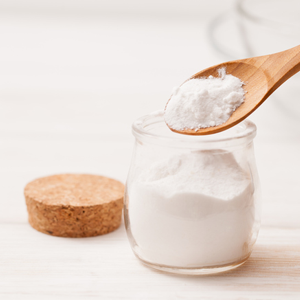
Baking soda is having a moment – a weird thing to say about something that’s been a pantry essential for literally decades. These days, the touted health benefits of baking soda go far beyond airy cakes and flaky biscuits (as if those weren’t enough), and the Internet is filled with claims that the unassuming white powder can do everything from settling your stomach to whitening your teeth.

Unsurprisingly, a lot of the information out there is bogus and totally not legit. You should never use baking soda as sunscreen (duh!). But, baking soda does pack a few cool health benefits when used correctly – which often means buying FDA-approved products with baking soda as an active ingredient – so two experts weighed in to help separate fact from fiction.

1. It can help take the ‘burn’ out of heartburn.

“Drinking a mixture of baking soda and water has been used as [a heartburn] home remedy for decades,” says Dr Allison Dostal Webster, the associate director of nutrition communications at the International Food Information Council.

Basically, your stomach acid, is, well, acidic (with a pH less than seven, says Dr Webster), while baking soda is basic (with a pH higher than seven). When your stomach acid is going haywire (say, travelling up into your oesophagus and giving you heartburn), baking soda can effectively “neutralise” that acid, Dr Webster says. That neutral substance won’t cause discomfort if it travels back up into your oesophagus.

That said, Webster warns that the home remedy carries risks. “There are many case reports of people over-consuming baking soda, which upsets our body’s acid-base balance and can lead to serious cardiovascular, respiratory and neurological effects,” says Dr Webster.

So if you get acid reflux regularly, you shouldn’t just keep chugging baking soda and water. Talk to your doctor and consider options like over-the-counter or prescription medications, Dr Webster says.

2. It can nix ‘keto breath’ and reduce your risk of cavities.

“Baking soda has been studied for its benefits to oral hygiene,” says Dr Webster. “Its antimicrobial properties can help fight bacteria that cause bad breath, and reduce risk for cavities. That’s why you can commonly find it in certain types of toothpastes.”

Read more: Should you start drinking baking soda for weight loss?

3. It’ll give you pearly whites.

Another tooth-related benefit of baking soda: A 2017 meta-analysis in the Journal of the American Dental Association states that several studies found teeth-whitening treatments containing baking soda were more effective than those without it.

If you don’t want to shell out for a teeth-whitening kit (which, I don’t blame you), you can try making a paste out of baking soda and hydrogen peroxide, and brushing it on your teeth. Just don’t use it every day, since both of those ingredients can be harsh when overused. Use it for three days, then use it again in six months to maintain results.

4. It can clean and exfoliate skin (but there’s a catch).

Basically every natural beauty blog has some kind of post about using baking soda as a natural cleanser. And there’s some truth to that, says Dr Joshua Zeichner, the director of cosmetic and clinical research in dermatology at Mount Sinai Hospital. “[Baking soda] can absorb oil and helps exfoliate dead cells from the surface of the skin, making it a useful ingredient in DIY scrubs and masks,” he says.

However, he says that it can cause serious irritation if overused, especially if you have sensitive skin. “The only people I would recommend it for are those with extremely oily skin, and people who rarely develop skin irritation,” he says.

If you don’t want to use straight baking soda on your face (which is probably for the best), try a cleanser that is formulated with baking soda instead to minimise the risk of irritation. If you have sensitive skin, Dr Zeichner says, skip the baking soda and use traditional exfoliators with ingredients like alpha- or beta-hydroxy acids like glycolic acid or salicylic acid.

5. It absorbs excess sweat.

“Because of its absorbent nature, baking soda may also be used as an ingredient in a homemade deodorant,” says Dr Zeichner. If you want to get your hands dirty, you can mix some with water until it turns into a paste, and apply to your underarms. If that doesn’t sound appealing, you can find baking soda as a main ingredient in lots of natural deodorants, too.

However, Dr Zeichner says that just like it can irritate the skin on your face, it can also irritate the skin under your arms. And, it won’t combat odours as well as store-bought deodorants. So keep that in mind.

6. It may help zap zits.

“Baking soda’s ability to absorb oil explains reports of treating acne,” says Dr Zeichner. Dabbing a bit onto spots may help dry them up in the short term, he adds, but won’t really lead to lasting healing.

And, while some people report that baking soda has helped fade scars, it’s not exactly a magic bullet. “The only way I could imagine baking soda being useful in brightening dark spots or improving the appearance of scars is through its exfoliating properties,” says Dr Zeichner. So, sure, you can give it a try, but any form of exfoliation will likely have a similar effect – with less risk of skin irritation.

This article was originally published onwww.womenshealthmag.com

Image credit: iStock 

Share Button

Health24.com | Years after pregnancy, heart risks track from mother to child

A mother can pass down a lot of physical traits to her child, such as her smile, eye color, or the shape of her nose. According to new research, she may also be passing along something not as obvious – a vulnerability for developing heart disease.

A Dutch study published in the Journal of the American Heart Association found that cardiovascular risks track from mother to child, regardless of whether the mom had health complications during her pregnancy or was exposed to environmental factors after it.

The study looked at 5 624 mothers, who on average were about 30 years old at the start of their pregnancy, and the children they delivered. Researchers measured numerous cardiovascular characteristics of each pair, including blood pressure and the size of specific parts of the heart.

They also examined body mass index and arterial stiffness, which is the loss of elasticity in arteries and can be considered a sign of vascular disease.

Characteristics were measured six years after pregnancy, and then again three years later. Researchers found that mothers who had adverse risk factors for cardiovascular disease at each of those points were likely to have children with similar qualities.

The findings remained the same even after accounting for mothers who developed preeclampsia during pregnancy, gave birth prematurely or whose babies were born smaller than usual.

About 15% of the mothers in the study had these or other pregnancy complications, which research has found leave children more susceptible to developing heart-related conditions later in life.

The study also adjusted for homes where environmental factors such as exposure to tobacco smoke may have played a role.

“Even after those adjustments, the results did not change. We found children are more at risk of having worse cardiovascular risk profiles if their mothers also had worse cardiovascular risk profiles,” said Dr Laura Benschop, lead author of the study and a researcher at the Erasmus Medical Center in the Netherlands.

The study did not provide a specific reason for the link beyond genetic inheritance but said “unraveling these mechanisms” could help doctors and other health care workers identify children who are at risk for cardiovascular disease and could benefit from early intervention.

“We’re not saying that all of a sudden these children should go to a doctor, but it’s good to at least be aware that they are more at risk when their mothers have worse cardiovascular risk profiles and that it would be good for doctors to start giving them advice,” Benschop said.

The study sends a message about the importance of taking preventive actions early in life, said Dr Nieca Goldberg, a cardiologist and the medical director of the Joan H. Tisch Center for Women’s Health at New York University.

“This study sends an even stronger message to women who are having babies that they do need to be concerned about their heart health, because it may impact the health of their children,” she said.

While genetics may help determine whether children will be at risk for developing heart problems, parents can still play a key role in keeping those problems under control through choices they make about diet and physical activity.

“The kids follow the lifestyle the parents follow,” Goldberg said. “It’s not realistic to start testing a 6-year-old’s heart or a 9-year-old’s heart if they don’t have symptoms. Instead, people should make sure their children are engaging in a healthy, active lifestyle. The parents should support that.”

Share Button