Health24.com | Would you visit a public pool if you had psoriasis?

Though psoriasis is not contagious, many Americans shun people with the skin condition, new research indicates.

The study included a cross-section of about 400 Americans who viewed images of people with visible psoriasis. Large numbers wrongly thought psoriasis was contagious or only affects the skin, and about one-third said they wouldn’t want to invite people with the condition into their homes.

Treating people with respect

“People with psoriasis feel they can’t go to a public pool, go to a salon to get their hair done, or are worried about going on vacation with their families,” said study senior author Dr Joel Gelfand, who called the burden on psoriasis patients “tremendous”.

“This tells us how much work we need to do as a society to make sure people have good health literacy, and understand what these skin conditions are about and treat people with respect,” he said. Gelfand is a professor of dermatology and epidemiology at the University of Pennsylvania’s Perelman School of Medicine. 

Stigma and misconceptions

A chronic autoimmune disease estimated to affect about eight million Americans, psoriasis causes skin cells to grow too fast and accumulate, resulting in red, scaly patches. Lesions can come and go, and cover varying amounts of skin surface, triggering itching, pain and/or burning. 

Speaking to All 4 Women, South African dermatologist Dr Ayesha Moolla states that nearly 1 million South Africans are affected by this autoimmune disease. 

In moderate-to-severe cases, psoriasis increases the risk of other health conditions related to inflammation, including heart attack and stroke. While the condition can be treated, there is no cure.

Gelfand’s team surveyed 187 medical students and 198 laypeople about their perceptions of people with psoriasis. Participants in the online survey were shown eight images of people with psoriasis along with enlarged photos of psoriasis lesions.

The survey participants’ reactions underscore the stigma and misconceptions associated with the disorder, the researchers said.

Quality of life affected

More than 54% of lay participants said they didn’t want to date someone with psoriasis, and nearly 40% didn’t even want to shake hands with them. In addition, 32% didn’t want someone with psoriasis in their homes, and 45% said people with psoriasis were unattractive.

The study also highlighted persistent myths: 27% of respondents thought psoriasis was contagious; and 53% considered psoriasis sufferers sick.

About one-third of respondents thought psoriasis only affects the skin, and more than a quarter said psoriasis isn’t a serious disease, the findings showed.

Notably, medical students who took the survey showed less stigmatising views, which study lead author Rebecca Pearl called “encouraging”.

The study was published online recently in the Journal of the American Academy of Dermatology.

“I think it takes our breath away a little bit in terms of how truly burdened psoriasis sufferers are,” said Dr Richard Fried. 

.

“Psoriasis can be enormously capricious and can steal joy and involvement from people’s lives, but it’s often unrecognized,” said Fried, who is a member of the medical board at the National Psoriasis Foundation. “The data from this study are enormously important.”

The study authors said better education about the disease and contact with people who have it could help dispel myths and ease the stigma.

Pearl said it might help if TV commercials for psoriasis medications – which are common – showed patients’ actual psoriasis lesions. This could educate the public about what psoriasis looks like to reduce misinformation, she said.

Image credit: iStock

Share Button

Targeted treatment for melanoma to be free on NHS

Trials showed the risk of the cancer returning after surgery was reduced with the therapy.

Share Button

Health24.com | Researchers create 3D-printed tablets to find best pill size for children

The information on Health24 is for educational purposes only, and is not intended as medical advice, diagnosis or treatment. If you are experiencing symptoms or need health advice, please consult a healthcare professional. See additional information.

Share Button

Call to ban early baby sex tests

The party fears the eight-week blood test, available privately, may lead to selective abortions of girls.

Share Button

‘Aspirin-a-day risky in old age’ – major study

A major study suggests elderly people in good health should not take the drug every day.

Share Button

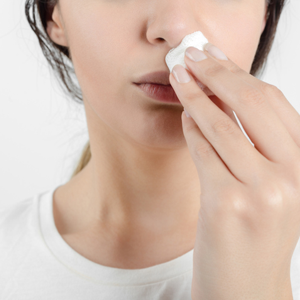
Health24.com | How to get rid of a pimple in your nose

A pimple under any circumstance is annoying at best and painful at worst. But a pimple actually inside your nose is next-level garbage.

And obviously, because that sucker is in your nose, it’s that much harder to treat. Why do bad things (like nose zits) happen to good people?

A few different things could be going on when you have a pimple in your nose.

Sometimes, it’s just a pimple, like any other pimple you get on your body, says Dr Gary Goldenberg, assistant clinical professor of dermatology at the Icahn School of Medicine at Mount Sinai Hospital. Like other pimples, these can form because a pore gets blocked with oil and dead skin cells, he explains.

But what looks like a nose zit may actually be something else entirely. You could actually have a cold sore (yep, they can pop up basically anywhere!), which can look like a pimple, says Dr Goldenberg. While they’re tricky to tell apart (especially if it’s inside your nose), it’s likely a cold sore if it keeps showing up in that same spot and scabs up hardcore as it heals.

Alternately, that nose pimple could actually be an infection called folliculitis – where a hair follicle gets infected with staph bacteria and causes redness and swelling, says Dr Joshua Zeichner, director of cosmetic and clinical research at The Mount Sinai Hospital.

Folliculitis bumps look a lot like acne (they’re small, white bumps) and fun fact: They can also show up on your booty. Yay. “Staph bacteria like to live in the moist environment inside the nostrils and sometimes can infect the follicles,” he explains.

So treatment depends on what you’ve got up there.

If it’s an actual zit, treating it with a product that contains benzoyl peroxide can help get rid of it, Dr Goldenberg says.

If it seems like you might be in cold sore territory – they tend to be more tender and painful, and go away in three to five days – you can try applying an antiviral cream, he says.

If you suspect you might have folliculitis, which looks like small red bumps or white-headed pimples around a nose hair follicle, you’ll want to put OTC bacitracin ointment on it, Dr Zeichner says. If it doesn’t get better, see a dermatologist – you may need a prescription antibiotic.

There are a few things you can so to try to prevent this from ever happening again.

If you find that you’re prone to inner-nose pimples, it could be helpful to gently wash the area like you do the rest of your face and spot-treat anything that crops up, Dr Goldenberg says. If you’ve got a cold sore that won’t quit, you may need to get a on a low-dose antiviral (prescribed by your dermatologist or primary-care doctor) to help keep things under control, he says.

Folliculitis should clear up with antibiotic cream. But in more severe cases, it can become a full-blown staph infection – which needs chronic maintenance to keep from coming back, says Dr Goldenberg. He recommends trying antibacterial cleansers to help reduce the staph bacteria in the area, which lowers the risk of that infection returning. And worst-case scenario, you might have to go on antibiotics for a period of time to totally kill the infection – which again, would require a visit to your doctor.

Ultimately, if you’re grappling with any kind of pimple that won’t quit (whether it’s in your nose or elsewhere on your body), check in with a dermatologist for help.

This article was originally published on www.womenshealthmag.com

Image credit: iStock 

Share Button

Health24.com | Here’s why you shouldn’t believe the hype on ‘vaginal rejuvenation’

Despite their growing popularity, there’s no evidence that so-called “vaginal rejuvenation” procedures are either safe or effective, the US Food and Drug Administration warns.

The procedures, which use lasers and other energy-based devices to remove or reshape vaginal tissue, claim to treat conditions and symptoms related to menopause, urinary incontinence or sexual function.

No scientific evaluation

But in a statement, the FDA said it has identified numerous cases of vaginal burns or scarring tied to vaginal rejuvenation, as well as post-procedural pain during sexual intercourse or recurring or chronic pain.

It’s true that the agency has “cleared or approved laser and energy-based devices for the treatment of serious conditions like the destruction of abnormal or precancerous cervical or vaginal tissue”, or genital warts, FDA Commissioner Dr Scott Gottlieb noted in the statement.

“But the safety and effectiveness of these devices hasn’t been evaluated or confirmed by the FDA for ‘vaginal rejuvenation’, ” he added.

“In addition to the deceptive health claims being made with respect to these uses, the ‘vaginal rejuvenation’ procedures have serious risks,” Gottlieb said.

In some cases, women who’ve gone into early menopause after breast cancer treatments are opting for these interventions, but “the deceptive marketing of a dangerous procedure with no proven benefit, including to women who’ve been treated for cancer, is egregious,” Gottlieb said.

In fact, the FDA recently notified seven device manufacturers about inappropriate marketing of their devices for “vaginal rejuvenation” procedures, he pointed out. The companies are: Alma Lasers, BTL Aesthetics, BTL Industries, Cynosure, InMode, Sciton and Thermigen.

Deceptive marketing

They were given 30 days to address the FDA’s concerns. If they fail to respond in that time, the FDA said it would consider its next actions, which could include enforcement measures.

“The deceptive marketing of unproven treatments may not only cause injuries but may also keep some patients from accessing appropriate, recognised therapies to treat severe medical conditions,” Gottlieb said.

“These products may be particularly appealing to women who may not be candidates for certain FDA-approved treatments to relieve vaginal dryness, and thus are seeking alternative, non-hormonal options,” he explained.

“Women considering treatment for vaginal symptoms should speak to their doctor about the potential and known benefits and risks of all available treatment options,” he advised.

The FDA will closely monitor reports of problems associated with “vaginal rejuvenation” procedures, and will keep the public informed, Gottlieb said.

He also encouraged women who’ve suffered problems after such procedures to report them to the FDA’s MedWatch programme. 

Image credit: iStock

Share Button

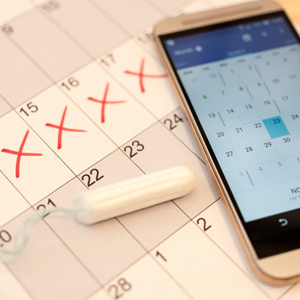
Health24.com | 11 reasons why your period is suddenly lasting forever

Let’s not be coy here: Bleeding out of your vagina every single month is already kind of a pain, so when your period decides to extend its visit a little longer than usual, it can be downright infuriating – and concerning.

Honestly, there’s a pretty big range of normal when it comes to your period’s length (a typical one can last between two to seven days). If your period is a day or two more or less than your usual, and you don’t see any other issues (like extreme menstrual pain or very heavy bleeding), you likely don’t need to be concerned.

But – and there’s always a but, isn’t there? – if your period lasts 10 days or more, or suddenly changes significantly in length for three or more cycles in a row, that warrants a call to your gynae, says Dr Tom Toth, a reproductive endocrinologist at Boston IVF.

Still, there’s no need to panic – most causes of prolonged menstrual bleeding (like most of the ones below) aren’t a big deal and can be fixed or improved with the help of your doctor, says Dr Toth.

1. You have an IUD.

One of the most common causes of long periods in younger women are intrauterine devices (IUDs), a type of birth control placed directly into your cervix. There are two main types: a non-hormonal, copper-based IUD (like Paraguard), and a hormonal, progestin-based IUD (like Mirena and Skyla).

It turns out that both can cause abnormally long bleeding, especially right after insertion, Dr Toth says. Longer, heavier periods are a known side effect of the copper IUD. The progestin IUD, however, is often marketed to women as a way to reduce or even eliminate their periods. And while it typically does have that effect over time, the first few cycles may have more or longer bleeding than usual, he says.

With either IUD, if the prolonged periods don’t settle down after three cycles, it’s time to go back to your doctor, as it’s possible the IUD moved out of position or simply doesn’t play nice with your body.

Read more: 6 times your period blood looks different – and what it means about your health

2. You’re actually ovulating.

Menstruation is your body’s way of getting rid of the extra blood and tissue it saved up in case your egg got fertilised and there’s a baby, but sometimes the hormonal signals get crossed and you can bleed when you release the egg too, says Dr Sherry Ross, an obstetrician and gynae and author of She-ology.

That’s called “intermenstrual bleeding”, and it occurs when the slight dip in oestrogen that happens around ovulation causes some spotting. If the bleeding lasts a few days or happens close to the end of your last cycle, it may seem like your period is continuing forever. It’s not normally something to worry about, but if it changes suddenly or if you have serious pain, it’s time to see your doctor.

3. You’re pregnant (yes, really).

Wait just a second: Isn’t the tell-tale sign of pregnancy no periods? Yes, but not all the time, Dr Toth says. “A common cause for abnormal menses, including longer bleeding, is pregnancy,” he explains, adding that typical symptoms of pregnancy, like nausea, may be absent. “Any time a woman has unusual bleeding, it’s always best to eliminate possibility of pregnancy with a blood test for pregnancy for reassurance,” he says.

Read more: Can you really get pregnant while on your period?

4. You’re on hormonal birth control.

Anything that manipulates your hormones has the potential to make your periods longer, says Dr Toth. This includes all types of hormonal birth control like the pill, patches, rings, shots and implants. The good news is that there are lots of options with varying levels and types of hormones, so if your body doesn’t respond well to one type or dosage, there’s a good chance you can find a different one that will work.

The length of your period is just one factor your doctor will use to help you determine which type of birth control works best for you.

5. You had an early miscarriage.

Early miscarriages are much more common than you may realise. Up to half of all pregnancies end in miscarriage, often before the woman even realises she was pregnant, according to the March of Dimes.

The only sign? An extra-heavy or long period. Your menstrual cycle length should return to normal within one to two cycles – if it stays abnormally long after three cycles, call your doctor, Dr Toth says. About one in 100 women suffer from repeat miscarriages, so it’s important to rule out a condition that affects fertility like endometriosis.

6. You have PCOS.

Polycystic ovary syndrome (PCOS) affects about 10% of women of childbearing age, per the OWH. It’s named for the cysts that grow on the ovaries, preventing eggs from maturing, and often making the woman infertile.

PCOS also wreaks havoc on hormone levels, causing weight gain, excess hair growth and prolonged periods, Dr Toth says. You’d think that not ovulating would give you a free pass on bleeding, but the opposite is often true, he adds – no egg means long, wacky cycles.

If you’re experiencing super-long periods along with other signs of PCOS, like migraines, facial hair growth and weight gain, talk to your obstetrician or gynaecologist about getting tested for the condition.

7. You have thyroid issues.

One in eight women will suffer from low thyroid function, or hypothyroidism, at some point in their lives, according to the Office on Women’s Health (OWH).

Your thyroid is a little butterfly-shaped gland that controls the hormones that regulate many systems in your body, including how fast you burn kilojoules, how fast your heart beats, and yes, menstruation. Having too little thyroid hormone can cause your period to be super long and heavy, they explain.

Other symptoms of hypothyroidism include weight gain, fatigue and hair loss, so if you’re experiencing any of those, along with longer-than-normal periods, bring it up to your doctor, says Ross.

8. You have an underlying blood disorder.

It’s rare, but it’s possible that extra-long periods are a sign of an underlying illness, like a haematologic (blood) disease, says Dr Toth. Some of these, like haemophilia or Von Willebrand disease, are genetic, so if you have this you likely already know about it.

Still, if your periods are lasting a super-long time, and you’ve already been cleared for other conditions, it’s worth checking in with your doctor about tests to rule out a blood disorder that you might not be aware of.

9. You have uterine polyps or fibroids.

“Uterine abnormalities, such as polyps or fibroids, can cause prolonged periods because they distort the endometrial cavity which can lead to increased blood flow,” Dr Toth explains. Basically, your body senses something in your uterus that isn’t supposed to be there, and tries extra hard to get rid of it.

Polyps and fibroids sound scary, but they’re pretty common – up to 80% of women will have at least one before they’re 50, per the OWH. On their own, they don’t indicate a serious disease, like cancer.

These benign growths often don’t have any symptoms, and if they do, it’s usually prolonged periods, says Dr Toth. Most likely your doctor will just recommend keeping an eye on them, but if they cause pain or grow very large they can be surgically removed.

Read more: Would you recognise these 8 uterine fibroid symptoms?

10. You have undiagnosed cervical cancer.

Abnormal vaginal bleeding – such as bleeding after vaginal sex, bleeding and spotting between periods can be a sign of cervical cancer. (Yet another reason to check in with your doctor if you notice something strange going on with your period.)

Because cervical abnormalities can be detected through Pap smears and HPV tests, make sure you stay on top of those, and always tell your doctor about your family history of female cancers.

Read more: 7 cervical cancer symptoms you should absolutely never ignore

11. Your body’s gearing up for menopause.

Oh yes, simply getting older can mess with your period. Menopause, which technically means you’ve gone 12 or more months without a period, hits women around age 50. However, your body starts the natural decline in hormones that leads up to menopause (a.k.a. perimenopause) as early as 35, says Dr Christiane Northrup, author of Women’s Bodies, Women’s Wisdom.

When this happens, you may notice your periods getting longer or shorter, your cycle becoming more random, and other slight changes in your menstruation.

If you’ve ruled out everything else, and you’re in your mid- to late-thirties, your prolonged periods might simply be due to the natural process of ageing. There is, however, such a thing as early menopause, which can affect women even in their twenties, so talk to your doctor if this runs in your family or if you’re showing other signs of menopause, like a low sex drive or insomnia.

This article was originally published on www.womenshealthmag.com

Image credit: iStock

Share Button

Pathologists shortage ‘delaying cancer diagnosis’

Severe staff shortages are affecting services vital to diagnosing cancer, according to a report.

Share Button

Heart op patient wants to find Sully surgeon who saved her life

Susan Payne’s life was saved by heart surgery when she was a child in 1960.

Share Button