Health24.com | A truly astonishing number of women never have morning sex

In my opinion there are two types of morning people: Those who are all “no talkie before coffee” and those who are ready to go at the crack of dawn. I fall into the former and, therefore, getting hot and heavy in the am isn’t exactly the first thing on my radar when I wake up.

Well, apparently I’m not the only one, because more than 63% of women never have morning sex, according to a recent survey by Mattress Advisor. (Yeah, like, ever.)

Of the nearly 1 000 people surveyed, 56% were female and 43% male with an average age of 36. All participants were in a relationship and living with their partner.

They were asked about their morning sex frequency, and then separated into two groups based on their answers: Those who reported having morning sex (even rarely), and those who reported never having morning sex (63% of women, and 37% of men).

Also interesting? Participants who identified as straight had morning sex less frequently per month compared to those who identified as bisexual or gay.

Among the women who skipped their morning session, 50.7% said it was because they were “not in the mood”. While 35.6% of women reported they didn’t have enough time, 34.2% said they didn’t like morning sex, and 32.9% didn’t have enough energy.

In that same group, 51% of men said they’d like to have regular morning sex, while only 20% of women said the same.

Participants said morning sex took them about 26 minutes, on average.

That’s honestly a shame, because of the 37% of women who were all about that morning sex session, more than 45% said it boosts their daily productivity. Fifty-three percent of men in the survey reported the same.

In fact, on average, those women would even sacrifice 31 minutes of sleep for morning action, while men were willing to fork over 42 minutes.

Among the morning sex group, more men reported it as being a regular part of their agenda than women (4.2 times a week vs. 3.1). Of course, even in this group, time was also a big factor – participants noted morning sex took them about 26 minutes on average – so the majority of respondents said Saturday and Sunday were their prime days for getting busy with the sunrise.

And among all participants, those who said they were satisfied with their relationship reported having more morning sex than those who said they were dissatisfied. Of course, there’s no saying which came first, the happiness or the morning sex – but it’s interesting food for thought, nevertheless.

So could kicking off your day with sex be the answer to productivity and joy? Perhaps, but it really all comes personal preference. I mean, a solid day planner has a way of making a girl feel productive too, am I right?

This article was originally published on www.womenshealthmag.com

Image credit: iStock

NEXT ON HEALTH24X

Share Button

Method to cancel noise without ear-blocking headphones

Disruptive noise is almost everywhere, from people talking in the office corridor to road construction down the street to the neighbor’s lawn mower. Research being conducted at the University of Illinois’ Coordinated Science Laboratory is looking to improve this noisy frustration.

Current noise cancelling technology comes in the form of headphones and earbuds. To cancel noise, these headphones emit an anti-noise signal to contrast the external sounds. The time available for the headphones to produce this anti-noise signal is extremely short. This results in some noise getting through, which is why all these devices must cover the entire ear with noise-canceling material. However, wearing such ear-blocking devices for long periods of time is not comfortable, and can even be harmful.

“Our goal is to not block the ear canal,” said Sheng Shen, lead author and a Ph.D. candidate in the Coordinated Science Laboratory and Dept. of Electrical and Computer Engineering (ECE). “We envision a behind-the-ear device that still achieves noise cancellation as good as the best headphones or earbuds available today.”

The main idea behind this research involves combining wireless IoT networks with noise cancellation. A microphone is placed in the environment that senses sounds and sends them over wireless signals to an earpiece. Since wireless signals travel a million times faster than sound, the earphone can receive the sound information much faster than the actual sound itself.

“This is similar to lightning and thunder — the lightning arrives much before the thunder, allowing people to prepare for the loud rumble,” said Shen’s advisor, Romit Roy Choudhury, an ECE Professor. “Similarly, our ear device gets the sound information in advance, and has much more time to produce a better anti-noise signal.”

Here’s an example of how this technology would work: The person who wants to cancel noise (Alice) would place the IoT microphone away from her, say on her office door. The noise from her coworkers’ conversation in the hallway is picked up by this IoT device and transmitted to Alice’s earpiece over a wireless connection. The actual sound arrives at the earpiece later, and because of this lead time, the noise can be fully canceled. As a result, it is no longer necessary to block the ear canal.

There are however, a few limitations. The IoT microphone needs to be between the noise source and Alice. If noise is coming at her from all directions, a couple more IoT devices would need to be placed around her. In tests conducted during the research, the device designed by Shen and Choudhury’s group outperformed a leading headphone in overall noise cancellation and was rated better by the human participants.

When asked about the potential privacy concerns involved with the device, Shen nullified some of the most common fears.

“The most common privacy concern is that the device will secretly record someone’s voice,” Shen said. “This device is analog, so it has no capacity to record the sound. The moment the device hears the sound it is sent out wirelessly.”

This differentiation is what separates Shen’s device from many IoT devices commonly used today, such as Amazon Echo and Google Home, which must record voice samples in order to operate.

Shen and his colleagues are already receiving attention for their work. The research paper about the project was recently selected for presentation at the upcoming Association for Computing Machinery Special Interest Group on Data Communication (ACM SIGCOMM) Conference which takes place in Budapest, Hungary, in late August. The conference brings together global researchers across the field of computer networking and communications.

“This is bound to change the way we think of noise cancellation, where networks of IoT sensors coordinate to enable quieter and more comfortable environments,” said ECE Assistant Professor Haitham Hassanieh, who is a co-author on this paper. Other co-authors include Nirupam Roy and Junfeng Guan, both ECE Ph.D. students at the University of Illinois Urbana-Champaign.

Looking forward, the team would like to expand the use of their device to provide noise cancellation for more than one individual at a time and make the wearable device even lighter for continuous use.

Share Button

Nanotubes change the shape of water

First, according to Rice University engineers, get a nanotube hole. Then insert water. If the nanotube is just the right width, the water molecules will align into a square rod.

Rice materials scientist Rouzbeh Shahsavari and his team used molecular models to demonstrate their theory that weak van der Waals forces between the inner surface of the nanotube and the water molecules are strong enough to snap the oxygen and hydrogen atoms into place.

Shahsavari referred to the contents as two-dimensional “ice,” because the molecules freeze regardless of the temperature. He said the research provides valuable insight on ways to leverage atomic interactions between nanotubes and water molecules to fabricate nanochannels and energy-storing nanocapacitors.

A paper on the research appears in the American Chemical Society journal Langmuir.

Shahsavari and his colleagues built molecular models of carbon and boron nitride nanotubes with adjustable widths. They discovered boron nitride is best at constraining the shape of water when the nanotubes are 10.5 angstroms wide. (One angstrom is one hundred-millionth of a centimeter.)

The researchers already knew that hydrogen atoms in tightly confined water take on interesting structural properties. Recent experiments by other labs showed strong evidence for the formation of nanotube ice and prompted the researchers to build density functional theory models to analyze the forces responsible.

Shahsavari’s team modeled water molecules, which are about 3 angstroms wide, inside carbon and boron nitride nanotubes of various chiralities (the angles of their atomic lattices) and between 8 and 12 angstroms in diameter. They discovered that nanotubes in the middle diameters had the most impact on the balance between molecular interactions and van der Waals pressure that prompted the transition from a square water tube to ice.

“If the nanotube is too small and you can only fit one water molecule, you can’t judge much,” Shahsavari said. “If it’s too large, the water keeps its amorphous shape. But at about 8 angstroms, the nanotubes’ van der Waals force starts to push water molecules into organized square shapes.”

He said the strongest interactions were found in boron nitride nanotubes due to the particular polarization of their atoms.

Shahsavari said nanotube ice could find use in molecular machines or as nanoscale capillaries, or foster ways to deliver a few molecules of water or sequestered drugs to targeted cells, like a nanoscale syringe.

Story Source:

Materials provided by Rice University. Note: Content may be edited for style and length.

Share Button

Self-healing reverse filter opens the door for many novel applications

A self-healing membrane that acts as a reverse filter, blocking small particles and letting large ones through, is the “straight out of science fiction” work of a team of Penn State mechanical engineers.

“Conventional filters, like those used to make coffee, allow small objects to pass through while keeping larger objects contained,” said Birgitt Boschitsch, graduate student in mechanical engineering.

She and the research team, however, developed the exact opposite, a stabilized liquid material that screens out smaller objects while allowing larger ones to pass through. The research was published today (Aug. 24) online in Science Advances.

The team experimented with liquids for their unique properties.

“If you put your finger in a glass of water and take it out, the water’s surface self-heals,” explained Tak-Sing Wong, the Wormley Family Early Career Professor and assistant professor of mechanical and biomedical engineering.

This newly developed membrane does the same, but unlike conventional filters, this one does not separate objects by size. Instead, it responds to an object’s kinetic, or movement, energy.

“Typically, a smaller object is associated with lower kinetic energy due to its smaller mass,” Wong said. “So, the larger object with a higher kinetic energy will pass through the membrane, while the smaller object with lower kinetic energy will be retained.”

In addition, the membrane wraps around the object as it passes through, allowing the membrane to completely self-heal over the top of the object passing through it.

In its simplest form, the membrane can be created with water and a substance that stabilizes the interface between liquid and air, and has a structure similar to that of a biological cell membrane. To create the initial prototype, the team used a simple soap film. The components could then be modified and optimized to serve unique purposes, such as enhanced mechanical robustness, antibacterial properties, or odor-neutralization.

“You could add components that make the membrane last longer or components that allow it to block certain gases,” Boschitsch explained. “There are endless potential additives to choose from to tailor a membrane to the application of interest.”

Looking ahead, the researchers envision any number of creative, real-world applications for the membrane. If doctors need to perform open surgery without a clean operating room, a potential situation in remote areas or on military battlefields, this material could act as a surgical film to help replicate the clean environment needed to safely operate.

Not only could the membrane serve as a particle barrier, but the self-healing properties would also allow medical devices such as surgical tools to pass through while contaminants stay out.

“The membrane filter could potentially prevent germs, dust or allergens from reaching an open wound, while still allowing a doctor to perform surgery safely,” Wong said. “This membrane could make this possible.”

The research may also impact developing regions where there are sanitation concerns.

“One billion people in the world still openly defecate for many reasons, one being that latrines smell bad,” Boschitsch explained. “But if this could be applied to those toilets, it could allow solid waste to pass through the membrane, while the odor-causing gases will remain trapped.”

It is the potential for real-world impact that inspires the team.

“I’ve always been interested in developing technologies that can directly help people,” Boschitsch said. “Making something that can address a challenge facing humanity, in a developing country for example, is something I find meaningful.”

Looking to the future, the team plans to further develop the membrane with enhanced functions, and to collaborate with other researchers to test and adapt this membrane for practical applications. “The sky is really the limit,” Wong said.

Story Source:

Materials provided by Penn State. Original written by Erin Cassidy Hendrick. Note: Content may be edited for style and length.

Share Button

Shape-shifting material can morph, reverse itself using heat, light

A new material developed by University of Colorado Boulder engineers can transform into complex, pre-programmed shapes via light and temperature stimuli, allowing a literal square peg to morph and fit into a round hole before fully reverting to its original form.

The controllable shape-shifting material, described today in the journal Science Advances, could have broad applications for manufacturing, robotics, biomedical devices and artificial muscles.

“The ability to form materials that can repeatedly oscillate back and forth between two independent shapes by exposing them to light will open up a wide range of new applications and approaches to areas such as additive manufacturing, robotics and biomaterials,” said Christopher Bowman, senior author of the new study and a Distinguished Professor in CU Boulder’s Department of Chemical and Biological Engineering (CHBE).

Previous efforts have used a variety of physical mechanisms to alter an object’s size, shape or texture with programmable stimuli. However, such materials have historically been limited in size or extent and the object state changes have proven difficult to fully reverse.

The new CU Boulder material achieves readily programmable two-way transformations on a macroscopic level by using liquid crystal elastomers (LCEs), the same technology underlying modern television displays. The unique molecular arrangement of LCEs make them susceptible to dynamic change via heat and light.

To solve this, the researchers installed a light-activated trigger to LCE networks that can set a desired molecular alignment in advance by exposing the object to particular wavelengths of light. The trigger then remains inactive until exposed to the corresponding heat stimuli. For example, a hand-folded origami swan programmed in this fashion will remain folded at room temperature. When heated to 200 degrees Fahrenheit, however, the swan relaxes into a flat sheet. Later, as it cools back to room temperature, it will gradually regain its pre-programmed swan shape.

The ability to change and then change back gives this new material a wide range of possible applications, especially for future biomedical devices that could become more flexible and adaptable than ever before.

“We view this as an elegant foundational system for transforming an object’s properties,” said Matthew McBride, lead author of the new study and a post-doctoral researcher in CHBE. “We plan to continue optimizing and exploring the possibilities of this technology.”

Story Source:

Materials provided by University of Colorado at Boulder. Note: Content may be edited for style and length.

Share Button

Mutations in this molecule may have helped mammoths tolerate the cold

Columbia University biomedical researchers have captured close-up views of TRPV3, a skin-cell ion channel that plays important roles in sensing temperature, itch, and pain.

In humans, defects in the protein can lead to skin diseases such as atopic dermatitis (a type of eczema), vitiligo (uneven skin coloration), skin cancer, and rosacea.

All vertebrate DNA, including the woolly mammoth genome, contains the TRPV3 gene. Though the mammoths lived in extremely cold environments, they descended from elephants that lived in the tropics. Researchers think that changes in the TRPV3 genes of mammoths may have helped them withstand lower temperatures.

Alexander Sobolevsky’s lab at Columbia University Irving Medical Center used a powerful imaging technique called cryo-electron microscopy to take pictures of TRPV3 molecules. Initial 2D images were collected by freezing the molecules in an extremely thin, clear layer of ice and bombarding them with electrons. The researchers then used computational tools to convert the 2D images into detailed molecular 3D models.

Image of human TRPV3 in the closed and open states viewed from outside the cell. Location of the region (N647) that is mutated in mammoths is highlighted. Images: Alexander Sobolevsky / CUIMC

This is the first time scientists have gotten a glimpse of TRPV3 in atomic detail. The researchers were able to get images of the protein in two states, revealing how the channel opens and closes to let ions flow into skin cells.

This exchange of ions prompts the body to react to sensations such as pain, itchiness, and changes in temperature. The group also discovered how a small molecule with anti-cancer properties called 2-APB interacts with and controls the function of this channel.

The structures in this study provide clues about how mutations in TRPV3 affect the channel’s ability to sense temperature and show that lipids — molecules that make up most of the cell membrane — contact the channel in several regions. Mammoth TRPV3 contains a mutation in one of these lipid-touching regions.

“Temperature affects the interaction of lipids and proteins,” Sobolevsky says. “A mutation in the woolly mammoth channel would most likely affect this interaction and could explain how these animals adapted to their cold environment.”

Researchers will use the structure to investigate how atomic changes to the protein cause it to malfunction in human diseases. “This study gives scientists a template they can use to design more effective drugs for treating these skin-related illnesses,” said Appu Singh, PhD, a postdoctoral fellow in the Sobolevsky lab and a first author of the paper.

Alexander Sobolevsky, PhD, is an associate professor of biochemistry and molecular biophysics at Columbia University Vagelos College of Physicians and Surgeons.

Story Source:

Materials provided by Columbia University Irving Medical Center. Note: Content may be edited for style and length.

Share Button

NASA’s OSIRIS-REx begins asteroid operations campaign

After an almost two-year journey, NASA’s asteroid sampling spacecraft, the Origins, Spectral Interpretation, Resource Identification, Security-Regolith Explorer (OSIRIS-REx), caught its first glimpse of asteroid Bennu last week and began the final approach toward its target. Kicking off the mission’s asteroid operations campaign on Aug. 17, the spacecraft’s PolyCam camera obtained the image from a distance of 1.3 million miles (2.1 million km).

OSIRIS-REx is NASA’s first mission to visit a near-Earth asteroid, survey the surface, collect a sample and deliver it safely back to Earth. The spacecraft has traveled approximately 1.1 billion miles (1.8 billion km) since its Sept. 8, 2016, launch and is scheduled to arrive at Bennu on Dec. 3.

“Now that OSIRIS-REx is close enough to observe Bennu, the mission team will spend the next few months learning as much as possible about Bennu’s size, shape, surface features, and surroundings before the spacecraft arrives at the asteroid,” said Dante Lauretta, OSIRIS-REx principal investigator at the University of Arizona, Tucson. “After spending so long planning for this moment, I can’t wait to see what Bennu reveals to us.”

As OSIRIS-REx approaches the asteroid, the spacecraft will use its science instruments to gather information about Bennu and prepare for arrival. The spacecraft’s science payload comprises the OCAMS camera suite (PolyCam, MapCam, and SamCam), the OTES thermal spectrometer, the OVIRS visible and infrared spectrometer, the OLA laser altimeter, and the REXIS x-ray spectrometer.

During the mission’s approach phase, OSIRIS-REx will:

  • regularly observe the area around the asteroid to search for dust plumes and natural satellites, and study Bennu’s light and spectral properties,;
  • execute a series of four asteroid approach maneuvers, beginning on Oct. 1, slowing the spacecraft to match Bennu’s orbit around the Sun;
  • jettison the protective cover of the spacecraft’s sampling arm in mid-October and subsequently extend and image the arm for the first time in flight; and
  • use OCAMS to reveal the asteroid’s overall shape in late-October and begin detecting Bennu’s surface features in mid-November.

After arrival at Bennu, the spacecraft will spend the first month performing flybys of Bennu’s north pole, equator and south pole, at distances ranging between 11.8 and 4.4 miles (19 and 7 km) from the asteroid. These maneuvers will allow for the first direct measurement of Bennu’s mass as well as close-up observations of the surface. These trajectories will also provide the mission’s navigation team with experience navigating near the asteroid.

“Bennu’s low gravity provides a unique challenge for the mission,” said Rich Burns, OSIRIS-REx project manager at NASA’s Goddard Space Flight Center in Greenbelt, Maryland. “At roughly 0.3 miles [500 meters] in diameter, Bennu will be the smallest object that any spacecraft has ever orbited.”

The spacecraft will extensively survey the asteroid before the mission team identifies two possible sample sites. Close examination of these sites will allow the team to pick one for sample collection, scheduled for early July 2020. After sample collection, the spacecraft will head back toward Earth before ejecting the Sample Return Capsule for landing in the Utah desert in Sept. 2023.

NASA’s Goddard Space Flight Center provides overall mission management, systems engineering and the safety and mission assurance for OSIRIS-REx. Dante Lauretta of the University of Arizona, Tucson, is the principal investigator, and the University of Arizona also leads the science team and the mission’s science observation planning and data processing. Lockheed Martin Space in Denver built the spacecraft and is providing flight operations. Goddard and KinetX Aerospace are responsible for navigating the OSIRIS-REx spacecraft. OSIRIS-REx is the third mission in NASA’s New Frontiers Program. NASA’s Marshall Space Flight Center in Huntsville, Alabama, manages the agency’s New Frontiers Program for its Science Mission Directorate in Washington.

For more information on the mission, visit: https://www.nasa.gov/osiris-rex

Story Source:

Materials provided by NASA/Goddard Space Flight Center. Note: Content may be edited for style and length.

Share Button

Taking aim at the dreaded tropical disease leishmaniasis

Leishmania is a microorganism that enters the human body via a sandfly bite. Instead of fleeing the white blood cells deployed by the immune system to destroy it, the parasite allows itself to be swallowed up. In doing so, Leishmania has developed the ideal strategy for continuing its life cycle, threatening the health of over 500 million people at risk of crossing its path in Africa, Europe, Asia, and the Americas.

Leishmaniasis, the disease caused by the parasite, has been on the radar of scientists for a long time, not only because of efforts to find treatment, but because the parasite makes an ideal model for study. Hence, numerous immune mechanisms have been elucidated by researchers thanks to the disease, including at INRS. However, the quest for affordable and effective treatment continues. INRS professors Albert Descoteaux and Steven LaPlante have developed a new, cost-effective strategy to rapidly identify molecules capable of eliminating Leishmania, a disease which can disfigure, disable, or kill its victims, especially in tropical areas.

A Disease Affecting Numerous Species

“I have been studying this parasite for 30 years, and there is still a lot we do not understand,” says parasitologist Albert Descoteaux, who works to uncover the secrets of Leishmania, a genus encompassing some 20 single-celled species. In addition to its human victims, the parasite also targets some 70 other mammal species, according to the World Health Organization. Leishmania moves from an host to another by hitching a ride with tiny phlebotomine sandflies, which transmit the undesirable parasite when they bite.

According to the most recent estimates, 12 million people are currently affected by one form of leishmaniasis or another. There are three main forms: cutaneous, mucocutaneous, and visceral. “These are diseases that destroy lives — when they do not kill outright,” stresses Professor Descoteaux, adding that the pharmaceutical companies have little interest in developing treatments. “There is little commercial interest in neglected tropical diseases like leishmaniasis,” he points out. “It is the second-leading parasitic killer in the world, right behind malaria, yet there has been no real headway made on treatments in decades. There is currently no effective vaccine, and the available treatments all have major shortcomings, including serious side effects, high cost, and problems administering them in endemic areas.” He pauses before adding, “Unfortunately, as is the case with many other drugs, the parasite is also developing resistance. That is never good news.”

Albert Descoteaux, who is based at Centre INRS-Institut Armand-Frappier, is one of five INRS professors currently working on leishmaniasis. Their efforts to better understand the fundamental interaction between the parasite and its host account for one-third of all research activity on the disease in Canada, and their work is recognized worldwide.

Professor Steven LaPlante, who has been with INRS since 2015, specializes in drug discovery. With his colleague Albert Descoteaux, he has developed a project to identify new molecules that show promise for treating leishmaniasis. Their innovative approach is raising hopes of finding a more effective tool for developing drugs for leishmaniasis, but also for many other diseases.

The Challenge of Finding the Right Target

Having evolved its tactics and molecular machinery over millions of years, Leishmania has more than one trick up its sleeve. This is why there are so many obstacles to identifying molecules capable of eliminating the disease. For one thing, unicellular protists like Leishmania have more in common with mammal cells than with bacteria and viruses. “Like fungus, yeast, and worms, Leishmania are complex cells with a nucleus, and they have similarities to human cells,” notes the professor. “But they have taken a different evolutionary path, so there are lots of differences we need to identify and understand.”

Second, delivering a useful molecule to the parasite is a challenge. “Before it can kill Leishmania, the drug has to get past all kinds of barriers,” explains LaPlante.” It has to penetrate the infected cell without killing it or being too toxic. Then it has to reach and enter the protist to do its thing. Let’s just say that there are a lot of molecules to test before we find the right one for the job!”

Testing a lot of molecules is exactly the approach used by most researchers in the drug discovery process, but it takes extensive resources. Unfortunately, in the fight against leishmaniasis, there is little financial incentive for funding this kind of work. Yet given the prevalence of the disease worldwide, there are numerous calls for urgent action to find new treatments.

A Promising New Approach

This is the context in which the two INRS researchers joined forces, drawing on their combined expertise in biology (Albert Descoteaux) and medicinal chemistry (Steven LaPlante). LaPlante has access to a special small-molecule library from which he selected 1,604 molecules that had the best chances of reaching Leishmania in the macrophages and preventing it from completing its life cycle. Compared to the molecule libraries maintained by pharmaceutical companies — which can hold up to two million molecules — his library represents a very modest number but have special properties which makes it easily manageable within the confines of a university research lab.

“We dubbed our approach Fragment-Based Phenotypic Lead Discovery, or FPLD,” says Professor LaPlante. “It’s a combination of tried and tested methods that hadn’t previously been adapted for leishmaniasis. We start by administering very small molecules to cultured cells and then observe the impact on the infection.”

In medicinal chemistry, several phases are required to develop a drug with multiple characteristics. The ideal molecule for fighting an infection should be non-toxic to humans, easy to administer, capable of reaching the infectious agent, affordable to produce, and, obviously, effective against the pathogen in question.

As is the case when designing any everyday object, different components of a drug are selected to perform different jobs. The components in question are molecular fragments. The goal of the two INRS professors was to identify which of these could stop Leishmania in its tracks. The idea is that effective fragments can be combined with other components serving various purposes — stability, delivery, absorption, and so on — to improve efficacy and end up with a viable drug.

“We’ve been very fortunate to be able to rely on our collaborator NMX Research and Solutions Inc. and General Manager François Bilodeau who donated all the molecules we needed for our study. It’s a huge contribution,” notes Professor LaPlante. NMX designed the molecular fragments at the INRS business incubator, where the young startup is based.

A Painstaking Job

Yann Ayotte, lead author on the study recently published on the project, systematically — and very patiently — observed cultures treated with the fragments under the microscope, counting the number of parasites in the infected cells in order to compare them. The PhD student, who is currently continuing his research in Professor LaPlante’s lab, first joined the project as an intern in Albert Descoteaux’s lab at the end of his undergraduate degree. The two professors are quick to praise his outstanding dedication to his work.

After numerous experiments, the highly targeted screening of a small number of molecules allowed the team to identify two families of molecules showing high efficacy against Leishmania: indole and indazole derivatives. A dozen molecules have shown good potential, a very high number compared to other screening techniques.

Is there a new drug on the horizon? “For now, we are still at the very beginning of the process,” says Professor Descoteaux. “And you can’t skip any steps!” adds LaPlante. First, it’s essential to understand why the molecules have a leishmanicidal effect, a task that will keep Professor Descoteaux busy for a good while yet. In the mean time, the active molecule can be improved upon and “dressed up” with other appendages in order to fulfil all the criteria of an effective treatment — a job for Professor LaPlante and his team.

A Broader Vision

For Steven LaPlante, the most successful aspect of the project so far has been to show that a university lab can help identify potential new avenues for treatment. Pharmaceutical research does not cover all diseases or types of intervention, and from this perspective, academia can also play an important role.

The work of the team garnered enough enthusiasm that the journal ChemMedChem, published by ChemPubSoc Europe, a partnership of European chemical societies, rated it as a “Very Important Paper” and put it on the cover of the issue in which it appeared.

What will the study on the modes of action of the molecules identified at INRS reveal? “Research on Leishmania has lifted the veil on several properties of immune system we would not have been able to observe any other way,” affirms Professor Descoteaux. “Every time there is a new avenue to explore, we add to our knowledge on the immune system and on the biology of this parasite. Even if a new drug is still a long way away, these molecules will help us hone our understanding of the disease, which will keep us busy for years to come.”


Share Button

Health24.com | 3 causes of sinusitis that you are probably not aware of

Sinusitis refers to the inflammation of the tissue lining the sinuses and if you’ve ever suffered from a sinus infection, you’ll know how uncomfortable and painful it can be.

Here are three causes of sinusitis you might not have known about:

1.  Bacteria

A sinusitis infection can be caused by a bacterial infection. For Gayle Adamson, sinus disease affected her for practically her entire life. She tried many different types of medication and even had surgery to remove polyps. Nothing worked. She was eventually referred to Dr Samer Fakhiri, a faculty member at the UTHealth Otorhinolaryngology Texas Sinus Institute and staff member at Memorial Hermann-Texas Medical Center.

“When I reviewed Gayle’s medical record, it was apparent that my otolaryngology colleague had done an excellent job of managing her condition,” he told UTHealth. “His intuition was correct that there might be something unusual in her disease process. When I examined her, it became immediately clear to me that her current problem was not the typical post-sinus surgery issue. I identified an area of exposed bone with associated infected material in the back of her nasal septum and sphenoid sinus.”  

Dr Fakhri sent a culture off for testing – Adamson had Mycobacterium abscessus, a bacterium distantly related to those that cause tuberculosis and leprosy. Once the bacteria were identified, she received treatment and finally experienced relief. 

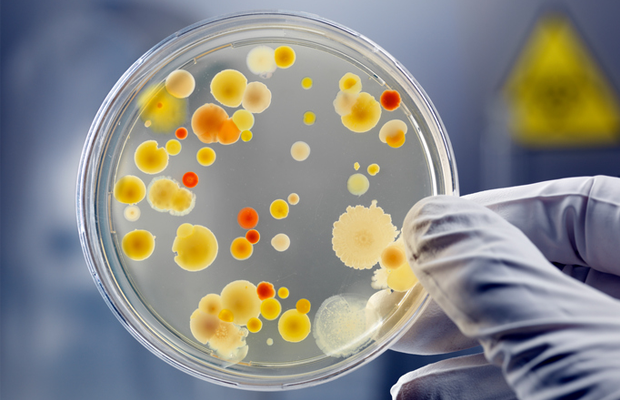
gloved hand holding petri dish

2. Swimming or diving

Chlorine in a swimming pool can cause an irritation or swelling when it gets into your ears or nose, which can result in a sinus infection. When the sinuses swell, mucus becomes trapped and can allow bacteria to grow.

Diving or swimming underwater can also cause sinusitis due to the changes in pressure. According to the New York Sinus Centre, this pressure change affects your sinus canal, which can cause your sinus passages to become blocked, which in turn traps mucus and allows for the growth of bacteria. 

If you already have a cold or sinus infection, avoid swimming until it has cleared up – again, the chlorine can aggravate your symptoms and make you feel worse.  

family swimming in pool

3. Smoking

If you smoke and suffer from sinusitis, there is a link – tobacco irritates the nasal passages and lowers the body’s natural resistance. Smoking also irritates the sinus passage, causing swelling and inflammation.

Health24 previously reported on a study that highlighted the connection between smoking and sinusitis – researchers assessed the severity of symptoms and medication used among 103 former smokers with chronic rhinosinusitis and 103 people who had never smoked but also had chronic rhinosinusitis. They discovered that smokers had worse symptoms, and used more antibiotics and oral corticosteroids to treat sinus infections and reduce inflammation than the nonsmokers.

“If patients tell me that they are smoking, I now have direct evidence to say that the same symptoms that are making them miserable are exacerbated further by smoking,” said senior study author Dr Ahmad Sedaghat, a sinus surgeon at Massachusetts Eye and Ear Infirmary.

“On the other hand, we can also be optimistic, because we have evidence to suggest that if you quit smoking, things will get better, on the order of 10 years,” he added in a hospital news release.

man smoking cigarette

When to see a doctor

If you suffer from sinusitis, this is when you should see your doctor:

  • You have cold symptoms that have lasted longer than 10 to 14 days, or worsened over time.
  • You have a severe headache that medication, such as acetaminophen, aspirin, or ibuprofen, or a decongestant doesn’t relieve. 
  • You have noticed increased facial swelling or changes to your vision. 
  • Nasal discharge that changes colour (from clear to yellow or green after five to seven days of a cold) or if other symptoms, such as sinus pain or fever, worsen. If you notice that nasal discharge is coloured from the start of a cold, see your doctor if it lasts longer than seven or 10 days.
  • Facial pain, particularly in one sinus area or along the ridge between the nose and lower eyelid, that persists after two to four days of home treatment. If you have a fever and coloured nasal discharge, see your doctor after one to two days.
  • If your sinusitis symptoms continue even after you have completed a full course of antibiotics.

Not sure if you’re suffering from a cold, sinusitis or flu? Take our test to find out. 

Image credit: iStock 

Share Button

Health24.com | Scientists accidentally discovered a drug that prevents weight gain

A new discovery could make it possible to eat all the fat you want without gaining a single kilo – and it all happened by accident.

In a study using mice, Yale University researchers found they could prevent fat from being absorbed in the body by stopping its entry into the gut, according to Wired UK.

Read more: The quickest way to build explosive muscle and burn more fat

Published in the journal Science, the paper showed that certain glaucoma drugs block the production of a protein called vascular endothelial growth factor A (VEGF-A). Without VEGF-A, tiny pores located on the gut’s lymphatic vessels close up – and typically, fat passes through these pores before getting absorbed into the body, The Independent reported.

The findings came as somewhat of a surprise: Study co-author and research scientist Feng Zhang of Yale told MensHealth.com in an email that his team originally thought a different protein would impact weight.

To conduct the study, the team fed mice high-fat diets and administered drugs that stopped the production of VEGF-A in some of the animals. After eight weeks, scientists discovered that the mice without the protein didn’t gain weight while the others doubled their weight, according to Wired UK.

Read more: The 12 best foods to eat when you hit a weight-loss plateau

So what happened to all the fat the mice were consuming? In the toilet, according to study co-author Anne Eichmann – also from Yale – who told the magazine that fat was excreted into the mice’s faeces.

It’s important to note that the study was conducted in mice, so there’s more work to be done before scientists can determine whether this works similarly for humans.

However, outside researcher Alan Mackie from Leeds University told Wired this research could potentially lead to a diet pill.

“Although the authors don’t state this, the implication is that if this did work in humans then you take a pill just before a meal and it closes the gut to lipid uptake,” he said.

Read more: The key to weight loss might be eating at home alone

Of course, the discovery did come with health problems for the mice, like oedema – a condition that causes swelling because of excess fluid in the body. Some of the rodents developed oedema because the levels of liquid in their bodies were impacted by blocking the VEGF-A protein.

For now, your best bet for losing weight is to follow a healthy eating plan – like the Mediterranean diet – and use free weight loss apps that help you track your diet and exercise.

This article was originally published onwww.mh.co.za

Image credit: iStock

NEXT ON HEALTH24X

Share Button