Health24.com | Severe burns after taxi fire: ‘It’s not the end of your life’

Every year thousands of South Africans sustain burn injuries from fire, steam, boiling water and chemicals. Many victims are left dejected and feel they have no hope of living a normal life.

However, 32-year-old Nombulelo Maqutywa of Qoboqobo close to King William’s Town, says there is life beyond the scars. She was only 18 when she suffered burns in a vehicle fire.

Rejected by some people

“I was in a taxi which broke down. The driver asked the men in the taxi to help push but it burst into flames. We managed to get out through the emergency exit and I was rushed to the hospital.  I suffered burns in my face, hands and feet. I dropped out of school and lost my friends and boyfriend.”

Maqutywa visited Johannesburg and joined a support group for people who had sustained burns. “That helped me regain my confidence. I have never heard of such support groups in the Eastern Cape. I wish I could counsel other people, especially young people, who have sustained burn injuries and make them realise that it is not the end of their life, that they can live a normal life,” she said.

Maqutywa said life was difficult after the incident because she was rejected by some people she considered close friends, but she also found comfort in the love and support she received from her family.    

Support to burn victims

Jason Subramoney of the Department of Public Safety in the O.R Tambo District Municipality urged people to be extra vigilant during winter.

“People should be extra vigilant when using paraffin stoves. Children should not be allowed to operate paraffin stoves and shouldn’t be left unattended near fires,” he said. 

The National Burns Association of South Africa offers support to burn victims.

“We support burns survivors through a WhatsApp group and if anyone has special needs we communicate privately and offer assistance,” said the organisation’s Colin Lee.

For more information visit their website www.nbasa.org.za. 

Image credit: iStock

NEXT ON HEALTH24X

Share Button

Health24.com | ‘Heading’ a soccer ball more dangerous for this group

Heading soccer balls poses a much greater threat to women’s brains than men’s, new research suggests.

Damage to white matter

The study included 49 female and 49 male amateur soccer players, aged 18 to 50. They reported a similar number of headings over the previous year (an average of 487 headings for the men and 469 for the women).

Brain scans revealed that regions of damaged white matter in the brain were five times more extensive in the women than in the men.

“Researchers and clinicians have long noticed that women fare worse following head injury than men, but some have said that’s only because women are more willing to report symptoms,” said study leader Dr Michael Lipton.

“Based on our study, which measured objective changes in brain tissue rather than self-reported symptoms, women do seem more likely than men to suffer brain trauma from heading soccer balls,” Lipton said.

The findings suggest that gender-specific guidelines for soccer heading may be required, the study authors said.

Lipton is a professor of radiology and of psychiatry and behavioural sciences at Albert Einstein College of Medicine, and medical director of MRI services at Montefiore Medical Center in New York City.

About 30 million women and girls play soccer worldwide, according to the International Federation of Association Football.

Identifying risk factors

It’s not clear why women might be more sensitive to head injury than men, but differences in neck strength, sex hormones or genetics might be factors, the researchers suggested.

The brain changes among the women in the study didn’t produce any noticeable symptoms, such as declines in thinking ability, but are still cause for concern, the researchers said.

“In various brain injuries, including chronic traumatic encephalopathy (CTE) [a degenerative brain disease found in athletes, military veterans, and others with a history of repetitive brain trauma], subclinical pathology develops before we can detect brain damage that affects function,” Lipton explained.

“So before serious dysfunction occurs, it’s wise to identify risk factors for cumulative brain injury – such as heading if you’re female – so that people can act to prevent further damage and maximize recovery,” he said.

The study, published online in the journal Radiology, raises the question of whether soccer players should stop heading altogether.

“We have carried out several studies showing that most players seem to tolerate some level of heading,” Lipton said in a journal news release.

“Rather than ban heading altogether – which probably isn’t realistic – we’d like to get a better handle on how many headers will get players into trouble,” he said. “What is important about this study is that men and women may need to be looked at differently.”

Image credit: iStock

Share Button

Measles cases hit record high in Europe

More than 41,000 people have been infected with measles in the first six months of 2018.

Share Button

Health24.com | Generic EpiPen gets green light from US watchdog – unclear when available in SA

The first generic version of the EpiPen was approved by the US Food and Drug Administration, paving the way for more affordable versions of the lifesaving allergy emergency medication.

Acting CEO of the South African Health Products Regulatory Authority (SAHPRA), Portia Nkambule, told Health 24 that she is unaware of any application having been made for the generic EpiPen for South African consumers. 

Though other injectors are available, this drug, made by Teva Pharmaceuticals USA, is the first the FDA has said is the equivalent of the EpiPen. It can be automatically substituted for EpiPen in pharmacies across the United States, the Washington Post reported.

New competition in this market means that the price of epinephrine, EpiPen’s active ingredient, will likely decrease over the following months and therefore making it easily available for consumers. 

With a new school season about to start, people have been reporting a shortage of EpiPens, the newspaper noted. Recently, a team of South African biomedical engineers created an EpiPen replacement called the ZiBiPen. The ZiBiPen makes use of a R200 replaceable cartridge and has a lifespan of five years, compared to the EpiPen, which can only be used once. 

“Today’s approval of the first generic version of the most widely prescribed epinephrine auto-injector in the US is part of our longstanding commitment to advance access to lower cost, safe and effective generic alternatives once patents and other exclusivities no longer prevent approval,” FDA Commissioner Dr Scott Gottlieb said in an agency news release.

Cheaper options

“This approval means patients living with severe allergies who require constant access to lifesaving epinephrine should have a lower-cost option, as well as another approved product to help protect against potential drug shortages,” Gottlieb added.

The price of the drug and its launch date were not yet available, but the company’s statement suggested it would not be in time for many parents who are scrambling to find EpiPens in their pharmacies now, the newspaper reported. Teva will market its generic epinephrine auto-injector in 0.3mg and 0.15mg strengths.

EpiPen, made by Mylan, injects the hormone epinephrine into the thigh to reverse potentially fatal reactions to bee stings, peanuts and other allergens.

Although the key ingredient is cheap and the EpiPen was first approved in 1987, Mylan began increasing the price of the product, from less than R1 469 for a pack of two injectors in 2007 to R8 932 for a pair now. In response to criticism over the price of its drug, EpiPen introduced its own half-priced generic in 2016, the Post reported. This price reduction came as a result of a class action lawsuit brought against the pharmaceutical company for engaging in illegal schemes to dramatically increase the price of their product. 

This article will be updated as soon as more information on the possible availability of the product is provided by the SAHPRA.

Image credit: iStock

Share Button

‘I broke every bone in my face – and survived’

Tom Locke is one of 1,600 people alive today thanks to a change in the way the NHS works, a study suggests.

Share Button

Weaponizing oxygen to kill infections and disease

The life-threatening bacteria called MRSA can cripple a hospital since it spreads quickly and is resistant to treatment. But scientists report that they are now making advances in a new technique that avoids antibiotics. Instead, they are using light to activate oxygen, which then wipes out antibiotic-resistant bacteria. The method also could be used to treat other microbial infections, and possibly even cancer.

The researchers are presenting their results today at the 256th National Meeting & Exposition of the American Chemical Society (ACS).

Clinical facilities currently have few alternatives when trying to rid their patients of MRSA (methicillin-resistant Staphylococcus aureus). The Veterans Health Care System, for example, hires infection prevention staff to track hand hygiene. Going even further, one recent study found that disinfecting every patient admitted to an acute-care setting cut the rate of bloodstream infections in half. However, this procedure isn’t feasible at most hospitals.

“Instead of resorting to antibiotics, which no longer work against some bacteria like MRSA, we use photosensitizers, mostly dye molecules, that become excited when illuminated with light,” Peng Zhang, Ph.D., says. “Then, the photosensitizers convert oxygen into reactive oxygen species that attack the bacteria.”

Although other teams have experimented with using these types of photocatalysts to kill bacteria, they did not destroy enough microorganisms to effectively shake off infections. Photosensitizers in a molecular form tend to not be corralled enough to do significant damage. In addition, many of them are hydrophobic. This makes it difficult to disperse them in aqueous media where microorganisms typically exist. To overcome these challenges, Zhang’s group collaborated with Neil Ayres, Ph.D., and his team. Both are at the University of Cincinnati. They set out to design a new, water-dispersible, hybrid photosensitizer — one that includes noble metal nanoparticles decorated with amphiphilic polymers to entrap the molecular photosensitizers.

The team showed that the new nanoparticle photosensitizer was much more effective at killing a variety of bacteria than corresponding formulations that did not contain the metal particles. According to Zhang, these nanoparticles provide two benefits. The metal has a plasmonic enhancement effect that promotes the generation of more reactive oxygen species, while also concentrating the photosensitizers in one place for a more localized hit to the bacterial cells.

Zhang explains it this way: “If you want to attack a castle, and you just let all these people attack individually, it is not very effective. Instead, if you have the same number of people grouped together attacking the castle at one point, it is possible to cause more damage.”

Zhang has a patent related to the design of hybrid photosensitizers, which can be formulated into a spray or gel. He says that once the spray is developed into a product, medical professionals could put it on any surface and then illuminate it with blue or red light to clean away the bacteria, including MRSA, that may be present. Zhang also says that the method shows promise in direct wound applications to eliminate infection and assist in healing. He has recently performed experiments on laboratory samples of human skin and found that the photosensitizer didn’t kill skin cells.

In addition to eradicating MRSA, the nanoparticles are ideal for destroying skin cancer cells, Zhang says. The nanoparticles perform effectively with the illumination of red light, which has a long wavelength that penetrates deep below the skin — something that’s important for a skin cancer treatment. Finally, the nanoparticles have been shown to eliminate nail bed fungus.

Story Source:

Materials provided by American Chemical Society. Note: Content may be edited for style and length.

Share Button

A paper battery powered by bacteria

In remote areas of the world or in regions with limited resources, everyday items like electrical outlets and batteries are luxuries. Health care workers in these areas often lack electricity to power diagnostic devices, and commercial batteries may be unavailable or too expensive. New power sources are needed that are low-cost and portable. Today, researchers report a new type of battery — made of paper and fueled by bacteria — that could overcome these challenges.

The researchers will present their results today at the 256th National Meeting & Exposition of the American Chemical Society (ACS).

“Paper has unique advantages as a material for biosensors,” says Seokheun (Sean) Choi, Ph.D., who is presenting the work at the meeting. “It is inexpensive, disposable, flexible and has a high surface area. However, sophisticated sensors require a power supply. Commercial batteries are too wasteful and expensive, and they can’t be integrated into paper substrates. The best solution is a paper-based bio-battery.”

Researchers have previously developed disposable paper-based biosensors for cheap and convenient diagnosis of diseases and health conditions, as well as for detecting contaminants in the environment. Many such devices rely on color changes to report a result, but they often aren’t very sensitive. To boost sensitivity, the biosensors need a power supply. Choi wanted to develop an inexpensive paper battery powered by bacteria that could be easily incorporated into these single-use devices.

So Choi and his colleagues at the State University of New York, Binghamton made a paper battery by printing thin layers of metals and other materials onto a paper surface. Then, they placed freeze-dried “exoelectrogens” on the paper. Exoelectrogens are a special type of bacteria that can transfer electrons outside of their cells. The electrons, which are generated when the bacteria make energy for themselves, pass through the cell membrane. They can then make contact with external electrodes and power the battery. To activate the battery, the researchers added water or saliva. Within a couple of minutes, the liquid revived the bacteria, which produced enough electrons to power a light-emitting diode and a calculator.

The researchers also investigated how oxygen affects the performance of their device. Oxygen, which passes easily through paper, could soak up electrons produced by the bacteria before they reach the electrode. The team found that although oxygen slightly decreased power generation, the effect was minimal. This is because the bacterial cells were tightly attached to the paper fibers, which rapidly whisked the electrons away to the anode before oxygen could intervene.

The paper battery, which can be used once and then thrown away, currently has a shelf-life of about four months. Choi is working on conditions to improve the survival and performance of the freeze-dried bacteria, enabling a longer shelf life. “The power performance also needs to be improved by about 1,000-fold for most practical applications,” Choi says. This could be achieved by stacking and connecting multiple paper batteries, he notes. Choi has applied for a patent for the battery and is seeking industry partners for commercialization.

The researchers acknowledge support and funding from the National Science Foundation, the Office of Naval Research and the Research Foundation for the State University of New York.

Story Source:

Materials provided by American Chemical Society. Note: Content may be edited for style and length.

Share Button

Health24.com | 8 ways to treat sore muscles and why they could be overworked

We all secretly love sore muscles. It’s proof you put in serious work at the gym, and your body is feeling it. But some muscle soreness isn’t simply due to lactic acid buildup – it’s a sign you straight-up sent your muscles into shock.

“The significant muscle soreness that typically occurs hours after activity, usually 24 to 48 hours after activity, is referred to as delayed onset muscle soreness or DOMS,” Christopher Hogrefe, orthopaedic surgeon at Northwestern Medicine, told MensHealth.com. 

“This condition has little, if anything, to do with lactic acidosis. Instead, it appears to be the result of small tears in muscle fibre that combine with an inflammatory process to result in pain.”

Ouch.

Read more: This 25-minute workout will build your mental and muscle strength

You’ll notice this type of soreness after more challenging or unfamiliar exercise. “Activities that involve muscle and tendon lengthening while a person simultaneously tries to contract the muscle, squats and running downhill, are examples of such exercises,” says Dr Hogrefe.

So what are the symptoms of DOMS? “Muscle soreness, lack of strength, decrease in the speed of muscle contractibility, and muscle stiffness are all symptoms of DOMS,” says Katie Lawton, an exercise physiologist in Rehabilitation and Sports Therapy at the Cleveland Clinic. “DOMS can decrease the speed of muscle contractibility by 5-8% and change joint mobility.”

If your body needs a little more help with recovery, try one of these tips to get rid of sore muscles

1. Eat more mushrooms

“Numerous sources have identified mushrooms as possessing anti-inflammatory properties that may be effective in reducing some muscle soreness,” says Dr Hogrefe. Mushrooms’ anti-inflammatory compounds called polysaccharides work to reduce the inflammation-causing cytokine compounds.

Read more: How fast should i do my push ups for maximum upper body strength?

2. Do an active cooldown

Spending some time cooling down makes your muscles recovery-ready. A 2018 study on active recovery found that runners who spent time at a 50% decrease in activity at the end of their workout (instead of resting completely) were able to go three times longer the second time they ran. The researchers believe it had to do with better blood flow, which reduced blood lactate (the metabolic byproduct that makes your muscles sore).

Plus, a 2012 study found that those who did 20 minutes of low- or moderate-intensity cycling immediately following their strength workout reported reduced muscle pain.

3. Drink some tart cherry juice

Tart cherry juice is loaded with antioxidants and anti-inflammatory compounds. A 2010 study found that long distance runners who drank tart cherry juice for eight days reported decreased muscle pain.

“Much like mushrooms, the anti-inflammatory properties in cherries may be beneficial in decreasing muscle soreness. However, particularly in the case of tart cherry extract, one should be aware of the significant sugar content that could be present,” says Dr Hogrefe.

Read more: 6 muscle meals you can make in the microwave

4. Get a massage

It may seem obvious, but massages really do help get rid of sore muscles. A 2012 study found that a post-exercise massage significantly reduces pain by reducing the release of cytokines, compounds that cause inflammation in the body. At the same time, massage stimulated mitochondria in cells, promoting cell function and repair.

5. Use a heating pad and an ice pack

“The idea behind heating pads is that they increase blood flow because it is a vasodilator (opens up your blood vessels), and is thought that it could help flush some of the byproducts or inflammation related to muscle soreness, out of the muscles,” says Lawton.

Adding an ice pack to the mix may be the perfect combination.

“Alternating cold and heat may be most beneficial following exercise-induced muscle soreness,” says Dr Hogrefe.

A 2015 study found that using both heat and ice prevented elastic tissue damage. “Going from icing to heating reduces muscle pain after exercising. Applying ice for 20 minutes followed by heat for 20 minutes may be an effective regimen to help address muscle soreness following activity,” says Dr Hogrefe.

Read more: Jaime Lannister shows you how to get his game of thrones muscles in just one month

6. Use a foam roller

Foam rolling on sore muscles can make grown men cry, but it seriously helps repair your muscles. “It has been suggested that foam rolling may decrease oedema (or swelling in the muscles) and enhance tissue healing,” says Dr Hogrefe.

A 2015 study found that 20 minutes of foam rolling on a high-density foam roller immediately following exercise and 24 hours after may reduce muscle tenderness and decrease the impact on one’s dynamic movements.

7. Take an ice bath

A 2010 study found that ice baths reduce swelling and tissue breakdown that causes DOMS by constricting blood vessels. Participants sat in the ice bath for five to 10 minutes. And in another study from 2014, participants who took ice baths for 10 minutes after exercise reported the lowest levels of pain and muscle soreness when asked to stretch.

“Overall, some have suggested that ice baths can reduce muscle soreness by 20%,” says Dr Hogrefe.

Read more: Shave seconds off your sprint with advice from these world-class coaches

8. Wear compression gear

It’s not just to show off all the work you’ve put in. A 2014 study found that compression gear reduced muscle soreness and made muscle recovery faster due to constricting your muscles and preventing fluid buildup post-workout while increasing blood flow. This helped remove an enzyme in your muscles called creatine kinas, which can cause ache.

This article was originally published onwww.mh.co.za

Image credit: iStock 

NEXT ON HEALTH24X

Share Button

Health24.com | Give it to me straight: What do contractions really feel like?

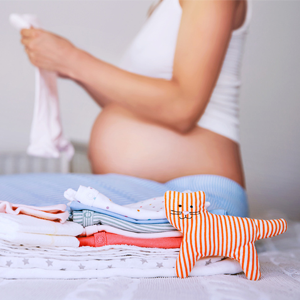
Guys, there is so much to look forward to about pregnancy and birth: The adorable socks, that thing babies do when they grab your finger, and, you know finally getting that other living thing out of your stomach.

But wait…that requires actually pushing something the size of a watermelon out of your vagina (*cringe*). How the heck is that supposed to happen, you ask? Contractions. Here’s the lowdown on those ever-so-helpful (but ultimately painful) baby-pusher-outers.

I need a refresher: What are contractions?

“A contraction is just a squeezing of a muscle,” says Dr John Thoppil, an gynae at River Place OB/GYN and an assistant professor at Texas A&M University’s College of Medicine.

When you’re having a baby, that muscle in question is your uterus – and the harder that muscle squeezes, the more it hurts, says Dr Thoppil.

That muscle is squeezing, by the way, because your body has to do a lot of work to dilate your cervix, turn your baby the ideal direction (face down), and send the baby down the birth canal.

Essentially, when a woman is full-term, hormonal changes within the body may signal when she’s ready to begin labour, says Dr Thoppil; but the baby might have a say, too. According to a 2015 study in the journal PLoS One, the baby itself could send signals to the mother through its DNA, signalling it’s ready to be born (though more research is necessary to be sure).

When a woman isn’t full-term, however (less than 37 weeks pregnant) and feels contractions, that could indicate pre-term labour, when something external (like an infection) triggers contractions. In that case, it’s important to call your doctor right away, says Dr Thoppil, adding that you should never ignore early contractions.

Read more: Everything you’ve ever needed to know about morning sickness

But there are different types of contractions, right?

So there are basically two types: Braxton Hicks contractions and labour contractions.

Braxton Hicks contractions – a.k.a. “false labour contractions” or “practice contractions” – happen when your uterus is gearing up for birth, but they don’t help dilate your cervix the way labor contractions do. These contractions can start as early as the second trimester, according to the American Pregnancy Association (APA).

Basically, the muscles in your uterus tighten for about a minute, but it’s not usually painful – your stomach will likely just feel hard. They’ll come at irregular times and aren’t intense – both signs they’re not labour contractions. However, if you have a lot of them, talk to your doctor, says Dr Thoppil.

Since Braxton Hicks contractions are like practice, that means actual labour contractions are end-game. They’re more consistent and regular – you can even start to time them and see a pattern. (Like they’re coming every 10 minutes and lasting for 30 seconds.)

Eventually, they’ll start to come quicker, last longer, and become more intense, and you may even feel pain in your lower back (another significant difference from Braxton Hicks contractions). Dr Thoppil recommends patients go to the hospital once contractions are five to seven minutes apart for an hour and feel increasingly painful.

Luckily, that pain can be controlled – most commonly through an epidural, according to the American College of Obstetrics and Gynecology (ACOG). (An epidural would be a pain medication that’s administered through a tube placed in the lower back, by the way.) Epidurals typically make you lose some feeling in the lower areas of your body, though you’re able to stay awake and alert enough to bear down and push the baby out.

Read more: Science just confirmed that childbirth is equal to an athletic event

Okay, tell me what they really feel like (and be honest).

They’re different for every woman – honest.

Even more honesty: My active labour contractions felt like a meat grinder was taken to my stomach – the pain actually made me throw up. My best friend, however, didn’t feel her contractions at all (she was actually applying makeup at 8cm dilated out of 10).

If you want even more specificity: Contractions, for me at least, came in waves. I’d feel the contraction building, my stomach would tighten and my back would radiate with pain, then after hitting a crest, the pain would subside (only to come again, but you take what you can get).

But don’t take my word for it. Here’s how other women described their contractions:

“Very intense menstrual cramps that wrapped around my body like a snake. I could not sit through them. Had to be moving and breathing.” – Reddit user kdrknows

“Mine did not feel like period cramps at all. I felt a tightening in my lower belly and lower back, like someone was tightening a belt around me so tight. They started out mild, but quickly got so painful I couldn’t speak or didn’t want to speak and just had to close my eyes to deal with them.” – Reddit user divinenanny

“Mine felt like period cramps x1 000. They would start in my lower back and move forward around my hips to my belly and everything tightened up. They slowly got stronger and stronger.” – Unknown Reddit user

Is there anything else I need to know about contractions?

Well, the pain isn’t over after labour! Contractions continue in part to help push the placenta out (you’ll also likely get a dose of pictocin to help this process along and decrease the risk of bleeding, says Dr Thoppil).

Then, if you choose to breastfeed, you’ll also get contractions during that. “When you breastfeed, your body releases oxytocin, the same hormone that’s produced during contractions,” says Dr Thoppil.

These may feel like hell (again), and anecdotally, many women say that with each subsequent pregnancy they get worse. But there is a bright side: “It’s nature’s way from keeping women from bleeding to death, as the contractions squeeze down the uterus and decrease postpartum bleeding,” says Dr Thoppil.

Also: These breastfeeding contractions are at their worst for 24 hours after birth – then, they start to subside significantly, says Dr Thoppil.

This article was originally published on www.womenshealthmag.com

Image credit: iStock 

Share Button

Health24.com | Real talk: Is there a ‘right’ age to have a baby?

Lots of decisions are no-brainers: Whether you want chips or a salad with that, for example. (Chips. Always chips.) Wearing a condom for the first time with a new partner is another one. But deciding when’s the right time to have a baby… definitely not so cut and dry. (If only there were a crystal ball for this kind of thing, am I right?)

The truth: There’s no “perfect” age to have a baby, so maybe stop with that thinking right now. Every woman’s body and life circumstances are different. But there is one truth that’s kind of hard to swallow: Women aren’t fertile forever.

The fact is, some ages are better than others – at least if you’re trying to get pregnant. Understanding your fertility, however, can help you make a choice that feels perfect to you.

Read more: 17 weird things that can mess with your fertility

The best age to have a baby, according to research

Let’s get technical for a minute here: A woman is born with all the eggs she’ll ever have – about 1 to 2 million of them, according to the American College of Obstetricians and Gynecologists (ACOG).

Those numbers decline with age, but as soon as a girl hits puberty and starts releasing those eggs and menstruating, she can get pregnant – between the ages of 10 and 14, according to the US National Institutes of Health (NIH).

Basically, your body is super fertile when you’re a teenager. But while a 15-year-old’s body may be physically ready to start having babies, the rest of her… not so much. Pregnancy carries high health, emotional and financial costs for teen moms and their children, according to the US Centers for Disease Control and Prevention (CDC).

So, biologically-speaking, the best age for a woman to get pregnant is in her 20s. By then, her body is mature enough to actually carry a child – and she’s got a solid decade before her fertility starts to decline (that begins at 32 and becomes more rapid after 37, per ACOG).

Really, though, the whole fertility-decreases-as-you-get-older thing is no joke. One bummer study published in the journal Human Reproductionfound that women in their late 30s are about 50% less likely to get pregnant during their most fertile days than women in their early 20s.

And if you do conceive in your 30s, it can come with more risks: The chance of stillbirth, for example, is higher for women over the age of 35, according to ACOG, as is the risk of chromosomal abnormalities, such as Down syndrome.

There’s also a risk of preterm birth, preeclampsia (dangerously high blood pressure) and gestational diabetes in older women, according to ACOG.

But it’s not all bad news (promise!): Advancements in testing mean that older moms can still have healthy pregnancies and healthy babies. Plus, biology doesn’t take into account social factors that contribute to delaying pregnancy.

One London School of Economics study, for example, found that children born to moms ages 35 to 39 tended to score better on cognitive tests at age 10 and 11 than those born to younger moms. Why? Older moms often have higher levels of education and more financial resources, which the researchers say could contribute to having smarter kids.

Read more: Can you really get pregnant while on your period?

The best age to have a baby, according to gynaes

Your 20s may be the best age for you to have a baby. But what if you’re still trying to crawl out from under crushing student debt or navigating finding a partner in the era of the swipe?

Painfully obvious alert: “Women are more fertile in their twenties, but that may not be the best time to try to conceive as far as their personal life is concerned,” says Dr Mindy Christianson, assistant professor of Gynecology and Obstetrics at the Johns Hopkins University School of Medicine.

Still, if you know you want to have a baby sometime in the future, your 20s is a good time to start planning, says Dr Christianson.

Your gynae can do a physical evaluation and can order an anti-Mullerian hormone (AMH) test to give you an idea of your ovarian reserve (a.k.a. how many eggs you’ve got left in the bank), notes Dr Christianson. Knowing what you’re working with can help inform your decision about when might be the right age to conceive.

Generally speaking, though, it’s ideal to conceive before you’re 37, says Dr Christianson. Because, again, the older you get, the more difficult it can be to get pregnant.

“It’s not as easy as people think it is,” says Dr Christianson. “A lot of women have been spending a lot of their lives trying not to get pregnant, and then all of a sudden when they try to get pregnant, they realise how hard it actually is.”

That’s why gynaes don’t just talk with their patients about fertility, but also ask them to consider the broader picture.

For example, choosing to wait to have children might be a very valid choice in your life right now, personally speaking – so, biologically, it’s important to be aware of the risks that come with pregnancy as you age, says Dr Aparna Sridhar, assistant professor in obstetrics and gynaecology at David Geffen School of Medicine at UCLA.

“I don’t think anybody can officially recommend that a woman has to have a baby around ‘this’ time because it’s a totally personal choice as to when the woman wants to conceive,” says Dr Sridhar. “But once you’re trying, you need to know about possible complications. Not that it makes it any easier if you have any of those, but we need to educate women and prepare them for those issues.”

Read more: 9 Mirena side effects you should know about

So… are you ever just ‘too old’ to have a baby?

Technically, as long as you are still ovulating and haven’t reached menopause – which happens around age 51, according to ACOG – it’s possible to conceive a child naturally, says Dr Sridhar.

But advancements in fertility treatments and prenatal care has made becoming a mom in their 40s or early 50s (i.e., after menopause) an option for more and more women.

Carrying a child is different than conceiving a child, so as long as your uterus is healthy and able to support the growth of a babe, it’s possible to have a child into your early 50s with in vitro fertilisation (IVF) or donor eggs, says Sridhar.

But keep in mind, IVF or using donor eggs is super expensive (in SA it tends to vary, depending on the clinic you use and the treatment plan tailored to your individual medical circumstances) so it may not be a feasible option, depending on your financial situation.

Basically, there is no “right” age or time to get pregnant and have a baby – which means there’s also no “wrong” time. Instead, choosing what age to have a child hinges on a number of factors that are different for everyone.

“Women look at it as a significant change in their life, so I think it’s valid for them to think about it and see what works best for them,” says Dr Sridhar. “It’s all about how you feel and when you can make up your mind.”

This article was originally published on www.womenshealthmag.com

Image credit: iStock 

Share Button