A BBC investigation is told face-down restraint was used violently and repeatedly at a mental health unit.


A BBC investigation is told face-down restraint was used violently and repeatedly at a mental health unit.
Whether you’re eating to lose weight, or eating just to be healthy, making sure your body gets the nutrients it needs is a step in the right direction. Do this by making sure the food you eat is rich in nutrients. Many fruits, vegetables contain minerals, which boost your health in more way than one.
We spoke to dietician Anel Kirsten, from Paarl Dieticians, about the five staples you should always keep in your cupboard.
Read more: Craving chips? This is how to make your own vegetable crisps and satisfy your junk food cravings
1. Canned beetroot
Canned beetroot maintains about the same nutritional value as fresh beetroot, giving you a good source of fibre, iron and folate. Beetroot is rich in nitrates, and functions as an antioxidant, lowering inflammation and reducing your risk of heart disease.
Use it: Use it in a salad, or heat it and serve with lemon juice.
2. Oat bran
Oat bran is the outside casing of the oat grain. It offers significant amounts of fibre and selenium, and helps regulate blood glucose levels and reduce cholesterol. It also creates a feeling of fullness.
Use it: Cook oat bran with milk or water, or eat it on its own. Add a tablespoon to smoothies, or use it when baking.
3. Chickpeas
Chickpeas are a good source of protein, healthy fats, fibre and low-glycemic-index carbohydrates. They’re also high in magnesium and B vitamins, including folate and vitamin B6. Eating chickpeas as part of your diet promotes good gut health and blood-glucose control, while lowering cholesterol.
Use it: Mash them to form a spread or dip (hummus), add to a curry, or roast them to make an on-the-go snack.
4. Dark chocolate
Dark chocolate is loaded with nutrients that can positively affect your health. Quality dark chocolate with at least a 70% cocoa content is rich in fibre, magnesium and a few other minerals. The flavanols in dark chocolate can stimulate the endothelium (the lining of the arteries) to produce nitric oxide, which sends signals to the arteries to relax, lowering resistance to blood flow and therefore reducing blood pressure.
Use it: Melt some to use as a dip for fruit, stir it in your porridge, or eat a block or two for dessert.
Read more: The 7 online food delivery services you need if you’re struggling to eat healthy
5. Mixed seeds
Mixed seeds contain healthy monounsaturated fats, polyunsaturated fats, omega-3 fats and many important vitamins, minerals and antioxidants. They’re also a good source of magnesium. When consumed as part of a healthy diet, seeds can help reduce blood sugar, cholesterol and blood pressure.
Use it: Eat them raw or toast according to your preference. Or add them to your cereal, smoothie, salad or stir-fry for extra crunch.
This article was originally published onwww.mh.co.za
Image credit: iStock

NEXT ON HEALTH24X

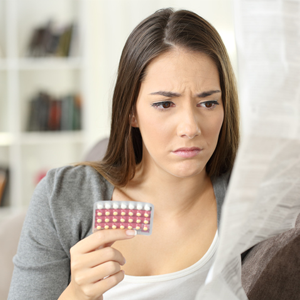
What if we told you there was a form of birth control that you could use while breastfeeding, or if your body doesn’t respond well to oestrogen? Well, rejoice because this could be the answer to all your contraceptive prays. Here, everything you need to know about the mini-pill and whether it’s the right oestrogen-free fit for you.
How it works
The mini-pill, also called the progestogen-only pill (POP), doesn’t contain any oestrogen – and there’s no hormone-free interval like there is with the normal Pill.
Dr Elmarie Basson, an obstetrician and gynaecologist, explains that this pill works by thickening the cervical mucus and preventing the migration of sperm. This interferes with implantation by thinning the endometrial lining and preventing ovulation.
Read more: 9 side effects of hormonal birth control every woman should know
Who should try it
The mini-pill is often prescribed for women who are unable to take the combination Pill (oestrogen and progestin). “Anyone for whom oestrogen is contra-indicated or is breastfeeding will benefit from this pill,” explains Dr Basson.
So, it you’re unable to take oestrogen because you have migraines with an aura prior to your period, are obese, suffer from vascular diseases like hypertension, have diabetes or you’re over the age of 35 and smoking, this pill is for you.
What are the disadvantages?
“The biggest disadvantage is breakthrough bleeding,” says Dr Basson. Some patients complain of spotting in between their cycle, or find that their periods don’t start on time. You may also experience breast tenderness, nausea and/or abdominal cramps, but these are only temporary. It’s also common for follicular ovarian cysts to form, but Dr Basson says this doesn’t warrant further treatment.
Read more: “My birth control pills gave me a liver tumour” – this is how it happened
But does it work?
Yes. The mini-pill has basically the same efficacy as the normal Pill – if used correctly. This means you need to take it at the same time every day. The failure rate can be as high as 9% if you mess with this simple schedule, says Dr Basson, but that drops to 1% if you stick to it. Sound daunting? Well, set a time you know you won’t forget, like immediately after supper or at bedtime.
This article was originally published on www.womenshealthsa.co.za
Image credit: iStock

Teas that taste amazing – and have major body benefits? Yes please! Stock up on these four and boost your health, no meds required.
1. Buchu tea: The natural detoxer
The “science” behind it: Buchu is a natural diuretic, helping the body to flush out harmful toxins, bringing relief from poor digestion, constipation and bloating. It’s also a proven anti-inflammatory, rich in a host of antioxidants and bioflavonoids.
Other health benefits: It’s loaded with polyphenols, which help to reduce the risk of developing cancer. It also relieves insomnia (it’s caffeine-free!), and reduces stomach spasms and even colic in infants.
Steeping time: Five to seven minutes.
Read more: 8 natural laxatives that actually work to relieve constipation
2. Peppermint tea: The stress reducer
The “science” behind it: Fending off a stress can be as simple as a hot cup of something. Research by Dr Bryan Raudenbush at the Wheeling Jesuit University in the US found that both peppermint and cinnamon could decrease drivers’ frustration levels and help them feel more alert. Results of the study also found that peppermint was associated with less fatigue and anxiety while driving.
Other health benefits: It can help with stomach and digestive relief, helps freshen breath and may ease menstrual cramps and headaches.
Steeping time: Five to seven minutes.
Read more: This natural antidepressant could make you feel way less anxious
3. Ginger tea: The nausea fighter
The “science” behind it: The morning after, when you realise that last glass of wine was a bad idea, you may just need to pour yourself a cuppa to ease the queasiness. A study found that ginger can reduce the often debilitating nausea side effects of chemotherapy in cancer patients.
Other health benefits: It’s an effective way to treat morning sickness, it may help ease muscle pain, aid digestion, improve circulation and relieve cold symptoms and menstrual pain.
Steeping time: Five to seven minutes.
Read more: Here’s exactly how to make your own natural cough syrup
4. Chamomile tea: The cramp killer
The “science” behind it: Chuck the chocolates and go for a soothing cup of chamomile tea to prevent PMS – your figure will thank you and so will your friends. A study found that drinking five cups of chamomile tea a day for five weeks raised urinary levels of glycine. Glycine relieves muscle spasms, which may explain why it is used to treat menstrual cramps and as a mild sedative.
Other health benefits: It may help relieve symptoms of mild-to-moderate generalised anxiety disorder, reduce brain inflammation, prevent diabetic complications and ease colds.
Steeping time: Five to seven minutes.
This article was originally published on www.womenshealthsa.co.za
Image credit: iStock

NEXT ON HEALTH24X

Gluten can be a cruel, cruel mistress – it’s part of many of the best things in life (cake, bagels, pasta), but ends up making some people feel beyond shitty (there’s an ex-boyfriend reference here, but I’ll resist).
Gluten’s a protein in wheat, rye and barley – and it can be really hard to digest for some people, says Dr Rabia De Latour, a gastroenterologist and advanced endoscopist at NYU School of Medicine.
The most well-known group is people who have celiac disease, an autoimmune disorder where eating gluten causes permanent damage to the small intestine. It affects about one in 100 people, according to the Celiac Disease Foundation.
But there’s another group, too: people with gluten “intolerance,” a.k.a. non-celiac gluten sensitivity (NCGS).
These people – who could account for 0.5 to 13% of the population according to two recent studies, published in Gastroenterology and The Psychiatric Quarterly – have most of the same symptoms of celiac disease but don’t show any of the physiologic changes, like damage to the small intestine and malnutrition, Dr De Latour says.
But unlike celiac disease, which can be definitively diagnosed, you can’t know for sure if you have gluten intolerance, says Dr De Latour.
“Gluten intolerance is not well understood in the medical community but it shouldn’t be dismissed as psychological or just a fad,” she says. “It’s really a diagnosis of exclusion – once we’ve ruled out celiac through a blood test and an endoscopy, then NCGS is what we’re left with.”
There are some pretty major symptoms of gluten intolerance, however, that you won’t be able to ignore – here are nine signs that you might be gluten intolerant.
1. You can’t eat spaghetti without feeling sick or cramping.
Or bread. Or cupcakes. That’s because stomach pain – nausea and abdominal cramps – after eating something containing gluten is the most common symptom of NCGS, says Dr De Latour.
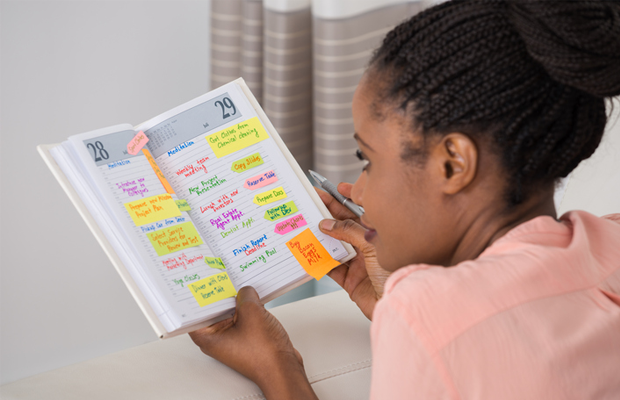
But it can be hard to connect the dots between what you ate and your pain. Dr De Latour suggests keeping a detailed food journal to better identify triggers.
Read more: 9 foods that are naturally gluten-free
2. You’re super bloated.
Bloating can be caused by so many things, from hormones to beans. But if you aren’t properly digesting gluten, your stomach can definitely start to feel swollen and tender – especially after particularly glutinous meals, says Dr De Latour.

3. Your skin is dry and flaky.
While there aren’t any scientific studies to back this one up, lots of people with gluten sensitivity report having skin conditions, including extra-dry skin, rashes, acne and patches of eczema.
Read more: 10 glaringly obvious signs you have a food allergy or intolerance
4. You’re losing weight without trying.
Involuntary weight loss is one of the primary symptoms of celiac disease because when your intestines are damaged you aren’t properly absorbing the food you eat, says Dr Megan Patrick, a family medicine physician at UCHealth.
While NCGS doesn’t damage a person’s intestines, it can still lead to eating less due to associating so many foods with pain, which in turn can cause weight loss, says Dr De Latour.

5. You just can’t concentrate.
“Gluten sensitivity can be primarily, and at times exclusively, a neurological disease,” reports Dr Maios Hadjivassiliou, in a study published in The Lancet.
ADHD-type behaviours can be associated with gluten sensitivity. NCGS can decrease your ability to focus, says Dr De Latour.
6. You feel down a lot of the time.
Mood changes, or feeling an increase in depression and/or anxiety after eating gluten-containing foods is a symptom in those with NCGS, says Dr De Latour.
In fact, one 2014 study published in Alimentary Pharmacology & Therapeutics, found that gluten-intolerant subjects reported increased depression after just three days of eating gluten.

Read more: Are you lactose-intolerant? Here’s how to tell if you’ve got dairy issues
7. Your poops are kind of ridiculous.
Constipated all the time? Explosive diarrhoea? Poo problems are another telltale sign of NCGS, says Dr Patrick. Any time you see a significant change in your bowel movements that lasts more than a week, you should call your doctor, she adds.
8. You just can’t remember anything.
One of the primary neurological symptoms reported by patients with gluten sensitivity is “brain fog” or just feeling like they can’t think clearly and have trouble remembering things, says Dr De Latour.
9. You’re so tired you need a nap after your nap.
Your diet is one of the biggest factors in your energy levels, says Dr De Latour.
You already know, for example, that eating junk makes you feel wasted while protein and veggies keeps you chugging all day – but that might extend to gluten, too. Many sufferers report their energy levels skyrocketing after giving up gluten, says Dr De Latour.
This article was originally published on www.womenshealthmag.com
Image credit: iStock

NEXT ON HEALTH24X

New research published in The Lancet shows that an experimental HIV-1 vaccine regimen is well-tolerated and generated comparable and robust immune responses against HIV in healthy adults and rhesus monkeys. Moreover, the vaccine candidate protected against infection with an HIV-like virus in monkeys.
Based on the results from this phase 1/2a clinical trial that involved nearly 400 healthy adults, a phase 2b trial has been initiated in southern Africa to determine the safety and efficacy of the HIV-1 vaccine candidate in 2,600 women at risk for acquiring HIV. This is one of only five experimental HIV-1 vaccine concepts that have progressed to efficacy trials in humans in the 35 years of the global HIV/AIDS epidemic.
Previous HIV-1 vaccine candidates have typically been limited to specific regions of the world. The experimental regimens tested in this study are based on ‘mosaic’ vaccines that take pieces of different HIV viruses and combine them to elicit immune responses against a wide variety of HIV strains.
“These results represent an important milestone. This study demonstrates that the mosaic Ad26 prime, Ad26 plus gp140 boost HIV vaccine candidate induced robust immune responses in humans and monkeys with comparable magnitude, kinetics, phenotype, and durability and also provided 67% protection against viral challenge in monkeys,” says Professor Dan Barouch, Director of the Center for Virology and Vaccine Research at Beth Israel Deaconess Medical Center and Professor of Medicine at Harvard Medical School, Boston, USA who led the study.
He adds: “These results should be interpreted cautiously. The challenges in the development of an HIV vaccine are unprecedented, and the ability to induce HIV-specific immune responses does not necessarily indicate that a vaccine will protect humans from HIV infection. We eagerly await the results of the phase 2b efficacy trial called HVTN705, or ‘Imbokodo’, which will determine whether or not this vaccine will protect humans against acquiring HIV.”
Almost 37 million people worldwide are living with HIV/AIDS, with an estimated 1.8 million new cases every year. A safe and effective preventative vaccine is urgently needed to curb the HIV pandemic.
In the 35 years of the HIV epidemic, only four HIV vaccine concepts have been tested in humans, and only one has provided evidence of protection in an efficacy trial — a canarypox vector prime, gp120 boost vaccine regimen tested in the RV144 trial in Thailand lowered the rate of human infection by 31% but the effect was considered too low to advance the vaccine to common use.
A key hurdle to HIV vaccine development has been the lack of direct comparability between clinical trials and preclinical studies. To address these methodological issues, Barouch and colleagues evaluated the leading mosaic adenovirus serotype 26 (Ad26)-based HIV-1 vaccine candidates in parallel clinical and pre-clinical studies to identify the optimal HIV vaccine regimen to advance into clinical efficacy trials.
The APPROACH trial recruited 393 healthy, HIV-uninfected adults (aged 18-50 years) from 12 clinics in east Africa, South Africa, Thailand, and the USA between February 2015 and October 2015. Volunteers were randomly assigned to receive either one of seven vaccine combinations or a placebo, and were given four vaccinations over the course of 48 weeks.
To stimulate, or ‘prime’, an initial immune response, each volunteer received an intramuscular injection of Ad26.Mos.HIV at the start of the study and again 12 weeks later. The vaccine containing ‘mosaic’ HIV Env/Gag/Pol antigens was created from many HIV strains, delivered using a nonreplicating common-cold virus (Ad26).
To ‘boost’ the level of the body’s immune response, volunteers were given two additional vaccinations at week 24 and 48 using various combinations of Ad26.Mos.HIV or a different vaccine component called Modified Vaccinia Ankara (MVA) with or without two different doses of clade C HIV gp140 envelope protein containing an aluminium adjuvant.
Results showed that all vaccine regimens tested were capable of generating anti-HIV immune responses in healthy individuals and were well tolerated, with similar numbers of local and systemic reactions reported in all groups, most of which were mild-to-moderate in severity. Five participants reported at least one vaccine-related grade 3 adverse event such as abdominal pain and diarrhea, postural dizziness, and back pain. No grade 4 adverse events or deaths were reported.
In a parallel study, the researchers assessed the immunogenicity and protective efficacy of the same Ad26-based mosaic vaccine regimens in 72 rhesus monkeys using a series repeated challenges with simian-human immunodeficiency virus (SHIV) — a virus similar to HIV that infects monkeys.
The Ad26/Ad26 plus gp140 vaccine candidate induced the greatest immune responses in humans and also provided the best protection in monkeys — resulting in complete protection against SHIV infection in two-thirds of the vaccinated animals after six challenges.
The authors note several limitations, including the fact that that the relevance of vaccine protection in rhesus monkeys to clinical efficacy in humans remains unclear. They also note that there is no definitive immunological measurement that is known to predict protection against HIV-1 in humans.
Writing in a linked Comment, Dr George Pavlakis and Dr Barbara Felber from the National Cancer Institute at Frederik, Maryland, USA say: “Efficacy studies are necessary to determine protective ability in humans and also for the discovery of correlates of protection and for determining whether the same or different immune correlates apply for different vaccine regimens. It remains to be determined whether improved efficacy over RV144 will be achieved by either of the present efficacy trials (NCT02968849; NCT03060629). New vaccine concepts and vectors are in development and can progress to efficacy trials, which is an important process since development of an AIDS vaccine remains urgent. Despite unprecedented advances in HIV treatment and prophylaxis, the number of people living with HIV infection continues to increase worldwide. Implementation of even a moderately effective HIV vaccine together with the existing HIV prevention and treatment strategies is expected to contribute greatly to the evolving HIV/AIDS response. It is therefore essential that a commitment to pursue multiple vaccine development strategies continues at all stages.”
This study was funded by Janssen Vaccines & Prevention BV, US National Institutes of Health, Ragon Institute of MGH, MIT and Harvard, Henry M Jackson Foundation for the Advancement of Military Medicine, US Department of Defense, and International AIDS Vaccine Initiative.

Most US men fall short by nearly half of the 38g of fibre a day recommended by the US Institute of Medicine. But scientists now see that number, set in 2002, as a guideline. Just eat more. Stir two tablespoons of psyllium husks into your morning cereal.
Read more: 5 sources of fibre you should be eating right now
More active years
Fibre may be a youth nutrient. People who ate 32g of fibre a day over 10 years were more likely to be “successful agers” (free of depression, cognitive decline and ageing issues such as heart disease) than those who didn’t hit that threshold, a 2016 Australian study found.
Fibre may control inflammation – the villain behind many diseases – by curbing hunger and post-meal blood glucose spikes.
Read more: 4 simple heart-healthy, fibre-rich breakfast bowls
Better immunity
Men who consumed a fibre-rich diet reported feeling healthier than those who didn’t, a 2017 study in Food & Nutrition Research showed. Fibre may aid immunity, reducing your risk of inflammatory diseases.
But is feeling healthier the same as being healthier? Your perception of your health can be a powerful wellness influence, the researchers say. Stock up on whole grains and produce (and don’t forget nuts!) to steer clear of the doctor’s office.
Read more: Is getting the flu vaccine worth the hype?
Deeper sleep
1 cup oats + 1 large apple + 1 cup split peas
People who hit 25g of fibre a day (combo above) got more deep sleep, a 2016 Journal of Clinical Sleep Medicine study found. In deep slumber, your day’s memories are stored and organised, says co-author, Professor Marie-Pierre St-Onge, leading to better cognition.
Read more: 6 products that will give every type of sleeper a better night’s sleep
7 ways to eat 7+ grams of fibre
1 whole avocado = 14g
3/4 cup hummus = 11g
1 cup artichoke hearts, boiled, drained, without salt = 10g
1/3 cup rice-based Asian snack mix = 10g
1/2 cup almonds = 9g
1 cup boiled peas = 9g
1 large pear = 7g
This article was originally published on www.mh.co.za
Image credit: iStock

NEXT ON HEALTH24X

There are quite a few words you’d associate with orgasm (pleasure, release, satisfaction) but these are some of the strangest ones that probably wouldn’t cross your mind – hallucinations, sneezing and severe fatigue.
They might sound crazy, but those symptoms have actually been reported in scientific literature as unusual side effects of the normal orgasmic response – which experts refer to as something called the “peri-orgasmic phenomena”, according to a new review in Sexual Medicine Reviews.
Read more: How to use the latest tech to have better sex and improve your relationship
A typical orgasm – which the scientists define as the peak physical reaction to sexual stimulation – can include whole-body and pelvic sensations, as well as flushing, increased heart rate and blood pressure, and heavy breathing, the researchers say.
Psychological effects can include feelings of happiness, love and relaxation.
But with peri-orgasm phenomena, some physiological or psychological effects occur that fall beyond those normal responses.
Here, the eight strangest side effects that can be triggered by an orgasm.
Orgasm side effect #1: Hallucinations

In some cases, your skills in the sack can take her to another world. Of nearly 50 women who claimed to experience an “expanded sexual response”, 76 to 100% noted a flying experience or sensation of flight, according to a 2011 study from Turkey.
What’s more, up to 24% noted a sense of entering a cartoon world, up to 75% noted a feeling of leaving their bodies, and up to 24% listed déjà vu as a component, too.
Orgasm side effect #2: Sickness

It’s called post-orgasm illness syndrome, and it’s a constellation of symptoms that have been reported in men after ejaculation, including severe fatigue, intense warmth and a temporary flu-like state.
Read more: Is getting the flu vaccine worth the hype?
Basically, your body mislabels proteins in your own semen as foreign invaders, which ramps up your immune response and makes you feel sick. Post-orgasm illness syndrome can be difficult to diagnose, but if you think sex is linked to your symptoms, make an appointment with an allergist, says Dr Mohit Khera, a urology professor at Baylor College of Medicine. That can help ID a semen allergy.
Orgasm side effect #3: Weakness

Orgasmolepsy – the sudden onset of weakness that occurs with orgasm – was first reported back in 1928, and usually occurs in connection with narcolepsy or other sleep disorders. Symptoms typically last for less than 30 seconds and include a complete loss of muscle control.
Prevalence rates of orgasmolepsy differ among studies, but one of the highest-powered listed it as 22% among those with sleep disorders.
Researchers aren’t sure what causes it, but they believe firing of the amygdala response – coupled with hypocretin deficiency, which occurs with narcolepsy – may be to blame.
Orgasm side effect #4: Crying

Crying after sex is a symptom of something called postcoital dysphoria, a constellation of after-sex effects that include tearfulness, melancholy feelings, depression, anxiety or agitation. They can appear up to an hour after sex, and often occur in stable relationships, researchers say.
Nearly one in three female University students reported experiencing at least one symptom of postcoital dysphoria at least once, a 2011 study in the International Journal of Sexual Health.
Read more: Virtual porn could give her better orgasms – and help you last longer in bed
It can be alarming to see your partner cry after sex, but it might just be a biological reflex to the hormonal and neurological that occur with it, says Dr Lori Brotto. Or, she may feel lonely after the intimacy of sex is over.
Orgasm side effect #5: Sneezing

Case reports linking sneezing to sex have been around since the 1900s – in fact, one from 1972 detailed a 59-year-old man who developed severe sneezing and a runny nose after orgasm, which continued for 10 years.
Researchers believe that activating one part of the parasympathetic nervous system during orgasm may actually trigger a different branch of it, too, which sparks your sneezing symptoms.
Orgasm side effect #6: Pain

Pain with orgasm can occur in women, even if pain isn’t felt with intercourse. In fact, a 2009 study described three cases of women who experienced it, even without any anatomical or infectious causes of pain.
Read more: This guy’s powerful orgasm made him lose vision in one eye
Guys aren’t immune, either – men with chronic prostate disease have also been known to experience pain with orgasm, too.
Orgasm side effect #7: Foot sensations

According to a 2013 case report in the Journal of Sexual Medicine, a 55-year-old woman complained of “undesired orgasmic sensations” that originated in her left foot – which was the same feeling as when she was having sex with her husband.
In fact, whenever she experienced a vaginal or clitoral orgasm, she felt the same sensation in her left foot afterward. The researchers believe it may be due to partial regeneration of damaged nerve fibres in her foot.
Orgasm side effect #8: Headache

Headaches caused by orgasm belong to the type 2 category of headache: Those which are bilateral, explosive and are triggered by some kind of excitement.
Read more: Immune system myths you need to stop believing
The duration of orgasm headaches can range from several minutes to three hours, and may be alleviated with anti-migraine meds or pre-treatment with propranolol.
Article originally published on www.menshealth.com
Image credit: iStock

NEXT ON HEALTH24X

It is the fourth most common cancer in UK women but few know the symptoms to look out for.
The “mosaic” vaccine produced an anti-HIV immune-system response in tests on 393 people.
