The head of NHS England is concerned cosmetic surgery adverts in Love Island put pressure on viewers.


The head of NHS England is concerned cosmetic surgery adverts in Love Island put pressure on viewers.
The limits of human existence might not be as limited as we have long thought.
A person’s risk of death slows and even plateaus above age 105, a new study reports, challenging previous research saying there’s a cutoff point past which the human life span cannot extend.
According to the Central Intelligence Agency World Factbook, the average age in South Africa is 27 years, with life expectancy at 63.
Longevity pioneers lucky enough to make it past the perilous 70s, 80s and 90s could potentially live well into their 110s, if fortune remains on their side, said senior author Kenneth Wachter, a professor of demography and statistics at the University of California, Berkeley.
The new study is published in the June 29 issue of the journal Science.
‘There is no fixed limit to the human life span yet in sight’
“Our data tell us that there is no fixed limit to the human life span yet in sight,” Wachter said. “Very few of us are going to reach those kinds of ages, but the fact that mortality rates are not getting worse forever and ever tells us there may well be more progress to be made improving survival past the ages of 80 to 90. This is a valuable, encouraging discovery.”
Specifically, the study showed that people at age 110 had the same continued chances of survival as those between the ages of 105 and 109, a 50/50 chance of dying within the year and an expected further life span of 1.5 years.
This plateau runs counter to the way death risk relentlessly rises as we age from age 40 onward, Wachter said.
“If mortality rates kept rising at the rates they rise from age 40 to age 90, then there would be a strong barrier to progress at extreme ages, great diminishing returns to behavioural change or to new medical advances,” Wachter said. “The fact these rates ultimately level out gives hope there’s more leeway for those advances.”
The oldest known human on record is Jeanne Calment of France, who died in 1997 at age 122. However, in South Africa, the oldest person, possibly in the world, turned 114 this year.
Different findings
There’s been ongoing debate about whether there’s a maximum human life span.
Last year, researchers at McGill University in Montreal issued a report challenging earlier assertions that human life span peaks at about 115 years.
“The statistics aren’t good enough to be able to say you can’t live much longer than that, based on the data we have,” said report author Siegfried Hekimi, chairman of developmental biology at McGill. “It’s simply not good enough to make that claim.”
To investigate this further, Wachter and his colleagues tracked death trajectories of almost 4 000 residents of Italy who reached age 105 between 2009 and 2015.
The investigators found that the odds of survival inexorably decline as a person enters middle and old age. For example, Italian women who reached age 90 had a 15% of chance of dying within the year and an expected further life span of six years on average, results showed.
But if they made it to 95, their odds of dying within a year increased to 24% and their life expectancy dropped to 3.7 years.
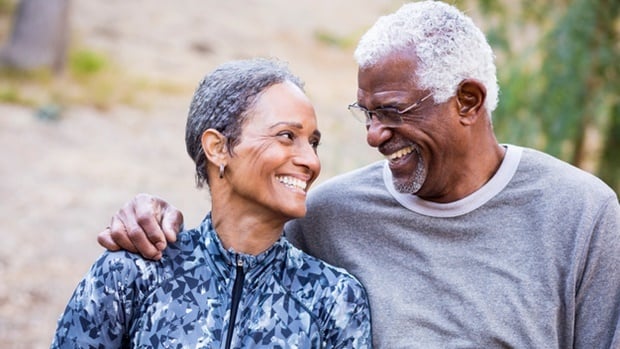
One might think these odds would continue to increase indefinitely, as people age toward an undefined vanishing point. That’s not what happened, though. The chances of survival instead plateaued once people made it past 105.
“The risk of death is very high at 105 years, but next year it’s not higher,” Hekimi said of the new study. “Every year you have the same chance of dying, and every year you can be the one who wins the coin toss.”
This plateau likely occurs due to evolutionary selection and the influence of good genes and healthy life choices, Wachter said. “When you look at a group of older people who are all the same age, some are already quite frail and some are robust. There’s a big difference in the level of frailty,” Wachter said.
“People who go to college 50th reunions, you just look around you and some people are climbing mountains while some people are walking with canes. Now go 15 to 20 years later, the people who were already frail are the ones who are likely to have died,” he said.
Not enough study participants
So far, looking at the genetics of long-lived people has provided maddeningly few clues for extending overall human life span, Hekimi said.
There are just too few people who make it to these extreme old ages, and the genes that seem to be working in their favour vary from place to place, Hekimi said. For example, genes that seem to be supporting extended life span on Okinawa are not the same ones found in England.
But this study shows there’s a good chance of extending the survival plateau earlier into the average human life span, making it increasingly likely that more people will survive into their 100s, Wachter said.
“It gives us a good piece of hope, because there is now lots of opportunity to look at these bad variants as they are in populations today and to try to understand the interaction of those genetic variants with potential medicines and different health challenges,” Wachter said.
“This basic theory could help us inform medical progress and public health progress 10 to 15 years from now as genetic research continues,” he said.
Hekimi agreed. “Given that our life span keeps increasing, maybe the plateauing is going to start earlier and earlier,” he said.
Image credit: iStock

Residents of the former Transkei area who previously had to travel huge distances to access cardiology services finally have a new cardiology unit at the Nelson Mandela Academic Hospital in Umthatha.
Health Department spokesman Sizwe Kupelo said previously patients in need of cardiology services were sent to Cape Town, Durban and Port Elizabeth.
Biggest killers after HIV/Aids
“Now a state-of-the-art cardiology laboratory was opened with high standard equipment and a specialist doctor in a facility which has cost the department R28-million,” Kupelo said.
“We are proud to say that specialised cardiology services are now offered in the province and that will save a lot of money in the long run as we no longer transfer our patients to other provinces.”
Patients that benefit from the new services include patients from O.R Tambo, Alfred Nzo, Chris Hani and Amathole districts – which means it’s about half of the province,” Kupelo said.
According to the Heart and Stroke Foundation, heart diseases and strokes are South Africa’s biggest killers after HIV/Aids.
Effective practices needed
In South Africa more people die of cardiovascular diseases than of all the cancers combined, cardiovascular disease is responsible for almost one in 6 deaths and 215 people die every day from heart diseases.
It is estimated that every hour in South Africa five people have heart attacks, 10 people have strokes and of those events, 10 people will actually die as a direct result.
Dana Govender, health promotions manager of the Heart and Stroke Foundation, said there should be effective practices to detect early and treat cardiovascular diseases.
“Hospitals must be able to deliver better and equitable care to patients to control chronic conditions.” – Health-e News.
Image credit: iStock

NEXT ON HEALTH24X

Young people who do not like using condoms during sexual intercourse in Vhembe are the main cause behind high rate of unwanted babies and the spread of sexual transmitted infections such as HIV.
These are the views of Tinyiko Nkanyane of Love Life. She says many rural youth still do not understand the importance of using condoms during sexual encounters, despite the free availability of condoms.
Condoms are there for free
“We have got a high rate of teenage pregnancies, which is a worrying factor because most of those babies are unwanted. Condoms are all over, but people still choose not to use them. Everywhere we go – be it in public toilets, government buildings, clinics, hospitals and libraries – condoms are there for free. Those condoms are made for us to protect ourselves against sexual transmitted viruses and unwanted pregnancies,” said Nkanyane, addressing more than one hundred young people at the Thulamela library hall recently.
Nkanyane said it pains her when she sees young people not respecting their bodies as they end up being infected by various diseases.
“It is our duty as young people to protect ourselves from HIV/Aids. We must respect our bodies and stop sleeping around without using protection, which also results in most of us having diseases and unwanted babies. Young people are dying because of cervical cancer due to lack of knowledge regarding their sex lives. It is our duty to go for regular check-ups and educate ourselves about sexual issues,” she said.
Youth are key
She also appealed with young people not discriminate against those who are living with HIV/Aids as it derails the fight against the virus.
“No one chose to be HIV positive, hence we have to support those who are already living with the virus without discriminating them as they are people like us,” she said.
Gladys Matshomo, an official from the Vhembe district Department of Health said that the youth are key to the fight against the spread of HIV/Aids.
“HIV is here to stay if we don’t fight against it. Our young people should stop engaging themselves in unprotected sexual relationships at an early age. Abstaining is important in our fight against the spread of HIV. Those who are unable to abstain from sexual activities must make condoms their number one friend,” said Matshomo. – Health-e News.
Image credit: iStock

NEXT ON HEALTH24X

The treatment is aimed at women who are at risk of becoming infertile, such as those who receive chemotherapy.

We all have days when we aren’t exactly feeling our best. Whether it’s work, relationship trouble or just life in general, our emotions can get the better of us. So where do you turn? A glass (or a bottle) of wine, ice cream, the arms of a loved one maybe. But how many times do we actually turn to ourselves? Personally speaking, very seldom.
But did you know that we can find comfort in ourselves through our own bodies? Here’s how to instantly make yourself feel better through simple but effective physical gestures – in 30 seconds or less.
Read more: These 4 yoga poses improve mood by adjusting your brain chemicals
Stressed? Let’s get physical
Psychotherapist Noa Belling explains, “Our bodies have an innate ability to shift how we feel because our brain receives more information from our body senses than it does from our thoughts about what’s going on.”
She gives posture as an example. “When you feel down, your posture tends to slump, and when you feel up, your posture tends to be more uplifted. Try feeling down with your posture upright or feeling uplifted with your posture slumped. You might find that difficult, or even impossible.”
Okay, now we’re listening…
Why this works
The reason we find the above exercise difficult is because our body lets our brain know how we’re feeling. We’re actually wired to gather information about ourselves from our physical responses and to pick up information about others quickly and non-verbally through their gestures.
“But what might not be as obvious is that your posture can also perpetuate, or cause you to feel, a certain way and that proactively changing your posture can change your mood and mind,” says Belling.
Read more: You definitely need to work out at least two times a week if you want the heart benefits
Science backs it up
Belling shares the science in her new book The Mindful Body. According to psychology professor Richard Petty “the brain has areas that reflect feelings such as confidence, and when the specific area is triggered it’s difficult to tell the difference between natural confidence and temporary confidence as a result of standing up straight. The brain responds in the same way to both. So your confidence can make you stand upright and standing upright can create confidence.”
Here are four ways to feel instantly better. The best part: You don’t even have to leave your chair.
1. Smile!
Yes you might feel a bit silly forcing a smile, but it can make you feel better. Smiling, whether it’s fake or not, can instantly boost feel-good hormones to counteract stress. “It can even help you think more clearly because stress hormones can create a short circuit in your brain that limits or cuts off access to your most mature thinking, instead prioritising more primitive brain regions and the fight, flight, freeze or faint response,” says Belling.
Read more: This is why ‘comfort eating’ is a bad idea for your mental health
2. Hand over heart
No, we aren’t about to sing the national anthem. Placing your hand over your heart – and holding it there for a few seconds – can make you feel better. This is because touch instantly raises oxytocin, the cuddle hormone, making us feel comforted. This position can also help us feel more self-compassionate and compassionate towards others. “So when you feel stressed, or like you’re about to lose your temper, try out a hand to your heart, perhaps allowing a deep breath to follow, and then notice how you respond to what’s in front of you,” says Belling.
3. Balance your posture
If you’re standing, place both your feet evenly on the ground; if sitting, adjust yourself to sit evenly over both hips. “Centering and balancing your posture in this way can not only help your body feel more balanced and comfortable, it can bring about a more balanced outlook and help you to think more clearly when you feel emotional or under pressure,” explains Belling. You don’t have to stay in the position forever – 30 seconds can be than enough for an instant perspective shift.
Read more: 10 signs that someone you know is emotionally unstable
4. Be present
Feeling emotionally stuck or facing a stressful situation? Loosen up. Stretching out areas of tension is a great way to “counteract the tendency to overthink that can sometimes lead you round in spirals of negativity,” says Belling. Also, open your senses in the moment – notice the sights, sounds and smells around you. “When you pay more attention to your environment, a new clarity can emerge.”
This article was originally published on www.womenshealthsa.co.za
Image credit: iStock

The boss of NHS England says ensuring medical supplies continue is “right at the top of the list”.
It was the best of times, it was the worst of times: Oh, did that just describe your experiences on hormonal birth control?
While birth control side effects are mostly awesome (less cramps, no unwanted pregnancies!), they can admittedly also be sucky (ahem, blood clots).
Hormonal birth control comes in two forms: Combination (certain types of pills, the vaginal ring and the transdermal patch), which includes both oestrogen and progestin, and progestin-only (IUDs, shots, implants and the mini-pill).
But both types of hormonal birth control come with pretty similar side effects – good, bad and ugly.
These are the most common birth control side effects you should know about:
1. Your acne magically clears up
“Some people have hormonal acne, so a regular cycle and a steadier dose of hormones can help,” says Dr Christine Masterson, chief of the women and children’s service line at Summit Medical Group in New Jersey. But she also warns that breakouts can get worse before they get better, so it’s best to wait up to six months before judging whether or not your hormonal birth control has improved your acne.
Read more: 12 contraceptives you should think about trying – other than the pill
2. You’re gaining weight
Some women experience a temporary amount of weight gain, says Dr Masterson, but this side effect is typically correlated with the amount of oestrogen in the particular pill you are taking (though it can happen on progestin-only options too).
“As the pill has evolved, we’ve been able to lower the amount of oestrogen in the pill and still have it be effective,” she explains. “Less oestrogen can mean less weight gain, so lower-dose pills are helpful for patients experiencing weight gain.”

3. You’re having some pretty serious mood swings
Any time you introduce hormones into your body via birth control, it can cause mood changes. “Having crying spells, not seeing the joy in life and having difficulty getting out of bed are all signs of depression,” says Dr Masterson.
“If you’re experiencing any of those symptoms, or having harming thoughts, experiencing difficulty functioning at work, or your relationships are starting to become affected, you should have a conversation with your doctor,” Dr Masterson adds, especially if you’ve been feeling that way for longer than four to six weeks.
Read more: “My birth control gave me a blood clot” – here’s what you need to know
4. Your periods have gotten less painful
Dysmenorrhea (a.k.a. period pain) can be a bitch, to say the least – but hormonal birth control can help with that. “Hormonal birth control is linked to shorter, lighter and less painful periods, so for women who are really suffering from dysmenorrhea, it can make a tremendous difference,” Dr Masterson says.
If a regular birth control pill doesn’t decrease your symptoms, she recommends talking to your doctor about skipping periods so you at least experience symptoms less often.

5. You’re getting fewer and fewer ovarian cysts
If you suffer from regular ovarian cysts (which can cause abdominal pain), taking birth control can reduce the hormonal fluctuations that often contribute to their development, says Dr Masterson.
She notes there may be another benefit for your ovaries, too: A reduced risk of cancer. “We know that women with fewer ovulations in their lives – those with many pregnancies, who used the pill, and who have breastfed – have a decreased chance of ovarian cancer than those who ovulate more in their lifetime,” she says, explaining that abnormal cells can form during the normal pattern of ovulation and cell repair after the egg is released.
Because combination birth control reduces ovulation more than progestin-only kinds, they do provide more protection (though some women taking progestin-only kinds won’t ovulate, so it may protect them, too).
Read more: The new contraceptive that won’t mess with your hormones
6. You’re not getting menstrual migraines as much anymore
“If you have a predictable migraine associated with onset of period, taking hormonal birth control can allow you not to get the migraine in the first place,” says Dr Masterson. A drop in oestrogen is to blame for these intense menstrual headaches (often accompanied by nausea, light sensitivity and dizziness), so a consistent level of oestrogen can help you avoid them.
But the news isn’t all good: Dr Masterson warns that migraine with aura is associated with a higher risk of stroke, and is incompatible with hormonal birth control. “We would take a careful history of a patient with migraines to make sure they are candidates,” she says.

7. Your boobs are so sore
An increase in oestrogen and progesterone levels after starting hormonal birth control can cause breast changes. Your breasts may become fuller (you may even have to go up a bra size) and/or feel tender, says Dr Masterson.
However, she also adds that the longer you are on it, the more likely it is those side effects will subside.
8. Your risk of blood clots goes way up
The oestrogen in hormonal birth control puts women at an increased risk for a number of medical issues, says Dr Masterson. (So, your risk of these issues decreases if you’re on progestin-only methods.)
“There’s a one in 1 000 risk of deep vein thrombosis (DVT, or when a blood clot forms in a deep vein in the body), so if you experience calf pain, swelling of the legs or shortness of breath, those are serious side effects that need to be addressed by calling the medical emergency hotline or your doctor,” says Dr Masterson.
Also, keep an eye out for signs of a heart attack, like pain in your chest, back, shoulder arm or neck; and signs of a stroke, such as numbness or weakness of the face, arm or leg, a sudden, severe headache or confusion.
Some women are more at risk for these conditions than others, like smokers or those with a family history. So, Dr Masterson says it’s smart for women to have their blood pressure checked regularly, particularly after starting a new birth control, and to pay close attention to any alarming signs.

This article was originally published on www.womenshealthmag.com
Image credit: iStock

Keeping up with your kids can be tough. Just ask Christian Bizzotto. He’s the proud father of Milla Star Bizzotto, the youngest competitor in the 24-hour BattleFrog Extreme, a gruelling obstacle race designed by US Navy SEALs.
Bizzotto, 38, is right there next to his mud-covered daughter as they cross the finish line together. And this isn’t the kiddie race: 10-year-old Milla runs with the adults – and beats most of them, too.
Read more: Does your dad need a health intervention?
Just eight years ago, Bizzotto wouldn’t have dreamed of taking on such a challenge. When Milla was a baby, a motorcycle accident left him with a broken back, a herniated disc, a broken foot and hand, and – once he could move again – a broken heart. His wife left him as soon as he recovered.
“I was broken in every sense of the word,” says Bizzotto. He knew he had to make a change. “I had this little kid who looked up at me every day like I was a superhero. But to myself I was a super nothing,” he says. “I wasn’t any of the things she probably saw when she looked up at her dad.”
So Bizzotto started by ditching his diet staples of fast food, cooldrinks, sweets, chips and sugary cereals. Now he guzzles water when he’s thirsty, and eats mostly organic eggs, avocados, nuts, kale, spinach and chard.
Read more: How to lose the dad bod in 4 weeks!
His fitness journey began simply: By running between two dustbins at the beach. First they were 15m apart, then 30m, then 150m, then 1 500m. Eventually he was doing 20km trail runs “for fun”. Now 45kg lighter, Bizzotto co-owns Focused Movement Academy, a training facility in Miami. Milla’s ambitions keep him going.
Hitting the gym with a friend can double the duration of your workout, according to research from Michigan State University. For the Bizzotto family, it’s more like quadruple.
“Practising what you preach is everything,” says Sean Garner, a trainer and father of two. You can’t tell your kids to eat healthily and then let them see you choke down pizza and beer every weekend.
Read more: These 8 fit dads on Instagram will motivate you to step up your game
“They’re watching you, whether you realise it or not,” he says.
The anti-dad-bod plan:
Who needs free weights when a kid’s in the house? Garner has a few ideas.
Bear crawl
Do it: Get on all fours, and tell your child to hop onto your back. Lift your knees slightly; crawl forward and back.
Zercher squat:
Do it: Hold your kid parallel to the floor with your hands under his or her hips and shoulders. Squat.
Read more: How to perfect the pistol squat
Twisting lunge:
Do it: Still holding the child, stand and lunge backward with one foot, twisting your torso. Switch feet.
Weighted push-up:
Do It: Assume a push-up position and get the child to lie flat on your back, arms hanging, during your reps.
Read more: Take this 3 minute push-up test to find out how fit you really are
Weighted V-up:
Do it: Lie face-up on the floor with your child’s torso on your shins. Bring your legs and torso together.
This article was originally published onwww.mh.co.za
Image credit: iStock

NEXT ON HEALTH24X

Could a drug made from magic mushrooms have the potential to transform how the condition is treated?
