3D-printed smart gel that walks underwater, moves objects

Rutgers University-New Brunswick engineers have created a 3D-printed smart gel that walks underwater and grabs objects and moves them.

The watery creation could lead to soft robots that mimic sea animals like the octopus, which can walk underwater and bump into things without damaging them. It may also lead to artificial heart, stomach and other muscles, along with devices for diagnosing diseases, detecting and delivering drugs and performing underwater inspections.

Soft materials like the smart gel are flexible, often cheaper to manufacture than hard materials and can be miniaturized. Devices made of soft materials typically are simple to design and control compared with mechanically more complex hard devices.

“Our 3D-printed smart gel has great potential in biomedical engineering because it resembles tissues in the human body that also contain lots of water and are very soft,” said Howon Lee, senior author of a new study and an assistant professor in the Department of Mechanical and Aerospace Engineering. “It can be used for many different types of underwater devices that mimic aquatic life like the octopus.”

The study, published online today in ACS Applied Materials & Interfaces, focuses on a 3D-printed hydrogel that moves and changes shape when activated by electricity. Hydrogels, which stay solid despite their 70-plus percent water content, are found in the human body, diapers, contact lenses, Jell-O and many other things.

During the 3D-printing process, light is projected on a light-sensitive solution that becomes a gel. The hydrogel is placed in a salty water solution (or electrolyte) and two thin wires apply electricity to trigger motion: walking forward, reversing course and grabbing and moving objects, said Lee. The human-like walker that the team created is about one inch tall.

The speed of the smart gel’s movement is controlled by changing its dimensions (thin is faster than thick), and the gel bends or changes shape depending on the strength of the salty water solution and electric field. The gel resembles muscles that contract because it’s made of soft material, has more than 70 percent water and responds to electrical stimulation, Lee said.

“This study demonstrates how our 3D-printing technique can expand the design, size and versatility of this smart gel,” he said. “Our microscale 3D-printing technique allowed us to create unprecedented motions.”

Story Source:

Materials provided by Rutgers University. Note: Content may be edited for style and length.

Share Button

Health24.com | Former Banyana midfielder Makhosi Luthuli on her struggle with Lymphoma

She was once a terror on the soccer field – a dynamo in green and gold aptly nicknamed “Troublemaker” because of her ability to mess with the opposing team. But former Banyana Banyana midfielder Makhosi Luthuli (45) is a shadow of her once vibrant self.

Lymphoma, a cancer of the lymphatic system, has taken over her life – as well as her face. Broke, alone and sick, she has been battling the debilitating cancer since it was diagnosed in 2011.

“When it started, I didn’t pay much attention,” she says. “I thought it was just a swelling on my upper jaw. But I got worried when the swelling grew rapidly.”

The former national star now lives with her nephew, Sihle Luthuli (32), in KwaPhumphele, in Mariannhill near Pinetown, Durban. Her only child, her son Mfundo Luthuli (20), lives with her sister, Teresa Dlamini, at Magabeni, 50 kilometres south of Durban.

Living with lymphoma is very difficult, she says. When news first surfaced of her condition, rumours spread that she had died. “I was sad but I didn’t let it affect me too much,” she says.

“I knew it was just malicious people saying these things. “I’m not scared of dying but I am not dying any time soon. Cancer has not taken my talent and skill away from me. I am still Makhosi, the Troublemaker,” she says.

When Makhosi first noticed the swelling on her face she went to a local hospital and was referred to King Dinuzulu Hospital in Durban for scans. She was then sent to Inkosi Albert Luthuli Central Hospital “where I was eventually diagnosed with lymphoma cancer,” she says.

As defiant as she is about her disease, it’s clear the cancer has taken its toll. “I cannot breathe because my nose has been disfigured,” she says. “I cannot speak properly because my mouth has been affected. My jaws have been affected too – I’m losing teeth and I can’t eat properly. “My left eye and ear have closed and my kidneys have also been damaged because of the treatment.” Makhosi started chemotherapy and radiation therapy in 2012, which helped slow the march of cancer through her body but has not killed the rampant cells altogether. She is still receiving treatment and is desperate for more help. “In February I became so desperate that I barged into the mayor’s office without an appointment to request assistance,” she says. “The mayor did not hesitate. She quickly consulted with [KwaZulu-Natal businessman] Sandile Zungu, who donated R100 000 towards my treatment,” Makhosi says. eThekwini mayor Zandile Gumede tells DRUM she was “touched by [Makhosi’s] bravery”.“That’s why I decided to contact businesspeople like Sandile to help,” she says. Makhosi survives on a disability grant of R1 690. “This is for supplements because my immune system needs to be boosted,” she explains. “I also use it for transport, groceries, medication, toiletries and other necessities. The grant is not enough because I have special needs. Because of my condition, I can eat only soft food.” Yet despite her hardships she hasn’t given up on life – or on her first love, soccer. She started a football academy for kids in 2011 – the same year she received her cancer diagnosis – in order to give back to her community. “I spend a lot of time on the field in sport development,” she says. “I also do the paperwork for the team and the rest of the time I do house chores, such as cleaning, cooking and laundry. “I hardly go to town because when I’m in public, people tend to stare at me.” Makhosi tries to stay positive and has accepted her condition as best she can. “I know there are people who are worse off than me, so I can’t live my life complaining. When I finally get healed I want to help others in a similar position.” She will need a team of doctors who specialise in this type of cancer to perform the operation she needs, she says. Johannesburg-based paediatric oncologist Dr Jennifer Geel says while treatment of the kind Makhosi needs is available in South Africa, “the only problem is that all the lymphoma cancer doctors have moved into private healthcare. So, while there are doctors available to do the operation, it is extremely expensive as patients can only do it privately.” Makhosi remains optimistic: “I understand that my condition is complicated but I also believe help is on its way. I am going to beat this and my life will get back to normal. This is the battle I have to fight and I know I’ll come out of it as a conqueror.”

Makhosi joined Banyana Banyana in 1997 and was the first South African woman to be trained as a coach for a national side. She finished her first coaching course in 2002 under her mentor, late SA soccer stalwart Ted Dumitru. She still needs to move up the various levels but believes she can do it – her disability is not a hindrance, she says.

“I feel sad because at my age and with my experience I should have had my own house and car. I should have been very far in life.

“I joined the Banyana squad at 25. At the time I was studying public administration at the Mangosuthu University of Technology but I didn’t finish that qualification because my parents didn’t have enough money. “Later I went to the University of KwaZulu-Natal where I got a Bachelor of Social Science degree.” She believes she was “dumped” from Banyana in 2005 when she still had lots of play left in her but she has no hard feelings and plenty of fond memories. “I can’t disassociate myself from Banyana Banyana – I’m part of that history. I wore the number 8 jersey and made huge contributions there. I miss playing, I miss my teammates and I miss that environment. Even if things haven’t gone in my favour, I know I served my country.”

Durban tycoon Sandile Zungu hopes the money he pledged will go some way towards helping Makhosi. But he knows it’s not enough. The businessman made the donation through the Zodwa Zungu Foundation, which he set up in 2016 after the cancer death of his wife, Zodwa. Sandile pledges something every year to mark his birthday and Makhosi’s appeal coincided with his 51st birthday. Makhosi is grateful and hopes she’ll get the treatment she needs, so she can leave her home without worrying about the stares of strangers.

NEXT ON HEALTH24X

Share Button

Health24.com | ‘I have endometriosis – but nobody understands it’

FYI: March was Endometriosis awareness month… but do you even know what that is? I didn’t. Info on the condition is scant, so people just don’t understand it. It’s even described as a ghost disease: The pain is very real to the sufferer, but it’s not visible on the outside.

For this reason, sufferers often don’t get the support they need and deserve. They’re misjudged as over-dramatic or lazy. But endo affects so much more than just a woman’s body. It gets to your relationships, sex life, fertility and career…

What Is endometriosis?

Endometriosis is a condition where tissue, similar to that found within the uterus, grows outside the uterus in areas such as the ovaries, Fallopian tubes and bowel. As hormones change during the menstrual cycle, this tissue acts in the same way as the endometrium – it builds up and breaks down.

Unlike the endometrium, though, the blood and tissue have no way to leave the body. Instead, this causes inflammation, painful scar tissue and adhesions. Ouch. A laparoscopy is used to diagnose the disease and can be used to treat endometriosis.

“The statistic commonly cited is that it affects one in 10 women and that an estimated 175 million women worldwide have the disease,” says Dr Rizwana Roomaney, a research psychologist and reproductive health lecturer at Stellenbosch University. In the UK, the average length of time between the onset of symptoms and actual diagnosis via laparoscopy is eight years. In the USA, 12 years!

“There isn’t any cure for endometriosis,” says Dr Roomaney. “But there are various ways of managing the pain and symptoms associated with the illness.”

Doctors usually “laser” the endometriosis, but there are other treatments, like oral contraceptives (for women who don’t want to conceive), various hormonal therapies (which usually have side effects) and surgery.

Read more: 5 period symptoms that might signal a serious health problem

According to Dr Roomaney, the best type of surgery is excision surgery (cutting out the endometriosis, as opposed to “burning” it), as this has a lower recurrence rate. But, unfortunately, there are very few gynaecologists in South Africa who have the necessary surgical skills to perform excision surgery.

Lindsay’s story

Lindsay Speirs du Toit suffered from constant ovarian pain growing up. Looking back now, she realises that she always had endometriosis – she just didn’t know what it was. High school was tough, since it’s not on the list of topics to discuss during Life Orientation or “The Talk With Mom”. “We’re just told that what we’re feeling is normal,” Lindsay says.

“Imagine being told off by your teacher when your heavy bleeding requires you to visit the bathroom, again. Or your hockey coach telling you how pathetic you are for having no energy on the field, or not wanting to do sport because of the pain you are feeling.” Lindsay explains. “I was labelled as lazy or disinterested.” Little did they know how much pain she was dealing with on a daily basis.

Read more: This woman is showing what it’s really like to have endometriosis

“I went to the gynae [for answers] at the age of 27,” Lindsay says. She was experiencing the worst pain she’d ever felt. The gynaecologist diagnosed a cyst and sent her off with meds. But a little while later, with the pain still unbearable, she paid her gynaecologist another visit. This time, he suspected endometriosis, but he couldn’t confirm his suspicions without a laparoscopy – endometriosis isn’t visible on a scan.

The laparoscopy confirmed the doctor’s suspicions: She had endo, and underwent surgery to remove the tissue. “They removed what they could – what was visible to the naked eye,” Lindsay says.

Read more: Why are some periods worse than others?

Living with it

Endometriosis is not experienced in the same way by all sufferers. There are different levels of severity. The symptoms include pain, heavy bleeding, bloating, fatigue and, sometimes, painful intercourse.

Lindsay’s pain would become almost unbearable during menstruation. In a month, she’d only have about seven pain-free days. “Living with chronic pain is no joke and it takes strength from unknown places to put on a happy face.”

“I sometimes try and explain the pain to others – on a good day it feels like normal period pains, but on a bad day it feels like that times 20.” Other endo suffers have described it as equivalent to being kicked in the gut by five bodybuilders or having your internal organs wrapped in barbed wire.

Read more: 6 signs you’ve got an ovarian cyst that’s about to become a big problem

The pain is constant, but the other symptoms come and go. “The fatigue is terrible – you lose the lust for life.” Lindsay remembers many road trips where she would simply stay in the car. She just couldn’t find the strength to get out and admire the view.

“How do you explain to your partner or family members… I’m so tired, sad and in pain. They can only hear that so many times without rolling their eyes,” she says.

Treatment

Lindsay stresses that it’s important to see a specialist once you’ve been diagnosed by your gynae. Her first laparoscopy left her with a couple of scars and a slightly deformed belly button. “It’s a terrible op where they put a camera through your belly button and make keyhole incisions in your tummy to cauterise (burn) the endo,” Lindsay explains. “They pump you full of gas for full visibility.” This gas takes a day to leave the system – this is the worst pain, but the holes hurt as well.

scar, endometriosis, operation, surgery,

Lindsay was told to use the Pill to prevent her period, as this would lessen the symptoms, but after four months of embarrassing surprise ‘leaks’, she had to find a better solution. “I was then prescribed a pill that was like a male hormone,” she says. Besides costing a small fortune, she was warned that her voice may deepen and that facial hair may be an issue. No thank you! She was also told that she should have a baby straight away as she might not be able to have one at a later stage. Talk about rushed planning.

“So I took my chances and lived with the pain,” Lindsay admits. One year later and another laparoscopy down, Lindsay was again advised to have a baby. “It will cure [your endometriosis],” she was told.

Dr Roomaney says that this is incorrect: Endometriosis can develop after pregnancy and women in menopause can still experience symptoms.

Read more: 5 types of period cramps that could signal a serious problem

For Lindsay, this seemed to be the only way forward. But it was easier said than done. “The contraceptive Pill actually helps – it keeps you lighter and reduces the period pains… but in order to make a baby… no Pill.” It was a whole different world of pain. Three years later and still no baby, Lindsay finally visited a fertility specialist and underwent another laparoscopy. This time, the pain disappeared. “Everything felt better, I was energised, I started exercising and running,” she says. Lindsay was winning the endometriosis battle, but the fertility battle had just begun.

Baby time

“When I was diagnosed, I was told that endometriosis affects fertility,” Lindsay begins. The battle to fall pregnant was a struggle she wasn’t prepared for. “It’s been equated to the same stress as fighting cancer,” she adds. “It’s painful, embarrassing, you feel like a failure, and it is so incredibly sad and unfair.”

“As soon as I fell pregnant, the specialists were no longer interested in me,” Lindsay says. The first few weeks of pregnancy were accompanied with terrible period-type pain and she was convinced she’d get her period. But then the pain was gone… Pure bliss. And after a fairly normal pregnancy, her baby was born.

family, child, endometriosis, fertility, cake

Read more: What you need to know about endometriosis and your fertility

Lindsay’s advice

To the moms, listen to your daughters when they tell you that the pain they’re experiencing is not normal. Teachers, show more compassion and understanding. Bosses, listen to your employees and show empathy. To everyone, research, learn and show compassion. And finally, to the endometriosis warriors, keep on fighting!

For more info and support groups, click here.

This article was originally published on www.womenshealthsa.co.za

Image credits: iStock, supplied

Share Button

DR Congo Ebola outbreak: WHO holds crisis talk as cases spread

The World Health Organization will decide whether the disease is likely to spread internationally.

Share Button

Health24.com | 4 foods that can improve your hearing

Minerals and vitamins have always played a critical role in our health and the effective functioning of our body. We get minerals by eating plants that absorb them from the earth and by eating meat from animals that graze on plants. An example is calcium for strong teeth and bones.

But can food actually influence your hearing? According to researchers the answer is yes. 

1. Potassium

Potassium regulates the amount of fluid in your body tissues and blood. This is important to hearing health as there is fluid in the inner ear. The inner ear is the part of the ear that translates the noise we hear around us into impulses that our brain interprets as sound. The inner ear is dependent on potassium and it is therefore imperative to have a potassium-rich diet. 

As we become older, those levels unfortunately drop which could be one of the causes of presbycusis, the most common type of sensorineural hearing loss caused by the natural ageing of the auditory system.

Potassium-rich foods include bananas, avocados, potatoes, spinach, melons, milk, oranges, apricots, tomatoes, lima beans and yoghurt. 

2. Folic acid 

Studies show that folic acid is critical for your body’s ability to generate new cell growth. Adults with low levels of folic acid in their blood are more likely to develop presbycusis. Research says folic acid supplements may slow down hearing loss. The body uses folic acid to metabolise homocysteine, an inflammatory compound that reduces circulation. Good circulation is important for keeping the hair cells of the inner ear healthy and working properly.

Folate-rich foods include meats, asparagus, broccoli and spinach.

3. Zinc

Zinc boosts your body’s immune system and is also responsible for cell growth and healing wounds. This means it can be helpful in warding off germs that cause ear infections.

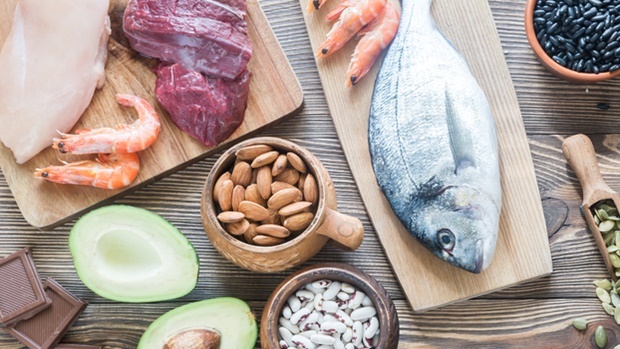
Foods rich in zinc include beef, pork and dark-meat chicken, cashews, almonds, peanuts, beans, split peas, lentils, oysters, dark chocolate, oats, popped quinoa, raisins, dried cranberries and coconut flakes.

4. Magnesium 

Research conducted at the University of Michigan Kresge Hearing Research Institute has shown that people treated with magnesium were protected from noise-related hearing loss. Researchers believe the reason for this is magnesium’s ability to fight the effects of free radicals generated by loud noise, acting as a barrier that protects the hair cells in the inner ear. Lack of adequate magnesium in the inner ear causes the blood vessels to shrink as a result of a lack of oxygen. 

Foods rich in magnesium include fruits and vegetables, such as bananas, artichokes, potatoes, spinach, tomatoes and broccoli. 

Image credit: iStock

Share Button

Health24.com | Obesity in the workplace: What role should your employer be playing?

We see it in the news, in magazines and on social media – we are constantly warned about the dangers of being overweight or what the “perfect” size is. In fact, your doctor may have even warned you that you’re putting on a few extra kilos…

But is it ever okay for an employer to broach the subject of obesity in the workplace? Lynne Frost, a business coach who will be speaking at the 2018 Festival of Learning hosted by the South African College of Applied Psychology, weighs in.

Frost says the workplace is a prime environment for helping employees to address the issues of overweight and obesity.

“Employed adults spend around one-third of their time at work, so employers have many opportunities to promote individual health and foster a healthy work environment,” she explains. “Employers that encourage healthy behaviours, like smarter eating and regular physical activity, benefit along with their employees.”

Obesity affects our economy

Although super-morbid obesity is relatively uncommon, Frost says that obesity and morbid obesity in developing countries is said to have tripled or quadrupled in the last few decades.

“Food is big business, so a key contributor to obesity is the increasing consumption of cheap, unhealthy fast foods and sugary drinks as a result of the proliferation of global fast food franchises in developing countries such as South Africa,” she says.

She points to a 2018 study of the Top 10 Fattest Countries in the World that ranks South Africa as seventh – we are one of the first African countries to appear on this list.

A high percentage of fatalities in South Africa are said to be linked to heart attacks and strokes, which are frequently related to being overweight or obese.

Frost says reducing obesity should be an important goal for employers. The economic impact of obesity in the workplace includes:

  • High rates of absenteeism among obese and morbidly obesity employees.
  • Preventable chronic disease associated with obesity, such as hypertension, cardiovascular disease, diabetes, depression, cancer and respiratory disease affects the cost of treatment and medical insurance.
  • Obesity is associated with “presenteeism” – this results in lower energy and productivity in the workplace.

Promoting weight loss in the office

There are a number of ways employers can promote weight loss in the workplace. Frost shares four tips to getting started.

1. Workplace canteens can do more than just offer a healthy meal option. “In my opinion, they should stop supplying unhealthy meals and snacks that are high in sugars, carbohydrates and processed content.”

2. Create an environment that supports activity such as open stairwells and walking paths.

3. Make wellness coaches available (either as employees or service providers) for high-risk employees. “Losing weight is tough for anyone, and having a coach to help employees visualise, plan and keep on track to create a different life for themselves can pay off in measurable ways.”

4. Create an online community where colleagues can engage with each other to work on their wellness is an easy step to create support within the employee population.

Image credit: iStock

Share Button

Growing resistance to antifungal drugs ‘a global issue’

Scientists warn this could lead to more outbreaks of disease and affect people who are already ill.

Share Button

Shocking study shows one third of world’s protected areas degraded by human activities

A shocking study in the journal Science by the University of Queensland, Wildlife Conservation Society (WCS), and University of Northern British Columbia confirms that one third of the world’s protected areas — an astonishing 2.3 million square miles or twice the size of the state of Alaska — are now under intense human pressure including road building, grazing, and urbanization.

The study is a reality check for nations striving to meet commitments under the Convention on Biological Diversity (CBD) to halt biodiversity loss through protected area creation. Since 1992, the global extent of protected areas has roughly doubled in size; more than 202,000 cover more than 15 percent of the world’s terrestrial area, with a goal of at least 17 percent coverage by 2020.

Though management objectives differ, ranging from strict biodiversity conservation areas to zones permitting certain human activities and sustainable resource extraction, the primary goal of all protected areas is to conserve nature.

The authors looked at global “Human Footprint” maps to make their assessment which shows that 32.8 percent of protected land is highly degraded. For protected areas created before the CBD was ratified 1992, 55 percent have since experienced human pressure increases. The authors warn that CBD goals will be severely undermined if widespread human pressure continues inside protected areas.

Said the paper’s lead author, Kendall Jones of University of Queensland: “A well-run protected area network is essential in saving species. If we allow our protected area network to be degraded there is a no doubt biodiversity losses will be exacerbated.”

The study shows that governments are overestimating the space available for nature inside protected areas. Governments are claiming these places are protected for the sake of nature when in reality they aren’t. It is a major reason why biodiversity is still in catastrophic decline, despite more and more land being ‘protected’.

However, the authors are not suggesting that high pressure protected areas be de-gazetted or defunded. To the contrary, it is crucial that nations recognize the profound conservation gains that can be realized by upgrading and restoring degraded protected areas while respecting the needs of local people.

THE GOOD NEWS

The most impacted protected areas were found in Asia, Europe, and Africa in places with massive human populations. But the study did find some good news: protected areas with strict biodiversity conservation objectives are subject to significantly lower levels of human pressure.

Some of these least impacted protected areas include Keo Seima Wildlife Sanctuary in Cambodia, Madidi National Park in Bolivia, and Yasuni Biosphere Reserve in Ecuador — places where WCS has made considerable conservation investments and therefore has successfully staved off degradation.

Said Professor James Watson of WCS and University of Queensland, and the study’s senior author: “We know protected areas work — when well-funded, well-managed and well placed, they are extremely effective in halting the threats that cause biodiversity loss and ensure species return from the brink of extinction. There are also many protected areas that are still in good condition and protect the last strongholds of endangered species worldwide. The challenge is to improve the management of those protected areas that are most valuable for nature conservation to ensure they safeguard it.”

Protected areas are at the core of WCS’s conservation strategy, as these are areas that are most effective at protecting natural ecosystems and their complement of biodiversity and ecosystem services — over 80 percent of WCS’s site-based field work takes place within or around protected areas. When well-managed (through sound enforcement, monitoring, clear boundaries) and funded appropriately, protected areas are effective in reducing the loss of natural habitat, and sustaining wildlife populations.

Said Watson: “Most importantly we’ve got to recognize that these jewels in the crown need support- there are some protected areas that are safeguarding nature and that still haven’t got any evidence of human encroachment in them. We must ensure these values are maintained.”

Story Source:

Materials provided by Wildlife Conservation Society. Note: Content may be edited for style and length.

Share Button

Limiting warming to 1.5 degree C would save majority of global species from climate change

Limiting global warming to 1.5oC would save the vast majority of the world’s plant and animal species from climate change — according to new research led by the University of East Anglia.

A new report published today in Science reveals that limiting warming to the ultimate goal of the Paris Agreement would avoid half the risks assoCiated with warming of 2oC for plants and animals, and two thirds of the risks for insects.

Species across the globe would benefit — but particularly those in Southern Africa, the Amazon, Europe and Australia.

Reducing the risk to insects is particularly important, the team say, because they are so vital for ‘ecosystem services’ such as pollinating crops and flowers, and being part of the food chain for other birds and animals.

Previous research focused on quantifying the benefits of limiting warming to 2oC above pre-industrial times — the upper limit for temperature as set out in the Paris Agreement — and did not look at insects.

This is the first study to explore how limiting warming to 1.5oC would benefit species globally.

Researchers at UEA and James Cook University in Australia studied some 115,000 species including 31,000 insects, 8,000 birds, 1,700 mammals, 1,800 reptiles, 1,000 amphibians and 71,000 plants in this, the largest scale study of its kind.

Lead researcher Prof Rachel Warren, from the Tyndall Centre for Climate Change Research at UEA, said: “We wanted to see how different projected climate futures caused areas to become climatically unsuitable for the species living there.

“We measured the risks to biodiversity by counting the number of species projected to lose more than half their geographic range due to climate change.

“We found that achieving the ultimate goal of the Paris Agreement, to limit warming to 1.5oC above pre-industrial levels, would reap enormous benefits for biodiversity — much more so than limiting warming to 2oC.

“Insects are particularly sensitive to climate change. At 2oC warming, 18 per cent of the 31,000 insects we studied are projected to lose more than half their range.

“This is reduced to 6 per cent at 1.5oC. But even at 1.5oC, some species lose larger proportions of their range.

“The current global warming trajectory, if countries meet their international pledges to reduce CO2, is around 3oC. In this case, almost 50 per cent of insects would lose half their range.

“This is really important because insects are vital to ecosystems and for humans. They pollinate crops and flowers, they provide food for higher-level organisms, they break down detritus, they maintain a balance in ecosystems by eating the leaves of plants, and they help recycle nutrients in the soil.

“We found that the three major groups of insects responsible for pollination are particularly sensitive to warming.

“If temperatures rise by 3oC, ecosystem services provided by insects would be greatly reduced. Other research has already shown that insects are already in decline for other reasons, and this research shows that climate change would really compound the problem.”

The study includes the ability of species to reloCate to more suitable loCations as the world warms. Birds, mammals and butterflies have the greatest ability to disperse. The dispersal means that a small number of species can gain in range by 2100.

Prof Warren added: “If warming is limited to 1.5oC by 2100 then more species can keep up or even gain in range, whereas if warming reached 2oC by 2100 many species cannot keep up and far more species lose large parts of their range.”

Co-author Dr Jeff Price, also from UEA, added: “Examples of animals to really benefit from limiting warming to 1.5 include the critically endangered Black RhinoCeros, which is already highly threatened by poaching and habitat loss.

“There are also species which have been important in evolutionary theory and studied since the time of Charles Darwin, which would benefit from limiting warming to 1.5oC. These include Darwin’s Finches of the Galapagos, such as the Large Ground Finch.”

Share Button

More than a living syringe: Mosquito saliva alone triggers unexpected immune response

Mosquito season is around the corner, bringing with it a higher risk of catching potentially serious diseases transmitted by their bite. Mosquitoes also may increase the severity of the diseases they transmit, and researchers think that mosquito saliva plays an active role in this process. A team of researchers at Baylor College of Medicine has taken a closer look at the effect of mosquito saliva alone and found that it can trigger an unexpected variety of immune responses in an animal model of the human immune system. These results offer an opportunity to develop effective strategies to prevent mosquito-based transmission of disease. The study appears in the journal PLOS Neglected Tropical Diseases.

“Billions of people worldwide are exposed to diseases transmitted by mosquitoes, and many of these conditions do not have effective treatments,” said corresponding author Dr. Rebecca Rico-Hesse, professor of molecular virology and microbiology at Baylor College of Medicine. “One of the interests of my lab is to study the development of dengue fever, which is caused by the dengue virus transmitted by mosquito Aedes aegypti.”

The World Health Organization has estimated that 100 million dengue virus infections and 22,000 deaths occur yearly worldwide, mostly among children. According to the Centers for Disease Control and Prevention, more than one-third of the world’s population lives in areas at risk of infection, making the dengue virus a leading cause of illness and death in the tropics and subtropics.

“One of the main limitations for studying dengue fever is that the dengue virus only causes the disease in humans; no other animals can be used as models of the condition to develop preventive and therapeutic measures,” Rico-Hesse said. “To overcome this challenge, we have been working with a mouse model of the human immune system.”

These ‘humanized mice’ were developed by other research groups from mice naturally born without their own immune system. These severely immunodeficient mice received human stem cells that gave rise to many of the components of the human immune system, creating a living humanized animal model in which Rico-Hesse and her colleagues can study factors that may affect the development of dengue fever.

“In 2012, we demonstrated in these humanized mice that mosquito-bite delivery and needle-injection delivery of dengue virus led to significantly different disease developments,” Rico-Hesse said. “Importantly, mosquito-bite delivery of the virus resulted in a more human-like disease than the one we observed after needle-injection delivery of the virus. When the mosquitoes delivered the virus, the mice had more of a rash, more fever and other characteristics that mimic the disease presentation in humans.”

These observations support the idea that mosquitoes are not just acting like ‘syringes,’ merely injecting viruses into the animals they feed on. Their saliva seems to contribute significantly to the development of the disease, which has prompted Rico-Hesse and her colleagues to investigate what this role might be. They began by determining the effect of bites from virus-free mosquitoes on the human immune response of humanized mice.

An unexpected complex response

To test the effect of virus-free mosquito saliva on humanized mice, the researchers held a vial containing mosquitoes against a footpad of anesthetized humanized mice, allowing a total of four mosquitoes to feed on both footpads.

The researchers then took blood and a number of other tissue samples six hours, 24 hours and seven days after the mosquitoes bit the mice, and determined the levels of cytokines, molecules that modulate the immune response, as well as the number and activity of different types of immune cells. They compared these results with those obtained from humanized mice that had not been bitten by mosquitoes.

To make the above determinations, the researchers used highly-sensitive techniques — flow cytometry for immune cell analysis and multiplex cytokine bead array analysis for cytokines — that allowed them to dissect the immune responses in great detail. This approach produced surprising results.

“We found that mosquito-delivered saliva induced a varied and complex immune response we were not anticipating,” said co-author Dr. Silke Paust, assistant professor of pediatrics at Baylor and Texas Children’s Hospital. “For instance, both the immune cell responses and the cytokine levels were affected. We saw activation of T helper cells 1, which generally contribute to antiviral immunity, as well as activation of T helper cells 2, which have been linked to allergic responses.”

At various time points, the levels and activities of other types of immune cells also increased as others decreased. Overall, the researchers found evidence that mosquito saliva alone can trigger long-lasting immune responses — up to seven days post-bite — in multiple tissue types, including blood, skin and bone marrow.

“The diversity of the immune response was most striking to me. This is surprising given that no actual infection with any type of infectious agent occurred,” said Paust, who also is a member of the Dan L Duncan Comprehensive Cancer Center at Baylor College of Medicine. “These results are evidence that components in the mosquito saliva can modulate the immune response in humanized mice.”

The researchers will continue this study by investigating which of the more than 100 proteins in mosquito saliva are mediating the effects on the immune system, or may help the virus become more infectious. Identifying these proteins could help design strategies to fight transmission of dengue fever, as well as other diseases caused by viruses also transmitted by Aedes aegypti, such as Zika virus, chikungunya virus and yellow fever virus.

“We hope that our work will inspire more research in this area with the long-term goal of using our understanding of how saliva manipulates the immune system for therapeutic purposes,” said Paust.

Share Button