Your morning coffee could secretly be weakening antibiotics

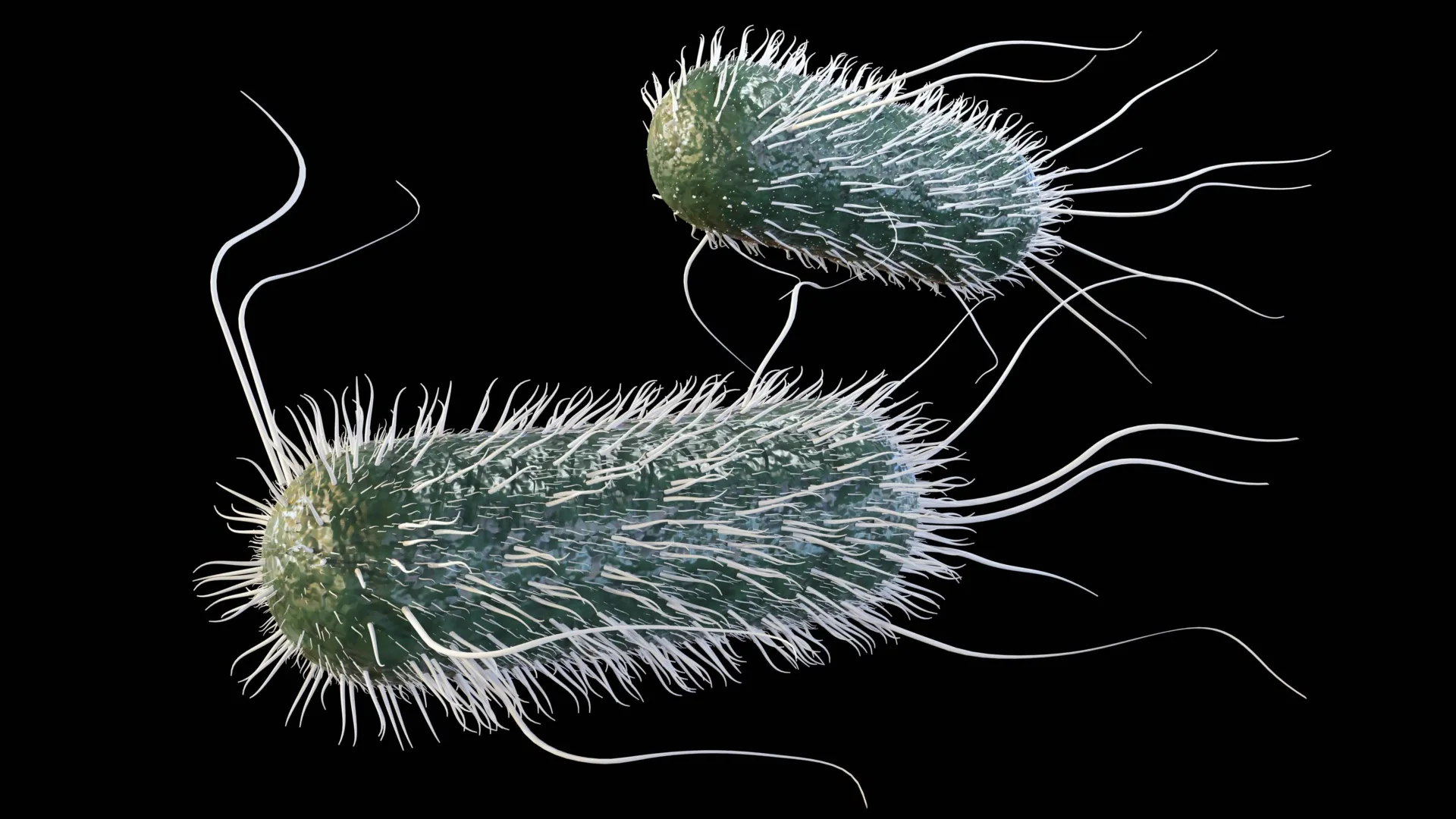
Ingredients of our daily diet – including caffeine – can influence the resistance of bacteria to antibiotics. This has been shown in a new study by a team of researchers at the Universities of Tübingen and Würzburg led by Professor Ana Rita Brochado. They discovered bacteria such as Escherichia coli (E. coli) orchestrate complex regulatory cascades to react to chemical stimuli from their direct environment which can influence the effectiveness of antimicrobial drugs.

In a systematic screening, Brochado’s team investigated how 94 different substances – including antibiotics, prescription drugs, and food ingredients – influence the expression of key gene regulators and transport proteins of the bacterium E. coli, a potential pathogen. Transport proteins function as pores and pumps in the bacterial envelope and control which substances enter or leave the cell. A finely tuned balance of these mechanisms is crucial for the survival of bacteria.

Researchers describe phenomenon as an ‘antagonistic interaction’

“Our data show that several substances can subtly but systematically influence gene regulation in bacteria,” says PhD student Christoph Binsfeld, first author of the study. The findings suggest even everyday substances without a direct antimicrobial effect – e.g. caffeinated drinks – can impact certain gene regulators that control transport proteins, thereby changing what enters and leaves the bacterium. “Caffeine triggers a cascade of events starting with the gene regulator Rob and culminating in the change of several transport proteins in E. coli – which in turn leads to a reduced uptake of antibiotics such as ciprofloxacin,” explains Ana Rita Brochado. This results in caffeine weakening the effect of this antibiotic. The researchers describe this phenomenon as an ‘antagonistic interaction.’

“Caffeine triggers a cascade of events starting with the gene regulator Rob and culminating in the change of several transport proteins in E. coli – which in turn leads to a reduced uptake of antibiotics such as ciprofloxacin.” Ana Rita Brochado

This weakening effect of certain antibiotics was not detectable in Salmonella enterica, a pathogen closely related to E. coli. This shows that even in similar bacterial species, the same environmental stimuli can lead to different reactions – possibly due to differences in transport pathways or their contribution to antibiotic uptake. President Prof. Dr. Dr. h.c. (Dōshisha) Karla Pollmann emphasizes: “Such fundamental research into the effect of substances consumed on a daily basis underscores the vital role of science in understanding and resolving real-world problems.”

The study, which has been published in the scientific journal PLOS Biology, makes an important contribution to the understanding of what is called ‘low-level’ antibiotic resistance, which is not due to classic resistance genes, but to regulation and environmental adaptation. This could have implications for future therapeutic approaches, including what is taken during treatment and in what amount, and whether another drug or food ingredient – should be given greater consideration.

Share Button

Hubble just captured a glittering star cluster like no other

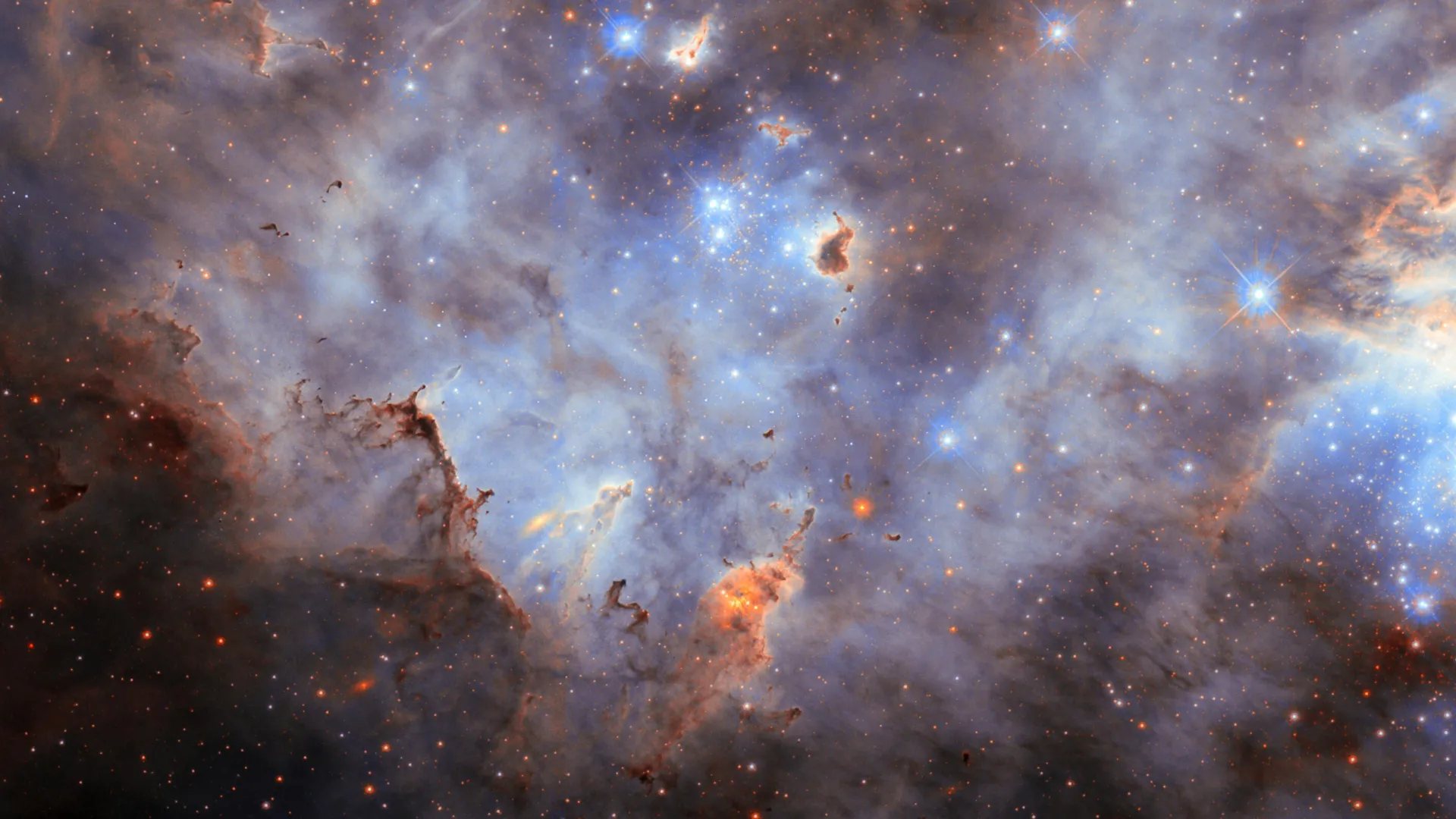
This new NASA/ESA Hubble Space Telescope Picture of the Week features a cloudy starscape from an impressive star cluster. This scene is located in the Large Magellanic Cloud, a dwarf galaxy situated about 160,000 light-years away in the constellations Dorado and Mensa. With a mass equal to 10-20% of the mass of the Milky Way, the Large Magellanic Cloud is the largest of the dozens of small galaxies that orbit our galaxy.

The Large Magellanic Cloud is home to several massive stellar nurseries where gas clouds, like those strewn across this image, coalesce into new stars. Today’s image depicts a portion of the galaxy’s second-largest star-forming region, which is called N11. (The most massive and prolific star-forming region in the Large Magellanic Cloud, the Tarantula Nebula, is a frequent target for Hubble.) We see bright, young stars lighting up the gas clouds and sculpting clumps of dust with powerful ultraviolet radiation.

This image marries observations made roughly 20 years apart, a testament to Hubble’s longevity. The first set of observations, which were carried out in 2002-2003, capitalized on the exquisite sensitivity and resolution of the then-newly-installed Advanced Camera for Surveys. Astronomers turned Hubble toward the N11 star cluster to do something that had never been done before at the time: catalogue all the stars in a young cluster with masses between 10% of the Sun’s mass and 100 times the Sun’s mass.

The second set of observations came from Hubble’s newest camera, the Wide Field Camera 3. These images focused on the dusty clouds that suffuse the cluster, bringing a new perspective on cosmic dust.

Share Button

‘Hoarding was a way to protect myself from the world’

Hoarding is often misunderstood, but it can be a symptom of deep trauma. One woman shares how hoarding impacted her life – and her road to recovery.

Share Button

This rare white dwarf looks normal, until Hubble shows its explosive secret

An international team of astronomers has discovered a cosmic rarity: an ultra-massive white dwarf star resulting from a white dwarf merging with another star, rather than through the evolution of a single star. This discovery, made by NASA’s Hubble Space Telescope’s sensitive ultraviolet observations, suggests these rare white dwarfs may be more common than previously suspected.

“It’s a discovery that underlines things may be different from what they appear to us at first glance,” said the principal investigator of the Hubble program, Boris Gaensicke, of the University of Warwick in the United Kingdom. “Until now, this appeared as a normal white dwarf, but Hubble’s ultraviolet vision revealed that it had a very different history from what we would have guessed.”

A white dwarf is a dense object with the same diameter as Earth, and represents the end state for stars that are not massive enough to explode as core-collapse supernovae. Our Sun will become a white dwarf in about 5 billion years.

In theory, a white dwarf can have a mass of up to 1.4 times that of the Sun, but white dwarfs heavier than the Sun are rare. These objects, which astronomers call ultra-massive white dwarfs, can form either through the evolution of a single massive star or through the merger of a white dwarf with another star, such as a binary companion.

This new discovery, published in the journal Nature Astronomy, marks the first time that a white dwarf born from colliding stars has been identified by its ultraviolet spectrum. Prior to this study, six white dwarf merger products were discovered via carbon lines in their visible-light spectra. All seven of these are part of a larger group that were found to be bluer than expected for their masses and ages from a study with ESA’s Gaia mission in 2019, with the evidence of mergers providing new insights into their formation history.

Astronomers used Hubble’s Cosmic Origins Spectrograph to investigate a white dwarf called WD 0525+526. Located 128 light-years away, it is 20% more massive than the Sun. In visible light, the spectrum of WD 0525+526’s atmosphere resembled that of a typical white dwarf. However, Hubble’s ultraviolet spectrum revealed something unusual: evidence of carbon in the white dwarf’s atmosphere.

White dwarfs that form through the evolution of a single star have atmospheres composed of hydrogen and helium. The core of the white dwarf is typically composed mostly of carbon and oxygen or oxygen and neon, but a thick atmosphere usually prevents these elements from appearing in the white dwarf’s spectrum.

When carbon appears in the spectrum of a white dwarf, it can signal a more violent origin than the typical single-star scenario: the collision of two white dwarfs, or of a white dwarf and a subgiant star. Such a collision can burn away the hydrogen and helium atmospheres of the colliding stars, leaving behind a scant layer of hydrogen and helium around the merger remnant that allows carbon from the white dwarf’s core to float upward, where it can be detected.

WD 0525+526 is remarkable even within the small group of white dwarfs known to be the product of merging stars. With a temperature of almost 21,000 kelvins (37,000 degrees Fahrenheit) and a mass of 1.2 solar masses, WD 0525+526 is hotter and more massive than the other white dwarfs in this group.

WD 0525+526’s extreme temperature posed something of a mystery for the team. For cooler white dwarfs, such as the six previously discovered merger products, a process called convection can mix carbon into the thin hydrogen-helium atmosphere. WD 0525+526 is too hot for convection to take place, however. Instead, the team determined a more subtle process called semi-convection brings a small amount of carbon up into WD 0525+526’s atmosphere. WD 0525+526 has the smallest amount of atmospheric carbon of any white dwarf known to result from a merger, about 100,000 times less than other merger remnants.

The high temperature and low carbon abundance mean that identifying this white dwarf as the product of a merger would have been impossible without Hubble’s sensitivity to ultraviolet light. Spectral lines from elements heavier than helium, like carbon, become fainter at visible wavelengths for hotter white dwarfs, but these spectral signals remain bright in the ultraviolet, where Hubble is uniquely positioned to spot them.

“Hubble’s Cosmic Origins Spectrograph is the only instrument that can obtain the superb quality ultraviolet spectroscopy that was required to detect the carbon in the atmosphere of this white dwarf,” said study lead Snehalata Sahu from the University of Warwick.

Because WD 0525+526’s origin was revealed only once astronomers glimpsed its ultraviolet spectrum, it’s likely that other seemingly “normal” white dwarfs are actually the result of cosmic collisions — a possibility the team is excited to explore in the future.

“We would like to extend our research on this topic by exploring how common carbon white dwarfs are among similar white dwarfs, and how many stellar mergers are hiding among the normal white dwarf family,” said study co-leader Antoine Bedrad from the University of Warwick. “That will be an important contribution to our understanding of white dwarf binaries, and the pathways to supernova explosions.”

The Hubble Space Telescope has been operating for more than three decades and continues to make ground-breaking discoveries that shape our fundamental understanding of the universe. Hubble is a project of international cooperation between NASA and ESA (European Space Agency). NASA’s Goddard Space Flight Center in Greenbelt, Maryland, manages the telescope and mission operations. Lockheed Martin Space, based in Denver, also supports mission operations at Goddard. The Space Telescope Science Institute in Baltimore, which is operated by the Association of Universities for Research in Astronomy, conducts Hubble science operations for NASA.

Share Button

Surprising gut discovery reveals a hidden trigger of diabetes and liver disease

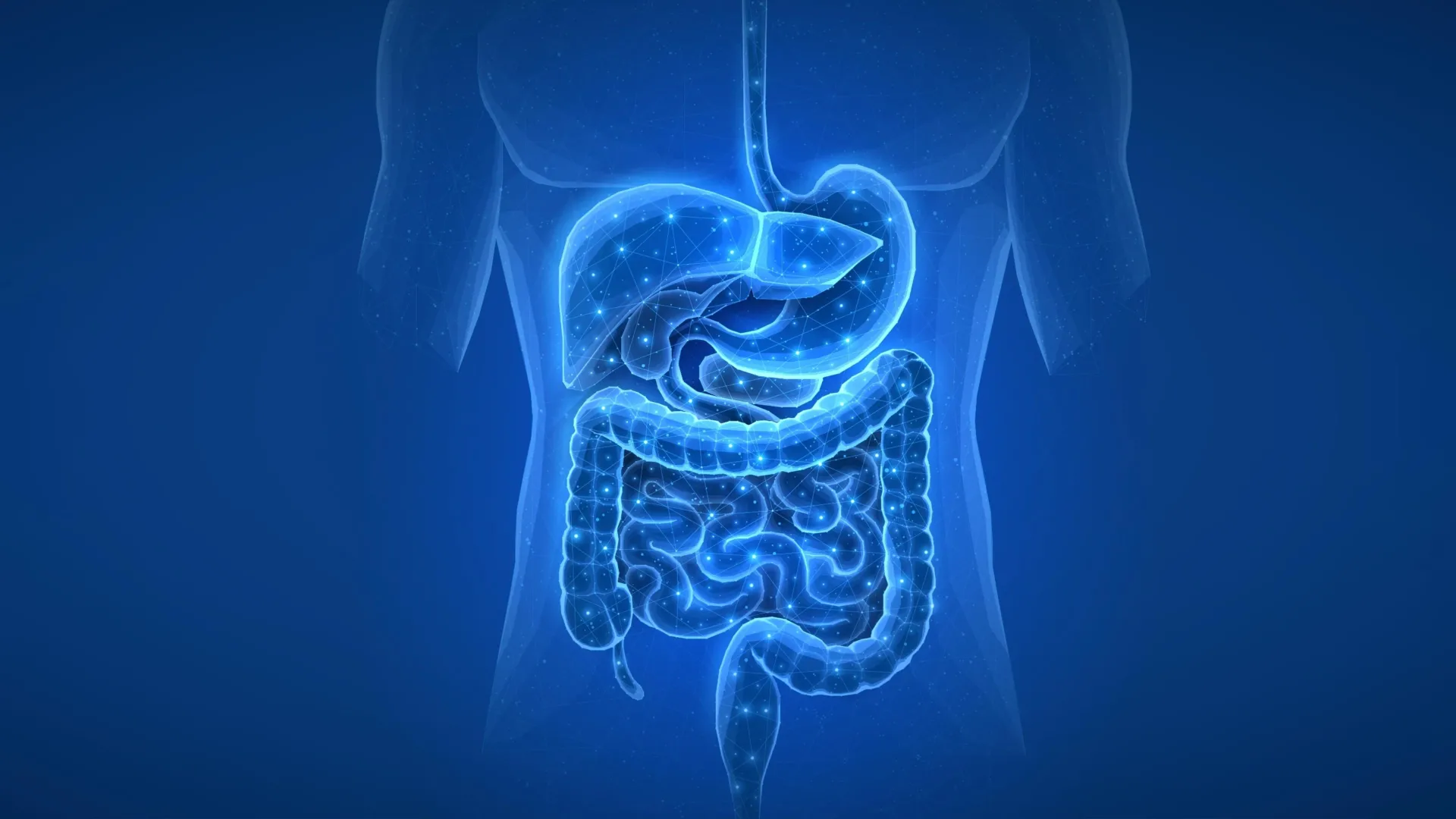
A team of Canadian scientists has discovered a surprising new way to improve blood sugar levels and reduce liver damage: by trapping a little-known fuel made by gut bacteria before they wreak havoc on the body.

The findings, published in Cell Metabolism on July 29, 2025, could open the door to new therapies to treat metabolic diseases like type 2 diabetes and fatty liver disease.

Researchers at McMaster University, Université Laval and the University of Ottawa showed that a molecule produced by microbes in the gut can sneak into the bloodstream and fuel the liver to make more glucose and fat than necessary. But when researchers developed a way to trap this molecule in the gut before it enters the body, they saw dramatic improvements in blood sugar control and fatty liver disease in mice with obesity.

“This is a new twist on a classic metabolic pathway,” says Jonathan Schertzer, senior and corresponding author and professor in the Department of Biochemistry and Biomedical Sciences at McMaster. “We’ve known for nearly a century that muscles and the liver exchange lactate and glucose — a process called the Cori cycle. What we’ve discovered is a new branch of that cycle, where gut bacteria are also part of the conversation.”

In 1947, married scientists Carl Ferdinand Cori and Gerty Theresa Cori were awarded the Nobel Prize in Physiology or Medicine for their work showing how muscles in the body generate lactate that fuels the liver to produce blood glucose, which then cycles back to fuel the muscle. The work laid the foundation to explain how muscles use a form of lactate (L-lactate), and the liver uses blood glucose, to communicate and exchange fuel with each other.

The Canadian team found that obese mice — and even people with obesity — have higher levels of a lesser-known molecule, D-lactate, in their blood. Unlike the more familiar L-lactate made by muscles, most of the D-lactate comes from gut microbes and was shown to raise blood sugar and liver fat more aggressively.

To stop this, the researchers created a “gut substrate trap” — a safe, biodegradable polymer that binds to D-lactate in the gut and prevents it from being absorbed. Mice fed this trap had lower blood glucose, less insulin resistance, and reduced liver inflammation and fibrosis — all without changing their diet or body weight.

“This is a completely new way to think about treating metabolic diseases like type 2 diabetes and fatty liver disease. Instead of targeting hormones or the liver directly, we’re intercepting a microbial fuel source before it can do harm,” says Schertzer, a member of the Centre for Metabolism, Obesity, and Diabetes Research (MODR) and Farncombe Family Digestive Health Research Institute at McMaster. Schertzer holds a Canada Research Chair in Metabolic Inflammation.

The research, funded by the Canadian Institutes of Health Research (CIHR), highlights the growing importance of the microbiome in chronic diseases.

Share Button

Mapping the secret escape routes of deadly brain tumors

Glioblastoma is a devastatingly effective brain cancer. Doctors can cut it out or blast it with radiation, but that only buys time. The cancer has an insidious ability to hide enough tumor cells in tissue around the tumor to allow it to return as deadly as ever.

Patients diagnosed with glioblastoma survive for an average of 15 months.

What’s needed is a better way of identifying those hidden cancer cells and predicting where the tumor might grow next. Jennifer Munson believes she and her research team at the Fralin Biomedical Research Institute at VTC have developed a tool to do just that.

Their method, described recently in npj Biomedical Innovations, combines magnetic resonance imaging, Munson’s in-depth knowledge of how fluid moves through human tissues, and an algorithm Munson’s team developed to identify and predict where the cancer might reappear.

“If you can’t find the tumor cells, you can’t kill the tumor cells, whether that’s by cutting them out, hitting them with radiation therapy, or getting drugs to them,” said Munson, professor and director of the FBRI Cancer Research Center — Roanoke. “This is a method that now we believe can allow us to find those tumor cells.”

Currently, doctors plan surgeries to remove glioblastoma tumors based on radiological scans, but that only provides a view of the area just outside the cancer’s edge. During surgery, fluorescent dyes highlight cancer cells, but the dyes don’t penetrate deeply and the cells have to be visible to the eye.

“Those methods are not going to see a cell that has migrated or invaded further into the tissue, which is something that we think we can do with this method,” said Munson, who also holds an appointment in Virginia Tech’s Department of Biomedical Engineering and Mechanics.

Munson’s research focuses primarily on interstitial fluid flow — the movement of fluid through the spaces between cells in tissues. The flow behaves differently in different diseases.

In studying glioblastoma, Munson’s lab found that faster flows predict where tumor cells are invading. More random motion of the fluid, or diffusion, however, correlates with less invasion by the cancer cells.

But a new metric Munson’s team developed proved to be the best predictor. The fluid flow around the tumor establishes pathways, like streams merging into rivers, which the cancer cells follow to migrate into the surrounding tissue.

“This could tell a surgeon where there’s going to be a higher chance of there being more tumor cells, so they might be a little more aggressive, if it’s safe to the patient to go after a more invasive region,” Munson said.

Munson’s findings underpin the work of a new spinoff company, Cairina, which aims to improve cancer treatment through a more personalized approach to surgery and cancer therapies.

“Cairina is trying to take this to the next level,” Munson said. “Our goal is to supply surgeons and radiation oncologists with probability maps or hotspot maps, where we would predict more cancer cell invasion to support more aggressive therapeutic application, and also to identify where there may be less invasion, to help spare tissue from unnecessary treatment.”

This research was funded by grants from the National Cancer Institute, the Red Gates Foundation, the American Cancer Society, and the National Institute of Neurological Disorders and Stroke.

Share Button

Postcode lottery for new cancer treatments, doctors warn

Experts say bureaucracy is “stifling innovation” and that applying for funding to pay for new treatments can be “cumbersome”.

Share Button

Who were the mystery humans behind Indonesia’s million-year-old tools?

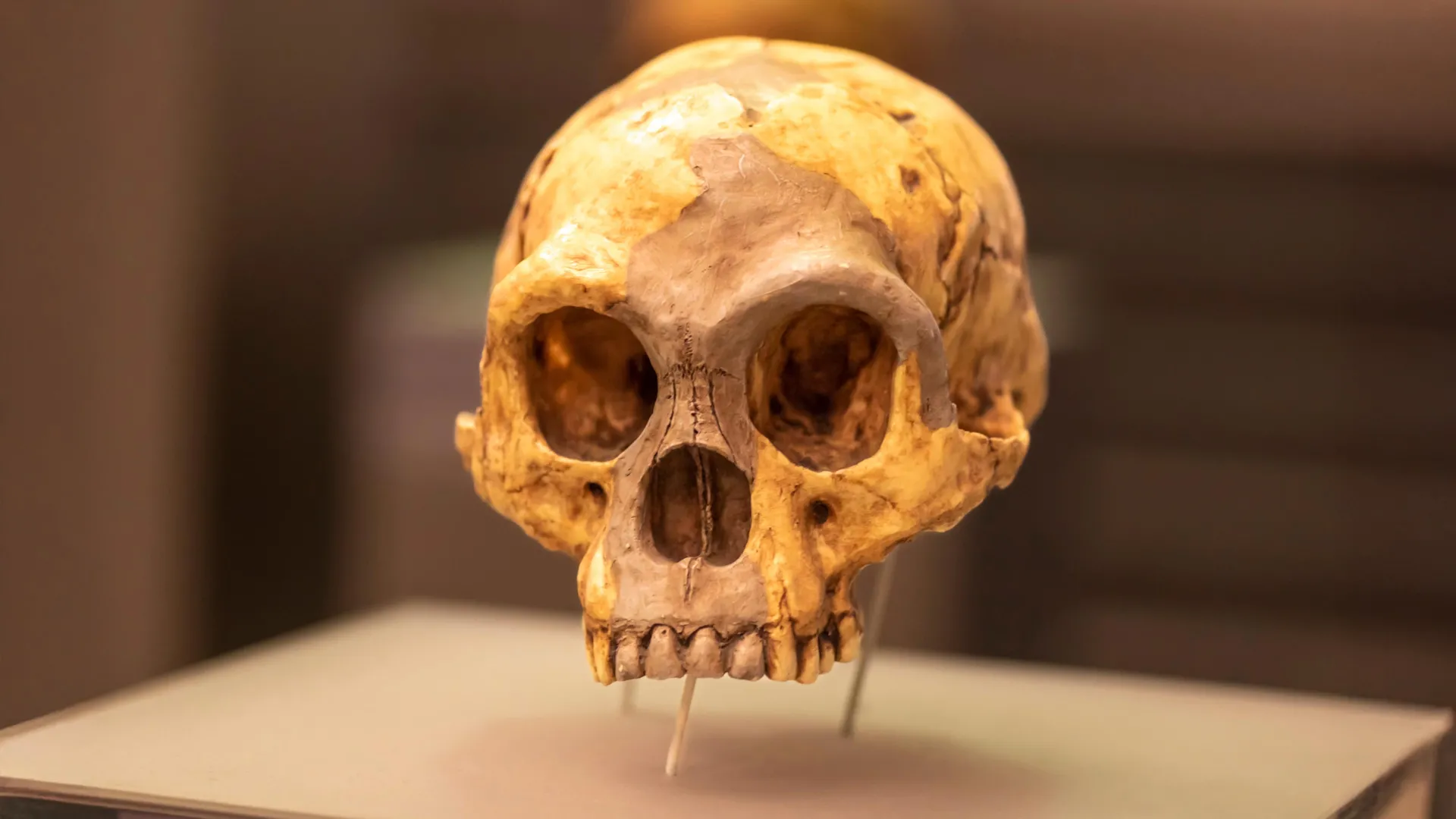
Recent findings, made by Griffith University researchers, show that early hominins made a major deep-sea crossing to reach the Indonesian island of Sulawesi much earlier than previously established, based on the discovery of stone tools dating to at least 1.04 million years ago at the Early Pleistocene (or ‘Ice Age’) site of Calio.

Budianto Hakim from the National Research and Innovation Agency of Indonesia (BRIN) and Professor Adam Brumm from the Australian Research Centre for Human Evolution at Griffith University led the research published recently in Nature.

A field team led by Hakim excavated a total of seven stone artefacts from the sedimentary layers of a sandstone outcrop in a modern corn field at the southern Sulawesi location.

In the Early Pleistocene, this would have been the site of hominin tool-making and other activities such as hunting, in the vicinity of a river channel.

The Calio artefacts consist of small, sharp-edged fragments of stones (flakes) that the early human tool-makers struck from larger pebbles that had most likely been obtained from nearby riverbeds.

The Griffith-led team used palaeomagnetic dating of the sandstone itself and direct-dating of an excavated pig fossil, to confirm an age of at least 1.04 million years for the artifacts.

Previously, Professor Brumm’s team had revealed evidence for hominin occupation in this archipelago, known as Wallacea, from at least 1.02 million years ago, based on the presence of stone tools at Wolo Sege on the island of Flores, and by around 194 thousand years ago at Talepu on Sulawesi.

The island of Luzon in the Philippines, to the north of Wallacea, had also yielded evidence of hominins from around 700,000 years ago.

“This discovery adds to our understanding of the movement of extinct humans across the Wallace Line, a transitional zone beyond which unique and often quite peculiar animal species evolved in isolation,” Professor Brumm said.

“It’s a significant piece of the puzzle, but the Calio site has yet to yield any hominin fossils; so while we now know there were tool-makers on Sulawesi a million years ago, their identity remains a mystery.”

The original discovery of Homo floresiensis (the ‘hobbit’) and subsequent 700,000-year-old fossils of a similar small-bodied hominin on Flores, also led by Professor Brumm’s team, suggested that it could have been Homo erectus that breached the formidable marine barrier between mainland Southeast Asia to inhabit this small Wallacean island, and, over hundreds of thousands of years, underwent island dwarfism.

Professor Brumm said his team’s recent find on Sulawesi has led him to wonder what might have happened to Homo erectus on an island more than 12 times the size of Flores?

“Sulawesi is a wild card – it’s like a mini-continent in itself,” he said.

“If hominins were cut off on this huge and ecologically rich island for a million years, would they have undergone the same evolutionary changes as the Flores hobbits? Or would something totally different have happened?”

The study ‘Hominins on Sulawesi during the Early Pleistocene’ has been published in Nature.

Share Button

Women’s healthcare chronically underfunded, says Melinda French Gates

The billionaire philanthropist is donating $50m to research the issue, as part of a larger $1bn pledge.

Share Button

Which mammals have periods like humans?

Dr Chi Eziefula, a menstrual health expert, explains which mammals menstruate – and how their cycles differ from other animals.

Share Button