Cracking eggshell nanostructure: Implications for food safety

How is it that fertilized chicken eggs manage to resist fracture from the outside, while at the same time, are weak enough to break from the inside during chick hatching? It’s all in the eggshell’s nanostructure, according to a new study led by McGill University scientists.

The findings, reported today in Science Advances, could have important implications for food safety in the agro-industry.

Birds have benefited from millions of years of evolution to make the perfect eggshell, a thin, protective biomineralized chamber for embryonic growth that contains all the nutrients required for the growth of a baby chick. The shell, being not too strong, but also not too weak (being “just right” Goldilocks might say), is resistant to fracture until it’s time for hatching.

But what exactly gives bird eggshells these unique features?

To find out, Marc McKee’s research team in McGill’s Faculty of Dentistry, together with Richard Chromik’s group in Engineering and other colleagues, used new sample-preparation techniques to expose the interior of the eggshells to study their molecular nanostructure and mechanical properties.

“Eggshells are notoriously difficult to study by traditional means, because they easily break when we try to make a thin slice for imaging by electron microscopy,” says McKee, who is also a professor in McGill’s Department of Anatomy and Cell Biology.

“Thanks to a new focused-ion beam sectioning system recently obtained by McGill’s Facility for Electron Microscopy Research, we were able to accurately and thinly cut the sample and image the interior of the shell.”

Eggshells are made of both inorganic and organic matter, this being calcium-containing mineral and abundant proteins. Graduate student Dimitra Athanasiadou, the study’s first author, found that a factor determining shell strength is the presence of nanostructured mineral associated with osteopontin, an eggshell protein also found in composite biological materials such as bone.

A glimpse into egg biology

The results also provide insight into the biology and development of chicken embryos in fertilized and incubated eggs. Eggs are sufficiently hard when laid and during brooding to protect them from breaking. As the chick grows inside the eggshell, it needs calcium to form its bones. During egg incubation, the inner portion of the shell dissolves to provide this mineral ion supply, while at the same time weakening the shell enough to be broken by the hatching chick. Using atomic force microscopy, and electron and X-ray imaging methods, Professor McKee’s team of collaborators found that this dual-function relationship is possible thanks to minute changes in the shell’s nanostructure that occurs during egg incubation.

In parallel experiments, the researchers were also able to re-create a nanostructure similar to that which they discovered in the shell by adding osteopontin to mineral crystals grown in the lab. Professor McKee believes that a better understanding of the role of proteins in the calcification events that drive eggshell hardening and strength through biomineralization could have important implications for food safety.

“About 10-20% of chicken eggs break or crack, which increases the risk of Salmonella poisoning,” says McKee. “Understanding how mineral nanostructure contributes to shell strength will allow for selection of genetic traits in laying hens to produce consistently stronger eggs for enhanced food safety.”

Cracking Eggshell Nanostructure video: https://www.youtube.com/watch?v=SA1EEUk7Kx8&feature=youtu.be https://www.youtube.com/watch?v=SA1EEUk7Kx8&feature=youtu.be

Story Source:

Materials provided by McGill University. Note: Content may be edited for style and length.

Share Button

Strings of electron-carrying proteins may hold the secret to ‘electric bacteria’

Scientist Moh El-Naggar and his team think it’s possible. They work with the Shewanella oneidensis species of bacteria, one of a group of microbes that essentially “breathe” rocks.

As part of their metabolism, the bacteria have developed a way to transfer electrons from the interior of the cell across their outer membrane to a receiving surface in the outside world.

The process is akin to the way humans use oxygen to breathe. The body takes electrons from food and, ultimately, transfers those electrons to oxygen inhaled by the lungs.

The organism was discovered nearly 30 years ago by Kenneth Nealson, now Wrigley Chair in Environmental Studies and professor of Earth sciences and biological sciences at USC Dornsife. Scientists have more recently been interested in learning exactly how the bacteria pull off such an exceptional biological trick.

El-Naggar,associate professor of physics, biological sciences, and chemistry at USC Dornsife, and a collaborative team from USC and Caltech think they have the answer. Their paper published on March 22 by the Proceedings of the National Academy of Sciences highlights research that offers a new understanding of how these bacteria may use “nanowires” to accomplish the electronic feat.

Micro machines

Harnessing energy from living, organic sources holds tremendous potential for new sustainable technology. A microbial fuel cell, for example, could generate electricity by capturing electrons from the bacteria on electrodes instead of the rocks that these organisms evolved to breathe.

“Microbes are highly evolved machines,” El-Naggar said. “And what we have here is a class that is really good at converting energy and interacting with the abiotic world.”

Another advantage to using “electric bacteria” is already being explored at USC — wastewater treatment. Microbes feed on the waste, oxidizing the organic substances and producing a small amount of electricity.

Aside from myriad practical applications, these organisms could exemplify the kinds of life that exist in environments where little or no oxygen exists, such as the deep ocean or under the Martian surface.

Depositing electrons outside the cell is how they survive, said El-Naggar, who holds the Robert D. Beyer (’81) Early Career Chair in Natural Sciences. “If one were to shut down the ability to transfer the electron out of their system, they would not be able to make energy. The bacteria would basically suffocate.”

Wired for survival

Under the microscope, scientists can see what appear to be filaments projecting from these cells. For years, the prevailing hypothesis was that these were a form of tiny hairs called pili, similar to those found on other types of bacteria.

But in 2013, a research scientist in El-Naggar’s laboratory, Sahand Pirbadian, discovered that these projections, referred to as “nanowires,” were actually extensions of the cell membrane covered in cytochromes — proteins containing iron that facilitate electron transport. These nanowires allow the bacteria to connect with surfaces much further away than one would expect.

Through light microscopy imaging, the team had an idea of the nanowires’ basic composition. But they were curious as to whether the cytochromes were close enough together to transport electrons along the wire. If the density were high enough, they thought a bridge could form along the membrane that would allow an electron to cross onto external surfaces.

Insane in the membrane

For the current study, El-Naggar and Pirbadian collaborated with Grant Jensen and Poorna Subramanian at Caltech, experts in the use of electron cryotomography, or ECT. Using ECT, researchers can instantly freeze cells, preserving them in a form that is extremely close to their natural state, and then image them with nanoscale resolution in three dimensions.

Subramanian and Pirbadian were able to capture life-like images of the bacteria and their nanowires. What they found was intriguing.

“These are not simple tubes,” El-Naggar said. “They turned out to be more like a chain of membrane pearls, strung together.”

With the images produced by ECT, the team was the first to see how electron transport proteins were distributed in the membrane to form the nanowires. While some were touching each other, many were further apart — up to 30 nanometers — a range too far for an electron to jump. With this new information, the team proposed that the proteins float within the membrane. This creates just enough collisions to allow electrons to exchange from one to the next until they reach the end of the nanowire and transfer to the rock or metal surface.

Their next step is to confirm these collisions are, in fact, happening.

While there is much that remains to be learned, El-Naggar is excited about where the research might lead.

“My lab is driven by the idea that we could develop new machines, where living cells are functioning as part of a hybrid biotic-abiotic system,” he said. “We are trying build the foundations of a new generation of living electronics.”

Share Button

Health24.com | The science behind nervous sweating and how to put an end to it

Eight healthy men in shorts and T-shirts. Average age, 26. They’re covered in sensors, wires dangling, like marionettes at rest. As they sit together in silence – blindfolded – they wait for their 10 minutes of psychological torture to begin.

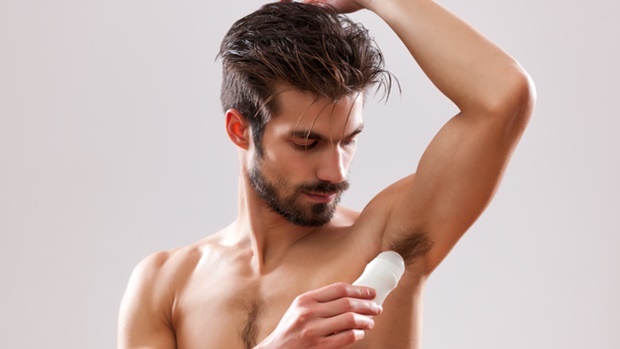
These guys are part of an experiment in perspiration. Most human sweat is the “thermal” kind, that dampness you feel during a workout or on a hot day. But psychological sweating is the beading on your forehead when your boss singles you out in a meeting, or the clammy hands you wipe on your jeans before a first date.

Subtraction, addition, multiplication, division

That’s why these human lab rats are here. So what kind of torture would evoke nervous sweating in the laboratory? Being asked to deliver a speech in front of a crowd? Having to strip naked before a panel of beautiful female scientists? No. “Subtraction, addition, multiplication, division,” says study author Dr Nigel Taylor, of the University of Wollongong, Australia, who’s investigated human sweating for more than 20 years. The men had to do math – just basic problems, says Taylor. “They were certainly within everybody’s capacity.” Faced with problems like “1,654 + 73,” every man started dripping with sweat.

Read more: Your guide to workout wear with these 6 no-sweat style tips

We have a complicated relationship with perspiration. At the gym or on the court, it’s welcome in abundance – not just for its physiological cooling function, but for what it says about our exertion levels and competitiveness. A soaked shirt is a badge of effort expended, evidence that you’ve pushed yourself with something especially demanding. A single hour of hard exercise can yield 1.5l of tangible proof that you gave it your all. That’s roughly enough sweat to fill one and a half large Nalgene bottles.

But psychological sweating – nervous perspiration – is something else entirely. It’s a physical response we try to avoid or, failing that, hide. In a Men’s Health survey of nearly 800 guys, 73% said they wish they could sweat less. Our romantic interests wish we would too: Of 970 women surveyed, 84% deemed it gross when a man dews up on a date. “Involuntary sweating is like your body betraying you,” says Dr Carisa Perry-Parrish, a psychologist at the Johns Hopkins Center for Sweat Disorders in Baltimore.

We want to appear confident, but our bodies scream, “I cannot do this!” Then we go from sweating because we’re stressed to stressing because we’re sweating, says Perry-Parrish. Next thing you know, you’re in the men’s room aiming the hand dryer at your pits. The first step toward sweating less lies in understanding the source. You have two types of sweat glands, apocrine and eccrine. The apocrines are located mostly around your armpits and genitals and produce a thicker, stickier sweat consisting of proteins and lipids. The eccrines cover your entire body and produce a solution that’s mostly water and salt.

Read more: Do men really sweat more than women?

Scientists used to think the eccrine glands were activated only by a need to cool, and the apocrines by mental stress. But Taylor and his colleagues recently confirmed, in a series of precisely controlled experiments, that both types of sweat can be produced by the eccrine glands and controlled by a single neurotransmitter called acetylcholine. That means whether you’re running 10km or trying to seal a deal for R5 million, both sets of glands are working. Though clammy hands are the most obvious sign, psychological sweat can be a whole-body experience. This finding lends support to one evolutionary explanation for why stress makes people perspire: If our skin became slippery in a fight-or-flight situation, predators wouldn’t have been able to grab and hold on to us.

‘They could literally smell fear’

Another theory, notes Dr Daniel Lieberman, an evolutionary biologist at Harvard, is that sweat could help aid a quick escape from danger. Most mammals, including those from which we evolved, have sweat glands on their paws. “Imagine that you are a small furry animal in Africa and you catch sight of a raptor swooping down to kill you,” says Lieberman. “Moistened paws will help you scamper up a tree or cliff by creating tiny little vacuums.” It works the same way that a licked finger helps you turn a page in a book.

Nervous sweating may also have helped us save our clan. In a US military study, researchers collected sweat from people during two tasks: running on a treadmill, and skydiving for the first time. A separate group of volunteers were then hooked up to brain scanners and asked to smell the collected sweat. Nothing interesting happened when they sniffed the treadmill drippings. But the scent of skydiving sweat triggered the parts of their brains associated with alertness – they could literally smell fear.

Read more: What cologne you should be wearing based on your style and personality

In other words, perspiration could have warned others that there was a whiff of trouble in the air. In fact, your body odour can act as a health indicator to you and others close to you, says Dr Pamela Dalton, M.P.H., a researcher at the Monell Chemical Senses Centre in Philadelphia. Sweat itself is actually scentless, but as it interacts with the bacteria living on your skin, the combination gives off a musty smell – your body odour. But your scent can change when you’re fighting off an illness: A study published in the journal Psychological Science found that people can detect a difference in body odour when someone becomes sick. The researchers think an ill person emits a different chemical cue that signals the activation of the immune system.

This specific scent may warn others to keep their distance. Advertisers started to market antiperspirants to women in the late 1800s, but they initially didn’t bother pitching pit protection to guys. Most men back then considered their sweat – and a little stink – to be a sign of masculinity. But when men started moving from manual labour toward desk jobs in the 1930s, marketers saw an opportunity. “If you’re a farmer working outdoors, no one really cares if you’re sweaty and dirty,” says Dr Cari Casteel, an Auburn University history researcher who studies the improbable topic of antiperspirant and deodorant marketing. “But if you’re at a desk all day, presumably you’re susceptible to the idea that people care.”

Read more: How to stop sweating after your workout

The first antiperspirant ads for men set the tone for the sweaty conflict we still feel today. One from October 1938 is typical: It was for a jar of goop called Odorono Ice (“Odour, oh no!”). It shows the same man in two different scenarios: In the first, he looks sporty with a racket in his hand, and in the second, he’s in an office holding a sheet of paper. “All right in a locker room,” says the ad, “but all wrong here.” Casteel says ads have hammered this point for decades, implanting a single impression in men’s minds: There are just some situations when you should never sweat. Still, controlling your dew is a far more complex endeavour than buying the most expensive antiperspirant at your local drugstore – even that won’t save you from a full-body nervous sweat.

Stressing unnecessarily

So what can you do? For most people, the best way to treat nervous sweating is to deal with the nervousness itself, says Perry-Parrish. She first asks patients to think through the last time they were made uncomfortable by their excessive sweat: What were you doing, and what were you thinking when the waterworks began?

And here’s the key question, says Perry-Parrish: “Were you doing something really embarrassing, or were you magnifying it in your mind?”

More often than not, she says, we imagine the worst-case scenario – even if everything is going perfectly fine.

When that happens, your mind tells your body to start the sweating. Her advice the next time this happens: Take stock of the situation. What’s the reaction of others around you? If no one else seems unhappy or uncomfortable, it’s likely that you’re unnecessarily stressing – and sweating – over something small.

Read more: How much cologne should you use?

It’s a brain exercise, but it’s one you can improve at with practice.

It probably could have helped those men in the sweat experiment. Instead of worrying about flubbing a few simple arithmetic problems, they would have taken a step back, realised that the stakes were low, and noticed that their compatriots were equally thrown by the introduction of arithmetic.

A cool head plus a little perspective: That’s what defeats nervous sweating. It’s basic math.

Don’t sweat it

Excess perspiration is the pits. If you’re too soggy, discuss these options with your doctor.

Prescription roll-on

With three times the sweat-stopping metallic salt as OTC antiperspirants, Rx-strength options, such as Drysol, may dry you up, says Dr Mark Ferguson, a hyperhidrosis specialist at the University of Chicago Medicine.

Shock therapy

You place your hands or feet in a pan of water while a device passes a mild electric current through it for about 20 minutes. Scientists aren’t exactly sure why it works, but three zaps a week can help you sweat less.

Read more: 5 body odours that you should never ignore

Botox shots

The neurotoxin injections that smooth wrinkles can also block the nerve signals that stimulate sweat. But you may need booster shots: In a French study, first-time users saw sweat return to baseline after 4.5 months.

Anti-sweat pills

Anecdotal evidence suggests that anticholinergics, drugs that block your body’s sweat trigger, can work. The problem? Side effects, says Dr Ferguson. They include dry mouth, constipation and blurred vision.

Image credit: iStock

This article was originally published on www.menshealth.com 

Share Button

Health24.com | At age 58 this woman proved that you can still lose weight and have the body of your dreams

Denise Van Huyssteen, whose weight had fluctuated for most of her life, craved a leaner, more toned physique. With an exercise programme that left much to be desired, and eating habits to match, she felt like that dream body was pretty much unattainable…

Until everything changed. With a lot of hard work, determination and a supportive family cheering her on, she proved that, even at 58, it’s never too late to reach those goals. Here’s how she did it.

Denise Van Huyssteen

Age: 58

Occupation: Internal sales

Height: 1.52m

Weight before: 52kg

Weight after: 47kg

Time taken to reach current weight: 8 weeks

Secret weapon: Hard work and determination

The gain 

Having grown up with an overweight mother and sister, Denise tried hard not to fall into the same trap. For most of her youth, she kept an eye on her weight, but just couldn’t seem to find that sweet spot. While she did have a gym membership, she wasn’t fully committed. Add to that a weekly burger and chips, and results evaded her. It was obvious that two things stood in the way of her dream body: her lacklustre exercise regimen and those weekly takeaways.

Read more: This is exactly how your diet affects your body, according to a bikini bodybuilder

The change

Denise belonged to a gym, but never enjoyed the monotony of walking on the treadmill two or three times a week. She also recalls looking at a picture of herself and feeling ashamed. “I was tired of feeling uncomfortable in my own skin,” she admits.  That’s when she decided it was time to take her fitness seriously.

She joined Parkrun, a weekly 5km timed run. Finally feeling challenged, the motivation to become a better runner prompted her to join Getfit, a full-body fitness class that includes cardio and weight-training.

But it wasn’t just her workout that got a makeover. Denise ditched the fast food and daily sweets. When the Getfit challenge became a competition, it gave her the extra motivation to take it to the next level. “I did a one week detox: no sugar, no dairy, no carbs.”

Read more: “I lost over 32 kilos and 5 dress sizes by learning to love working out”

The lifestyle

Now Denise’s favourite breakfast is good old oats with honey, peanut butter, a scoop of bran, cacao nibs, seed mix and unsweetened coconut milk. Lunch is usually chicken and veg, and supper is something small, like an egg pancake.

She runs 5km three times a week – and it’s actually become therapeutic for her. “When I run, it’s just me and the promenade with a stunning view of the sea; it’s where I forget about everything. If I’m unhappy, I go for a run because I know I will come back feeling 100 times better.” She no longer eats processed foods and dairy, but does treat herself to a daily cappuccino, which she can’t go without!

Read more: “I stopped eating McDonald’s burgers every day and lost 12 kilos”

The reward

Denise’s determination and commitment paid off – she won the Getfit challenge. “When they told me I’d won in the over-40 category at 58, I was elated,” she exclaims. A competition photograph proved just how far she’d come: “I couldn’t believe the person in the photo was me!”

Not only did Denise win the competition, she kicked self-consciousness to the curb. “I no longer feel self-conscious in the bedroom because I know I look good.” And she feels so much healthier and fitter: “I ran a 10km last year in 1h:07 and my best time for a 5km Parkrun is 28:50, which I’m trying hard to beat.” Having been a long-time reader of Women’s Health, Denise has dreamed of being an inspiration to readers. “Now I’ve done it and still can’t believe it.”

Denise’s tips

Don’t give up. “Remember: it is possible. Even when you think you can’t, you can.”

Forget about junk food. “It’s really not worth it. If you need a ‘cheat’, drink a big bottle of water first – you’ll eat less.”

Challenge yourself. “Try entering a completion like Getfit to motivate yourself. Or take up running. It may seem hard at first, but once you get going, you won’t look back.”

Need more inspiration to reach those fitness goals? Have a look at this amazing woman who dropped 5 dress sizes and still had a cheat meal every week! Or read all about how this woman ditched her comfort eating, and found her confidence.

Image credit: iStock 

This article was originally published on www.womenshealthmag.com 

NEXT ON HEALTH24X

Share Button

Hospital’s ‘artificial feeding’ letter to mothers criticised

A hospital is criticised for describing mothers who use formula milk as “artificially” feeding babies.

Share Button

Now you see it: Invisibility material created by

Materials inspired by disappearing Hollywood dinosaurs and real-life shy squid have been invented by UCI engineers, according to new findings in Science this Friday.

The thin swatches can quickly change how they reflect heat, smoothing or wrinkling their surfaces in under a second after being stretched or electrically triggered. That makes them invisible to infrared night vision tools or lets them modulate their temperatures.

“Basically, we’ve invented a soft material that can reflect heat in similar ways to how squid skin can reflect light,” said corresponding author Alon Gorodetsky, an engineering professor. “It goes from wrinkled and dull to smooth and shiny, essentially changing the way it reflects the heat.”

Potential uses include better camouflage for troops and insulation for spacecraft, storage containers, emergency shelters, clinical care, and building heating and cooling systems.

“We were inspired both by science fiction and science fact — seeing dinosaurs disappear and reappear under an infrared camera in ‘Jurassic World’ and seeing squid filmed underwater do similar things,” said Gorodetsky. “So we decided to merge those concepts to design a really unique technology.”

Made of sandwiches of aluminum, plastic, and sticky tape, the material transforms from a wrinkled grey to a glossy surface when it is either pulled manually or zapped with voltage.

Products that reflect heat, such as emergency blankets, have existed for decades. But in the past several years, inventors in Gorodetsky’s lab and others have pushed to create dramatically improved versions via bio-inspired engineering. One focus has been to imitate how squid and other cephalopods can nearly instantaneously change their skin to blend into their surrounding environment.

Now, he and his team have done it, creating prototypes that can next be scaled up into large sheets of commercially useable material. Patents are pending.

“It was hard, especially the first phase when we were learning how to work with the sticky material,” said doctoral student Chengyi Xu, lead author. After trial-and-error processes involving thousands of attempts, he and postdoctoral scholar George Stiubianu finally saw the mirror-like coating change when they pulled it sideways.

“The whole project was so exciting.” he said.

Gorodetsky praised his team, saying, “These are exactly the type of graduate students and postdocs that UCI should be recruiting. They’re amazing.”

Story Source:

Materials provided by University of California, Irvine. Note: Content may be edited for style and length.

Share Button

Study may help explain why iron can worsen malaria infection

Researchers at the National Institutes of Health have a possible explanation for why iron can sometimes worsen malaria infection. By studying mice and samples from malaria patients, the researchers found that extra iron interferes with ferroportin, a protein that prevents a toxic buildup of iron in red blood cells and helps protect these cells against malaria infection. They also found that a mutant form of ferroportin that occurs in African populations appears to protect against malaria. These basic findings, published in Science, may help researchers and healthcare officials develop strategies to prevent and treat malaria infections, which numbered nearly 216 million worldwide in 2016.

“Our study helps solve a long-standing mystery,” said Tracey Rouault, M.D., the study’s senior author and a senior investigator at NIH’s Eunice Kennedy Shriver National Institute of Child Health and Human Development (NICHD). “Iron supplements can sometimes worsen malaria infection and, conversely, iron deficiency can be protective in some cases. Our findings reveal that ferroportin — its function, as well as its regulation by iron levels — helps to explain these observations.”

The study team found that red blood cells use ferroportin to remove excess iron, which malaria parasites consume as a food source. In studies of mice, the team found that the absence of ferroportin in erythroid cells (red blood cells and their precursors) caused iron to accumulate to toxic levels inside red blood cells. This, in turn, stressed the cells and shortened their life span. In addition, the team found that mice lacking ferroportin had more parasites and worse outcomes when infected with malaria, compared to infected mice with intact ferroportin.

When they fed mice a high-iron diet, the researchers also found that a hormone called hepcidin regulates ferroportin in erythroid cells. The hormone, which is more abundant in high-iron environments, lowered ferroportin levels on erythroblasts (precursors to red blood cells) and, subsequently, in red blood cells. Additionally, hepcidin physically bound to ferroportin, preventing iron from being removed from the cells.

Next, the researchers sought to determine whether a ferroportin mutation, called Q248H, found in African populations protects against malaria. This mutation shields ferroportin from hepcidin’s effects. The team analyzed patient samples from two existing malaria studies.

“Our findings suggest that Q248H does protect against malaria, possibly explaining why it occurs in people who live in malaria-endemic regions,” said De-Liang Zhang, Ph.D., the current study’s lead author.

In one study, which enrolled children hospitalized for malaria in Zambia, the team found that nearly 20 percent of the 66 patients had the mutation. Children with the mutation tended to have fewer malarial parasites in their blood and tolerated their fevers for a longer period before coming to the hospital. While the trends were not statistically significant, they raise the possibility that Q248H reduces the iron available in the blood, therefore reducing the malaria parasite’s food source.

In the other study, which enrolled 290 pregnant women in Ghana, the researchers found that nearly 9 percent had the mutation. Women with the mutation were significantly less likely to have pregnancy-associated malaria, in which parasites accumulate in the placenta and can cause adverse pregnancy and birth outcomes.

“Given the importance of iron metabolism overall, we will continue studying the ferroportin mutation and explore its other potential health effects,” added Dr. Zhang.

Share Button

Detailed structure illuminates brain-enhancing drug’s action

A detailed picture of a brain-boosting experimental drug could one day help researchers tailor it for use in human clinical trials.

Researchers have shown that the drug, nicknamed ISRIB, completely eliminates learning and memory deficits in mice with concussions. Now scientists have a clearer view of how ISRIB works — by pinning together parts of a protein involved in cellular stress.

Howard Hughes Medical Institute (HHMI) Investigator Peter Walter and colleagues describe the action with a new atomic-scale protein structure reported March 29, 2018, in the journal Science.

Tracking how ISRIB interacts with its protein target could potentially help researchers modify the drug to treat traumatic brain injury and neurodegeneration in humans, says Walter, a biochemist at the University of California, San Francisco. “I think ISRIB could be a therapy for many different cognitive disorders,” he says.

Cells in our bodies respond to stressors such as viral infections, starvation, and injury in the same way: by restricting the production of new proteins. This “cellular stress response” helps keep cells alive by buying them time to recover.

“But in many cases, this response can be maladaptive,” Walter says. Traumatic brain injury persistently turns on the cellular stress response — and the resulting drop in protein production may slow critical cognitive processes. Learning and storing memories, for example, requires brain cells to produce proteins that help create long-lasting connections in the brain.

In 2013, after screening more than 100,000 molecules for drugs that alter the stress response, Walter and colleagues identified 28 potential candidates, including ISRIB. ISRIB, short for integrated stress response inhibitor, keeps a key protein production line operating in stressed cells, the team discovered. But ISRIB didn’t dissolve well in watery solutions, so researchers didn’t think it was a viable drug — at first. A closer look revealed that ISRIB was 1,000 times more potent than many of the other molecular options. So even the tiny amount of ISRIB that can enter cells was enough to provoke a response.

Stressed cells dosed with the drug began synthesizing proteins again — and remarkably, ISRIB enhanced learning and memory in mice. Last year, the researchers discovered that ISRIB also restored long-term memory in mice with concussions.

The team knew from previous experiments that ISRIB prevents the cellular stress response by stabilizing a protein called eIF2B, which typically helps turn on protein production.

In stressed cells, eIF2B is blocked from activating another protein complex that initiates protein synthesis. But when stressed cells receive ISRIB, eIF2B remains active, and cells continue to produce proteins. To better understand how ISRIB activates and stabilizes eIF2B, Walter and his colleagues wanted to see exactly how the molecule and protein interacted.

Together with Adam Frost, a structural biologist and HHMI faculty scholar at UCSF, the researchers used cryo-electron microscopy to obtain a detailed structure of ISRIB bound to eight eIF2B components. “We can see with almost atomic resolution where the drug binds to the protein,” Walter says. “It’s really amazing to see a small molecule under a microscope.”

The researchers saw that the propeller-shaped ISRIB sits deep inside eIF2B and acts as a molecular staple to pin two identical subcomplexes together. “The current idea is that ISRIB holding the eIF2B complex together may be enough to stabilize the protein and increase its activity,” Walter says.

UCSF has licensed ISRIB to Calico, a company founded by Alphabet, Google’s parent company, to research aging. Knowing how ISRIB and its protein target fit together could help researchers there tailor the molecule specifically for human clinical trials for neurodegeneration and traumatic brain injury treatment. So far, ISRIB does not appear to be toxic, perhaps because it only works in stressed cells and not in cells functioning normally, Walter says.

Share Button

NHS no to dandruff and diarrhoea treatment

Crackdown on 35 “minor” treatments in cost cutting drive by NHS bosses – but patient group concerned about poorest.

Share Button

Health24.com | 5 serious health conditions that can be passed down through your genes

If you’re anything like us, you’ve probably been eyeing the fancy mail-in genetic tests that are all over the internet these days, wondering what they could possibly reveal about the secrets of your DNA.

Although many offer entertaining insights – curious if you’re genetically predisposed to sport, a unibrow, or sneeze when you look at the sun? – the real potential of such testing is to reveal your likelihood of developing serious health conditions.

Read more: Can your genes be the reason why you can’t lose weight?

In an ideal world, knowing what’s lurking in your DNA would motivate you to get more mammograms or other screening exams. Or you’d get serious about taking omega-3 fatty acids or commit to daily exercise strategies that researchers believe will delay the onset of Alzheimer’s. Yet, as the applications for genetic testing expand, experts say we have the opportunity to learn more about our risk for certain diseases than we ever imagined possible.

“People are really interested in genetic testing right now. More of my patients are asking about it, and I’ve overhead parents chatting about it at my son’s little league games,” explains Dr Bradley Patay, an internal medicine specialist at Scripps Clinic Torrey Pines in La Jolla, California. “This interest gives us a unique opportunity to really educate the public about the potential of genomics. Plus, the price has been coming down, so there’s some momentum to get patients engaged.” (Although the new consumer tests analyse your DNA for several conditions, your doctor might need to order a specific test, which could be covered by insurance.)

In the leap to learn more about ourselves, however, it’s important to know what genetics can and can’t tell you. Just because you have a genetic predisposition for a disease doesn’t mean you will get it, says Mary Freivogel, president of the National Society of Genetic Counselors. “Your environment, family history, lifestyle habits, and even pure chance also play a role,” she says.

Here, we share some genetic breakthroughs that should be on everyone’s radar:

Heart disease

We know that healthy lifestyle habits are linked to a lower risk of heart disease, which is the leading cause of death in women, according to the Centers for Disease Control. (You’ve heard them before: No smoking, maintaining a healthy BMI, exercising regularly, eating a diet low in red meat and saturated fat.)

Yet a landmark 2016 study of more than 55 000 participants that was published in The New England Journal of Medicine discovered just how critical those habits were for people who had a genetic risk for heart disease. The participants underwent DNA testing that looked at 50 different markers for coronary artery disease. For those who tested in the highest-risk group, adhering to a favourable lifestyle brought down their risk by 50%

“This is significant research that explains the genetic underpinnings of heart disease and lets patients take actions to reduce their risk,” explains Dr Patay. “In addition to changing your lifestyle, if you knew you were in the high-risk group, you might choose to take a statin medication earlier than you normally might,” says Dr Patay. “That’s not a conversation doctors are routinely having with patients, but that’s going to change as we learn more.”

Colon polyps

This might not be your idea of Sunday dinner conversation, but asking who in your family has had what are called adenomatous polyps can help you know if you’re at risk for colorectal cancer.

Such polyps might develop in your colon during your teen years, but become malignant as you get closer to 40. As many as one in five people who get the disease are related to someone who’s had it, according to the American Cancer Society.

“People usually start getting screened for colorectal cancer at age 50, but if you have a family history of colon cancer or polyps, you might need to start earlier and talk to a genetic counsellor,” says Freivogel.

Read more: Now you can screen for 8 common cancers – with a simple blood test

Coeliac disease

As the popularity of gluten-free products surged over the past decade, the world became a lot more aware of the trials and tribulations of people who suffer from coeliac disease. Unlike people with intolerances who deal with temporary digestive issues after eating gluten, coeliac patients who ingest the wheat protein experience serious harm to their small intestine.

According to the Celiac Disease Foundation, people with a first-degree relative with the disease (meaning a parent, child, or sibling) have a one in 10 risk of getting this themselves, since there are genes associated with coeliac disease. Although having one or more gene doesn’t necessarily mean you’ll develop the disease, you shouldn’t delay getting evaluated by a doctor if you also develop the classic coeliac symptoms of abdominal pain or weight loss.

High cholesterol

Sadly, people often only learn they have this deadly condition when a loved one has a heart attack at a young age. People with the genetic disorder called familial hypercholesterolemia (FH) have dangerously high levels of LDL, or “bad cholesterol”, from birth and are 20 times more at risk for early heart disease, including heart attacks and stroke, according to the FH Foundation. Genetic testing combined with a simple blood cholesterol test can lead to diagnosis and treatment with statins.

“FH is the most common genetic cause of early heart disease, but with early treatment an individual’s risk can be reduced by 80%,” says Dr Daniel Rader, professor at the University of Pennsylvania’s Perelman School of Medicine. “Unfortunately FH is highly undiagnosed, with 90% of people unaware they have the condition.”

Read more: These 3 weird genetic factors could explain why you can’t lose weight

Depression

Researchers still have so much to learn about the genetic roots of mental conditions. Still, looking at your family history can provide clues to your blues. “Just because someone in your family has depression doesn’t mean you will, but it’s more likely if two or more people on the same side of your family are affected,” says Freivogel.

Being mindful of your family’s mental-health history might prompt you to seek treatment if you’re going through a rough patch, and some genetic tests can help determine which medications you’ll respond best to, according to Mayo Clinic.

Image credit: iStock 

This article was originally published on www.womenshealthmag.com 

Share Button