Many cases of seemingly sporadic ovarian cancer might actually be inherited from paternal genes.


Many cases of seemingly sporadic ovarian cancer might actually be inherited from paternal genes.
[unable to retrieve full-text content]

Scientists develop technology that goes inside the lung to make fast diagnoses of infection.
She was able to produce enough milk to be the baby’s only food source for the first six weeks, a study says.
We need salt to survive as our bodies rely on sodium for muscle contractions, nerve transmissions and the control systems for balancing body fluids, together with other electrolytes like potassium.
South Africans use too much salt
However, our bodies react negatively when we consume too much salt, and this can affect our brain, kidneys, arteries and heart.
The overuse of salt can cause chemical imbalances that can lead to death.
Salt is the major factor contributing to stroke and heart attacks in South Africa, claiming more lives each year than all forms of cancer combined. The World Health Organization recommends 5g per day; however, it is estimated that South Africans use 8.5g.
Here is a list of reasons why too much salt is bad for your health:
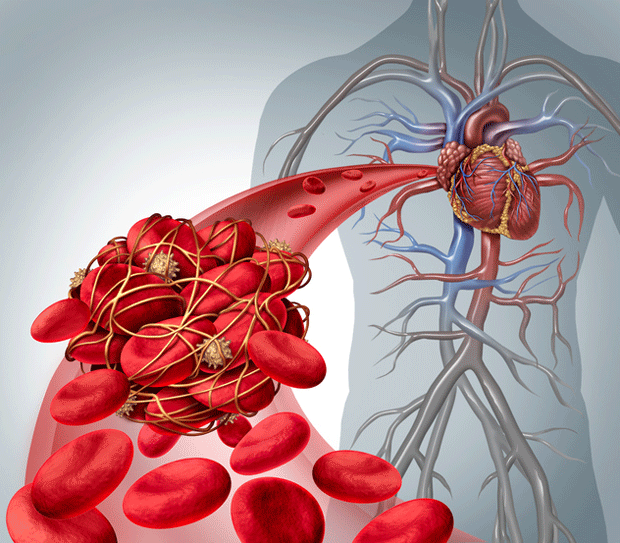
1. Cardiovascular disease
Exceeding the recommended daily sodium intake contributes to a high risk of cardiovascular disease in adults. According to an article published in the BMJ, high salt intake is associated with a significantly increased risk of stroke and cardiovascular disease.
2. Brain
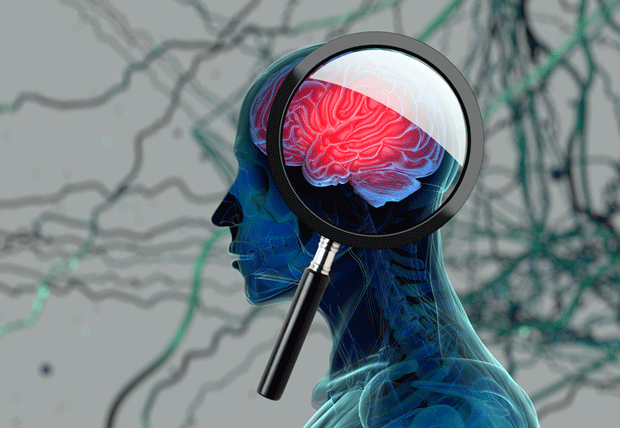
According to the Journal of Nutrition, Health and Aging, high dietary sodium intake has been linked to hypertension and cardiovascular disease (CVD). The study also reveals that a high dietary sodium intake may impair cognitive function in older people.
3. Oedema
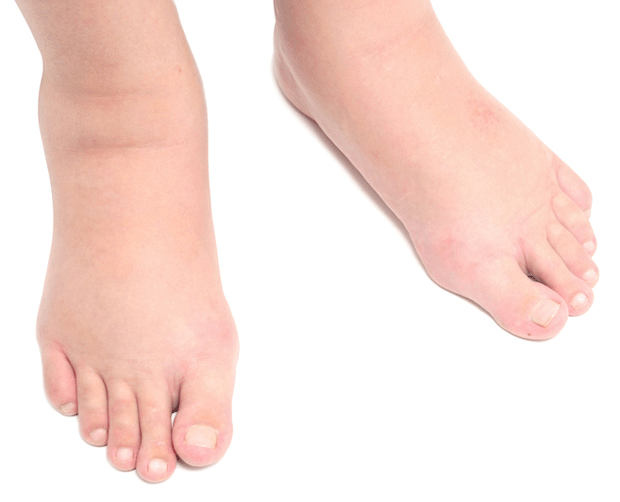
Swelling of the knees or feet and even your hands can be caused by oedema. An article published in Livestrong.com claims that a high sodium diet causes your body to retain water. Depending on the severity, it may be treated with either a change in diet or prescription medication.
4. Craving more salt/unhealthy foods
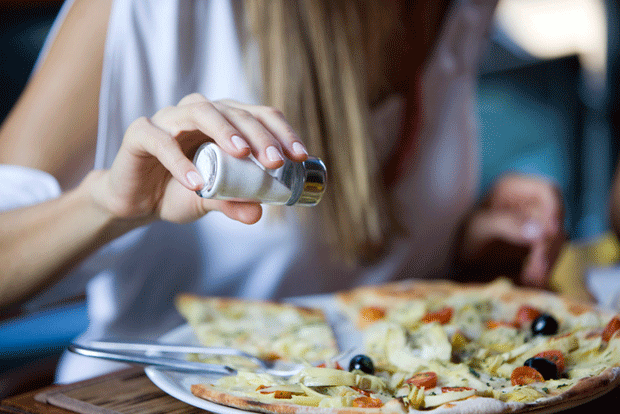
Consuming too much salt over a long period of time can make your taste buds accustomed to the taste, no longer registering how much salt you’re consuming.
5. Stomach cancer
Overconsumption of processed foods is harmful to your stomach. Reducing your bacon, sausages, high in salt and hidden fats can reduce your risk of stomach cancer, according to Consensus Action on Salt & Health. Men are more vulnerable than women.

6. Kidneys
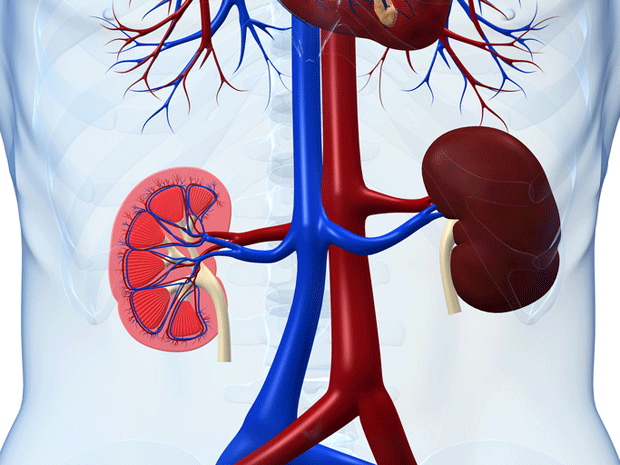
Your kidneys help to remove waste products, balance fluid levels and control the production of red blood cells in your body. But with a high salt intake and high blood pressure combined, this can be lethal to your kidneys. According to an article published in Blood Pressure UK, this reduces your kidneys’ ability to filter out unwanted toxins.
7. Bloating
Eating out can leave you feeling bloated and the foods high in salt tend to be the culprit. Health24 previously reported that high sodium foods, usually processed foods, can cause the body to retain water. It is highly recommended that you read your food labels and refrain from adding salt, rather adding herbs or spices for flavour.

Image credit: iStock

An online consultation into a possible opt-out scheme in England has received more than 11,000 replies.
Coconut oil is like that popular girl in your high school who was basically good at everything. The trendy superfood is a tasty addition to desserts, makes a great hair mask and even treats your cuticles.
But one thing that coconut oil might not quite excel at: treating acne. While some people swear by coconut oil for acne, others are equally adamant that the natural moisturiser actually makes their breakouts worse.
Here’s what three leading dermatologists have to say.
The case for coconut oil
“While coconut oil itself has not been studied for the treatment of acne, some people might find it helpful,” says Dr Sejal Shah, a New York City cosmetic dermatologist and founder of SmarterSkin Dermatology.
“Fatty acids in coconut oil have been shown to have anti-inflammatory and antimicrobial activity against propionibacterium acnes (P.acnes), the bacteria involved in the development of acne,” she says.
Specifically, coconut oil’s lauric acid has been shown to be effective at fighting off lots of bacteria, including P.acnes.
Coconut oil is also deeply hydrating, which is crucial to treating acne. This might seem counter-intuitive (after all, you’d think oily, zit prone skin wouldn’t need hydration) but lots of other treatments used to treat acne are drying, which can strip skin of its natural oils.
“Maintaining the integrity of the skin barrier is essential for not only acne treatment, but also helping the healing of acne lesions with minimal scarring,” says Houston, Texas dermatologist, Dr Jennifer M Segal of Metropolitan Dermatology Institute.
Dry skin takes longer to heal, and if you have acne on top of that, you might see more scarring. Nourished skin is then better able to tolerate acne-fighting ingredients like retinols, alpha and beta hydroxy acids and benzoyl peroxide, which means clearer skin, too.
Read more: Can coconut oil really help you lose weight?
The downsides
However, just because coconut oil may naturally fight P.acnes doesn’t mean it’s an instant acne cure-all. In fact, P.acnes are only a small part of the picture when it comes to zits.
“Think of it like a bench warmer on an all-star football team that causes acne,” says New York City dermatologist Libby Rhee, DO, of Craig + Austin Medi-Spa.
The bigger culprit behind most acne are clogged pores and the resulting inflammation, she says. And coconut oil is very comedogenic – ranked four out of five on the comedogenicity scale, says Dr Shah. That makes it super clogging. If left on the skin, it might make your acne even worse.
The verdict
Because of the potentially microbial, hydrating and soothing qualities of coconut oil, our experts say it could work for acne-prone types… but there’s a catch.
“I think the best way to use it is as a makeup remover or part of a cleansing routine,” says Dr Shah. Because it’s an oil, it binds with sebum and other impurities, pulling out debris from pores while nourishing skin. Dr Shah says that makes it a really amazing cleanser.
But after washing it off, it’s important to remove all traces of the oil with a second cleanser. Since coconut oil is so comedogenic, you don’t want to leave any residue of it on skin, says Dr Shah.
This double-cleanse method allows you to reap the soothing benefits of coconut oil – without risking a huge honking breakout.
If you want to take the plunge, Dr Rhee suggests looking for unrefined coconut oil.
“It has a great balance of natural fatty acids, which can be effective as a moisturiser for healthy skin,” says Dr Rhee.
You’ll also want to make sure there’s no added fragrance, as perfume is a common trigger for acne and sensitive skin, adds Dr Segal.
Tip: Look for a raw coconut oil, which means it’s both unrefined and very likely fragrance-free.
This article was originally published on www.womenshealthmag.com
Image credit: iStock

Registered dietitian Chelsea Amer recently caused a stir after telling the Daily Meal (US-based foodie network) that a slice of pizza for breakfast might actually be better for you than a bowl of cereal. Say what?
According to Amer, a slice of pizza and a bowl of cereal with whole milk often clock comparable kilojoule counts. So, in a situation where you have either leftover pizza in your fridge or cereal in your cabinet, maybe consider the pizza.
Read more: 7 ways to make breakfast a part of your weight-loss plan (even if you hate it)
At first, this revelation seemed to fall into that “too good to be true” health news category. After all, pizza has never been considered a health food. But cereal isn’t necessarily healthy, either – it’s generally low in fibre and protein while high in sugar.
Typical pizza ingredients and toppings (like cheese, vegetables and meat) mean a morning slice might help you eat more of the foods that are lacking in most people’s diets – and you’ll be more satisfied, too.
“Someone is going to feel fuller for longer having that pizza in the morning than if somebody has a bowl of cereal, where you’re ready to eat your arm maybe 15 minutes later,” says Leslie Bonci, a registered dietician and the owner of Active Eating Advice.
Bonci says that eating cereal “without much fibre, without a lot of protein, without any fat” might mean “you’re eating again an hour later.” But she says if you keep the serving of pizza reasonable – one slice – then you’re setting yourself up to feel full without overdoing it.
Other filling breakfasts for the pizza-averse: Rather than a bowl of cereal, Bonci suggests a small container of Greek yogurt with cereal sprinkled on top, or layered in a parfait with fruit and nuts.
A smoothie with kale, kiwis, pineapple juice, a protein like ricotta cheese or yogurt and a fat in the form of almond butter will keep you full while giving you a good dose of vegetables early in the day.
And if you want something portable and savory, Bonci says you could scramble eggs the night before, pack them in a pita and top with salsa before you walk out the door.
Read more: 8 easy pizza toppings that are delicious andhealthy
“Most importantly, I think people need to ask themselves, ‘Is this breakfast I’m having able to tide me over until lunch?’” Bonci says. “If it’s not, then there’s something missing from that breakfast, and that might mean we’re doing some extra nibbling between breakfast and lunch that maybe we should not be doing.”
So, next time someone smugly pours themselves cereal while judging you for grabbing a morning slice, consider this your vindication. Pizza is maybe not the breakfast of champions, but it would seem to at least outrank those frosted cereal flakes.
This article was originally published on www.womenshealthmag.com
Image credit: iStock

The information on Health24 is for educational purposes only, and is not intended as medical advice, diagnosis or treatment. If you are experiencing symptoms or need health advice, please consult a healthcare professional. See additional information.

Boys born in the richest areas are likely to outlive those born in the poorest by 8.4 years, a study says.
