[unable to retrieve full-text content]



[unable to retrieve full-text content]
[unable to retrieve full-text content]

[unable to retrieve full-text content]

[unable to retrieve full-text content]

[unable to retrieve full-text content]

You’ve spent months planning your big day. The tables are set and the guests are waiting. You’re about to walk down the aisle when you suddenly start sneezing. And it won’t stop.
Imagine missing your wedding because of an allergy as it did for this unfortunate couple:
USA Today reports that Victoria and Dominic Tumolo had enjoyed cocktail hour, had dinner and were beginning to dance when Victoria began to feel sick.
“I felt my throat start to close. I started to break out in hives. This had happened to me twice before that, so I knew I was having an allergic reaction,” she told USA Today.
“I was starting to have trouble breathing and we had to grab my EpiPen and my dad had to give it to me through my wedding dress. I had to take my dress off outside so they wouldn’t cut it off me when we got to the hospital.’’
Victoria was diagnosed with exercise-induced anaphylaxis – she is allergic to milk and almonds, and her symptoms appeared after dancing (exercise).
Here are five ways you can prevent any nasty allergic reactions at your wedding.
1. Know your trigger
If you have an allergy, it’s important that you know what it is and make every effort to avoid the allergen. Stock up on medication (antihistamines and EpiPens), eye drops and tissues. Be prepared.
2. Flower power
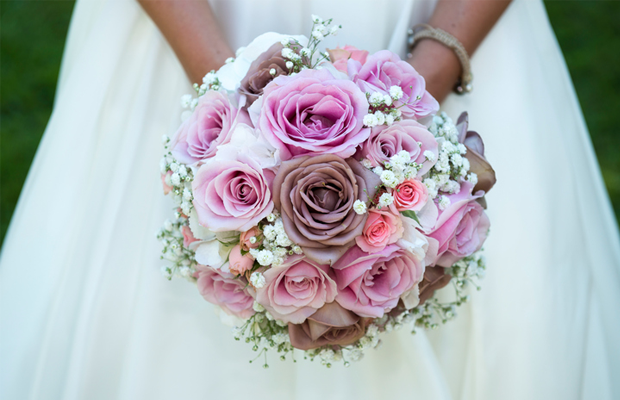
Choose flowers that produce little to no pollen. According to the American College of Allergy, Asthma & Immunology, your best bet is to stick with the classic – roses. Other allergy friendly-flowers include begonias, columbines, crocuses, daffodils and geraniums.
Martha Stewart Weddings says you should avoid chrysanthemums, hyacinths, freesias, sunflowers, lilies and daisies.
“Allergies to flowers are typically as a result of pollen rather than fragrance, but it does differ from person to person. Scented flowers such as lilies, gardenias, freesias, dahlias and sunflowers can also trigger symptoms. Safer options include, tulips, orchids, hydrangeas, carnations, low-fragrance tea roses or baby’s breath, but ask for the double flower types which don’t contain pollen. Alternatively try silk flowers,” Wilmi Hudsonberg previously told Health24.
3. Food safety
Food allergies must always be taken seriously. Even if you don’t have any, make sure you check with your guests. Ask them to let you know when they RSVP. Common food allergens include eggs, milk, tree nuts, fish, shellfish, wheat and soy.

4. Outdoors vs. indoors
An outdoor wedding is beautiful but it also puts you at risk of numerous allergens. Pollen counts are usually high during the morning, so schedule your ceremony for later in the day when the pollen counts are lower.
Ask the venue to cut the lawn at least one day before the ceremony – mowing can release pollen, which may trigger runny noses and itchy eyes. Let your guests know that the ceremony will be outside in case they have allergies – that way they can prepare.

5. Makeup
If you are sensitive or allergic to certain ingredients in makeup, make sure your makeup artist knows this – it’s always a good idea to do a trial at least a month before the wedding. Stick with the brands you know and avoid trying new products in the weeks leading up to your big day.
If possible, wear waterproof makeup – it’s less likely to run if an unexpected allergy triggers watery eyes.
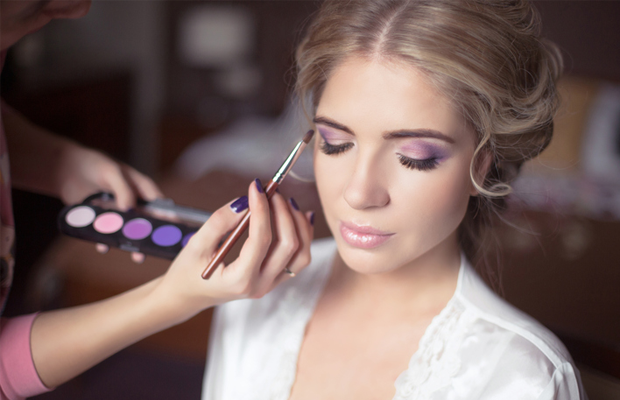
Image credit: iStock


The feat could lead to new ways of preserving women’s fertility.
13.5%
This is the maximum alcohol level you should be looking for in a summer wine. Generally speaking, the lower the alcohol, the lighter the taste.
Wine is made when natural yeasts convert the sugars in grape juice into carbon dioxide and alcohol. Grapes with high sugar levels lead to richer, bigger wines – best suited to nights in front of the fire.
A sultry evening is done no favours by a 15% Shiraz, but a light Pinot Noir is liquid air-conditioning.
21ºC
The warmest your wine should get. It’s the ideal temperature for bigger, bolder red wines with a hefty chunk of tannin. Warmth brings out the alcohol and sweetness in a wine, while cooler temperatures accentuate the acidity and tannins.
Anything above 21ºC and the evaporation of a wine’s alcohol quickens, affecting its aroma. If you’ve bought a couple of bottles for a braai, keep them in the fridge. Yes, even the reds.
Zero
The shits you should give about anyone putting ice in their wine. It’s their wine, man. And nobody wants warm wine in summer.
1 million
The number of bubbles in a glass of Methode Cap Classique. Served ice cold, bubbly is wine’s answer to beer. It’s fizzy, refreshing and it pairs with just about any meal.
9 321
The number of hectares given to Sauvignon Blanc in South Africa. Chilled right down, the freshness of a Sauvignon Blanc is the perfect counter to humidity, sunburn, fresh oysters and braai smoke.
Cape Town-based wine writer Christian Eedes recommends the Shannon Sanctuary Peak Sauvignon Blanc 2014. “It’s not green and has a dash of oaked Semillon that adds some interest,” he says, adding that Sauvignon Blanc drinkers should mix things up in the ice bucket with a Chenin Blanc or two.
1940s
The decade in which the Caperitif vanished. A South African aperitif made from fortified wine and botanicals, according to Adi Badenhorst, a Swartland winemaker who is resurrecting the spirit, it was first used as a “medicinal libation” in the 1800s.
Kyle Dunn, a winemaker working with Badenhorst, says that it’s known in the elite cocktail scene as the “ghost ingredient”. The Savoy Cocktail Book still contains more than 40 recipes with Caperitif as an ingredient. Caperitif 2.0 is being launched this month and can be served over ice, with tonic or in a classic cocktail.
This article was originally published on www.mh.co.za
Image credit: iStock

We know that vaping can cause artery damage that could lead to heart attacks, and may lead to cigarette smoking. But did you know it could cause cancer?
Vaping may raise the risk of cancer because it leads to DNA damage, even though it contains fewer carcinogens than tobacco smoke, a US study has found.
The report in the Proceedings of the National Academy of Sciences did not compare the cancer-causing potential of traditional cigarettes to e-cigarettes.
Exposed cells more likely to mutate
In studies on lab mice, those exposed to e-cigarette smoke “had higher levels of DNA damage in the heart, lungs, and bladder, compared with control mice exposed to filtered air,” it said.
Similar effects were seen when human lung and bladder cells were exposed to nicotine and nicotine-derived nitrosamine ketone (NNK), a carcinogenic nicotine derivative.
These exposed cells are more likely to mutate and become cancerous than control cells.
“Thus, although e-cigarette smoke has fewer carcinogens than tobacco smoke, e-cigarette smokers might have a higher risk than non-smokers of developing lung and bladder cancers and heart diseases,” said the study, led by Moon-shong Tang of the Institute of Environmental Medicine at New York University.
According to outside experts, much more work is needed to uncover the true risk of vaping, which is widely seen as a safer alternative than traditional cigarettes.
Vaping not without risk
Peter Hajek, director of the Tobacco Dependence Research Unit at Queen Mary University of London, said the study methods are of “unclear relevance for effects of vaping”.
“Human cells were submerged in nicotine and in off-the-shelf bought carcinogenic nitrosamines. It is not surprising of course that this damaged the cells, but this has no relationship to any effects of e-cigarettes on people who use them,” he said.
“No comparison with conventional cigarettes was made, but in the text of the article, the authors acknowledge the key bit of information that is of crucial relevance in this story: Vapers show a reduction in these chemicals of 97% compared to smokers. They should have added that his may well be the level that non-smokers obtain from their environment.”
A comprehensive review of the scientific literature, released earlier this month by the US National Academies of Science, found that vaping is likely less harmful than cigarettes, but may lead to addiction in young people.
However, it cautioned that the true health effects of the habit remain unclear, since the trend is relatively new.
In 2000, South Africa became one of the first countries in the world to ban smoking in public places. Vaping, with an estimated 200 000 people has been, so far, seen as an acceptable alternative in this country.
Image credit: iStock

The information on Health24 is for educational purposes only, and is not intended as medical advice, diagnosis or treatment. If you are experiencing symptoms or need health advice, please consult a healthcare professional. See additional information.

