A strange quantum effect could power future electronics

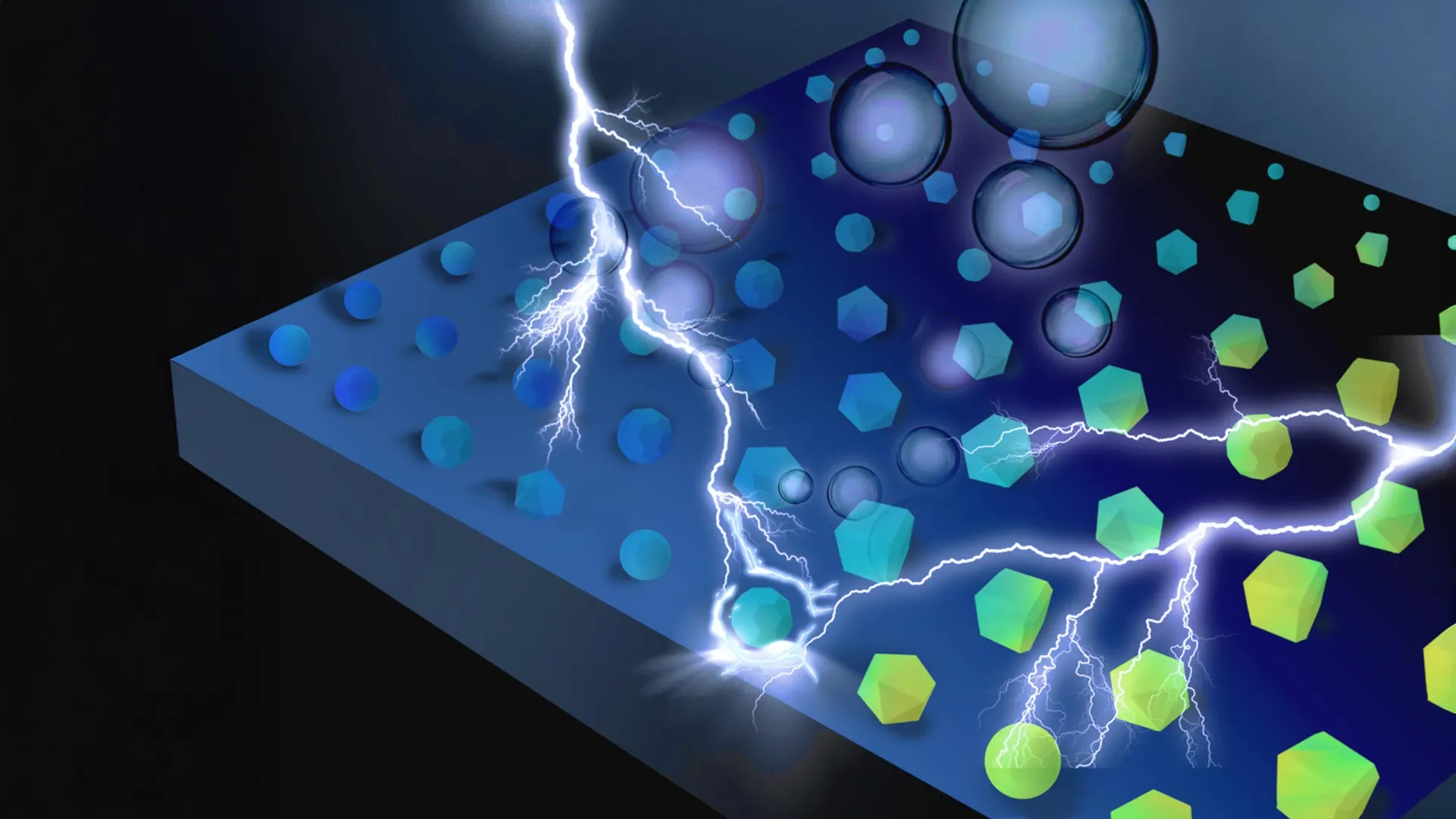
Researchers at Rice University and collaborating institutions have discovered direct evidence of active flat electronic bands in a kagome superconductor. This breakthrough could pave the way for new methods to design quantum materials — including superconductors, topological insulators and spin-based electronics — that could power future electronics and computing technologies. The study, published in Nature Communications Aug. 14, centers on the chromium-based kagome metal CsCr₃Sb₅, which becomes superconducting under pressure.

Kagome metals, characterized by their two-dimensional lattices of corner-sharing triangles, have recently been predicted to host compact molecular orbitals, or standing-wave patterns of electrons that could potentially facilitate unconventional superconductivity and novel magnetic orders that can be made active by electron correlation effects. In most materials, these flat bands remain too far from active energy levels to have any significant impact; however, in CsCr₃Sb₅, they are actively involved and directly influence the material’s properties.

Pengcheng Dai, Ming Yi and Qimiao Si of Rice’s Department of Physics and Astronomy and Smalley-Curl Institute, along with Di-Jing Huang of Taiwan’s National Synchrotron Radiation Research Center, led the study.

“Our results confirm a surprising theoretical prediction and establish a pathway for engineering exotic superconductivity through chemical and structural control,” said Dai, the Sam and Helen Worden Professor of Physics and Astronomy.

The finding provides experimental proof for ideas that had only existed in theoretical models. It also shows how the intricate geometry of kagome lattices can be used as a design tool for controlling the behavior of electrons in solids.

“By identifying active flat bands, we’ve demonstrated a direct connection between lattice geometry and emergent quantum states,” said Yi, an associate professor of physics and astronomy.

The research team employed two advanced synchrotron techniques alongside theoretical modeling to investigate the presence of active standing-wave electron modes. They used angle-resolved photoemission spectroscopy (ARPES) to map electrons emitted under synchrotron light, revealing distinct signatures associated with compact molecular orbitals. Resonant inelastic X-ray scattering (RIXS) measured magnetic excitations linked to these electronic modes.

“The ARPES and RIXS results of our collaborative team give a consistent picture that flat bands here are not passive spectators but active participants in shaping the magnetic and electronic landscape,” said Si, the Harry C. and Olga K. Wiess Professor of Physics and Astronomy, “This is amazing to see given that, until now, we were only able to see such features in abstract theoretical models.”

Theoretical support was provided by analyzing the effect of strong correlations starting from a custom-built electronic lattice model, which replicated the observed features and guided the interpretation of results. Fang Xie, a Rice Academy Junior Fellow and co-first author, led that portion of the study.

Obtaining such precise data required unusually large and pure crystals of CsCr₃Sb₅, synthesized using a refined method that produced samples 100 times larger than previous efforts, said Zehao Wang, a Rice graduate student and co-first author.

The work underscores the potential of interdisciplinary research across fields of study, said Yucheng Guo, a Rice graduate student and co-first author who led the ARPES work.

“This work was possible due to the collaboration that consisted of materials design, synthesis, electron and magnetic spectroscopy characterization and theory,” Guo said.

Co-authors from Rice include Yuefei Huang, Bin Gao, Ji Seop Oh, Han Wu, Zheng Ren, Yuan Fang, Yiming Wang, Ananya Biswas, Yichen Zhang, Ziqin Yue, Boris Yakobson and Junichiro Kono.

Other contributors include Hsiao-Yu Huang, Jun Okamoto, Ganesha Channagowdra, Atsushi Fujimori and Chien-Te Chen of Taiwan’s National Synchrotron Radiation Research Center; Xingye Lu of Beijing Normal University; Zhaoyu Liu and Jiun-Haw Chu of the University of Washington; Cheng Hu, Chris Jozwiak, Aaron Bostwick and Eli Rotenberg of the Lawrence Berkeley National Laboratory; Makoto Hashimoto and Donghui Lu of the SLAC National Accelerator Laboratory; Robert Birgeneau of the University of California, Berkeley; and Guang-Han Cao of Zhejiang University.

The U.S. Department of Energy, Robert A. Welch Foundation, Gordon and Betty Moore Foundation, Air Force Office of Scientific Research, National Science Foundation and Vannevar Bush Faculty Fellowship program supported this study.

Share Button

What is chickenpox and how can I get my child vaccinated?

The NHS in England and Wales will start offering the MMRV vaccine to young children from January 2026.

Share Button

Children to be offered chickenpox vaccine on NHS

All young children in England and Wales will be offered a free chickenpox vaccine by the NHS from January 2026.

Share Button

Price of Mounjaro to be discounted in UK pharmacies

The rebate allays fears of a 170% price rise but patients are warned the cost of the drug will still jump.

Share Button

Scientists recreate life’s first step: Linking amino acids to RNA

Chemists at UCL have shown how two of biology’s most fundamental ingredients, RNA (ribonucleic acid) and amino acids, could have spontaneously joined together at the origin of life four billion years ago.

Amino acids are the building blocks of proteins, the “workhorses” of life essential to nearly every living process. But proteins cannot replicate or produce themselves — they require instructions. These instructions are provided by RNA, a close chemical cousin of DNA (deoxyribonucleic acid).

In a new study, published in Nature, researchers chemically linked life’s amino acids to RNA in conditions that could have occurred on the early Earth — an achievement that has eluded scientists since the early 1970s.

Senior author Professor Matthew Powner, based at UCL’s Department of Chemistry, said: “Life relies on the ability to synthesize proteins — they are life’s key functional molecules. Understanding the origin of protein synthesis is fundamental to understanding where life came from.

“Our study is a big step towards this goal, showing how RNA might have first come to control protein synthesis.

“Life today uses an immensely complex molecular machine, the ribosome, to synthesize proteins. This machine requires chemical instructions written in messenger RNA, which carries a gene’s sequence from a cell’s DNA to the ribosome. The ribosome then, like a factory assembly line, reads this RNA and links together amino acids, one by one, to create a protein.

“We have achieved the first part of that complex process, using very simple chemistry in water at neutral pH to link amino acids to RNA. The chemistry is spontaneous, selective and could have occurred on the early Earth.”

Previous attempts to attach amino acids to RNA used highly reactive molecules, but these broke down in water and caused the amino acids to react with each other, rather than become linked to RNA.

For the new study, the researchers took inspiration from biology, using a gentler method to convert life’s amino acids into a reactive form. This activation involved a thioester, a high-energy chemical compound important in many of life’s biochemical processes and that has already been theorized to play a role at the start of life*.

Professor Powner said: “Our study unites two prominent origin of life theories — the ‘RNA world’, where self-replicating RNA is proposed to be fundamental, and the ‘thioester world’, in which thioesters are seen as the energy source for the earliest forms of life.”

In order to form these thioesters, the amino acids react with a sulfur-bearing compound called pantetheine. Last year, the same team published a paper demonstrating pantetheine can be synthesized under early Earth-like conditions, suggesting it was likely to play a role in starting life.

The next step, the researchers said, was to establish how RNA sequences could bind preferentially to specific amino acids, so that RNA could begin to code instructions for protein synthesis — the origin of the genetic code.

“There are numerous problems to overcome before we can fully elucidate the origin of life, but the most challenging and exciting remains the origins of protein synthesis,” said Professor Powner.

Lead author Dr Jyoti Singh, from UCL Chemistry, said: “Imagine the day that chemists might take simple, small molecules, consisting of carbon, nitrogen, hydrogen, oxygen, and sulfur atoms, and from these LEGO pieces form molecules capable of self-replication. This would be a monumental step towards solving the question of life’s origin.

“Our study brings us closer to that goal by demonstrating how two primordial chemical LEGO pieces (activated amino acids and RNA) could have built peptides**, short chains of amino acids that are essential to life.

“What is particularly groundbreaking is that the activated amino acid used in this study is a thioester, a type of molecule made from Coenzyme A, a chemical found in all living cells. This discovery could potentially link metabolism, the genetic code and protein building.”

While the paper focuses solely on the chemistry, the research team said that the reactions they demonstrated could plausibly have taken place in pools or lakes of water on the early Earth (but not likely in the oceans as the concentrations of the chemicals would likely be too diluted).

The reactions are too small to see with a visible-light microscope and were tracked using a range of techniques that are used to probe the structure of molecules, including several types of magnetic resonance imaging (which shows how the atoms are arranged) and mass spectrometry (which shows the size of molecules).

Notes

*The Nobel laureate Christian de Duve proposed that life began with a “thioester world” — a metabolism-first theory that envisages life was started by chemical reactions powered by the energy in thioesters.

** Peptides typically consist of two to 50 amino acids, while proteins are larger, often containing hundreds or even thousands of amino acids, and are folded into a 3D shape. As part of their study, the research team showed how, once the amino acids were loaded on to the RNA, they could synthesize with other amino acids to form peptides.

The work was funded by the Engineering and Physical Sciences Research Council (EPSRC), the Simons Foundation and the Royal Society.

Share Button

A tiny chip may have solved one of clean energy’s biggest problems

For decades, researchers around the world have searched for alternatives to iridium, an extremely rare, incredibly expensive metal used in the production of clean hydrogen fuels.

Now, a powerful new tool has found one — within a single afternoon.

Invented and developed at Northwestern University, that tool is called a megalibrary. The world’s first nanomaterial “data factory,” each megalibrary contains millions of uniquely designed nanoparticles on one tiny chip. In collaboration with researchers from the Toyota Research Institute (TRI), the team used this technology to discover commercially relevant catalysts for hydrogen production. Then, they scaled up the material and demonstrated it could work within a device — all in record time.

With a megalibrary, scientists rapidly screened vast combinations of four abundant, inexpensive metals — each known for its catalytic performance — to find a new material with performance comparable to iridium. The team discovered a wholly new material that, in laboratory experiments, matched or in some cases even exceeded the performance of commercial iridium-based materials, but at a fraction of the cost.

This discovery doesn’t just make affordable green hydrogen a possibility; it also proves the effectiveness of the new megalibrary approach, which could completely change how researchers find new materials for any number of applications.

The study was published on August 19 in the Journal of the American Chemical Society (JACS).

“We’ve unleashed arguably the world’s most powerful synthesis tool, which allows one to search the enormous number of combinations available to chemists and materials scientists to find materials that matter,” said Northwestern’s Chad A. Mirkin, the study’s senior author and primary inventor of the megalibrary platform. “In this particular project, we have channeled that capability toward a major problem facing the energy sector. That is: How do we find a material that is as good as iridium but is more plentiful, more available and a lot cheaper? This new tool enabled us to find a promising alternative and to find it rapidly.”

A nanotechnology pioneer, Mirkin is the George B. Rathmann Professor of Chemistry at Northwestern’s Weinberg College of Arts and Sciences; professor of chemical and biological engineering, biomedical engineering and materials science and engineering at the McCormick School of Engineering; and executive director of the International Institute for Nanotechnology. Mirkin co-led the work with Ted Sargent, the Lynn Hopton Davis and Greg Davis Professor of Chemistry at Weinberg, professor of electrical and computer engineering at McCormick and executive director of the Paula M. Trienens Institute for Sustainability and Energy.

‘Not enough iridium in the world’

As the world moves away from fossil fuels and toward decarbonization, affordable green hydrogen has emerged as a critical piece of the puzzle. To produce clean hydrogen energy, scientists have turned to water splitting, a process that uses electricity to split water molecules into their two constituent components — hydrogen and oxygen.

The oxygen part of this reaction, called the oxygen evolution reaction (OER), however, is difficult and inefficient. OER is most effective when scientists use iridium-based catalysts, which have significant disadvantages. Iridium is rare, expensive and often obtained as a byproduct from platinum mining. More valuable than gold, iridium costs nearly $5,000 per ounce.

“There’s not enough iridium in the world to meet all of our projected needs,” Sargent said. “As we think about splitting water to generate alternative forms of energy, there’s not enough iridium from a purely supply standpoint.”

‘Full army deployed on a chip’

Mirkin, who introduced the megalibraries in 2016, decided with Sargent that finding new candidates to replace iridium was a perfect application for his revolutionary tool. While materials discovery is traditionally a slow and daunting task filled with trial and error, megalibraries enable scientists to pinpoint optimal compositions at breakneck speeds.

Each megalibrary is created with arrays of hundreds of thousands of tiny, pyramid-shaped tips to print individual “dots” onto a surface. Each dot contains an intentionally designed mix of metal salts. When heated, the metal salts are reduced to form single nanoparticles, each with a precise composition and size.

“You can think of each tip as a tiny person in a tiny lab,” Mirkin said. “Instead of having one tiny person make one structure at a time, you have millions of people. So, you basically have a full army of researchers deployed on a chip.”

And the winner is…

In the new study, the chip contained 156 million particles, each made from different combinations of ruthenium, cobalt, manganese and chromium. A robotic scanner then assessed how well the most promising particles could perform an OER. Based on these tests, Mirkin and his team selected the best-performing candidates to undergo further testing in the laboratory.

Eventually, one composition stood out:a precise combination of all four metals (Ru52Co33Mn9Cr6 oxide). Multi-metal catalysts are known to elicit synergistic effects that can make them more active than single-metal catalysts.

“Our catalyst actually has a little higher activity than iridium and excellent stability,” Mirkin said. “That’s rare because oftentimes ruthenium is less stable. But the other elements in the composition stabilize ruthenium.”

The ability to screen particles for their ultimate performance is a major new innovation. “For the first time, we were not only able to rapidly screen catalysts, but we saw the best ones performing well in a scaled-up setting,” said Joseph Montoya, a senior staff research scientist at TRI and study co-author.

In long-term tests, the new catalyst operated for more than 1,000 hours with high efficiency and excellent stability in a harsh acidic environment. It is also dramatically cheaper than iridium — about one-sixteenth of the cost.

“There’s lots of work to do to make this commercially viable, but it’s very exciting that we can identify promising catalysts so quickly — not only at the lab scale but for devices,” Montoya said.

Just the beginning

By generating massive high-quality materials datasets, the megalibrary approach also lays the groundwork for using artificial intelligence (AI) and machine learning to design the next generation of new materials. Northwestern, TRI and Mattiq, a Northwestern spinout company, have already developed machine learning algorithms to sift through the megalibraries at record speeds.

Mirkin says this is only the beginning. With AI, the approach could scale beyond catalysts to revolutionize materials discovery for virtually any technology, such as batteries, biomedical devices and advanced optical components.

“We’re going to look for all sorts of materials for batteries, fusion and more,” he said. “The world does not use the best materials for its needs. People found the best materials at a certain point in time, given the tools available to them. The problem is that we now have a huge infrastructure built around those materials, and we’re stuck with them. We want to turn that upside down. It’s time to truly find the best materials for every need — without compromise.”

About the study

The study, “Accelerating the pace of oxygen evolution reaction catalyst discovery through megalibraries,” was supported by the Toyota Research Institute, Mattiq and the Army Research Office, a directorate of the U.S. Army Combat Capabilities Development Command Army Research Laboratory (award number W911NF-23-1-0285). This publication was made possible with the support of The Bioindustrial Manufacturing and Design Ecosystem (BioMADE); the content expressed herein is that of the authors and does not necessarily reflect the views of BioMADE.

This material is based on research sponsored by the Air Force under agreement number FA8650-21-2-5028. The U.S. Government is authorized to reproduce and distribute reprints for governmental purposes notwithstanding any copyright notation thereon.

The views and conclusions contained herein are those of the authors and should not be interpreted as necessarily representing the official policies or endorsements, either expressed or implied, of the Air Force or the U.S. Government.

Share Button

This simple diet could help protect memory, even with Alzheimer’s genes

Researchers found dietary changes may help improve cognitive health and stave off dementia.

A new study led by investigators from Mass General Brigham, Harvard T.H. Chan School of Public Health, and the Broad Institute of MIT and Harvard suggests that a Mediterranean-style diet may help reduce dementia risk. The study, published in Nature Medicine, found that people at the highest genetic risk for Alzheimer’s disease benefited more from following a Mediterranean-style diet, showing a greater reduction in dementia risk compared to those at lower genetic risk.

“One reason we wanted to study the Mediterranean diet is because it is the only dietary pattern that has been causally linked to cognitive benefits in a randomized trial,” said study first author Yuxi Liu, PhD, a research fellow in the Department of Medicine at Brigham and Women’s Hospital, a founding member of the Mass General Brigham healthcare system, and a postdoctoral fellow at the Harvard Chan School and Broad. “We wanted to see whether this benefit might be different in people with varying genetic backgrounds, and to examine the role of blood metabolites, the small molecules that reflect how the body processes food and carries out normal functions.”

Over the last few decades, researchers have learned more about the genetic and metabolic basis of Alzheimer’s disease and related dementias. These are among the most common causes of cognitive decline in older adults. Alzheimer’s disease is known to have a strong genetic component, with heritability estimated at up to 80%.

One gene in particular, apolipoprotein E (APOE), has emerged as the strongest genetic risk factor for sporadic Alzheimer’s disease — the more common type develops later in life and is not directly inherited in a predictable pattern. People who carry one copy of the APOE4 variant have a 3-to-4-fold higher risk of developing Alzheimer’s. People with two copies of the APOE4 variant (called APOE4 homozygous) have a 12-fold higher risk of Alzheimer’s than those without.

To explore how the Mediterranean diet may reduce dementia risk and influence blood metabolites linked to cognitive health, the team analyzed data from 4,215 women in the Nurses’ Health Study, following participants from 1989 to 2023 (average age 57 at baseline). To validate their findings, the researchers analyzed similar data from 1,490 men in the Health Professionals Follow-Up Study, followed from 1993 to 2023.

Researchers evaluated long-term dietary patterns using food frequency questionnaires and examined participants’ blood samples for a broad range of metabolites. Genetic data were used to assess each participant’s inherited risk for Alzheimer’s disease. Participants were then followed over time for new cases of dementia. A subset of 1,037 women underwent regular telephone-based cognitive testing.

They found that the people following a more Mediterranean-style diet had a lower risk of developing dementia and showed slower cognitive decline. The protective effect of the diet was strongest in the high-risk group with two copies of the APOE4 gene variant, suggesting that diet may help offset genetic risk.

“These findings suggest that dietary strategies, specifically the Mediterranean diet, could help reduce the risk of cognitive decline and stave off dementia by broadly influencing key metabolic pathways,” Liu said. “This recommendation applies broadly, but it may be even more important for individuals at a higher genetic risk, such as those carrying two copies of the APOE4 genetic variant.”

A study limitation was that the cohort consisted of well-educated individuals of European ancestry. More research is needed in diverse populations.

In addition, although the study reveals important associations, genetics and metabolomics are not yet part of most clinical risk prediction models for Alzheimer’s disease. People often don’t know their APOE genetics. More work is needed to translate these findings into routine medical practice.

“In future research, we hope to explore whether targeting specific metabolites through diet or other interventions could provide a more personalized approach to reducing dementia risk,” Liu said.

Authorship: In addition to Liu, Mass General Brigham authors include Chirag M. Vyas, Cheng Peng, Danyue Dong, Yuhan Li, Oana A. Zeleznik, Jae H. Kang, Molin Wang, Frank B. Hu, Olivia I. Okereke, A. Heather Eliassen, Meir J. Stampfer, and Dong D. Wang. Additional authors include Xiao Gu, Yanping Li, Fenglei Wang, Yu Zhang, Yin Zhang, Walter C. Willett, and Peter Kraft.

Funding: This study was funded in part by the National Institutes of Health (R00DK119412, R01NR019992, R01AG077489, RF1AG083764, U54AG089325, P30DK046200, UM1CA186107, P01CA087969, R01HL034594, R01HL088521, R01HL060712, U01CA167552, R01HL035464).

Share Button

Caltech breakthrough makes quantum memory last 30 times longer

While conventional computers store information in the form of bits, fundamental pieces of logic that take a value of either 0 or 1, quantum computers are based on qubits. These can have a state that is simultaneously both 0 and 1. This odd property, a quirk of quantum physics known as superposition, lies at the heart of quantum computing’s promise to ultimately solve problems that are intractable for classical computers.

Many existing quantum computers are based on superconducting electronic systems in which electrons flow without resistance at extremely low temperatures. In these systems, the quantum mechanical nature of electrons flowing through carefully designed resonators creates superconducting qubits. These qubits are excellent at quickly performing the logical operations needed for computing. However, storing information — in this case quantum states, mathematical descriptors of particular quantum systems — is not their strong suit. Quantum engineers have been seeking a way to boost the storage times of quantum states by constructing so-called “quantum memories” for superconducting qubits.

Now a team of Caltech scientists has used a hybrid approach for quantum memories, effectively translating electrical information into sound so that quantum states from superconducting qubits can survive in storage for a period up to 30 times longer than in other techniques.

The new work, led by Caltech graduate students Alkim Bozkurt and Omid Golami, supervised by Mohammad Mirhosseini, assistant professor of electrical engineering and applied physics, appears in a paper published in the journal Nature Physics.

“Once you have a quantum state, you might not want to do anything with it immediately,” Mirhosseini says. “You need to have a way to come back to it when you do want to do a logical operation. For that, you need a quantum memory.”

Previously, Mirhosseini’s group showed that sound, specifically phonons, which are individual particles of vibration (in the way that photons are individual particles of light) could provide a convenient method for storing quantum information. The devices they tested in classical experiments seemed ideal for pairing with superconducting qubits because they worked at the same extremely high gigahertz frequencies (humans hear at hertz and kilohertz frequencies that are at least a million times slower). They also performed well at the low temperatures needed to preserve quantum states with superconducting qubits and had long lifetimes.

Now Mirhosseini and his colleagues have fabricated a superconducting qubit on a chip and connected it to a tiny device that scientists call a mechanical oscillator. Essentially a miniature tuning fork, the oscillator consists of flexible plates that are vibrated by sound waves at gigahertz frequencies. When an electric charge is placed on those plates, the plates can interact with electrical signals carrying quantum information. This allows information to be piped into the device for storage as a “memory” and be piped out, or “remembered,” later.

The researchers carefully measured how long it took for the oscillator to lose its valuable quantum content once information entered the device. “It turns out that these oscillators have a lifetime about 30 times longer than the best superconducting qubits out there,” Mirhosseini says.

This method of constructing a quantum memory offers several advantages over previous strategies. Acoustic waves travel much slower than electromagnetic waves, enabling much more compact devices. Moreover, mechanical vibrations, unlike electromagnetic waves, do not propagate in free space, which means that energy does not leak out of the system. This allows for extended storage times and mitigates undesirable energy exchange between nearby devices. These advantages point to the possibility that many such tuning forks could be included in a single chip, providing a potentially scalable way of making quantum memories.

Mirhosseini says this work has demonstrated the minimum amount of interaction between electromagnetic and acoustic waves needed to probe the value of this hybrid system for use as a memory element. “For this platform to be truly useful for quantum computing, you need to be able to put quantum data in the system and take it out much faster. And that means that we have to find ways of increasing the interaction rate by a factor of three to 10 beyond what our current system is capable of,” Mirhosseini says. Luckily, his group has ideas about how that can be done.

Additional authors of the paper, “A mechanical quantum memory for microwave photons” are Yue Yu, a former visiting undergraduate student in the Mirhosseini lab; and Hao Tian, an Institute for Quantum Information and Matter postdoctoral scholar research associate in electrical engineering at Caltech. The work was supported by funding from the Air Force Office of Scientific Research and the National Science Foundation. Bozkurt was supported by an Eddleman Graduate Fellowship.

Share Button

These “plastivore” caterpillars can devour a plastic bag in just 24 hours

Plastics play a fundamental role in modern life, but their resistance to biodegradation makes them very difficult to dispose of. New research reveals how “plastivore” caterpillars can metabolically degrade plastics in a matter of days, not decades, and store them internally as body fat – but at what cost?

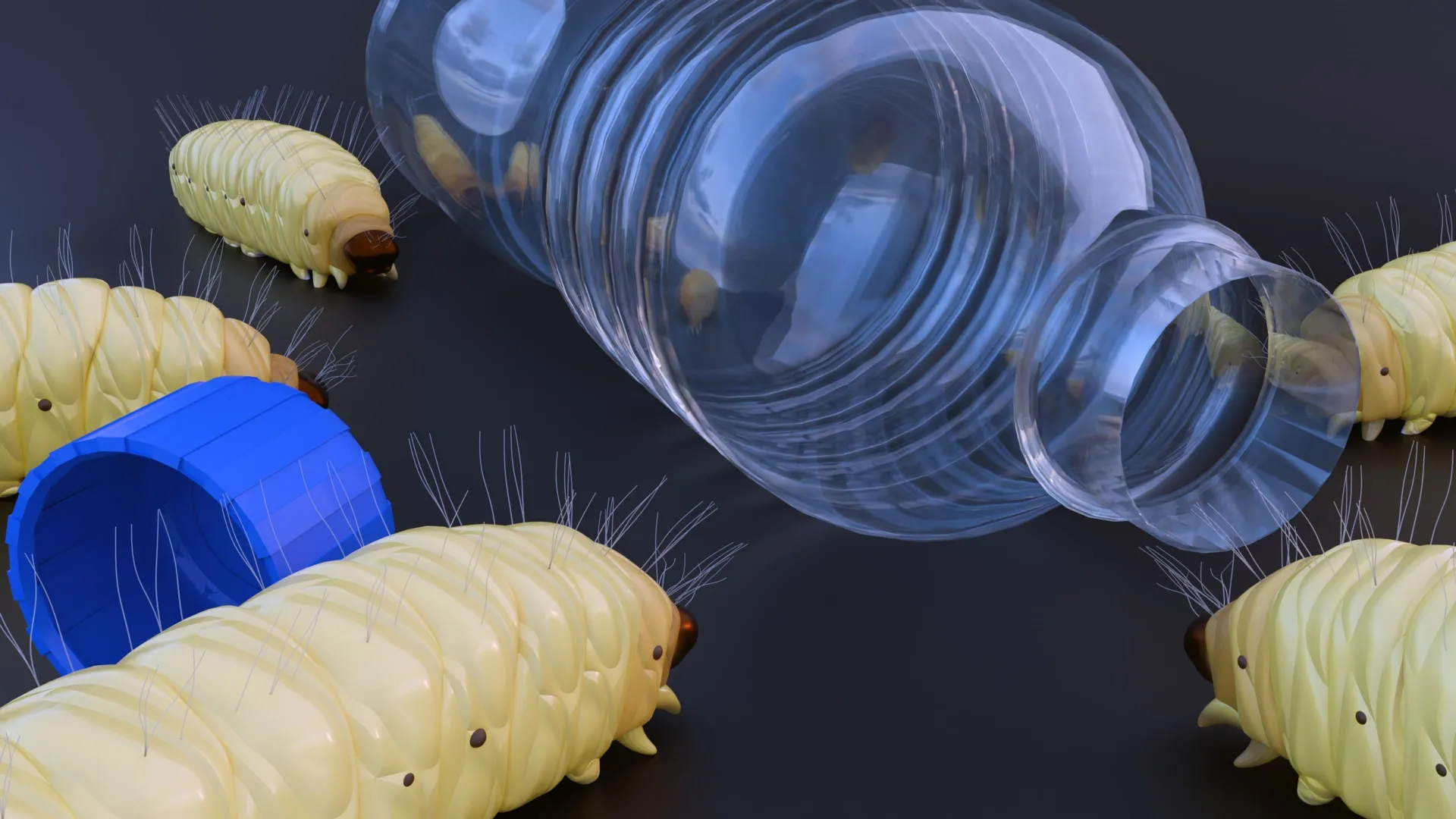
In 2017, a groundbreaking study demonstrated that the caterpillars of the greater wax moth (Galleria mellonella), known as waxworms, can degrade polyethylene plastic. Polyethylene is the world’s most commonly manufactured plastic, with over 100 million tonnes of polyethylene produced globally each year. Polyethylene is chemically resilient, which makes it resistant to decomposition and can take decades or even hundreds of years to fully degrade.

While this plastic degradation process has been demonstrated by waxworms at a small scale, this ongoing research project is helping us to better understand the biological mechanisms at work, the impact of an all-plastic diet on the health of these organisms, and their viability as a sustainable solution to plastic pollution.

“Around 2,000 waxworms can break down an entire polyethylene bag in as little as 24 hours, although we believe that co-supplementation with feeding stimulants like sugars can reduce the number of worms considerably,” says Dr Bryan Cassone, a Professor of Insect Pest and Vector Biology in the Department of Biology at Brandon University, Canada. “However, understanding the biological mechanisms and consequences on fitness associated with plastic biodegradation is key to using waxworms for large-scale plastic remediation.”

Utilizing a suite of techniques spanning animal physiology, material science, molecular biology and genomics, Dr Cassone and his team have studied the interesting relationship between waxworms, their bacterial microbiome, and their potential for large-scale plastic biodegradation, as well as the possible impacts on waxworm health and survivability.

This research reveals that waxworms metabolically process the plastics down into lipids and store it as body fat. “This is similar to us eating steak – if we consume too much saturated and unsaturated fat, it becomes stored in adipose tissue as lipid reserves, rather than being used as energy,” says Dr Cassone.

While waxworms will readily consume polyethylene, this research also shows that this ultimately ends in a quick death. “They do not survive more than a few days on a plastic-only diet and they lose considerable mass,” says Dr Cassone. “However, we are optimistic that we can formulate a co-supplementation that not only restores their fitness to natural levels but exceeds it.”

Dr Cassone and his team have identified two ways in which waxworms could contribute solutions to the ongoing plastic pollution crisis. “Firstly, we could mass rear waxworms on a co-supplemented polyethylene diet as part of a circular economy,” he says. “Secondly, we could explore the re-engineering of the plastic biodegradation pathway outside the animal.”

As a bonus benefit, the mass production of waxworms would also generate a substantial surplus of insect biomass, which could represent an additional economic opportunity in aquaculture. “Our preliminary data suggests that they could become part of a very nutritious diet for commercial food fishes,” says Dr Cassone.

This research is being presented at the Society for Experimental Biology Annual Conference in Antwerp, Belgium on the 8th July 2025.

Share Button

Seven-week wait for some red flag cancer patients ‘frustrating’

The target set by the Department of Health for patients red flagged for breast cancer to be assessed is 14 days.

Share Button