Doctors treating a patient with acute abdominal pain find pieces of sachet in her intestine.


Doctors treating a patient with acute abdominal pain find pieces of sachet in her intestine.
Comforting as it may be, snuggling with your beloved pet may end up making you ill. This is because some common house pets and farm animals can infect you with a zoonotic disease. Zoonotic diseases are diseases passed from animals to humans.
From mild to fatal, zoonotic diseases may have very little impact on animals but lead to death in humans.
1. Cat scratch disease (CSD)

Humans can contract this bacterial infection when an infected cat scratches or bites them. A cat can also transfer the disease if it licks an open wound on a human body.
The disease is caused by a bacterium called Bartonella henselae.
Symptoms of CSD, which include fatigue, headaches, swollen lymph nodes, may only appear 14 days after the initial infection and may result in brain disease or inflammation of the optic nerve.
2. Listeriosis

The disease, which recently led to the death of a pregnant South African woman, is mostly contracted through the ingestion of contaminated food.
The bacterium, Listeria monocytogenes, is occurs in poultry and cattle and can be passed to humans through the ingestion of the meat of an infected animal, or dairy products made from the milk of infected cattle.
Symptoms of the disease range from headaches to confusion and seizures. Listeriosis can be fatal in some cases.
3. Rabies

Perhaps the most commonly known zoonotic disease, rabies causes more than 59 000 worldwide deaths annually. According to the South African National Travel Health Network (SaNTHNet), 95% of deaths as a result of rabies occur in Africa and Asia.
Rabies can be transferred to humans through the bite of an infected animal. In South Africa, many reported cases are a result of dog bites.
Fever, intolerance of bright light, hyperactivity as well as fear of water are some of the symptoms of rabies.
Paralytic rabies, which accounts for 30% of human rabies cases, can result in gradual paralysis and eventually death.
4. Query Fever
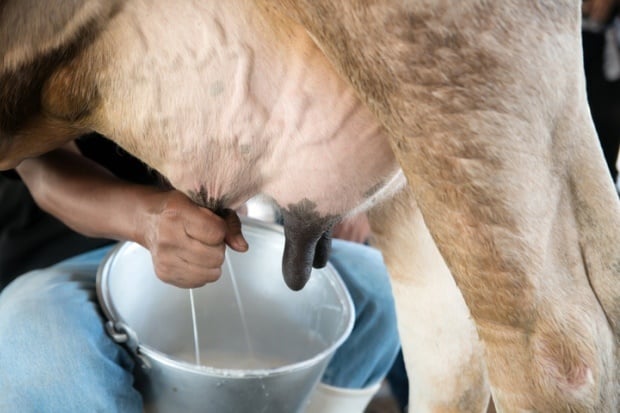
Also called Q fever, this bacterial infection can be passed from animals to humans by simply breathing in dust that has been exposed to the faeces, urine or milk of an infected animal.
Likely to be found in goats, sheep and cattle, severe infection can lead to pneumonia and hepatitis.
Infected humans will experience fever, night sweats or chills, stomach pains, nausea and vomiting.
5. Plague

With most cases of the plague occurring in Africa, this zoonotic disease can be fatal if left untreated.
Often passed to humans through the bite of an infected rodent or fleas, symptoms of the plague begin to show within six days of the onset of infection. Infected people will experience chills, chest pain, body aches as well as a sudden fever.
If left untreated, the bacteria could enter the bloodstream and cause septicemic plague. The bacteria can also enter the lungs and result in pneumonic plague – which is fatal if not treated early.
Image credit: iStock

NEXT ON HEALTH24X

Here’s what you need to know:
1. Be honest with your partner
The first things you need to consider are “issues of disclosure – how to protect your partner and assess their HIV status, plus what to do if things go wrong,” says Dr Francois Venter, deputy director at Wits Reproductive Health and HIV Institute and associate professor in the Department of Medicine at Wits University.
These need to be tackled before you find yourself in the moment so you can approach them with careful thought.
“Plan how to have the conversation, negotiate safe sex and encourage your partner to get tested. And have a handy plan B in place in case there’s a condom break, such as taking post-exposure prophylaxis (PEP), which prevents HIV transmission,” says Dr Venter.
Read more: This is how many people say they’ve had anal sex before age 24
2. Use condoms – they work

There are a lot of myths around condoms not being safe enough to protect against HIV transmission. But if used correctly, and if they don’t burst or come off, they’re 100% safe.
Unfortunately, they occasionally slip or tear, in which case a small risk is present and it’s advised to get PEP from your doctor or clinic. Risk also increases during your period.
Read more: These waterproof sex toys make bath time more fun
3. Stick to your treatment

With the advent of safe and effective antiretrovirals, your health returns to normal and your ability to pass on the virus is reduced almost to zero. So, accidents with condoms, or anything else, are much less likely to have consequences for your partner.
Read more: This is what it’s like to have sex with another woman for the first time
4. Oral sex is low risk for passing on HIV

Dr Venter says, “You’ve got a bigger risk of getting struck by lightning than getting HIV from oral sex.”
However, you can still catch other STIs from unprotected oral sex, so proceed with caution.
This article was originally featured on www.womenshealthsa.co.za
Image credits: iStock


All healthcare organisations in England offering regulated care will have to publicly display results.
[unable to retrieve full-text content]

[unable to retrieve full-text content]

[unable to retrieve full-text content]

The move comes as some hospitals and ambulance trusts say they are facing intense winter pressures.
The systems will save billions of pounds by enabling the diseases to be picked up much earlier.
Hearing loss is no longer a trait of old age. According to the World Health Organization (WHO) about 1.1 billion young people between the ages of 12 and 35 years of age are at risk of hearing loss.
The WHO says this is due to exposure to loud noise in recreational environments.
New Year’s Eve gatherings are often hubs of loud noise – here are five ways to protect your hearing during the celebrations.
1. Wear earplugs
According to Dangerous Decibels, a music concert can generate more than 110 decibels (dB) which is almost twice the amount generated during a conversation.
Exposure to loud music can damage your hearing within two minutes. If you find yourself at a music concert this New Year’s Eve, use earplugs to protect your hearing and prevent ringing ears long after the concert has ended.
2. Take short breaks
The countdown to New Year’s Day only lasts about an hour but the loud conversations may leave your ears feeling irritated.
While normal conversations take place at around 60dB, group conversations can be louder at 70dB.
At parties, group conversations can generate more than 85dB of noise, which is the daily recommended safe level. Should conversations become louder, you may be exposing your ears to harmful noise levels.
Save your hearing by moving to a quieter spot to give your ears a much-needed break.
3. Keep your ears dry

Planning on having an afternoon swim before hitting the town in the evening?
Invest in some swimmer’s earplugs to prevent swimmer’s ear (otitis externa), which can cause temporary hearing loss. Swimmer’s ear occurs when bacteria found in lakes and oceans enters the ear canal leading to pain.
Swimming earplugs and thorough drying of the ear can prevent this painful ear infection.
4. Lower the music
Playing some party jams on the way to a New Year’s Eve braai may be a great way to get you into the festive mood. But make sure you protect your ears and avoid listening to music at more than 60% of the volume.
Similar to being at a concert, loud music in your car or earphones can cause permanent hearing loss.
5. Avoid fireworks

While fireworks may be one of the best parts of New Year’s Eve celebrations, they can damage your ears.
Fireworks generate between 150dB to 175dB of noise – an airplane produces as much noise as 150dB on take off. Don’t want to miss the show? Then find spot that is at least 15 to 20 metres from the fireworks.
If you prefer to be up close, pop some earplugs in to protect your hearing.
Image credits: iStock