Health24.com | 10 medical advances we can expect in 2018

2017 has seen its fair share of medical breakthroughs and pioneering research.

This has paved the way for several new advances we can expect in 2018.

1. Drones to distribute medicine to isolated areas

With improved technology, remote treatment and better distribution of medical services and medicine is rapidly becoming a reality.

In 2016, it was reported that a start-up company made use of drones to deliver medicine to Rwanda. This practice has since become routine and it is estimated that even more areas will benefit through this method.

2. Curing diseases through gene editing (CRISPR technology)

One of the big medical breakthroughs featured on Health24 this year was the technique to “edit” embryos to avoid genetic diseases.

This method holds potential for the treatment of many diseases, including retinal degenerative disease and inherited diseases, such as cystic fibrosis and haemophilia.

It was reported in November 2017 that the FDA is set to approve a gene therapy for inherited retinal diseases. Many experts believe that this could pave the way to treatment for even more diseases.
3. ASL patients will be able to communicate with their thoughts

Earlier this year, CNN reported on a new technology that could help decode the thoughts of those with functional brain activity in a completely paralysed body, brought on by a stroke, traumatic injury or amyotrophic lateral sclerosis (ALS).

The initial research was published in the journal PLOS Biology. While the research was only in the beginning stages at the time, it holds great promise for 2018.

4. An artificial pancreas for diabetics

Diabetes is caused by the insufficient production of insulin by the pancreas. It was reported in May 2017 that the first artificial pancreas systems were beginning to infiltrate the market to help diabetics regulate their insulin levels.

As of December 2017, these are still not widely distributed, but we can expect artificial pancreas systems to become more prominent in 2018 and further.

The Hybrid Close-Loop Insulin Delivery System in the first automated artificial pancreas system.
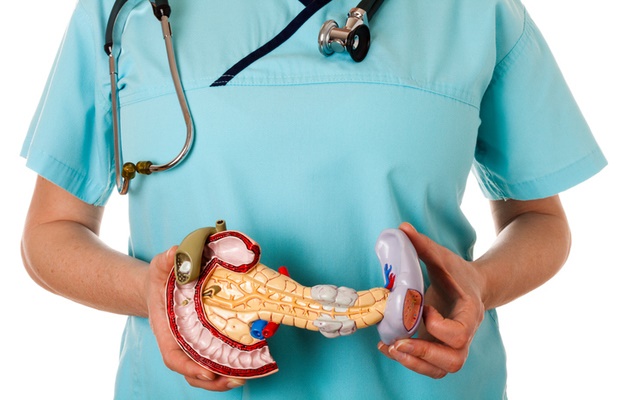
pancreas

5. Reduction of LDL cholesterol

When powerful cholesterol drugs known as PCSK9 inhibitors were approved by the FDA in 2015, many experts hailed it as an enormous breakthrough. The study findings were reassuring, but more studies were needed to see whether this would pave the way for a medication with fewer side-effects than statins.

But new studies have reported good news – earlier in 2017, a 20% reduction in LDL was reported in a study group of 25 982 patients. We can expect this drug to be used more frequently in 2018.

6.Enhanced post-surgery recovery

We know the drill when it comes to surgeries – no eating and drinking beforehand, feeling a bit groggy afterwards and being prescribed pain medication to help with the recovery. But readmissions after surgery remain a problem, not to mention the opioid problem caused by painkiller prescriptions.

New research has been looking at the Enhanced Recovery After Surgery (ERAS) protocol that accounts for various methods to speed up recovery after surgery. This includes post-operative nutrition plans and alternative methods to pain medication to speed up the recovery process.

In 2018, more hospitals will be looking to use the ERAS protocol.

surgery

7. More targeted, precise breast cancer therapies

Breast cancer is a disease that will affect one in 26 South African women in their lifetime. We rely on treatments such as chemotherapy to fight the cancer cells, but these do not always have the success rate we hope for.

In 2018 we could expect to see more targeted treatments for breast cancer that is designed to target the specific characteristics of the cancer cells, such as the protein that allows the cells to grow in a malignant way, according to Breastcancer.org.

8. Improved treatments for sleep apnoea

Sleep apnoea is a potentially dangerous condition and treatment for moderate to severe sleep apnoea is often evasive and uncomfortable, involving the Continuous Positive Airway Pressure machine (CPAP). This machines blows air into your nose via a nose mask, keeping the airway open and unobstructed.

But a less invasive method was approved by the US FDA in October 2017. The Remede sleep system, an implanted device that treats central sleep apnoea by activating a nerve that sends signals to the diaphragm to stimulate breathing, has been approved by the US Food and Drug Administration.

Following successful trial studies, this could be a treatment that we see more frequently in 2018. 

9. Next-generation vaccines

Developing vaccines for emerging diseases are pricey and time-consuming. It is important to keep abreast of vaccine technology and develop new ways of vaccination manufacturing to keep epidemics under control.

Luckily, innovators will be upgrading the vaccination manufacturing process in 2018. This includes freeze-drying so that vaccinations can be transported to remote areas more effectively. Companies are also investigating faster ways to manufacture vaccinations to make them more readily available. 

10. The first human head transplant

The jury is still out on this one, but deserves a mention. In 2017, Sergio Canavero, a neurosurgeon from Italy, was set to perform the first head transplant. Up to now, there has been no success in animal experiments.

This lengthy 36-hour long procedure will allow the head to be removed and be reattached to a new body, with all the nerve ends and blood vessels reattached and the spinal cord glued with a special bio-compatible glue.

Dr Canavero says that the required technology is available and he expects a 90% chance of success. Will we see this in 2018? Only time will tell.

Image credits: iStock

NEXT ON HEALTH24X

Share Button

Health24.com | Why these HIV+ teens are keen to speak out

Future Leaders is a group of Kuruman youth living with HIV who have decided that they want to attend the 2018 Aids Conference in Durban.

The group was founded in 2014 by Get Ready Information Services, an NGO funded by the National Department of Health, to run programmes for people living with HIV in the John Taolo Gaetsewe district.

Challenging journey

The group is for adolescents between the ages of 12 and 18, who usually meet at their local clinics to discuss issues affecting their lives and share their personal stories of how they live with HIV as kids and teens.

The group gathered at Marrick Farm in Kimberley recently to celebrate life and its challenges, presenting their journey through the year and sharing what they had learnt and what they hope to see in future.

Mpho, an 18-year-old girl in Grade 11, told how she felt that the poor attitudes displayed by local healthcare workers are so bad that they could lead to young people defaulting on their treatment.

Mpho (not real name) said she had an argument with one HIV counsellor who had given her the wrong date for the collection of her medication and then blamed her for not coming back on that date.

“Luckily I didn’t wait for my treatment to completely finish, but I decided to go back when I had tablets for three days left,” she said.

Sponsorship

The Northern Cape Department of Social Development has agreed to apply for group members who will be 18 and older next year for scholarships to attend the Aids Conference.

The department also encouraged them to send their school reports to the department so that they can start applying for sponsors and bursaries.

“We all have a story to tell,” said Kabelo Komaetsile, an 18-year-old boy who was born with HIV.

“I think sharing our stories will help others growing up with HIV to understand the journey of being a child and living with HIV,” he said, explaining why he so badly wants to attend the conference. – Health-e News

Image credit: iStock

NEXT ON HEALTH24X

Share Button

Health24.com | Go Jozi! Here’s how the City of Gold is staying healthy

In order to shed extra kilos and stay healthy, Joburgers have joined the City of Joburg in their numbers to participate in a new healthy lifestyle initiative called Go Jozi.

The initiative involves aerobics workouts held in regions around the city every two weeks.

Combating lifestyle diseases

The city said the aim is to encourage residents to lead an active lifestyle and prevent lifestyle-related diseases, such as high blood pressure, cholesterol, stroke and diabetes.

Sessions have been held since May 2017, and Mandla Mahlangu from the City’s Sports and Recreation department said the turnout has generally been impressive.

“Another reason why we are doing this – besides a healthy lifestyle – is to correct social ills and promote nation building and social cohesion among community members.”

He said opportunities were made for participants to socialise after the workout.

“The sessions have grown phenomenally well. At each session we see about 30 community members coming to participate, irrespective of their gender, size and age,” he said.

One of the participants, Nthabiseng Ramatsokotla, who has since became the instructor, said the benefit has been immense.

“I’m now a role model to majority of young people in my community. This has turned me into a good example on and off the field. In a community that is ravaged by drugs and alcohol, we need things like this to show there is an alternative life,” she said. – Health-e News

Image credits: iStock

NEXT ON HEALTH24X

Share Button

Health24.com | 7 steps to a healthier braai this summer

Summer is here and all of us are looking forward to our favourite summer braais. Whether we watch sport, series or just get together around the pool on the lazy weekend afternoons, the “braai” is one of the most popular ways we as South Africans spend our time together.

When it comes to what we are planning to eat, most of us stop at the shop to pick up the charcoal, meat, bread rolls and some chips to snack on.

But for people who prefer to eat healthily, this menu may raise some alarming thoughts:  

  • It has a high carbohydrate content and large amounts of saturated fats.
  • Should I bring my own food?
  • How will this meal impact on my effort to control my weight?

The best approach is to set a healthy example when you invite your friends over to your home. You may find that over time the quality of the braais in your circle of friends will improve.

To create a healthy and nutritious braai, here are some of the things you should pay attention to:

1. Plan ahead

Keep on track of your weight loss or health goals by keeping a calendar of your upcoming social events. Plan ahead by making sure there are healthy choices available or offer to bring your own dish to share.

woman writing list

2. Shop appropriately 

Shop for seasonal vegetables and lean protein sources. Replace sugary desserts with seasonal fresh fruit. 

woman shopping for groceries

3. Create some colour and crunch

Include salads and vegetables to your meal. This will help you eat smaller portions of starch and protein. It will also lower the energy, fat and carbohydrate value of the meal without you feeling hungry afterwards.

Salads and vegetables provide our bodies with valuable fibre and a variety of vitamins, minerals and phytonutrients. These nutrients are important for supporting essential metabolic processes, such as liver detoxification and optimal blood sugar and cholesterol control.

making salad

4. Adding fibre

In addition to vegetables, choosing high fibre, unprocessed wholegrain, such as corn on the cob, heavy seed/health breads or lentil and barley salads, will increase the fibre and nutrient content of the meal significantly.

An adequate fibre intake is essential to ensuring good gastrointestinal health. This helps support our immune system and combats inflammation that can contribute to developing diabetes type 2 and heart disease.

vegetable and quinoa bowl

5. Choose lean proteins

Choose a meal with a leaner protein source to lower the total fat, saturated fat and energy content of the meal. Examples include lean beef fillets, ostrich, fish fillets wrapped in foil, vegetable patties or chicken (skin removed afterwards).

Selecting one type of meat (versus three types of meat) also helps reduce the saturated fat content of the meal significantly.

grilled fish in foil parcel

6. Be mindful of the extras 

Snacks and drinks can add a significant amount of carbohydrates, fat and kilojoules to your meal. Choose a lower fat and kilojoule snack, and don’t refill the snack bowls too often.

The amount we drink is often a function of the time we spend at the event. Choose a light beer and alternate alcoholic drinks with sugar-free, alcohol-free drinks. A Rock Shandy, for example, is a great thirst quencher on a hot summer’s day.

beer and nuts

7. Add some flavour

Limit sprinkling salt on the food after cooking and use a low-salt alternative, such as Himalayan salt, instead. Select a variety of condiments to serve with the meal: light salad dressings, olive oil, lemon juice, Atjar, chutney, tomato sauce, horseradish and light mayonnaise.

Image credits: iStock

NEXT ON HEALTH24X

Share Button

Health24.com | Here’s what energy drinks actually do to your body

Energy drinks can give you a boost when Monday morning hits you hard. But that fizzy beverage isn’t doing much for your body beyond your temporary pep, according to a new review published in the journal Frontiers in Public Health.

Read more: The diet fizzy drink you thought was healthy could be giving you dementia

After reviewing the current studies surrounding the risks tied to energy drinks, researchers concluded that they might be associated with a wide-ranging slew of health problems.

You might already know that energy drinks can screw with your sleep, make you gain weight or even spike your blood pressure. But overarching evidence suggests they may lead to substance abuse, mental health problems, a higher diabetes risk, tooth decay and kidney damage, too.

“The wide range of conditions that energy drinks can negatively impact was quite astounding,” study author Josiemer Mattei, PhD, assistant professor of nutrition at Harvard TH Chan School of Public Health told Men’s Health.

The sweet stuff may be to blame, she says. Energy drinks typically contain high amounts of added sugar, high-fructose corn syrup and artificial sweeteners.

In fact, an average 500ml can contains roughly 54g of sugar, the review found, which is well beyond the American Heart Association’s recommendation of no more than 36g per day for men.

Read more: This man lost 64 kg after cutting out these foods from his diet

When you down too much sugar, your body will eventually have a hard time responding to it, requiring more and more insulin to help glucose enter your cells. This insulin resistance can eventually lead to type 2 diabetes, according to the National Institute of Diabetes and Digestive Kidney Diseases.

Plus, consistently high blood sugar levels can damage your nerves and blood vessels over time, which can set the stage for heart disease and kidney problems.

And it’s not entirely surprising that sweetened drinks can pile on the pounds. In one meta-analysis, researchers found that people who ate whatever they wanted typically weighed more when their diet contained more sugar and less when they didn’t consume as much.


Read more: 
Six things that happen when you stop eating sugar

Energy drinks also pack a perky punch, with some cans containing as much as 207mg of caffeine per 56g, according to the review. While the researchers note that a moderate intake of up to 400mg per day for adults is considered safe, the health implications can get a little dicey when you start to go overboard.

That’s one potential reason why the drinks are associated with anxiety, depression and even suicidal thoughts. One Korean study suggests that caffeine dependency may influence your irritable mood and screw with your sleep, which can be linked to stress and symptoms of depression.

Mattei believes this excess caffeine may also play a role in certain cardiovascular issues, like high blood pressure. However, other stimulants that contribute to the buzz – like gaurana, taurine and ginseng – may have an influence as well, according to a study from the American Heart Association.

Read more: 11 ways you can lower your blood pressure naturally – no meds required

That’s a bit up in the air, though, says Mattei, and further research needs to be done to understand exactly how those ingredients affect your body. The review itself is limited, since there are only a small number of studies surrounding energy drinks, most of them focusing on young, healthy adults at one point in time.

Mattei emphasises that the current evidence does support that the health risks outweigh any short-term perks you might experience from your energy drink.

Read more: This green shake will give you an energy boost – no caffeine needed

Your move, then, is to nix them from your diet altogether. As obvious as it sounds, reaching for water can help, she says. Staying hydrated naturally keeps your body running no funky ingredients or added sugar necessary.

This article was originally featured on www.mh.co.za

Image credit: iStock

NEXT ON HEALTH24X

Share Button

Mental health: ‘I restrained my son from killing himself’

A mother describes the affect her 12-year-old son trying to kill himself had on her own mental health.

Share Button

Mitochondrial disease: Death of boy ‘has to be for something’

Parents of a three-year-old who died from a rare illness said they want to “learn” from his death.

Share Button

Berry gives boost to cervical cancer therapy

[unable to retrieve full-text content]

Share Button

Unlocking the mystery of pollen tube guidance

[unable to retrieve full-text content]

Share Button

Selenium protects a specific type of interneurons in the brain

[unable to retrieve full-text content]

Share Button