Families tell the BBC about their experiences living with allergies as experts call for more allergens to have warning labels.


Families tell the BBC about their experiences living with allergies as experts call for more allergens to have warning labels.
Does it slow down ageing? Or are we being exploited by a multi-billion pound industry?

Quantum computers have the potential to solve problems far beyond the reach of today’s fastest supercomputers. But today’s machines are notoriously fragile. The quantum bits, or “qubits,” that store and process information are easily disrupted by their environment, leading to errors that quickly accumulate.
One of the most promising approaches to overcoming this challenge is topological quantum computing, which aims to protect quantum information by encoding it in the geometric properties of exotic particles called anyons. These particles, predicted to exist in certain two-dimensional materials, are expected to be far more resistant to noise and interference than conventional qubits.
“Among the leading candidates for building such a computer are Ising anyons, which are already being intensely investigated in condensed matter labs due to their potential realization in exotic systems like the fractional quantum Hall state and topological superconductors,” said Aaron Lauda, professor of mathematics, physics and astronomy at the USC Dornsife College of Letters, Arts and Sciences and the study’s senior author. “On their own, Ising anyons can’t perform all the operations needed for a general-purpose quantum computer. The computations they support rely on ‘braiding,’ physically moving anyons around one another to carry out quantum logic. For Ising anyons, this braiding only enables a limited set of operations known as Clifford gates, which fall short of the full power required for universal quantum computing.”
But in a new study published in Nature Communications, a team of mathematicians and physicists led by USC researchers has demonstrated a surprising workaround. By adding a single new type of anyon, which was previously discarded in traditional approaches to topological quantum computation, the team shows that Ising anyons can be made universal, capable of performing any quantum computation through braiding alone. The team dubbed these rescued particles “neglectons,” a name that reflects both their overlooked status and their newfound importance. This new anyon emerges naturally from a broader mathematical framework and provides exactly the missing ingredient needed to complete the computational toolkit.
From mathematical trash to quantum treasure
The key lies in a new class of mathematical theories called non-semisimple topological quantum field theories (TQFTs). These extend the standard “semisimple” frameworks that physicists typically use to describe anyons. Traditional models simplify the underlying math by discarding objects with so-called “quantum trace zero,” effectively declaring them useless.
“But those discarded objects turn out to be the missing piece,” Lauda explained. “It’s like finding treasure in what everyone else thought was mathematical garbage.”
The new framework retains these neglected components and reveals a new type of anyon — the neglecton — which, when combined with Ising anyons, allows for universal computation using braiding alone. Crucially, only one neglecton is needed, and it remains stationary while the computation is performed by braiding Ising anyons around it.
A house with unstable rooms
The discovery wasn’t without its mathematical challenges. The non-semisimple framework introduces irregularities that violate unitarity, a fundamental principle ensuring that quantum mechanics preserve probability. Most physicists would have seen this as a fatal flaw.
But Lauda’s team found an elegant workaround. They designed their quantum encoding to isolate these mathematical irregularities away from the actual computation. “Think of it like designing a quantum computer in a house with some unstable rooms,” Lauda explained. “Instead of fixing every room, you ensure all of your computing happens in the structurally sound areas while keeping the problematic spaces off-limits.”
“We’ve effectively quarantined the strange parts of the theory,” Lauda said. “By carefully designing where the quantum information lives, we make sure it stays in the parts of the theory that behave properly, so the computation works even if the global structure is mathematically unusual.”
From pure math to quantum reality
The breakthrough illustrates how abstract mathematics can solve concrete engineering problems in unexpected ways.
“By embracing mathematical structures that were previously considered useless, we unlocked a whole new chapter for quantum information science,” Lauda said.
The research opens new directions both in theory and in practice. Mathematically, the team is working to extend their framework to other parameter values and to clarify the role of unitarity in non-semisimple TQFTs. On the experimental side, they aim to identify specific material platforms where the stationary neglecton could arise and to develop protocols that translate their braiding-based approach into realizable quantum operations.
“What’s particularly exciting is that this work moves us closer to universal quantum computing with particles we already know how to create,” Lauda said. “The math gives a clear target: If experimentalists can find a way to realize this extra stationary anyon, it could unlock the full power of Ising-based systems.”
In addition to Lauda, other authors include the study’s first author, Filippo Iulianelli, and Sung Kim of USC, and Joshua Sussan of Medgar Evers College of The City University of New York.
The study was supported by National Science Foundation (NSF) Grants (DMS-1902092, DMS-2200419, DMS-2401375), Army Research Office (W911NF-20-1-0075), Simons Foundation Collaboration Grant on New Structures in Low-Dimensional Topology, Simons Foundation Travel Support Grant, NSF Graduate Research Fellowship (DGE- 1842487) and PSC CUNY Enhanced Award (66685-00 54).
Could her comments instil a new sense of confidence in those using the drugs and quieten the critics?

Omega fatty acids could protect against Alzheimer’s disease in women, new research has found.
Analysis of lipids – fat molecules that perform many essential functions in the body – in the blood found there was a noticeable loss of unsaturated fats, such as those that contain omega fatty acids, in the blood of women with Alzheimer’s disease compared to healthy women.
Scientists found no significant difference in the same lipid molecule composition in men with Alzheimer’s disease compared to healthy men, which suggests that those lipids have a different role in the disease according to sex. Fats perform important roles in maintaining a healthy brain, so this study could indicate why more women are diagnosed with the disease.
The study, published on August 20 in Alzheimer’s & Dementia: The Journal of the Alzheimer’s Association by scientists from King’s College London and Queen Mary University London, is the first to reveal the important role lipids could have in the risk for Alzheimer’s between the sexes.
Senior author Dr Cristina Legido-Quigley, from King’s College London, said: “Women are disproportionately impacted by Alzheimer’s Disease and are more often diagnosed with the disease than men after the age of 80. One of the most surprising things we saw when looking at the different sexes was that there was no difference in these lipids in healthy and cognitively impaired men, but for women this picture was completely different. The study reveals that Alzheimer’s lipid biology is different between the sexes, opening new avenues for research.”
The scientists took plasma samples from 841 participants who had Alzheimer’s Disease, mild cognitive impairment and cognitively health controls and and were measured for brain inflammation and damage.
They used mass spectrometry to analyze the 700 individual lipids in the blood. Lipids are a group of many molecules. Saturated lipids are generally considered as ‘unhealthy’ or ‘bad’ lipids, while unsaturated lipid, which sometime contains omega fatty acids, are generally considered ‘healthy’.
Scientists saw a steep increase in lipids with saturation – the ‘unhealthy lipids’ – in women with Alzheimer’s compared to the healthy group. The lipids with attached omega fatty acids were the most decreased in the Alzheimer’s group.
Now, the scientists say there is a statistical indication that there is a causal link between Alzheimer’s Disease and fatty acids. But a clinical trial is necessary to confirm the link.
Dr Legido-Quigley added: “Our study suggests that women should make sure they are getting omega fatty acids in their diet – through fatty fish or via supplements. However, we need clinical trials to determine if shifting the lipid composition can influence the biological trajectory of Alzheimer’s Disease.”
Dr Asger Wretlind, first author of the study from King’s College London, said: “Scientists have known for some time that more women than men are diagnosed with Alzheimer’s disease. Although this still warrants further research, we were able to detect biological differences in lipids between the sexes in a large cohort, and show the importance of lipids containing omegas in the blood, which has not been done before. The results are very striking and now we are looking at how early in life this change occurs in women.”
Dr Julia Dudley, Head of Research at Alzheimer’s Research UK says: “In the UK, two in three people living with dementia are women. This could be linked to living longer, or other risk factors like social isolation, education, or hormonal changes from the menopause being at play.
“While this study shows that women with Alzheimer’s had lower levels of some unsaturated fats compared with men, further work is needed. This includes understanding the mechanisms behind this difference and finding out if lifestyle changes, including diet could have a role. Future research should also be carried out in a more ethnically diverse population to see if the same effect is seen.
“Understanding how the disease works differently in women could help doctors tailor future treatments and health advice. Alzheimer’s Research UK is proud to be funding this work that will bring us a step closer to a cure.”
The research was supported by funding from LundbeckFonden and Alzheimer’s Research UK.
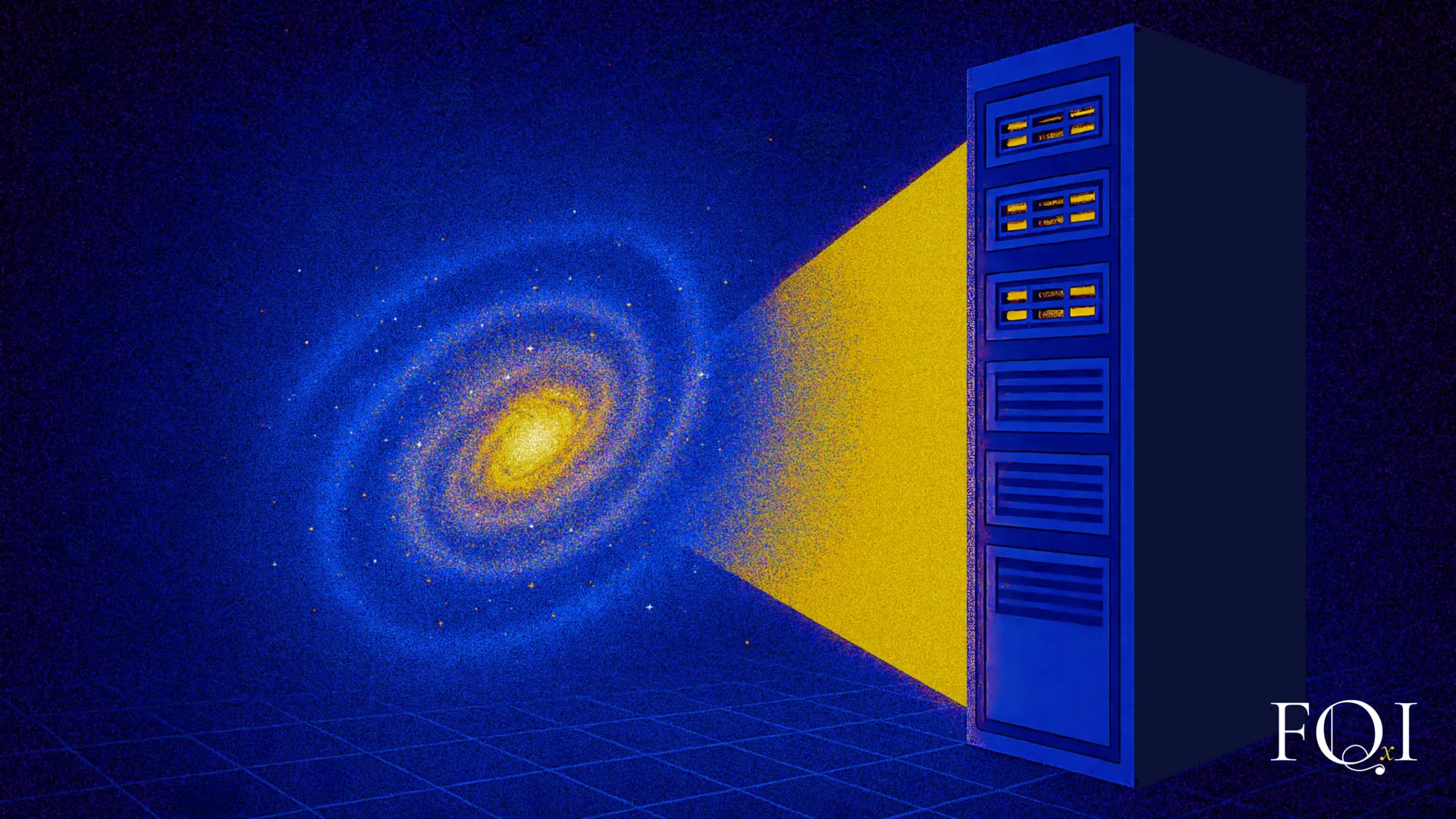
We’re often told it is “unscientific” or “meaningless” to ask what happened before the Big Bang. But a new paper by FQxI cosmologist Eugene Lim, of King’s College London, UK, and astrophysicists Katy Clough, of Queen Mary University of London, UK, and Josu Aurrekoetxea, at Oxford University, UK, published in Living Reviews in Relativity, in June 2025, proposes a way forward: using complex computer simulations to numerically (rather than exactly) solve Einstein’s equations for gravity in extreme situations. The team argues that numerical relativity should be applied increasingly in cosmology to probe some of the universe’s biggest questions-including what happened before the Big Bang, whether we live in a multiverse, if our universe has collided with a neighboring cosmos, or whether our universe cycled through a series of bangs and crunches.
Einstein’s equations of general relativity describe gravity and the motion of cosmic objects. But wind the clock back far enough and you’ll typically encounter a singularity-a state of infinite density and temperature-where the laws of physics collapse. Cosmologists simply cannot solve Einstein’s equations in such extreme environments-their normal simplifying assumptions no longer hold. And the same impasse applies to objects involving singularities or extreme gravity, such as black holes.
One issue might be what cosmologists take for granted. They normally assume that the universe is ‘isotropic’ and ‘homogeneous’-looking the same in every direction to every observer. This is a very good approximation for the universe we see around us, and one that makes it possible to easily solve Einstein’s equations in most cosmic scenarios. But is this a good approximation for the universe during the Big Bang?
“You can search around the lamppost, but you can’t go far beyond the lamppost, where it’s dark-you just can’t solve those equations,” explains Lim. “Numerical relativity allows you to explore regions away from the lamppost.”
Beyond the Lamppost
Numerical relativity was first suggested in the 1960s and 1970s to try to work out what kinds of gravitational waves (ripples in the fabric of spacetime) would be emitted if black holes collided and merged. This is an extreme scenario for which it is impossible to solve Einstein’s equations with paper and pen alone-sophisticated computer code and numerical approximations are required. Its development received renewed focus when the LIGO experiment was proposed in the 80s, although the problem was only solved in this way in 2005, raising hopes that the method could also be successfully applied to other puzzles.
“You can search around the lamppost, but you can’t go far beyond the lamppost, where it’s dark-you just can’t solve those equations. Numerical relativity allows you to explore regions away from the lamppost,” says Eugene Lim.
One longstanding puzzle that Lim is particularly excited about is cosmic inflation, a period of extremely rapid expansion in the early universe. Inflation was initially proposed to explain why the universe looks the way it does today, stretching out an initially small patch, so that the universe looks similar across a vast expanse. “If you don’t have inflation, a lot of things fall apart,” explains Lim. But while inflation helps explain the state of the universe today, nobody has been able to explain how or why the baby universe had this sudden short-lived growth spurt.
The trouble is, to probe this using Einstein’s equations, cosmologists have to assume that the universe was homogeneous and isotropic in the first place-something which inflation was meant to explain. If you instead assume it started out in another state, then “you don’t have the symmetry to write down your equations easily,” explains Lim.
But numerical relativity could help us get around this problem-allowing radically different starting conditions. It isn’t a simple puzzle to solve, though, as there’s an infinite number of ways spacetime could have been before inflation. Lim is therefore hoping to use numerical relativity to test the predictions coming from more fundamental theories that generate inflation, such as string theory.
Cosmic Strings, Colliding Universes
There are other exciting prospects, too. Physicists could use numerical relativity to try to work out what kind of gravitational waves could be generated by hypothetical objects called cosmic strings-long, thin “scars” in spacetime-potentially helping to confirm their existence. They might also be able to predict signatures, or “bruises,” on the sky from our universe colliding with neighboring universes (if they even exist), which could help us verify the multiverse theory.
Excitingly, numerical relativity could also help reveal whether there was a universe before the Big Bang. Perhaps the cosmos is cyclic and goes though “bounces” from old universes into new ones-experiencing repeated rebirths, Big Bangs and big crunches. That’s a very hard problem to solve analytically. “Bouncing universes are an excellent example, because they reach strong gravity where you can’t rely on your symmetries,” says Lim. “Several groups are already working on them-it used to be that nobody was.”
Numerical relativity simulations are so complex that they require supercomputers to run. As the technology of these machines improves, we might expect significant improvement in our understanding of the universe. Lim is hoping the team’s new paper, which outlines the methods and benefits of numerical relativity, can ultimately help get researchers across different areas up to speed.
“We hope to actually develop that overlap between cosmology and numerical relativity so that numerical relativists who are interested in using their techniques to explore cosmological problems can go ahead and do it,” Lim says, adding, “and cosmologists who are interested in solving some of the questions they cannot solve, can use numerical relativity.”

The world will warm more than expected due to future changes in ozone, which protects Earth from harmful sun rays but also traps heat as it is a greenhouse gas.
While banning ozone-destroying gases such as CFCs has helped the ozone layer to recover, when combined with increased air pollution the impact of ozone could warm the planet 40% more than originally thought.
A new study led by the University of Reading found that from 2015 to 2050, ozone is expected to cause 0.27 watts per square meter (Wm⁻²) of extra warming. This figure — which measures how much extra energy gets trapped per square metre of Earth’s surface — would make ozone the second largest contributor to future warming by 2050 after carbon dioxide (1.75 Wm⁻² of extra warming).
Professor Bill Collins, lead author from the University of Reading, said: “Countries are doing the right thing by continuing to ban chemicals called CFCs and HCFCs that damage the ozone layer above Earth. However, while this helps repair the protective ozone layer, we have found that this recovery in ozone will warm the planet more than we originally thought.
“Air pollution from vehicles, factories and power plants also creates ozone near the ground, causing health problems and warming the planet.”
Simulating the atmosphere
The research, published on August 21 in Atmospheric Chemistry and Physics, used computer models to simulate how the atmosphere will change by the middle of the century. The models followed a scenario with low implementation of air pollution controls, but with CFCs and HCFCs being phased out as mandated by the Montreal Protocol (1987).
The findings show that stopping CFC and HCFC production — done mainly to protect the ozone layer — provides less climate benefit than previously calculated. CFCs and HCFCs are greenhouse gases that warm the planet. Countries banned them to save the ozone layer, expecting this would also help fight climate change. But as the ozone layer heals, it creates more warming that cancels out most of the climate benefits from removing CFCs and HCFCs.
Countries that reduce air pollution will limit some ozone formation near the ground. However, the ozone layer will continue repairing itself for decades regardless of air quality policies, creating unavoidable warming.
Protecting the ozone layer remains crucial for human health and preventing skin cancer. The ozone layer shields Earth from dangerous ultraviolet radiation that can harm people, animals and plants. However, the research suggests climate policies need updating to account for ozone’s larger warming effect.
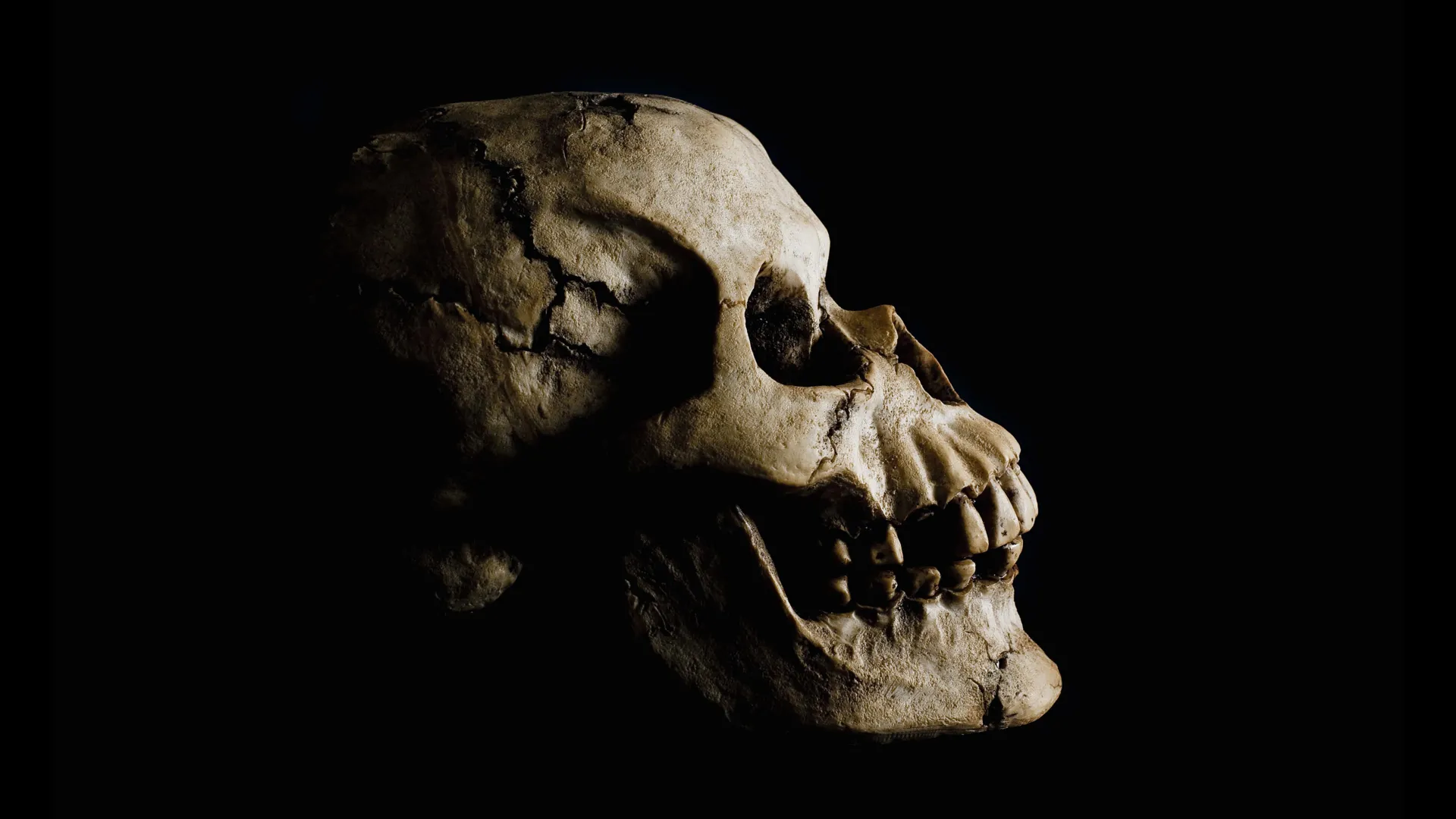
A team of international scientists has discovered new fossils at a field site in Africa that indicate Australopithecus, and the oldest specimens of Homo, coexisted at the same place in Africa at the same time — between 2.6 and 2.8 million years ago. The paleoanthropologists discovered a new species of Australopithecus that has never been found anywhere.
The Ledi-Geraru Research Project is led by scientists at Arizona State University and the site has revealed the oldest member of the genus Homo and the earliest Oldowan stone tools on the planet.
The research team concluded that the Ledi-Geraru Australopithecus teeth are a new species, rather than belonging to Australopithecus afarensis (the famous ‘Lucy’), confirming that there is still no evidence of Lucy’s kind younger than 2.95 million years ago.
“This new research shows that the image many of us have in our minds of an ape to a Neanderthal to a modern human is not correct — evolution doesn’t work like that,” said ASU paleoecologist Kaye Reed. “Here we have two hominin species that are together. And human evolution is not linear, it’s a bushy tree, there are life forms that go extinct.”
Reed is a Research Scientist at the Institute of Human Origins and President’s Professor Emerita at the School of Human Evolution and Social Change at ASU. She has been co-director of the Ledi-Geraru Research Project since 2002.
Ledi-Geraru
What fossils did they find to help them tell this story? Teeth, 13 of them to be exact.
This field site has been famous before. In 2013 a team led by Reed discovered the jaw of the earliest Homo specimen ever found at 2.8 million years old. This new paper details new teeth found at the site that belong to both the genus Homo and a new species of the genus Australopithecus.
“The new finds of Homo teeth from 2.6 – 2.8 million year old sediments — reported in this paper — confirms the antiquity of our lineage,” said Brian Villmoare, lead author and ASU alumnus.
“We know what the teeth and mandible of the earliest Homo look like, but that’s it. This emphasizes the critical importance of finding additional fossils to understand the differences
between Australopithecus and Homo, and potentially how they were able to overlap in the fossil record at the same location.”
The team cannot name the species yet based on the teeth alone; more fossils are needed before that can happen.
How old are the fossils?
How do scientists know these fossil teeth are millions of years old?
Volcanoes.
The Afar region is still an active rifting environment. There were a lot of volcanoes and tectonic activity and when these volcanoes erupted ash, the ash contained crystals called feldspars that allow the scientists to date them, explained Christopher Campisano, a geologist at ASU.
“We can date the eruptions that were happening on the landscape when they’re deposited,” said Campisano, a Research Scientist at the Institute of Human Origins and Associate Professor at the School of Human Evolution and Social Change.
“And we know that these fossils are interbed between those eruptions, so we can date units above and below the fossils. We are dating the volcanic ash of the eruptions that were happening while they were on the landscape.”
Finding fossils and dating the landscape not only helps scientists understand the species – it helps them recreate the environment millions of years ago. The modern faulted badlands of Ledi-Geraru, where the fossils were found are a stark contrast to the landscape these hominins traversed 2.6 – 2.8 million years ago. Back then, rivers migrated across a vegetated landscape into shallow lakes that expanded and contracted over time.
Ramon Arrowsmith, a geologist at ASU, has been working with the Ledi-Geraru Research Project since 2002. He explained the area has an interpretable geologic record with good age control for the geologic time range of 2.3 to 2.95 million years ago.
“It is a critical time period for human evolution as this new paper shows,” said Arrowsmith, professor at the School of Earth and Space Exploration. “The geology gives us the age and characteristics of the sedimentary deposits containing the fossils. It is essential for age control.”
What’s next?
Reed said the team is examining tooth enamel now to find out what they can about what these species were eating. There are still remaining questions the team will continue to work on.
Were the early Homo and this unidentified species of Australopithecus eating the same things? Were they fighting for or sharing resources? Did they pass each other daily? Who were the ancestors of these species?
No one knows – yet.
“Whenever you have an exciting discovery, if you’re a paleontologist, you always know that you need more information,” said Reed. “You need more fossils. That’s why it’s an important field to train people in and for people to go out and find their own sites and find places that we haven’t found fossils yet.”
“More fossils will help us tell the story of what happened to our ancestors a long time ago — but because we’re the survivors we know that it happened to us.”
The paper “New discoveries of Australopithecus and Homo from Ledi-Geraru, Ethiopia,” was published in the journal Nature. The team of scientists and field team working on this project is widespread and many work at Arizona State University, or are alumni of ASU.
ASU alumni and current faculty authors include; Associate Professor Brian Villmoare, Associate Professor Lucas Delezene, Professor Amy Rector, Associate Research Professor Erin DiMaggio, Research Professor David Feary, PhD Candidate Daniel Chupik, Instructor Dominique Garello, Assistant Professor Ellis M. Locke, Lecturer Joshua Robinson, Assistant Professor Irene Smail and the late Professor William Kimbel.
It follows a meeting between the families and Baroness Amos, who will chair the review.
Manufacturers who do not make products healthier within 18 months may face action, the government says.
