Health24.com | Knowing too much about your genes might be risky

There’s such a thing as too much information when it comes to learning about your genes, two new studies suggest.

In one study, participants thought they were learning about their genetic risk for depression, not knowing that the test results they were given had been made up at random.

The study participants who were told they had a higher genetic risk for depression recalled having experienced more symptoms of depression than did those who were told they did not have an increased genetic risk.

Distorted memories

“These results suggest that merely being told they have a genetic propensity toward depression might actually distort people’s memories about how much depression they’ve experienced in the past,” the study’s lead author, Matthew Lebowitz, said in a Yale University news release.

The study’s co-author, Woo-kyoung Ahn, a psychology professor at Yale, added that “this is particularly alarming when we consider that patients’ memories about their own subjective experiences are the primary information used to make a psychiatric diagnosis.”

The findings were published in the Journal of Consulting and Clinical Psychology.

In a second study by the same research team, participants who were told they did not have a genetic risk for obesity rated diet and exercise as less important, and were much more likely to eat unhealthy foods than were participants who were not given this information.

The study, available online, will be published in the journal Appetite.

False sense of invulnerability

“It seems that when people were told they did not have a particular genetic susceptibility to obesity, they assumed that they wouldn’t have to worry about what they ate or how much exercise they got,” Ahn said.

This “genetic invincibility effect” can give people a false sense of invulnerability, according to the researchers.

Lebowitz said, “Providing people with information about their own genes is likely to become an increasingly common practice in many areas of health care, and this will probably have a lot of benefits.”

But, he added, “While the advantages of increased access to genetic information seem to be widely recognised, our findings suggest that there might also be some downsides that the field needs to grapple with.”

Image credit: iStock

Share Button

Health24.com | Your 10-step asthma holiday checklist

Although people with asthma are usually good at keeping their symptoms under control, a different environment or hot, humid weather can trigger and aggravate symptoms.

It’s almost holiday time, and whether you are living it up locally or travelling abroad, here are a few steps you can take for a worry-free holiday.

1. Talk to your doctor about adjusting your medication

If you plan to visit a hotter, more humid (or drier) region than you are used to, chat to your doctor about adjusting your medication to keep your symptoms under control. Especially humidity can worsen your asthma symptoms. 

woman consulting doctor

2. Make sure your prescriptions are up to date

If you are travelling, it’s important to make sure that you have enough medication. You might not be able to update your prescription while you are away, and you don’t want to run out.

prescription medication

3. Be careful of chlorine

Planning to swim? High chlorine levels can trigger asthma symptoms. An incorrect pH level and poor general maintenance of a public pool may worsen your symptoms. If your child has asthma, do not let them swim unsupervised and always keep their inhaler at hand in case of an attack.

children swimming

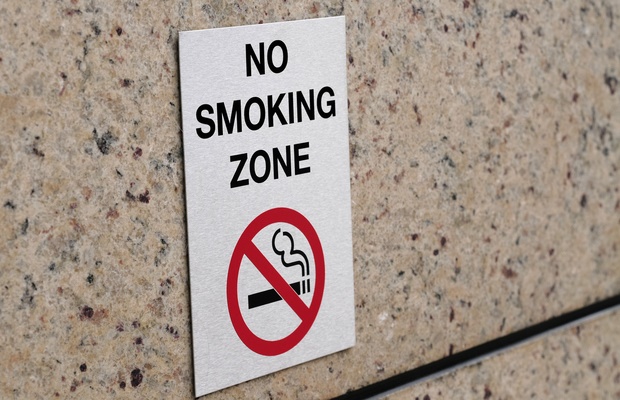
4. Request smoke-free, mould-free accommodation

Check with your host or hotel front desk beforehand to make sure that your accommodation is smoke-free and maintained for mould. These two factors could worsen symptoms and make your stay unpleasant.

no-smoking sign

5. Check your medical aid or scheme

If you are travelling abroad, check whether your medical aid covers you or your children for doctor’s visits or emergencies in case of an asthma attack. If you travel locally, check to see which hospitals or doctors in the area belong to your network to prevent additional costs during an emergency. 

medical scheme forms

6. Think ahead

If you know that you or your children are affected by pollen, use a weather app such as Accuweather to determine the humidity and pollen count in the area beforehand. 

weather app

7. Pack your own bedding

Bring your own pillow cases and sheets in case your asthma is triggered by dust or dust mites. This will help to make you and your children feel more secure.

making bed

8.  Check and double-check

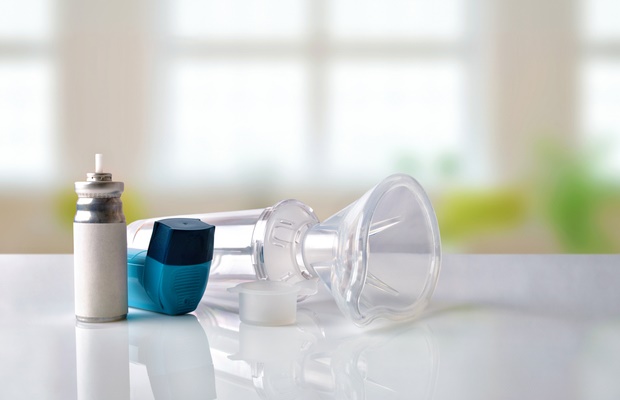
Make a list of essential medication such as inhalers, spacers and nebulisers so that you don’t forget anything when you travel.

asthma equipment

9.  Stay hydrated and healthy

Drink plenty of fluids to stay hydrated during hot weather. Also wash your hands regularly to avoid picking up germs which could lead to infections.drinking water at the beach

10. Have fun

Don’t let asthma hold you or your kids you back. Teach your children that they can absolutely swim and partake in physical activities while suffering from asthma, as long as they are prepared and careful. Know the signs when asthma is about to turn into a medical emergency and keep a watchful eye on your children. But also remember to relax and have fun!

father and child playing

Image credits: iStock

Share Button

Health24.com | The breast express: Landmark service gets milk to preemies in need

Babies are born prematurely every day. In fact, the World Health Organization (WHO) estimates that 15 million babies are born prematurely (before 37 weeks) each year, and the tally continues to rise.

Premature births are also one of the leading causes of death among children under the age of five. Some are attributed birth complications, but others are the result of illnesses, such as pneumonia, malaria and diarrhoea.

Breast milk is the number one source of nutrition and antibodies to help premature babies build and strengthen their immune system, along with helping growth and development of underdeveloped organs and functions of their tiny bodies.

Premature babies spend months in the neonatal wards at hospitals after their mothers are discharged. These babies’ mothers are required to make frequent trips to and from the hospital.

The continuous struggle

An audit within the unit found that most moms come from Hanover Park, Gugulethu and Mitchells Plain. Travelling to and from the hospital is not easy for them because some have to take more than one taxi, bus or train to get to the hospital. Some simply cannot afford the trek.

While the hospital does have limited lodging facilities, this isn’t enough to host all moms with premature babies. Groote Schuur Hospital has 75 beds in the neonatal unit, according to neonatologist, Dr Lloyd Tooke.

This makes it challenging for moms of premature babies to provide milk on a regular basis for their babies.

Got milk?

The Newborns Trust, Scully Scooters, Relate Bracelets and Consol glass have come together to establish a project – the Mom’s Milk on the Move (MoM).

Moms are given jars to hold the milk they send to the hospitals for their baby, or milk they would like to donate to the hospital’s milk bank. Their jars are labelled with a sticker so that all milk can be tracked.

One of two scooter riders then collects the milk from the mom at her home and delivers it to the hospital, where it goes through a pasteurising process and then to the babies.

The breast express? Landmark service gets milk to

Little warriors

Premature babies have been called little fighters because they’re constantly fighting off death, and breast milk is known to be their number one weapon.

CEO of Groote Schuur Hospital and Chairperson for the Newborns Trust, Dr Bhavna Patel, said: “The internal organs aren’t as developed yet for them to be able to digest powdered milk or other forms of milk, so they need their moms’ breast milk to grow and make them healthier.

“These babies stay in the unit for three to four months until they reach a suitable weight before they can go home. The parents cannot come in daily. Some of them live far away, but even those who live close by don’t have the resources to travel and bring their milk in every day.”

The WHO states that one of the illnesses premature babies die from is necrotising enterocolitis – where the gut and intestinal tissues are damaged and begin to die. This is usually because the premature infant is given formula instead of breast milk.

While formula may be fine for babies who have been carried to term, premature infants’ intestines are too immature to process formula correctly, often with fatal results.

“We have about 500 babies who weigh less than 1.5kg a year, and more than 85% of them survive. They are able to go home in good health. They come back for checkups and do really well. I think that as these babies get more breast milk, that 85% figure may increase,” said Tooke.

Looking to the future

Scully Scooters’ two riders will be travelling to various areas in the Cape to collect milk, and even though every precaution will be taken to ensure their safety, project managers and staff realise there is only so much they can do. MoM are working towards growing the initiative and have hopes of it expanding across the country.

“We worry about the safety of the riders on the scooters and the areas, like the red zones they would have to visit, but there is always a vision for growth and improvement. Because we are a state-owned facility, we can only fund certain things, and we are dependent on the goodwill of people to come forward and offer their time, funds and resources,” said Dr Patel.

NEXT ON HEALTH24X

Share Button

Dog owners have lower mortality, study finds

Researchers found a lower risk of cardiovascular disease in owners of dogs, especially hunting breeds.

Share Button

Autism concern over home schooling rise in Wales

Many autistic children are struggling to cope in schools and are being removed, a charity warns.

Share Button

Bryozoans: Fossil fills missing evolutionary link

[unable to retrieve full-text content]

Share Button

Unlocking the secrets of Ebola

[unable to retrieve full-text content]

Share Button

Hot spots of tick-borne diseases in Mongolia

[unable to retrieve full-text content]

Share Button

Boots ‘breaking’ morning-after pill promise, say Labour MPs

MPs urge the pharmacy to complete its roll-out of cheaper contraception across all of its stores.

Share Button

Health24.com | Think you have an allergy? It could be something completely different

Millions of people worldwide are affected by allergies. In simple terms, when we’re allergic to something, our immune system mistakenly believes that the substance is harmful to our body and launches an attack.

Some allergies, like hay fever, can be seasonal, which means that they only occur during certain times of the year.

Allergies are caused by:

  • Things you touch (contact allergy – e.g. latex)
  • Things you inhale (inhaled allergy – e.g. pollen)
  • Things you eat (ingested allergy – e.g. shellfish)

Allergies can be deadly

In many cases an allergy is just a nuisance, causing reactions like runny or congested noses (inhaled), hives (contact) or digestive (ingested) issues.

Allergies should, however, be taken seriously as in extreme cases an allergic reaction can cause anaphylactic shock and even death.

You’ve probably had an unpleasant reaction to something you’ve came into contact with and wondered if you have an allergy. Fortunately true allergies are relatively rare, and according to a study published in The Journal of Allergy and Clinical Immunology less than 4% of the American population have a true allergic reaction to one or more foods.  

Good ways of testing for allergies are the skin test and blood test. The blood test measures the levels of IgE antibodies in your body after eating certain foods, while in the skin test microscopic amounts of common allergens are placed under the first layer of skin, and if you’re allergic to something, you’ll see a mosquito bite-like bump within 15 to 30 minutes.

Allergy, sensitivity or intolerance?

People often think they’re allergic to something when it’s actually only a sensitivity or intolerance. As mentioned above, an allergy involves the immune system, whereas in the case of a food sensitivity or intolerance the reaction is mainly in the digestive system.

1. Ingested allergy

According to Prevention, the following are signs that the reaction you’re suffering after consuming certain foods is not an allergy:

Your symptoms are all in your stomach. Sensitivities and intolerances result mostly in GI complaints like diarrhoea, constipation, gas or bloating. A true food allergy will, however, result in symptoms like hives, swelling, difficulty breathing, wheezing, sneezing and trouble swallowing.

It’s mainly in your head. A headache after eating doesn’t indicate an allergy. Headaches and brain fog indicate a sensitivity. The same applies to behaviour changes like hyperactivity. A true allergic reaction is more likely to make one clingy (especially in children), withdrawn and quieter than usual.

Symptoms come on gradually. If you’re sensitive or intolerant to something you ate, it might take a few hours for you to feel really bad. Allergic reactions, however, happen quickly and peak around 30 minutes after exposure.

You don’t feel the same every time you eat the same food. When you have an intolerance or a sensitivity, you might not experience symptoms every time you eat that food. With food allergies, the reaction happens every time.

You can handle a bit of the food or prepare it a safer way. Sometimes a little bit might be fine. People tend to be able to handle small amounts of foods they’re sensitive to. In the case of an allergy, even a crumb can be enough to cause a reaction.

2. Inhaled allergy

It’s often difficult to tell the difference between respiratory ailments like colds and seasonal allergies like hay fever. Colds are largely caused by viruses, whereas inhaled allergies like hay fever are usually caused by airborne pollens.

The following differences can help you to tell seasonal allergies and colds apart:

Consider the time of year. Colds mainly occur in the winter, while seasonal allergies tend to appear in spring. If symptoms occur at the same time each year, it’s likely to be an allergy rather than a cold. If symptoms appear immediately after exposure to pollens it’s probably an allergy as colds take a few days to develop after exposure to a virus.

Duration of symptoms. A cold will usually last three to 14 days, but allergy symptoms last for as long as the person is exposed to pollen.

Colour of nasal discharge. Colds tend to produce green or yellow mucus, while seasonal allergies usually produce clear nasal secretions.

Fever and muscle aches. Seasonal allergies don’t usually cause fever or body aches, whereas people with a cold often have these symptoms.

3. Contact allergy

There are many skin conditions that can cause itchiness and rashes, but only some of them are allergy-related.

Various dermatologic conditions affecting the skin can cause itchiness and rashes, but only some are caused by an allergy. Insect bites, autoimmune conditions, fungal, bacterial and viral infections for instance can all cause a rash to appear.

The most common allergic skin rashes are:

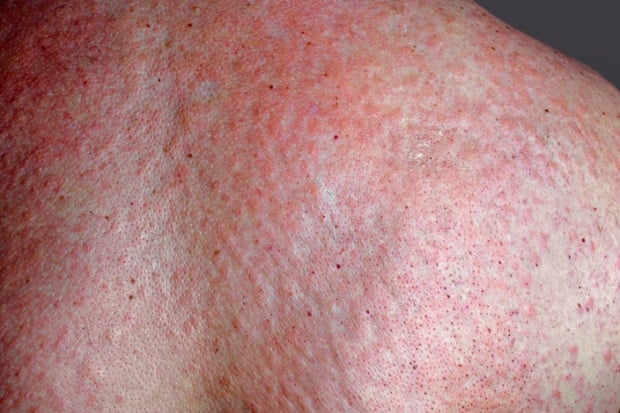
Atopic dermatitis (eczema). Atopic dermatitis or eczema frequently occurs in young children. There is a red rash with small blisters or bumps that might flake and ooze. Atopic dermatitis is linked to food allergies.

Urticaria (hives). Urticaria or hives is an itchy rash that appears as raised red bumps of various shapes and sizes. It typically lasts for only minutes to hours. It can be very itchy. Chronic urticaria can, however, last for weeks.

Contact dermatitis (urticaria). Contact dermatitis is caused by direct skin contact with a substance a person is allergic to, causing a rash-like reaction. Examples are cosmetics, metals, topical medications and plants like poison ivy. Urticaria can be acute (lasting less than six weeks) or chronic (lasting more than six weeks).

Image credit: iStock

Share Button