Four directors got pay rises at a mental health trust dubbed “the undisputed worst” in the country.


Four directors got pay rises at a mental health trust dubbed “the undisputed worst” in the country.
[unable to retrieve full-text content]

[unable to retrieve full-text content]

Jessica Allen became pregnant with her own child while she was carrying another baby as a surrogate.
[unable to retrieve full-text content]

A while ago, we wrote about the most terrifying treatments for mental illness. Turns out, those weren’t the only ones that were just plain ridiculous. Take a look at the following shocking medical treatments.
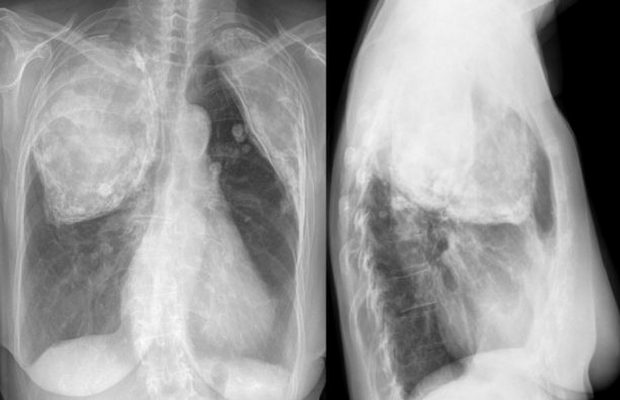
1. Plombage
Plombage was a surgical treatment for tuberculosis before medication was introduced. This involved the insertion of an inert substance to fill up the pleural space (the fluid-filled space) between the lungs. It was believed that if the diseased lung was forced to collapse, it would heal more quickly. Especially ping-pong balls were used to fill the cavities between the lungs.
2. Metal catheters
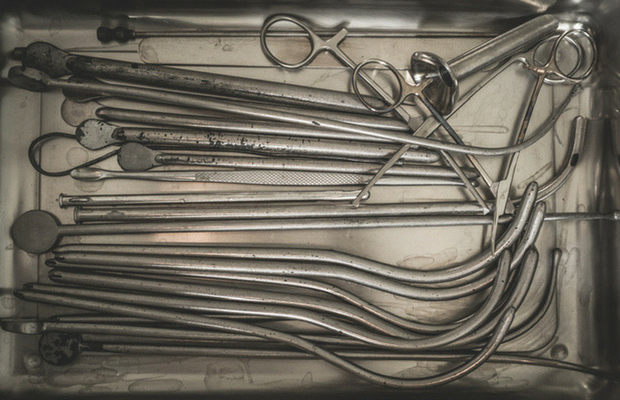
Before antibiotics were discovered, there were not many options to treat infections of the urinary tract or bladder. Catheters made of metal were often used to treat these infections. Besides being made from metal (as plastic hasn’t been discovered yet), these old fashioned catheters were completely straight, not taking the natural curve of the urethra into account. Ouch!
3. Hemiglossectomy
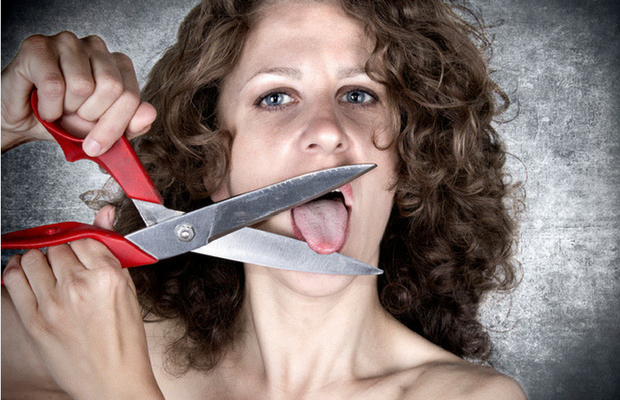
Have a problem with stuttering? Simply remove part of the tongue. In the 6th century B.C., physicians believed that the tongue was the main cause of stuttering. The best solution, they believed, was to cut it out. Of course it was a painful procedure, and patients often bled to death.
4. Kidney stone extraction
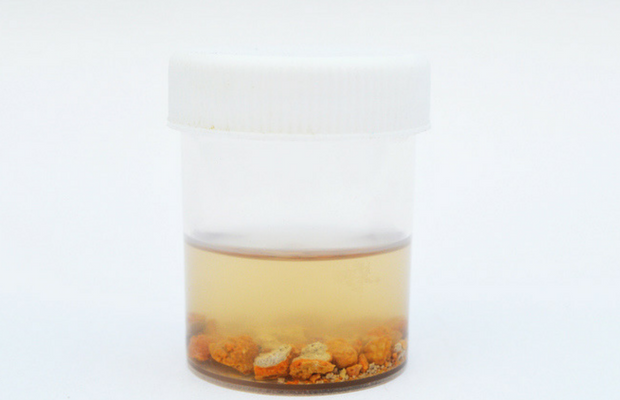
Even with today’s advanced medical technology, the removal of kidney stones is still a difficult procedure. Thank goodness, though, the process has become a lot more sophisticated since the first kidney stone extractions were performed – reportedly in the 8th century BC. Fast forward to the Middle Ages, where lithotomy was used to extract a kidney stone. An incision was made above the bladder, and the stone removed. Keep in mind that this was before anaesthetics, and that surgeries were usually performed by barbers.
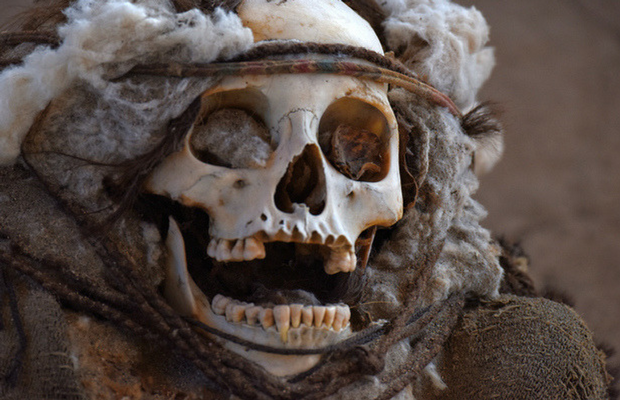
5. Cannibalistic cures
This treatment method was truly bizarre. Mummified corpses were crumbled into tinctures to stop internal bleeding. Unfortunately, this gruesome treatment didn’t stop there, and soon powder made out of crushed skulls was used as a remedy for a number of illnesses. Romans also drank the blood of slain gladiators to gain vitality and strength.
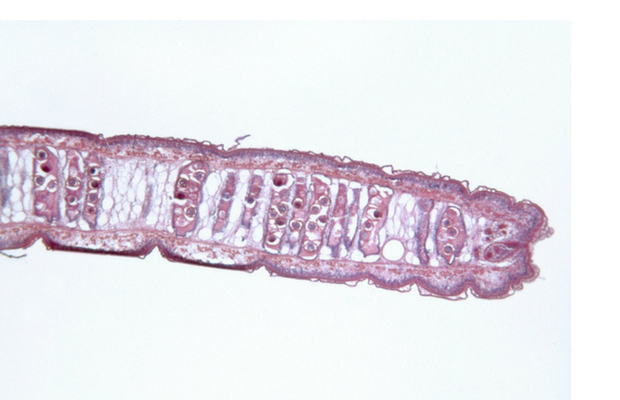
6. Tapeworms
We tend to think that extreme weight loss cures and fads are things of the modern age. Wrong! Tapeworm and tapeworm eggs have been marketed as a weight loss “cure” for over 100 years and were already being advertised in the early 1900s. Reportedly opera legend Maria Callas used this remedy to lose a couple of kilograms, but it could never be confirmed. We would suggest other, healthier ways of losing weight.
7. Maggot therapy
Maggot therapy involved the use of live fly larvae to help cure wounds and infections. According to sources, maggots were used long ago by the Mayan Indians and Australian aborigine tribes. Maggots were also placed on wounds by soldiers to aid healing. This one didn’t quite die out as maggot therapy is still occasionally used today, especially in the case of foot ulcers in diabetic patients.
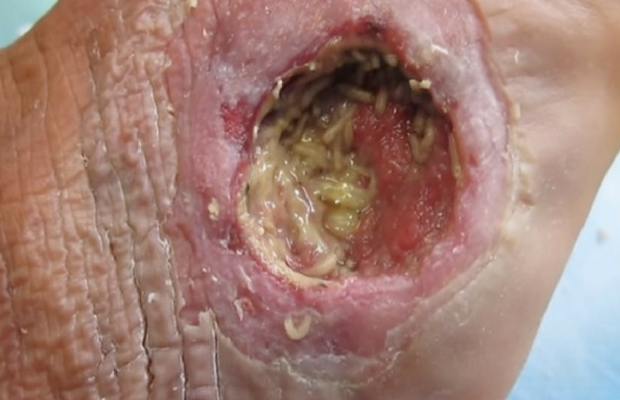
Image credits: iStock and Wikipedia

NEXT ON HEALTH24X

A devoted husband hoisted his paralysed bride into his arms so that she could experience their first dance as a married couple.
Martine Christopher Kilminister (28), from Bradford in West Yorkshire, UK, planned their wedding in just four weeks after having been together for more than 12 years.
“It took just four weeks to plan our dream day and it was a great distraction after my devastating diagnosis,” Martine says. Martine had been diagnosed with Stage 4 cancer and told she has 18 months to live.
On her wedding day, Martine was lifted out of her wheelchair and into the arms of her beau, while the newlywed couple danced to Aerosmith’s I Don’t Want to Miss a Thing.
“I had no idea that Christopher was going to pick me up out of my wheelchair but it was an amazing surprise.”
The mom-of-two started complaining in June of severe back pain, but doctors assumed that it was nothing serious. “I’d been battling with severe back pain for a few months but doctors just thought it was muscular spasms,” Martine says.

“I thought it was a trapped nerve at first, but it was causing me so much pain that I kept going back to the doctors,” she says.
Upon returning home from a short holiday, things took a turn for the worse when Martine started losing feeling in her legs. After having a series of scans and tests done she received the devastating news.
“As soon as I had scans on my spine it was revealed that there was a huge tumour crushing my spinal cord,” she says.
Martine was diagnosed with spinal glioblastoma – a cancerous tumour in the spinal cord, according to The Journal of Spinal Cord Medicine. The tumour has left Martine paralysed and she’s currently undergoing treatment to prolong her life.
Martine is doing her best to ensure that she creates as many memories with her friends and family as possible.
“I have the most amazing sons, husband, friends and family and to me, that’s all that matters.
“I’ll continue to fight my cancer for as long as I can and once we recover from the wedding, I’ll start planning more family events,” she says.
Source: Magazine Features

NEXT ON HEALTH24X

The decision was made after victims and families expressed strong views.
Event details Date: 5 November 2017
Venue (start and finish): Stadium Avenue, FNB Stadium, Nasrec, JHB
Start times: The standard marathon (42.2km): 06h00; the half marathon (21.1km): 06.30; 10km run: 07h00.
Landmarks
The route honours Soweto’s rich history and runners pass eight significant heritage sites on the marathon route namely the Chris Hani Baragwanath Hospital, Walter Sisulu Square, The Regina Mundi Catholic Church, Credo Mutwa Cultural Village, Morris Isaacson High School & June 16 Memorial Acre, Vilakazi Street and The Hector Pieterson Memorial.
The organisers and sponsors of the race, Soweto Marathon Trust and Old Mutual respectively, once again promise runners and all participants a fantastic, fun-filled experience.
* Chris Hani Baragwanath Hospital, the third largest hospital in the world with 3 400 beds and 6 760 staff members.
* Walter Sisulu Square, the birthplace in 1955 of The Freedom Charter, which outlined the vision of a non-racial South Africa based on liberty and civil rights.
* The Regina Mundi Catholic Church, which became famous for its role in the anti-apartheid struggle and where Archbishop Emeritus Desmond Tutu presided over the Truth and Reconciliation Commission hearings.
* Credo Mutwa Cultural Village, a museum-cum-outdoor exhibition of astounding sculptures and buildings created by African artist and traditional healer Credo Mutwa.
* Morris Isaacson High School, where learners played a central role in the Soweto Uprising of 1976.
* June 16 Memorial Acre, the memorial has been designed to form the start of the so-called “June 16 Trail”, which includes other key sites of that most tumultuous time, such as Vilakazi Street and the Hector Pieterson Memorial and Museum.
* Vilakazi Street, the only street in the world to have had two Nobel Prize winners as residents. They were former South African President Nelson Mandela and Tutu.
* The Hector Pieterson Memorial, named in honour of the 13-year-old who was one of the first fatal victims of police action during the Soweto Uprising.
Read more: 5 ways to stay hydrated during a long run
Waterpoints for the marathon
Waterpoints will be stations approximately every 3km namely:
Point 1 – Ben Naude Street, Point 2 – Chris Hani Road, Point 3 – Modjaji Street, Point 4 – Klipspruit Valley Road, Point 5 – Klipspruit Valley Road, Point 6 – Koma Street, Point 7 – Bolani Street (by Soweto Theatre), Point 8 – Mzilikatse Street (Mofolo Park), Point 9 – Vilakazi Street, Point 10 – Orlando Stadium, Point 11- New Canada Road, Point 12 – News Canada Road, Point 13 – New Canada Road, Point 14 – Main Reed Road, Point 15 – Colorado Street, Point 16 – Nasrec Road, and Point 17 – Finish at FNB Stadium.
Read more: 6 common race-day fuelling mistakes
What to bring on race day
1. Race numbers
Race numbers must be worn throughout the race on the front of your upper garment/vest and the 2017 provincial license number must be worn on the front and back of your upper body garment or issued temporary licence number must be worn on the back of your upper body garment.
Registered athlete(s) must be a member of a club affiliated with ASA and must wear their club colours along with their 2017 license number, which are to be worn on the back and front together with the issued race number.
The official race number must not cover the ASA sponsor on the provincial licence.
2. Timing device
Please remember to wear your ChampionChip timing device on Race Day, which must be attached to your running shoe. Timing mats will be placed at various points on route. Timing is mat to mat.
Expo
The Old Mutual Soweto Marathon expo is set to take place at the FNB Stadium basement on 2 and 3 November from 10:00 to19:00, and 4 November from 08:30 to 16:00.
Various exhibitors will be at the expo, so runners will collect their race packs, complimentary race T-shirts and are invited to visit all the stores on offer.
Read more: 7 tips for fuelling your first marathon
Maps of the routes
10km

21.1km

Marathon (42.2km)

This article was originally published on www.runnersworld.co.za
Image credits: iStock and supplied

NEXT ON HEALTH24X

An 82-year-old woman fell ill after diet information, claim her family.
