Ultra-hot Jupiter in death spiral may reveal how rocky worlds are born

Macquarie University astronomers have tracked an extreme planet’s orbital decay, confirming it is spiralling towards its star in a cosmic death dance that could end in three possible ways.

The ultra-hot Jupiter exoplanet TOI-2109b, located 870 light-years from Earth, completes an orbit around its star in just 16 hours – making it the closest hot Jupiter ever discovered.

With a mass nearly five times that of Jupiter and almost twice Jupiter’s size, TOI-2109b orbits even closer to its star than Mercury does to our Sun.

“Just to put it into context – Mercury’s mass is almost 6,000 times smaller than Jupiter, but it still takes 88 days to orbit our Sun. For a huge gas giant such as TOI-2109b to fully orbit in 16 hours – it tells us that this is a planet located super-close to its star,” says Dr Jaime A. Alvarado-Montes, a Macquarie Research Fellow who led the international study published on July 15 in The Astrophysical Journal.

By analysing transit timing data from multiple ground-based telescopes, NASA’s TESS mission and the European Space Agency’s CHEOPS satellite spanning 2010 to 2024, the team detected subtle changes in the planet’s orbit.

Both theoretical models and observations independently calculated that the planet’s orbital period would decrease by at least 10 seconds over the next three years – confirming the planet may be spiralling towards its star.

The researchers identified three possible fates for TOI-2109b: it could be torn apart by tidal forces, plunge directly into its star, or have its gaseous envelope stripped away by intense radiation, leaving only a rocky core.

“This planet and its interesting situation could help us figure out some mysterious astronomical phenomena that so far we really don’t have much evidence to explain,” Dr Alvarado-Montes says. “It could tell us the story of many other solar systems.”

The findings suggest some rocky planets in other solar systems might be the stripped cores of former gas giants – a possibility that could reshape our understanding of planetary evolution.

With continued monitoring over the next three to five years, astronomers will detect the predicted orbital changes, providing real-time observation of a planetary system in its death throes.

Share Button

Underground life on Mars? Cosmic rays could make it possible

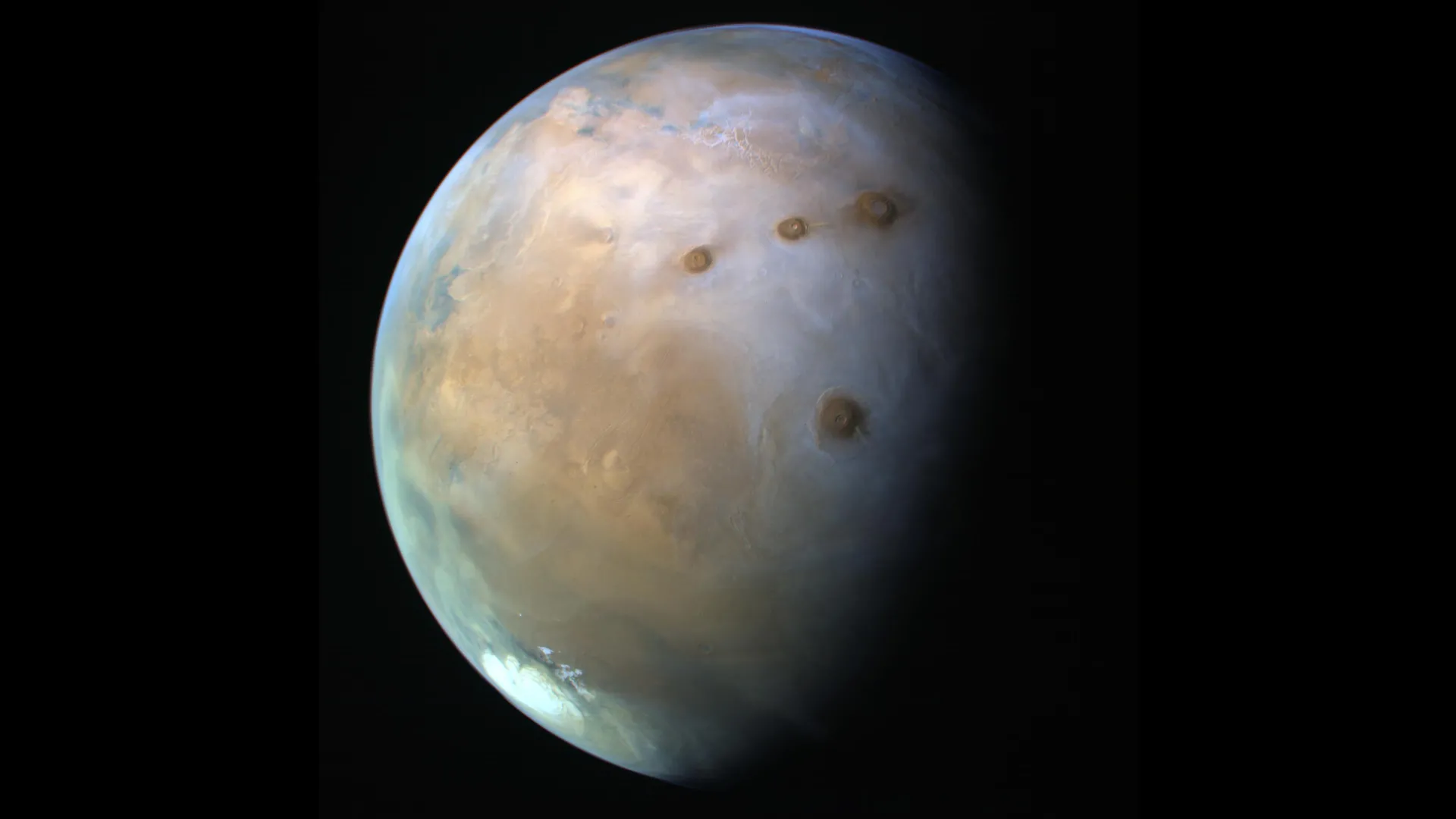
A new study from NYU Abu Dhabi has found that high-energy particles from space, known as cosmic rays, could create the energy needed to support life underground on planets and moons in our solar system.

The research shows that cosmic rays may not only be harmless in certain environments but could actually help microscopic life survive. These findings challenge the traditional view that life can only exist near sunlight or volcanic heat. Published in the International Journal of Astrobiology, the study is led by the Principal Investigator of the Space Exploration Laboratory at NYUAD’s Center for Astrophysics and Space Science (CASS), Dimitra Atri.

The team focused on what happens when cosmic rays hit water or ice underground. The impact breaks water molecules apart and releases tiny particles called electrons. Some bacteria on Earth can use these electrons for energy, similar to how plants use sunlight. This process is called radiolysis, and it can power life even in dark, cold environments with no sunlight.

Using computer simulations, the researchers studied how much energy this process could produce on Mars and on the icy moons of Jupiter and Saturn. These moons, which are covered in thick layers of ice, are believed to have water hidden below their surfaces. The study found that Saturn’s icy moon Enceladus had the most potential to support life in this way, followed by Mars, and then Jupiter’s moon Europa.

“This discovery changes the way we think about where life might exist,” said Atri. “Instead of looking only for warm planets with sunlight, we can now consider places that are cold and dark, as long as they have some water beneath the surface and are exposed to cosmic rays. Life might be able to survive in more places than we ever imagined.”

The study introduces a new idea called the Radiolytic Habitable Zone. Unlike the traditional “Goldilocks Zone” — the area around a star where a planet could have liquid water on its surface — this new zone focuses on places where water exists underground and can be energized by cosmic radiation. Since cosmic rays are found throughout space, this could mean there are many more places in the universe where life could exist.

The findings provide new guidance for future space missions. Instead of only looking for signs of life on the surface, scientists might also explore underground environments on Mars and the icy moons, using tools that can detect chemical energy created by cosmic radiation.

This research opens up exciting new possibilities in the search for life beyond Earth and suggests that even the darkest, coldest places in the solar system could have the right conditions for life to survive.

Share Button

Artists help pupils and centre users create murals

The murals are created at a special education school and wellbeing and cancer support centre.

Share Button

The hidden climate battle between forests and the ocean

Terrestrial plants drove an increase in global photosynthesis between 2003 and 2021, a trend partially offset by a weak decline in photosynthesis — the process of using sunlight to make food — among marine algae, according to a new study published in Nature Climate Change on August 1. The findings could inform planetary health assessments, enhance ecosystem management, and guide climate change projections and mitigation strategies.

Photosynthetic organisms — also known as primary producers — form the base of the food chain, making most life on Earth possible. Using energy from the sun, primary producers fix, or convert, carbon from the air into organic, or carbon-based, matter. But primary producers also release carbon through a process called autotrophic respiration, which is somewhat akin to breathing. The rate of carbon gain after accounting for loss through respiration is called net primary production.

“Net primary production measures the amount of energy photosynthetic organisms capture and make available to support nearly all other life in an ecosystem,” said first author Yulong Zhang, a research scientist in the lab of Wenhong Li at Duke University’s Nicholas School of the Environment. “As the foundation of food webs, net primary production determines ecosystem health, provides food and fibers for humans, mitigates anthropogenic carbon emissions and helps to stabilize Earth’s climate.”

Previous research on net primary production has typically focused on either land or ocean ecosystems, leaving gaps in our understanding of net primary production across Earth and the potential implications for climate mitigation.

For this study, the team explored annual trends and variability in global net primary production, with a focus on the interplay between land and ocean ecosystems.

“If you’re looking at planetary health, you want to look at both terrestrial and marine domains for an integrated view of net primary production. The pioneering studies that first combined terrestrial and marine primary production have not been substantially updated in over two decades,” said co-author Nicolas Cassar, Lee Hill Snowdon Bass Chair at the Nicholas School who jointly oversaw the research with Zhang.

Satellite Insights

Observations from satellites offer continuous perspective on photosynthesis by plants and marine algae called phytoplankton. Specifically, specialized satellite instruments measure surface greenness, which represents the abundance of a green pigment called chlorophyll produced by photosynthetic life. Computer models then estimate net primary production by combining greenness data with other environmental data, such as temperature, light and nutrient variability.

The authors of the new study used six different satellite-based datasets on net primary production — three for land and three for oceans — for the years from 2003 to 2021. Using statistical methods, they analyzed annual changes in net primary production for land and, separately, for the ocean.

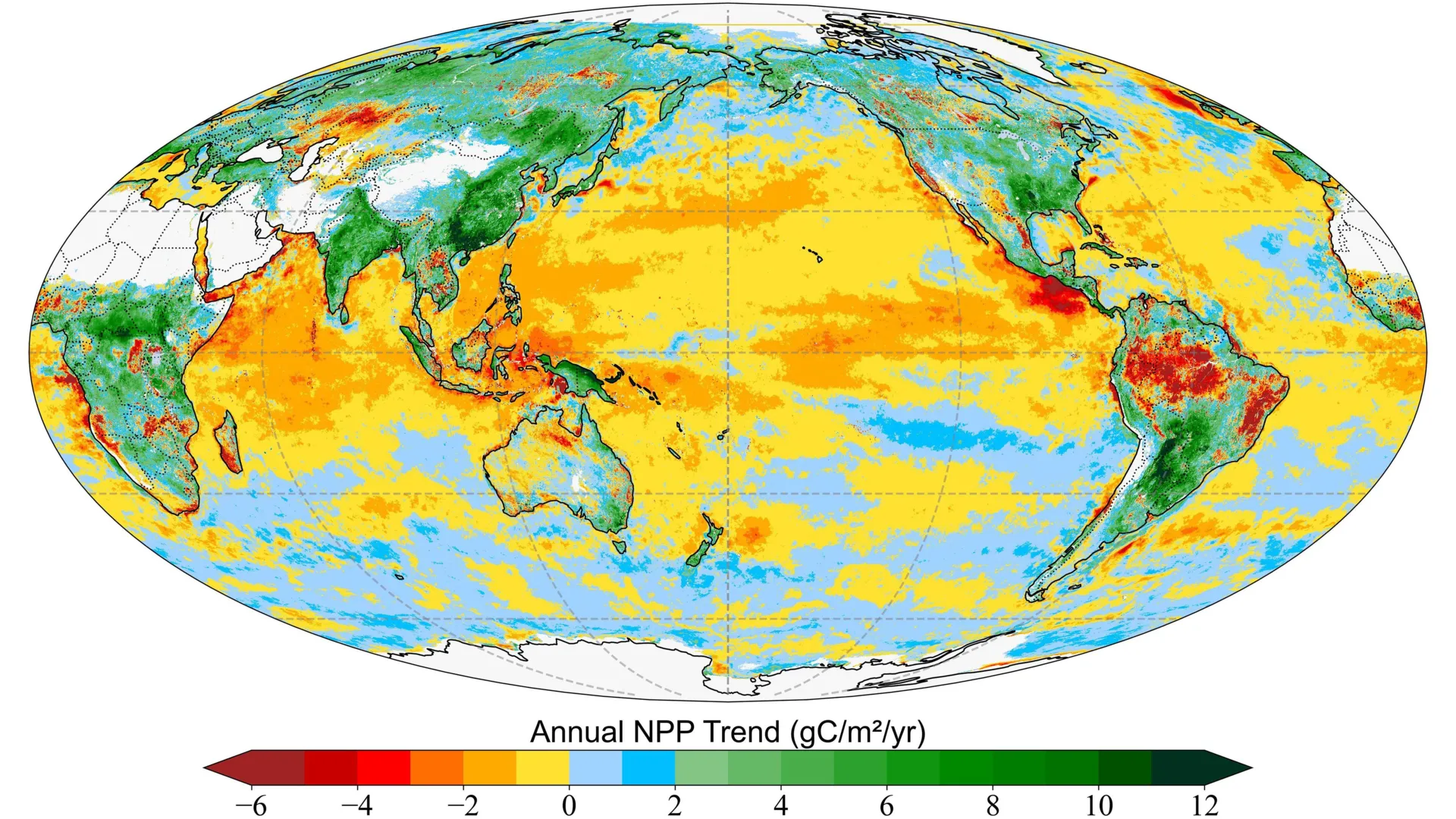
They found a significant increase in terrestrial net primary production, at a rate of 0.2 billion metric tons of carbon per year between 2003 and 2021. The trend was widespread from temperate to boreal, or high-latitude, areas, with a notable exception in the tropics of South America.

By contrast, the team identified an overall decline in marine net primary production, of about 0.1 billion metric tons of carbon per year for the same time period. Strong declines mainly occurred in tropical and subtropical oceans, particularly in the Pacific Ocean.

All told, trends on land dominated those of oceans: Global net primary production increased significantly between 2003 and 2021, at a rate of 0.1 billion metric tons of carbon per year.

Environmental Drivers

To understand the potential environmental factors at play, the team analyzed variables such as light availability, air and sea-surface temperature, precipitation and mixed layer depth — a measure that reflects the extent of mixing in the ocean’s top layer by wind, waves and surface currents.

“The shift toward greater primary production on land mainly stemmed from plants in higher latitudes, where warming has extended growing seasons and created more favorable temperatures, and in temperate regions that experienced local wetting in some areas, forest expansion and cropland intensification,” said Wenhong Li, a professor of earth and climate sciences at the Nicholas School and a co-author on the study.

Warming temperatures appeared to have an opposite effect in some ocean areas.

“Rising sea surface temperatures likely reduced primary production by phytoplankton in tropical and subtropical regions,” Cassar added. “Warmer waters can layer atop cooler waters and interfere with the mixing of nutrients essential to algal survival.”

Although land drove the overall increase in global primary production, the ocean primarily influenced year-to-year variability, especially during strong climate events such as El Niño and La Niña, the authors found.

“We observed that ocean primary production responds much more strongly to El Niño and La Niña than land primary production,” said co-author Shineng Hu, an assistant professor of climate dynamics at the Nicholas School. “A series of La Niña events was partly responsible for a trend reversal in ocean primary production that we identified after 2015. This finding highlights the ocean’s greater sensitivity to future climate variability.”

Broad Implications

The study points to the important role of terrestrial ecosystems in offsetting declines in net primary production among marine phytoplankton, according to the authors.

But they added that declines in net primary production in tropical and subtropical oceans, coupled with stagnation on land in the tropics, can weaken the foundation of tropical food webs, with cascading effects on biodiversity, fisheries and local economies. Over time, these disruptions could also compromise the ability of tropical regions to function as effective carbon sinks, potentially intensifying the impacts of climate warming.

“Whether the decline in ocean primary production will continue — and how long and to what extent increases on land can make up for those losses — remains a key unanswered question with major implications for gauging the health of all living things, and for guiding climate change mitigation,” Zhang said. “Long-term, coordinated monitoring of both land and ocean ecosystems as integrated components of Earth is essential.”

Funding: Y.Z., W.L., and G.S. were partially supported by the Duke University-USDA Forest Service collaboration (23-JV-11330180-119). N.C. was supported by the National Science Foundation (OCE-2123198). J.M. was supported by the Oak Ridge National Laboratory. J.X. is supported by the National Science Foundation (Macrosystem Biology) and NEON-Enabled Science Program (DEB-2017870).

Share Button

700,000 years ahead of their teeth: The carbs that made us human

As early humans spread from lush African forests into grasslands, their need for ready sources of energy led them to develop a taste for grassy plants, especially grains and the starchy plant tissue hidden underground.

But a new Dartmouth-led study shows that hominins began feasting on these carbohydrate-rich foods before they had the ideal teeth to do so. The study provides the first evidence from the human fossil record of behavioral drive, wherein behaviors beneficial for survival emerge before the physical adaptations that make it easier, the researchers report in Science.

The study authors analyzed fossilized hominin teeth for carbon and oxygen isotopes left behind from eating plants known as graminoids, which includes grasses and sedges. They found that ancient humans gravitated toward consuming these plants far earlier than their teeth evolved to chew them efficiently. It was not until 700,000 years later that evolution finally caught up in the form of longer molars like those that let modern humans easily chew tough plant fibers.

The findings suggest that the success of early humans stemmed from their ability to adapt to new environments despite their physical limitations, says Luke Fannin, a postdoctoral researcher at Dartmouth and lead author of the study.

“We can definitively say that hominins were quite flexible when it came to behavior and this was their advantage,” Fannin says. “As anthropologists, we talk about behavioral and morphological change as evolving in lockstep. But we found that behavior could be a force of evolution in its own right, with major repercussions for the morphological and dietary trajectory of hominins.”

Nathaniel Dominy, the Charles Hansen Professor of Anthropology at Dartmouth and senior author of the study, says isotope analysis overcomes the enduring challenge of identifying the factors that caused the emergence of new behaviors — behavior doesn’t fossilize.

“Anthropologists often assume behaviors on the basis of morphological traits, but these traits can take a long time — a half-million years or more–to appear in the fossil record,” Dominy says.

“But these chemical signatures are an unmistakable remnant of grass-eating that is independent of morphology,” he says. “They show a significant lag between this novel feeding behavior and the need for longer molar teeth to meet the physical challenge of chewing and digesting tough plant tissues.”

The team analyzed the teeth of various hominin species, beginning with the distant human relative Australopithecus afarensis, to track how the consumption of different parts of graminoids progressed over millennia. For comparison, they also analyzed the fossilized teeth of two extinct primate species that lived around the same time — giant terrestrial baboon-like monkeys called theropiths and small leaf-eating monkeys called colobines.

All three species veered away from fruits, flowers, and insects toward grasses and sedges between 3.4 million to 4.8 million years ago, the researchers report. This was despite lacking the teeth and digestive systems optimal for eating these tougher plants.

Hominins and the two primates exhibited similar plant diets until 2.3 million years ago when carbon and oxygen isotopes in hominin teeth changed abruptly, the study found. This plummet in both isotope ratios suggests that the human ancestor at the time, Homo rudolfensis, cut back on grasses and consumed more oxygen-depleted water.

The researchers lay out three possible explanations for this spike, including that these hominins drank far more water than other primates and savanna animals, or that they suddenly adopted a hippopotamus-like lifestyle of being submerged in water all day and eating at night.

The explanation most consistent with what’s known about early-human behavior, they report, is that later hominins gained regular access to underground plant organs known as tubers, bulbs, and corms. Oxygen-depleted water also is found in these bulging appendages that many graminoids use for storing large amounts of carbohydrates safely away from plant-eating animals.

The transition from grasses to these high-energy plant tissues would make sense for a species growing in population and physical size, Fannin says. These underground caches were plentiful, less risky than hunting, and provided more nutrients for early humans’ expanding brains. Having already adopted stone tools, ancient humans could dig up tubers, bulbs, and corms while facing little competition from other animals.

“We propose that this shift to underground foods was a signal moment in our evolution,” Fannin says. “It created a glut of carbs that were perennial — our ancestors could access them at any time of year to feed themselves and other people.”

Measurements of hominin teeth showed that while they became consistently smaller — shrinking about 5% every 1,000 years — molars grew longer, the researchers report. Hominins’ dietary shift toward graminoids outpaced that physical change for most of their history.

But the study found that the ratio flipped about 2 million years ago with Homo habilis and Homo ergaster, whose teeth exhibited a spurt of change in shape and size more suited to eating cooked tissues, such as roasted tubers.

Graminoids are ubiquitous across many ecosystems. Wherever they were, hominins would have been able to maximize the nutrients derived from these plants as their teeth became more efficient at breaking them down, Dominy says.

“One of the burning questions in anthropology is what did hominins do differently that other primates didn’t do? This work shows that the ability to exploit grass tissues may be our secret sauce,” Dominy says.

“Even now, our global economy turns on a few species of grass–rice, wheat, corn, and barley,” he says. “Our ancestors did something completely unexpected that changed the game for the history of species on Earth.”

Share Button

Hidden gene in leukemia virus could revolutionize HIV treatment

A research team from Kumamoto University has made a groundbreaking discovery that reveals how the human T-cell leukemia virus type 1 (HTLV-1) silently persists in the body, potentially laying the foundation for new therapeutic approaches. Their findings, published on May 13, 2025, in Nature Microbiology, identify a previously unknown genetic “silencer” element that keeps the virus in a dormant, undetectable state.

HTLV-1 is a cancer-causing retrovirus known to lead to adult T-cell leukemia/lymphoma (ATL), an aggressive and often fatal disease. Although most infected individuals remain asymptomatic for life, a fraction eventually develops leukemia or other inflammatory conditions. The virus achieves long-term persistence by entering a “latent” state, during which its genetic material hides inside the host’s genome with minimal activity — evading immune detection.

In this study, the research team, led by Professor Yorifumi Satou from the Joint Research Center for Human Retrovirus, Kumamoto University, identified a specific region within the HTLV-1 genome that functions as a viral silencer. This sequence recruits host transcription factors, particularly the RUNX1 complex, which suppresses the virus’s gene expression. When this silencer region was removed or mutated, the virus became more active, leading to greater immune recognition and clearance in lab models.

Remarkably, when the HTLV-1 silencer was artificially inserted into HIV-1 — the virus that causes AIDS — the HIV virus adopted a more latent-like state, with reduced replication and cell killing. This suggests that the silencer mechanism could potentially be harnessed to design better therapies for HIV as well.

“This is the first time we’ve uncovered a built-in mechanism that allows a human leukemia virus to regulate its own invisibility,” said Professor Satou. “It’s a clever evolutionary tactic, and now that we understand it, we might be able to turn the tables in treatment.”

The findings offer hope not only for understanding and treating HTLV-1, especially in endemic regions like southwestern Japan, but also for broader retroviral infections.

Share Button

Rutgers physicists just discovered a strange new state of matter

Scientists have discovered a new way that matter can exist – one that is different from the usual states of solid, liquid, gas or plasma – at the interface of two exotic, materials made into a sandwich.

The new quantum state, called quantum liquid crystal, appears to follow its own rules and offers characteristics that could pave the way for advanced technological applications, the scientists said.

Reporting in the journal Science Advances, a Rutgers-led team of researchers described an experiment that focused on the interaction between a conducting material called the Weyl semimetal and an insulating magnetic material known as spin ice when both are subjected to an extremely high magnetic field. Both materials individually are known for their unique and complex properties.

“Although each material has been extensively studied, their interaction at this boundary has remained entirely unexplored,” said Tsung-Chi Wu, who earned his doctoral degree in June from the Rutgers graduate program in physics and astronomy and is the first author of the study. “We observed new quantum phases that emerge only when these two materials interact. This creates a new quantum topological state of matter at high magnetic fields, which was previously unknown.”

The team discovered that at the interface of these two materials, the electronic properties of the Weyl semimetal are influenced by the magnetic properties of the spin ice. This interaction leads to a very rare phenomenon called “electronic anisotropy” where the material conducts electricity differently in different directions. Within a circle of 360 degrees, the conductivity is lowest at six specific directions, they found. Surprisingly, when the magnetic field is increased, the electrons suddenly start flowing in two opposite directions.

This discovery is consistent with a characteristic seen in the quantum phenomenon known as rotational symmetry breaking and indicates the occurrence of a new quantum phase at high magnetic fields.

The findings are significant because they reveal new ways in which the properties of materials can be controlled and manipulated, Wu said. By understanding how electrons move in these special materials, scientists could potentially design new generations of ultra-sensitive quantum sensors of magnetic fields that work best in extreme conditions – such as in space or inside powerful machines.

Weyl semimetals are materials that allow electricity to flow in unusual ways with very high speed and zero energy loss because of special relativistic quasi-particles called Weyl fermions. Spin ice, on the other hand, are magnetic materials where the magnetic moments (tiny magnetic fields within the material) are arranged in a way that resembles the positions of hydrogen atoms in ice. When these two materials are combined, they create a heterostructure, composed of atomic layers of dissimilar materials.

Scientists have found that new states of matter appear under extreme conditions, including very low temperatures, high pressures or high magnetic fields, and behave in strange and fascinating ways. Experiments such as the Rutgers-led one may lead to new, fundamental understanding of matter beyond the naturally occurring four states of matter, according to Wu.

“This is just the beginning,” Wu said. “There are multiple possibilities for exploring new quantum materials and their interactions when combined into a heterostructure. We hope our work will also inspire the physics community to explore these exciting new frontiers.”

The research was conducted using a combination of experimental techniques, led by the principal investigator for the project, Jak Chakhalian, the Claud Lovelace Endowed Professor of Experimental Physics in the Department of Physics and Astronomy and a co-author of the study. The work was theoretically supported by Jedediah Pixley, an associate professor in the Department of Physics and Astronomy, also a co-author of the study.

“The experiment-theory collaboration is what really makes the work possible,” Wu said. “It took us more than two years to understand the experimental results. The credit goes to the state-of-the-art theoretical modeling and calculations done by the Pixley group, particularly Jed Pixley and Yueqing Chang, a postdoctoral researcher. We are continuing our collaboration to push the frontier of the field as a Rutgers team.”

Most of the experiments were conducted at the National High Magnetic Field Laboratory (MagLab) in Tallahassee, Fla., which provided the unique conditions to study these materials at ultra-low temperatures and high magnetic fields.

“We had to initiate the collaboration and travel to the MagLab multiple times to perform these experiments, each time refining ideas and methods,” Wu said. “The ultra-low temperatures and high magnetic fields were crucial for observing these new phenomena.”

The research builds on previous Rutgers-led research published earlier this year by Chakhalian, Mikhail Kareev, Wu and other physicists. The report described how four years of continuous experimentation led to a novel method to design and build a unique, tiny, atoms-thick structure composed of a Weyl semimetal and spin ice. The quantum heterostructure was so difficult to create, the scientists developed a machine to make it: the Q-DiP, short for quantum phenomena discovery platform.

“In that paper, we described how we made the heterostructure,” said Chakhalian. “The new Science Advances paper is about what it can do.”

In addition to Chakhalian, Wu, Chang and Pixley, Rutgers researchers on the study included Ang-Kun Wu, Michael Terilli, Fangdi Wen and Mikhail Kareev.

Share Button

After 50 years, scientists finally catch elusive neutrinos near a reactor

Neutrinos are extremely elusive elementary particles. Day and night, 60 billion of them stream from the Sun through every square centimeter of the Earth every second, which is transparent to them. After the first theoretical prediction of their existence, decades passed before they were actually detected. These experiments are usually extremely large to account for the very weak interaction of neutrinos with matter. Scientists at the Max Planck Institute for Nuclear Physics (MPIK) in Heidelberg have now succeeded in detecting antineutrinos from the reactor of a nuclear power plant using the CONUS+ experiment, with a detector mass of just 3 kg.

Originally based at the Brokdorf nuclear power plant, the CONUS experiment was relocated to the Leibstadt nuclear power plant (KKL) in Switzerland in the summer of 2023. Improvements to the 1 kg germanium semiconductor detectors, as well as the excellent measurement conditions at KKL, made it possible for the first time to measure what is known as Coherent Elastic Neutrino-Nucleus Scattering (CEvNS). In this process, neutrinos do not scatter off the individual components of the atomic nuclei in the detector, but rather coherently with the entire nucleus. This significantly increases the probability of a very small but observable nuclear recoil. This recoil caused by neutrino scattering is comparable to a ping-pong ball bouncing off a car, with the detection being the changing motion of the car. In the case of CONUS+, the scattering partners are the atomic nuclei of the germanium. Observing this effect requires low-energy neutrinos, such as those produced in large numbers in nuclear reactors.

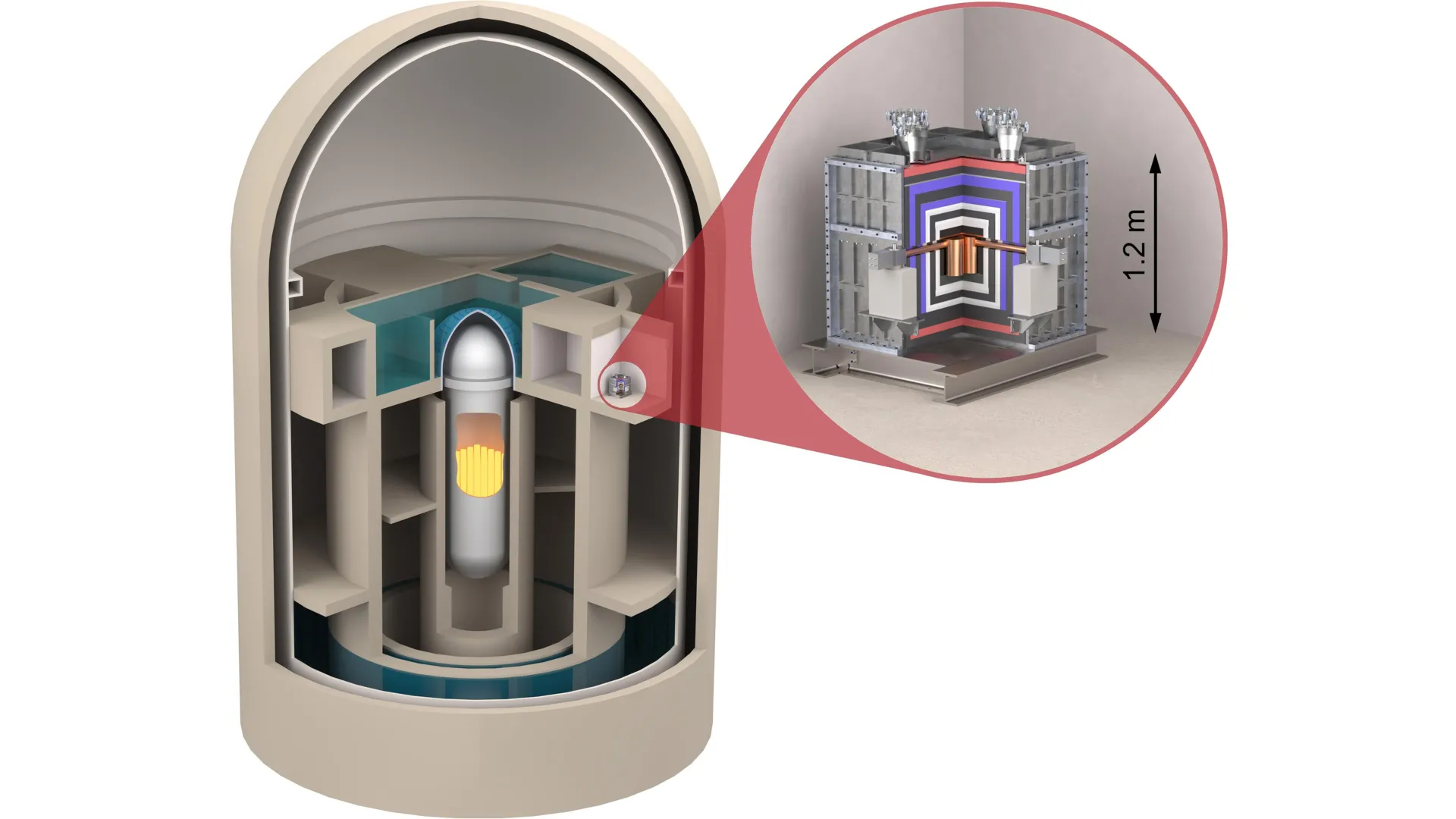
The effect was predicted as early as 1974, but was first confirmed in 2017 by the COHERENT experiment at a particle accelerator. The CONUS+ experiment has now successfully observed the effect at full coherence and lower energies in a reactor for the first time, as described in a recent Nature research article. The compact CONUS+ setup is located 20.7 m from the reactor core (see image above). At this position, more than 10 trillion neutrinos flow through every square centimeter of surface every second. After approximately 119 days of measurement between autumn 2023 and summer 2024, the researchers were able to extract an excess of 395±106 neutrino signals from the CONUS+ data, after subtracting all background and interfering signals. This value is in very good agreement with theoretical calculations, within the measurement uncertainty. “We have thus successfully confirmed the sensitivity of the CONUS+ experiment and its ability to detect antineutrino scattering from atomic nuclei,” explains Dr. Christian Buck, one of the authors of the study. He also emphasizes the potential development of small, mobile neutrino detectors to monitor reactor heat output or isotope concentration as possible future applications of the CEvNS technique presented here.

The CEvNS measurement provides unique insights into fundamental physical processes within the Standard Model of particle physics, the current theory describing the structure of our universe. Compared to other experiments, the measurements with CONUS+ allow for a reduced dependence on nuclear physics aspects, thereby improving the sensitivity to new physics beyond the Standard Model. For this reason, CONUS+ was already equipped with improved and larger detectors in autumn 2024. With the resulting measurement accuracy, even better results are expected. “The techniques and methods used in CONUS+ have excellent potential for fundamental new discoveries,” emphasizes Prof. Lindner, initiator of the project and also an author of the study. “The groundbreaking CONUS+ results could therefore mark the starting point for a new field in neutrino research.”

Share Button

Older driver rules ‘could have saved mum’s life’

Claire Eady is calling for new regulations after losing her elderly mother in a crash.

Share Button

Black holes don’t just swallow light, they sing. And we just learned the tune

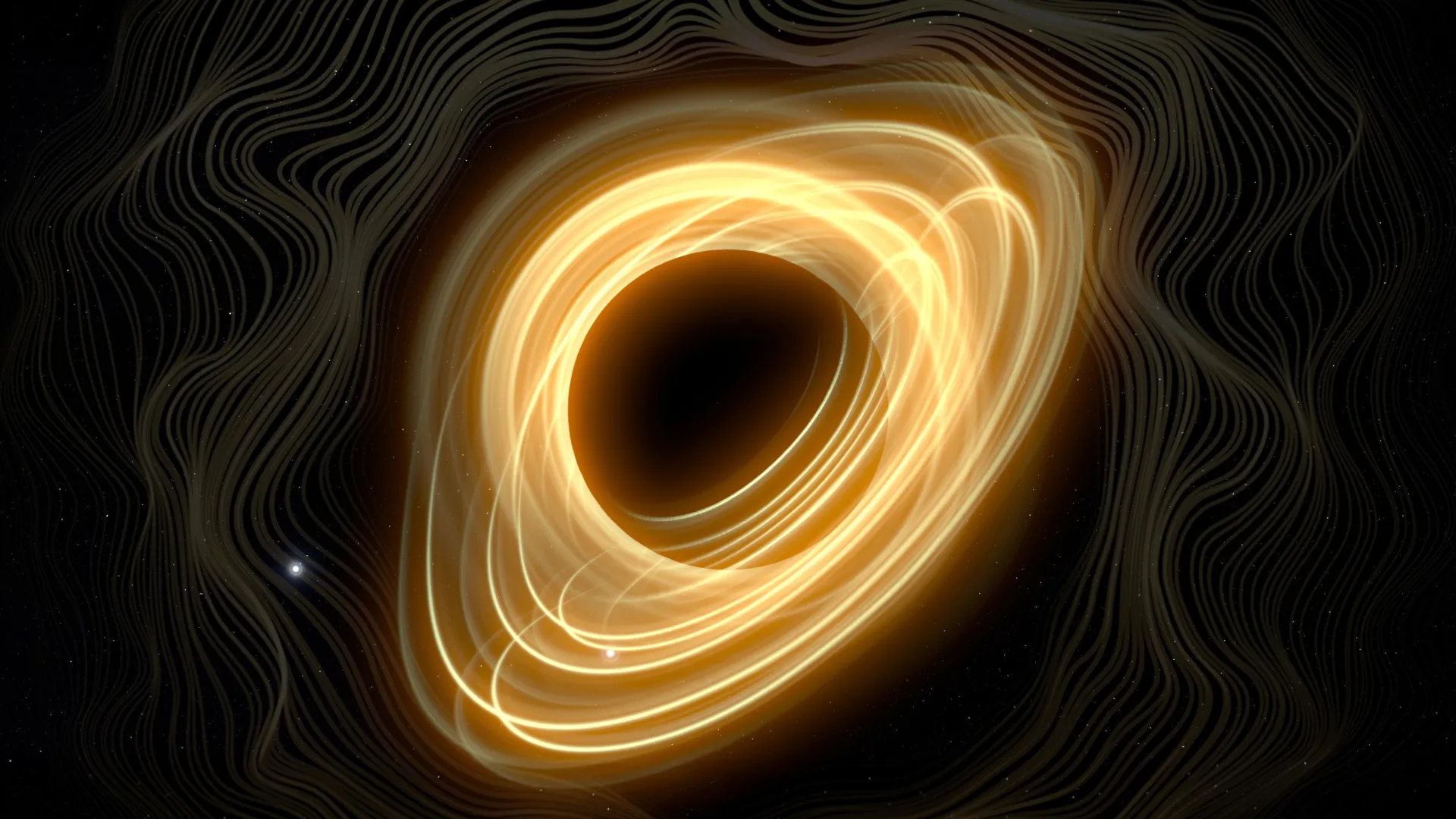
Black holes embody the ultimate abyss. They are the most powerful sources of gravity in the universe, capable of dramatically distorting space and time around them. When disturbed, they begin to “ring” in a distinctive pattern known as quasinormal modes: ripples in space-time that produce detectable gravitational waves.

In events like black hole mergers, these waves can be strong enough to detect from Earth, offering a unique opportunity to measure a black hole’s mass and shape. However, precise calculation of these vibrations through theoretical methods has proven a major challenge, particularly for vibrations that are rapidly weakening.

This inspired a team of researchers at Kyoto University to try a new method of calculating the vibrations of black holes. The scientists applied a mathematical technique called the exact Wentzel-Kramers-Brillouin, orexact WKB analysisto carefully trace the behavior of waves from a black hole out into distant space. While this method has long been studied in mathematics, its application to physics — especially to black holes — is still a newly developing area.

“The foundations of the exact WKB methodwere largely developed by Japanese mathematicians. As a researcher from Japan, I have always found this field intellectually and culturally familiar,” says corresponding author Taiga Miyachi.

This method allowed the research team to follow wave patterns in great detail, even in regions that are difficult to analyze with other existing methods. Their approach involved examining space near the black hole by extending it into the complex number domain, revealing a rich structure of the black hole’s geometry.

This included a mathematical phenomenon called Stokes curves, which designate where the nature of a wave suddenly changes. While previous studies have often overlooked the infinitely spiraling Stokes curves and paths that branch off from black holes, the research team incorporated these complex features into their analysis.

The findings revealed that the team had succeeded in developing a method that systematically and precisely captures the frequency structure of rapidly weakening vibrations. This demonstrates the power of the exact WKB method as a practical tool for bridging theoretical predictions with observational data.

“We were surprised at how complex and beautiful the underlying structure of these vibrations turned out to be. We found spiraling patterns in our mathematical analysis that had been missed before, and these turned out to be key in understanding the full picture of quasinormal modes,” says Miyachi.

This study makes it possible to analyze the “ringing sounds” of black holes across a wide range of theoretical models. Ultimately, this may help improve the precision of future gravitational wave observations and lead to a deeper, more reliable understanding of the true nature of our Universe and its geometry.

Looking ahead, the research team plans to extend their approach to rotating black holes and to explore the application of exact WKB analysis in studies related to quantum gravity effects.

Share Button