The charity’s chief executive says “at least half” of their branches will close in the UK and Ireland.


The charity’s chief executive says “at least half” of their branches will close in the UK and Ireland.
The PM urges doctors not to follow their union down the “damaging road” of strike action, which starts on Friday.
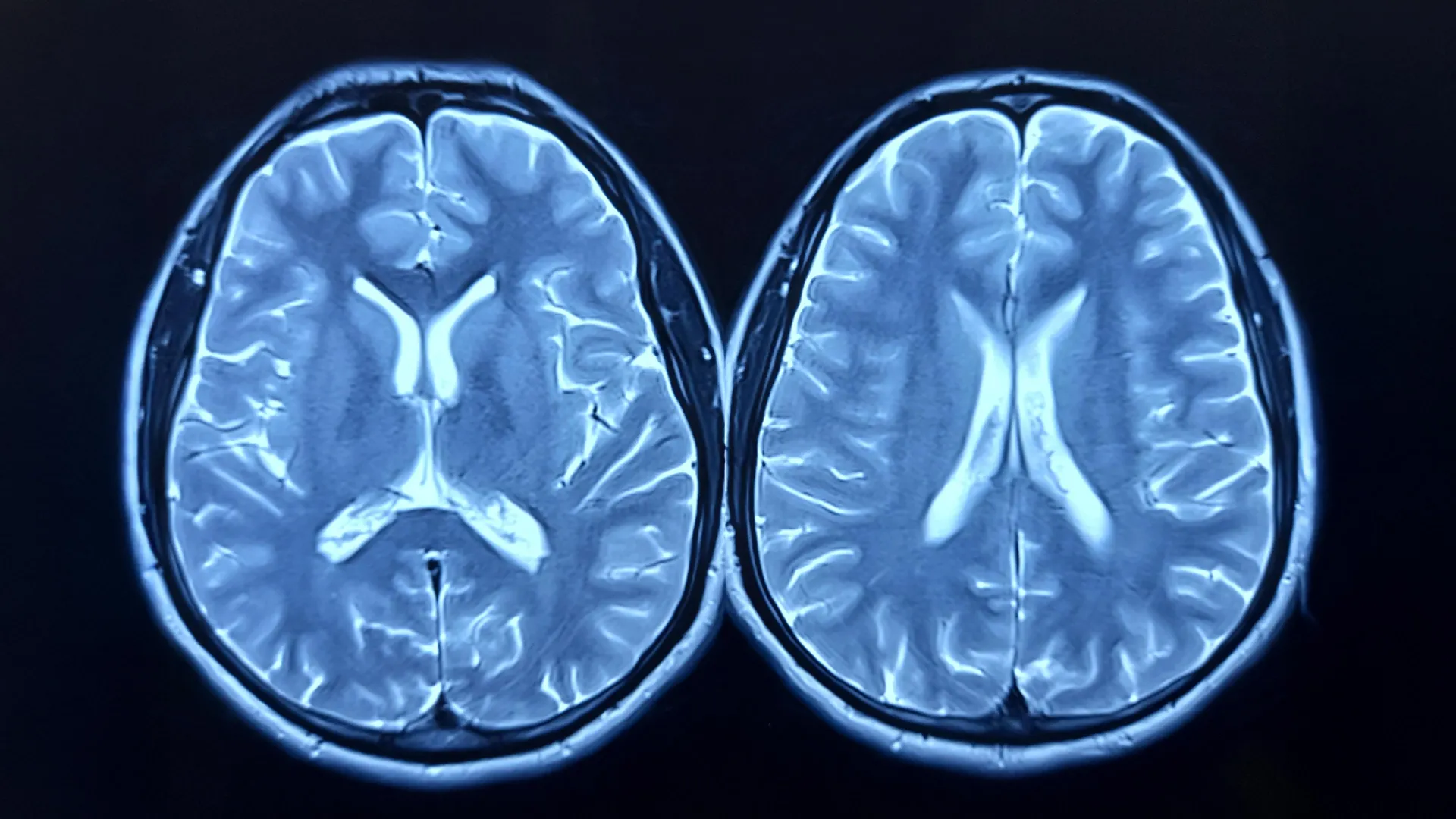
A new study, led by experts at the University of Nottingham, has found that the Covid-19 pandemic may have accelerated people’s brain health, even if they were never infected with the virus.
What does it mean to grow older, not just in years, but in terms of brain health? Can stress, isolation, and global disruption leave their mark on people’s minds?
The findings of this new study, which are published in Nature Communications, showed that people who lived through the Covid-19 pandemic showed signs of faster brain aging over time than those scanned entirely before it. The changes were most noticeable in older individuals, in men, and in people from more disadvantaged backgrounds.
Only participants who were infected by Covid-19 between their scans showed a drop in certain cognitive abilities, such as mental flexibility and processing speed. This may suggest that the pandemic’s brain aging effect, on its own (without infection) may not cause symptoms. Also, the authors highlight that the observed brain aging may be reversible.
The study was led by a team of experts from the University’s School of Medicine and was supported by the National Institute for Health and Care Research (NIHR) Nottingham Biomedical Research Centre and the Medical Research Council (MRC) DEMISTIFI program.
Dr Ali-Reza Mohammadi-Nejad led the study, he said: “What surprised me most was that even people who hadn’t had Covid showed significant increases in brain aging rates. It really shows how much the experience of the pandemic itself, everything from isolation to uncertainty, may have affected our brain health.”
The research team looked at longitudinal brain scans from nearly 1,000 healthy adults, taken as part of the UK Biobank study. Some participants had scans before and after the pandemic; others, only before. Using advanced imaging and machine learning, the researchers estimated each person’s “brain age” — how old their brain appeared to be compared to their actual age.
The brain age model was developed using brain scans from over 15,000 healthy individuals, without comorbidities, allowing the researchers to build an accurate model for estimating brain age.
“This study reminds us that brain health is shaped not only by illness, but by our everyday environment,” said Dorothee Auer, Professor of Neuroimaging and senior author on the study. “The pandemic put a strain on people’s lives, especially those already facing disadvantage. We can’t yet test whether the changes we saw will reverse, but it’s certainly possible, and that’s an encouraging thought.”
Stamatios Sotiropoulos, Professor of Computational Neuroimaging, and co-lead author added: “The longitudinal MRI data acquired before and after the pandemic from the UK Biobank gave us a rare window to observe how major life events can affect the brain.”

A pioneering international survey of people living with eating disorders has found that cannabis and psychedelics, such as ‘magic mushrooms’ or LSD, were best rated as alleviating symptoms by respondents who self-medicated with the non-prescribed drugs.
The worst-rated drugs were alcohol, tobacco, nicotine and cocaine.
Prescribed drugs, such as antidepressants, were generally not well rated for treating eating-disorder symptoms but were positively rated for effects on general mental health.
The research, led by PhD student Sarah-Catherine Rodan at the University of Sydney’s Lambert Initiative for Cannabinoid Therapeutics, is published on July 22 in JAMA Network Open.
Ms Rodan said: “Our results provide important insights into the lived experiences of people with eating disorders and their drug use, highlighting promising avenues for future research into treatments.
“The findings suggest more research, including large clinical trials, should be undertaken around the beneficial effects of cannabis and psychedelics for people with eating disorders.”
The Lambert Initiative researchers will shortly launch a clinical trial of psilocybin in treating anorexia nervosa in collaboration with the Inside Out Institute at the University of Sydney.
Scope and response of survey
The study analyzed responses from over 7600 self-allocated participants in 83 countries, making it the most comprehensive survey ever conducted on this topic.
The research focused on how people with different types of eating disorders use prescription and non-prescription drugs, and how they perceive these substances’ effects on their mental health and eating disorder symptoms.
The major categories of eating disorders were well-represented in the survey: anorexia nervosa (40%); bulimia nervosa (19%); binge-eating disorder (11%); and avoidant/restrictive food intake disorder (ARFID) (9%). About one third of respondents were not formally diagnosed with an eating disorder but self-reported an eating disorder that caused distress.
Co-morbid mental health conditions, which are often found in these populations, were frequently reported including depression (65%), generalised anxiety disorder (55%), ADHD (33%), drug dependence (15%) and alcohol dependence (9%).
Respondents were predominantly female (94%), with most from English-speaking places, like Australia (30%), the UK (21.3%) and the US (18%).
The results revealed patients with eating disorders have high rates of cannabis and psychedelic use relative to the general populations and rate their effects positively in terms of managing symptoms. Notably, cannabis was highly rated by respondents with restrictive eating disorders such as anorexia and ARFID, most likely because it enhances the rewarding value of food, addressing a core issue in these eating disorders.
In contrast, prescription stimulants such as lisdexamfetamine, which have strong appetite suppressing effects and are sometimes prescribed for binge eating disorder (BED), were positively rated by people with BED but poorly rated by those with restrictive type disorders.
Psychedelics, typically only taken once or twice a year by respondents, were reported to have remarkable long-lasting benefits, supporting recent research showing their therapeutic potential in treating conditions such as depression and anxiety. Conversely, commonly prescribed medications – such as antidepressants – which are typically taken daily, were generally rated as relatively ineffective for reducing ED symptoms but were widely acknowledged to help with overall mental health.
The survey also found that drugs like alcohol, nicotine, and cocaine, although quite widely used, led to negative outcomes on eating disorder symptoms and general mental health.
Ms Rodan said: “These findings highlight an important pattern: with traditional medications often falling short in treating eating disorders directly, while many individuals are self-medicating with substances they perceive as helpful. This underlines the urgent need to better investigate these substances in rigorously controlled clinical trials.”
Next steps: clinical trials
The insights gained by this study have already prompted further research initiatives. The Lambert Initiative, in collaboration with the Inside Out Institute at the University of Sydney, is preparing to launch a clinical trial of psilocybin in treating anorexia nervosa. Additionally, a pilot study examining the therapeutic potential of the non-intoxicating cannabis component, cannabidiol (CBD), in treating severe anorexia in young people, is nearing completion.
Professor Iain McGregor, the senior author on this paper and Academic Director of the Lambert Initiative, said: “This research suggests that cannabis and psychedelics hold significant promise for improving quality of life in individuals suffering eating disorders. This is particularly salient since current pharmacological options for these patients are severely limited and current treatment outcomes so disappointing.
“Of course, rigorous clinical trials are needed to confirm these benefits and better determine safety profiles.”
Ms Rodan said: “I hope this study gives a voice to people living with eating disorders, revealing that their often-stigmatized experiences with drugs might in fact have therapeutic potential. We are extremely grateful to the many thousands of respondents who took the time to provide such detailed responses around their lived experiences. This should spur further research and open new treatment pathways for these challenging conditions.”
The study was funded by the Lambert Initiative for Cannabinoid Therapeutics, a philanthropically funded research program at the University of Sydney. Researchers report funding support from the National Health and Medical Research Council of Australia. Dr Anastasia Suraev reports consulting fees from the Medicinal Cannabis Industry Australia (MCIA). Professor Iain McGregor receives fees from Althea, Jannssen and the MCIA. He also has share options with Kinoxis Therapeutics, consultancies with Psylo and Emyria and patents with Kinoxis.
Everyone targets 10,000 steps – but a lower tally could reduce the risk of serious health issues like cancer, dementia and heart disease, a study suggests.

To succeed at university, Italian students need to pass interview-style oral exams. Now scientists have found that the time of the exam could be a critical factor influencing their success… or failure. Even when other factors were excluded, the chances of passing were highest around lunchtime, and lowest at the beginning or end of the day.
“We show that academic assessment outcomes vary systematically across the day, with a clear peak in passing rates around midday,” said Prof Carmelo Mario Vicario, director of the Social-Cognitive Neuroscience Lab at the University of Messina and lead author of the article in Frontiers in Psychology. “Students were more likely to pass in late morning compared to early morning or late afternoon.”
“We believe this pattern could extend to job interviews or any evaluative process scheduled throughout the day,” added Vicario. “We would be very interested in investigating whether hiring decisions, too, fluctuate in fairness or outcome depending on time of day.”
Timing is everything
The researchers were inspired by work which showed that judges were most likely to rule in favor of a defendant after meal breaks or at the beginning of a session. However, this could have been influenced by different types of case being presented at different times. So the researchers looked at oral exams, which are more subjective than legal decisions. If the time of day influences people’s judgement, large-scale data on exam outcomes should show evidence of it.
“Oral exams in Italian universities are scheduled at set times, typically lasting 10 to 30 minutes per student,” explained Vicario. “There’s no standardized format: professors ask questions based on the course content, and grades are assigned on the spot. These exams can be highly stressful due to their unpredictable nature and the strong weight they carry in academic progression.”
A database from the University of Messina allowed researchers to access the results of exams conducted between October 2018 and February 2020. The researchers collected the time, date, and outcome of 104,552 assessments delivered by 680 examiners for 1,243 courses. They also used the number of credits granted towards a degree per exam to measure the difficulty of individual exams. This allowed them to exclude the difficulty of the exam as a factor and carry out statistical analysis evaluating the likelihood of passing based on the time when the exam began.
Beating the curve
The researchers found that only 57% of the exams were passed. The passing rate followed a bell curve with a peak at noon: there was no significant difference in your chance of passing if you sat your exam at 11:00 or 13:00, but your chances of passing were lower if you took the exam at 08:00 or 09:00, or at 15:00 or 16:00. The chance of passing was equivalent in the early morning and in the late afternoon.
“These findings have wide-ranging implications,” commented Prof Alessio Avenanti of the University of Bologna, co-author of the study. “They highlight how biological rhythms — often overlooked in decision-making contexts — can subtly but significantly shape the outcome of high-stakes evaluations.”
Although the study can’t identify the mechanisms behind this pattern, the peak in passes at midday is consistent with evidence that cognitive performance improves over the course of the morning before declining during the afternoon. Students’ falling energy levels could lead to diminishing focus, compromising their performance. Professors might also be experiencing decision fatigue, leading them to mark more harshly.
Meanwhile, poorer results earlier in the day could be down to competing chronotypes. People in their early 20s are usually night owls, while people in their 40s or older tend to be morning larks. The students might be least cognitively sharp at the time when the professors are most alert.
“To counteract time-of-day effects, students might benefit from strategies like ensuring quality sleep, avoiding scheduling important exams during personal ‘low’ periods, and taking mental breaks before performance tasks,” suggested Vicario. “For institutions, delaying morning sessions or clustering key assessments in the late morning may improve outcomes.”
But more research is needed to fully understand the factors which contribute to the time of day’s influence on students’ performance, and develop ways of improving the fairness of assessments.
“While we controlled for exam difficulty, we can’t entirely exclude other unmeasured factors,” said Prof Massimo Mucciardi of the University of Messina, senior author. “We couldn’t access detailed student- or examiner-level data such as sleep habits, stress, or chronotype. This is why we encourage follow-up studies using physiological or behavioral measures to uncover the underlying mechanisms.”
A senior official says the planned walkout will impact both emergency and non-urgent care.
Eddie Baker, 83, was given immunotherapy alongside the usual chemotherapy.
The number of students reporting mental health concerns is rising. But to what extent should the onus be on universities?
Shop-bought health kits for a wide range of conditions are readily available across the UK.
