The fungus that makes bread better for you

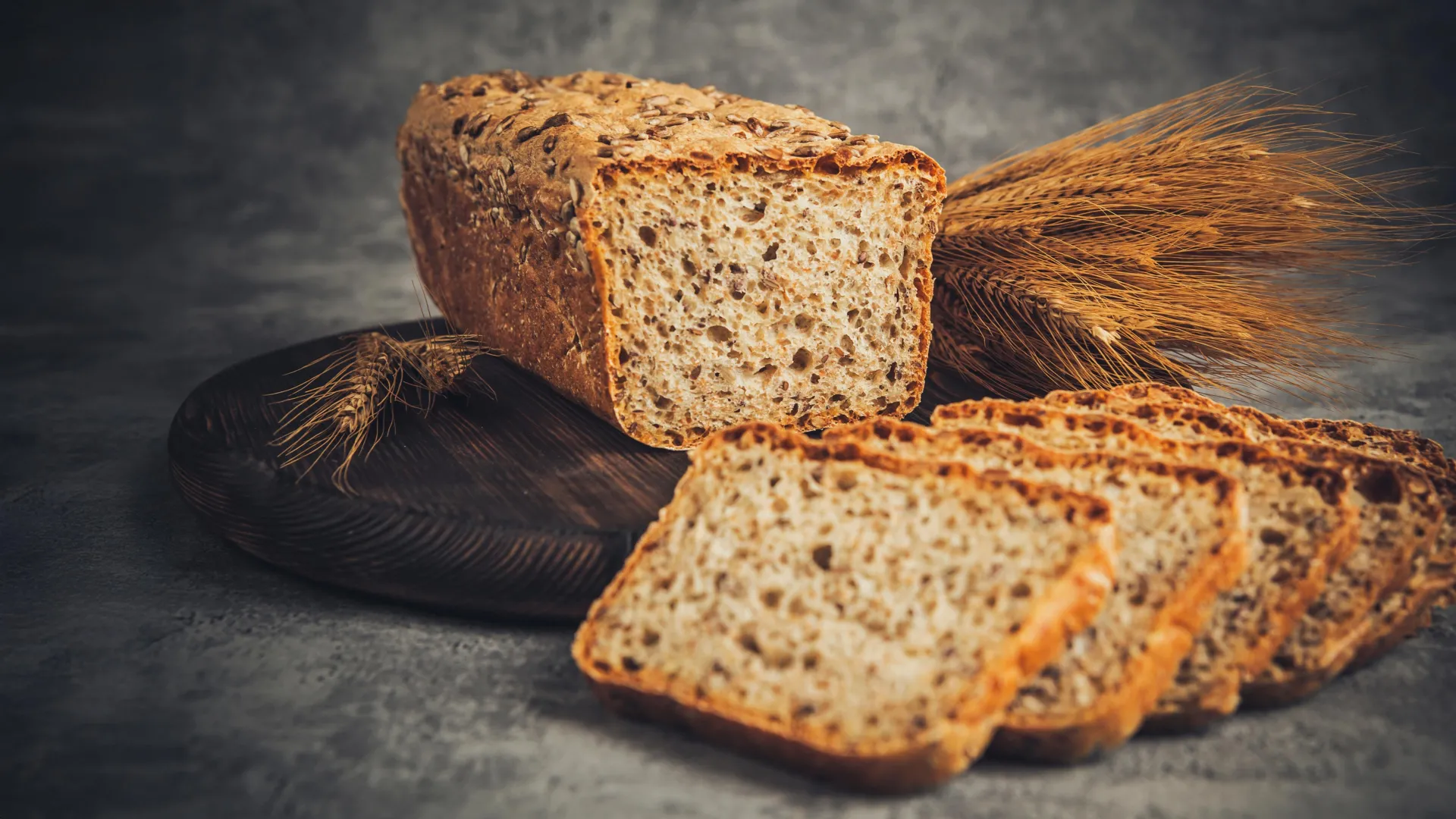
New research in Plants, People, Planet indicates that bread wheat’s micronutrient content can be increased by cultivating it with a specific type of fungus.

When investigators grew different types of wheat with and without the arbuscular mycorrhizal fungus Rhizophagus irregularis, they observed that crops grown with fungi developed larger grains with greater amounts of phosphorus and zinc. The higher amount of phosphorus in the grain did not result in an increase in phytate (a compound that can hinder digestion of zinc and iron). As a result, bread wheat grown with fungi had higher bioavailability of zinc and iron overall compared with bread wheat grown in the absence of fungi.

“Beneficial soil fungi could be used as a sustainable option to exploit soil-derived plant nutrients. In this case, we found potential to biofortify wheat with important human micronutrients by inoculating the plants with mycorrhizal fungi,” said corresponding author Stephanie J. Watts-Williams, PhD, of the University of Adelaide, in Australia.

Rhizophagus irregularis is a species of arbuscular mycorrhizal fungus that forms beneficial relationships with the roots of many types of plants. It helps plants take in more nutrients—especially phosphorus and micronutrients—by extending its thin, root-like structures deep into the soil.

This fungus is one of the most widely studied and used in agriculture and ecology because of its broad compatibility with crops and its ability to improve plant growth, health, and soil quality. By boosting nutrient uptake naturally, R. irregularis supports more resilient plants and reduces the need for chemical fertilizers, making it a valuable tool in sustainable farming and reforestation efforts.

Share Button

Snowless winter? Arctic field team finds flowers and meltwater instead

A new commentary published in Nature Communications by Dr James Bradley, Reader in Environmental Science at Queen Mary University of London, and his team reveals a dramatic and concerning shift in the Arctic winter. During a fieldwork campaign in Svalbard in February 2025, researchers encountered exceptionally high temperatures, widespread snowmelt, and blooming vegetation.

Svalbard, warming at six to seven times the global average rate, is at the forefront of the climate crisis, with winter temperatures rising at nearly double the annual average. The commentary highlights that winter warming in the Arctic is no longer an exception but a recurring feature of a profoundly altered climate system, challenging the long-held assumption of a reliably frozen Arctic winter.

“Standing in pools of water at the snout of the glacier, or on bare, green tundra, was shocking and surreal,” Dr Bradley describes his experience. “The thick snowpack covering the landscape vanished within days. The gear I packed felt like a relic from another climate.”

The team, accustomed to preparing for extreme cold with thermal layers, thick gloves, and insulated down, found themselves working bare-handed in the rain on the glacier.

Laura Molares Moncayo, a PhD student at Queen Mary and the Natural History Museum and a co-author on the study, added: “The goal of our fieldwork campaign was to study freshly fallen snow. But over a two-week period, we were only able to collect fresh snow once, as most of the precipitation fell as rain. This lack of snowfall in the middle of winter undermines our ability to establish a representative baseline for frozen-season processes. The unexpected melt not only disrupted our sampling plan, but also made us question how safe or feasible winter fieldwork really is under such rapidly changing conditions.”

This firsthand experience corroborates long-standing projections about Arctic amplification, but it also underscores the alarming speed at which these changes are taking hold. The crossing of the 0°C melting threshold has a transformative impact on the physical environment, the dynamics of local ecosystems, and the very methodology of conducting scientific research in the Arctic during winter.

The implications of these rapid winter changes for the Arctic ecosystem are far-reaching. Winter warming events can disrupt everything from microbial carbon cycling to the survival of Arctic wildlife. These events may also create a feedback loop, accelerating permafrost thaw, microbial carbon degradation, and the release of greenhouse gases across the Arctic. The observed meltwater pooling above frozen ground, forming vast temporary lakes and reducing snow cover to zero in large areas, further exposes the bare ground surface and leads to widespread blooms of biological activity.

The commentary calls for urgent action and highlights critical policy implications. “Climate policy must catch up to the reality that the Arctic is changing much faster than expected, and winter is at the heart of that shift,” states Dr Bradley.

The commentary urgently calls for increased investment in wintertime Arctic monitoring, highlighting a significant lack of data and understanding regarding Arctic systems during this fastest-changing season. More observations and experimentation are crucial, not only to establish baselines but also to project future impacts. Furthermore, the authors stress that policymaking must shift from reactive to anticipatory strategies, recognising winter as a critical season of risk. The challenges already faced by well-equipped scientific bases due to mid-winter warming underscore the immense pressure this might place on remote Indigenous Arctic communities, their infrastructure, transport, and emergency responses.

The unexpected conditions during fieldwork, including the thin and slushy snow that hindered snowmobile access to field sites, forced researchers to reconsider how and even whether they can continue winter science as usual. This also presents new safety concerns, including rescue efforts and the ability for the researchers to retreat quickly to the safety of the research station if they encounter polar bears while working in the field.

The commentary, “Svalbard winter warming is reaching melting point,” serves as a stark reminder of the accelerating pace of climate change in the Arctic, emphasising that these anomalies are, in fact, the new Arctic reality.

The article involves authors from Queen Mary University of London, the Mediterranean Institute of Oceanography in Marseille, France, The Natural History Museum in London, University of Naples Federico II in Italy, the CNR Institute of Polar Science in Italy.

“We are still unaware of the consequences that these recurring events are bringing to Arctic ecosystems, especially during the winter period, where conditions are more complex and data is scarce,” said Donato Giovannelli, an geomicrobiologist at the University of Naples Federico II in Italy and one of the senior authors on the paper. “We might have been too cautious with our messages. Irreversible changes to the Arctic climate are happening in front of our own eyes.”

Share Button

Watch the Earth split in real time: Stunning footage reveals a 2. 5-meter fault slip in seconds

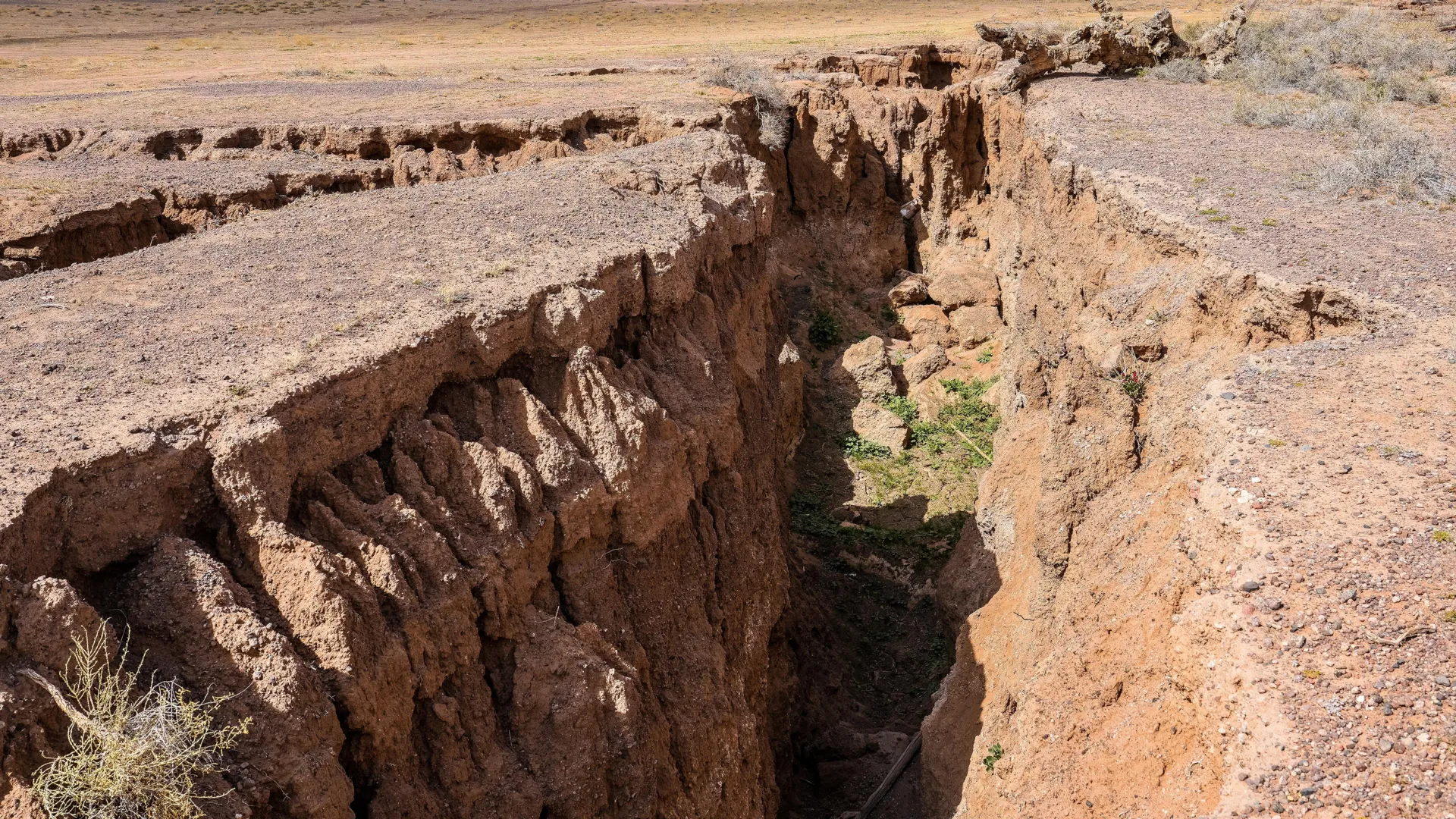
During the midday Friday prayer hours on March 28, 2025, a magnitude 7.7 earthquake struck central Myanmar along the Sagaing Fault. With an epicenter close to Mandalay, the country’s second-largest city, it was the most powerful earthquake to strike Myanmar in more than a century and the second deadliest in its modern history.

The cause was a strike-slip fault, in which two masses of earth “slip” past each other horizontally along a vertical fault plane. To an observer, it would look like the ground were split in two along a defined line, with both sides being wrenched past each other in opposite directions.

Previous seismological studies have inferred pulse-like rupture behavior and curved slip paths from the analysis of seismic data. However, because the recording instruments were at a considerable distance from the fault itself, these findings were indirect.

This time, however, a CCTV camera caught this slip in action, presenting a unique opportunity for a team researchers at Kyoto University to study the fault motion in real time. (See video link at bottom of article.)

The team applied a technique known as pixel cross-correlation to the CCTV footage to analyze the fault’s movement frame-by-frame. Their analysis reveals that the fault slipped sideways 2.5 meters in just 1.3 seconds, with a maximum speed of 3.2 meters per second. The total sideways movement recorded during this earthquake is typical of strike-slip ruptures, but the short duration of the fault slip is a major discovery.

“The brief duration of motion confirms a pulse-like rupture, characterized by a concentrated burst of slip propagating along the fault, much like a ripple traveling down a rug when flicked from one end,” says corresponding author Jesse Kearse.

The team’s analysis also proves that the slip path was subtly curved, a finding which aligns with previous geological observations from faults around the world. This may suggest that such slips are typically curved, as opposed to being completely linear.

The study demonstrates that video-based monitoring of faults is a powerful tool for seismology, enabling unprecedented insights into earthquake behavior. Capturing this level of detail is fundamental to improving our understanding of earthquake processes and enhancing our ability to anticipate the ground shaking expected in future large events.

“We did not anticipate that this video record would provide such a rich variety of detailed observations. Such kinematic data is critical for advancing our understanding of earthquake source physics,” says Kearse.

The next phase of their research will utilize physics-based models to investigate the factors that control fault behavior as revealed by this analysis.

Share Button

UK-first scheme aims to cut cardiac arrest deaths

East of England Ambulance NHS Trust is offering the video coaching to callers.

Share Button

‘My three children needed transplants, now I’m giving back’

Willie Hutchinson volunteers to transport patients to and from hospital appointments after his children relied on the service.

Share Button

Five-day doctor strike will go ahead, says BMA

Union rejects plea by health secretary to call off strikes in England and continue talks.

Share Button

Teen bats are spawning new viruses—here’s why scientists are paying close attention

New research by the University of Sydney offers important insights into how and when new coronavirus variants arise in bats.

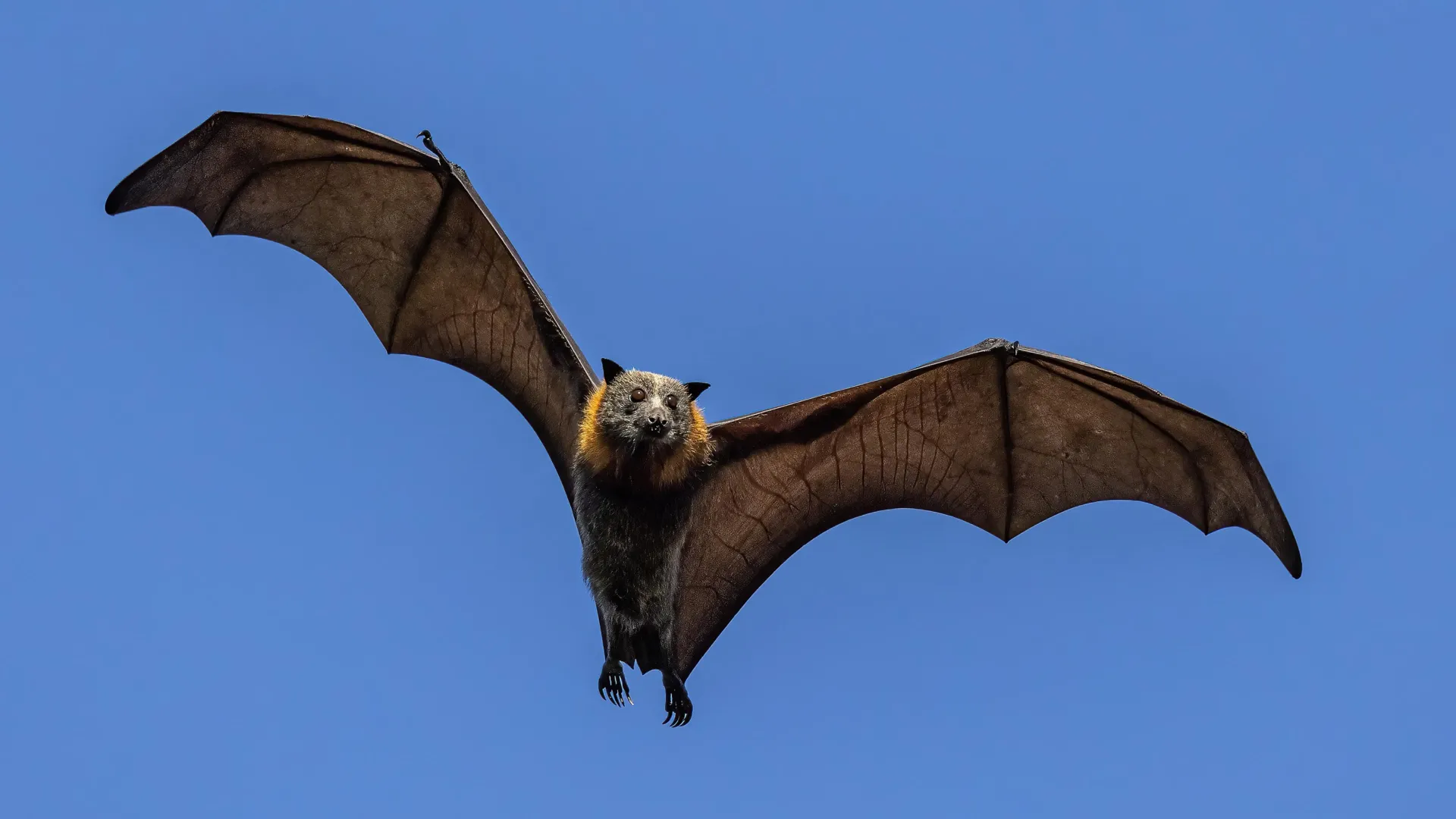
Bats are beneficial to our ecosystems and economy but, as habitat destruction and environmental stressors put them in closer proximity to humans, disease risks can emerge. The research, published in Nature Communications on July 17, offers an approach to anticipating the emergence of coronaviruses. It found young bats are infected more frequently and could be a key source of viral spillover into other species. The study also reveals the dynamics of coronaviruses circulating in Australian bats, which pose no known risk to humans.

Endemic in bat populations, most coronaviruses never infect humans. When they do, as with the SARS, COVID-19 and MERS outbreaks, they typically spill over from bats via a bridging animal host.

“Coronaviruses tend not to be of major concern to bats,” said Dr Alison Peel from the University’s School of Veterinary Science, who led the study. “But they can behave differently if they spill over to new species.”

In one of the most comprehensive single studies of its type, the researchers collected more than 2,500 faecal samples, via which bats shed coronaviruses, over three years. Samples were taken from black flying foxes and grey-headed flying foxes at five roost sites across Australia’s eastern seaboard.

Viral testing of the samples showed coronaviruses were most prevalent in young bats between March and July, when they were weaning and approaching maturity. This was consistent across the three-year study. Particularly notable was the high proportion of bats infected with multiple coronaviruses at once.

“We were surprised by that high rate of co-infection among juveniles and subadults,” Dr Peel said. “Co-infection presents the opportunity for a single cell to become infected with multiple viruses, an important natural precursor to the generation of new strains.”

The six coronaviruses detected in the study were nobecoviruses, a subclass which does not jump to humans. Three of these were new. They were useful to analyse because they pose minimal risk to people but are the evolutionary cousins of sarbecoviruses, so-called SARS-like viruses which are more prone to spill across to other species. Understanding the evolution of nobecoviruses offers parallel insights into the evolution of more dangerous coronaviruses.

“We safely tracked how and when coronaviruses circulated naturally in bat populations. Using genomics to track infections to individual animals,” Dr John-Sebastian Eden, a study co-author from the Westmead Insitute for Medical Research and the University’s Faculty of Medicine and Health.

“The results offer a model for scientists looking to understand coronavirus emergence and future risks in bat populations around the world. By focusing on co-infections in young bats during certain periods, researchers might better predict the natural evolution and emergence of riskier coronaviruses before they pose a risk to human health.”

Dr Peel said more research is needed to understand why young bats are more susceptible to infection and co-infection.

“It could be the result of newly weaned animals whose immune systems are still developing or the stress faced by teenage bats looking for a mate for the first time,” she said.

The changing environment could also be a factor.

“We know from previous research on other viruses that habitat loss caused by encroaching human populations and food shortages can create stress in bats that weakens immunity and makes them susceptible to infections. It will be important to find out if that’s also the case for coronaviruses.”

Dr Peel and Dr Eden’s research began in 2020, as the COVID-19 pandemic took hold. It built on earlier research into the spread of Hendra virus, which also originates in bats.

“It’s rare to see this scale and depth of data in virological research, even among human viruses,” said Dr Peel. “The gathering of samples from both individual bats and beneath roosts, and the tracking of individual strains across multiple sites and years, provides a strong foundation for ongoing research into the role of environmental stress on coronavirus emergence.”

Share Button

Beneath the scales: The secret bone armor that helped lizards survive Australia

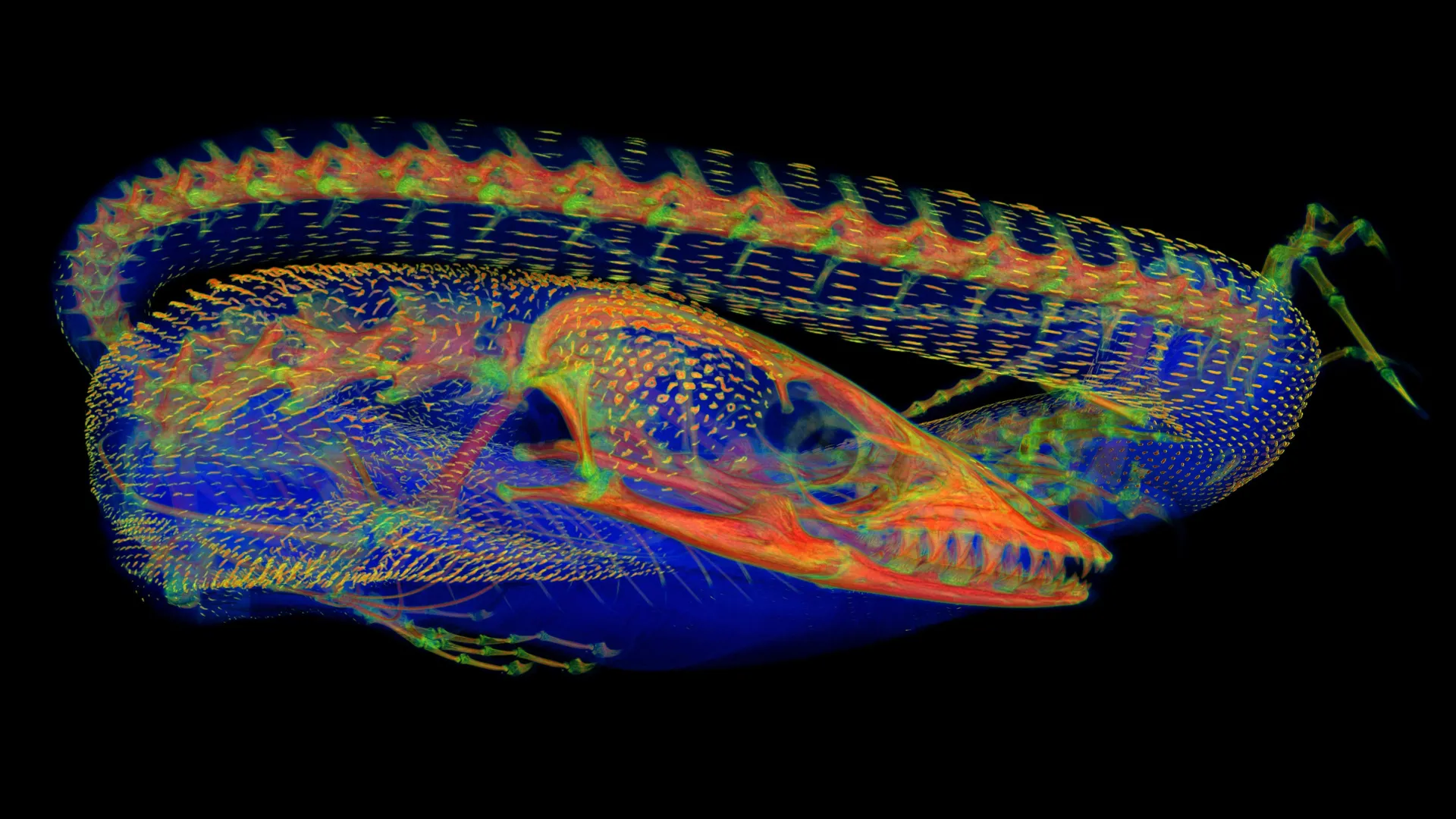
Beneath the scales of Australia’s iconic monitor lizards (commonly known as goannas), scientists have discovered an unexpected secret: a hidden layer of bony skin structures known as osteoderms. These structures, which have been long overlooked, may hold the key to understanding how these ancient reptiles not only survived but thrived in one of the world’s harshest environments.

The findings, published on July 21 in the prestigious Zoological Journal of the Linnean Society, mark the first large-scale global study of osteoderms in lizards and snakes. The international collaboration brought together researchers from Australia, Europe and the United States, who used cutting-edge micro-CT scanning to examine nearly 2,000 reptile specimens from major museum collections including those held at Museums Victoria’s Research Institute.

‘We were astonished to find osteoderms in 29 Australo-Papuan monitor lizard species that had never been documented before,’ said Roy Ebel, lead author and researcher at Museums Victoria Research Institute and the Australian National University. ‘It’s a fivefold increase in known cases among goannas.’

Osteoderms are most commonly known from crocodiles, armadillos, and even some dinosaurs like Stegosaurus. But their function has remained something of an evolutionary mystery. While they may provide protection, scientists now suspect they may also support heat regulation, mobility and calcium storage during reproduction.

This new research reveals that osteoderms are far more widespread in lizards than previously thought, occurring in nearly half of all lizard species worldwide – an 85% increase on earlier estimates.

At the heart of this discovery lies the power of museum collections. Scientific institutions like Museums Victoria Research Institute play a critical role in preserving biodiversity through time, enabling researchers to study species long after they were collected. Many of the specimens used in this study were decades, and in some cases over 120 years old, but advances in imaging technology enabled scientists to uncover new insights without harming the original material. These collections are not just archives, they’re active tools for scientific discovery.

‘What’s so exciting about this finding is that it reshapes what we thought we knew about reptile evolution,’ said Dr Jane Melville, Museums Victoria Research Institute Senior Curator of Terrestrial Vertebrates. ‘It suggests that these skin bones may have evolved in response to environmental pressures as lizards adapted to Australia’s challenging landscapes.’

Until now, the presence of osteoderms in monitor lizards was considered rare and mostly confined to the famed Komodo dragon. But the discovery of their widespread presence across Australo-Papuan goannas opens up new questions about how these lizards adapted, survived and diversified across the continent.

This landmark study not only tells a new chapter in the story of Australia’s goannas, it provides a powerful new dataset for exploring how skin, structure, and survival have intertwined across millions of years of evolution.

Share Button

This oat discovery could change your breakfast—and the future of plant-based food

New University of South Australia research is providing evidence of biological triggers of oil production in oats, a discovery that will help processing and potentially drive further demand for Australian-grown oats.

While Australia is the world’s second-largest exporter of oats, high oil content in oat grains creates challenges during milling, reducing processing efficiency and limiting product innovation – particularly in high-demand sectors like oat flour and plant-based proteins.

Researchers from the University of South Australia, the South Australian Research and Development Institute (SARDI), and the University of Adelaide are collaborating on research designed to better understand the biological processes responsible for oil synthesis in oat grains.

In this study, two contemporary varieties of oats were examined using spatial imaging techniques to track oil build-up during grain development. Researchers then applied ‘omics’ technologies – lipidomics and proteomics – to analyse lipid and protein expression, which provided key insights into the biological mechanisms involved in the actual formation of the grain, including those relating to oil synthesis.

The UniSA findings have provided further evidence of the mechanisms that underlie the amount of oil in an oat grain. These findings will help to guide future breeding efforts for naturally lower-oil oat varieties, improving milling yields and creating new value-added opportunities across the oat supply chain.

UniSA PhD candidate, Darren Lau, says that current oil removal methods are inefficient and that low-oil breeding programs will aid industry growth.

“While oil can be removed from partially milled oat flakes – using supercritical carbon dioxide prior to further milling – this approach is laborious and expensive,” he says.

“Breeding low-oil oat varieties is a cost-effective approach but requires further understanding of oil production in oats. This is where our research is critical.

“Our analysis has identified several key enzymes that are involved in oil synthesis which could be genetically manipulated to lower oil content of oat grains.

“Reducing oil content could also unlock new opportunities in sectors like oat flour and alternative proteins, which could significantly strengthen Australia’s position in the market.”

The economic potential of these opportunities is reflected in the quantity of oats exported globally. For example, in 2022 twenty-six million metric tonnes of oats were produced worldwide, ranking them seventh among cereals in production quantity.

Lowering oil content in oat grains will enhance processing and product versatility, positioning them alongside traditional cereal staples like barley, maize, wheat, and rice, and further driving industry growth.

The UniSA findings are being used by the Grains Research and Development Corporation (GRDC) oat grain quality consortium to improve suitability for milling and food/beverage ingredient development. Additional research is continuing within the consortium that will build on the study’s findings to further inform breeding efforts aimed at reducing oil content in oats.

“The consortia are currently working on a larger and more diverse oat cohort to further investigate molecular markers and nutrient partitioning of oil in oats,” Lau says.

“The consortia are also investigating one of the key enzymes validated in this study to determine whether manipulating or removing it can lower oil content, and how that affects the growth of the plant.”

SARDI Project Lead Dr Janine Croser, says the study’s findings provide further evidence of key pathways involved in oat oil biosynthesis.

“This research provides important insights into the biological mechanisms underlying varietal differences of oil production in developing oat grains,” Dr Croser says.

“We expect that the development of low-oil lines will improve efficiencies in the flour milling process and potentially lead to novel uses for oats.

“With demand for plant-based foods on the rise, we anticipate the oat grain quality consortium research will help put Australia at the forefront of oat innovation – supporting growers, processors, and exporters alike.”

The full paper, Proteomic and lipidomic analyses reveal novel molecular insights into oat (Avena sativa L.) lipid regulation and crosstalk with starch synthesis during grain development, is available online.

Share Button

‘Substantial changes’ on infected blood payouts

The announcement comes two weeks after a heavily critical report into payments to thousands of victims.

Share Button