Amrit has been waiting for nearly five years for a kidney and needs a living donor.


Amrit has been waiting for nearly five years for a kidney and needs a living donor.
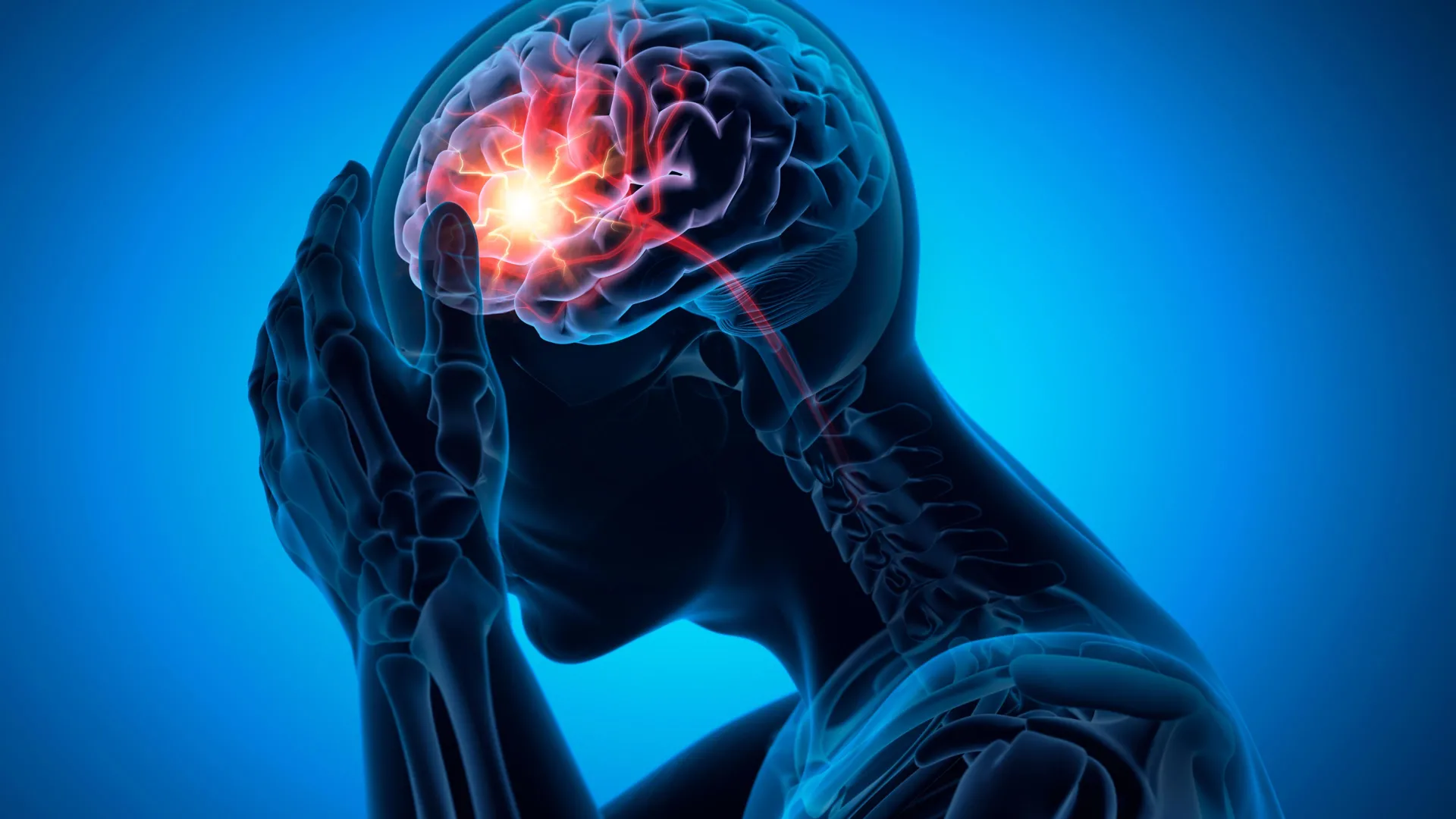
From low-carb ice cream to keto protein bars to “sugar-free” soda, the decades-old sweetener erythritol is everywhere.
But new University of Colorado Boulder research shows the popular sugar substitute and specialty food additive comes with serious downsides, impacting brain cells in numerous ways that can boost risk of stroke.
The study was published in the Journal of Applied Physiology.
“Our study adds to the evidence suggesting that non-nutritive sweeteners that have generally been purported to be safe, may not come without negative health consequences,” said senior author Christopher DeSouza, professor of integrative physiology and director of the Integrative Vascular Biology Lab.
First approved by the Food and Drug Administration in 2001, erythritol is a sugar alcohol, often produced by fermenting corn and found in hundreds of products. It has almost no calories, is about 80% as sweet as table sugar, and has negligible impact on insulin levels, making it a favorite for people trying to lose weight, keep their blood sugar in check or avoid carbohydrates.
But recent research has begun to shed light on its risks.
One recent study involving 4,000 people in the U.S. and Europe found that men and women with higher circulating levels of erythritol were significantly more likely to have a heart attack or stroke within the next three years.
DeSouza and first author Auburn Berry, a graduate student in his lab, set out to understand what might be driving that increased risk.
Researchers in the lab treated human cells that line blood vessels in the brain for three hours with about the same amount of erythritol contained in a typical sugar-free beverage.
They observed that the treated cells were altered in numerous ways: They expressed significantly less nitric oxide, a molecule that relaxes and widens blood vessels, and more endothelin-1, a protein that constricts blood vessels. Meanwhile, when challenged with a clot-forming compound called thrombin, cellular production of the natural clot-busting compound t-PA was “markedly blunted.” The erythritol-treated cells also produced more reactive oxygen species (ROS), a.k.a. “free radicals,” metabolic byproducts which can age and damage cells and inflame tissue.
“Big picture, if your vessels are more constricted and your ability to break down blood clots is lowered, your risk of stroke goes up,” said Berry. “Our research demonstrates not only that, but how erythritol has the potential to increase stroke risk.”
DeSouza notes that their study used only a serving-size worth of the sugar substitute. For those who consume multiple servings per day, the impact, presumably, could be worse.
The authors caution that their study was a laboratory study, conducted on cells, and larger studies in people are needed.
That said, De Souza encourages consumers to read labels, looking for erythritol or “sugar alcohol” on the label.
“Given the epidemiological study that inspired our work, and now our cellular findings, we believe it would be prudent for people to monitor their consumption of non-nutrient-sweeteners such as this one,” he said.
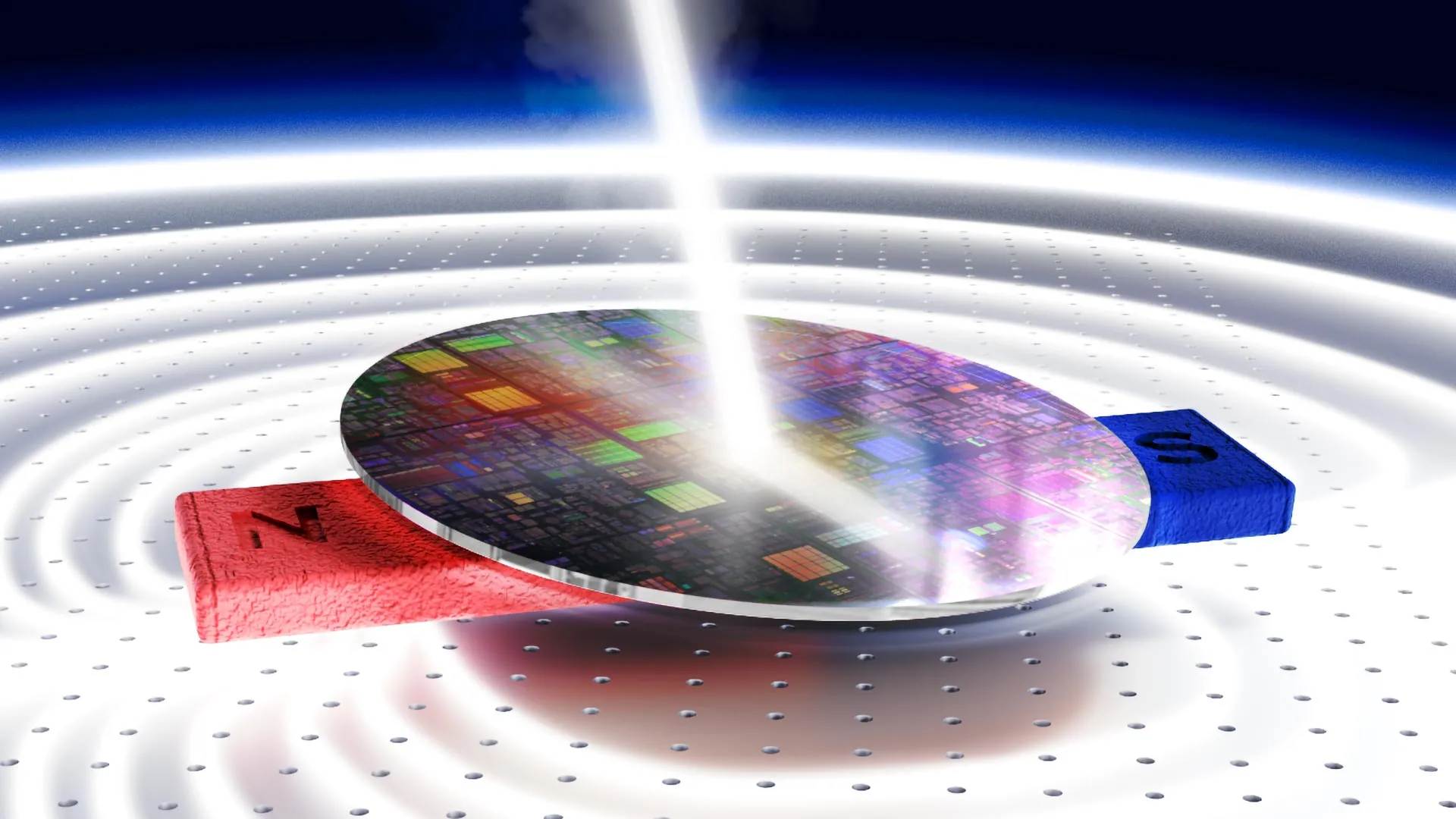
A team of scientists has developed a powerful new way to detect subtle magnetic signals in common metals like copper, gold, and aluminum—using nothing more than light and a clever technique. Their research, recently published in the prestigious journal Nature Communications, could pave the way for advances in everything from smartphones to quantum computing.
The Longstanding Puzzle: Why Can’t We See the Optical Hall Effect?
For over a century, scientists have known that electric currents bend in a magnetic field—a phenomenon known as the Hall effect. In magnetic materials like iron, this effect is strong and well understood. But in ordinary, non-magnetic metals like copper or gold, the effect is much weaker.
In theory, a related phenomenon—the optical Hall effect—should help scientists visualize how electrons behave when light and magnetic fields interact. But at visible wavelengths, this effect has remained far too subtle to detect. The scientific world has known it was there, but lacked the tools to measure it.
“It was like trying to hear a whisper in a noisy room for decades,” said Prof. Amir Capua. “Everyone knew the whisper was there, but we didn’t have a microphone sensitive enough to hear it.”
Cracking the Code: A Closer Look at the Invisible
Led by Ph.D. candidate Nadav Am Shalom and Prof. Amir Capua from the Institute of Electrical Engineering and Applied Physics at Hebrew University, in collaboration with Prof. Binghai Yan from the Weizmann Institute of Science, Pennsylvania State University, and Prof. Igor Rozhansky from the University of Manchester, the study focuses on a tricky challenge in physics: how to detect tiny magnetic effects in materials that aren’t magnetic.
“You might think of metals like copper and gold as magnetically ‘quiet’—they don’t stick to your fridge like iron does,” explained Prof. Capua. “But in reality, under the right conditions, they do respond to magnetic fields—just in extremely subtle ways.”
The challenge has always been how to detect these tiny effects—especially using light in the visible spectrum where laser sources are readily available. Until now, the signal was simply too faint to observe.
Turning Up the Volume on Magnetic Whispers
To solve this, the researchers upgraded a method called the magneto-optical Kerr effect (MOKE), which uses a laser to measure how magnetism alters light’s reflection. Think of it like using a high-powered flashlight to catch the faintest glint off a surface in the dark.
By combining a 440-nanometer blue laser with large-amplitude modulation of the external magnetic field, they dramatically boosted the technique’s sensitivity. The result: they were able to pick up magnetic “echoes” in non-magnetic metals like copper, gold, aluminum, tantalum, and platinum—a feat previously considered near-impossible.
Why It Matters: When Noise Becomes a Signal
The Hall effect is a pivotal tool in the semiconductor industry and in studying materials at the atomic scale: it helps scientists figure out how many electrons are in a metal. But traditionally, measuring the Hall effect means physically attaching tiny wires to the device, a process that is time-consuming and tricky, especially when dealing with nanometer-sized components. The new approach, however, is much simpler: it merely requires to shine a laser on the electrical device, no wires needed.
Digging deeper, the team found that what appeared to be random “noise” in their signal wasn’t random at all. Instead, it followed a clear pattern tied to a quantum property called spin-orbit coupling, which links how electrons move to how they spin—a key behavior in modern physics.
This connection also affects how magnetic energy dissipates in materials. These insights have direct implications for the design of magnetic memory, spintronic devices, and even quantum systems.
“It’s like discovering that static on a radio isn’t just interference—it’s someone whispering valuable information,” said Ph.D. candidate Am Shalom. “We’re now using light to ‘listen’ to these hidden messages from electrons.”
Looking Ahead: A New Window into Spin and Magnetism
The technique offers a non-invasive, highly sensitive tool for exploring magnetism in metals—without the need for massive magnets or cryogenic conditions. Its simplicity and precision could help engineers build faster processors, more energy-efficient systems, and sensors with unprecedented accuracy.
“This research turns a nearly 150-year-old scientific problem into a new opportunity,” said Prof. Capua.
“Interestingly, even Edwin Hall, the greatest scientists of all, who discovered the Hall effect, attempted to measure his effect using a beam of light with no success. He summarizes in the closing sentence of his notable paper from 1881: “I think that, if the action of silver had been one tenth as strong as that of iron, the effect would have been detected. No such effect was observed.” (E. Hall, 1881).”
“By tuning in to the right frequency—and knowing where to look—we’ve found a way to measure what was once thought invisible.”

E. coli outbreaks in romaine lettuce have long been a public health concern. and now a new Cornell University paper suggests that a combination of efforts in the field, and even postharvest techniques, can minimize risk to human health.
Co-authored by Renata Ivanek, a professor in the department of population medicine and diagnostic sciences, and Martin Wiedmann, professor in food safety, the paper outlines interventions likely to make a concrete difference in the safety of the nation’s romaine.
“This study supports that interventions should focus on reducing produce contamination via contaminated irrigation water, on assuring that produce washes applied during processing consistently deliver reasonably high reductions of bacterial numbers, and on improving temperature control during distribution,” Wiedmann said.
“We tried to describe the system as holistically as possible to account for different risk factors and how they could have interactions,” Ivanek said. “There’s not just one intervention that will save us all. We spent a lot of time trying to understand the preharvest component, especially the irrigation water piece and how much risk can be explained by that.”
Study results suggested that much contamination originates from irrigation with untreated surface water applied through overhead spray irrigation systems. They found that risk from irrigation was reduced either through water treatments or by switching to furrow or drip irrigation.
“While not the most common system, spray irrigation is used in a number of fields for its benefits during germination, its cooling effect on plants and other reasons. But drip or furrow irrigation reduces the probability that water directly touches the leaves,” Ivanek said, acknowledging that switching to these other irrigation systems introduces significant potential additional costs to grower.
Ivanek and her co-authors also explored the importance of maintaining proper cold storage temperatures along the entire supply chain to romaine’s final destination.
“Time and temperature play a role in food safety, and also in food quality and shelf life,” she said, describing a “perfect storm” if contamination happens at the farm or processing level and then improper transportation temperatures allow bacteria to grow.
The comprehensive practices and interventions explored in this study intend to aid decision-makers in establishing and enhancing food safety best management practices, Ivanek said.
“The big message is the American food supply chain is extremely safe compared to other countries,” she said. “We’re exploring how can we make it even safer and where we should put additional effort.”
From late September, 9,000 babies and vulnerable infants in the UK will have a long-lasting injection.
Health security body UKSHA urges vigilance after 38 cases of botulism recorded in the east and north-east of England.
Use our interactive tracker to see if treatment waits are getting better at your local hospital.
The UK’s pioneering licensed IVF technique to reduce the risk of mitochondrial diseases carried out in Newcastle has seen eight babies born, published research shows.
All eight babies show no signs of having mitochondrial DNA disease. The babies, four girls and four boys, including one set of identical twins, were born to seven women at high risk of transmitting serious disease caused by mutations in mitochondrial DNA. The findings, reported on July 16 by the Newcastle team who pioneered mitochondrial donation using fertilized human eggs, indicate that the new treatment, known as pronuclear transfer, is effective in reducing the risk of otherwise incurable mitochondrial DNA diseases.
Published in two papers in The New England Journal of Medicine (NEJM), the findings describe the reproductive and clinical outcomes of pronuclear transfer treatments performed to date. All babies were healthy at birth, meeting their developmental milestones, and the mother’s disease-causing mitochondrial DNA mutations were either undetectable or present at levels that are very unlikely to cause disease.
The technique was pioneered in human eggs by a team based at Newcastle University, UK and the Newcastle upon Tyne Hospitals NHS Foundation Trust in work funded by Wellcome and NHS England.
The mother of a baby girl born following mitochondrial donation said: “As parents, all we ever wanted was to give our child a healthy start in life. Mitochondrial donation IVF made that possible. After years of uncertainty this treatment gave us hope—and then it gave us our baby. We look at them now, full of life and possibility, and we’re overwhelmed with gratitude. Science gave us a chance.”
The mother of a baby boy added: “We are now proud parents to a healthy baby—a true mitochondrial replacement success. This breakthrough has lifted the heavy cloud of fear that once loomed over us.
“Thanks to this incredible advancement and the support we received, our little family is complete. The emotional burden of mitochondrial disease has been lifted, and in its place is hope, joy, and deep gratitude.”
The NHS Mitochondrial Reproductive Care Pathway offers mitochondrial donation, through a research study, in addition to other reproductive options for women with mitochondrial disease.
Professor Sir Doug Turnbull, Newcastle University part of the Newcastle team said: “Mitochondrial disease can have a devastating impact on families. Today’s news offers fresh hope to many more women at risk of passing on this condition who now have the chance to have children growing up without this terrible disease. Within the framework of the NHS in a well-regulated environment, we are able to offer mitochondrial donation as part of a research study to affected women in the UK.“
Mitochondrial DNA disease
Every year, around one in 5,000 children is born with mitochondrial DNA mutations that can cause devastating disease. Mitochondria produce the energy required for life and contain a small piece of DNA that only encodes some of the instructions required for energy production. Harmful mutations in mitochondrial DNA can result in reduced availability of energy, particularly affecting tissues that have high energy demands – for example heart, muscle and brain. Mitochondrial DNA is maternally inherited, and these diseases are therefore passed from mother to child. Although males can be affected, they do not pass on the disease. Despite years of research there is still no cure for people with mitochondrial DNA disease.
In the absence of a cure for mitochondrial DNA diseases, attention has focused on IVF-based technologies to reduce the risk of disease by limiting transmission of disease-causing mitochondrial DNA mutations from mother to child. The new IVF-based mitochondrial donation technology, pronuclear transfer, which was legalized in the UK in 2015, is designed to reduce the risk of mitochondrial DNA disease in children born to women who carry high levels of disease-causing mitochondrial DNA mutations.
The Newcastle team now include pronuclear transfer as part of a research study along with a range of reproductive options offered to women at risk of transmitting mitochondrial disease to their children.
Pronuclear transfer
The technique, known as pronuclear transfer is performed after the egg is fertilized. It involves transplanting the nuclear genome (which contains all the genes essential for our individual characteristics, for example, hair color and height) from an egg carrying a mitochondrial DNA mutation to an egg donated by an unaffected woman that has had its nuclear genome removed. The resulting embryo inherits its parents’ nuclear DNA, but the mitochondrial DNA is inherited predominantly from the donated egg.
The reproductive outcomes paper
The UK-based Newcastle team who developed and optimized pronuclear transfer for use in fertilized human eggs now report on outcomes of pronuclear-transfer treatment to reduce the risk of mitochondrial DNA disease.
Levels of disease-causing mitochondrial DNA detected in babies born after pronuclear transfer treatment ranged from undetectable to 16% in neonatal blood. The presence of mitochondrial DNA mutations in babies born after pronuclear transfer treatment results from carryover of maternal mitochondria surrounding the nuclear DNA at the time of transplantation. Carryover of maternal mitochondrial DNA is a known limitation of mitochondrial donation technologies.
The team is seeking to better understand and address this issue as part of an underpinning research program.
Professor Mary Herbert, lead author of the reproductive outcomes paper who carried out the research at Newcastle University said: “The findings give grounds for optimism. However, research to better understand the limitations of mitochondrial donation technologies, will be essential to further improve treatment outcomes.
“Mitochondrial donation technologies are currently regarded as risk reduction treatments owing to carryover of maternal mitochondrial DNA during the mitochondrial donation procedure. Our ongoing research seeks to bridge the gap between risk reduction and prevention of mitochondrial DNA disease by addressing this problem.”
Pronuclear-transfer treatment is offered as part of an integrated program that includes preimplantation genetic testing (PGT) for reducing the risk of mitochondrial DNA disease. In accordance with HFEA regulations, pronuclear transfer is offered only to those women who are unlikely to benefit from PGT treatment.
At the time of reporting the integrated program of PGT and pronuclear transfer, clinical pregnancies were confirmed in 8 of 22 (36%) patients who underwent pronuclear transfer and 16 of 39 (41%) of patients who underwent PGT. Pronuclear transfer has resulted in eight births and one further pregnancy. PGT has resulted in 18 births. In the children from pronuclear transfer, levels of disease-causing mitochondrial DNA mutations were either undetectable or well below the levels at which disease symptoms are observed.
The clinical outcomes paper
The Newcastle team describe the pathway developed to provide the best possible care for women with pathogenic mitochondrial DNA mutations. It describes in detail how the mothers of the first children born with the technique were monitored and supported in pregnancy, and their babies closely followed from birth.
Some of the mothers already had symptoms of mitochondrial disease including vision loss and heart problems. Others had family members with the disease and remain at risk of developing symptoms and passing it on.
All eight babies, including a set of identical twins, were healthy at birth and are described as developing normally – five have had no medical problems since. In the paper, the team note that three babies overcame some early health issues that they believe they are not able to attribute directly to mitochondrial donation.
The Newcastle team offers advice and treatment to women with harmful mitochondrial DNA mutations in the UK. They are carefully monitored during pregnancy and after mitochondrial donation, six of seven progressed without incident. One woman developed a rare complication of pregnancy with a high level of fats detected in her blood (hyperlipidaemia) which responded well to a reduced fat diet.
All eight babies, including the set of twins, were born by normal vaginal delivery or elective caesarean section. All babies had normal weight for gestational age. The level of disease-causing mitochondrial DNA mutation was measured in blood and urine cells and was undetectable in five babies. Three babies had low levels of disease-causing mitochondrial DNA mutations – 5 and 9%, 12 and 13%, 16 and 20% in blood and urine respectively. These levels are well below the 80% level required for clinical disease for these mutations. The researchers note that at follow-up at 18 months, the level of the disease-causing mutation in the child with 5 and 9% was undetectable in blood and urine.
All children are enrolled in an 18-month developmental study and at the date of reporting all the babies were meeting their relevant developmental milestones.
One child developed some brief startles (involving neck flexion and eye blinking) at age 7 months, which resolved without treatment after 3 months. Another, a breast-fed baby, developed high blood fats (hyperlipidaemia) which had also affected the mother during pregnancy, and was successfully treated through a low-fat diet. This child was also diagnosed with an abnormal heart rhythm (cardiac arrhythmia) which is being successfully treated with a reducing amount of anti-arrhythmic medication. (Although the children born following PGT are not routinely followed-up, the team note that a cardiac anomaly was detected in one child.) A third child had a urinary tract infection that responded quickly to antibiotic treatment.
The authors say that the children’s health conditions are not thought to be related to the maternal mitochondrial DNA mutations as the low levels detected in these babies would not be expected to cause disease symptoms. Symptoms for these mutations are only seen with levels above 80%. Any effect of the pronuclear transfer procedure itself would be expected to have a more uniform clinical manifestation, that is, to affect children in the same way. However, follow-up studies will be of paramount importance in detecting any patterns in childhood conditions.
The team emphasize that follow-up studies are essential for detecting any patterns in childhood conditions and say they will continue to offer assessments up to the age of 5 years.
Professor Bobby McFarland, Director of the NHS Highly Specialised Service for Rare Mitochondrial Disorders (Newcastle Hospitals NHS Foundation Trust) and Professor of Paediatric Mitochondrial Medicine at Newcastle University is first author of one of the papers. He said: “While longer term follow-up of children born following mitochondrial donation is of paramount importance, these early results are very encouraging. Seeing the joy and relief these children have brought to their parents is such a privilege.
“We believe the follow-up process we have put in place is thorough, since it allows us to detect and review even minor health conditions in children born after pronuclear transfer such as a urinary tract infection.”
The Lily Foundation, a charity dedicated to fighting mitochondrial disease has supported the Newcastle work. “We’re absolutely delighted with the results of these published papers,” said Liz Curtis, Lily founder and CEO. “We fought long and hard for this change so that families could have choices. After years of waiting, we now know that eight babies have been born using this technique, all showing no signs of mito. For many affected families, it’s the first real hope of breaking the cycle of this inherited condition.”
FACT FILE
Law – In a first worldwide and following extensive public debate and scientific and ethical review, UK legalization was <a href="https://www.ncl.ac.uk/press/articles/archive/2015/10/worldfirstledbynewcastleuniversity/”>approved in 2015 to enable the Human Fertilisation and Embryology Authority (HFEA) to allow mitochondrial donation treatments for women at high risk of transmitting serious mitochondrial DNA disease to their children. Following this, the law has now changed in Australia.
Licence – Licences are regulated and granted by the HFEA. Newcastle Fertility Centre part of Newcastle Hospitals NHS Foundation Trust was granted the <a href="https://www.ncl.ac.uk/press/articles/archive/2017/03/mitochondrialicence/”>first license to perform clinical mitochondrial donation by pronuclear transfer in 2017. A clinical pathway was established with mitochondrial clinicians as part of NHS England’s Highly Specialised Service.
Mitochondrial disease refers to a group of genetic conditions that disrupt how our mitochondria – the energy producers in our cells – function.
Pre-implantation genetic testing (PGT) is a procedure that helps couples avoid passing on genetic conditions to their children. This extra step tests embryos for genetic conditions.
Pronuclear transfer (PNT) involves transferring the nuclear DNA of a fertilized egg into a fertilized donor egg to prevent the transmission of mitochondrial DNA (mtDNA) disease.
Funding
The team acknowledge that the Mitochondrial Reproductive Care Pathway is supported by the NHS at The Newcastle upon Tyne Hospitals NHS Foundation Trust (NUTH). Support was provided by Wellcome. Infrastructural support was provided by Newcastle University, a National Institute for Health and Care Research (NIHR) Biomedical Research Centre award to NUTH. The NHS Highly Specialised Services for Rare Mitochondrial Disorders is supported by NHS England and a career development award was made to Dr Hyslop from Health Education England and the NIHR.
Vitamin D is not only an essential nutrient, but also the precursor of the hormone calcitriol, indispensable for health: it regulates the uptake of phosphate and calcium necessary for bones by the intestines, as well as cell growth and the proper function of muscles, nerve cells, and the immune system.
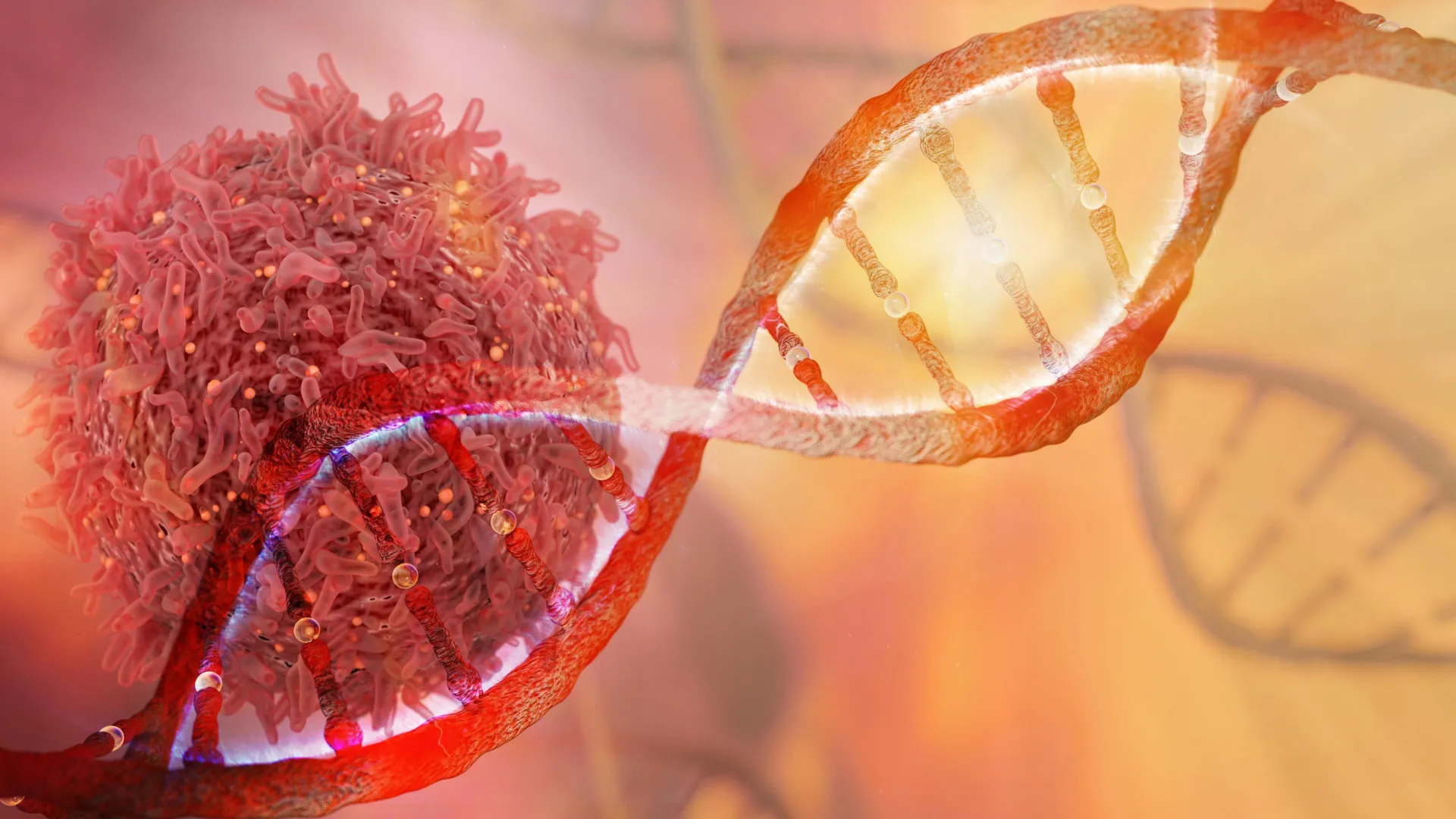
Now, researchers have shown for the first time in Frontiers in Endocrinology that a particular gene, called SDR42E1, is crucial for taking up vitamin D from the gut and further metabolizing it – a discovery with many possible applications in precision medicine, including cancer therapy.
“Here we show that blocking or inhibiting SDR42E1 may selectively stop the growth of cancer cells,” said Dr Georges Nemer, a professor and associate dean for research at the University of College of Health and Life Sciences at Hamad Bin Khalifa University in Qatar, and the study’s corresponding author.
Faulty copy
Nemer and colleagues were inspired by earlier research that had found a specific mutation in the SDR42E1 gene on chromosome 16 to be associated with vitamin D deficiency. The mutation caused the protein to be cut short, rendering it inactive.
The researchers used CRISPR/Cas9 gene editing to transform the active form of SDR42E1 in a line of cells from a patient with colorectal cancer, called HCT116, into its inactive form. In HCT116 cells, the expression of SDR42E1 is usually abundant, suggesting that the protein is essential for their survival.
Once the faulty SDR42E1 copy had been introduced, the viability of the cancer cells plummeted by 53%. No fewer than 4,663 ‘downstream’ genes changed their expression levels, suggesting that SDR42E1 is a crucial molecular switch in many reactions necessary for the health of cells. Many of these genes are normally involved in cancer-related cell signaling and the absorption and metabolism of cholesterol-like molecules – consistent with the central role of SDR42E1 in calcitriol synthesis.
These results suggest that inhibiting the gene can selectively kill cancer cells, while leaving neighboring cells unharmed.
Cuts two ways
“Our results open new potential avenues in precision oncology, though clinical translation still requires considerable validation and long-term development,” said Dr Nagham Nafiz Hendi, a professor at Middle East University in Amman, Jordan, and the study’s first author.
But starving selected cells of vitamin D is not the only possible application that immediately sprang to the mind of the researchers. The present results suggest that SDR42E1 cuts two ways: artificially ‘dialing up’ levels of SDR42E1 in local tissues through gene technology might likewise be beneficial, leveraging the many known health effects of calcitriol.
“Because SDR42E1 is involved in vitamin D metabolism, we could also target it in any of the many diseases where vitamin D plays a regulatory role,” said Nemer.
“For example, nutrition studies have indicated that the hormone can lower the risk of cancer, kidney disease, and autoimmune and metabolic disorders.”
“But such broader applications must be done with caution, as long-term effects of SDR42E1 on vitamin D balance remain to be fully understood,” warned Hendi.

A study led by a scientist at the University of California San Diego offers new warnings on the dangers of human interactions with wildlife.
Assistant Professor Shermin de Silva of the School of Biological Sciences studies endangered Asian elephants and has reported on their shrinking habitats, a downturn that has resulted in territorial conflicts between people and elephants.
Along with her study coauthors, de Silva now provides fresh evidence in the journal Ecological Solutions and Evidence on the serious consequences of humans supplying food to wild animals. The report indicates that such provisioning can lead wildlife to become habituated to people, causing the animals to become bolder and more prone to causing problems. Even for those who live in areas without native elephant populations, the new study provides cautionary information about interactions with any wildlife species living among us.
Wild elephants are a prime attraction in Asia, with Sri Lanka and India featuring some of the world’s last abundant populations of Asian elephants.
In Sri Lanka, de Silva studied 18 years of elephant-tourist interactions at Udawalawe National Park. She found that the elephants congregating near tourists at the park’s southern boundary have developed “begging” behavior and have become habituated to sugary foods, sometimes breaking through fences to continue being fed. As a result of elephants being drawn to the fence, several people have been killed or injured, and at least three elephants have been killed, while others have ingested plastic food bags and other contaminants. Such close human-wildlife encounters, including tourists feeding animals from sightseeing vehicles, also increases the risk of disease transmission to animals.
In India’s Sigur region, study coauthors Priya Davidar and Jean-Philippe Puyravaud of the Sigur Nature Trust observed feeding interactions with 11 male Asian elephants, four of which died from suspected human causes. One elephant was successfully rehabilitated and returned to natural foraging behavior.
“Many people, especially foreign tourists, think Asian elephants are tame and docile, like domestic pets,” said de Silva, a faculty member in the Department of Ecology, Behavior and Evolution and founder of the non-profit conservation organization Trunks & Leaves. “They don’t realize these are formidable wild animals and try to get too close in order to take photographs or selfies, which can end badly for both parties.”
Of the 800 to 1,200 elephants estimated living in Udawalawe National Park, the study found that 66 male elephants, or nine to 15% of the local male population of Asian elephants, were observed begging for food. Some elephants, including a popular male named Rambo, became local celebrities as they solicited food from tourists over several years.
“Food-conditioned animals can become dangerous, resulting in the injury and death of wildlife, people or both,” the researchers note in their paper. “These negative impacts counteract potential benefits.”
Since wild elephant feeding cannot be adequately regulated as an ongoing activity, the authors of the study recommend that feeding bans should be strictly enforced.
The researchers recognize that tourists are for the most part acting with good intentions, like people in many areas around the world who feed or leave food for wild animals in their regions. They can act from a motivation that they are helping friends in nature and take gratification from such interactions. “But this encourages wild animals to seek food from people, attracting them to areas that can put themselves or people at risk,” said de Silva. “It can be a conduit for disease transfer between species. Such feeding can also cause animals to lose their ability to forage for themselves if the behavior becomes prevalent, especially with young animals.”
Such interactions, de Silva says, can change animals’ movement patterns and possibly force them to lose knowledge of natural food sources if they become too dependent on handouts.
With rare exceptions, people should avoid feeding wild animals, de Silva urges, and encourages people to engage in responsible tourism.
