A digital imaging service has reduced waiting times for patients with suspected skin cancers.


A digital imaging service has reduced waiting times for patients with suspected skin cancers.
But nurses, doctors and health experts say that more funding and extra staff are needed to make it a reality.
Former health secretary Matt Hancock denied claims the government’s attempt to throw a protective ring around care homes in early 2020 was empty rhetoric.
Catherine says “you put on a sort of brave face” during treatment but afterwards it can also feel “really difficult”.
Any high school reunion is a sharp reminder that some people age more gracefully than others. Some enter their older years still physically spry and mentally sharp. Others start feeling frail or forgetful much earlier in life than expected.
“The way we age as we get older is quite distinct from how many times we’ve traveled around the sun,” said Ahmad Hariri, professor of psychology and neuroscience at Duke University.
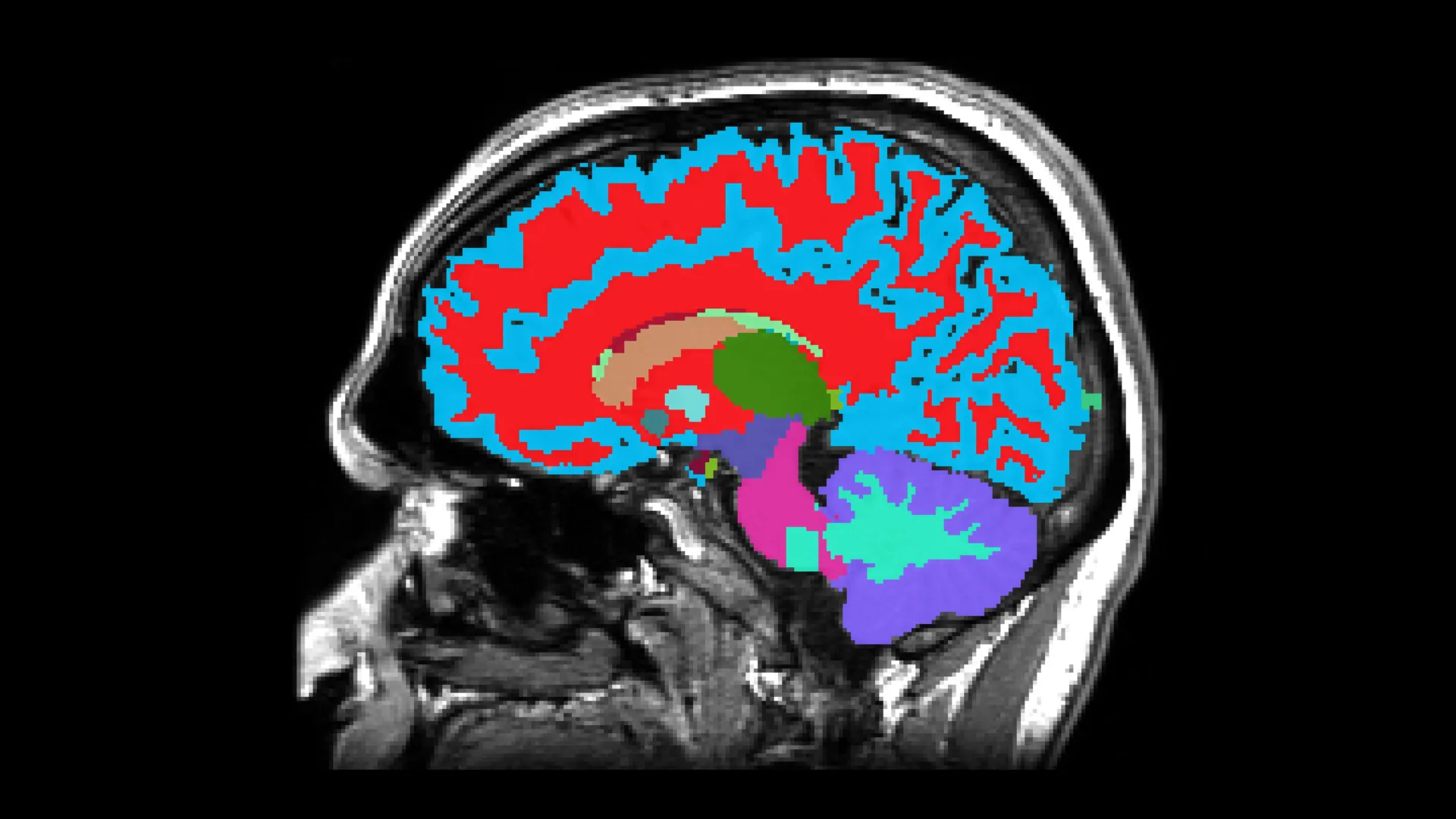
Now, scientists at Duke, Harvard and the University of Otago in New Zealand have developed a freely available tool that can tell how fast someone is aging, and while they’re still reasonably healthy — by looking at a snapshot of their brain.
From a single MRI brain scan, the tool can estimate your risk in midlife for chronic diseases that typically emerge decades later. That information could help motivate lifestyle and dietary changes that improve health.
In older people, the tool can predict whether someone will develop dementia or other age-related diseases years before symptoms appear, when they might have a better shot at slowing the course of disease.
“What’s really cool about this is that we’ve captured how fast people are aging using data collected in midlife,” Hariri said. “And it’s helping us predict diagnosis of dementia among people who are much older.”
The results were published July 1 in the journal Nature Aging.
Finding ways to slow age-related decline is key to helping people live healthier, longer lives. But first “we need to figure out how we can monitor aging in an accurate way,” Hariri said.
Several algorithms have been developed to measure how well a person is aging. But most of these “aging clocks” rely on data collected from people of different ages at a single point in time, rather than following the same individuals as they grow older, Hariri said.
“Things that look like faster aging may simply be because of differences in exposure” to things such as leaded gasoline or cigarette smoke that are specific to their generation, Hariri said.
The challenge, he added, is to come up with a measure of how fast the process is unfolding that isn’t confounded by environmental or historical factors unrelated to aging.
To do that, the researchers drew on data gathered from some 1,037 people who have been studied since birth as part of the Dunedin Study, named after the New Zealand city where they were born between 1972 and 1973.
Every few years, Dunedin Study researchers looked for changes in the participants’ blood pressure, body mass index, glucose and cholesterol levels, lung and kidney function and other measures — even gum recession and tooth decay.
They used the overall pattern of change across these health markers over nearly 20 years to generate a score for how fast each person was aging.
The new tool, named DunedinPACNI, was trained to estimate this rate of aging score using only information from a single brain MRI scan that was collected from 860 Dunedin Study participants when they were 45 years old.
Next the researchers used it to analyze brain scans in other datasets from people in the U.K., the U.S., Canada and Latin America.
Faster aging and higher dementia risk
Across data sets, they found that people who were aging faster by this measure performed worse on cognitive tests and showed faster shrinkage in the hippocampus, a brain region crucial for memory.
More soberingly, they were also more likely to experience cognitive decline in later years.
In one analysis, the researchers examined brain scans from 624 individuals ranging in age from 52 to 89 from a North American study of risk for Alzheimer’s disease.
Those who the tool deemed to be aging the fastest when they joined the study were 60% more likely to develop dementia in the years that followed. They also started to have memory and thinking problems sooner than those who were aging slower.
When the team first saw the results, “our jaws just dropped to the floor,” Hariri said.
Links between body and brain
The researchers also found that people whose DunedinPACNI scores indicated they were aging faster were more likely to suffer declining health overall, not just in their brain function.
People with faster aging scores were more frail and more likely to experience age-related health problems such as heart attacks, lung disease or strokes.
The fastest agers were 18% more likely to be diagnosed with a chronic disease within the next several years compared with people with average aging rates.
Even more alarming, they were also 40% more likely to die within that timeframe than those who were aging more slowly, the researchers found.
“The link between aging of the brain and body are pretty compelling,” Hariri said.
The correlations between aging speed and dementia were just as strong in other demographic and socioeconomic groups than the ones the model was trained on, including a sample of people from Latin America, as well as United Kingdom participants who were low-income or non-White.
“It seems to be capturing something that is reflected in all brains,” Hariri said.
The work is important because people worldwide are living longer. In the coming decades, the number of people over age 65 is expected to double, reaching nearly one fourth of the world’s population by 2050.
“But because we live longer lives, more people are unfortunately going to experience chronic age-related diseases, including dementia,” Hariri said.
Dementia’s economic burden is already huge. Research suggests that the global cost of Alzheimer’s care, for example, will grow from $1.33 trillion in 2020 to $9.12 trillion in 2050 — comparable or greater than the costs of diseases like lung disease or diabetes that affect more people.
Effective treatments for Alzheimer’s have proven elusive. Most approved drugs can help manage symptoms but fail to stop or reverse the disease.
One possible explanation for why drugs haven’t worked so far is they were started too late, when the Alzheimer’s proteins that build up in and around nerve cells have already done too much damage.
“Drugs can’t resurrect a dying brain,” Hariri said.
But in the future, the new tool could make it possible to identify people who may be on the way to Alzheimer’s sooner, and evaluate interventions to stop it — before brain damage becomes extensive, and without waiting decades for follow-up.
In addition to predicting our risk of dementia over time, the new clock will also help scientists better understand why people with certain risk factors, such as poor sleep or mental health conditions, age differently, said first author Ethan Whitman, who is working toward a Ph.D. in clinical psychology with Hariri and study co-authors Terrie Moffitt and Avshalom Caspi, also professors of psychology and neuroscience at Duke.
More research is needed to advance DunedinPACNI from a research tool to something that has practical applications in healthcare, Whitman added.
But in the meantime, the team hopes the tool will help researchers with access to brain MRI data measure aging rates in ways that aging clocks based on other biomarkers, such as blood tests, can’t.
“We really think of it as hopefully being a key new tool in forecasting and predicting risk for diseases, especially Alzheimer’s and related dementias, and also perhaps gaining a better foothold on progression of disease,” Hariri said.
The authors have filed a patent application for the work. This research was supported by the U.S. National Institute on Aging (R01AG049789, R01AG032282, R01AG073207), the UK Medical Research Council (MR/X021149/1), and the New Zealand Health Research Council (Program Grant 16-604).

A new study challenges the belief in a universal “pet effect” on human well-being. Using data collected during COVID-19 lockdowns, researchers found no significant change in respondents’ well-being when they acquired or lost a pet in their household. The findings suggest that, even during a time of extreme isolation, human-animal bonds may not be as emotionally transformative as we like to believe.
Humans and their pets, a match made in heaven? Does adopting a new dog make you happier and less lonely? It is now commonplace to associate pet ownership with health and happiness for the human and the animal. Still, science has had a hard time pinning down the ‘pet effect’ — a hypothesised boost in life quality for those who surround themselves with cats, dogs, or other companion animals. Only a few years ago, circumstances presented us with a severe test of the importance of human-animal bonds — a global pandemic, COVID-19, which confined people to their homes, cutting them off from face-to-face contact in both work and personal life.
Researchers at ELTE Eötvös Loránd University have examined how pet acquisition and loss were experienced during the pandemic and the short- and long-term effects of acquiring a pet on the participants. The study was published in Scientific Reports. “Through a collaboration with a psychologist team led by Zsolt Demetrovics and Róbert Urbán, we had access to a unique data set,” explains Eniko Kubinyi, head of the MTA-ELTE ‘Momentum’ Companion Animals Research Group. “During the 2020 COVID-19 lockdowns, almost three thousand people across Hungary participated three times in data collection, several months apart. We noticed that 65 people acquired a pet and 75 lost one during the study, and decided to investigate how their well-being changed over time.”
The researchers found little support for the romanticised view we hold of pet owners and their emotional well-being. A short-lived boost in cheerfulness appeared after acquiring a dog, however, in a long run, dog owners’ calmness, life-satisfaction, cheerfulness, and activity had gone down. Most surprisingly, the researchers found that losing a pet did not leave a mark on the well-being of their former owners.
Ádám Miklósi, who initiated the data collection on companion animals, emphasises, “We rarely have access to data that documents spontaneous pet acquisition from people unbiased in their attitude toward pet ownership. Usually, pet lovers are identified and studied when the decision to adopt an animal is already settled. It appears that, at least during stressful periods, the average person, who may not be the primary caregiver but simply shares a household with the pet, is not significantly affected by the pet’s loss, nor is their well-being a strong predictor of the decision to acquire one.”
“What surprised me most,’ adds Judit Mokos, data scientist and one of the paper’s first authors, ‘was that a new pet in the household had no effect on the respondents’ loneliness. Dog adoption is often promoted as a solution for elderly and/or lonely people. Shelters and pet food companies promote adoption as a means of alleviating loneliness. However, our research suggests that dogs do not provide a real solution to loneliness; rather, they make the new owners more anxious.”
Kubinyi concludes, “Based on the data, most people, living together with a companion animal, do not seem to experience any long-term ‘pet effect’, nor do they bond strongly with their animal. It is possible that the dynamics of the pandemic have led many to make impulsive choices against their long-term interest, or that only certain groups — like devoted animal lovers or older adults living alone — truly benefit from pets in stressful times.”
It appears that during the COVID-19 pandemic, the emotional bonds people formed with animals often fell short of expectations.
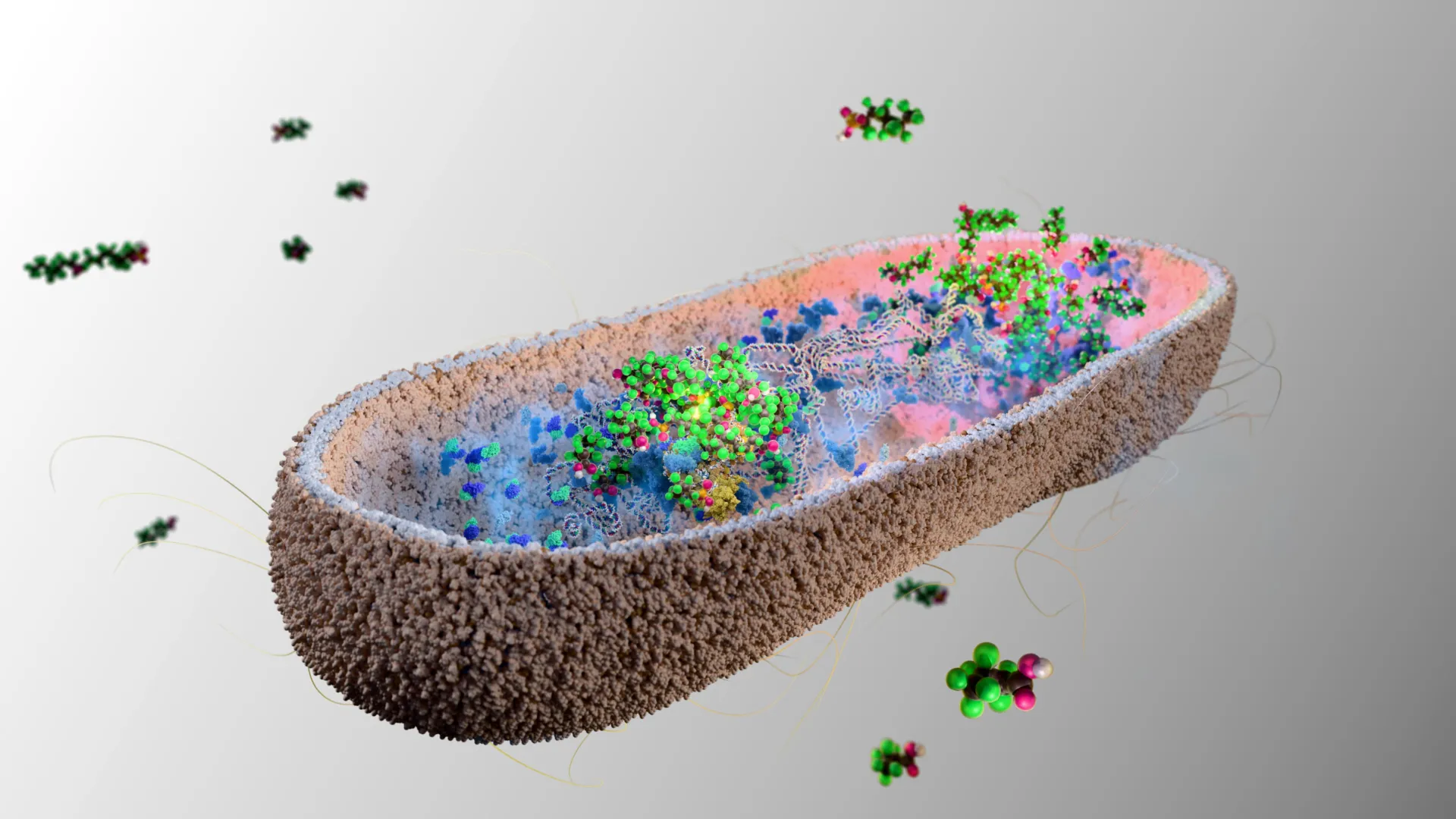
Scientists have discovered that certain species of microbe found in the human gut can absorb PFAS — the toxic and long-lasting ‘forever chemicals.’ They say boosting these species in our gut microbiome could help protect us from the harmful effects of PFAS.
PFAS have been linked with a range of health issues including decreased fertility, developmental delays in children, and a higher risk of certain cancers and cardiovascular diseases.
Scientists at the University of Cambridge have identified a family of bacterial species, found naturally in the human gut, that absorb various PFAS molecules from their surroundings. When nine of these bacterial species were introduced into the guts of mice to ‘humanise’ the mouse microbiome, the bacteria rapidly accumulated PFAS eaten by the mice — which were then excreted in faeces.
The researchers also found that as the mice were exposed to increasing levels of PFAS, the microbes worked harder, consistently removing the same percentage of the toxic chemicals. Within minutes of exposure, the bacterial species tested soaked up between 25% and 74% of the PFAS.
The results are the first evidence that our gut microbiome could play a helpful role in removing toxic PFAS chemicals from our body — although this has not yet been directly tested in humans.
The researchers plan to use their discovery to create probiotic dietary supplements that boost the levels of these helpful microbes in our gut, to protect against the toxic effects of PFAS.
The results are published today in the journal Nature Microbiology.
PFAS (Perfluoroalkyl and Polyfluoroalkyl Substances) can’t be avoided in our modern world. These man-made chemicals are in many everyday items including waterproof clothing, non-stick pans, lipsticks and food packaging, used for their resistance to heat, water, oil and grease. But because they take thousands of years to break down, they are accumulating in large quantities in the environment – and in our bodies.
Dr Kiran Patil, in the University of Cambridge’s MRC Toxicology Unit and senior author of the report, said: “Given the scale of the problem of PFAS ‘forever chemicals’, particularly their effects on human health, it’s concerning that so little is being done about removing these from our bodies.”
“We found that certain species of human gut bacteria have a remarkably high capacity to soak up PFAS from their environment at a range of concentrations, and store these in clumps inside their cells. Due to aggregation of PFAS in these clumps, the bacteria themselves seem protected from the toxic effects.”
Dr Indra Roux, a researcher at the University of Cambridge’s MRC Toxicology Unit and a co-author of the study said: “The reality is that PFAS are already in the environment and in our bodies, and we need to try and mitigate their impact on our health now. We haven’t found a way to destroy PFAS, but our findings open the possibility of developing ways to get them out of our bodies where they do the most harm.”
There is increasing concern about the environmental and health impacts of PFAS, and in April 2025 the UK launched a parliamentary inquiry into their risks and regulation.
There are over 4,700 PFAS chemicals in widespread use. Some get cleared out of the body in our urine in a matter of days, but others with a longer molecular structure can hang around in the body for years.
Dr Anna Lindell, a researcher at the University of Cambridge’s MRC Toxicology Unit and first author of the study said: “We’re all being exposed to PFAS through our water and food – these chemicals are so widespread that they’re in all of us.
“PFAS were once considered safe, but it’s now clear that they’re not. It’s taken a long time for PFAS to become noticed because at low levels they’re not acutely toxic. But they’re like a slow poison.”
Lindell and Patil have co-founded a startup, Cambiotics, with serial entrepreneur Peter Holme Jensen to develop probiotics that remove PFAS from the body, and they are investigating various ways of turbo-charging the microbes’ performance. Cambiotics is supported by Cambridge Enterprise, the innovation arm of the University of Cambridge, which helps researchers translate their work into globally-leading economic and social impact.
While we wait for new probiotics to become available, the researchers say the best things we can do to help protect ourselves against PFAS are to avoid PFAS-coated cooking pans, and use a good water filter.
Official figures show that the birth rate in England and Wales went up for the first time since 2021.

Previously described as playing astronomical ‘spot the difference,’ Kilonova Seekers asks the public to compare the latest images of a section of night sky to an image of the same section of space taken on previous nights. Their goal – to spot new stars or significant changes in light intensity that may indicate that something remarkable has happened in space.
Published today (July 1) in Astronomy & Astrophysics, the project has announced its first published major discovery – a bright exploding star.
The object underwent an extreme brightening (increasing by 2500 times) that was not seen when compared to the image taken 2 days earlier. The quick response and diligent work of the public allowed the object to be studied and classified early in its evolution, identifying it as a cataclysmic variable star, and given the name GOTO0650.
Co-lead of Kilonova Seekers, Dr. Tom Killestein, Warwick Prize Fellow in the Astronomy and Astrophysics group, University of Warwick said: “Kilonova Seekers is a unique opportunity for members of the public to take part in true real-time astrophysics. Remarkably, public volunteers identified this star as an object of interest within 3 1/2 hours of the image being taken by the GOTO telescopes – this discovery could have been missed among many other objects without their efforts.
“The involvement of the volunteers didn’t stop there, as there was a huge follow-up response from the public. It was flagged for further observations from the Swift and Einstein Probe space observatories, and GOTO0650 was bright enough for amateur astronomers to take impressively high-quality observations of with their own equipment, which formed a key part of the paper and really helping us understand the object.”
Cataclysmic variable stars sporadically increase in brightness by large amounts before dropping back to normal levels. They are compact binary star systems, consisting of a white dwarf star stealing matter from its companion donor star. Periodically, material from the donor star hits a critical density and temperature within the disc of gas that surrounds the white dwarf, which causes an explosive outburst and bright flashes of light.
The fast response of the public enabled the team to get an unusually highly complete dataset on the star, including spectroscopy, X-ray, and UV measurements, supplemented by the impressively high-quality observations of the amateur astronomers. These observations suggest it is a period bouncer, the final state of a cataclysmic variable star, and a rare object to find even in the age of widespread wide-field imaging surveys.
Co-lead of Kilonova Seekers, Dr Lisa Kelsey, Leverhulme Early Career Fellow, Institute of Astronomy and Kavli Institute for Cosmology, Cambridge said: “Citizen science is a powerful way to make novel serendipitous discoveries in vast datasets that would normally need to be analysed in depth by scientists.
“With over 2.8 million classifications so far, the discovery of GOTO0650 is really the pinnacle of 2 years of consistent hard work from our volunteers. Without the Kilonova Seekers volunteers flagging this object, rapid follow-up would not have been possible, and this object may have been missed entirely.”
The Kilonova Seekers Project is approaching its two-year anniversary of inviting members of the public to analyse near real-time data collected from the Warwick-led Gravitational-wave Optical Transient Observer (GOTO) project. This project takes all-sky survey images of space from two arrays of telescopes located on opposite sides of the planet — in Spain and Australia.
The vast numbers of observations taken in these imaging surveys will soon be beyond the capacity of individual and small teams of scientists to label and validate. Citizen Science is a viable, mutually beneficial solution to avoid objects like GOTO0650 being missed.
As a shining example of such efforts, Kilonova Seekers has provided over 3,500 members of the public with the opportunity to discover supernovae and variable stars using real data. With volunteers from around the world, there is almost always someone online looking at the data in real-time.
Svetoslav Alexandrov, Kilonova Seekers Volunteer based in Bulgaria said: “Traffic in Sofia, Bulgaria, is always awful during the mornings so I have to pass time on the bus somehow, and contributing to citizen science is an excellent way to do that! Kilonova Seekers is on the top of my list, because it’s mobile-friendly and most importantly, it offers us fresh imagery almost every single day.
“I literally screamed with joy when I saw that I was going to be a co-author of the research paper. I’m certain that people on the street raised their eyebrows when they saw me screaming and dancing, but I didn’t care. I knew I am a co-discoverer of something significant, and this was all that mattered”
Cledison Marcos da Silva, Kilonova Seekers Volunteer based in Brazil said: “This discovery was very important to me, as I was going through a serious health problem and the citizen science we do at Kilonova Seekers was distracting me from my situation. I never imagined that we would discover such a bright transient, so it was a huge surprise, and we were very happy when we found out. This discovery shows the importance of citizen science, both scientifically and personally. Even from your bed, or on the street with your cell phone, there is the possibility of making a very important discovery.”
Mayahuel Torres-Guerrero, Kilonova Seekers Volunteer based in Mexico said: “The journey from the discovery of GOTO0650 to the publication of the paper in Astronomy & Astrophysics has been personally rewarding. I had the opportunity to learn how to download data from LCO telescopes and to produce light curves that allowed us to monitor echo outbursts. It was very exciting when GOTO0650 produced an echo outburst on Christmas Day and New Year’s Day! It was a great journey for someone who has studied social sciences like me!”
GOTO is a network of telescopes that is principally funded by the Science and Technology Facilities Council (STFC) and operated by the University of Warwick at the Roque de los Muchachos Observatory on La Palma, Spain, and Siding Spring Observatory in NSW, Australia, on behalf of a consortium including the University of Warwick, Monash University, Armagh Observatory & Planetarium, the University of Leicester, the University of Sheffield, the National Astronomical Research Institute of Thailand (NARIT), the University of Turku, the University of Portsmouth, the University of Manchester and the Instituto de Astrofisica de Canarias (IAC).
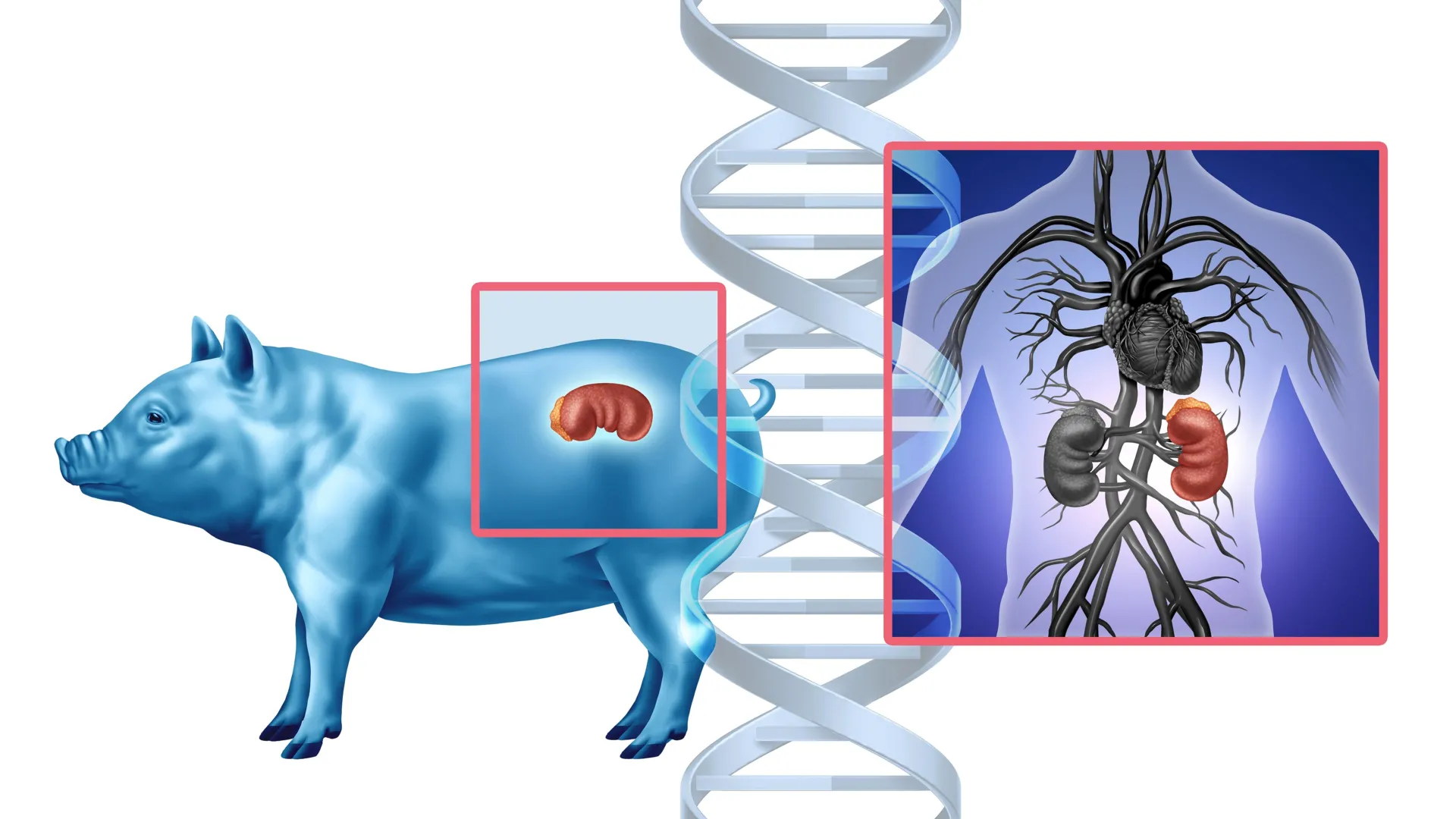
A pioneering study has provided unprecedented insights into the immune response following pig-to-human kidney xenotransplantation.1
The findings, presented today at the ESOT Congress 2025, mark a significant step forward in overcoming the biggest challenge in xenotransplantation: rejection by the human immune system.
Using cutting-edge spatial molecular imaging, researchers mapped how human immune cells interact with pig kidney tissue in transplanted organs, revealing critical early markers of rejection and potential intervention strategies. The study, led by Dr. Valentin Goutaudier and a collaborative international research team (Paris Institute for Transplantation and Organ Regeneration & NYU Langone Transplant Institute), highlights key molecular mechanisms that could shape the future of xenotransplantation.
One of the most striking discoveries was that human immune cells were found in every part of the pig kidney’s filtering system after the transplant. Researchers observed early molecular signs of antibody-mediated rejection as soon as Day 10 and peaking at Day 33, reinforcing previous findings that rejection begins rapidly but progresses over time.2 By tracking these immune responses for up to 61 days, the team identified a crucial window for targeted therapeutic intervention.
“Our study provides the most detailed molecular map to date of how the human immune system engages with a transplanted pig kidney,” explained Dr. Goutaudier. “By pinpointing specific immune cell behaviours and gene expressions, we can refine anti-rejection treatments and improve transplant viability.”
The study’s innovative approach used a bioinformatic pipeline to distinguish human immune cells from pig structural cells, allowing for precise mapping of immune infiltration patterns. Notably, macrophages and myeloid cells were the most prevalent immune cell types across all time points, further confirming their role as key mediators in xenograft rejection.
When targeted therapeutic interventions were introduced, immune-mediated signs of rejection were successfully weakened. Combined with novel spatial insights into how immune cells interact with pig kidney tissue, this marks a major breakthrough — paving the way for more refined anti-rejection strategies. These advances come at a pivotal time as the first US-based clinical trials of pig kidney transplantation into living human recipients begin in 2025.
With xenotransplantation poised to address the global organ shortage crisis, these findings bring researchers one step closer to making genetically modified pig kidneys a viable long-term solution. The next phase will focus on optimising anti-rejection treatments, refining genetic modifications in donor pigs, and developing early detection protocols to monitor and manage rejection responses.
“Understanding the specific immune interactions at a molecular level allows us to develop targeted interventions that can prevent rejection before it escalates,” explained Dr. Goutaudier. “This research lays the groundwork for safer and more effective pig-to-human transplants in the near future.”
As scientific progress accelerates, researchers remain cautiously optimistic that genetically modified pig kidneys could become a routine transplant option within the next decade. However, regulatory approvals will require consistent demonstration of safety and efficacy in diverse patient populations.
References:
