As MPs debate whether to legalise assisted dying, we speak to those providing end-of-life care.


As MPs debate whether to legalise assisted dying, we speak to those providing end-of-life care.
Kieran Innes was worried he would have to curtail his future plans when his kidneys failed.
Eve Jones, who had anorexia, says banning “skinnytok” only scratches the surface of a larger issue.
The UKHSA and Somerset Council have put together a list on how to stay safe at festivals this summer.
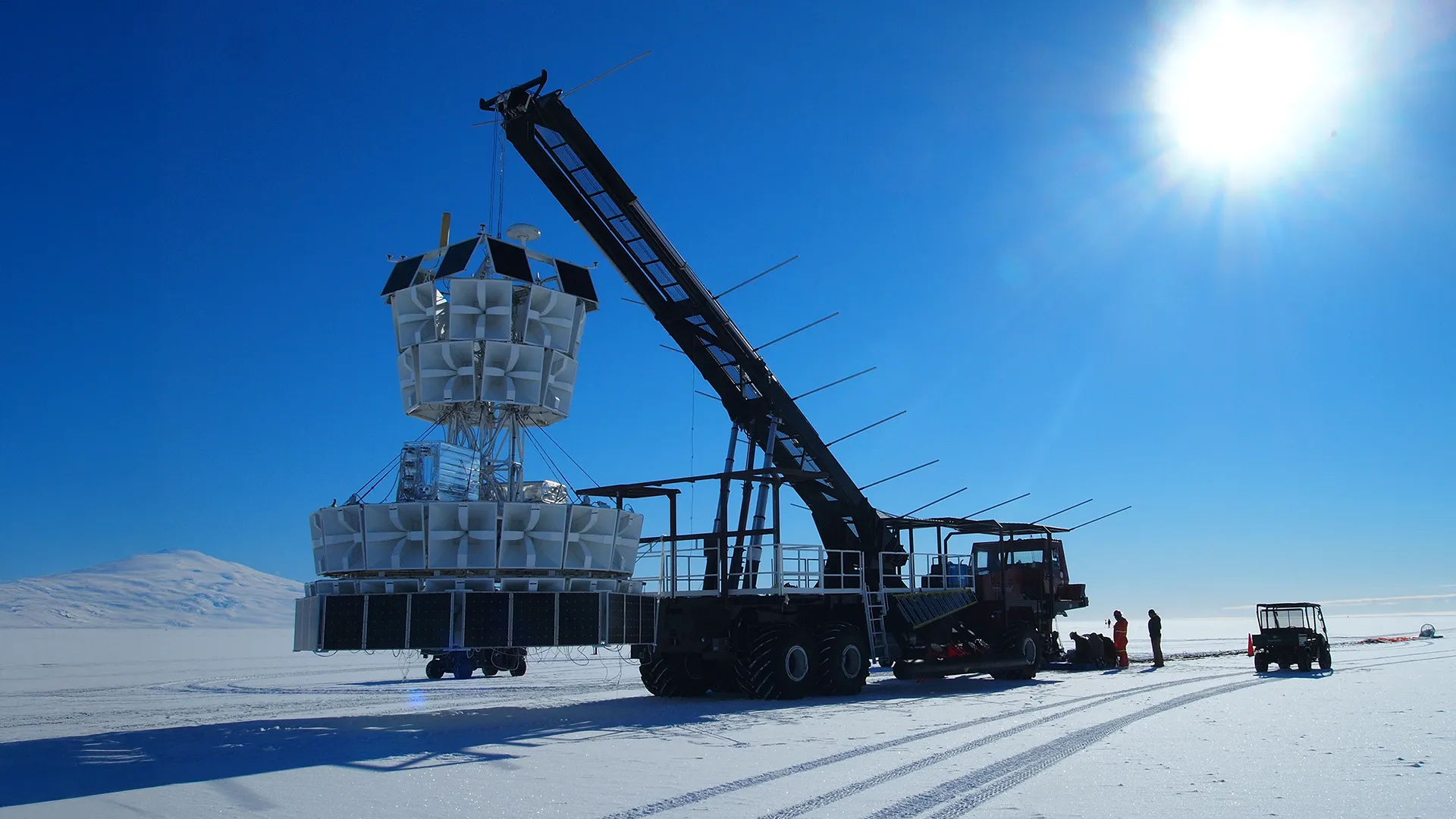
New research led by Dr. James De Buizer at the SETI Institute and Dr. Wanggi Lim at IPAC at Caltech revealed surprising results about the rate at which high-mass stars form in the Galactic Center of the Milky Way. The researchers based their study primarily on observations from NASA’s now-retired SOFIA airborne observatory, focusing on three star-forming regions — Sgr B1, Sgr B2, and Sgr C — located at the heart of the Galaxy. Although the central part of our Galaxy has a much higher density of star-forming material than the rest of the Milky Way, in the Galactic Center, the current rate of formation of massive stars (those larger than 8 times the mass of our Sun) appears to be lower compared to the rest of the Galaxy.
The team compared these three Galactic Center star-forming regions to similar-sized regions further out in the Galaxy, including those closer to our Sun, and confirmed that the rate of star formation is below average near the Galactic Center. Their study finds that despite the Galactic Center’s dense clouds of gas and dust, conditions that typically produce stars with high masses, these star-forming regions struggle to form high-mass stars. Furthermore, the studied areas appear to lack sufficient material for continued star formation, suggesting such regions effectively produce just one generation of stars, unlike typical star-forming regions.
“Recent studies have concluded that star formation is likely depressed near the Galactic Center, and even that there may be no present star formation occurring there,” said De Buizer, lead author of the study. “Since presently-forming massive stars are brightest at long infrared wavelengths, we obtained the highest resolution infrared images of our Galaxy’s central-most star-forming regions. The data show that, contrarily, massive stars are presently forming there, but confirm at a relatively low rate.”
The study suggests that the reason for the slowdown in star formation is due to the extreme conditions in the Galactic Center. These regions orbit swiftly around the black hole at the center of the Galaxy, interacting with older stars and possibly with other material falling toward the black hole. These conditions could inhibit gas clouds from holding together long enough to form stars in the first place and prevent those that do form stars from staying together long enough for continued future star formation.
However, Sgr B2 appears to be the exception. Although its rate of present massive star formation is unusually low, like the other Galactic Center regions studied, it seems to have maintained its reservoir of dense gas and dust, allowing for a future emergent star cluster to be born.
Traditionally, astronomers have viewed giant H II regions — large clouds of gas, mainly hydrogen, in space like Sgr B1 and Sgr C — as hosts of massive star clusters still embedded in their birth clouds. This study challenges that assumption. The team argues these two regions may not fit the classical definition at all, or they may represent a new, previously unrecognized category of stellar nursery.
Enshrouded in gas and dust that obscure these star-forming regions from view in all but the longest infrared wavelengths, SOFIA’s high-resolution infrared eyes allowed the team to identify more than six dozen presently-forming massive stars within the Galactic Center regions. However, these regions formed fewer stars — and topped out at a lower stellar mass — than the Galactic average.
“These Galactic Center star-forming regions are in many ways very similar to the massive star-forming regions in the relatively calm backwaters of our galaxy,” said Lim. “However, the most massive stars we are finding in these Galactic Center regions, though still remarkably large, fall short in both size and quantity compared to those found in similar regions elsewhere in our Galaxy. Furthermore, such star-forming regions typically hang on to large reservoirs of star-forming material and continue to produce multiple epochs of stars, but that appears to not be the case for these Galactic Center regions.”
Lim will present the results of this study at the 246th meeting of the American Astronomical Society in Anchorage, AK.
The government has written to the supermarkets to say the adverts are banned by a law passed in 2002.
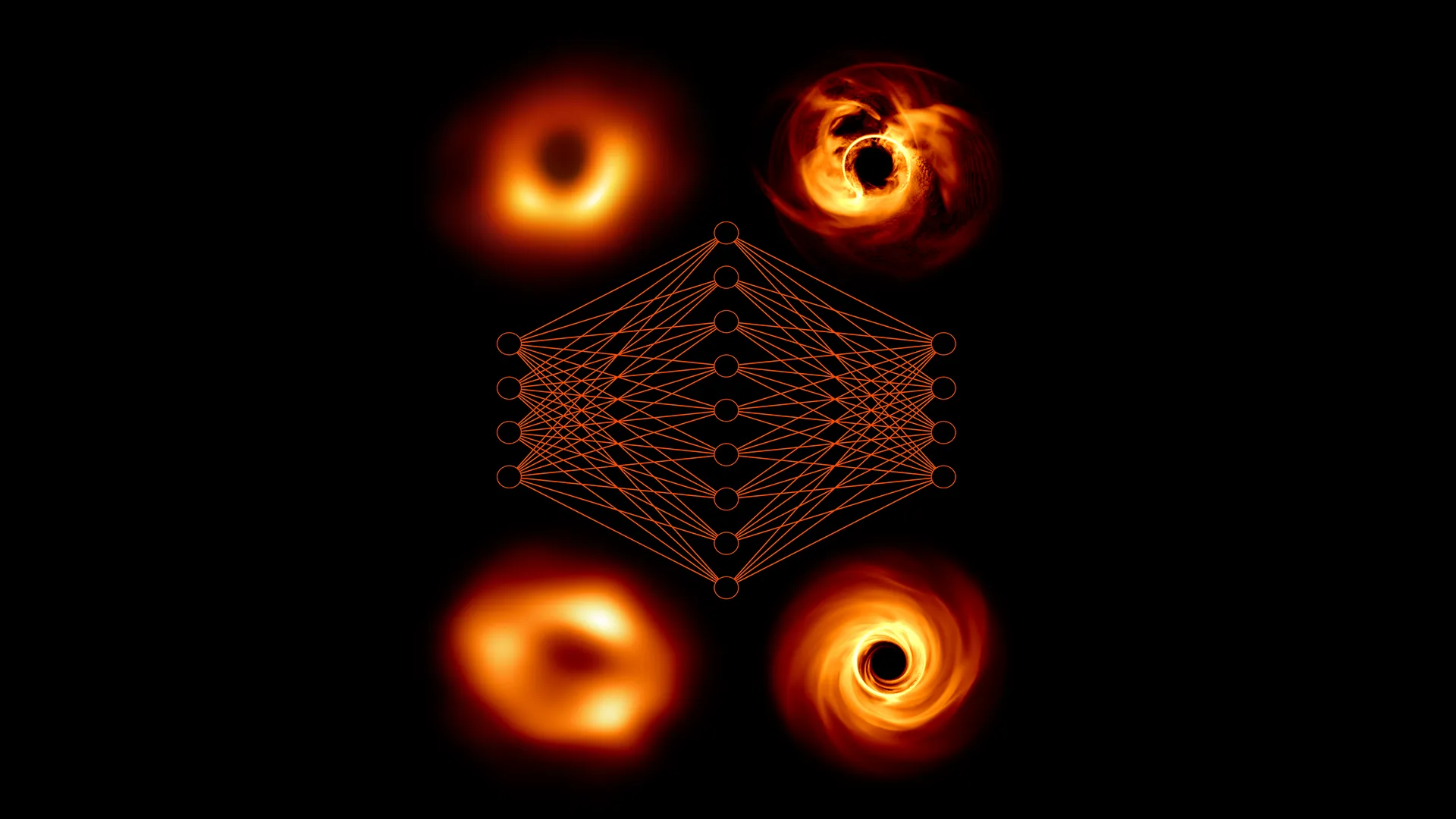
An international team of astronomers has trained a neural network with millions of synthetic simulations and artificial intelligence (AI) to tease out new cosmic curiosities about black holes, revealing the one at the center of our Milky Way is spinning at nearly top speed.
These large ensembles of simulations were generated by throughput computing capabilities provided by the Center for High Throughput Computing (CHTC), a joint entity of the Morgridge Institute for Research and the University of Wisconsin-Madison. The astronomers published their results and methodology today in three papers in the journal Astronomy & Astrophysics.
High-throughput computing, celebrating its 40th anniversary this year, was pioneered by Wisconsin computer scientist Miron Livny. It’s a novel form of distributed computing that automates computing tasks across a network of thousands of computers, essentially turning a single massive computing challenge into a supercharged fleet of smaller ones. This computing innovation is helping fuel big-data discovery across hundreds of scientific projects worldwide, including the search for cosmic neutrinos, subatomic particles and gravitational waves as well as to unravel antibiotic resistance.
In 2019, the Event Horizon Telescope (EHT) Collaboration released the first image of a supermassive black hole at the center of the galaxy M87. In 2022, they presented the image of the black hole at the center of our Milky Way, Sagittarius A*. However, the data behind the images still contained a wealth of hard-to-crack information. An international team of researchers trained a neural network to extract as much information as possible from the data.
From a handful to millions
Previous studies by the EHT Collaboration used only a handful of realistic synthetic data files. Funded by the National Science Foundation (NSF) as part of the Partnership to Advance Throughput Computing (PATh) project, the Madison-based CHTC enabled the astronomers to feed millions of such data files into a so-called Bayesian neural network, which can quantify uncertainties. This allowed the researchers to make a much better comparison between the EHT data and the models.
Thanks to the neural network, the researchers now suspect that the black hole at the center of the Milky Way is spinning at almost top speed. Its rotation axis points to the Earth. In addition, the emission near the black hole is mainly caused by extremely hot electrons in the surrounding accretion disk and not by a so-called jet. Also, the magnetic fields in the accretion disk appear to behave differently from the usual theories of such disks.
“That we are defying the prevailing theory is of course exciting,” says lead researcher Michael Janssen, of Radboud University Nijmegen, the Netherlands. “However, I see our AI and machine learning approach primarily as a first step. Next, we will improve and extend the associated models and simulations.”
Impressive scaling
“The ability to scale up to the millions of synthetic data files required to train the model is an impressive achievement,” adds Chi-kwan Chan, an Associate Astronomer of Steward Observatory at the University of Arizonaand a longtime PATh collaborator. “It requires dependable workflow automation, and effective workload distribution across storage resources and processing capacity.”
“We are pleased to see EHT leveraging our throughput computing capabilities to bring the power of AI to their science,” says Professor Anthony Gitter, a Morgridge Investigator and a PATh Co-PI. “Like in the case of other science domains, CHTC’s capabilities allowed EHT researchers to assemble the quantity and quality of AI-ready data needed to train effective models that facilitate scientific discovery.”
The NSF-funded Open Science Pool, operated by PATh, offers computing capacity contributed by more than 80 institutions across the United States. The Event Horizon black hole project performed more than 12 million computing jobs in the past three years.
“A workload that consists of millions of simulations is a perfect match for our throughput-oriented capabilities that were developed and refined over four decades” says Livny, director of the CHTC and lead investigator of PATh. “We love to collaborate with researchers who have workloads that challenge the scalability of our services.”
Scientific papers referenced
Deep learning inference with the Event Horizon Telescope I. Calibration improvements and a comprehensive synthetic data library. By: M. Janssen et al. In: Astronomy & Astrophysics, 6 June 2025.
Deep learning inference with the Event Horizon Telescope II. The Zingularity framework for Bayesian artificial neural networks. By: M. Janssen et al. In: Astronomy & Astrophysics, 6 June 2025.
Deep learning inference with the Event Horizon Telescope III. Zingularity results from the 2017 observations and predictions for future array expansions. By: M. Janssen et al. In: Astronomy & Astrophysics, 6 June 2025.
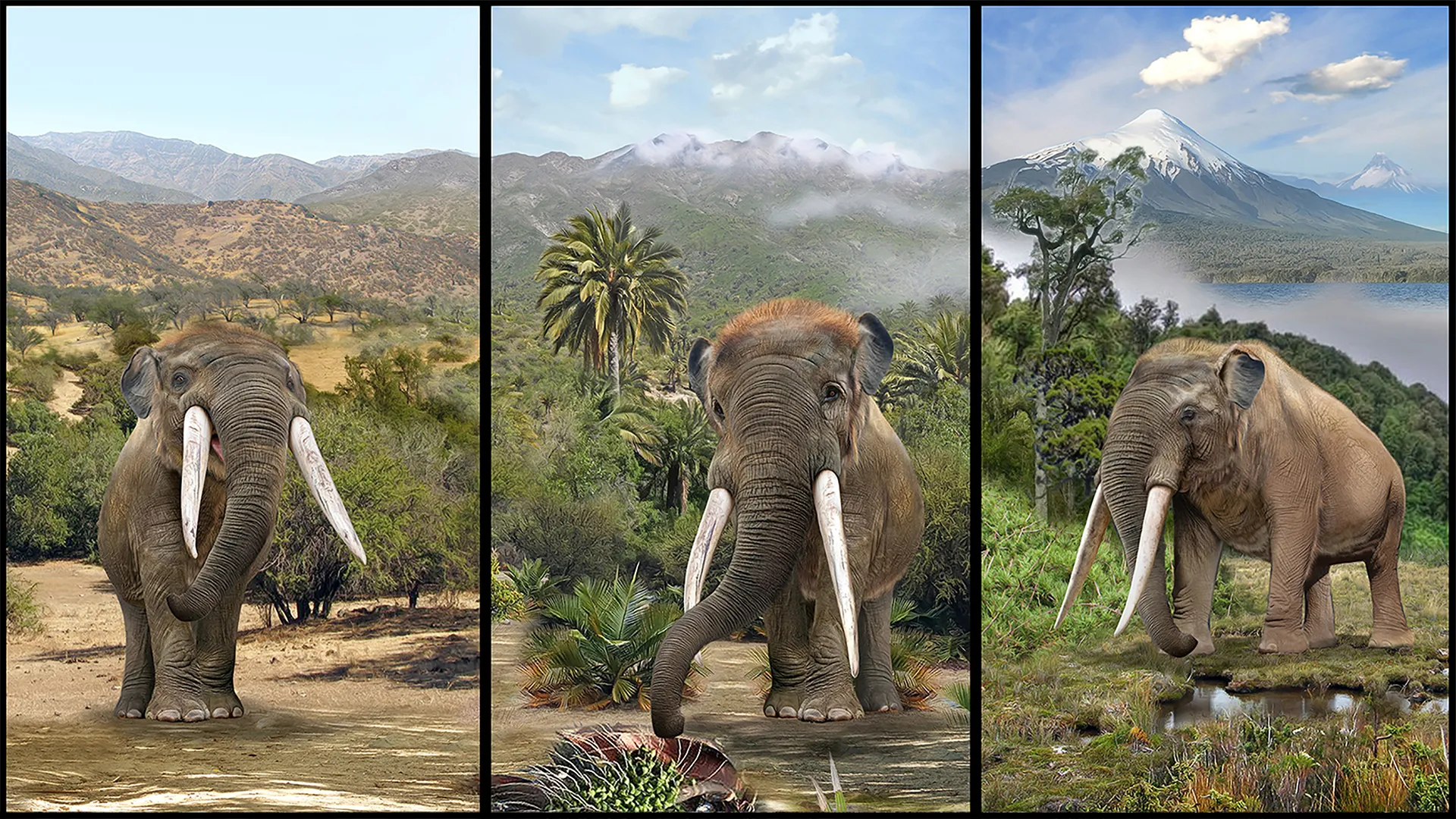
Ten thousand years ago, mastodons vanished from South America. With them, an ecologically vital function also disappeared: the dispersal of seeds from large-fruited plants. A new study led by the University of O’Higgins, Chile, with key contributions from IPHES-CERCA, demonstrates for the first time — based on direct fossil evidence — that these extinct elephant relatives regularly consumed fruit and were essential allies of many tree species. Their loss was not only zoological; it was also botanical, ecological, and evolutionary. Some plant species that relied on mastodons for seed dispersal are now critically endangered.
Published in Nature Ecology & Evolution, the research presents the first solid evidence of frugivory in Notiomastodon platensis, a South American Pleistocene mastodon. The findings are based on a multiproxy analysis of 96 fossil teeth collected over a span of more than 1,500 kilometers, from Los Vilos to Chiloé Island in southern Chile. Nearly half of the specimens come from the emblematic site of Lake Tagua Tagua, an ancient lake basin rich in Pleistocene fauna, located in the present-day O’Higgins Region.
The study was led by Dr. Erwin González-Guarda, researcher at the University of O’Higgins and associate at IPHES-CERCA, alongside an international team that includes IPHES-CERCA researchers Dr. Florent Rivals, a paleodiet specialist; Dr. Carlos Tornero and Dr. Iván Ramírez-Pedraza, experts in stable isotopes and paleoenvironmental reconstruction; and Alia Petermann-Pichincura. The research was carried out in collaboration with the Universitat Rovira i Virgili (URV) and the Universitat Autònoma de Barcelona (UAB).
An ecological hypothesis finally proven
In 1982, biologist Daniel Janzen and paleontologist Paul Martin proposed a revolutionary idea: many tropical plants developed large, sweet, and colorful fruits to attract large animals — such as mastodons, native horses, or giant ground sloths — that would serve as seed dispersers. Known as the “neotropical anachronisms hypothesis,” this theory remained unconfirmed for over forty years. Now, the study led by González-Guarda provides direct fossil evidence that validates it. To understand the lifestyle of this mastodon, the team employed various techniques: isotopic analysis, microscopic dental wear studies, and fossil calculus analysis. “We found starch residues and plant tissues typical of fleshy fruits, such as those of the Chilean palm (Jubaea chilensis),” explains Florent Rivals, ICREA research professor at IPHES-CERCA and an expert in paleodiet. “This directly confirms that these animals frequently consumed fruit and played a role in forest regeneration.”
The forgotten role of large seed dispersers
“Through stable isotope analysis, we were able to reconstruct the animals’ environment and diet with great precision,” notes Iván Ramírez-Pedraza. The data point to a forested ecosystem rich in fruit resources, where mastodons traveled long distances and dispersed seeds along the way. That ecological function remains unreplaced.
“Dental chemistry gives us a direct window into the past,” says Carlos Tornero. “By combining different lines of evidence, we’ve been able to robustly confirm their frugivory and the key role they played in these ecosystems.”
A future threatened by an incomplete past
The extinction of mastodons broke a co-evolutionary alliance that had lasted for millennia. The researchers applied a machine learning model to compare the current conservation status of megafauna-dependent plants across different South American regions. The results are alarming: in central Chile, 40% of these species are now threatened — a rate four times higher than in tropical regions where animals such as tapirs or monkeys still act as alternative seed dispersers.
“Where that ecological relationship between plants and animals has been entirely severed, the consequences remain visible even thousands of years later,” says study co-author Andrea P. Loayza.
Species like the gomortega (Gomortega keule), the Chilean palm, and the monkey puzzle tree (Araucaria araucana) now survive in small, fragmented populations with low genetic diversity. They are living remnants of an extinct interaction.
Paleontology as a key to conservation
Beyond its fossil discoveries, the study sends a clear message: understanding the past is essential to addressing today’s ecological crises. “Paleontology isn’t just about telling old stories,” concludes Florent Rivals. “It helps us recognize what we’ve lost — and what we still have a chance to save.”
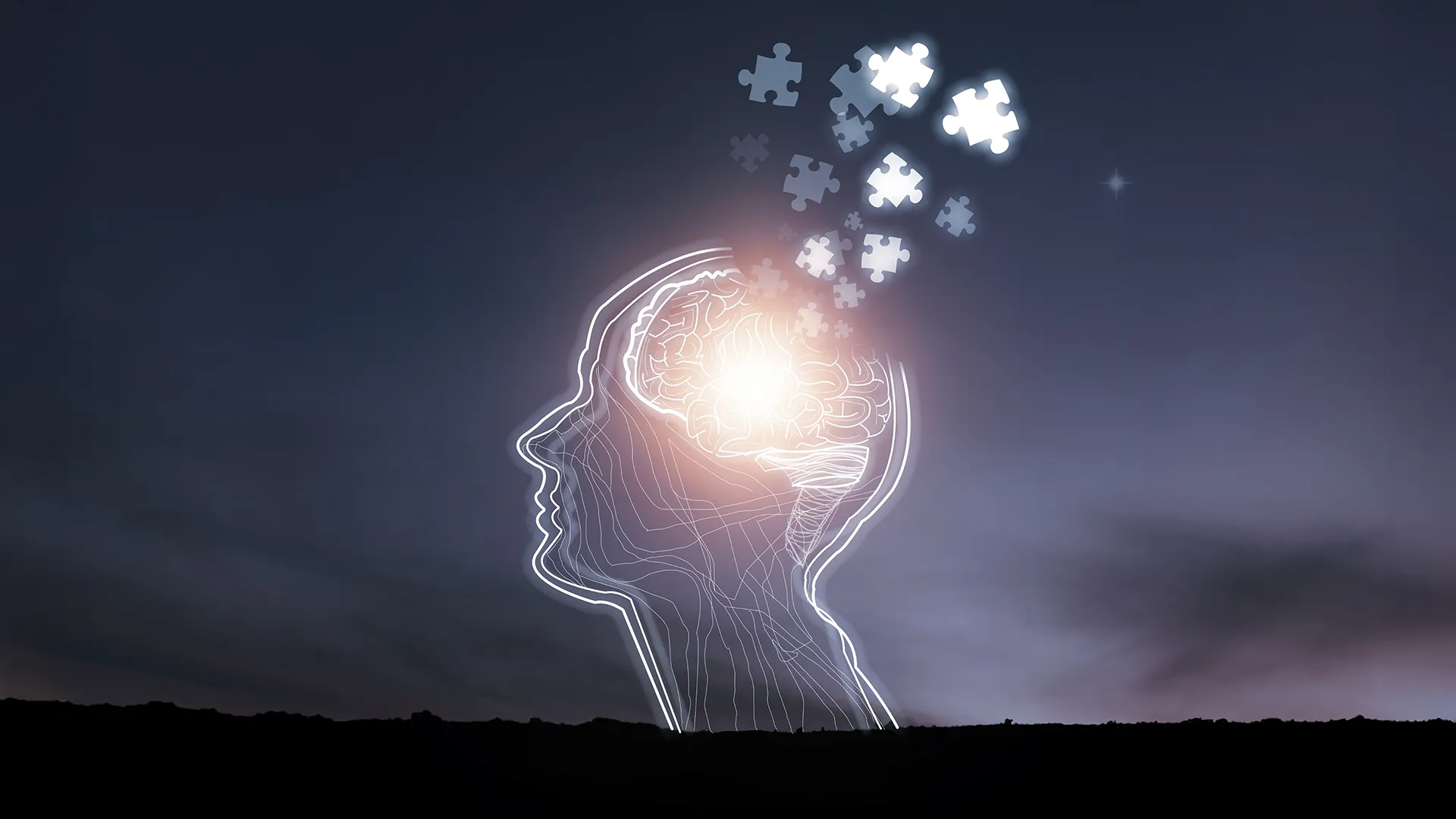
To allow studying the genetic causes of autism spectrum disorder, a Kobe University research team created a bank of 63 mouse embryonic stem cell lines containing the mutations most strongly associated with the disorder. The achievement was made possible by developing a new and more efficient method for changing the genome of embryonic stem cells.
Although it is well understood that genetics influence the development of autism spectrum disorder, no one could yet pinpoint the precise cause and mechanism. To study the biological background of diseases, researchers use models: Cell models allow us to study how changes in the genes affect the shape and function of the cell, while animal models show how the change in its cellular components affects health and behavior. Despite significant differences between mice and humans, many disease-causing genes are very similar and cause similar conditions across these species. “One of the problems, however, is the lack of a standardized biological model to study the effects of the different mutations associated with autism spectrum disorder. This makes it difficult to find out, for example, whether they have common effects or what is specific to certain cell types,” explains Kobe University neuroscientist TAKUMI Toru.
Thus, twelve years ago, Takumi and his team embarked on a journey to change that. Being experts in studying mouse models of the disorder, they combined a conventional manipulation technique for mouse embryonic stem cells — cells that can be made to develop into almost any kind of cell in the body — with the then-newly discovered, highly specific and easy-to-handle CRISPR gene editing system. This new method proved highly efficient in making genetic variants of these cells and allowed the Kobe University team to produce a bank of 63 mouse embryonic stem cell lines of the genetic variants most strongly associated with autism spectrum disorder.
In the journal Cell Genomics, Takumi and his team now published that they were able to develop their cells into a broad range of cell types and tissues, and even generate adult mice with their genetic variations. The analysis of these alone proved that their cell lines were adequate models for studying autism spectrum disorder. However, the cell lines also allowed them to conduct large-scale data analyses to clearly identify genes that are abnormally active, and in which cell types this is the case.
One of the things the data analysis brought to light is that autism-causing mutations often result in neurons being unable to eliminate misshapen proteins. “This is particularly interesting since the local production of proteins is a unique feature in neurons, and a lack of quality control of these proteins may be a causal factor of neuronal defects,” explains Takumi.
The Kobe University neuroscientist expects that his team’s achievement, which has been made available to other researchers and can be flexibly integrated with other lab techniques and adjusted to other targets, will be an invaluable resource for the scientific community studying autism and trying to find drug targets. He adds: “Interestingly, the genetic variants we studied are also implicated in other neuropsychiatric disorders such as schizophrenia and bipolar disorder. So, this library may be useful for studying other conditions as well.”
This research was funded by the Japan Society for the Promotion of Science (grants 16H06316, 16F16110, 21H00202, 21H04813, 23KK0132, 23H04233, 24H00620, 24H01241, 24K22036, 17K07119 and 21K07820), the Japan Agency for Medical Research and Development (grant JP21wm0425011), the Japan Science and Technology Agency (grants JPMJPF2018, JPMJMS2299 and JPMJMS229B), the National Center of Neurology and Psychiatry (grant 6-9), the Takeda Science Foundation, the Smoking Research Foundation, the Tokyo Biochemical Research Foundation, the Kawano Masanori Memorial Public Interest Incorporated Foundation for Promotion of Pediatrics, the Taiju Life Social Welfare Foundation, the Tokumori Yasumoto Memorial Trust for Researches on Tuberous Sclerosis Complex and Related Rare Neurological Diseases, and Takeda Pharmaceutical Company Ltd. It was conducted in collaboration with researchers from the RIKEN Center for Brain Science, Radboud University, the RIKEN Center for Integrative Medical Sciences, the Agency for Science, Technology and Research, the RIKEN Center for Biosystems Dynamics Research, and Hiroshima University.
Kobe University is a national university with roots dating back to the Kobe Higher Commercial School founded in 1902. It is now one of Japan’s leading comprehensive research universities with nearly 16,000 students and nearly 1,700 faculty in 11 faculties and schools and 15 graduate schools. Combining the social and natural sciences to cultivate leaders with an interdisciplinary perspective, Kobe University creates knowledge and fosters innovation to address society’s challenges.
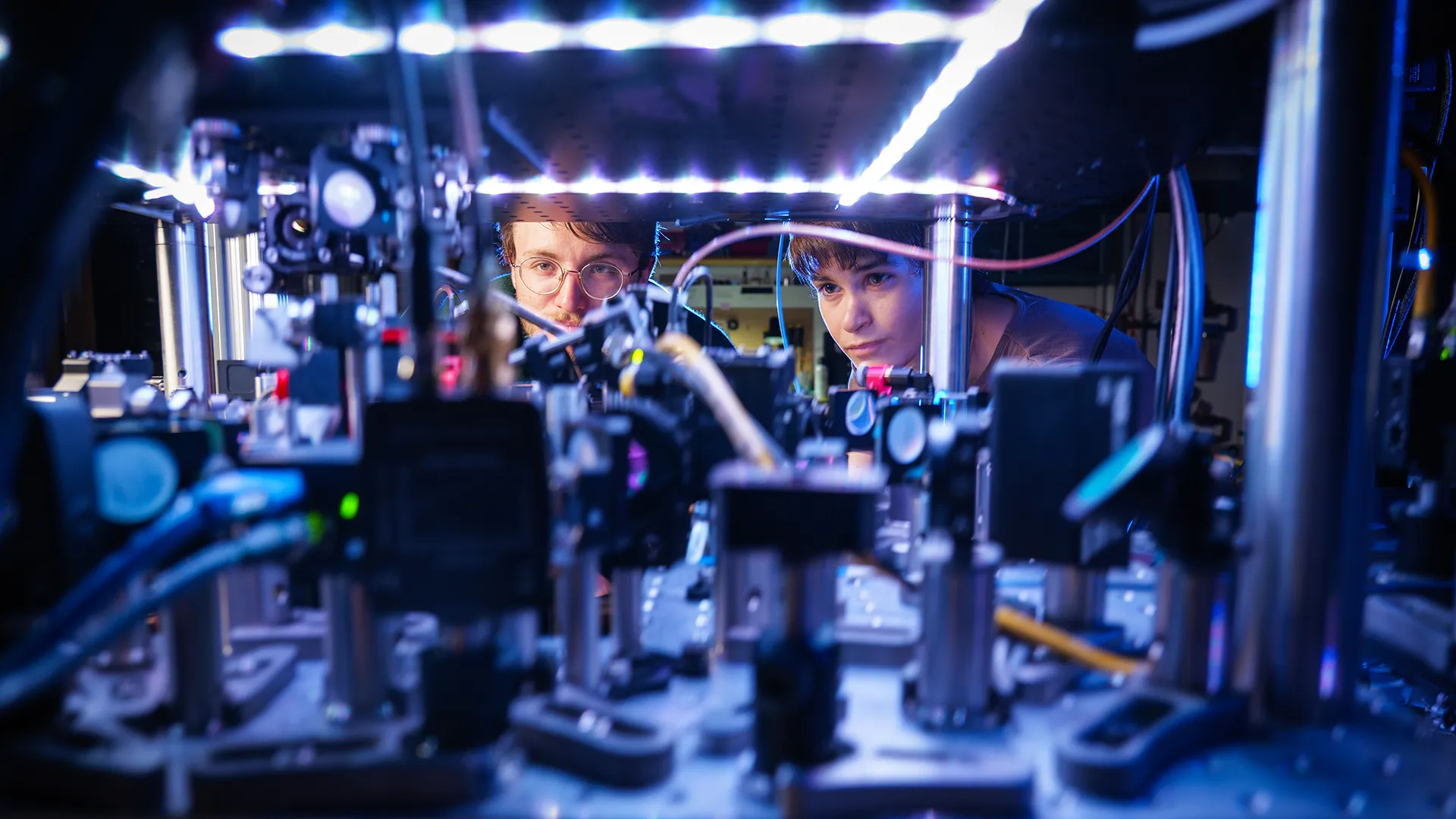
In a new study, physicists at the University of Colorado Boulder have used a cloud of atoms chilled down to incredibly cold temperatures to simultaneously measure acceleration in three dimensions — a feat that many scientists didn’t think was possible.
The device, a new type of atom “interferometer,” could one day help people navigate submarines, spacecraft, cars and other vehicles more precisely.
“Traditional atom interferometers can only measure acceleration in a single dimension, but we live within a three-dimensional world,” said Kendall Mehling, a co-author of the new study and a graduate student in the Department of Physics at CU Boulder. “To know where I’m going, and to know where I’ve been, I need to track my acceleration in all three dimensions.”
The researchers published their paper, titled “Vector atom accelerometry in an optical lattice,” this month in the journal Science Advances. The team included Mehling; Catie LeDesma, a postdoctoral researcher in physics; and Murray Holland, professor of physics and fellow of JILA, a joint research institute between CU Boulder and the National Institute of Standards and Technology (NIST).
In 2023, NASA awarded the CU Boulder researchers a $5.5 million grant through the agency’s Quantum Pathways Institute to continue developing the sensor technology.
The new device is a marvel of engineering: Holland and his colleagues employ six lasers as thin as a human hair to pin a cloud of tens of thousands of rubidium atoms in place. Then, with help from artificial intelligence, they manipulate those lasers in complex patterns — allowing the team to measure the behavior of the atoms as they react to small accelerations, like pressing the gas pedal down in your car.
Today, most vehicles track acceleration using GPS and traditional, or “classical,” electronic devices known as accelerometers. The team’s quantum device has a long way to go before it can compete with these tools. But the researchers see a lot of promise for navigation technology based on atoms.
“If you leave a classical sensor out in different environments for years, it will age and decay,” Mehling said. “The springs in your clock will change and warp. Atoms don’t age.”
Fingerprints of motion
Interferometers, in some form or another, have been around for centuries — and they’ve been used to do everything from transporting information over optical fibers to searching for gravitational waves, or ripples in the fabric of the universe.
The general idea involves splitting things apart and bringing them back together, not unlike unzipping, then zipping back up a jacket.
In laser interferometry, for example, scientists first shine a laser light, then split it into two, identical beams that travel over two separate paths. Eventually, they bring the beams back together. If the lasers have experienced diverging effects along their journeys, such as gravity acting in different ways, they may not mesh perfectly when they recombine. Put differently, the zipper might get stuck. Researchers can make measurements based on how the two beams, once identical, now interfere with each other — hence the name.
In the current study, the team achieved the same feat, but with atoms instead of light.
Here’s how it works: The device currently fits on a bench about the size of an air hockey table. First, the researchers cool a collection of rubidium atoms down to temperatures just a few billionths of a degree above absolute zero.
In that frigid realm, the atoms form a mysterious quantum state of matter known as a Bose-Einstein Condensate (BEC). Carl Wieman, then a physicist at CU Boulder, and Eric Cornell of JILA won a Nobel Prize in 2001 for creating the first BEC.
Next, the team uses laser light to jiggle the atoms, splitting them apart. In this case, that doesn’t mean that groups of atoms are separating. Instead, each individual atom exists in a ghostly quantum state called a superposition, in which it can be simultaneously in two places at the same time.
When the atoms split and separate, those ghosts travel away from each other following two different paths. (In the current experiment, the researchers didn’t actually move the device itself but used lasers to push on the atoms, causing acceleration).
“Our Bose-Einstein Condensate is a matter-wave pond made of atoms, and we throw stones made of little packets of light into the pond, sending ripples both left and right,” Holland said. “Once the ripples have spread out, we reflect them and bring them back together where they interfere.”
When the atoms snap back together, they form a unique pattern, just like the two beams of laser light zipping together but more complex. The result resembles a thumb print on a glass.
“We can decode that fingerprint and extract the acceleration that the atoms experienced,” Holland said.
Planning with computers
The group spent almost three years building the device to achieve this feat.
“For what it is, the current experimental device is incredibly compact. Even though we have 18 laser beams passing through the vacuum system that contains our atom cloud, the entire experiment is small enough that we could deploy in the field one day,” LeDesma said.
One of the secrets to that success comes down to an artificial intelligence technique called machine learning. Holland explained that splitting and recombining the rubidium atoms requires adjusting the lasers through a complex, multi-step process. To streamline the process, the group trained a computer program that can plan out those moves in advance.
So far, the device can only measure accelerations several thousand times smaller than the force of Earth’s gravity. Currently available technologies can do a lot better.
But the group is continuing to improve its engineering and hopes to increase the performance of its quantum device many times over in the coming years. Still, the technology is a testament to just how useful atoms can be.
“We’re not exactly sure of all the possible ramifications of this research, because it opens up a door,” Holland said.
