Sandra Champkins was symptom-free but a CT scan at Banbury’s Tesco car park detected she had cancer.


Sandra Champkins was symptom-free but a CT scan at Banbury’s Tesco car park detected she had cancer.
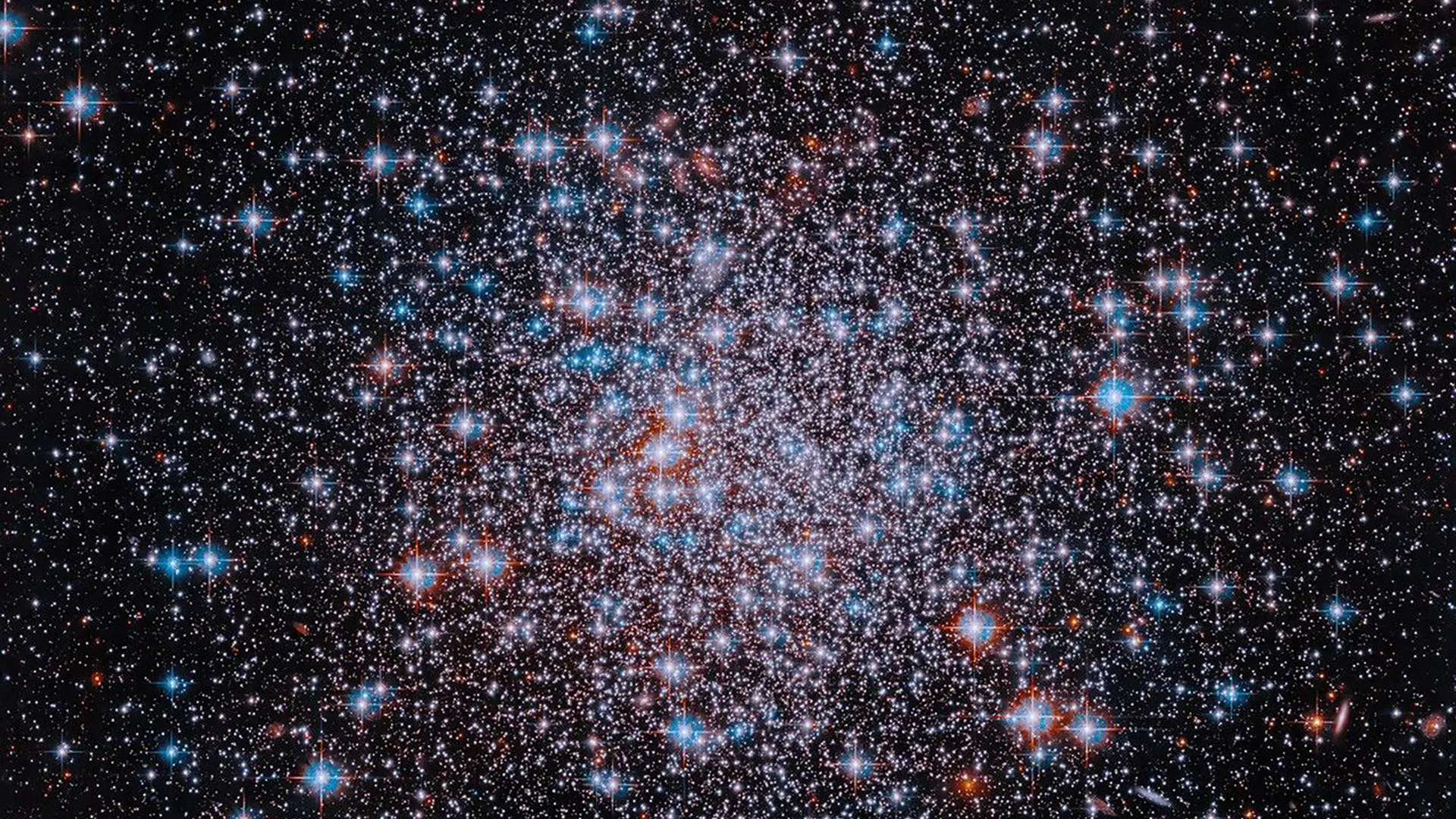
A brilliant field of red, white, and blue stars sparkles across a new image from NASA’s Hubble Space Telescope, resembling a sparkler glowing against the night sky. NASA released the image to commemorate the 250th anniversary of the United States, celebrating the nation’s long history of exploration while showcasing one of the oldest collections of stars in our galaxy.
Beyond its patriotic appearance, the image offers a rare look at a stellar system that has survived for nearly the entire history of the universe.
A 13-Billion-Year-Old Star Cluster
The featured object is NGC 6426, a globular cluster located in the outer halo of the Milky Way. Globular clusters are dense, spherical swarms of stars that remain bound together by gravity. About 150 of these ancient clusters are known to exist within our galaxy.
Most of the stars in a globular cluster are born from the same collapsing cloud of gas, so they tend to be roughly the same age. NGC 6426 is estimated to be around 13 billion years old, making it one of the oldest globular clusters in the Milky Way. Since the universe itself is about 13.7 billion years old, this cluster formed not long after the cosmos came into existence.
That extraordinary age makes NGC 6426 a valuable record of conditions in the early universe.
What the Colors in the Hubble Image Mean
The vivid colors are not simply for visual appeal. They represent different wavelengths of light collected through Hubble’s filters and processed using standard scientific techniques.
Blue highlights shorter wavelengths of visible light, while red represents longer visible wavelengths as well as some near infrared light. Because a star’s color is closely linked to its temperature, the blue stars are hotter and the red stars are cooler.
Ancient Stars Reveal the Early Universe
The stars in NGC 6426 have what astronomers call low metallicity, meaning they contain relatively small amounts of elements heavier than hydrogen and helium. This chemical makeup closely resembles the composition of the young universe, when almost all matter consisted of hydrogen and helium and heavier elements were only beginning to form inside massive stars through nuclear fusion.
Scientists have also found evidence that the cluster contains two chemically distinct populations of stars. This discovery suggests that the slightly younger stars formed after an earlier generation of massive stars ended their lives in powerful supernova explosions.
Those explosions scattered newly created heavy elements throughout the cluster, enriching the gas that later gave birth to another generation of stars. The same process gradually filled the universe with the ingredients needed to create planets and many of the elements found throughout the cosmos today.
Hubble Continues Uncovering the Milky Way’s History
NASA captured this image as part of an ongoing study of globular clusters in the Milky Way’s halo. By measuring their ages and examining their chemical composition, astronomers hope to better understand how our galaxy formed and evolved over billions of years.
For more than 30 years, the Hubble Space Telescope has transformed our view of the universe through groundbreaking discoveries. Today, its observations are complemented by NASA’s James Webb Space Telescope, which studies the cosmos in infrared light, while the Nancy Grace Roman Space Telescope, scheduled to launch in late summer, is expected to further expand our understanding of the universe.
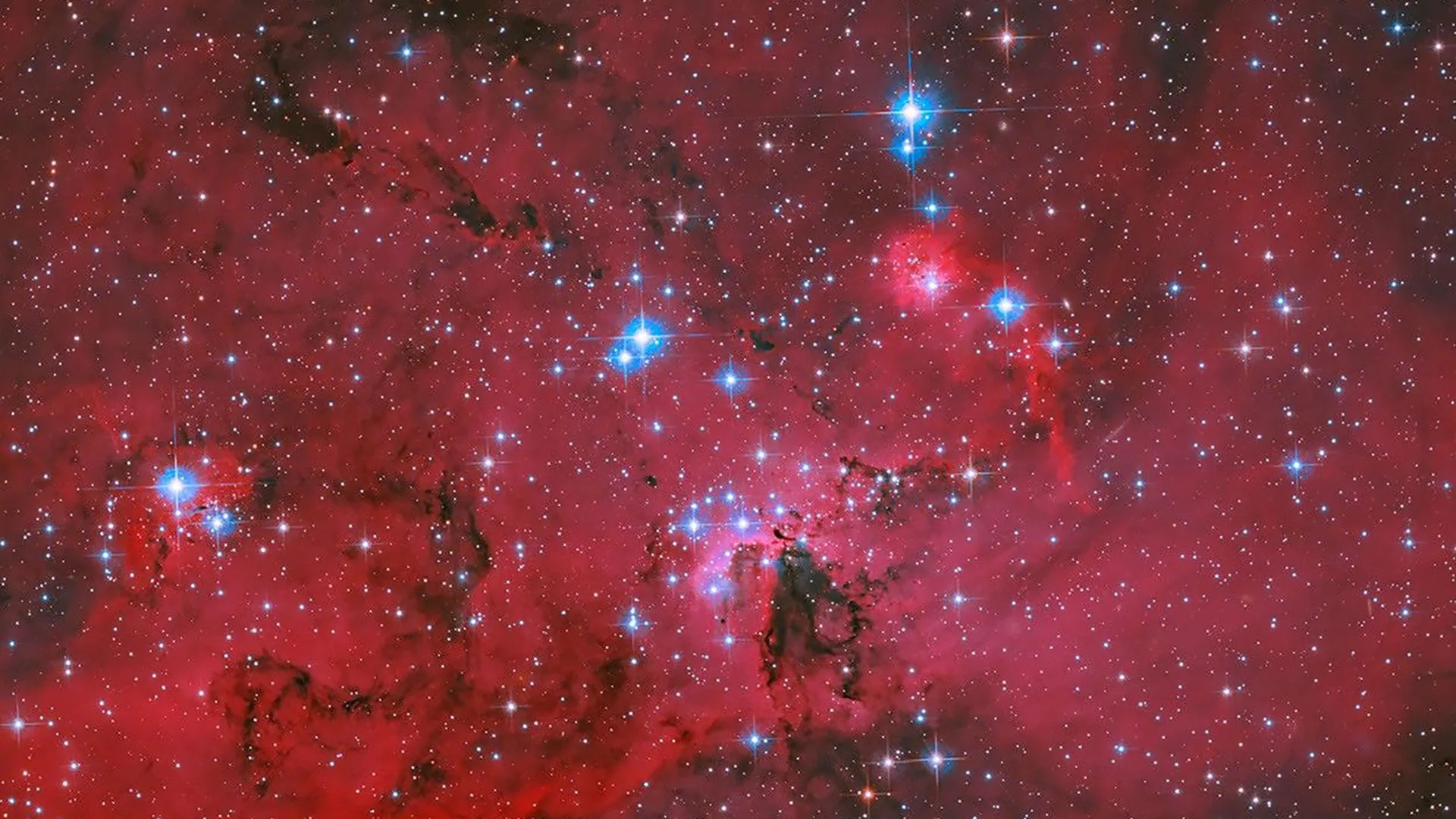
A spectacular new image from NASA’s Hubble Space Telescope offers a front row view of one of the universe’s busiest stellar nurseries. Brilliant blue and white stars sparkle against glowing crimson clouds of hydrogen gas, creating a breathtaking scene that resembles fireworks shining through drifting smoke.
The image showcases LH 95, a vast star forming region inside the Large Magellanic Cloud, a dwarf galaxy that orbits the Milky Way. This remarkable region contains both newly forming low mass stars and massive blue giants, making it one of the Large Magellanic Cloud’s many stellar associations.
Massive Stars Are Reshaping Their Surroundings
The brightest blue stars in LH 95 are also its most powerful. Each has at least three times the mass of the Sun and floods the surrounding region with intense ultraviolet radiation while blasting out powerful stellar winds.
Those energetic forces heat the surrounding hydrogen gas and gradually sculpt the nebula into its striking appearance. Thick lanes of dust stand out as dark filaments because they are dense enough to resist being worn away, creating dramatic contrast against the glowing red clouds.
The colors seen in the image represent specific wavelengths of light rather than what the human eye would naturally observe. Blue highlights shorter visible wavelengths, while red combines longer visible wavelengths with some near infrared light. The nebula’s brilliant crimson glow comes from hydrogen alpha emissions, a telltale sign that new stars are actively forming.
Thousands of Young Stars Are Still Growing
Hydrogen alpha light allows astronomers to pinpoint some of the youngest stars hidden inside the glowing gas. Hubble’s observations reveal thousands of developing stars that are still drawing in material from the surrounding disks of gas and dust that gave birth to them.
Researchers identified approximately 2,500 stars that have accumulated nearly all of the mass they need but have not yet begun nuclear fusion. These objects, known as pre-main-sequence stars, formed from collapsing clouds of gas and continue to shrink under their own gravity. Once their cores become hot and dense enough, hydrogen fusion will ignite, transforming them into fully fledged stars.
Hubble Reveals a Longer Growth Stage
Studying this enormous population of young stars has given astronomers new insight into how stars mature.
The observations confirmed that a young star’s accretion rate, or the speed at which it gathers material, naturally slows as it ages. At the same time, the research showed that this process can continue for several million years, lasting longer than some earlier assumptions suggested.
That discovery helps scientists better understand how stars continue building their final mass and how the disks surrounding them gradually evolve before eventually disappearing.
Multiple Generations of Stars Share One Cosmic Nursery
LH 95 is not producing stars in a single burst. Instead, it has been creating new stars over an extended period, leaving multiple generations living side by side.
One object especially stands out. The region’s most massive star, located slightly left of center near the top of the image, contains roughly 60 to 70 times the Sun’s mass. Despite its enormous size, it appears to be about one million years younger than most of its stellar neighbors, which are estimated to be around 4 million years old.
Stars this massive burn through their fuel quickly, meaning they will eventually end their lives in spectacular supernova explosions that help seed future generations of stars with heavy elements.
Why LH 95 Is So Valuable to Astronomers
LH 95 provides scientists with an exceptional opportunity to study stellar birth because it is both relatively nearby and less obscured by dust than similar star forming regions within the Milky Way. That clearer view allows astronomers to watch thousands of developing stars at different stages of evolution within the same cosmic neighborhood.
For more than 30 years, NASA’s Hubble Space Telescope has transformed our understanding of the universe through discoveries like this. Today, its observations are complemented by other NASA missions, including the infrared capable James Webb Space Telescope. Looking ahead, the Nancy Grace Roman Space Telescope, currently scheduled to launch in late summer, will further expand scientists’ ability to explore the cosmos.
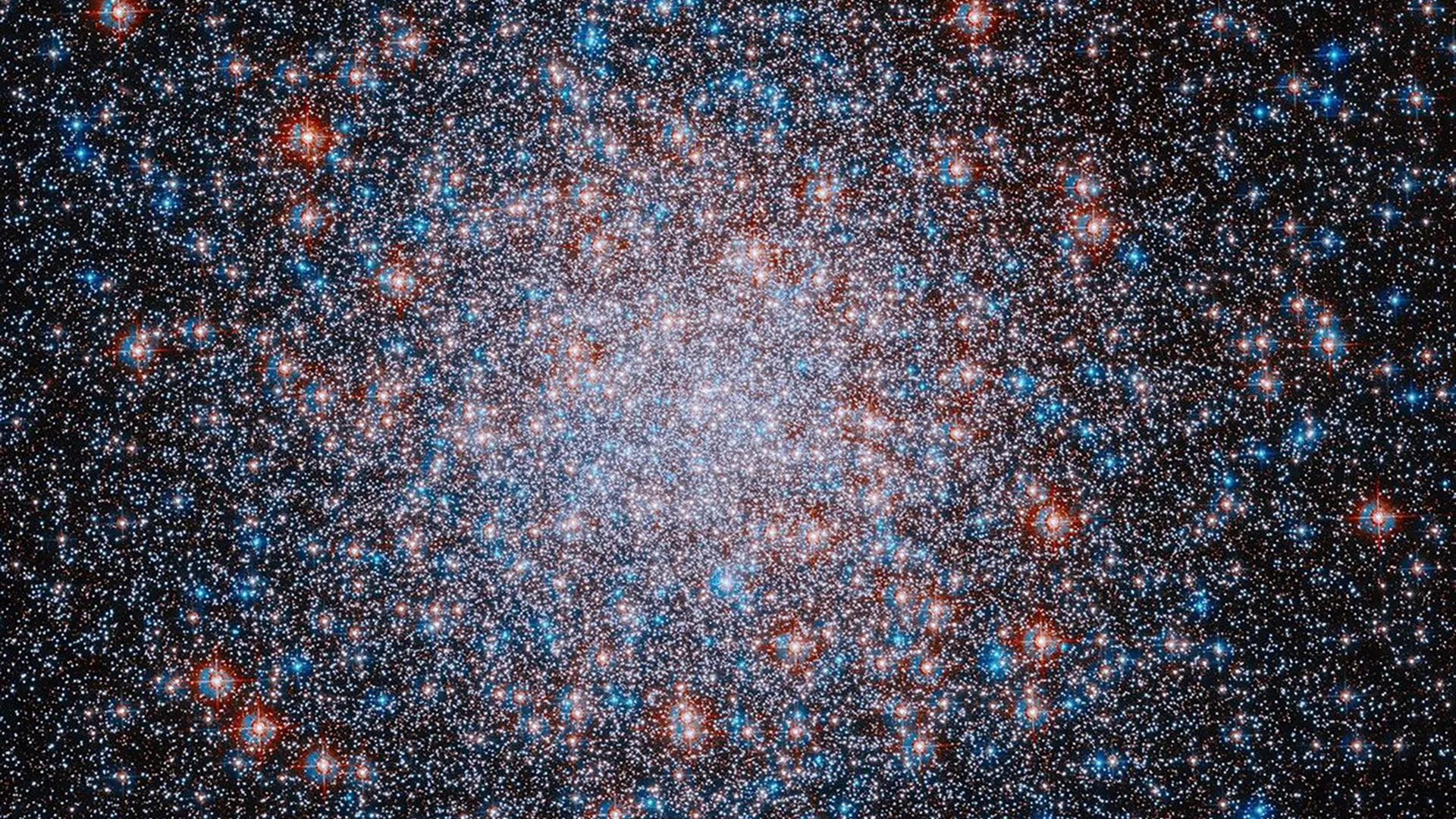
NASA’s Hubble Space Telescope has released a dazzling new image featuring more than 500,000 stars glowing in shades of red, white, and blue. The breathtaking view, shared in celebration of the United States’ 250th anniversary, highlights Messier 3 (M3), one of the largest and most impressive globular clusters in the Milky Way.
Globular clusters are tightly packed, spherical collections of stars bound together by gravity. Unlike younger star groups that continue to evolve, the stars in a globular cluster formed from the same cloud of gas at roughly the same time billions of years ago. Because of this shared origin, they preserve an ancient record of the Milky Way’s history. Astronomers have identified around 150 globular clusters orbiting the outskirts of our galaxy.
A Remarkable Star Cluster Full of Rare Stellar Objects
Messier 3 is notable for more than just its enormous size. It also sits relatively far from the center of the Milky Way and contains an extraordinary population of RR Lyrae variable stars. More than 240 of these stars have been identified in M3, more than in any other known globular cluster in our galaxy.
These ancient variable stars are especially important because they brighten and dim in a predictable pattern. That regular cycle allows astronomers to determine their true brightness. By comparing that intrinsic brightness with how bright the stars appear from Earth, researchers can accurately calculate their distance. It works much like estimating how far away a car is at night if you know how bright its headlights are.
The Mystery of the Blue Straggler Stars
M3 is also home to around 70 identified candidates for an unusual class of stars called blue stragglers. These stars shine with a bright blue color that makes them appear much younger than the older, redder stars surrounding them.
This cluster was the first place where astronomers discovered blue stragglers. Scientists believe these stars likely pulled material away from nearby companion stars through gravitational interactions. That extra mass essentially gave them a second lease on life, making them hotter, brighter, and bluer even though they are actually just as old as their neighboring stars.
Evidence of an Ancient Cosmic Collision
Astronomers suspect M3’s unusual characteristics may trace back to a dramatic event in the distant past. The cluster contains two distinct populations of stars, raising the possibility that it formed when two globular clusters merged into one.
Those original clusters are thought to have belonged to the same dwarf galaxy before that smaller galaxy was eventually absorbed by the Milky Way, leaving M3 behind as a possible relic of that ancient galactic encounter.
How Hubble Uses Color To Reveal Stellar Temperatures
Hubble has observed Messier 3, also known as NGC 5272, several times over the years, helping scientists examine its unusual stellar population and complex structure in increasing detail.
The colors in this image are not simply for visual effect. Blue represents shorter wavelengths of visible light, while red corresponds to longer visible wavelengths along with some near infrared light. Hubble images are processed using standard techniques that assign colors based on the wavelengths captured through the telescope’s filters. Because a star’s color is closely linked to its temperature, the blue stars shown here are hotter, while the red stars are cooler.
Piecing Together the Milky Way’s Past
This image is part of a Hubble Treasury program that is surveying approximately half of the Milky Way’s known globular clusters. By comparing these ancient stellar systems, astronomers hope to build a detailed timeline showing how our galaxy formed and evolved over billions of years.
After more than 30 years of groundbreaking observations, Hubble remains one of NASA’s flagship space observatories. Working alongside the infrared capable James Webb Space Telescope and the upcoming Nancy Grace Roman Space Telescope, it continues to reveal new details about the universe and helps scientists assemble an increasingly complete picture of our cosmic history.
The update will be available to all users in England by April 2028, the health service says.
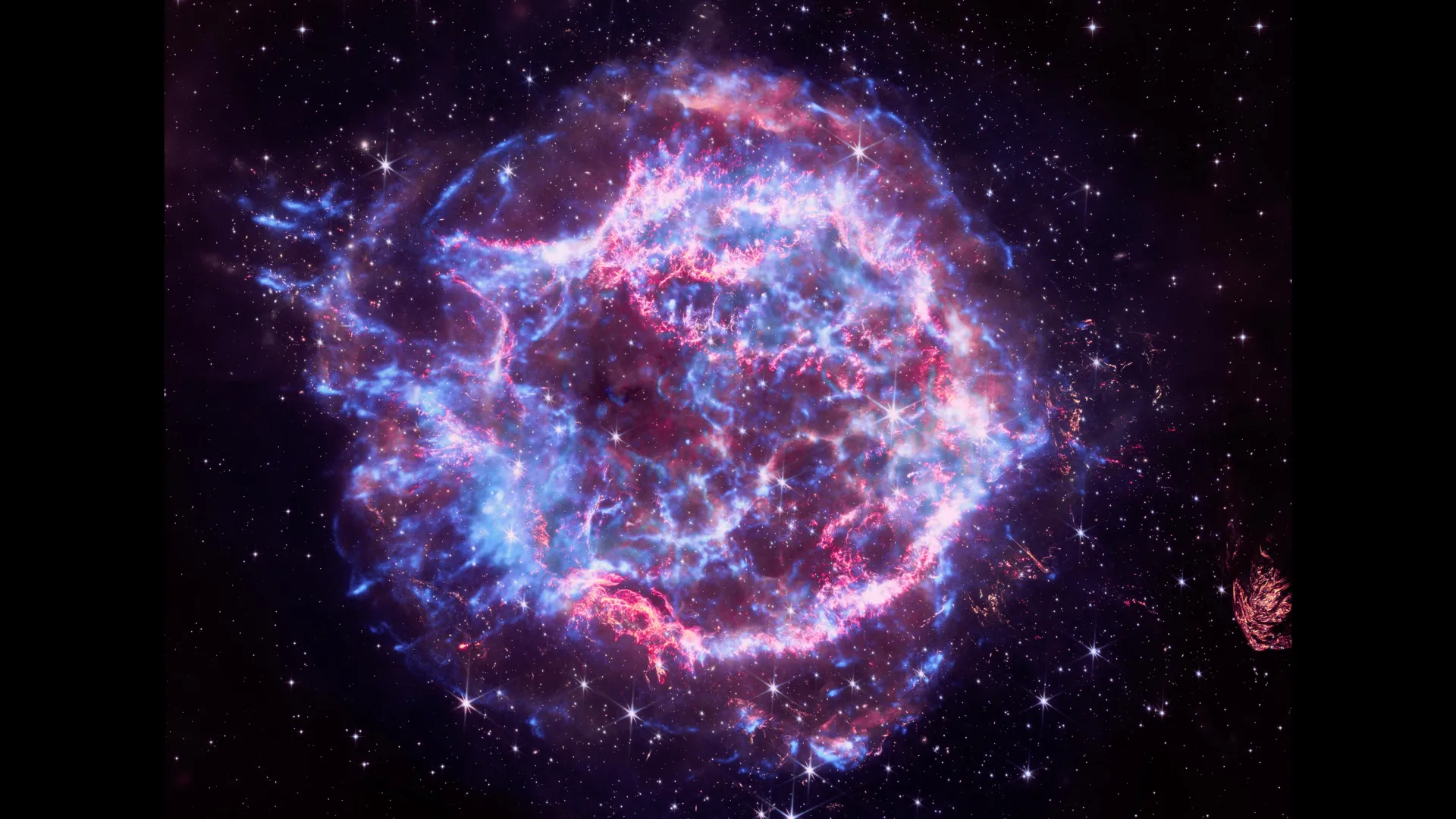
To mark the 250th anniversary of the United States, NASA has released four spectacular images of deep space from its Chandra X-ray Observatory, each presented in patriotic shades of red, white, and blue. Alongside the images, the agency also unveiled three new sonifications, which transform astronomical observations into sound, offering another way to experience the universe.
The collection combines data from Chandra with observations from other telescopes to showcase some of the most remarkable objects in space, from the remains of an exploded star to a distant galaxy cluster filled with evidence of dark matter.
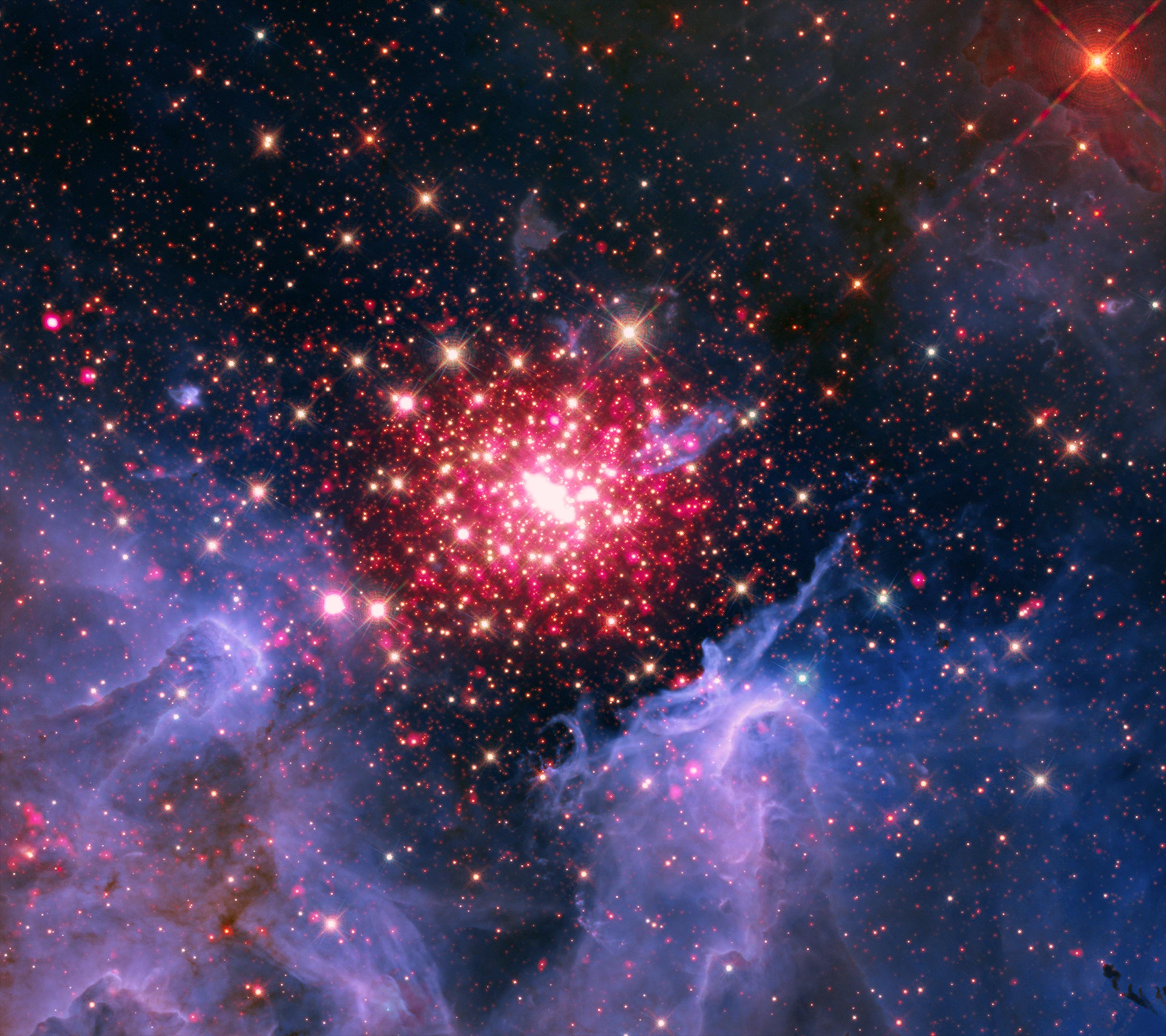
The first image (above) features Cassiopeia A, one of the best known supernova remnants in the Milky Way. It combines X-ray observations from NASA’s Chandra X-ray Observatory (shown in blue and purple) with infrared data from NASA’s James Webb Space Telescope (displayed in red and white).
Chandra’s X-ray observations highlight the powerful blast wave from the stellar explosion and reveal elements scattered throughout the debris, including iron, calcium, and oxygen. Webb’s infrared view captures the expanding shell of material left behind by the explosion, along with clouds of cosmic dust spread across the remnant.
The next image highlights NGC 3603, a nebula in the Milky Way that contains an enormous cluster of young stars.
In this composite view, Chandra’s X-ray data (red and white) reveals diffuse X-ray emission near the center and numerous bright point-like X-ray sources scattered across the image. Observations from NASA’s Hubble Space Telescope, collected in optical, infrared, and ultraviolet wavelengths (red-orange, green, blue, and yellow), show stars concentrated near the center, while dust and gas stretch across the lower portion of the nebula.
Together, these layers create an image dominated by red, white, and blue, with the X-ray data highlighting the sparkling glow of young stars forming within the nebula.
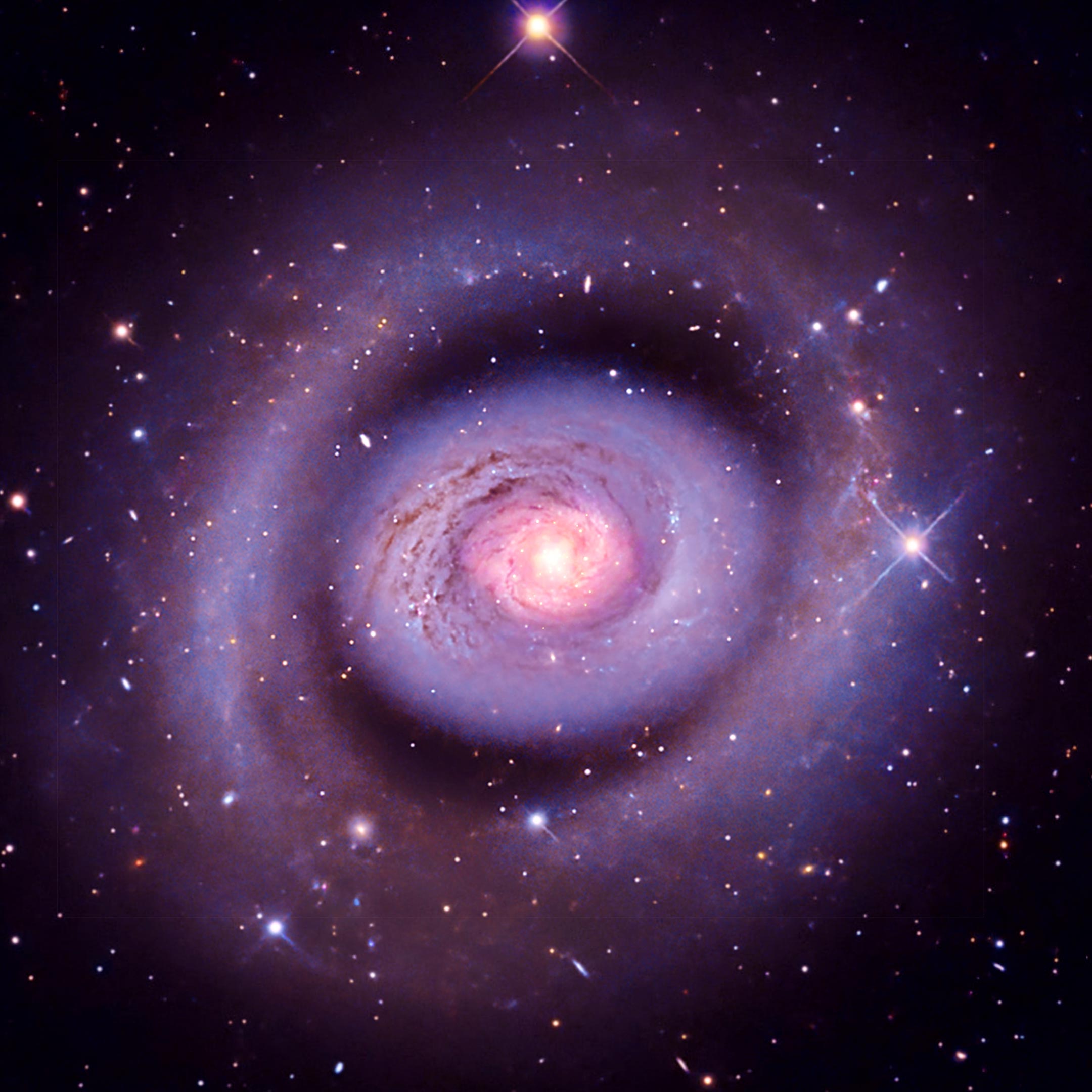
Another image offers a fresh view of the spiral galaxy NGC 4736, better known as Messier 94.
The picture combines Chandra X-ray observations at multiple energies (red, orange, and blue) with visible light images captured by astrophotographers using ground-based telescopes (red, green, and blue). At the heart of the galaxy is a bright inner ring known as a starburst ring, where new stars are actively forming. Scientists think this burst of star formation may be fueled by gas flowing inward through the galaxy’s distinctive oval-shaped structure.
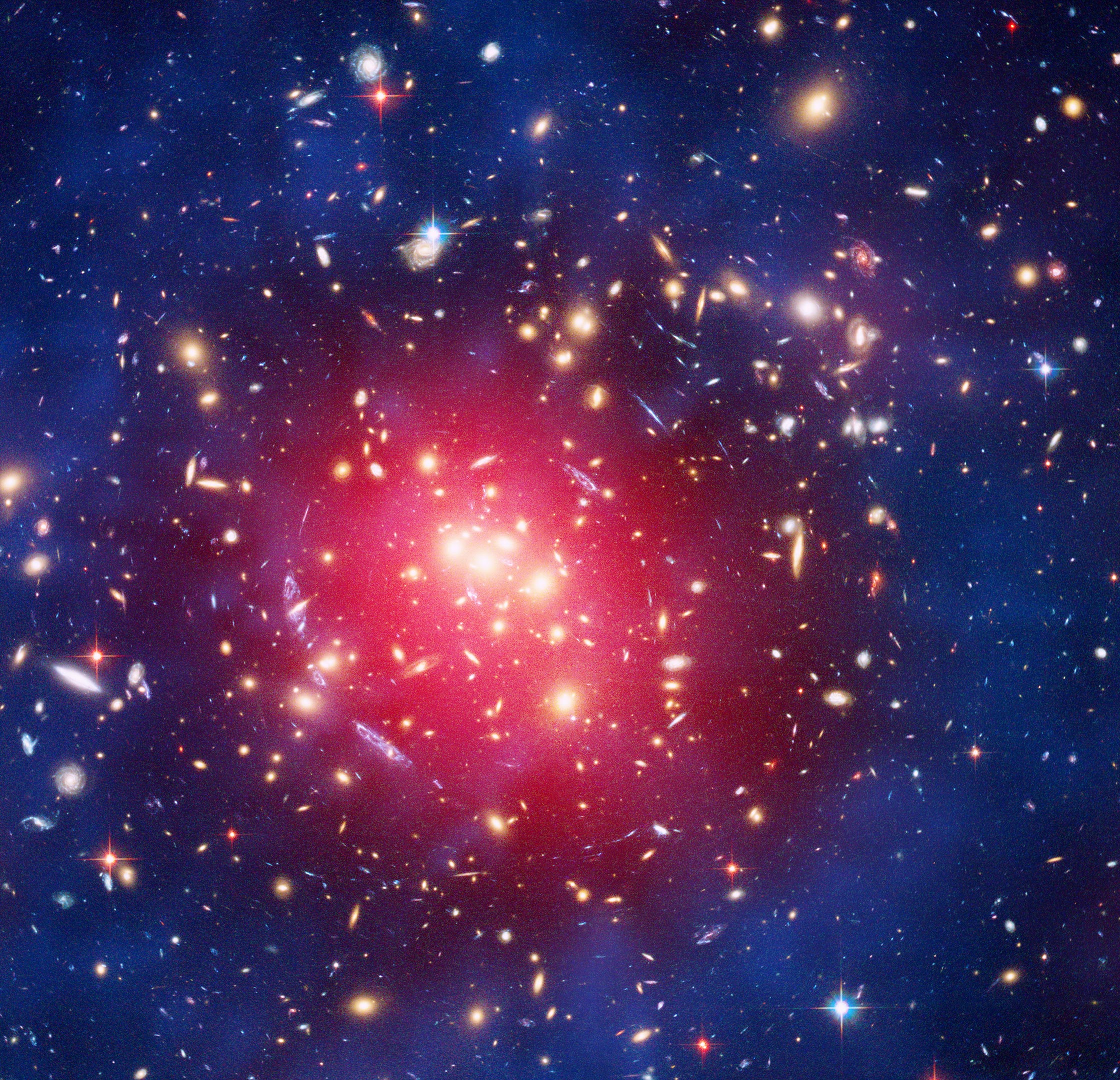
The final image in the patriotic collection features ZwCl 0024+1652, a distant galaxy cluster that has helped astronomers study dark matter.
Specially processed observations from Hubble (blue) reveal evidence for dark matter, while another Hubble image shows the cluster’s individual galaxies in yellow and white. Chandra’s X-ray observations add the glowing red cloud of superheated gas that fills the cluster. This enormous reservoir of hot gas contains far more mass than all of the galaxies in the cluster combined.
Together, the four images celebrate America’s 250th birthday while highlighting the extraordinary objects and phenomena NASA continues to explore across the universe.
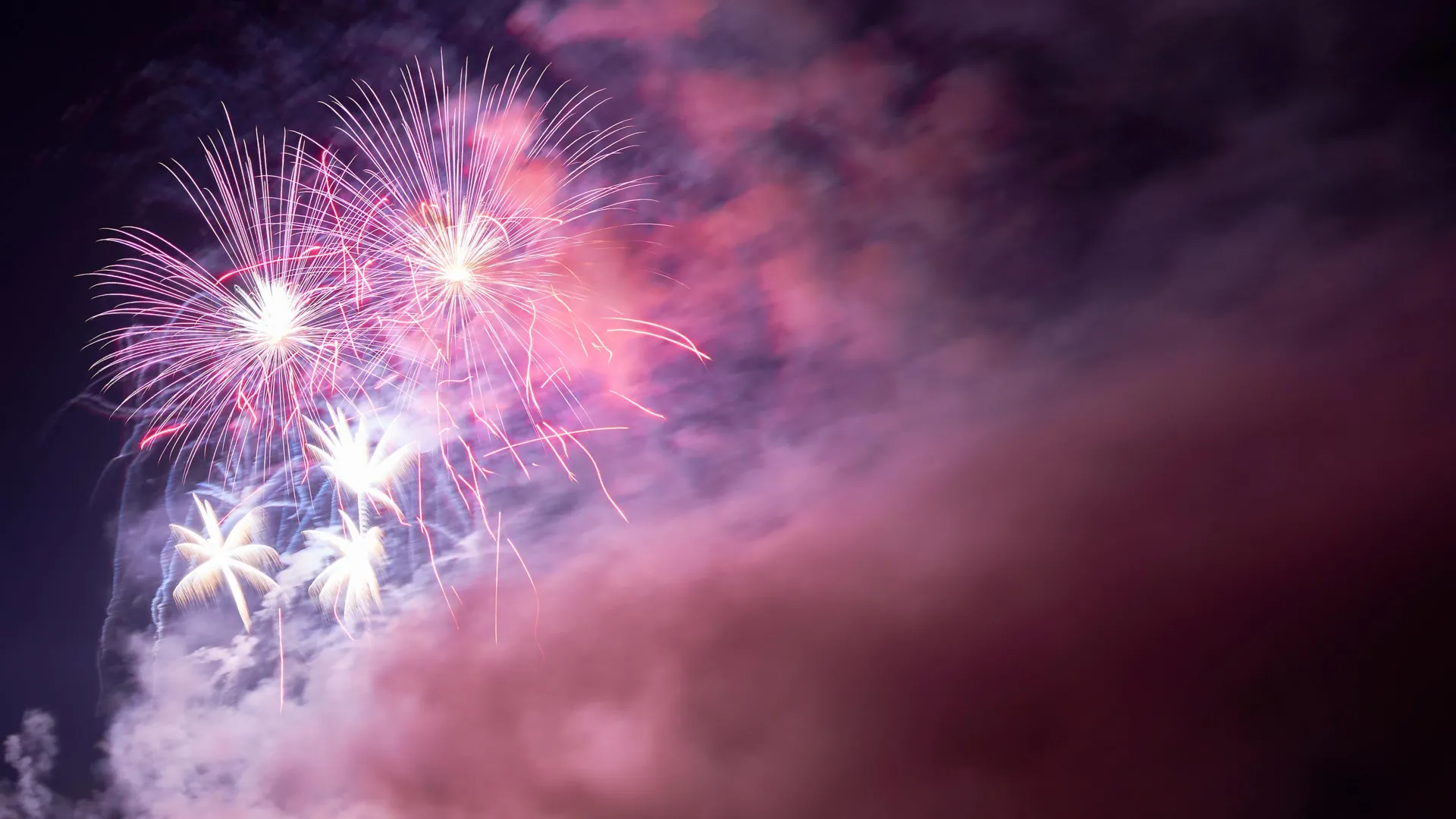
Fireworks may dazzle crowds with brilliant colors and loud explosions, but new research suggests their effects continue long after the show ends. Three recent studies published in American Chemical Society (ACS) journals examined what fireworks leave behind, from discarded debris and airborne particles to chemical compounds released into the atmosphere.
Together, the findings offer a clearer picture of how fireworks can influence air quality, water chemistry, and potentially both human health and the environment.
Firecracker Debris Can Alter Water Chemistry
Once fireworks burn out, they leave behind more than ash. Spent firecrackers scatter residue that contains partially burned fuel, metal salts, additives, and pieces of charred packaging.
In a laboratory study published in Environmental Science & Technology, researchers found that this debris released significant amounts of metal ions (e.g., potassium and manganese) and dissolved organic matter (e.g., simple phenols and sulfur-containing compounds) when placed in lake and river water. At the same time, the leftover solid material absorbed some dissolved substances that were already present in the water, including larger, more complex compounds.
According to the researchers, these chemical changes could interfere with microbial communities and aquatic ecosystems, particularly if large amounts of firecracker litter are repeatedly washed into rivers and lakes after festivals or celebrations. Properly collecting and disposing of spent fireworks could help reduce these environmental effects.
Fireworks Add to Air Pollution During Large Events
Fireworks are only one source of pollution at major public celebrations, but researchers wanted to understand how much they contribute compared with other activities.
In a study published in ACS ES&T Air, scientists monitored particulate matter during a large, multi-day athletic event in the United Kingdom. They detected sharp, short-lived increases in both coarse and fine airborne particles throughout the event.
The team linked much of the pollution to cooking emissions from food vendors and dust stirred up by vehicles. During the opening and closing ceremonies, however, they observed two distinct spikes in fine particulate matter. The first occurred as crowds arrived and dust levels increased, while the second, slightly smaller spike coincided with the fireworks displays.
The researchers estimated that people who attended every day of the event were exposed to air pollution levels exceeding the World Health Organization’s recommended limits, suggesting that large celebrations can significantly increase exposure to fine particulate matter.
Fireworks Release More Than Smoke Into the Air
Another study focused on chemicals called amines, which are included in some firework formulations. These compounds can react in the atmosphere to form aerosols that contribute to haze and reduced air quality.
To determine what happens to these chemicals during fireworks displays, researchers measured amines in both gases and airborne particles during Lunar New Year celebrations in a suburban area of China.
The findings, published in Environmental Science & Technology Letters, revealed substantial increases in several amines compared with a non-celebratory period. The biggest increases occurred during the largest fireworks displays. Scientists also recorded higher levels of other firework-related pollutants, including fine particulate matter and sulfate and potassium ions.
The researchers say the results suggest that fireworks contribute more than visible smoke to the haze that often lingers after major celebrations, adding another layer to their environmental impact.
From walking the dog before breakfast to getting off the bus a stop early, readers share their tips for building a daily walking habit.

Some people remain mentally sharp even though their brains contain the biological changes associated with Alzheimer’s disease. A new study from the Netherlands Institute for Neuroscience suggests that the answer may lie in how a rare group of brain cells, called immature neurons, responds to damage. The findings offer new insight into cognitive resilience, the brain’s ability to continue functioning despite disease.
One of the biggest unanswered questions in Alzheimer’s research is why the disease affects people so differently. While many develop memory loss and dementia as Alzheimer’s progresses, others show little or no cognitive decline despite having the same underlying brain pathology.
“Around 30 percent of older adults who develop Alzheimer’s disease never experience its symptoms,” says senior author Evgenia Salta. “We really don’t know why. That’s a big mystery, and a very important one.”
Understanding what protects these individuals could eventually point scientists toward new ways to treat or even prevent dementia.
“If we understand what protects these brains, it could eventually lead to new therapeutic strategies.”
Can the aging brain replace damaged cells?
One possibility is that resilient brains are better at repairing themselves.
“Perhaps they can add new brain cells to a network that is degenerating,” Salta says.
This idea centers on adult neurogenesis, the process through which new neurons are generated in the adult brain. While adult neurogenesis is well documented in many animal species, scientists have long debated how much, if any, occurs in humans.
To investigate, Salta and her colleagues examined donated brain tissue from the Netherlands Brain Bank. The samples included healthy individuals, people with Alzheimer’s disease, and people whose brains showed Alzheimer’s pathology even though they never developed dementia.
The researchers concentrated on a small region within the brain’s memory center, one of the few places where new neurons may still develop.
“These cells are extremely rare, so we had to develop new ways to find them,” Salta says. “We really zoomed in on the exact spot where we expected them to be.”
The team also applied newly developed analytical methods designed specifically for human tissue, reducing reliance on assumptions based on animal studies.
Rare immature neurons persist into old age
The researchers identified the cells they were searching for: so called immature neurons, which resemble young neurons that have not yet fully matured.
“Even at an average age of over 80, we still found these immature neurons in all groups,” Salta says.
The result confirmed that these unusual cells remain present even in very old brains.
What surprised the researchers, however, was that resilient individuals did not have dramatically larger numbers of immature neurons than people with Alzheimer’s disease.
Brain cell behavior may matter more than numbers
Instead, the most important difference appeared to be how the cells behaved.
“In resilient individuals, these cells seem to activate programs that help them survive and cope with damage,” Salta says. “We also see lower signals related to inflammation and cell death.”
The findings suggest that these immature neurons may do more than simply replace cells lost during disease.
“It might not be (only) about replacing lost neurons,” Salta explains. “It could be that these cells support the surrounding tissue and help the brain stay functional and ‘youthful’. They may act as a sort of fertilizer in a garden that has started falling apart.”
Even so, Salta cautions that these ideas remain hypotheses. Because this study examined donated brain tissue, the researchers cannot directly observe how the cells function in living brains.
“We assume the cells’ function based on the data, but we cannot confirm it in this type of study,” she explains.
She also emphasizes that Alzheimer’s resilience is unlikely to have a single explanation.
“This is one piece of a very large puzzle,” she concludes. “There will never be just one factor that explains resilience.”
A new direction for Alzheimer’s research
The study also highlights a broader question about aging itself.
“Somewhere along this trajectory, there’s a kind of decision point,” Salta explains. “Some people remain stable, others develop dementia. We want to understand what drives that difference.”
Future research will explore how immature neurons communicate with other brain cells and whether those interactions help preserve memory and cognitive function.
Although the study does not explain why these cells behave differently in resilient individuals than in people who develop dementia, it reflects a growing shift in Alzheimer’s research. Instead of focusing only on how the disease damages the brain, scientists are increasingly asking why some brains can withstand that damage.
“Cognitive resilience is extremely exciting,” Salta says. “If we understand what protects these brains, it could eventually lead to new therapeutic strategies.”
For now, the findings add to growing evidence that the aging brain is more adaptable, and more complex, than scientists once believed.
What are heart palpitations and when should you be concerned?