After 70 years of excavation, ancient Sardis becomes a UNESCO World Heritage site

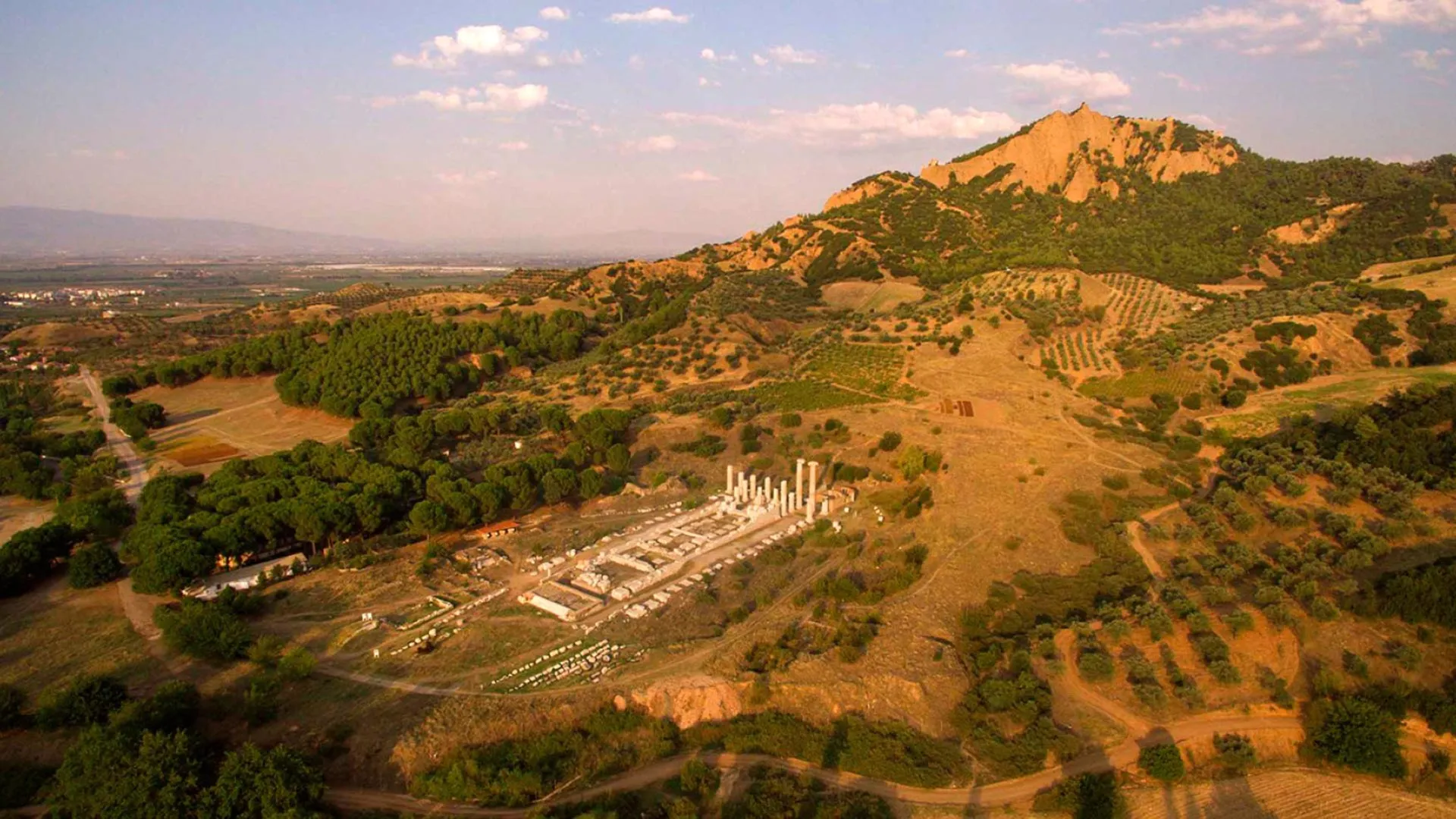
For thousands of years, the ancient city of Sardis in western Turkey changed hands as Greeks, Romans, Byzantines, and Ottomans rose and fell. Yet while the city’s rulers changed repeatedly, one thing has remained remarkably steady. Since 1958, archaeologists have returned every year as part of the Harvard Cornell Exploration of Ancient Sardis, making it one of the world’s longest running institutional excavation projects.

“It’s really important that it has institutional continuity,” said Benjamin Anderson, associate professor of history of art and visual studies in the College of Arts and Sciences. “Many of us know and have been mentored by colleagues of the previous generation of excavators. As a result, it’s one of the few long-term archaeological projects in the region that has generated a critical mass of data.”

For the past several years, Anderson has focused on documenting the walls and buildings of Sardis’ acropolis, which became an important center during the Byzantine period after Roman rule.

“This is a city that shows up in lots of ancient historical sources,” he said. “But now, just in the last 75 years or so, we have the possibility of telling that story, also, through what the project has found archaeologically.”

This summer marked another milestone. Thanks to decades of excavation and the support of the local community, Sardis was added to the UNESCO World Heritage List.

“The opportunity to really start understanding a culture through the material remains is pretty unusual, and it requires that kind of long-term commitment,” Anderson said. “That’s also what’s being celebrated by the World Heritage designation by UNESCO. This project has always been distinguished from the very beginning by a desire to communicate results and to make their work legible to tourists and to locals and all manner of different audiences.”

Sardis Preserves Thousands of Years of History

Once the capital of the Iron Age kingdom of Lydia, Sardis occupied a strategic location between the Mediterranean and the Anatolian plateau. According to Annetta Alexandridis, associate professor of the history of art and classics in A&S, it served as “a place of cultural encounter between the East and West.”

The Lydian era remains especially significant to archaeologists and historians. The Lydians are widely credited with inventing coinage, and their ruler, King Croesus, became legendary for his immense wealth. Alexander the Great later conquered Lydia, after which Sardis became part of the Roman Empire, followed by the Byzantine and Ottoman empires.

“Because it was not over built by a modern city — it’s only a little village — Sardis gives you a really long history, from the Bronze Age, third millennium BCE, to basically today,” Alexandridis said. “These layers are all there, and make it sometimes difficult to excavate, because they are not clearly stratified. They interfere with each other, but, in a way, it’s an ongoing history, and that makes it so fascinating for us.”

As associate director of the excavation, Alexandridis studies Roman funerary culture and is now leading a survey of Sardis’ cemeteries, many of which have received far less attention than the nearby Bin Tepe cemetery, located about 10 kilometers north of the city. Bin Tepe contains some of the largest tumuli (burial mounds) ever recorded.

A Site That Shaped Archaeology

Sardis also occupies an important place in the history of American archaeology. The first modern excavation, led by the American Society for the Excavation of Sardis in the early 20th century, was “a really large-scale exploitation,” Alexandridis said. Excavators uncovered the Temple of Artemis and the necropolis, but many artifacts were damaged, disappeared, or were taken to the United States through questionable means. Among them was a massive column that remains on display at the Metropolitan Museum of Art.

The project ended with the Greco-Turkish War in the early 1920s. Over the following decades, some artifacts gradually made their way back to Turkey.

“It’s one of the first cases where we can see the whole discussion about restitution of antiquities that were illegally exported, until some were returned to Turkey,” Alexandridis said. “It has all of these broader issues of how to deal with cultural heritage from a not only preservation or scholarly point of view, but also political and legal, and of the question of stewardship and responsibility for culture in the past.”

The modern Harvard Cornell partnership began in 1958 under Harvard archaeologist George M. A. Hanfmann and Cornell architect Henry Detweiler from the College of Architecture, Art and Planning, whose expertise centered on documenting historic buildings.

“If you went to Sardis in 1950 there were a few things kind of sticking up above ground, but there was nothing really to see, per se,” Anderson said. “The architects were the first generation of Cornellians who were there, and the project really committed to taking what they’d excavated responsibly, supplementing it through newly manufactured pieces, and presenting a total experience of the structure, instead of just producing a drawing and putting it in a publication.”

During the 1950s and 1960s, the team reconstructed a monumental bath gymnasium complex and the largest synagogue in the ancient world. Those restoration efforts became influential models for similar work at archaeological sites elsewhere.

Since then, excavations have uncovered mud brick city walls, the acropolis, a Persian period garbage pit, a gold refining workshop, an ancient shopping district, and, most recently, a sanctuary plaza that required 15 years of excavation.

Training the Next Generation of Archaeologists

Today, the project is based at the Harvard Art Museums and includes researchers from Turkish institutions as well as several American universities, including the University of Wisconsin, Madison and the University of California, Berkeley. Cornell primarily contributes graduate students, along with an increasing number of undergraduates, who spend 10 weeks each summer working at the site.

Students either catalog recovered artifacts, most of which are ceramics, or “broken pots,” as Anderson described them, or supervise excavation trenches.

Because Sardis sits on an alluvial plain, some trenches extend as much as 12 meters underground.

“[They’re] quite terrifying in their own right,” Anderson said.

“Local workers, who are already trained, gradually remove the soil, and the students are there observing, documenting, taking notes, asking questions, determining when they need to stop and call in maybe the director or an associate director to take a look at what’s coming up, when they should take a photograph, when they should bring in the architects to make a state drawing of a particular moment,” Anderson said.

According to Anderson, Sardis is one of only three excavation projects worldwide that “most people who go on to a career in classical archaeology in the U.S. have been through.”

More than half of the researchers involved today are Turkish experts and students, and local participation remains central to the project’s success.

“A topic that regularly accompanies what we are doing is how are we doing it? How do we include local expertise?” Alexandridis said.

Today, women from the Sardis region work alongside men in excavation and restoration efforts.

A Local Connection to an Ancient City

Leyla Uğurer, now a doctoral student in history of art and archaeology, grew up near Sardis. She first studied English language and literature at Istanbul University before deciding to pursue classical archaeology.

“To learn archaeology, you have to work at the site as well,” she said.

Beginning in 2022, she surveyed rock cut tombs dating from the Lydian through Roman periods around Sardis. She continued that work for three summers before supervising the excavation of a late Roman site this year.

Her experience at Sardis inspired her to pursue a Ph.D. at Cornell, where Alexandridis became her adviser. Both share an interest in funerary art, which provides insights into beliefs about beauty, the afterlife, and everyday life.

This was the city on “one of the most important trade roads in the ancient world,” where the first coin was minted and Alexander the Great visited, Uğurer said. “You were raised there, so you have the same culture going on in you and around you. I remember looking at archaeologists when I was a child and admiring them. To be familiar with those archaeological works going on also helps you understand the archaeological importance more.”

She believes UNESCO recognition will bring important benefits to the region.

“As a local, I can say it is very important,” she said. “First of all, now it is known worldwide and because of UNESCO, there can maybe be more funding for the excavation, also people, more tourists and more research. People will know the area much better, and there will be more protection.”

Protecting Sardis for the Future

Greater protection is badly needed. Sardis’ landscape is vulnerable to natural erosion, while many tumuli have already been damaged by farming. Looting has also become a serious problem.

Alexandridis said treasure hunters now operate on an “industrial dimensions” scale, using explosives, bulldozers, and often weapons to target ancient burial mounds.

Even after nearly seven decades of continuous excavation, researchers say Sardis still has much more to reveal.

“This is why the long-term commitment is so important,” Anderson said. “One season’s work, you’ll learn how to do the thing, but you’re not necessarily going to find something that will be especially significant for the history of the site, until maybe 10 years later, you find something else a little bit further away, and the pieces start to add up.”

Share Button

NASA’s Lucy finds a wobbling peanut-shaped asteroid with signs of ancient water

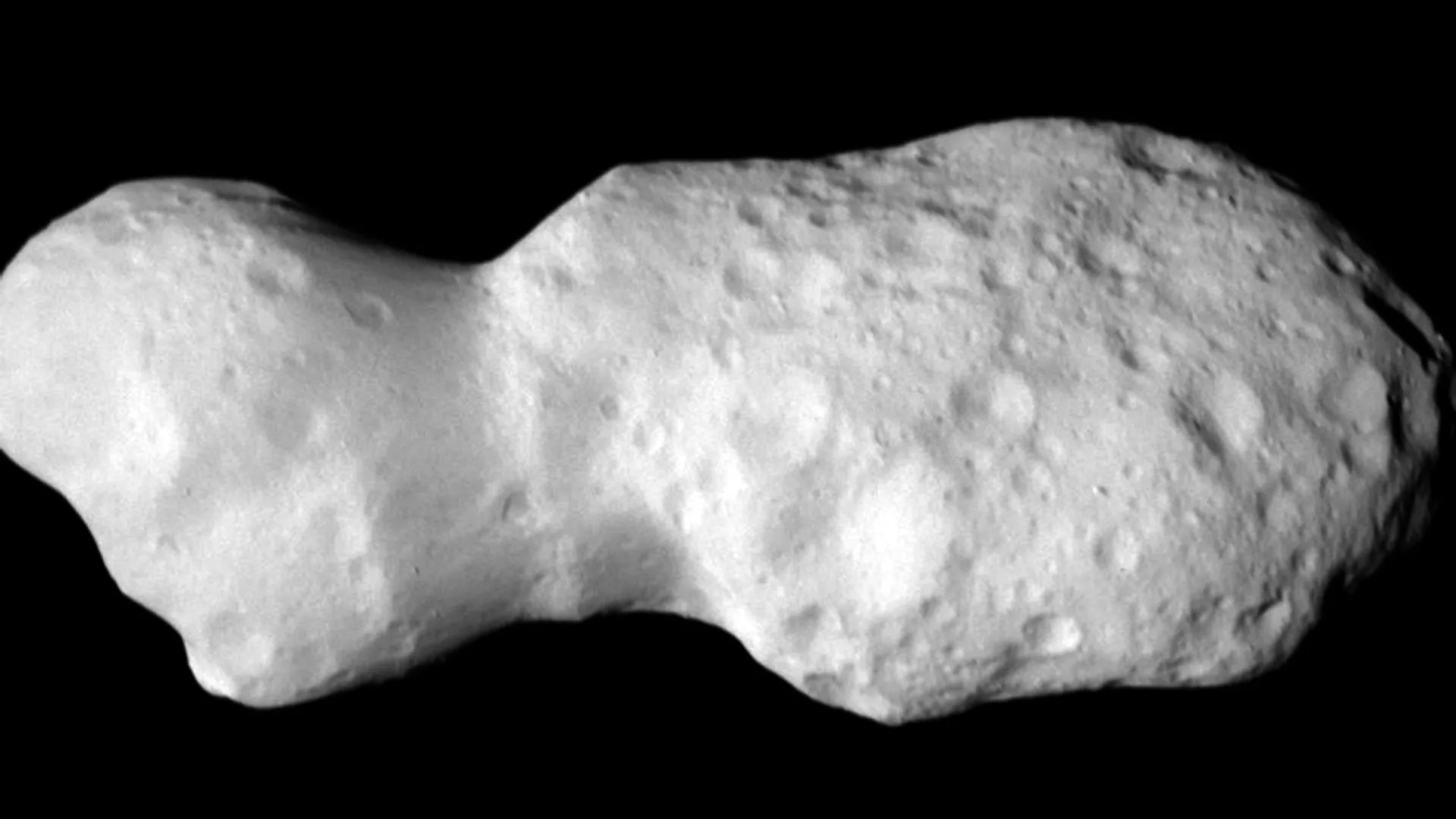
Even relatively small asteroids can have surprisingly eventful histories. NASA’s Lucy spacecraft recently revealed that asteroid Donaldjohanson is a wobbling, peanut-shaped object that has been shaped by collisions, sunlight, and even a brief encounter with liquid water long ago.

The asteroid formed about 155 million years ago when fragments from a violent collision gradually came together. Since then, a subtle but persistent force generated by sunlight has altered its rotation, while traces of ancient water remain preserved in its rocky surface.

On April 20, 2025, Lucy passed within 650 miles of Donaldjohanson while traveling through the main asteroid belt on its way to a group of Jupiter Trojan asteroids. During the flyby, the spacecraft captured the first close-up images and collected detailed scientific measurements. Those observations revealed an asteroid that does not rotate in the simple way scientists expected.

Lucy also provided detailed views of Donaldjohanson’s unusual shape, along with craters, ridges, and other surface features that help tell the story of its evolution.

Lucy’s Asteroid Flyby Reveals an Unusual Rotation

The encounter served as a practice run for Lucy’s future visits to the Trojan asteroids, beginning with its flyby of Eurybates on Aug. 12, 2027. While testing spacecraft systems and mission operations, scientists gained a valuable opportunity to study a previously unexplored asteroid and compare it with Bennu and Ryugu, two asteroids that have been examined up close through sample-return missions.

Researchers reported their findings on June 18 in the journal Science.

Before Lucy’s arrival, astronomers studying Donaldjohanson from Earth noticed a repeating pattern in the asteroid’s brightness. Those observations suggested it was an elongated object completing one rotation every 10.5 Earth days.

The spacecraft’s close-up measurements revealed a more complicated reality.

Instead of rotating around a single axis like most asteroids and planets, Donaldjohanson behaves more like a wobbling spinning top. Scientists found that it turns end-over-end once every 10.5 days while also rocking back and forth around its long axis once every 26.5 days.

Peanut-Shaped Asteroid Formed From Ancient Collision

Earth-based observations had already hinted that Donaldjohanson was elongated, but Lucy showed that the asteroid is actually composed of two connected lobes joined by a narrow neck.

Scientists describe this type of structure as bilobate. It likely formed when two fragments produced by an earlier collision drifted together and merged under their own gravity.

Researchers estimate that the asteroid was spinning at least ten times faster shortly after it formed. Over the last 20 to 60 million years, however, that rotation gradually slowed.

As the spin rate decreased, the balance between centrifugal forces and gravity changed. Loose rock and debris shifted down slopes, reshaping parts of the surface and contributing to the softened appearance of many craters visible in Lucy’s images.

The team believes this slowdown was caused by the YORP effect, a subtle process driven by sunlight.

When sunlight warms an asteroid, the surface releases that energy as infrared radiation. Although the resulting recoil force is extremely small, it acts continuously over millions of years. Because Donaldjohanson’s shape is uneven, those tiny forces do not cancel out completely and instead create a twisting effect that gradually alters the asteroid’s rotation.

The same process can either slow or accelerate an asteroid’s spin. Bennu, which rotates once every four hours, and Ryugu, which rotates roughly once every seven hours, were likely spinning much more slowly in the distant past before YORP sped them up.

Evidence of Ancient Water on Donaldjohanson

As Lucy raced past Donaldjohanson at about 30,000 mph, its instruments detected iron-rich clay minerals on the asteroid’s surface.

These minerals could only have formed in the presence of liquid water. However, scientists believe the water exposure was relatively brief.

Over time, prolonged interaction with water tends to replace iron within clay minerals with other elements such as magnesium. Because the clays on Donaldjohanson remain iron-rich, researchers concluded that liquid water was present only for a limited period.

The situation appears different for Bennu and Ryugu. Both asteroids contain magnesium-rich clays, suggesting they experienced much longer periods of water exposure, possibly lasting millions of years while they were still parts of larger parent bodies.

Those differences may indicate that the parent asteroids formed at different times or in different regions of the solar system before eventually moving into the main asteroid belt.

Comparing Donaldjohanson, Bennu, and Ryugu

Scientists believe Donaldjohanson originated from the rocky remains of a larger asteroid rich in carbon and water that was shattered in a collision within the main asteroid belt.

Bennu and Ryugu likely formed through a similar process and in the same general region. Yet important differences set them apart.

Donaldjohanson is only about 155 million years old, making it much younger than Bennu and Ryugu, which are estimated to have formed 1 to 2 billion years ago.

Its orbital history is also different. Donaldjohanson has remained in the asteroid belt since its formation, while Bennu and Ryugu eventually migrated into near-Earth orbits that periodically bring them close to our planet. Those trajectories made them ideal destinations for sample-return missions.

“It’s helpful for scientists to compare Donaldjohanson with asteroids like Bennu and Ryugu, which are seemingly similar asteroids, because every subtle difference is another clue to our origin story,” said Simone Marchi, Lucy deputy principal investigator and lead author of the study at the Boulder, Colorado, office of the Southwest Research Institute.

“Once we start learning more about the Trojans, a completely different population of space rocks with very different histories, our understanding of solar system formation is destined to be challenged,” said Marchi.

Named after the famous fossilized human ancestor discovered in Ethiopia in 1974, Lucy is on its way to become the first mission to explore Jupiter’s Trojan asteroids. These ancient and relatively unchanged objects formed early in solar system history and may help scientists better understand how the planets formed and migrated before settling into their present-day positions.

About the Lucy Mission

Lucy’s principal investigator is based at the Boulder, Colorado, office of the Southwest Research Institute, which is headquartered in San Antonio. NASA’s Goddard Space Flight Center in Greenbelt, Maryland, oversees mission management, systems engineering, and safety and mission assurance. Lockheed Martin Space in Littleton, Colorado, built the spacecraft.

Lucy is the 13th mission in NASA’s Discovery Program. The program is managed by NASA’s Marshall Space Flight Center in Huntsville, Alabama, for the agency’s Science Mission Directorate in Washington.

Share Button

Osteopenia is silently weakening bones in millions of people

Around 40% of adults worldwide are affected by osteopenia: a loss of bone mineral density. This condition is extremely common particularly in postmenopausal women and elderly adults. It’s estimated that more than 500,000 fractures occur annually in the UK due to low bone density.

Osteopenia itself does not usually cause symptoms and it develops silently over time. Many people may not even be aware that they have the condition until they have experienced a fracture or had a bone density test, typically recommended because of risk factors such as age and menopause. This makes osteopenia a significant but often under-recognized public health issue.

Bone is a dynamic tissue that undergoes continuous renewal through a process called bone remodeling. During this process, old bone is broken down (resorption) and new bone is formed (formation).

During early adulthood this process is balanced, so bone resorption equals bone formation. Bone mass usually peaks around a person’s mid-20s to early-30s. After this peak bone loss gradually exceeds bone formation. Over time this leads to reduced bone density.

Ageing is the main risk factor for bone loss. But several additional factors can accelerate the process.

For instance, hormonal changes, especially the decline in estrogen after the menopause, can significantly increase bone breakdown. This is because estrogen helps protect bones by slowing the natural process of bone breakdown. Around one in two women over 50 will experience a fragility fracture.

Lifestyle also plays an important role. Smoking, excessive alcohol consumption and physical inactivity can contribute to reduced bone strength over time. Diet is equally important. Insufficient calcium intake and low vitamin D can limit the body’s ability to build and maintain strong bones.

Certain medications, particularly long-term steroid use, as well as health conditions that affect hormone levels or nutrient absorption (such as Crohn’s or coeliac disease), can further increase the risk.

Managing osteopenia

Detecting osteopenia early is crucial. This allows you and clinicians to take steps that can reduce the risk of fractures and prevent osteopenia progressing to osteoporosis, where bone loss is more advanced and the risk of fractures is significantly higher.

Bone mineral density is commonly measured using a dual-energy X-ray absorptiometry (DXA) scan. This is a type of low-dose X-ray scan used to assess bone strength. Results are usually given as a T-score, which compares a patient’s bone density to that of a healthy young adult. A T-score between –1.0 and –2.5 indicates osteopenia, while a T-score below –2.5 meets the diagnostic threshold for osteoporosis.

Management of osteopenia typically focuses on slowing down or preventing further bone loss and reducing the risk of fractures. This involves making lifestyle changes (such as avoiding smoking, limiting alcohol intake or maintaining healthy body weight), nutritional support and, in some cases, prescription treatment.

Weight-bearing exercises, such as walking, dancing or jogging stimulate bone formation by placing strain on the skeleton. Resistance training can further strengthen bones and muscles.

Research shows that regular physical activity is associated with improved bone mineral density and may reduce the risk of osteoporosis. Exercise, such as Tai Chi, also improves balance and muscle strength, reducing the risk of falls that could lead to fractures.

Sufficient calcium intake supports bone structure too, while vitamin D helps the body absorb calcium efficiently. Foods such as dairy products, leafy green vegetables and fortified products are common dietary sources. Supplements may also be recommended where dietary intake is insufficient. In the UK, vitamin D deficiency is relatively common, so supplementation is often advised.

Not everyone with osteopenia requires drug treatment. Instead, clinicians often use a fracture risk assessment tool to evaluate ten-year probability of a fracture based on age, bone mineral density, steroid use and other risk factors.

If fracture risk is high or if a person has already experienced a fragility fracture, medications may be recommended. These can include antiresorptive drugs which slow bone breakdown and help maintain bone density. Such treatments are more commonly used in osteoporosis but may also benefit high-risk patients with osteopenia.

Osteopenia should not be viewed merely as a mild or early form of osteoporosis but rather as a warning sign and point of intervention. Progression from osteopenia to osteoporosis is not inevitable.

Evidence suggests that early detection and targeted lifestyle changes can maintain bone health, significantly slow bone loss and reduce risk of developing osteoporosis later in life. In some cases, bone density may even improve with appropriate treatment and lifestyle adjustments.

But prevention requires a long-term perspective. Bone health reflects the cumulative influences of our health and lifestyle across the lifespan including our diets, physical activity levels and hormonal changes we have gone through. Maintaining healthy habits over time remains the most effective strategy for protecting bone strength.The Conversation

Share Button

Obesity cases rising fastest in young adults

Experts say the cost of living, pandemic and boom in unhealthy food are behind the rise in cases.

Share Button

Why women are more affected by hot weather than men

Why are women’s bodies impacted by heat differently to men’s?

Share Button

The universe may be hiding conscious minds stranger than we can imagine

Probably not, according to Eric Schwitzgebel, a distinguished professor of philosophy at the University of California, Riverside.

In a new working paper, Schwitzgebel and Jeremy Pober, a former UCR graduate student who is now a postdoctoral researcher at the University of Lisbon, argue that conscious beings may be possible even if they are built from materials very different from those found in life on Earth. One example comes from the recent blockbuster “Project Hail Mary,” which features a five-limbed alien with a rock-like exterior.

Rather than trying to define consciousness itself, the researchers begin with the assumption that consciousness is a real and recognizable phenomenon. Their focus is on a narrower question: Does consciousness have to depend on Earth-style biology?

The paper arrives at a time when debates about conscious artificial intelligence are becoming increasingly common. While the authors briefly address AI, they do not take a shared position on whether current systems are conscious. In fact, they disagree with each other on some aspects of the issue. Still, their broader argument leaves open the possibility that consciousness could one day emerge in AI, even if today’s systems do not possess it.

The Idea of “Substrate Flexibility”

A central concept in the paper is what philosophers call “substrate flexibility.”

The idea is simple. Some properties can exist in many different materials. A cup, for example, can be made from glass, plastic, metal, or other substances. A book can exist as printed pages or as a digital file. Likewise, records can be stored on vinyl or compact discs.

Schwitzgebel and Pober argue that consciousness belongs in this category as well.

In their view, consciousness is not necessarily tied to any single physical substance.

“The universe may contain minds stranger than we can imagine,” Schwitzgebel said.

Alien Life May Take Many Forms

Astronomers estimate that the observable universe contains roughly 1 trillion galaxies. Planets appear to be abundant, and most likely have environments that differ dramatically from Earth’s.

For their argument, Schwitzgebel and Pober estimate that at least 1,000 behaviorally sophisticated extraterrestrial civilizations have existed somewhere in the universe. They describe this figure as conservative and point to research suggesting that the median scientific estimate is greater than one civilization per galaxy at some point during a galaxy’s lifetime.

Meanwhile, astrobiologists have explored the possibility that life elsewhere could be built from different materials than life on Earth. Researchers have considered alternative amino acids, alternative solvents, and even entirely different chemical structures.

Andy Weir’s novel “Project Hail Mary” offers a vivid fictional example. In the book, readers encounter an alien species with a shell made of oxidized minerals, mercury blood, two circulatory systems, steam-powered muscles, and a crystal brain. The creature comes from an extremely hot world with an atmosphere saturated with ammonia.

The philosophers are not claiming that such exotic life definitely exists. Instead, they argue that if life can emerge under a wide range of chemical conditions, and if the universe provides countless opportunities for life to develop, it would be surprising if every successful evolutionary pathway arrived at the exact same biological ingredients.

Earth itself offers evidence of nature’s creativity. Octopuses, bees, and dogs all process information differently. Even on our own planet, evolution has produced a wide variety of nervous systems rather than a single blueprint. According to the authors, the rest of the universe may display even greater diversity.

The Copernican Principle of Consciousness

The authors’ main argument draws inspiration from the Copernican tradition in astronomy.

Over time, discoveries associated with Nicolaus Copernicus and later astronomers revealed that Earth is not the center of the solar system, the solar system is not the center of the galaxy, and the Milky Way is not the center of the universe. Humanity has repeatedly learned that its place in the cosmos is less special than once believed.

Schwitzgebel and Pober suggest that consciousness may deserve the same treatment.

If many behaviorally sophisticated species exist throughout the universe and possess very different biological structures, then assuming that consciousness belongs only to organisms like us would reflect what the authors call “terrocentrism” — unjustified treatment of Earth life as uniquely privileged. They refer to this broader idea as the “Copernican principle of consciousness.”

The researchers are not arguing that every advanced species must be conscious. Instead, they contend that if consciousness occurs among behaviorally sophisticated beings, it would be odd to conclude that only organisms with biology resembling ours could experience it.

History has repeatedly shown that humans are not as unique or central as we once assumed.

The same lesson may apply to consciousness. Rather than being a rare feature restricted to one specific type of biological organism, consciousness could emerge whenever evolution — or something like it — generates the right level of complexity.

What About Artificial Intelligence?

The paper naturally raises questions about AI, but the authors stop short of claiming that current AI systems are conscious.

Pober argues that the possibility of multiple conscious substrates does not mean every substrate can support consciousness. In his view, there is no reason to assume that today’s computer hardware gives rise to conscious experience.

Schwitzgebel is somewhat more receptive to the possibility. He argues that once we reject the idea that consciousness requires human biology, it becomes harder to dismiss silicon-based systems simply because they are made of silicon rather than organic tissue.

More broadly, Schwitzgebel believes the debate has focused on the wrong question.

“It’s focused too much on whether silicon can duplicate a human brain and not enough on the broader question of what kinds of systems can be conscious,” he said.

The paper distinguishes between highly specific properties and broader categories. Asking whether human consciousness can be reproduced in a different substrate is a very specific question because human consciousness may depend on many details of human biology. Consciousness as a general phenomenon is a broader concept.

The authors compare this distinction to flight. Asking whether another creature can replicate an eagle’s exact style of flight is different from asking whether flight itself can occur in other forms. Hummingbirds, bats, and insects all fly, but they do so in different ways.

Similarly, consciousness may take many forms throughout the universe without necessarily resembling human consciousness.

Does consciousness depend on flesh and blood?

The answer is almost certainly no, according to Eric Schwitzgebel, a distinguished professor of philosophy at the University of California, Riverside.

Share Button

Scientists discover ancient brain cells that help block distractions

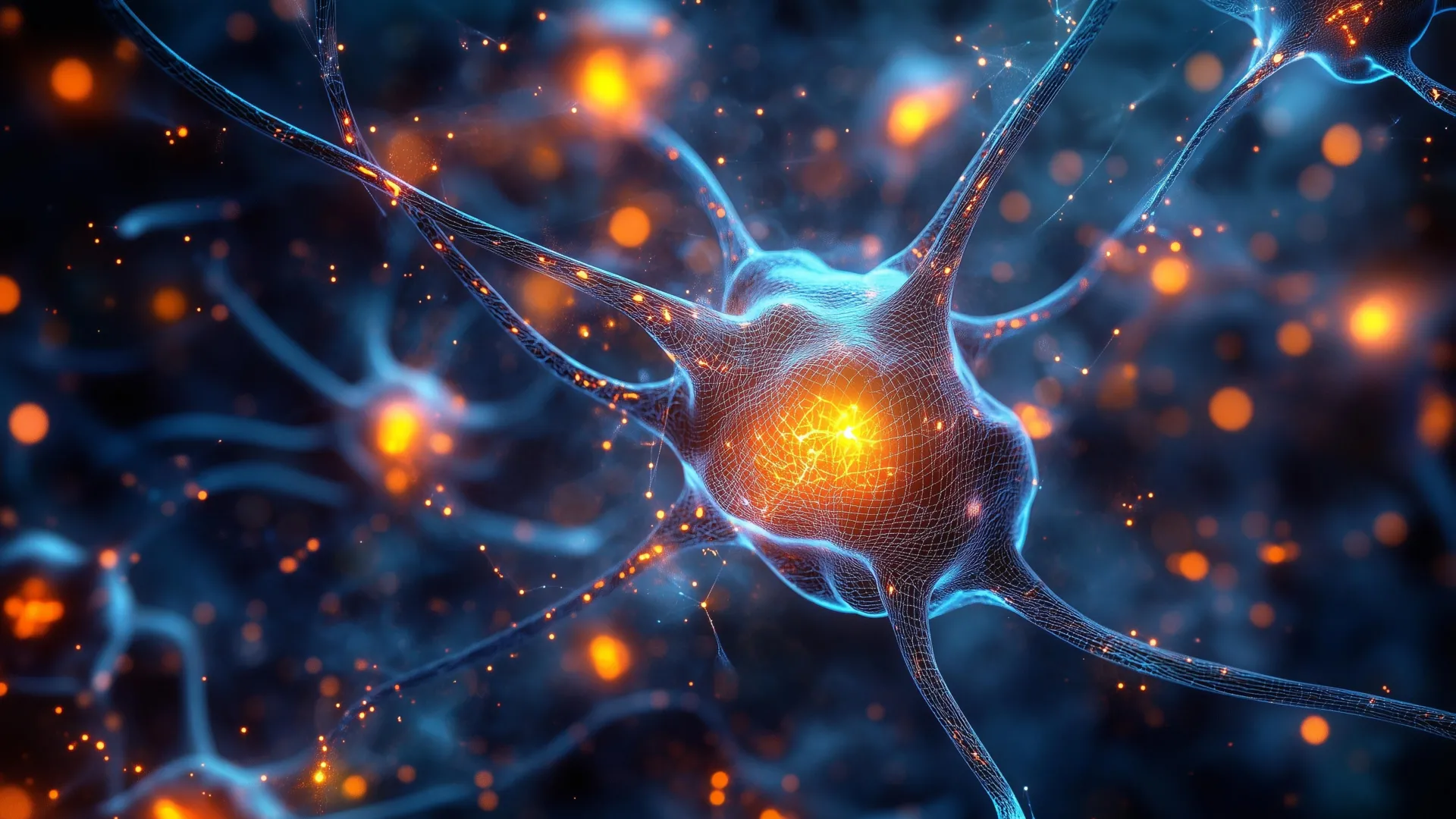
Scientists have identified a group of neurons located in an ancient region of the brain that plays a key role in helping animals focus. These cells appear to improve attention by filtering out distractions and directing the brain toward the most important information.

The discovery, made in mice by researchers at Johns Hopkins University, points to a brain system that is shared by all vertebrates, including humans. The findings could eventually help researchers develop more precise treatments for attention-related disorders.

“A hallmark of ADHD is that even faint distractors draw attention away — and that’s exactly what we see here when these neurons are silenced,” said senior author Shreesh Mysore, a neuroscientist who studies neural circuits tied to behavior. “But the very next day, when the neurons are turned back on, the same animal can ignore distractors again, even very strong ones.”

The federally funded study was recently published in Nature Communications and selected as an editorial highlight.

Ancient Brain Region Linked to Attention

Humans and other animals constantly sort through competing information, focusing on what matters most while ignoring less important signals. This ability, known as selective spatial attention, allows people to follow a conversation in a noisy room or spot a friend in a crowded space. Difficulties with this process are associated with conditions such as autism and Attention-Deficit/Hyperactivity Disorder (ADHD).

For many years, scientists believed that attention was controlled primarily by the prefrontal cortex, a brain region that is especially developed in humans and other primates. However, that explanation leaves an important question unanswered. Many animals can also focus their attention despite lacking a highly developed prefrontal cortex.

“If we really go back in evolution, for hundreds of millions of years, birds have had this ability, fish have had this ability. And they do not typically have a highly developed prefrontal cortex, so how does the brain solve this problem?” said lead author Ninad Kothari, a postdoctoral fellow in the university’s Department of Psychological and Brain Sciences. “We were able to identify an evolutionarily old region in the brainstem which affords this ability.”

Brainstem Neurons Act as a Focus Filter

The researchers found that attention in mice is also regulated by a network of inhibitory neurons located in the brainstem. These neurons are present across vertebrate species, including birds and fish. The decision to investigate these cells in mice grew out of earlier work by Mysore and other researchers studying birds, frogs, and turtles.

To test the neurons’ role, the team designed an attention task similar to those used in human studies. Mice viewed visual cues on a screen and were rewarded when they correctly responded to information displayed directly in front of them while ignoring distracting cues appearing off to the side.

The mice performed the task successfully until researchers temporarily switched off the brainstem neurons.

“When we inactivate these neurons, the mice become hyper distractable,” Kothari said.

Distraction Increases When Neurons Are Disabled

The scientists conducted additional tests to determine whether the mice were failing because of vision problems or movement difficulties. Those possibilities were ruled out.

Instead, the experiments showed that the animals specifically lost the ability to evaluate competing information and focus on the most relevant signal.

“The only thing impaired was their ability to take the competing pieces of information, compare them, and pay attention to the location with the most important information,” Mysore said. “This part of the brain is like an attentional selection engine. It helps solve the question: ‘What is most important information I should pay attention to right now?'”

Potential Implications for ADHD and Autism

The researchers now want to better understand exactly how these neurons influence spatial attention across vertebrate species and whether they serve a similar function in humans.

“All the evidence to date suggests that these neurons exist in humans too,” said Mysore. “But are they responsible for selective spatial attention in humans? An exciting hypothesis is that they play a crucial role.”

Future studies may examine the activity of these neurons in people with ADHD and autism. If researchers find that the cells function differently in those conditions, the discovery could help guide the development of more targeted medications and therapies.

The study’s authors also include Arunima Banerjee, Qingcheng (Jessica) Zhang, and Wen-Kai You of Johns Hopkins University.

Share Button

Many fear the NHS will continue to fail mothers and babies unless there’s a cultural shift

Families will continue to be failed unless the NHS makes meaningful changes, BBC’s Michael Buchanan writes.

Share Button

Why South Africa’s leopards shrank to half their normal size

Animals of the same species don’t always look the same. From birds with different beak shapes to mammals that vary in size or color, populations living in different places can often look very different.

What’s much harder to pin down is why these differences arise. Are they shaped by local environments? Or driven by natural or sexual selection? Or are they simply the result of the random loss of gene variants as populations become isolated and slowly diverge over time?

I’m part of a team of leopard conservationists and researchers who set out to answer some of these questions when we investigated a remarkable population of fewer than 1,000 leopards in South Africa’s Cape Floristic Region, an area that covers the country’s Western Cape, and parts of the Eastern Cape and Northern Cape.

These leopards are much smaller than leopards elsewhere on the continent – in some cases only half the body mass. For decades, researchers and conservationists have debated whether the leopards of this region are truly a separate population in terms of their genes, and if so, what might be driving that difference.

Previous genetic studies offered only limited answers. Most relied on a small number of genetic markers – specific spots in the DNA where mutations tend to happen more. This is useful in finding out large-scale patterns, but misses the finer details needed to understand how populations evolve.

To fill this gap in the research, we turned to whole-genome data. This means that instead of looking for small regions of the DNA where we expect variation, we analyzed the full sequence of paired DNA bases that make up the leopard’s genome (2.57 billion base pairs or roughly 19,000 genes in total). Together with local leopard experts and evolutionary biologists, we collected muscle or skin tissue of the leopards and compared them with genomes of leopards from other parts of Africa.

We found that leopards of the Cape are genetically different from other African leopards. This is because they’ve been isolated from other leopards for a long time and have adapted to one region. This has important implications for conservation.

Leopards in the Cape: smaller, isolated, and genetically unique

Leopards are among the most widespread large carnivores in the world, found across Africa and parts of Asia. Eight subspecies are currently recognized, including the African leopard (Panthera pardus pardus).

The African leopard found across most of sub-Saharan Africa shows extraordinary variation in coat colour, body size and skull shape. In general, leopards living in open habitats tend to be larger and paler, while those in forested areas are often smaller and darker.

The leopards of the Cape Floristic Region (a biodiverse area rich in plants found nowhere else in the world) are an exception to the pattern. They’re relatively small in mass, but until now, no one knew the reason for their distinctive appearance.

Our research found that the leopards of the Cape are not just smaller than other African leopards, they’ve also formed their own genetic group, clearly separated from leopards elsewhere in southern and eastern Africa.

A similar pattern emerged for leopards from Ghana in west Africa. In both cases, there was little evidence of recent genetic mixing with neighboring populations.

Leopards occur and move all along the length of the Cape Fold Belt mountain chain, which serves as a refuge for the cats. Beyond the northern and eastern edge of this mountain chain, it appears that leopard movement stops – the apparent barriers being very dry semi-desert in the north and high human activity in much of the Eastern Cape.

How climate change and human persecution shaped leopards in the Cape over 20,000 years

Looking back in time helped explain why this population is genetically unique. Our analyses suggest that these leopards began diverging from populations further east around 20,000-24,000 years ago, during the Last Glacial Maximum (the coldest phase of the last ice age).

We estimated this by analysing whole-genome DNA to reconstruct when populations split and how much they exchanged genes in the past. (We effectively read their shared evolutionary history, written in the genome.)

During this time, southern Africa became cooler and drier, with fewer grasslands and less food, making it harder for animals to move and survive and causing populations to become separated. More recently, leopard numbers fell sharply in the 1800s and 1900s, likely due to human hunting, habitat loss, and bounty systems that encouraged farmers to kill leopards. In 1968 the leopard bounty ended and the leopard population began to recover as conservation efforts grew.

Because they’d been isolated from other leopards and hunted, we expected our research to show that the leopards of the Cape were genetically depleted (when small populations inbreed and lose genetic diversity). Low genetic diversity makes it harder for populations to adapt to new threats like climate change, disease and human pressure. However, we found they have only slightly lower genetic diversity than other African populations – a really positive finding.

Clues in the genome point to adaptation

We also wanted to find out why the leopards of the Cape are smaller in size.

We found about 90 genes that were more common in these leopards, linked to body size, muscles, bones and energy use. These differences made sense given that the environment they live in has much smaller, more sparsely distributed prey than other leopard habitats. Leopards in the Cape feed mostly on species like rock hyrax (Procavia capensis), klipspringer (Oreotragus oreotragus) and Cape grysbok (Raphicerus melanotis).

Together, these genomic signals suggest that these leopards are small because they’ve adapted that way, and not only because of isolation or genetic drift.

Why this matters for conservation

Populations that are genetically distinct and locally adapted are often described as evolutionarily significant units. This means they represent a unique branch of a species’ evolutionary history and need specific protection so that they can continue to adapt to future change.

Leopards in the Cape Floristic Region occupy a landscape unlike any other in southern Africa, shaped by low prey availability, unique vegetation, and rapidly expanding human populations. Large fenced reserves are rare, and leopards frequently move through agricultural and urban-edge landscapes, where conflict with people is common.

To conserve these leopards, their habitats need to be connected so that they can move around unrestricted and safe from persecution. Poaching and road mortalities are two further threats that need to be addressed to ensure the persistance of leopards in the landscapes. Working in partnership with landowners and communities is essential to protect leopards.

By conserving these leopards, we are not only saving an iconic predator, but also preserving an evolutionary legacy shaped over thousands of years by one of the most distinctive landscapes on the African continent.The Conversation

Share Button

Early humans were bringing fire into caves 1.8 million years ago

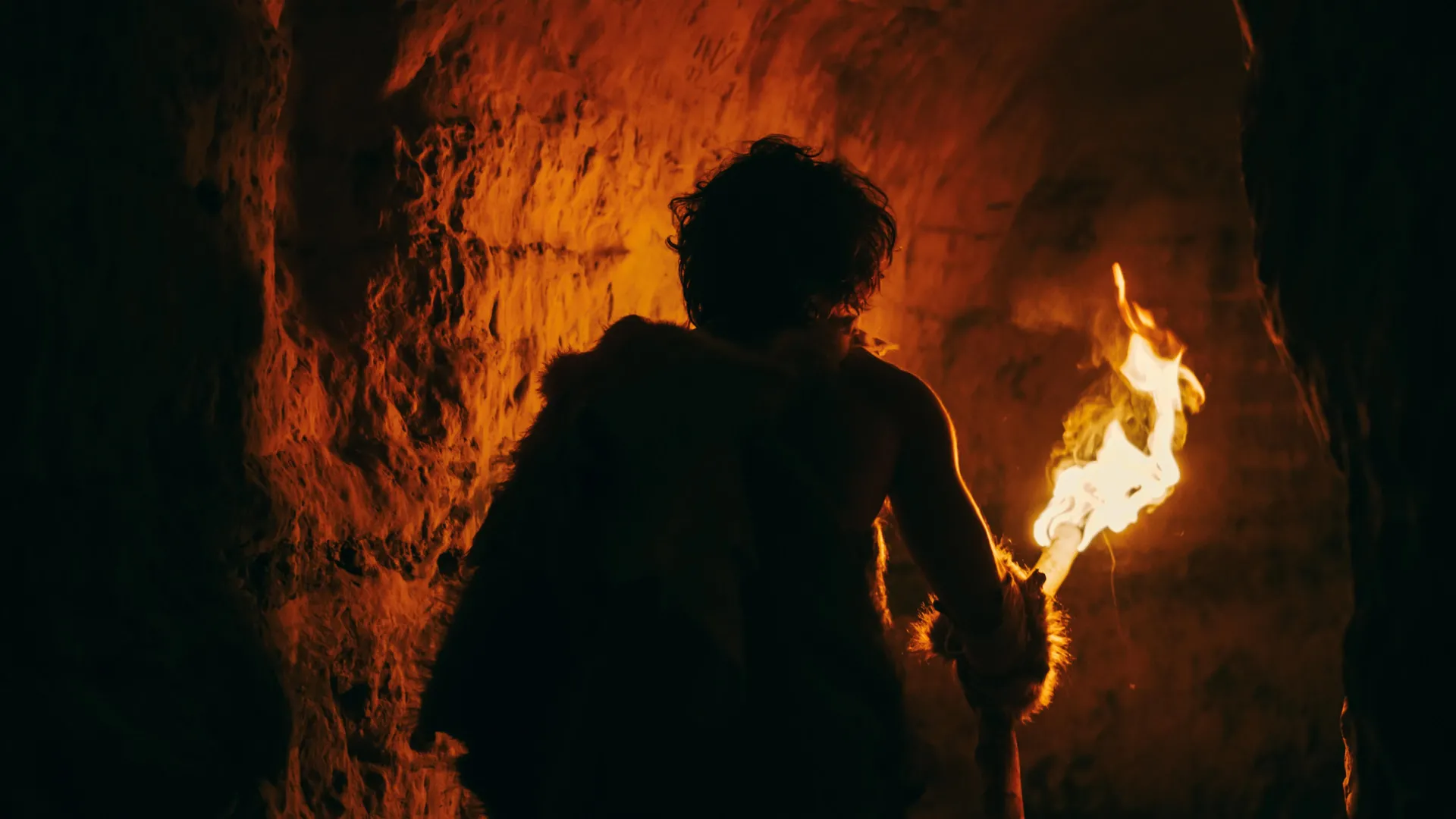
Scientists have uncovered new evidence that early human ancestors were using fire in South Africa’s Wonderwerk Cave between 1.07 and 1.79 million years ago. The discovery pushes back one of the earliest known records of fire use linked to hominins and offers fresh clues about how our ancestors first learned to harness fire.

Using a newly developed technique that can detect signs of burning in fossilized bones, researchers identified repeated evidence of fire deep inside the cave. Because these traces were found far beyond the reach of natural wildfires, the findings suggest that early humans were deliberately bringing naturally occurring fire into the cave and keeping it burning.

The research was carried out through an ongoing collaboration led by Dr. Liora Kolska Horwitz of the Hebrew University of Jerusalem’s National Natural History Collections (co-director of the Wonderwerk Cave project with Prof Michael Chazan, University of Toronto) together with an international team of scientists from Spain, Argentina, Canada, USA, South Africa, Portugal and Israel. The project combines archaeology, paleontology, geology, and other scientific approaches to investigate one of the most important developments in human evolution: the use of fire.

Earlier Evidence of Fire Use

The new study builds on earlier work at Wonderwerk Cave, located in South Africa’s Kalahari Desert. In 2012, members of the research team reported evidence of fire dating to about ~1 million years ago (published by members of the team in 2012 in PNAS), which was considered the oldest known evidence of intentional fire use anywhere in the world.

Continued excavations and analysis have now extended that timeline. Researchers identified traces of fire use in archaeological deposits dating from 1.07 to 1.79 million years ago, making Wonderwerk Cave one of the oldest known sites associated with hominin fire use. The findings, published in PLOS One, provide new insight into how ancient human ancestors may have interacted with fire long before they learned how to produce it themselves.

Fire offered many advantages, including warmth, protection from predators, light after dark, and eventually the ability to cook food. Even so, determining when humans first began using fire has remained one of archaeology’s most difficult questions.

“Evidence of fire from such ancient sites is often subtle and difficult to detect,” said the Dr. Kolska Horwitz. “Our study provides new tools for identifying traces of ancient burning and reveals that fire was repeatedly present deep inside Wonderwerk Cave.”

New Technique Detects Burned Fossil Bones

The study also introduces a new approach based on the light-emitting properties of burned bone.

When exposed to specific wavelengths of light, bones that have experienced intense heating produce a distinctive glow. Researchers combined this non-destructive luminescence method with established chemical analyses, allowing them to identify burned animal bones with a high level of confidence.

The technique is portable, non-invasive, and can be used on large fossil collections without causing damage.

To test the method, the team examined hundreds of tiny fossil bones left behind by owls that once roosted inside the cave. Because these remains accumulated naturally over time, they provide an independent, non-anthropogenic record of past events preserved on the cave floor.

Fire Deep Inside Wonderwerk Cave

The researchers discovered clear evidence of burning within an archaeological layer associated with early Acheulean artifacts, likely linked to Homo erectus. The burned remains were found approximately 30 meters inside the cave, far beyond the area that could have been affected by natural wildfires. They were also located in a layer that lacked guano deposits, ruling out spontaneous combustion as an explanation.

The evidence does not suggest that these early humans were capable of creating fire whenever they wanted. Instead, the findings indicate that they likely collected fire from natural sources, such as lightning strikes or wildfires on the African savanna.

According to the researchers, these ancient humans brought fire into the cave on multiple occasions and maintained it for a period before it eventually went out. The team also suggested that owl pellets may have served as fuel, which could explain why the tiny rodent bones contained within them show signs of burning.

Even so, the ability to transport fire and keep it burning inside a cave represents a major behavioral milestone.

“These discoveries show that early humans were not simply passive observers of natural fires,” Dr. Kolska Horwitz explained. “They were actively engaging with fire and incorporating it into their lives.”

A New Window Into the Origins of Fire

In addition to extending the timeline of fire use, the study provides archaeologists with a valuable new tool for exploring when and how humans first began using fire.

As scientists apply this technique to archaeological sites around the world, it could help answer long-standing questions about the origins and evolution of one of the most transformative technologies in human history.

Share Button