Scientists create supercharged vitamin K that helps the brain heal itself

Diseases such as Alzheimer’s, Parkinson’s, and Huntington’s slowly damage the brain by destroying neurons, the cells that carry messages through the nervous system. As these cells are lost, people can experience memory problems, cognitive decline, and movement difficulties that often become severe enough to require constant care.

Current medicines can ease some symptoms, and recent Alzheimer’s therapies such as lecanemab and donanemab can slow decline in certain people with early disease, but they do not restore lost memories or rebuild damaged brain tissue. That is why researchers are pursuing another ambitious idea: helping the brain replace neurons that have been lost.

A Vitamin Better Known for Blood and Bones

Vitamin K is best known for its role in blood clotting and bone health. In recent years, however, scientists have also linked it to brain protection and neuronal differentiation, the process by which immature neural cells become functioning neurons.

One form of vitamin K, menaquinone 4 (MK-4), is naturally active in the body. Even so, its effects may not be strong enough on their own for future use in regenerative medicine aimed at neurodegenerative disease.

In work published online in ACS Chemical Neuroscience on July 03, 2025, researchers from Shibaura Institute of Technology in Japan created vitamin K analogues designed to be more active in the nervous system. The study was led by Associate Professor Yoshihisa Hirota and Professor Yoshitomo Suhara of the Department of Bioscience and Engineering.

Dr. Hirota explains, “The newly synthesized vitamin K analogues demonstrated approximately threefold greater potency in inducing the differentiation of neural progenitor cells into neurons compared to natural vitamin K. Since neuronal loss is a hallmark of neurodegenerative diseases such as Alzheimer’s disease, these analogues may serve as regenerative agents that help replenish lost neurons and restore brain function.”

Building a Stronger Brain Active Compound

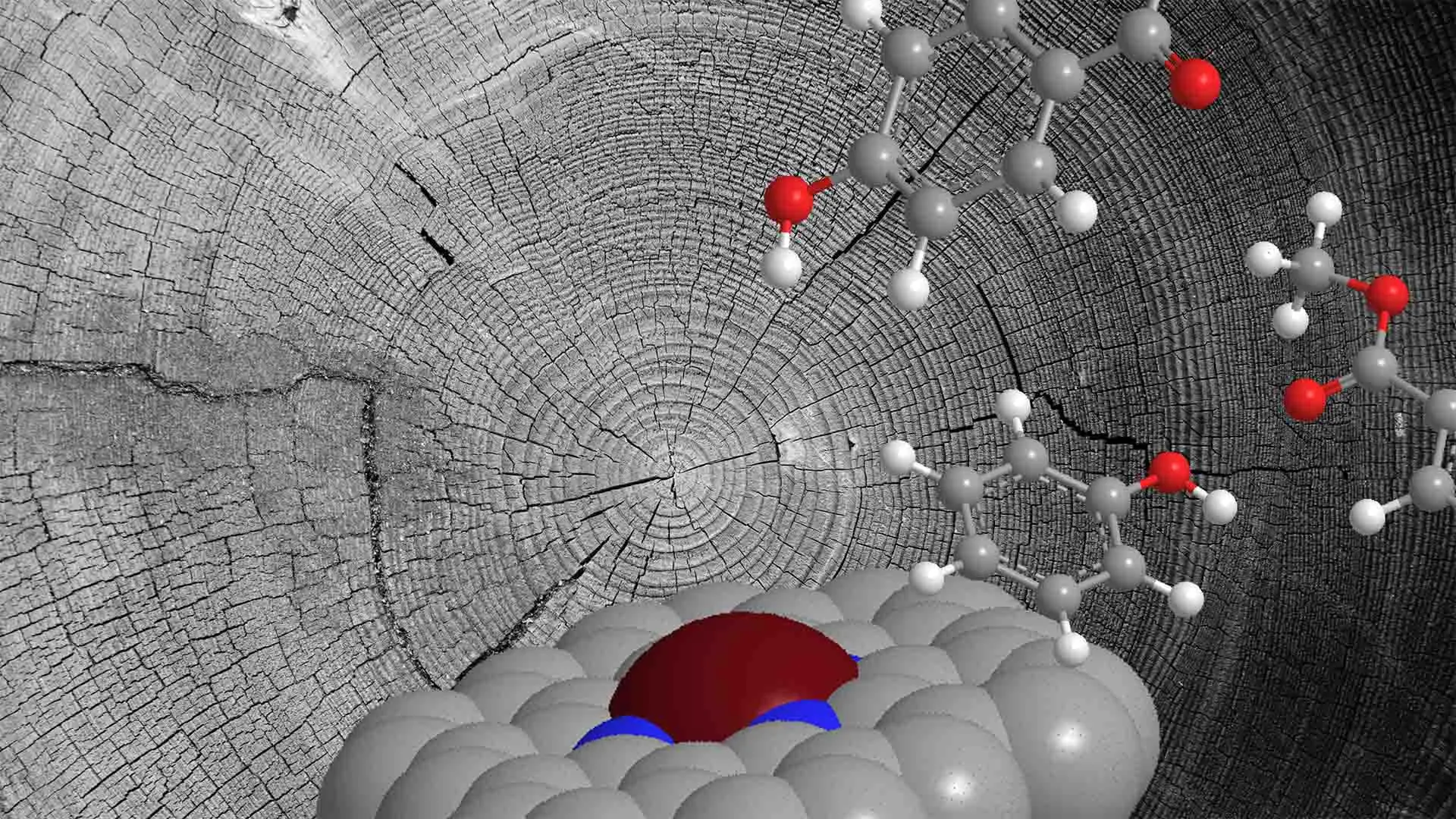
To make vitamin K more potent, the team synthesized 12 hybrid vitamin K homologs. Some were linked to retinoic acid, an active metabolite of vitamin A that is known to promote neuronal differentiation. Others included a carboxylic acid moiety or a methyl ester side chain. The researchers then compared how strongly these compounds encouraged neural progenitor cells to become neurons.

Vitamin K and retinoic acid influence gene activity through different receptors. Vitamin K acts through the steroid and xenobiotic receptor (SXR), while retinoic acid acts through the retinoic acid receptor (RAR). When the team tested the compounds in mouse neural progenitor cells, the hybrid molecules preserved the biological activity of both vitamin K and retinoic acid.

The researchers also measured microtubule associated protein 2 (Map2), a marker associated with neuronal growth. One compound stood out. It combined the retinoic acid structure with a methyl ester side chain and showed threefold higher neuronal differentiation activity than the control, along with significantly stronger activity than natural vitamin K compounds. The researchers referred to it as Novel vitamin K analog (Novel VK).

A Surprising Signal in the Brain

The team then investigated how vitamin K might be producing these neuroprotective effects. They compared gene expression in neural stem cells treated with MK-4, which promotes neuronal differentiation, with cells treated using a compound that suppresses the process.

The analysis pointed to metabotropic glutamate receptors (mGluRs), which appeared to help drive vitamin K induced neuronal differentiation through downstream epigenetic and transcriptional regulation. The effect of MK-4 was specifically tied to mGluR1.

That connection is important because mGluR1 has already been linked to synaptic transmission, the communication between neurons. Mice lacking mGluR1 show motor and synaptic problems, features that overlap with the kinds of dysfunction seen in neurodegenerative diseases.

Crossing Into the Brain

To explore whether the vitamin K compound could interact with mGluR1, the researchers used structural simulations and molecular docking studies. Their results suggested that Novel VK had stronger binding affinity for mGluR1 than MK-4.

They also tested how well Novel VK entered cells and converted into bioactive MK-4. Inside cells, MK-4 levels rose in a concentration dependent way. Novel VK also converted into MK-4 more easily than natural vitamin K.

Mouse experiments added another key finding. Novel VK showed a stable pharmacokinetic profile, crossed the blood brain barrier, and produced higher MK-4 concentrations in the brain than the control.

Why the Finding Matters

The work highlights a possible route toward therapies that do more than manage symptoms. By pushing neural progenitor cells toward becoming neurons, vitamin K based compounds could one day contribute to strategies aimed at slowing, delaying, or potentially reversing parts of neurodegeneration.

That remains a long term goal. The findings are based on cell studies and mouse experiments, not human trials. No vitamin K derived drug has yet been shown to repair the brains of people with Alzheimer’s, Parkinson’s, or Huntington’s disease. Still, the results give researchers a clearer target, especially the mGluR1 pathway, for developing future brain repair therapies.

The broader Alzheimer’s field is already moving beyond purely symptom based treatment. FDA approved anti amyloid therapies now target disease biology in early Alzheimer’s, though they are not cures and do not restore lost memory or cognitive function. A regenerative approach, if eventually proven safe and effective, would aim at a different challenge: replacing or restoring damaged neural cells.

Dr. Hirota says, “Our research offers a potentially groundbreaking approach to treating neurodegenerative diseases. A vitamin K-derived drug that slows the progression of Alzheimer’s disease or improves its symptoms could not only improve the quality of life for patients and their families but also significantly reduce the growing societal burden of healthcare expenditures and long-term caregiving.”

The hope is that this line of research will eventually move from promising laboratory results toward clinically meaningful treatments for people living with neurological disease.

About Associate Professor Yoshihisa Hirota from SIT, Japan

Dr. Yoshihisa Hirota is an Associate Professor at the Shibaura Institute of Technology in the Department of Bioscience and Engineering, College of Systems Engineering and Science. He has also worked internationally as a Visiting Scholar at the University of Cincinnati.

His research centers on Medicinal Science and Nutritional Biochemistry, with a special focus on how fat soluble vitamins and nucleic acids function in biological systems. Dr. Hirota has published 56 papers, and his work connects molecular biology with nutrition in pursuit of better health care solutions and longer healthy life expectancy.

About Professor Yoshitomo Suhara from SIT, Japan

Dr. Yoshitomo Suhara is a Professor at the Shibaura Institute of Technology in the Department of Bioscience and Engineering, College of Systems Engineering and Science.

His work focuses on medicinal chemistry and drug discovery, especially the creation of bioactive small molecules derived from fat soluble vitamins such as vitamins D and K. He has authored more than 100 peer reviewed publications and several patent applications. His multidisciplinary projects include neurogenic compounds that promote neuronal differentiation, antiviral agents, and novel anti cancer molecules.

Funding Information

This study was partly supported by a fund for the Mishima Kaiun Memorial Foundation and the Suzuken Memorial Foundation, KOSÉ Cosmetology Research Foundation, Koyanagi Foundation, Research Grants from the Toyo Institute of Food Technology, the Science Research Promotion Fund and the Takahashi Industrial and Economic Research Foundation.

Additional support came from a Fund for the Promotion of Joint International Research (Fostering Joint International Research (A)) [grant number 18KK0455] and a Grant in Aid for Scientific Research (C) [grant numbers 20K05754 and 18K11056, 21K11709, and 24K14656], Grant in Aid for Early Career Scientists [grant number 23K14091] from the Japan Society for the Promotion of Science (JSPS).

Share Button

Hundreds of children die within months as measles cases soar in Bangladesh

The country has recorded more than 60,000 suspected cases of measles in just over two months.

Share Button

‘We knew somebody would die’: Teenage patients ‘ignored’ before fatal NHS trust failures

Mental health patients say nobody listened to their concerns about a north-east England trust.

Share Button

Australia confirms first diphtheria death amid worst outbreak in decades

Most cases are in the Northern Territory with some also in Western Australia, South Australia and Queensland.

Share Button

NASA’s Psyche spacecraft uses Mars as a giant slingshot toward a mysterious metal world

NASA’s Psyche spacecraft has successfully completed a close flyby of Mars, using the planet’s gravity to gain speed and redirect its path toward the asteroid Psyche. On May 15, the spacecraft passed within 2,864 miles (4,609 kilometers) of the Martian surface, receiving a crucial gravitational assist without using additional onboard fuel.

The maneuver sends Psyche on a direct route toward its target in the asteroid belt between Mars and Jupiter. After the flyby, engineers confirmed the spacecraft was exactly where it needed to be by analyzing radio communications between Psyche and NASA’s Deep Space Network (DSN), the agency’s worldwide communications system for deep space missions.

“Although we were confident in our calculations and flight plan, monitoring the DSN’s Doppler signal in real time during the flyby was still exciting,” said Don Han, Psyche’s navigation lead at NASA’s Jet Propulsion Laboratory in Southern California. “We’ve confirmed that Mars gave the spacecraft a 1,000 mile-per-hour boost and shifted its orbital plane by about 1 degree relative to the Sun. We are now on course for arrival at the asteroid Psyche in summer 2029.”

Psyche Captures Rare Crescent Views of Mars

The Mars encounter also gave the mission team an opportunity to fully test Psyche’s scientific instruments before the spacecraft reaches the asteroid. During the days leading up to the flyby and at closest approach, engineers powered up the spacecraft’s imagers, magnetometers, and gamma-ray and neutron spectrometer.

As Psyche approached Mars, the planet appeared as a narrow crescent because of the angle between the spacecraft, Mars, and the Sun. Images taken by the spacecraft’s multispectral camera showed the crescent stretching farther around the planet than expected. Scientists say sunlight scattering through Mars’ dusty atmosphere likely caused the effect. Near closest approach, the spacecraft rapidly photographed the Martian surface as it crossed from the night side of the planet into daylight.

“We’ve captured thousands of images of the approach to Mars and of the planet’s surface and atmosphere at close approach. This dataset provides unique and important opportunities for us to calibrate and characterize the performance of the cameras, as well as test the early versions of our image processing tools being developed for use at the asteroid Psyche,” said Jim Bell, the Psyche imager instrument lead at Arizona State University (ASU) in Tempe. “As the spacecraft continues its journey after the flyby, we’ll continue calibration imaging of Mars for the rest of the month as it recedes into the distance.”

Bell also leads the Mastcam-Z imaging investigation for NASA’s Perseverance rover mission. Several additional Mars missions contributed supporting observations during the flyby, including NASA’s Mars Reconnaissance Orbiter, 2001 Mars Odyssey orbiter, and Curiosity rover, along with ESA’s (European Space Agency’s) Mars Express and ExoMars Trace Gas Orbiter.

Testing Instruments Before Arrival at Asteroid Psyche

The flyby also allowed scientists to collect valuable calibration data from Psyche’s other instruments. Early readings from the spacecraft’s magnetometers may have detected Mars’ bow shock, the region where the solar wind interacts with the planet’s magnetic environment.

At the same time, the gamma-ray and neutron spectrometer team gathered measurements that can now be compared with decades of existing Mars data.

With Mars now behind it, Psyche will resume using its solar-electric propulsion system to continue toward the asteroid belt. The spacecraft is scheduled to arrive at asteroid Psyche in August 2029.

Scientists believe Psyche could be the exposed partial core of an ancient planetesimal, one of the building blocks that formed planets early in the solar system’s history. The asteroid measures about 173 miles (280 kilometers) across at its widest point.

Once it arrives, the spacecraft will orbit Psyche at several different altitudes while mapping the surface and collecting scientific data. If the asteroid truly represents the metallic interior of an early world, it could provide researchers with a rare opportunity to study material similar to what lies deep inside rocky planets such as Earth.

“We’ve been anticipating the Mars flyby for years, but now it’s complete. We can thank the Red Planet for giving our spacecraft a critical gravitational slingshot farther into the solar system,” said Lindy Elkins-Tanton, principal investigator for Psyche at the University of California, Berkeley. “Onward to the asteroid Psyche!”

About NASA’s Psyche Mission

The Psyche mission is led by ASU. NASA’s Jet Propulsion Laboratory (JPL), a division of Caltech in Pasadena, manages mission operations, engineering, testing, and system integration.

The spacecraft chassis for Psyche’s high power solar-electric propulsion system was provided by Intuitive Machines in Palo Alto, California. ASU oversees operation of the spacecraft’s imaging instrument in partnership with Malin Space Science Systems in San Diego, which helped design, build, and test the cameras.

Psyche is the 14th mission selected for NASA’s Discovery Program, managed by the agency’s Marshall Space Flight Center in Huntsville, Alabama. NASA’s Launch Services Program at Kennedy Space Center in Florida managed launch services for the mission.

Share Button

Massive supercomputer simulations unlock cosmic magnetic mystery

Magnetic fields are found everywhere in the universe, from planets and stars to entire galaxies. These invisible forces influence major cosmic events and processes, including solar storms, the movement of high energy particles, and even galaxy formation. While small magnetic fields are often chaotic and turbulent, much larger magnetic structures appear surprisingly organized. For decades, scientists have struggled to explain how disorder in space could create such large-scale order.

Now, researchers led by scientists at the University of Wisconsin-Madison believe they may have uncovered the missing piece of the puzzle.

In a new study published in Nature, the team used extremely detailed computer simulations to study plasma flows. Their results suggest that large magnetic fields can emerge when turbulent plasma develops organized jet-like flows. The discovery introduces a new explanation for how cosmic magnetic fields form and could help scientists better understand everything from black hole formation to space weather near Earth.

“Magnetic fields across the cosmos are large-scale and ordered, but our understanding of how these fields are generated is that they come from some kind of turbulent motion,” says the study’s lead author Bindesh Tripathi, a former UW-Madison physics graduate student and current postdoctoral researcher at Columbia University. “Given that turbulence is known to be a destructive agent, the question remains, how does it create a constructive, large-scale field?”

Searching for Order in Cosmic Turbulence

Before focusing on three-dimensional (3D) magnetic fields, Tripathi had studied systems involving fluid flows and two-dimensional (2D) magnetic fields. While examining images and videos of 3D magnetic turbulence, he noticed that large-scale magnetic structures resembled the shapes of large-scale flows.

However, applying fluid dynamics directly to magnetic fields was not straightforward. Fluid flow problems can often be simplified into two dimensions, but magnetic field generation must be solved in full 3D space, making the calculations far more difficult.

To tackle the challenge, the researchers changed two important aspects of previous studies.

The first involved adding a constantly renewed velocity gradient into the simulations. A velocity gradient occurs when different parts of a system move at different speeds. For example, a cyclist who suddenly hits a curb experiences a sharp velocity gradient when the bike stops but the rider’s momentum continues forward. Similar effects occur throughout the universe, including inside the Sun and during neutron star mergers. The team suspected these gradients could play a major role in shaping magnetic fields.

Massive Supercomputer Simulations Reveal a Pattern

The second major step was computational power. The researchers carried out what may be the most detailed simulation yet of magnetic fields interacting with unstable velocity gradients. Their model used 137 billion grid points in 3D space.

In total, the team performed roughly 90 simulations, producing 0.25 petabytes of data and consuming nearly 100 million CPU hours on Purdue University’s Anvil supercomputer.

“We start our simulations with a flow that has a velocity gradient, then we add some tiny perturbations, like moving one fluid particle infinitesimally, we let that perturbation propagate over the system and grow, and then analyze the data over time,” Tripathi says. “Initially, these perturbations lead to turbulent flows and magnetic fields in small-scale structures, then, over time, they emerge into larger, ordered structures.”

When the researchers repeated the simulations without maintaining the large-scale velocity gradient, the organized magnetic structures never formed. Instead, the system remained chaotic and disordered.

“So that’s really the main key: to have a steady, large-scale gradient in velocity,” he emphasizes.

Solving a Long-Standing Magnetic Field Problem

Scientists have studied magnetic dynamos, the processes that generate magnetic fields, for roughly 70 years. Yet most theoretical models have struggled to produce the large, ordered magnetic structures that astronomers actually observe in space.

Adds Paul Terry, physics professor at UW-Madison and senior author of the study: “Magnetic field generation via dynamos has been extensively studied for 70 years, with the frustrating result that the generated fields almost always end up at small scales and highly disordered, unlike observations. This work, therefore, potentially resolves a long-standing issue.”

Although the new theory cannot be directly tested in distant cosmic environments, earlier laboratory experiments appear to support the findings. In 2012, researchers at the Wisconsin Plasma Physics Laboratory observed magnetic field behavior that existing theories could not explain. The new model developed by Tripathi and his colleagues aligns more closely with those puzzling experimental results.

Implications for Black Holes, Neutron Stars, and Space Weather

The findings could have important implications across astrophysics.

“This work has the potential to explain the magnetic dynamics relevant in, for example, neutron star mergers and black hole formation, with direct applications to multimessenger astronomy,” Tripathi says. “It may also help better understand stellar magnetic fields and predict gas ejections from the Sun toward the Earth.”

The research was supported by the National Science Foundation (2409206) and U.S. Department of Energy (DE-SC0022257) through the DOE/NSF Partnership in Basic Plasma Science and Engineering. The Anvil supercomputer at Purdue University was used through allocation TG-PHY130027 from the Advanced Cyberinfrastructure Coordination Ecosystem: Services & Support (ACCESS) program, supported by the National Science Foundation (2138259, 2138286, 2138307, 2137603 and 2138296).

Share Button

PCOS name change ‘more representative of condition’

Health experts in Jersey say the change helps people realise it is not an ovaries-only condition.

Share Button

USC scientists discover a hidden Alzheimer’s trigger and a possible way to shut it down

Researchers at the University of Southern California have identified experimental compounds that could help reduce the brain inflammation associated with Alzheimer’s disease. The findings, published in the Nature journal npj Drug Discovery, focus on an enzyme called calcium-dependent phospholipase A2, or cPLA2, which appears to play an important role in inflammation inside the brain.

The USC team linked elevated cPLA2 activity to Alzheimer’s risk while studying people who carry the APOE4 gene, the strongest known genetic risk factor for the disease. Although many APOE4 carriers never develop Alzheimer’s, researchers found that those with higher cPLA2 activity were more likely to experience the disease.

Because cPLA2 also supports healthy brain function, scientists needed to find a way to reduce its harmful activity without completely shutting the enzyme down. Another challenge involved identifying compounds small enough to cross the blood-brain barrier so they could reach the brain effectively.

“In this study, we identified compounds that act selectively on cPLA2, with minimal effects on related PLA2 enzymes that are important for normal cellular function,” said senior author Hussein Yassine, director of the Center for Personalized Brain Health at the Keck School of Medicine of USC. “Across cell-based and animal models, cPLA2 activity was reduced at low concentrations, indicating that the compounds are potent in brain-relevant systems.”

Screening Billions of Molecules for Alzheimer’s Drug Candidates

To search for potential treatments, researchers used large-scale computational screening methods to evaluate billions of possible molecules. The team prioritized compounds predicted to selectively target cPLA2, enter the brain, and remain active under biologically relevant conditions. The screening methods were developed by Vsevolod “Seva” Katritch of the USC Dornsife College of Letters, Arts and Sciences and the USC Michelson Center for Convergent Bioscience.

After narrowing down the list of candidates, pharmacologist Stan Louie of the USC Alfred E. Mann School of Pharmacy and Pharmaceutical Sciences led efforts to prepare the compounds for testing in animal models and measure how effectively they reached the brain.

One cPLA2 inhibitor emerged as the leading candidate after reducing harmful cPLA2 activation in human brain cells exposed to Alzheimer’s-related stress conditions.

Promising Results in Early Brain and Animal Studies

In mouse studies, the compound successfully crossed the blood-brain barrier and influenced neuroinflammatory pathways linked to Alzheimer’s disease. The results suggest that selectively inhibiting cPLA2 may represent a promising strategy for treating neurodegenerative disorders.

“Our goal is to find out whether targeting inflammation can alter Alzheimer’s risk — particularly in APOE4 carriers,” Yassine said. “This next phase focuses not on promises, but on carefully determining whether modulating this pathway is safe, feasible, and ultimately meaningful for human disease.”

In addition to Yassine, Louie, and Katritch, the study was led by co-first authors Anastasiia V. Sadybekov, Marlon Vincent Duro, and Shaowei Wang, all of USC. Other contributors included Brandon Ebright, Dante Dikeman, Cristelle Hugo, Bilal Ersen Kerman, Qiu-Lan Ma, Antonina L. Nazarova, Arman A. Sadybekov, and Isaac Asante.

The research received funding from the National Institute on Aging (U01AG094622, RF1AG076124, R01AG055770, R01AG067063, R01AG054434, R21AG056518, and P30AG066530); the National Institute of General Medical Sciences (R01GM147537); Department of Defense (W81XWH2110740), the Alzheimer’s Drug Discovery Foundation (GC-201711-2014197); USC CTSI KL2 (UL1 TR000004); and donations from the Vranos and Tiny Foundations and Lynne Nauss.

Disclosure: Yassine, Katritch, and Louie are founders of PeBRx, a company developing cPLA2 inhibitors. No other authors reported competing interests.

Share Button

Adorable tiny blue octopus found nearly 6,000 feet beneath the Galápagos

The Galápagos Islands off the coast of Ecuador are famous for animals found nowhere else on Earth, including giant tortoises and marine iguanas. Now, scientists have added another remarkable creature to that list: a tiny blue octopus newly identified in the deep waters surrounding the islands.

The newly described species was announced in the journal Zootaxa after researchers confirmed that the unusual octopus had never been documented before.

The animal was first spotted during a 2015 deep-sea expedition aboard the exploration vessel E/V Nautilus. The mission was carried out in partnership with the Charles Darwin Foundation (CDF) and the Galápagos National Park Directorate. Researchers used a remotely operated underwater vehicle (ROV) to investigate the seafloor near Darwin Island, located at the northern edge of the Galápagos archipelago.

Deep-Sea Discovery Near an Underwater Mountain

As the ROV explored an underwater mountain roughly 5,800 feet (1,773 meters) below the ocean surface, researchers noticed something unusual moving across the seafloor: a tiny octopus with a striking blue color.

The scientists’ immediate reactions were captured in the expedition audio recordings.

“He’s tiny!”

“It’s blue!”

Using the ROV, the team collected the octopus specimen and also recorded video footage of two others that appeared to be the same species. After returning to the Galápagos, the researchers brought dozens of deep-sea specimens to the Charles Darwin Research Station for examination.

Among all the collected animals, the little octopus immediately stood out. About the size of a golf ball, it looked unlike any known species. Researchers at the station contacted octopus expert Janet Voight and sent her photographs of the animal for identification.

“Right away, I knew it was something really special,” says Voight, curator emerita of invertebrates at the Field Museum in Chicago and the lead author of the study describing the new species. “I’d never seen anything like it.”

Scientists Use CT Scans To Study Rare Octopus

The specimen was carefully preserved in alcohol and formalin before being shipped from the Galápagos to Chicago, where Voight examined it at the Field Museum.

Normally, identifying a new octopus species requires scientists to dissect the specimen and closely study features such as the mouth, beak, and teeth. However, the researchers faced a major challenge because they had only one confirmed specimen.

“When you describe a new species of octopus, you have to look at all the parts, including the mouth, the beak, and the teeth. And to see those things, you have to cut the specimen open. We only had the one specimen, so I didn’t want to take it apart,” says Voight.

Instead, the team turned to advanced imaging technology. Stephanie Smith, manager of the Field Museum’s X-ray computed tomography laboratory, helped create highly detailed micro CT scans of the octopus.

“Because CT imaging is non-destructive, it’s especially important for type specimens like this one. And that’s great for me because people are often bringing me these incredibly rare and stunningly beautiful specimens that I get the privilege of virtually opening up,” says Smith, a co-author of the paper describing the new species. “There’s nothing like spending the day looking at something no other human has ever seen.”

CT scanning works by combining thousands of X-ray images into a detailed 3D model that reveals both the exterior and internal anatomy of an object without physically cutting into it.

For the tiny blue octopus, the scans provided clear views of internal organs and mouth structures, allowing scientists to officially classify it as a new species and better understand its relationship to other octopuses.

“What really struck me was that the scan of the little octopus revealed so much information on its internal organ systems — usually, soft-part imaging using micro CT requires the use of heavy-metal-based contrast agents whose use would not be desirable with such a rare specimen. This made the 3D modeling of relevant organs really an easy task,” says Alexander Ziegler, a researcher at the University of Bonn in Germany and senior author of the paper.

A New Species Highlights Ocean Mysteries

The octopus has been named Microeledone galapagensis. Beyond the discovery itself, the species also marks an important milestone for Voight, who has spent more than 40 years studying octopus evolution. This is the first time she has officially led the description of a new octopus species.

“These are little octopuses that live in the deep sea, and hardly anybody on Earth has ever gotten to see them. I just feel lucky that I got to work with them,” says Voight. “If you took all the land on Earth and pieced it together, you would not cover the Pacific Ocean. The oceans are so big, and there’s so much left to explore.”

Researchers say discoveries like this are also important for protecting fragile ocean ecosystems that remain poorly understood.

“When we were sorting through dozens of specimens collected during the expedition, this tiny blue octopus fascinated us,” said Salome Buglass, marine scientist at the University of California of Los Angeles, former researcher at the Charles Darwin Foundation and co-author of the paper. “There was something unusual about it, so we went out of our way to find the right person to help us identify what it was. Getting the specimen to Janet was a long process, but one I would gladly repeat if it means getting to know the most precious parts of our ocean just a little bit better. Discoveries like these remind us how much of the deep ocean in Galápagos remains unexplored. Every new species helps us better understand these hidden ecosystems and why protecting them matters.”

Share Button

Beet juice lowers blood pressure in older adults in just 2 weeks

A simple beetroot juice routine may help explain one of the more surprising links in healthy aging: the connection between bacteria in the mouth and blood pressure.

Research from the University of Exeter found that older adults who drank nitrate rich beetroot juice twice a day for two weeks saw their blood pressure fall. The same effect did not appear in younger adults, even though beetroot juice also changed their oral microbiome.

The study, published in Free Radical Biology and Medicine, is the largest of its kind to examine how dietary nitrate affects the mouth bacteria, nitric oxide biology, and blood vessel responses of younger and older adults.

Why the Mouth Matters

Nitrate is found naturally in many vegetables and plays an important role in the body. Beetroot is especially rich in nitrate, but it is not the only option. Spinach, arugula, fennel, celery, and kale are also good dietary sources.

The key step happens before nitrate reaches the bloodstream. Certain bacteria in the mouth help convert nitrate from food into compounds that eventually support the production of nitric oxide. Nitric oxide helps blood vessels relax and function properly, which is important for healthy blood pressure regulation.

When the balance of oral bacteria shifts in the wrong direction, that nitrate to nitric oxide pathway may become less efficient. The Exeter team found evidence that beetroot juice changed the oral microbiome in older adults in a way that appeared to support this pathway.

A Two Week Beetroot Juice Test

The trial included 39 adults under age 30 and 36 adults in their 60s and 70s, recruited through the NIHR Exeter Clinical Research Facility. It was supported by the Exeter Clinical Trials Unit and funded through a BBSRC Industrial Partnership Award.

Participants completed two separate two week phases. In one phase, they drank regular doses of nitrate rich beetroot juice. In the other, they drank a placebo version of the juice with the nitrate removed. A two week “wash out” period separated the phases so the researchers could reset the conditions before testing the next drink.

The team then used bacterial gene sequencing to study which microbes were present in the mouth before and after each condition.

Older Adults Responded Differently

Both age groups showed significant changes in the oral microbiome after drinking nitrate rich beetroot juice. However, the changes were not the same in younger and older participants.

Among older adults, beetroot juice was linked to a notable drop in Prevotella, a group of mouth bacteria that the researchers described as potentially harmful in this context. At the same time, bacteria associated with health benefits, including Neisseria, became more abundant.

The older group also began the study with higher average blood pressure than the younger group. After the nitrate rich beetroot juice phase, their blood pressure fell. That reduction was not seen after the placebo drink, and it was not observed in the younger adults.

The Nitric Oxide Connection

The results point to a possible reason beetroot juice may be especially useful later in life. Older adults tend to produce less nitric oxide as they age, and reduced nitric oxide availability can affect blood vessel function.

Study author Professor Anni Vanhatalo, of the University of Exeter, said: “We know that a nitrate-rich diet has health benefits, and older people produce less of their own nitric oxide as they age. They also tend to have higher blood pressure, which can be linked to cardiovascular complications like heart attack and stroke. Encouraging older adults to consume more nitrate-rich vegetables could have significant long term health benefits. The good news is that if you don’t like beetroot, there are many nitrate-rich alternatives like spinach, rocket, fennel, celery and kale.”

The findings suggest that beetroot juice may not act only through the nutrients it delivers. It may also work by changing the tiny ecosystem in the mouth that helps unlock those nutrients.

Related Research Adds to the Picture

Follow up work and related studies have continued to strengthen the idea that oral bacteria are central to how nitrate affects the body.

A 2025 randomized, double blind, placebo controlled crossover study of 15 older adults with treated high blood pressure found that four weeks of nitrate rich beetroot juice selectively changed the oral microbiome, increasing Neisseria and decreasing Veillonella, while the intestinal microbiome did not significantly change. The same research program reported that nitrate intake affected nitrate metabolism but did not produce sustained improvements in blood pressure or vascular function in that treated hypertension group, showing that the response may depend on health status, medications, study design, and the bacteria present at baseline.

A 2026 pilot study also highlighted the importance of the mouth in nitrate biology. It found that chlorhexidine, an antiseptic mouthwash, disrupted nitrate processing and reduced gastric nitric oxide synthesis, while dietary nitrate supplementation partly preserved microbial function and nitric oxide related signaling during antiseptic use.

Other work has raised similar questions about antibacterial mouth rinses. A 2025 Scientific Reports study in rats found that a nitrate and antioxidant mouth rinse supported nitrate and nitrite reducing oral bacteria and was associated with lower blood pressure compared with chlorhexidine treatment. Because that study was conducted in animals, the findings cannot be directly applied to people, but they add to the broader evidence that oral bacteria can influence the nitrate pathway.

A Potential Nutrition Strategy for Healthy Aging

Co-author Professor Andy Jones, of the University of Exeter, said: “This study shows that nitrate-rich foods alter the oral microbiome in a way that could result in less inflammation, as well as a lowering of blood pressure in older people. This paves the way for larger studies to explore the influence of lifestyle factors and biological sex in how people respond to dietary nitrate supplementation.”

The findings do not mean beetroot juice is a replacement for medication or other proven ways to manage blood pressure. However, they do suggest that nitrate rich vegetables could be a practical addition to a heart healthy lifestyle, particularly for older adults.

They also point to a more personalized future for nutrition. Two people can eat the same nitrate rich foods but respond differently, partly because their oral microbiomes may not process nitrate in the same way.

What Comes Next

The Exeter researchers say larger studies are needed to understand why some people respond more strongly than others. Future research may help reveal how lifestyle, sex, age, oral hygiene habits, and baseline microbiome differences shape the effects of dietary nitrate.

Dr. Lee Beniston FRSB, Associate Director for Industry Partnerships and Collaborative Research and Development at BBSRC, said:

“This research is a great example of how bioscience can help us better understand the complex links between diet, the microbiome and healthy aging. By uncovering how dietary nitrate affects oral bacteria and blood pressure in older adults, the study opens up new opportunities for improving vascular health through nutrition. BBSRC is proud to have supported this innovative partnership between academic researchers and industry to advance knowledge with real-world benefits.”

Together, the evidence points to a striking idea: one path to healthier blood vessels may begin not in the heart, but in the mouth.

Share Button