[unable to retrieve full-text content]



[unable to retrieve full-text content]
More than 300 individuals want compensation for injuries they claim were caused by DePuy metal-on-metal hips.
Does your child carry a heavy load on their back on a daily basis? Do they slouch in their seats and struggle with one sleeve that appears to be longer than the other? These are examples of everyday challenges children with scoliosis may face – and which should alert parents.
Lugging those heavy books around may be unavoidable, but how is it impacting your child’s health? Are you taking care of your child’s spine?
Rapid growth stage
Scoliosis is a deformity of the spine that involves the rotation of the vertebral bodies. There are six types of scoliosis that can affect children. Congenital scoliosis for example occurs when the spine does not develop properly in the womb. According to Scoli Smart clinics, this condition worsens in about 75% of the children born with it.
Most types of scoliosis in children are however idiopathic, which means that the cause is unknown. Idiopathic scoliosis is easier to treat than the congenital form.
Idiopathic scoliosis and is found in children at around 10–12 years old – when they start their rapid growth stage.
Scoli Smart recommends early intervention as the best way to approach scoliosis.
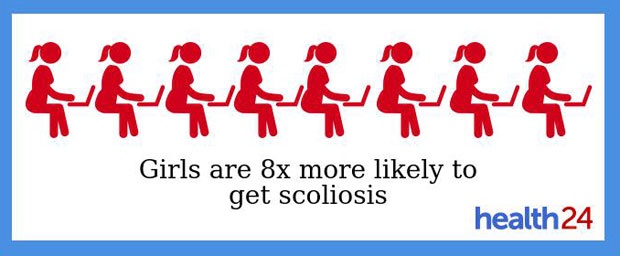
According to the National Institute of Arthritis and Musculoskeletal and Skin Diseases, parents should look out for:
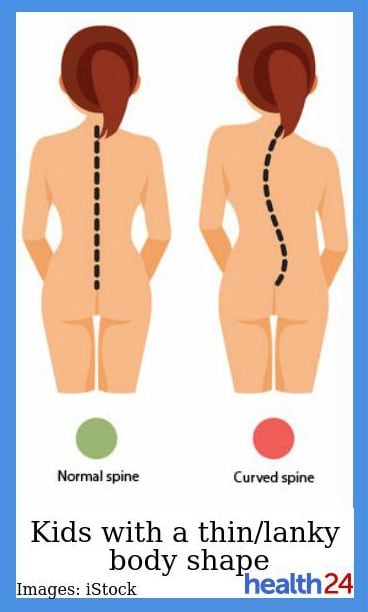
WATCH: How parents can do a home examination
[embedded content]
The National Institute of Arthritis and Muscuoloskeletal and Skin Diseases recommends these three treatments:
Image credit: iStock

NEXT ON HEALTH24X

World Foetal Alcohol Syndrome Day (15 October 2017), reminds us of the effects that alcohol can have on unborn babies.
Foetal alcohol syndrome is a series of abnormalities that can occur in an unborn baby when the pregnant mother drinks more than a certain amount of alcohol.
An alarming fact is that South Africa has one of the highest rates of FAS in the world, with a prevalence of up to 12.2% in some areas.
While the debate is on whether any amount of alcohol is safe during pregnancy, a good rule of thumb would be to steer clear with the mindset of “rather safe than sorry”. During pregnancy, we want to do everything we can to ensure a healthy baby. But besides alcohol, there are other substances and foods many people regard as taboo.
We investigated – and busted – a couple of these myths.
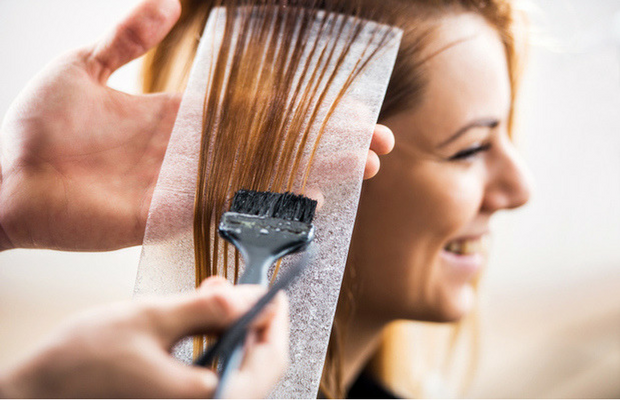
1. You shouldn’t dye your hair while pregnant
It was believed in the past that the inhalation and absorption of chemical hair dyes can harm the foetus. Studies have however found no evidence that these substances can harm the unborn baby. It has been proven that there is minimal absorption of hair dye through the skin. But medical professionals do recommend that hairdressers wear gloves while working with hair dyes, since they are exposed to these substances on a constant basis. They should also make sure the salon is well-ventilated.
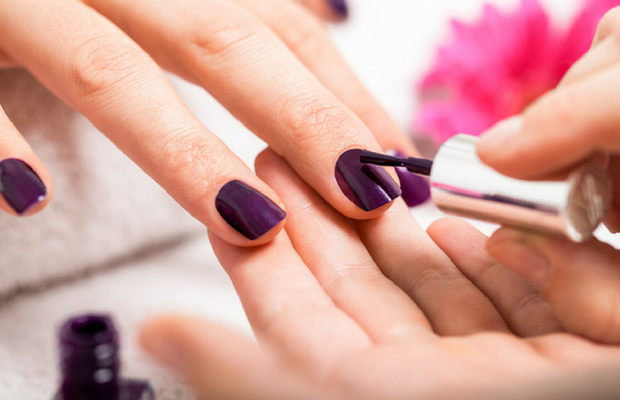
2. Nail polish or nail polish remover will harm the foetus
Commercial nail polishes contain formaldehyde and toluene which can irritate your eyes, nose or throat with regular exposure. However, these ingredients won’t affect your unborn baby. Although the ingredients can be absorbed through the nail bed, the body breaks them down before they can reach the foetus.
As for nail polish remover, frequent acetone inhalation has been linked to developmental problems in foetuses – fortunately, normal usage of nail polish remover shouldn’t pose a risk. But if you work in a nail salon, you might want to lower your exposure to these products.
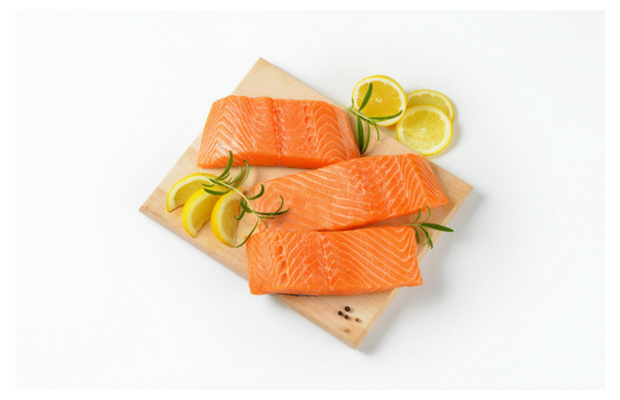
3. You shouldn’t eat seafood while pregnant
Your initial instinct would probably be to avoid sushi, as raw fish can contain small parasitic worms that can make you ill. But fish is a rich source of omega-3 and -6 fatty acids, which can be beneficial during pregnancy. However, some kinds of fish are better than others. NHS Choices recommend that you only eat sushi made from fish that was previously frozen. The American Pregnancy Association says that you should only eat well-cooked fish and avoid fish that may contain high levels of mercury, such as swordfish and mackerel.
A recent study noted that women would be more likely to include fish in their prenatal diet if they were informed about what types of fish are safe to eat. This research also indicated that women might be missing out on vital nutrients if they cut out fish completely.
4. Coffee can cause a miscarriage
There is still conflicting data on whether caffeine during pregnancy is safe for the foetus. Caffeine is found in so many foods and over-the-counter medicines that it would be impossible to cut out completely. Studies have however confirmed that caffeine should be limited to 200mg (there is roughly 95 mg in a 240 ml cup of filter coffee) a day to avoid the risk of a miscarriage. So, if you really need your daily cuppa, moderation is key, but if you are a serious coffee addict, it might be wise to cut back.

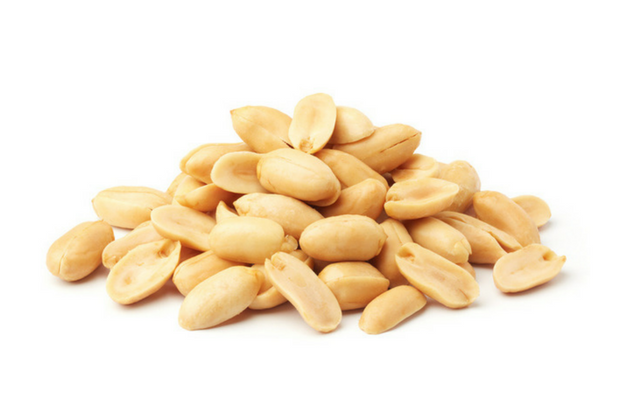
5. Eating peanuts during pregnancy will make your baby allergic to peanuts
Mothers who have a strong family history of food allergies were advised in the past to stay away from peanuts during pregnancy, as their babies would be born with a peanut allergy. Studies do show that those with higher allergy risks might be able to pass on a peanut allergy to their unborn babies, but if neither you or anyone else in your family is allergic, you can indulge in a handful once in a while.
Keep in mind, though, that every pregnancy is different. If you are unsure about what foods to eat and avoid, consult your doctor or gynaecologist for a personalised nutritional approach.
Image credits: iStock

NEXT ON HEALTH24X

NHS England says the question will deter discrimination against lesbian, gay and bisexual people.
Sweat might seem like just a sticky issue, but it’s so much more than the reason no one hugs you after a ride.
In reality, sweat is your body’s sprinkler system: Heat up enough, and the waterworks activate to help you stay cool and keep hammering down the road.
The hotter it gets, the more efficient sweating becomes the key to success.
Here’s what you need to know to embrace your natural coolant and make it work for you.
1. The fitter you are, the faster you sweat
Most of us begin to sweat when our core temperatures rise about 0.3 degrees Celcius above normal, says Dr Caroline Smith, director of the Thermal and Microvascular Physiology Laboratory at an American University.
As you get fitter, your body becomes more efficient at cooling itself. “Well-trained athletes begin sweating at a lower core temperature, and they sweat more,” Dr Smith says.
Your body also starts sweating nearly immediately when you launch into a sprint or hard effort in the heat, Dr Smith says. In those cases, your body doesn’t even wait to heat up: It knows what’s coming.
2. You need to drink (almost) as much as you sweat to stay cool
The human body makes sweat from blood plasma (the watery part of your blood). If you want to keep sweating – and you do – you need to hydrate well enough to prevent your blood from turning to sludge.
How much you need to drink depends on how much you’re pouring out. This amount varies widely from rider to rider depending on a host of factors, including, of course, how hot it is.
In one study of 26 cyclists competing in a 164km road race, sweat losses ranged from 4.9 to 12.7 litres.
You can’t – and shouldn’t try to – replace every drop of sweat you lose, but you need to stay reasonably hydrated.
Research shows that about 590ml of fluid an hour does the trick for the average cyclist. Bigger riders may need more, smaller riders may need less, and everyone may need a bit more when it’s really hot. Your thirst is a good guide.
In order to hydrate while exercising, it’s important to drink fluids that contain a little sugar and salt (most sports drinks contain both). Both help pull fluid from your intestines and into your bloodstream more quickly, making fluid readily useable for sweat.
Your body also loses electrolytes like salt through sweat while drawing water to the surface of your skin, and the salts need to be replaced.
3. Women sweat less and usually run hotter
Women typically sweat less than men. If you’re premenopausal, you also have a higher core body temperature and significantly lower blood plasma volume during the high-hormone days before your period.
A little chicken broth, miso soup or sodium-heavy hydration beverage can help pull the fluid back into your bloodstream where you need it to sweat.
4. Sweat needs to evaporate to cool you
Pouring buckets of sweat doesn’t do you much good if it just soaks your clothes and sits on your skin. The cooling response is a result of evaporation, which happens as your body unloads heat energy while helping the sweat turn gaseous.
That’s why it often feels harder biking in humid conditions. It’s also why it’s important to wear wicking materials that pull sweat from your skin through the material and into the air.
5. Train your sweat response
Just as your sweat rate changes as you get fitter, it also adjusts to heat, says exercise physiologist Dr Stacy Sims.
“As you acclimate to the heat, your total blood volume increases, and your heart rate and body temperature get lower at any given exertion. You start sweating earlier and sweat more, so you can better cool yourself. The composition of your sweat changes, so you lose fewer electrolytes as you sweat. All are key for sustaining exercise in the heat,” she says.
Heading somewhere hot from somewhere not for a big event? Unless you can go ahead of time to acclimate, you can do some DIY heat acclimatisation wherever you live.
Simply wearing more clothes and using fewer fans on your trainer can help your body prepare for being in a hot environment. Just be sure everything is breathable and don’t overdo it.
You want to simulate a hot environment but not give yourself heat illness. You can also use hot yoga or a sauna, says Dr Sims. But you need to be consistent for about five days in a row to get a benefit.
This article was originally published on www.bicycling.co.za
Image credit: iStock

NEXT ON HEALTH24X

[unable to retrieve full-text content]

Blood donors come forward after the NHS condemns comments about sickle cell disease sufferers.
1. What does SPF stand for?
Sun Protection Factor: A rating determined by the percentage of ultraviolet B rays (the kind that lead to sunburn) that the product blocks, and the amount of time it fends off a burn.
2. Every 2 hours
The rate at which you should reapply sunscreen. Do it more often if you are sweating a lot.
3. Broad spectrum
Blocks both UVB and UVA rays (the latter cause skin cancer and premature ageing). Products that don’t block UVA, and ones with SPF below 15, must state they only prevent sunburn.
4. Higher SPF ratings (50+)
The SPF rating above which researchers have found little evidence of better protection. In the future, it may be the highest number allowed to be printed on product labels.
5. Slather guide
To cover:
The place more cyclists forget to put sunscreen? The neck (the back of it in particular)
Number of minutes dermatologists recommend letting sunscreen dry before you head outside: 20
This article was originally published on www.bicycling.co.za
Image credit: iStock

NEXT ON HEALTH24X

When you were a kid, riding a bike was a simple pleasure. But somewhere along the way, it may have gotten complicated.
Between unfamiliar clothes, intimidating bike shops and unpredictable traffic, it’s hard to just hop on and go if you’ve been out of the game for years. Use this guide to bypass some common roadblocks.
By doing a little homework, you’ll walk through the door more confident. Before you go, bring your needs into focus: What are your goals? Where will you ride? How far? Over what types of terrain?
Consider how much you can afford to pay for a bicycle and key accessories. Plan to spend at least R5 000 on your first bike. That may seem steep, but it adds up to just R420 a month for a year – less than some gym memberships and a lot more useful.
Look for reviews online to find shops that provide the best customer experience and service. If the one nearest you doesn’t have a stellar reputation, it may be worth travelling a little farther.
It shouldn’t be. Discomfort is most often a by-product of poor fit. To avoid dooming your new bike to a future of neglect, find the frame style and size that work for your body.
Most bike shops encourage customers to go out for test rides, so take a few models for a spin. Are the hand brakes easy to reach? Can you put your foot down flat? Do you pedal smoothly without over-extending your knees or rocking your hips?
Discuss concerns with the salesman or mechanic, who can adjust fit. Resist the urge to buy a bike for its colour, or because it’s just like your friend’s. If it’s not 100% comfortable, you won’t ride it.
Do you need Spandex? Of course not. You can ride to work, run errands or enjoy casual rides in ordinary clothes.
Choose fabrics with some give; they’ll move with you better on the bike. Protect pants from the chain with bicycle clips or clothes pegs.
For fitness rides or longer commutes, consider padded shorts for comfort and stiff-soled, clipless cycling shoes to boost pedalling efficiency. For all-season riding, choose a waterproof rain jacket with a lower rear hemline to protect your back from spray.
Other accessories, such as rain pants, cycling gloves and a cap to wear under your helmet, can also be worthwhile investments.
You don’t have to ride on the road to be a cyclist – although you may want to, as you grow more comfortable. Begin on paths or in parks or suburban roads that have little traffic.
As your bike-handling confidence grows, extend your range to busier roads. Keep at least 1m between your bike and parked cars to avoid opening doors; signal and move into the adjacent traffic lane if necessary.
Skills improve with practice, so ride often. Here’s how to avoid the five most common bike-car collisions.
Aside from your bike, you need only a few key accessories to get started, some are essential, while others will make your ride a whole lot more comfortable. Click here to read more.
This article was originally published on www.bicycling.co.za
Image credit: iStock

NEXT ON HEALTH24X

