Dr Punam joins us to discuss the red flags to look out for in your health.


Dr Punam joins us to discuss the red flags to look out for in your health.
While passengers onboard the MV Hondius say the situation is calm, they face days at sea as officials warn the disease may have spread.

Quantum technology is widely expected to transform how large and complex data sets are processed. Although it is currently used mostly in laboratories and research environments, the field is steadily moving toward real-world applications across a range of industries.
In a recent study exploring the fundamentals of quantum physics, researchers examined how matter behaves at extremely small scales, including atoms, electrons, and photons. The work, led by Cal Poly Physics Department Lecturer Ian Powell, focused on how varying a magnetic field over time can cause matter to exhibit unusual and previously unseen properties.
Powell and student researcher Louis Buchalter, who earned a Cal Poly bachelor’s degree in physics in 2025, published their findings in Physical Review B in a paper titled “Flux-Switching Floquet Engineering.” Their research shows that when magnetic fields are changed in a controlled, time-dependent way, they can generate quantum states that do not exist in materials that remain unchanged over time (remaining in the same state as time elapses).
“On a big-picture level, I would describe this as an advance in our understanding of how time-dependent control can create and organize new forms of quantum matter,” Powell said. “The central idea is that useful quantum properties can depend not just on what a material is, but on how it is driven in time. In our case, we show that periodically changing a magnetic field can produce driven quantum phases with no static counterpart.”
Toward More Stable Quantum Technologies
By carefully timing how magnetic fields are applied, scientists can design quantum systems with properties that are more stable and less vulnerable to “noise” or imperfections. These disruptions are a major challenge in quantum technology, often leading to errors in calculations or system performance.
Powell noted that while the technical details can be difficult to explain outside the field, the broader concept is clear. The findings suggest new ways to create and study these unusual quantum states in controlled settings such as ultracold-atom experiments.
“The most direct industry relevance of our study is to quantum computing and quantum simulation, rather than to a specific end-use sector at this stage,” Powell said. “Any eventual impact on areas like pharmaceuticals, finance, manufacturing or aerospace would likely be indirect, by contributing to the longer-term development of better quantum technologies. To move toward industry use, the next steps would be experimental validation and further work connecting these ideas to realistic quantum-device platforms.”
New Mathematical Patterns in Quantum Systems
Beyond creating new quantum states, the research also identified a mathematical organizing principle that mirrors patterns typically found in higher-dimensional quantum systems. This suggests that relatively simple systems driven by changing conditions could provide new ways to explore more complex quantum physics.
The team also mapped out how these exotic states form, revealing a precise structure in the system’s topological phase diagram. This diagram serves as a visual guide to different stable quantum phases, each defined by fixed topological properties.
Why Quantum Control Matters for Computing
Quantum mechanics allows computing systems to process information in ways that far exceed the capabilities of classical computers. These systems can perform large-scale simulations, analyze vast data sets, and solve complex problems more efficiently.
Magnetic fields play a central role in this process. They are commonly used to control and measure quantum bits (or qubits), the fundamental units of quantum information. Qubits are comparable to the units of 0s and 1s in classicalcomputing (applied in commonplace computing currently) used to represent physical electrical states.
Student Research Experience and Future Work
For Buchalter, participating in the study provided valuable insight into the research process and scientific communication.
“A lot about the process of conducting research and how new research findings are effectively communicated with the broader scientific community.”
“I learned that research is rarely a straightforward process, often requiring persistence and creative problem solving during the course of a research project,” Buchalter said. “I believe our results help demonstrate the power of Floquet engineering for realizing quantum systems with highly-tunable properties, paving the way for further research into periodically driven quantum matter and the development of its applications.”
Buchalter plans to begin a Master of Science program in materials science and engineering at the University of Washington in the fall, where he will focus on experimental studies of quantum matter. He is also considering a future career at a national laboratory working on quantum device development.
“I initially took on the project due to my interest in condensed matter physics, however, I became fascinated with the field of quantum materials through my experience,” Buchalter said. “I am very interested in continuing to study quantum matter and helping develop its applications in electronic and photonic devices.”

Retinol creams may get most of the attention in the fight against visible aging, but researchers at Edith Cowan University (ECU) have pointed to a much bigger and more adventurous possibility: travel.
In a 2024 interdisciplinary study published in the Journal of Travel Research, ECU researchers applied the theory of entropy to tourism, proposing that positive travel experiences may support physical and mental health in ways that could help slow some signs of aging. The work does not suggest that travel can stop aging, but it frames tourism as more than a break from routine. It may be a way to help the body maintain balance, resilience, and repair.
How Travel Could Influence Aging
Entropy is often described as the universe’s movement toward disorder. In the context of health, the researchers suggest that experiences can either support or disrupt the body’s ability to stay organized and functioning well. Positive travel experiences may help reduce that drift toward disorder, while stressful or unsafe travel may push the body in the opposite direction.
“Aging, as a process, is irreversible. While it can’t be stopped, it can be slowed down,” ECU PhD candidate Ms. Fangli Hu said.
According to Ms. Hu, travel may improve well being by placing people in new environments, encouraging movement, increasing social interaction, and creating positive emotions. Those same ideas already appear in areas such as wellness tourism, health tourism, and yoga tourism.
“Tourism isn’t just about leisure and recreation. It could also contribute to people’s physical and mental health,” Ms. Hu added.
Travel Therapy and the Body’s Defense Systems
Viewed through an entropy lens, travel therapy could become a meaningful health intervention, Ms. Hu said. The idea is that positive travel experiences, as part of a person’s environment, may help the body maintain a healthier low entropy state by influencing four major body systems.
Travel often combines unfamiliar surroundings with relaxing experiences. New settings can stimulate the body, raise metabolic activity, and help activate self organizing processes that keep biological systems working smoothly. These experiences may also prompt the adaptive immune system, which helps the body recognize and respond to outside threats.
Ms. Hu said that this reaction improves the body’s ability to perceive and defend itself against external threats.
“Put simply, the self-defense system becomes more resilient. Hormones conducive to tissue repair and regeneration may be released and promote the self-healing system’s functioning.”
Stress Relief, Movement, and Healthy Aging
Relaxing travel activities may also help reduce chronic stress and calm an overactive immune response. Recreation can ease tension and fatigue in the muscles and joints, supporting metabolic balance and strengthening the body’s ability to resist wear and tear.
This matters because travel is rarely just sitting still. Trips often include walking through cities, hiking trails, climbing, cycling, or simply spending more time on your feet than usual. That physical activity can increase metabolism, energy use, and nutrient movement throughout the body, all of which may support the systems that keep the body repaired and resilient.
“Participating in these activities could enhance the body’s immune function and self-defense capabilities, bolstering its hardiness to external risks. Physical exercise may also improve blood circulation, expedite nutrient transport, and aid waste elimination to collectively maintain an active self-healing system. Moderate exercise is beneficial to the bones, muscles, and joints in addition to supporting the body’s anti-wear-and-tear system,” Ms. Hu said.
A Field That Is Still Taking Shape
Since the 2024 study, related work has continued to explore travel therapy as a possible health and wellness approach. A 2025 research note by Hu and colleagues described travel therapy as an emerging approach in which positive travel experiences may promote well being, while also emphasizing the need to weigh benefits against risks.
Another 2025 paper called for closer collaboration between travel medicine and tourism, reflecting a growing interest in how vacations, health risks, preventive care, and traveler well being overlap. A 2025 systematic review also found that tourism and healthy aging is becoming an important interdisciplinary research area, but remains underexplored and in need of stronger methods and clearer future research directions.
Together, these newer findings support a careful interpretation: travel may offer real health related benefits, especially when it includes movement, social connection, novelty, and restoration, but researchers are still working to understand how strong those effects are and who benefits most.
The Risks Behind the Benefits
The same research also cautions that travel is not automatically healthy. Tourists can face infectious diseases, accidents, injuries, violence, unsafe food or water, and other risks linked to poor planning or unsuitable travel choices.
“Conversely, tourism can involve negative experiences that potentially lead to health problems, paralleling the process of promoting entropy increase. A prominent example is the public health crisis of COVID-19.”
The central message is not that any trip will slow aging. Rather, positive travel experiences may help the body and mind function better by combining novelty, relaxation, physical activity, and social connection. When travel is safe, restorative, and active, it may do more than create memories. It could help support healthier aging from the inside out.

Alzheimer’s disease (AD) is a progressive brain disorder and a leading cause of dementia worldwide. Despite years of research, there is still no cure. New antibody-based treatments that target amyloid β (Aβ) have recently emerged, but their benefits have been modest. These therapies can also be expensive and may trigger immune-related side effects, underscoring the urgent need for safer, more affordable options that can slow the disease.
A recent study published in Neurochemistry International offers a surprising possibility. Researchers from Kindai University and partner institutions found that arginine, a naturally occurring amino acid, can reduce the buildup of harmful Aβ proteins in animal models of Alzheimer’s. Arginine also acts as a safe chemical chaperone, helping proteins maintain their proper structure.
The team noted that while arginine is widely available as an over-the-counter supplement, the doses and methods used in this study were specifically designed for research and are not the same as commercial products.
The research group included Graduate Student Kanako Fujii and Professor Yoshitaka Nagai from the Department of Neurology at Kindai University Faculty of Medicine in Osaka, along with Associate Professor Toshihide Takeuchi from the Life Science Research Institute at Kindai University.
Lab and Animal Studies Show Strong Effects
In laboratory experiments, the scientists first showed that arginine can block the formation of Aβ42 aggregates, which are considered especially toxic. The effect increased with higher concentrations.
They then tested oral arginine in two well-established Alzheimer’s models:
In both cases, arginine treatment reduced the accumulation of Aβ and lessened its harmful effects.
“Our study demonstrates that arginine can suppress Aβ aggregation both in vitro and in vivo,” explains Prof. Nagai. “What makes this finding exciting is that arginine is already known to be clinically safe and inexpensive, making it a highly promising candidate for repositioning as a therapeutic option for AD.”
Improved Brain Health and Reduced Inflammation
In the mouse model, the benefits went beyond reducing protein buildup. Arginine lowered amyloid plaque levels and reduced the amount of insoluble Aβ42 in the brain. Treated mice also performed better in behavioral tests.
The researchers found that arginine reduced the activity of genes linked to pro-inflammatory cytokines, which are associated with neuroinflammation, a major feature of Alzheimer’s disease. This suggests that arginine may not only prevent harmful protein aggregation but also protect brain cells more broadly.
“Our findings open up new possibilities for developing arginine-based strategies for neurodegenerative diseases caused by protein misfolding and aggregation,” notes Prof. Nagai. “Given its excellent safety profile and low cost, arginine could be rapidly translated to clinical trials for Alzheimer’s and potentially other related disorders.”
A Low-Cost Path Toward New Alzheimer’s Treatments
The study highlights the growing interest in drug repositioning, which involves finding new uses for existing, well-established compounds. Because arginine is already used clinically in Japan and has been shown to safely reach the brain, it could bypass some of the early hurdles that slow down traditional drug development.
Still, the researchers caution that more work is needed. Additional preclinical and clinical studies will be required to determine whether these results can be reproduced in humans and to establish the most effective dosing strategies.
Even so, the findings provide strong early evidence that simple nutritional or pharmacological approaches may help reduce amyloid buildup and improve brain function.
Expanding Understanding of Alzheimer’s Biology
Beyond its potential as a treatment, this work sheds new light on how Aβ proteins form and accumulate in the brain. It also points to a practical and cost-effective strategy that could eventually benefit millions of people living with Alzheimer’s worldwide.
Professor Yoshitaka Nagai, a neurologist and Chair of the Department of Neurology at Kindai University Faculty of Medicine in Osaka, focuses his research on neurodegenerative diseases including Alzheimer’s, Parkinson’s, and amyotrophic lateral sclerosis. His work centers on protein misfolding and RNA-related mechanisms, and he has received multiple honors from organizations such as the Japanese Society of Neurochemistry and the Japanese Dementia Society.
This research was supported by the Ministry of Education, Culture, Sports, Science, and Technology (MEXT) (Grant No. 20H05927), Japan Society for the Promotion of Science (JSPS) (Grant Nos. 24H00630, 21H02840, 22H02792, and 25K02432), Japan Science and Technology Agency (JST) Super-Highway Program (SHW2023-03), and National Center of Neurology and Psychiatry.
Dr Aziza explains why napping could be a sign of a bigger issue
Reformer Pilates businesses in the UK rose nearly ten-fold between 2024 and 2025.

Medications used to treat type 2 diabetes and obesity, including well-known brands like Ozempic and Wegovy, may offer unexpected mental health benefits. These drugs belong to a class called GLP-1 receptor agonists, and a large new study found they are linked to fewer psychiatric hospital visits and less time off work due to mental health conditions. The research was conducted by scientists from the University of Eastern Finland, Karolinska Institutet in Sweden, and Griffith University in Australia.
Conditions like obesity and diabetes are often connected with a higher risk of depression, anxiety, and other mental health challenges. At the same time, people with psychiatric disorders are more likely to develop metabolic diseases. Because of this two-way relationship, researchers have been exploring whether treatments for physical health conditions might also influence mental well-being.
Large Study Tracks Nearly 100,000 People
To investigate this, researchers analyzed data from Swedish national health registers, following nearly 100,000 individuals between 2009 and 2022. More than 20,000 participants had used GLP-1 medications during that time. This large dataset allowed scientists to compare periods when people were taking the drugs with periods when they were not.
Significant Reductions in Depression, Anxiety, and Hospital Care
The findings showed a strong link between GLP-1 drug use and improved mental health outcomes. The use of GLP-1 medications — particularly semaglutide, the active ingredient in Ozempic and Wegovy — was associated with fewer psychiatric hospital visits and reduced sickness absence.
During times when people were taking semaglutide, psychiatric-related hospital care and sick leave dropped by 42% compared with periods when they were not using these medications. The risk of depression was 44% lower, while anxiety disorders were reduced by 38%.
Lower Risk of Substance Use and Suicidal Behavior
The study also found notable reductions in substance use disorders. Hospital care and work absence linked to substance use were 47% lower during periods of semaglutide use. In addition, GLP-1 receptor agonists were associated with a reduced risk of suicidal behavior.
One of the study’s authors, Professor Mark Taylor from Griffith University, says such results were to be expected: “An earlier study examining Swedish registers found the use of GLP-1 medications to be associated with a reduced risk of alcohol use disorder. Alcohol-related problems often have downstream effects on mood and anxiety, so we expected the effect to be positive on these as well.”
Why Might These Drugs Affect the Brain?
Even so, the strength of the results surprised the researchers. Because the study relied on registry data, it cannot prove exactly how or why these medications influence mental health.
“Because this is a registry-based study, we cannot determine exactly why or how these medications affect mood symptoms, but the association was quite strong. It is possible that, in addition to factors such as reduced alcohol consumption, weight loss-related improvements in body image, or relief associated with better glycemic control in diabetes, there may also be direct neurobiological mechanisms involved — for example, through changes in the functioning of the brain’s reward system,” says Research Director, Docent Markku Lähteenvuo from the University of Eastern Finland.
Published in a Leading Psychiatry Journal
The findings were published in The Lancet Psychiatry, a leading journal in the field. While some earlier studies on GLP-1 drugs and mental health have produced mixed results, many of those were smaller in scale. This large, long-term analysis adds stronger evidence that these widely used medications could have broader effects beyond managing blood sugar and weight.
Thousands of patients will be offered a new injectable form of an immunotherapy drug that takes minutes.
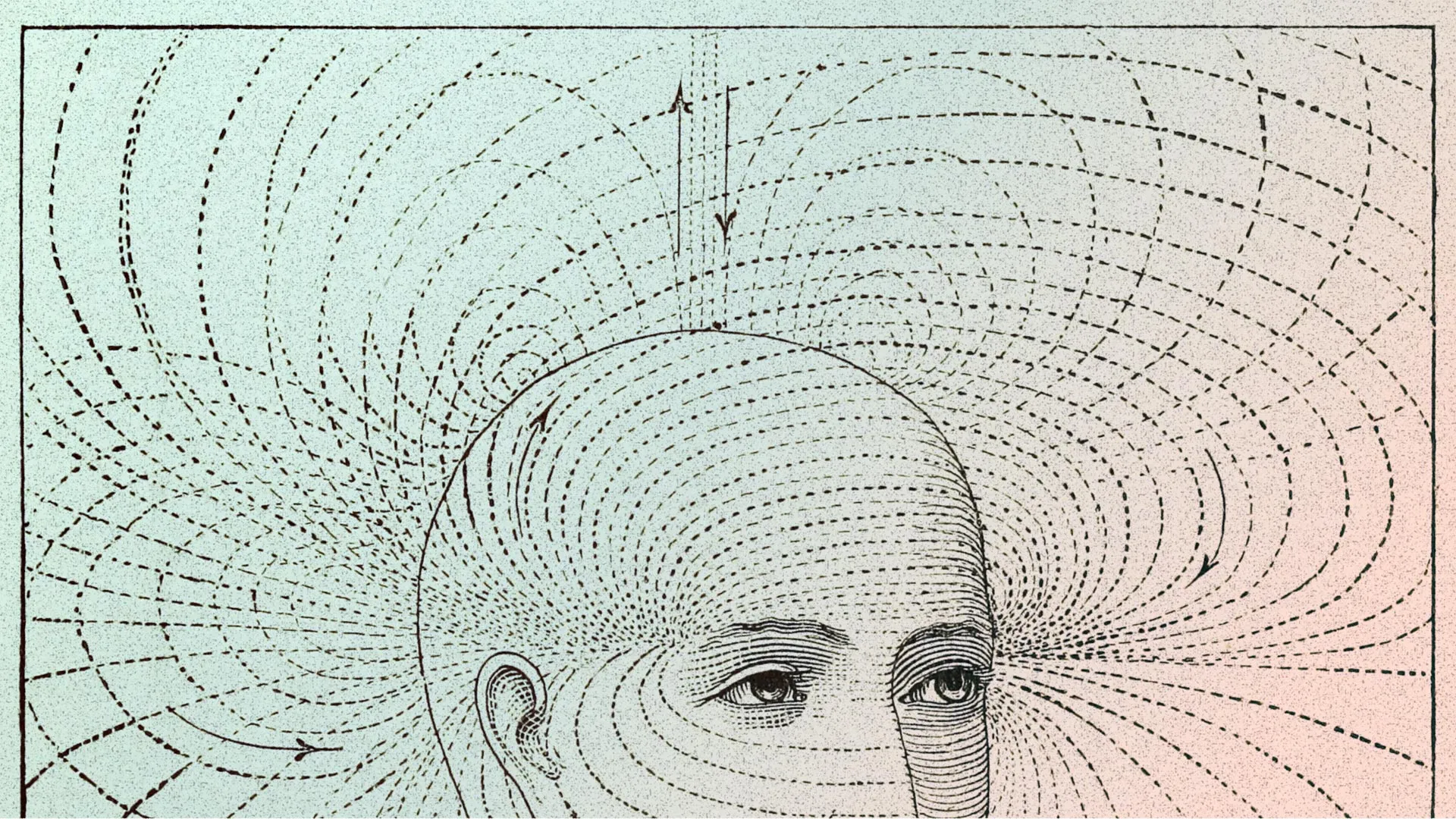
In a new study, SFI Professor David Wolpert, SFI Fractal Faculty member Carlo Rovelli, and physicist Jordan Scharnhorst take a fresh look at a famous and unsettling idea in physics and cosmology known as the “Boltzmann brain” hypothesis. This concept suggests that our memories, perceptions, and observations might not reflect a real past at all. Instead, they could have formed randomly through fluctuations in entropy, giving the appearance of a coherent history that never actually occurred.
The puzzle comes from a deep tension within statistical physics. A key foundation for understanding why time seems to move in one direction is Boltzmann’s H theorem, a central principle in statistical mechanics tied to the second law of thermodynamics. That law explains why entropy tends to increase over time, giving us a sense of past and future.
However, the H theorem itself is time-symmetric, meaning it does not prefer one direction of time over another. This creates a surprising implication. From a strictly formal standpoint, it is more probable for the patterns that make up our memories and observations to arise from random entropy fluctuations than from a real sequence of past events. Put simply, physics appears to allow the possibility that our memories are not reliable records but instead detailed illusions produced by chance. This unsettling idea is what defines the Boltzmann brain hypothesis.
How Assumptions About Time Shape the Debate
To better understand this problem, the researchers built a formal framework that examines how different assumptions affect conclusions about entropy and memory. Their work connects the Boltzmann brain hypothesis, the second law of thermodynamics, and the related “past hypothesis,” which assumes the universe began in a state of low entropy.
A crucial issue is which points in time are treated as fixed when analyzing how entropy evolves. Some approaches take the current state of the universe as given and work outward from there. Others assume a low-entropy starting point at the Big Bang. Importantly, the laws of physics do not specify which of these perspectives is correct, leaving room for interpretation.
Circular Reasoning in Entropy and Memory Arguments
The study introduces what the authors call the “entropy conjecture” to highlight a key problem in many existing arguments. They show that discussions about entropy, time, and memory often rely on subtle circular reasoning. In these cases, assumptions about the past are used to support conclusions, such as the reliability of memory or the direction in which entropy increases. Those same conclusions are then used to justify the original assumptions.
Rather than settling the debate, the researchers focus on making these hidden structures clear. By separating the role of physical laws from the assumptions we use to interpret them, the study provides a more transparent way to think about long-standing questions surrounding time, entropy, and the nature of memory.
