Time runs faster on Mars and scientists just proved it

On Earth, finding the exact time is effortless. Our planet relies on a sophisticated global system that combines atomic clocks, GPS satellites, and ultra-fast communication networks to keep everything in sync.

That precision does not extend naturally beyond Earth. Albert Einstein showed that time does not move at the same pace everywhere in the universe. The rate at which a clock ticks depends on gravity, meaning clocks run slightly slower in stronger gravity and faster in weaker gravity. Even coordinating time across Earth is complex. Extending that coordination across the solar system is far more challenging. For future explorers hoping to live and work on Mars, one fundamental question must be answered first: What time is it on Mars?

Scientists Calculate Mars Time for the First Time

Physicists at the National Institute of Standards and Technology (NIST) have now produced a precise answer. Their calculations show that, on average, clocks on Mars tick 477 microseconds (millionths of a second) faster per day than clocks on Earth. That difference is not constant. Because of Mars’ stretched orbit and gravitational influences from other bodies, the time difference can vary by as much as 226 microseconds per day throughout the Martian year.

The research was recently published in The Astronomical Journal and builds on a 2024 study in which NIST scientists outlined a framework for highly precise timekeeping on the Moon.

Understanding how time passes on Mars is essential for future missions, said NIST physicist Bijunath Patla. As NASA prepares for more advanced Mars exploration, accurate timing will be critical for navigation, communication, and coordination across planetary distances.

“The time is just right for the Moon and Mars,” Patla said. “This is the closest we have been to realizing the science fiction vision of expanding across the solar system.”

Mars Time Zone

Mars operates on a different schedule than Earth in more ways than one. A single Martian day lasts about 40 minutes longer than an Earth day, and a Martian year stretches across 687 Earth days compared with 365 days on Earth. Beyond those obvious differences, scientists needed to determine whether each second on Mars passes at the same rate as it does on Earth.

An atomic clock placed on the surface of Mars would function normally. The clock itself would tick just as it does on Earth. The problem appears when that Mars clock is compared with one on Earth. Over time, the two clocks drift apart. The task for scientists was to determine exactly how large that offset becomes, similar to defining a planetary time zone.

That calculation proved more complicated than expected. According to Einstein’s theory of relativity, gravity alters the flow of time. Clocks slow down in stronger gravity and speed up where gravity is weaker. A planet’s motion through space also affects how time passes, with orbital speed contributing additional changes.

Gravity, Orbits, and Relativity

To make the calculations possible, NIST researchers selected a specific reference point on the Martian surface, comparable to sea level at Earth’s equator. Using data gathered from years of Mars missions, Patla and fellow NIST physicist Neil Ashby estimated surface gravity on Mars, which is about five times weaker than Earth’s.

Gravity from Mars alone was not enough to explain the full picture. The solar system is a dynamic environment filled with massive objects that constantly pull on one another. The Sun contains more than 99% of the solar system’s total mass, and its gravitational influence dominates planetary motion.

Mars’ location in the solar system — its distance from the Sun, its neighbors like Earth, the Moon, Jupiter and Saturn — forces it into a more elongated and eccentric orbit. By contrast, Earth and the Moon follow relatively stable paths. As a result, time on the Moon consistently runs 56 microseconds faster per day than time on Earth.

“But for Mars, that’s not the case. Its distance from the Sun and its eccentric orbit make the variations in time larger. A three-body problem is extremely complicated. Now we’re dealing with four: the Sun, Earth, the Moon and Mars,” Patla explained. “The heavy lifting was more challenging than I initially thought.”

After accounting for Martian surface gravity, orbital motion, and the gravitational effects of the Sun, Earth, and Moon, Patla and Ashby arrived at their final calculation.

Paving the Way for Solar System Internet

A difference of 477 millionths of a second may seem insignificant. It is roughly one thousandth of the time it takes to blink. Yet such tiny differences matter greatly in modern technology. For example, 5G communication systems require timing accuracy within a tenth of a microsecond.

Today, messages sent between Earth and Mars take anywhere from four to 24 minutes to arrive, and sometimes even longer. Patla compared the situation to communication before the telegraph, when handwritten letters crossed oceans by ship and replies took weeks or months to return.

Developing a reliable framework for timekeeping between planets could eventually allow for synchronized communication networks across the solar system.

“The time is just right for the Moon and Mars. This is the closest we have been to realizing the science fiction vision of expanding across the solar system.” Bijunath Patla, NIST physicist

“If you get synchronization, it will be almost like real-time communication without any loss of information. You don’t have to wait to see what happens,” Patla said.

Preparing for Future Mars Exploration

Fully synchronized interplanetary networks remain far in the future, as do permanent human settlements on Mars. Still, studying these timing challenges now helps scientists anticipate the obstacles ahead, Ashby noted.

“It may be decades before the surface of Mars is covered by the tracks of wandering rovers, but it is useful now to study the issues involved in establishing navigation systems on other planets and moons,” Ashby said. “Like current global navigation systems like GPS, these systems will depend on accurate clocks, and the effects on clock rates can be analyzed with the help of Einstein’s general theory of relativity.”

Patla added that the research also advances fundamental science. Measuring how time behaves on distant worlds provides new tests of Einstein’s theories of special and general relativity.

“It’s good to know for the first time what is happening on Mars timewise. Nobody knew that before. It improves our knowledge of the theory itself, the theory of how clocks tick and relativity,” he said. “The passage of time is fundamental to the theory of relativity: how you realize it, how you calculate it, and what influences it. These may seem like simple concepts, but they can be quite complicated to calculate.”

Share Button

Scientists stunned by a massive hydrothermal field off Greece

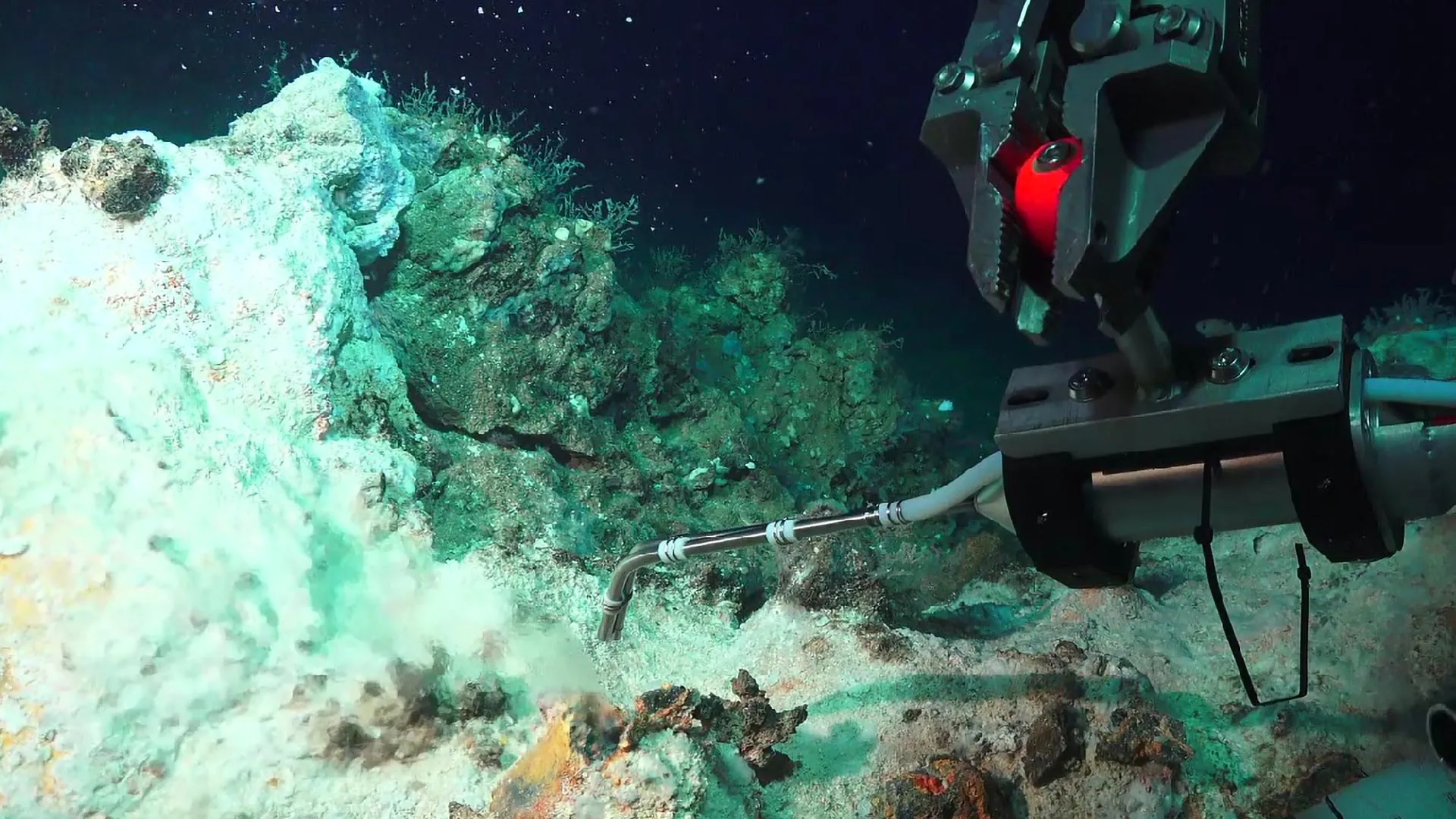
A new study published in Scientific Reports describes the discovery of an unusually large hydrothermal vent field on the shallow seafloor surrounding the Greek island of Milos. The vents were found during the METEOR expedition M192, when scientists carried out detailed surveys using multiple techniques. These included underwater mapping tools as well as autonomous and remotely operated vehicles, which allowed the team to closely examine the seafloor.

The surveys revealed previously unknown hydrothermal activity at depths ranging from 100 to 230 meters. As a result, Milos is now recognized as hosting one of the largest shallow to intermediate depth hydrothermal systems in the Mediterranean, significantly reshaping scientists’ understanding of vent activity in this region.

Fault Zones Shape Where Vents Appear

Researchers identified three main vent regions known as Aghia Kiriaki, Paleochori-Thiorychia, and Vani. All three are positioned along active fault zones that cut across the Milos shelf. These faults are part of a broader geological structure called the Milos Gulf-Fyriplaka graben, a tectonic depression that has caused sections of the seafloor to sink to depths of up to 230 meters. The close match between the locations of the vents and these fault systems highlights the strong influence of tectonic forces on where hydrothermal fluids are able to reach the seafloor.

A Surprising and Visually Striking Discovery

“We never expected to find such a large field of gas flares off Milos,” says Solveig I. Bühring, senior author of the study and scientist at the MARUM — Center for Marine Environmental Sciences, University of Bremen, who led the expedition M192 during which the vents were discovered. “When we first observed the vents through the ROV cameras, we were stunned by their diversity and beauty — from shimmering, boiling fluids to thick microbial mats covering the chimneys.”

Tectonic Controls Revealed in Vent Patterns

First author Paraskevi Nomikou of the National and Kapodistrian University of Athens explains that the arrangement of the vent clusters closely mirrors the island’s underlying fault structure.

“Our data clearly show that the gas flares follow the patterns of the major fault systems around Milos,” Nomikou explains. “Different fault zones influence different vent clusters, especially where several faults meet. These tectonic structures strongly control how and where hydrothermal fluids reach the seafloor.”

Why Milos Matters for Earth Science

Together, the findings show how ongoing fault movement and long term geological activity have guided the formation and evolution of these vent fields. With this discovery, Milos stands out as one of the most important natural sites in the Mediterranean for exploring how tectonics, volcanism, and hydrothermal processes interact beneath the sea.

The results are also significant for the MARUM-based Cluster of Excellence “The Ocean Floor — Earth’s Uncharted Interface.” Building on this work, researchers are planning a follow up expedition to Milos, the Kolumbo submarine volcano near Santorini, and Nisyros. The study reflects close cooperation between Greek and German research institutions, including the National and Kapodistrian University of Athens, MARUM — University of Bremen, Friedrich-Alexander-Universität Erlangen-Nürnberg, ICBM — Institute for Chemistry and Biology of the Marine Environment Oldenburg, and Constructor University Bremen.

Participating institutions:

  • Department of Geology and Geoenvironment, National and Kapodistrian University of Athens (Greece)
  • School of Science, Physics & Earth Sciences, Constructor University Bremen, Germany
  • Faculty of Geosciences, University of Bremen
  • MARUM — Center for Marine Environmental Sciences, University of Bremen
  • GeoZentrum Nordbayern, Friedrich-Alexander-University Erlangen-Nuernberg
  • ICBM — Institute for Chemistry and Biology of the Marine Environment, Carl Von Ossietzky University of Oldenburg
Share Button

What is the ultimate hangover cure?

The Food Chain’s Ruth Alexander on what helps – and what doesn’t – if you’ve overindulged.

Share Button

Scientists found a dangerous feedback loop accelerating Arctic warming

Earth’s climate is shifting worldwide, but the fastest changes are happening near the poles. New research from Penn State offers a detailed look at how chemical reactions in the Arctic atmosphere are unfolding, revealing that several distinct processes are interacting at the same time and reshaping the region’s climate.

Scientists used two specially equipped research aircraft along with ground-based instruments during a two-month field campaign. Their goal was to compare atmospheric chemistry in two Arctic regions, as well as near the largest oil field in North America, with nearby surrounding areas. From this effort, the researchers identified three major findings. Openings in sea ice — known as leads — strongly affect atmospheric chemistry and cloud development. Pollution from oil field operations measurably changes the makeup of the regional atmosphere. Together, these factors form a feedback loop that speeds up sea ice loss and intensifies Arctic warming.

The CHACHA Project and Its Broader Goals

The findings were recently published in the Bulletin of the American Meteorological Society and are part of a broader collaboration known as CHemistry in the Arctic: Clouds, Halogens, and Aerosols, or CHACHA. This multi-institutional project, led by five research organizations, focuses on how chemical changes occur when air near the surface rises into the lower atmosphere. These changes drive interactions between water droplets, low clouds, and pollution.

“This field campaign is an unprecedented opportunity to explore chemical changes in the boundary layer — the atmospheric layer closest to the planet’s surface — and to understand how human influence is altering the climate in this important region,” said Jose D. Fuentes, professor of meteorology in the Department of Meteorology and Atmospheric Science and corresponding author of the paper. “The resulting datasets are producing an improved understanding of the interactions between sea-spray aerosols, surface-coupled clouds, oil field emissions and multiphase halogen chemistry in the new Arctic.”

To examine chemical activity in the Arctic boundary layer, the research team collected air samples over snow-covered and newly frozen sea ice in the Beaufort and Chukchi Seas. Measurements were also taken over open leads and across the snow-covered tundra of Alaska’s North Slope, including areas near the Prudhoe Bay oil and gas fields. The campaign operated out of Utqiaġvik, Alaska, from February 21 to April 16, 2022. This period followed the polar sunrise — a stretch of continuous daylight after months of darkness — when increased ultraviolet light intensifies chemical reactions at the surface and in the lower atmosphere.

How Sea Ice Cracks Accelerate Warming

The researchers discovered that leads, which can range from just a few feet wide to several miles across, generate strong upward air currents and cloud formation. These plumes lift potentially harmful chemicals, aerosol pollutants, and water vapor hundreds of feet into the air — all factors that can enhance warming. According to Fuentes, this process increases heat and moisture transfer, accelerates sea ice loss, and promotes the formation of even more leads, reinforcing the cycle.

Another feedback loop was identified along Arctic coastlines, where chemicals in salty snowpacks interact with emissions from oil field operations. During the CHACHA campaign, scientists observed bromine production in these saline snowpacks — a process unique to polar environments. Bromine rapidly removes ozone from the boundary layer, allowing more sunlight to reach the surface. This additional sunlight warms the snow, releasing even more bromine and strengthening the feedback loop.

Pollution and Smog in a Remote Region

The field campaign also revealed major changes in the boundary layer above the Prudhoe Bay oil fields. Gas plumes from extraction activities reacted in the lower atmosphere, increasing acidity and producing harmful compounds and smog, Fuentes said. Researchers also found that halogens interact with oil field emissions to form free radicals, which later become more stable compounds capable of traveling long distances. These substances can contribute to environmental changes well beyond the oil fields themselves.

Fuentes noted that CHACHA scientists are now studying how these chemical reactions affect the broader Arctic environment. One area of concern is the formation of smog plumes that, despite occurring in a region often viewed as pristine, can reach pollution levels similar to major cities such as Los Angeles. During the campaign, nitrogen dioxide concentrations reached about 60-70 parts per billion, levels commonly associated with urban smog.

Improving Climate Models

The next phase of the research will focus on producing detailed datasets that climate modelers can use to better understand how these localized Arctic processes may influence global climate patterns in the future.

The CHACHA team also included researchers from Stony Brook University, the University at Albany, University of Michigan, and the University of Alaska Fairbanks. Funding for the project was provided by the U.S. National Science Foundation.

Share Button

Hospitals warned end-of-life care crisis threatening treatment

A rising number of patients in hospitals could affect the level of treatment carried out this winter, a group of regional NHS leaders have been told.

Share Button

Tackling the gender gap in CPR treatment

Research shows women are 27% less likely than men to receive CPR from bystanders.

Share Button

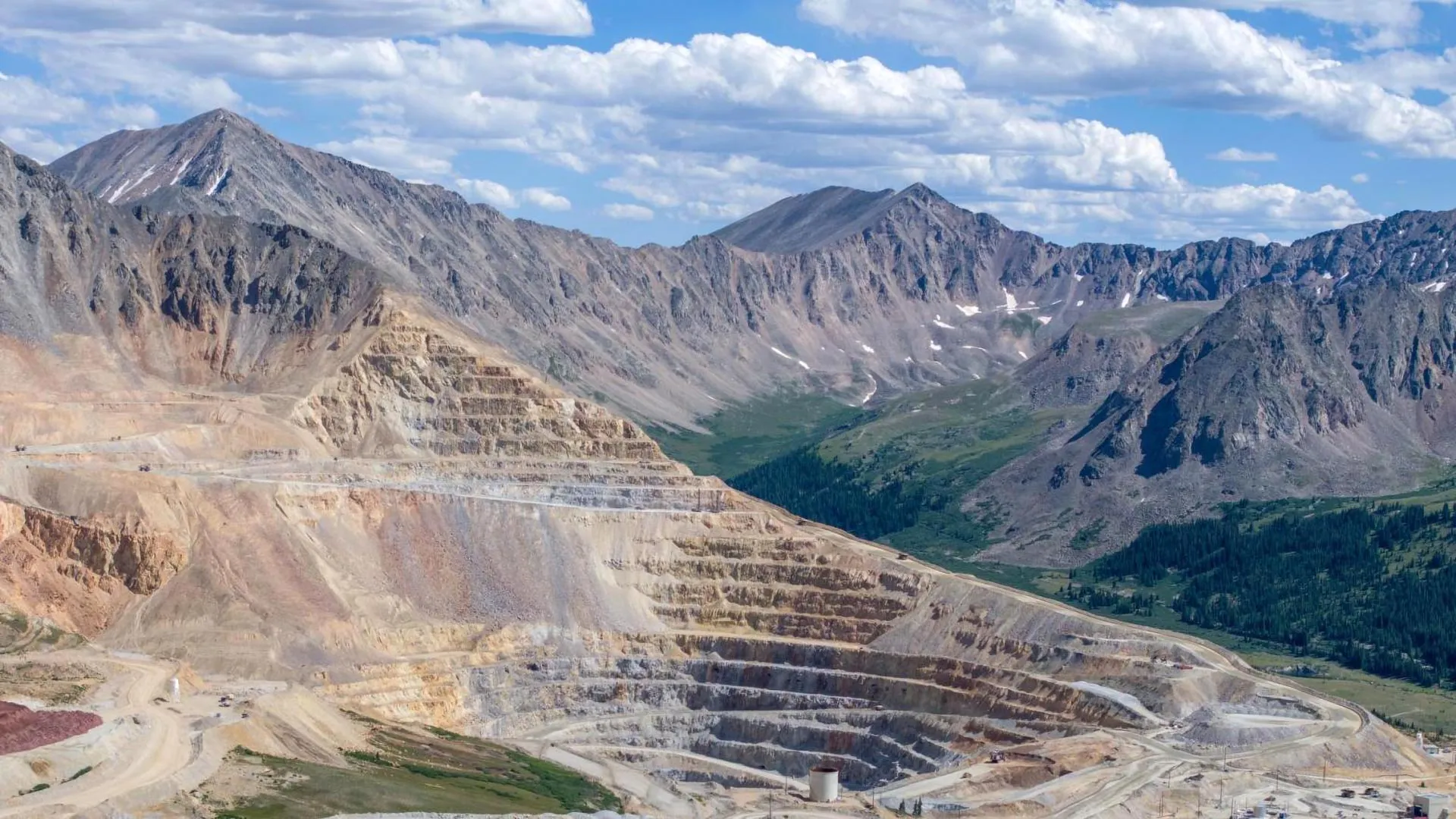
Critical minerals are hiding in plain sight in U.S. Mines

The United States may already be producing most of the critical minerals it needs, but much of that material is currently going unused. A new statistical study led by Elizabeth Holley and her research team shows that valuable minerals could be recovered as byproducts from active U.S. metal mines, sharply reducing the nation’s reliance on foreign imports.

Critical mineral byproducts are elements that occur naturally alongside metals like copper, gold, zinc, or nickel. These secondary minerals are not the main target of mining operations, so they are often separated out and discarded during processing. According to the researchers, recovering even small amounts of these overlooked materials could have a major impact on U.S. supply chains.

The researchers found that if 90 percent of these byproducts were recovered, they “could meet nearly all U.S. critical mineral needs; one percent recovery would substantially reduce import reliance for most elements evaluated.” This means that even modest improvements in recovery technology could significantly reduce dependence on overseas sources.

What Are Critical Minerals and Why They Matter

Critical minerals are materials that are essential to the economy and national security but face supply risks due to limited domestic production or geopolitical instability. In the United States, this category includes minerals such as cobalt, nickel, manganese, lithium, tellurium, germanium, and many others.

These elements play key roles in modern technology. They are used in rechargeable batteries for electric vehicles, magnets for wind turbines, semiconductors for electronics, and solar panels for renewable energy. Some are also vital for defense systems, medical devices, and communications equipment.

Demand for these materials is growing rapidly as clean energy technologies expand. At the same time, many critical minerals are currently imported from regions affected by political tension or trade uncertainty. Developing entirely new mines can take decades, making alternative domestic sources especially attractive.

How Researchers Measured Untapped Mineral Potential

To estimate how much of these minerals could be recovered inside the United States, Holley and her colleagues combined two large datasets. One database tracked the main commodities produced at federally permitted U.S. metal mines. The other included detailed geochemical measurements showing the concentrations of 70 critical minerals found in ore samples across the country.

By pairing production data with mineral chemistry data, the team was able to estimate how much of each critical mineral is already being mined and processed, but not recovered. Instead, these materials end up in mine waste, also known as tailings, which must be stored and monitored to prevent environmental harm.

In many cases, the study found that recovering less than 10 percent of these byproducts would generate a higher total dollar value than the primary metals currently being sold by U.S. mines. This suggests that what is treated as waste today could become a major economic resource.

Economic, Strategic, and Environmental Benefits

The potential benefits of recovering critical mineral byproducts extend beyond economics. Reducing import dependence would strengthen supply security for industries tied to energy, technology, and defense. It could also help protect the U.S. from supply disruptions caused by international conflicts or trade restrictions.

There are environmental advantages as well. Recovering valuable minerals instead of discarding them would reduce the volume and long term impact of mine waste. It could also create new opportunities to reuse processed materials in construction and other applications.

Despite the promise, challenges remain. Recovering small amounts of minerals from complex ore mixtures requires advanced technology, additional processing steps, and supportive policies. As Holley has explained, the difficulty lies in making recovery practical and cost effective at scale.

Still, the findings point to a largely untapped opportunity. Active U.S. mines are already handling the materials needed for batteries, clean energy systems, and high tech manufacturing. With targeted investment, research, and policy incentives, these hidden byproducts could become a powerful domestic resource rather than a discarded one.

Share Button

Most distant supernova: James Webb sees a star explode at cosmic dawn

Astronomers from around the world have reached a major milestone in studying the early universe. Using the James Webb Space Telescope (JWST), they identified a supernova, the explosive death of a massive star, at a distance never observed before.

The blast, known as SN in GRB 250314A, occurred when the universe was only about 730 million years old. This places it firmly within the era of reionisation, a period when the first stars and galaxies were beginning to emerge. The observation offers a rare and direct view of how massive stars ended their lives during this formative stage of cosmic history.

A Gamma Ray Burst Leads the Way

The discovery was first reported in the academic paper ‘JWST reveals a supernova following a gamma-ray burst at z ≃ 7.3,’ (Astronomy & Astrophysics, 704, December 2025). The event initially drew attention after a powerful flash of high energy radiation, called a long duration Gamma Ray Burst (GRB), was detected on March 14, 2025 by the space based multi band astronomical Variable Objects Monitor (SVOM). Astronomers then used the European Southern Observatory’s Very Large Telescope (ESO/VLT) to confirm that the source was located at an extreme distance.

JWST Separates the Explosion From Its Host Galaxy

The decisive observations came about 110 days after the burst, when JWST targeted the region using its Near Infrared Camera (NIRCAM). These images allowed researchers to isolate the fading light of the supernova from the much dimmer glow of its host galaxy, a critical step in confirming the nature of the explosion.

Co author and UCD School of Physics astrophysicist Dr. Antonio Martin Carrillo explained the importance of the finding: “The key observation, or smoking gun, that connects the death of massive stars with gamma-ray bursts is the discovery of a supernova emerging at the same sky location. Almost every supernova ever studied has been relatively nearby to us, with just a handful of exceptions to date. When we confirmed the age of this one, we saw a unique opportunity to probe how the Universe was there and what type of stars existed and died back then.

“Using models based on the population of supernovae associated with GRBs in our local universe, we made some predictions of what the emission should be and used it to proposed a new observation with the James Webb Space Telescope. To our surprise, our model worked remarkably well and the observed supernova seems to match really well the death of stars that we see regularly. We were also able to get a glimpse of the galaxy that hosted this dying star.”

An Unexpectedly Familiar Explosion

Measurements show that this distant supernova closely matches the brightness and spectral features of SN 1998bw, a well known supernova linked to a gamma ray burst that exploded much closer to Earth. This resemblance suggests that the star behind GRB 250314A was not dramatically different from massive stars that produce similar explosions in the nearby universe.

Despite forming in an environment with very different conditions, including much lower metallicity, the star appears to have died in a familiar way. The data also rule out a far brighter type of explosion, such as a Superluminous Supernova (SLSN).

Rethinking the First Generations of Stars

These results challenge the long held idea that the earliest stars would produce explosions that were distinctly brighter or bluer than those seen today. Instead, the findings point to a surprising consistency in how massive stars end their lives across cosmic time.

While the discovery provides an important reference point for understanding stellar evolution in the early universe, it also raises new questions about why these explosions appear so uniform.

The team plans to conduct another round of JWST observations within the next one to two years. By then, the supernova should have faded by more than two magnitudes, making it easier to fully study the faint host galaxy and confirm exactly how much light came from the supernova itself.

Share Button

Mini brains reveal clear brain signals of schizophrenia and bipolar disorder

Researchers have grown pea-sized brains in the lab that are offering an unprecedented look at how neurons behave differently in schizophrenia and bipolar disorder. These psychiatric conditions affect millions of people worldwide, yet they remain difficult to diagnose because scientists have not fully understood their underlying molecular causes.

The findings could eventually help doctors reduce mistakes in diagnosing and treating mental health disorders. Today, many psychiatric conditions are identified through clinical judgment alone and treated using a trial-and-error approach to medication.

The research was published in the journal APL Bioengineering.

Why Schizophrenia and Bipolar Disorder Are Hard to Diagnose

“Schizophrenia and bipolar disorder are very hard to diagnose because no particular part of the brain goes off. No specific enzymes are going off like in Parkinson’s, another neurological disease where doctors can diagnose and treat based on dopamine levels even though it still doesn’t have a proper cure,” said Annie Kathuria, a Johns Hopkins University biomedical engineer who led the study. “Our hope is that in the future we can not only confirm a patient is schizophrenic or bipolar from brain organoids, but that we can also start testing drugs on the organoids to find out what drug concentrations might help them get to a healthy state.”

How Scientists Built and Studied Brain Organoids

To conduct the study, Kathuria’s team created brain organoids, which are simplified versions of real human organs. They started by turning blood and skin cells from patients with schizophrenia, bipolar disorder, and from healthy individuals into stem cells capable of developing into brain-like tissue.

The team then used machine learning tools to analyze the electrical activity of cells inside these mini brains. In the human brain, neurons communicate by sending brief electrical signals to one another, and the researchers focused on identifying patterns in that activity linked to healthy and unhealthy brain function.

Electrical Biomarkers Identify Mental Illness

The scientists found that specific features of the organoids’ electrical behavior acted as biomarkers for schizophrenia and bipolar disorder. Using these signals alone, they were able to correctly identify which organoids came from affected patients 83% of the time. When the tissue received gentle electrical stimulation designed to bring out more neural activity, accuracy increased to 92%.

The patterns they uncovered were complex and highly specific. Neurons from schizophrenia and bipolar disorder patients showed unusual firing spikes and timing changes across multiple electrical measurements, creating a distinct signature for each condition.

“At least molecularly, we can check what goes wrong when we are making these brains in a dish and distinguish between organoids from a healthy person, a schizophrenia patient, or a bipolar patient based on these electrophysiology signatures,” Kathuria said. “We track the electrical signals produced by neurons during development, comparing them to organoids from patients without these mental health disorders.”

Using Microchips to Map Brain Activity

To better understand how neurons formed networks, the researchers placed the organoids on microchips equipped with multi-electrode arrays arranged like a grid. This setup allowed them to collect data in a way similar to a tiny electroencephalogram, or EEG, the test doctors use to measure brain activity in patients.

When fully developed, the organoids reached about three millimeters in diameter. They contained multiple types of neural cells normally found in the brain’s prefrontal cortex, a region involved in higher-level thinking. The mini brains also produced myelin, a substance that insulates nerve cells and helps electrical signals travel more efficiently.

Toward Personalized Psychiatric Treatments

The study included samples from just 12 patients, but Kathuria believes the results point toward meaningful clinical applications. The organoids could eventually serve as a testing platform for psychiatric medications before those drugs are prescribed to patients.

The team is now collaborating with neurosurgeons, psychiatrists, and neuroscientists at the John Hopkins School of Medicine. They are collecting additional blood samples from psychiatric patients to study how different drug concentrations affect organoid activity. Even with a limited number of samples, the researchers believe they may be able to suggest medication doses that help restore healthier neural patterns.

“That’s how most doctors give patients these drugs, with a trial-and-error method that may take six or seven months to finds the right drug,” Kathuria said. “Clozapine is the most common drug prescribed for schizophrenia, but about 40% of patients are resistant to it. With our organoids, maybe we won’t have to do that trial-and-error period. Maybe we can give them the right drug sooner than that.”

Share Button

The deep ocean has a missing link and scientists finally found it

Scientists at the Woods Hole Oceanographic Institution (WHOI) have found that large sharks can spend hours far below the ocean surface in the mesopelagic zone, a layer stretching from 200 to 1,000 meters (650 to 3,300 feet) deep. This dim region contains more living biomass than any other part of the ocean. Yet most of that life is made up of very small organisms, raising a long-standing question about why large predators would linger there for so long.

New research published in Marine Ecology Progress Series points to the importance of mid-sized predators, including the bigscale pomfret, in connecting deep and shallow ocean ecosystems. These fish appear to serve as a crucial link between the surface and the depths. Until recently, scientists lacked detailed information about how bigscale pomfret and similar species move through the ocean, limiting understanding of their ecological role.

To close that gap, researchers turned to satellite-based tracking tags. This technology allowed them to follow the movements of bigscale pomfret over time, something that had been difficult to achieve with deep-sea fish.

Tracking Life in the Twilight Zone

“The data shows bigscale pomfret are permanent residents of the ocean’s twilight zone, and follow the pattern of diel migration. This means they stay deep during the day and come to shallower waters to feed at night,” said Martin Arostegui, lead author of the study and a research associate at WHOI.

Tracking enough of these constantly moving fish posed a challenge. “Since these species spend a majority of their life on the move and in hard-to-reach places, it wouldn’t have been possible for us to tag enough of them during a few days at sea. Thus, we collaborated with a commercial longline fisher, Captain Danny Mears, who did that work as part of our research team.”

Collaboration With Commercial Fishers

Mears and his crew were eager to participate in the project. “Bigscale pomfret are so different from the tunas and swordfish we usually catch that we are fascinated by them whenever they show up in our gear,” Mears said. “My crew and I were excited for the opportunity to help with the satellite tagging for this study. It’s been very rewarding to see the data.”

The study also sheds light on how environmental conditions influence bigscale pomfret behavior. When the fish traveled from the Slope Sea into the clearer waters of the Sargasso Sea, researchers observed noticeable changes in their migration patterns. This suggests that water clarity affects how deep these fish swim, which can alter the prey they hunt and their exposure to predators like large sharks.

Why Mid-Sized Fish Matter More Than We Thought

“We always talk about the mesopelagic layer like it’s this giant buffet for big predators — but we’ve been skipping over the species in the middle,” said WHOI biologist Camrin Braun, the study’s senior author and principal investigator of WHOI’s Marine Predators Group. “These mesopelagic fish are doing the hard work of connecting the deep ocean to the surface food web. If we don’t understand them, we’re basically trying to solve a puzzle with the middle pieces missing.”

Together, the findings highlight how overlooked species in the ocean’s twilight zone play an outsized role in shaping marine food webs and the behavior of some of the ocean’s largest predators.

Share Button