A new drug could stop Alzheimer’s before memory loss begins

An experimental drug developed at Northwestern University has demonstrated further promise as an early intervention for Alzheimer’s disease.

In a new study, Northwestern scientists identified a previously unknown highly toxic sub-species of amyloid beta oligomers — toxic clusters of peptides — that appear to drive several of the brain’s earliest changes, including neuronal dysfunction, inflammation and activation of immune cells.

The experimental drug, a small-molecule compound called NU-9, decreased this toxic amyloid beta oligomersubtype and dramatically reduced the damage it causes in a mouse model of Alzheimer’s disease. By addressing these changes at the onset of Alzheimer’s disease, the researchers are hopeful NU-9 potentially could prevent, or significantly delay, the cascade of toxic events that ultimately destroy neurons.

The findings point to a potential new strategy for targeting the disease in its earliest stages — before cognitive decline and other debilitating symptoms take hold.

The study will be published on Dec. 18 in Alzheimer’s and Dementia: The Journal of the Alzheimer’s Association.

“Alzheimer’s disease begins decades before its symptoms appear, with early events like toxic amyloid beta oligomers accumulating inside neurons and glial cells becoming reactive long before memory loss is apparent,” said Northwestern’s Daniel Kranz, the study’s first author. “By the time symptoms emerge, the underlying pathology is already advanced. This is likely a major reason many clinical trials have failed. They start far too late. In our study, we administered NU-9 before symptom onset, modeling this early, pre-symptomatic window.”

Kranz is a recent Ph.D. graduate from the Interdisciplinary Biological Sciences (IBiS) program at Northwestern’s Weinberg College of Arts and Sciences, where he is advised by corresponding author William Klein. An expert on Alzheimer’s disease, Klein is a professor of neurobiology at Weinberg and a cofounder of Acumen Pharmaceuticals, which has developed a therapeutic monoclonal antibody currently in clinical trials that targets the subtype of amyloid beta oligomers identified in the study. Richard Silverman, a key co-author of the study, invented NU-9. Silverman, who previously invented pregabalin (Lyrica) to treat fibromyalgia, nerve pain and epilepsy, is the Patrick G. Ryan/Aon Professor in Weinberg’s Department of Chemistry and founder of Akava Therapeutics, a startup company commercializing NU-9 (now called AKV9).

The promise of NU-9

Conceived about 15 years ago, NU-9 emerged as part of Silverman’s multi-year effort to discover a small molecule compound that could prevent toxic protein aggregate buildup in neurodegenerative diseases. By 2021, NU-9 demonstrated efficacy in animal models of amyotrophic lateral sclerosis (ALS), clearing toxic SOD1 and TDP-43 proteins and restoring health to upper motor neurons. In 2024, it received clearance from the U.S. Food and Drug Administration to begin human clinical trials for ALS.

Earlier this year, Silverman, Klein and Kranz demonstrated that NU-9 also could effectively treat Alzheimer’s disease. In the previous study, NU-9 showed it could clear toxic amyloid beta oligomers in lab-grown brain cells from the hippocampus, a region critical for learning and memory.

“In both ALS and Alzheimer’s disease, cells suffer from toxic protein buildup,” Klein said. “Cells have a mechanism to get rid of these proteins, but it gets damaged in degenerative diseases like ALS and Alzheimer’s. NU-9 is rescuing the pathway that saves the cell.”

Early intervention

To further investigate the drug’s potential in treating Alzheimer’s disease, the team wanted to evaluate its effectiveness at halting the earliest damage. In the new study, the researchers administered NU-9 to a pre-symptomatic mouse model of Alzheimer’s disease. The mice received a daily oral dose for 60 days.

The results were striking. NU-9 significantly reduced early reactive astrogliosis, an inflammatory reaction that typically begins long before symptoms appear. The number of toxic amyloid beta oligomers bound to astrocytes (star-shaped brain cells that protect neurons and control inflammation) also plummeted. And an abnormal form of the protein TDP-43 — a hallmark of neurodegenerative diseases that is linked to cognitive impairments — sharply decreased.

“These results are stunning,” Klein said. “NU-9 had an outstanding effect on reactive astrogliosis, which is the essence of neuroinflammation and linked to the early stage of the disease.”

The improvements spanned multiple regions of the brain, indicating that NU-9 has a brain-wide anti-inflammatory effect.

A hidden culprit

While investigating the effects of NU-9 on the pre-symptomatic mouse model, the research team found an unexpected culprit. For decades, scientists have considered amyloid beta oligomers as more toxic than the larger amyloid beta fibrils that form plaques, which appear later in Alzheimer’s disease. But not all amyloid beta oligomers are the same. The Northwestern scientists discovered one uniquely problematic subtype.

“We identified a distinct amyloid beta oligomer subtype that appears inside neurons and on nearby reactive astrocytes very early in the disease,” Kranz said. “It potentially acts as an instigator of early Alzheimer’s pathology.”

Called ACU193+ because it is detected by the antibody ACU193, the subtype shows up early inside of stressed neurons, the scientists found. Then, these oligomers appear to migrate to the surfaces of nearby astrocytes. When ACU193+ oligomers latch onto astrocytes, they may spark a cascade of inflammation that spreads throughout the brain, long before memory loss begins.

A potential prophylaxis

NU-9 targeted and dramatically reduced this subtype, suggesting the drug may be especially valuable at Alzheimer’s earliest stages, when intervention is most effective. By reducing this subtype, NU-9 potentially could prevent the activation of astrocytes.

Although they serve as the brain’s frontline responders, astrocytes become destructive when pushed into a reactive state. This destructive behavior damages synapses, releases inflammatory molecules and accelerates neurodegeneration. Stopping this process might be one of the most powerful ways to slow the progression of Alzheimer’s disease.

Kranz and Silverman likened the strategy to early intervention approaches for preventing cancer and heart disease.

“Most people are used to monitoring their cholesterol levels,” Silverman said. “If you have high cholesterol, it doesn’t mean that you will have a heart attack soon. But it’s time to take drugs to lower your cholesterol levels to prevent that heart attack from happening down the road. NU-9 could play a similar role. If someone has a biomarker signaling Alzheimer’s disease, then they could start taking NU-9 before symptoms appear.”

“There are a couple early diagnostic blood tests for Alzheimer’s disease in development,” Klein added. “The promise of better early diagnostics — combined with a drug that could stop the disease in its tracks — is the goal.”

Currently, the team is testing NU-9 in additional models of Alzheimer’s disease, including an animal model of late-onset disease that better reflects typical human aging. The researchers also plan to follow animals for a longer period of time to determine whether symptoms develop in treated animals and plan to examine how early intervention with NU-9 affects memory and neuron health over time.

The study, “Identification of a glia-associated amyloid beta oligomer subtype and the rescue from reactive astrogliosis by inhibitor NU-9,” was supported by the National Institute of Health (grant AG061708).

Share Button

This simulation reveals what really happens near black holes

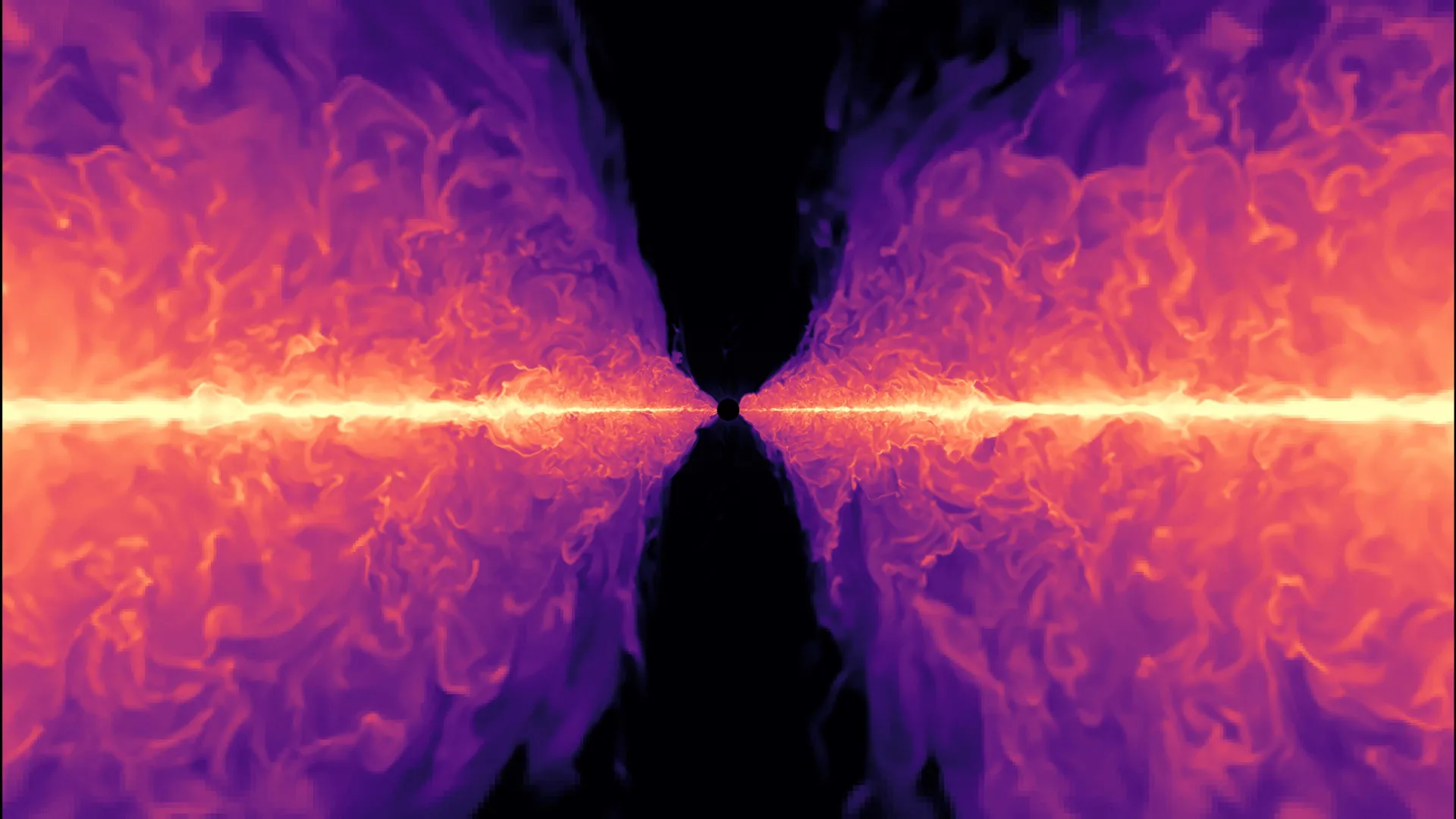
After decades of steady progress, computational astrophysicists have reached a major turning point in black hole research. A new study presents the most detailed and complete model yet of luminous black hole accretion, the process by which black holes pull in surrounding matter and emit intense radiation. Using some of the most powerful supercomputers on Earth, the researchers successfully calculated how matter flows into black holes while fully accounting for both Einstein’s theory of gravity and the dominant role of radiation, without relying on simplifying shortcuts.

This achievement marks the first time such calculations have been carried out in full general relativity under radiation-dominated conditions. The results open a new window into how black holes behave in extreme environments that were previously out of reach for simulations.

Who Led the Research and Where It Was Published

The study was published in The Astrophysical Journal and led by scientists from the Institute for Advanced Study and the Flatiron Institute’s Center for Computational Astrophysics. It represents the first paper in a planned series that will introduce the team’s new computational framework and apply it to different types of black hole systems.

“This is the first time we’ve been able to see what happens when the most important physical processes in black hole accretion are included accurately. These systems are extremely nonlinear — any over-simplifying assumption can completely change the outcome. What’s most exciting is that our simulations now reproduce remarkably consistent behaviors across black hole systems seen in the sky, from ultraluminous X-ray sources to X-ray binaries. In a sense, we’ve managed to ‘observe’ these systems not through a telescope, but through a computer,” said lead author Lizhong Zhang.

Zhang is a joint postdoctoral research fellow at the Institute for Advanced Study’s School of Natural Sciences and the Flatiron Institute’s Center for Computational Astrophysics. He began the project during his first year at IAS (2023-24) and continued the work at Flatiron.

Why Black Hole Models Need Relativity and Radiation

Any realistic model of a black hole must include general relativity, since the intense gravity of these objects bends space and time in extreme ways. But gravity alone is not enough. When large amounts of matter fall toward a black hole, enormous energy is released in the form of radiation. Accurately tracking how that radiation moves through curved spacetime and interacts with nearby gas is essential for understanding what astronomers actually observe.

Until now, simulations could not fully handle this combination of effects. Like simplified classroom models that capture only part of a real system, earlier approaches relied on assumptions that made the calculations manageable but incomplete.

“Previous methods used approximations that treat radiation as a sort of fluid, which does not reflect its actual behavior,” Zhang explained.

Solving the Full Equations Without Shortcuts

Those approximations were once unavoidable because the underlying equations are extraordinarily complex and demand massive computational resources. By combining insights developed over many years, the team created new algorithms capable of solving these equations directly, without approximations.

“Ours is the only algorithm that exists at the moment that provides a solution by treating radiation as it really is in general relativity,” Zhang said.

This breakthrough allows researchers to simulate black hole environments with a level of realism that was previously impossible.

Focusing on Stellar Mass Black Holes

The study focuses on stellar mass black holes, which typically have about 10 times the mass of the Sun. These objects are much smaller than Sgr A*, the supermassive black hole at the center of the Milky Way, but they offer unique advantages for study.

While astronomers have produced detailed images of supermassive black holes, stellar mass black holes appear only as tiny points of light. Scientists must analyze their emitted light by breaking it into a spectrum, which reveals how energy is distributed around the black hole. Because stellar mass black holes evolve over minutes to hours rather than years or centuries, they allow researchers to observe rapid changes in real time.

Simulations That Match Real Observations

Using their new model, the researchers followed how matter spirals inward, forming turbulent, radiation-dominated disks around stellar mass black holes. The simulations also showed strong winds flowing outward and, in some cases, the formation of powerful jets.

Crucially, the simulated light spectra closely matched what astronomers observe from real systems. This strong agreement makes it possible to draw more confident conclusions from limited observational data and deepens scientists’ understanding of how these distant objects operate.

Supercomputers Powering the Breakthrough

The Institute for Advanced Study has a long history of advancing science through computational modeling. One early milestone was the Electronic Computer Project led by founding Professor (1933-55) John von Neumann, which influenced fields ranging from fluid dynamics to climate science and nuclear physics.

Continuing that tradition, Zhang and his colleagues were granted access to two of the world’s most powerful supercomputers, Frontier at Oak Ridge National Laboratory and Aurora at Argonne National Laboratory. These exascale machines can perform a quintillion calculations per second and occupy thousands of square feet — recalling the massive size of the earliest computers.

Harnessing this computing power required sophisticated mathematics and software designed specifically for the task. Christopher White of the Flatiron Institute and Princeton University led the development of the radiation transport algorithm. Patrick Mullen, Member (2021-22) in the School of Natural Sciences and now at Los Alamos National Laboratory, led the integration of this algorithm into the AthenaK code, which is optimized for exascale systems.

What Comes Next for Black Hole Research

The team plans to test whether their approach can be applied to all types of black holes. Beyond stellar mass systems, the simulations may also shed new light on supermassive black holes, which play a central role in shaping galaxies. Future work will further refine how radiation interacts with matter across a wide range of temperatures and densities.

“What makes this project unique is, on the one hand, the time and effort it has taken to develop the applied mathematics and software capable of modeling these complex systems, and, on the other hand, having a very large allocation on the world’s largest supercomputers to perform these calculations,” said co-author James Stone, Professor in the Institute for Advanced Study’s School of Natural Sciences. “Now the task is to understand all the science that is coming out of it.

Share Button

Hospitals working to get patients home for Christmas after five-day doctor strike

Health experts have warned that the impact of the strike will be felt into the new year “and beyond”.

Share Button

Epidural kit shortage could last until March, regulator says

The shortage is due to a major supplier stopping manufacturing epidural bags, the government says.

Share Button

Hidden seismic signals hint at a tsunami threat in Alaska

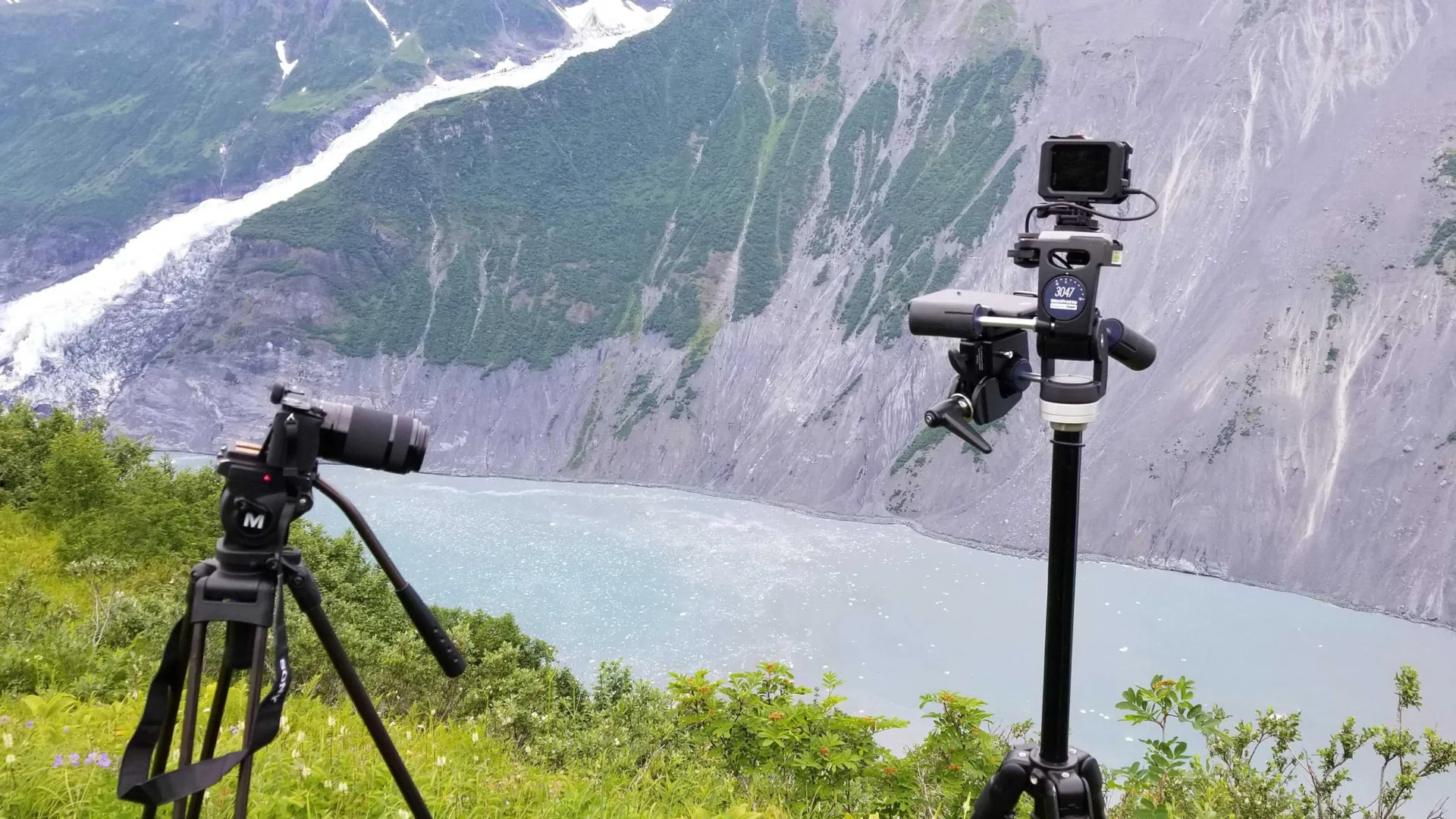
Since 2020, scientists have installed monitoring instruments around the Barry Landslide in Alaska’s Prince William Sound to closely track seismic activity in the area. Their goal is to detect warning signs early, before a sudden landslide could trigger a destructive tsunami.

By analyzing these seismic recordings, researchers identified a previously unrecognized type of signal. These events are marked by sharp, high-frequency pulses that become more common from late summer through mid-winter, then suddenly stop in late winter or early spring.

Strange Signals Linked to Freezing and Thawing Rock

Writing in Seismological Research Letters, Gabrielle Davy of the University of Alaska Fairbanks and her colleagues propose that the signals are caused by water freezing and thawing inside tiny cracks in the rock beneath the nearby Cascade Glacier. The research team is the first to carry out a systematic analysis of these short, impulsive seismic events near the Barry Landslide.

The scientists emphasize that these signals are not signs that the landslide itself is moving. However, they may still provide valuable insight into changes in underground water conditions behind the slope. Those changes could eventually play a role in triggering slope movement.

Why the Barry Landslide Poses a Serious Risk

Searching for seismic warning signs at Barry Arm is especially important because the landslide sits in a highly unstable setting. The slope is steep and underlain by weak, heavily fractured bedrock, making it prone to failure. It has also lost critical support from Barry Glacier, which has rapidly melted and retreated over the last century.

“What makes Barry Landslide especially concerning is the size of the landslide,” Davy explained. “It’s a large, slowly moving mass — on the order of about 500 million cubic meters — that has been creeping for decades.”

“If a rapid collapse were to occur, the material would fall directly into the fjord, and that could generate a tsunami with potentially high wave heights,” she added. “Barry Arm is visited by kayakers and cruise ships, and nearby communities such as Whittier could be affected, so understanding the hazard is important from both a scientific and a public-safety perspective.”

Sorting Through a Year of Seismic Data

Because of these risks, the landslide area has been extensively instrumented since 2020. The study by Davy and her colleagues is among the first to carefully examine the large volume of seismic data collected by those instruments.

For this research, the team manually reviewed an entire year of continuous seismic waveform recordings. They searched for signals that might help determine when and where a landslide could occur.

This hands-on approach allowed the researchers to recognize the wide range of signals present in the data. These included vibrations from small earthquakes, glacier motion, slope deformation, and other sources of seismic background noise.

“We needed to build a clear baseline understanding of the types of signals that routinely occur in the area, so that any unusual or previously unrecognized signals would stand out. By spending time with the raw data, you train your eye to recognize what ‘normal’ looks like” before developing classification tools and detection algorithms, Davy explained.

Seasonal Patterns Reveal a Freeze-Thaw Process

After learning how to identify the unusual short-impulsive events in the seismic records, the researchers compared them with weather and rainfall data. They also used ground-based radar to track subtle changes in slope movement. This combination allowed them to study when and where the signals occurred.

The timing, location, and characteristics of the signals pointed to small, brittle events that happen seasonally as water freezes and thaws inside cracks in the rock.

“Similar seismic signals have been documented in other settings, although they are not widely reported,” Davy said. She pointed to a recent study from Norway that observed comparable signals near an unstable rock slope and “suggested that their signals may be linked to freeze-thaw processes acting on cracks within the bedrock.”

Toward Better Landslide Early Warning Systems

Co-author Ezgi Karasözen said the Alaska Earthquake Center is now testing a regional landslide detection system at the Barry Landslide site. According to Karasözen, the system “will alert us to any slope failures in this area.”

“As research on landslide seismology grows, there’s increasing recognition that precursor seismic activity — when it does occur — can be an important source of early warning,” Karasözen said. “That motivates broader investigations not only at Barry Arm, but also at other sites in southern Alaska where similar hazards exist.”

Share Button

Science says we’ve been nurturing “gifted” kids all wrong

Exceptional performers play a major role in driving innovation and tackling some of the world’s most urgent challenges. Because of this, societies have a strong stake in understanding how top-level talent develops. A new review published in the journal Science argues that many long standing approaches to gifted education and talent development rest on flawed assumptions. For the first time, an international and interdisciplinary research team has brought together evidence on how world-class performers emerge in science, classical music, chess, and sports.

For decades, research on giftedness and expertise has followed a familiar model. Outstanding achievement was thought to depend on strong early performance, such as excelling in school subjects, sports, or concerts, combined with specific abilities like intelligence, physical coordination, or musical talent. These traits were believed to need years of intense, discipline-focused training to produce elite results. As a result, many talent programs concentrate on identifying the top young performers early and pushing them to specialize quickly.

According to new findings led by Arne Güllich, professor of sports science at RPTU University Kaiserslautern-Landau, this approach may not be the most effective way to nurture future high achievers.

Why Earlier Research Missed the Full Picture

Until recently, most studies of giftedness focused on young or sub-elite performers. These groups included school and college students, youth athletes, young chess players, and musicians training at conservatories. However, evidence drawn from adult world-class athletes has begun to challenge conclusions based on these earlier samples.

“Traditional research into giftedness and expertise did not sufficiently consider the question of how world-class performers at peak performance age developed in their early years,” Arne Güllich explains. The goal of the new Review was to address this gap by examining how elite performers actually progressed over time.

To do this, Güllich worked with an international research team that included Michael Barth, assistant professor of sports economics at the University of Innsbruck, D. Zach Hambrick, professor of psychology at Michigan State University, and Brooke N. Macnamara, professor of psychology at Purdue University. Their findings are now published in Science.

Pooling Evidence Across Fields

The researchers reexamined large datasets from many previous studies, analyzing the developmental histories of 34,839 top-level performers from around the world. The group included Nobel Prize winners in the sciences, Olympic medalists, elite chess players, and leading classical music composers. This effort made it possible, for the first time, to compare how world-class performers develop across very different disciplines.

Early Stars Are Rarely Future Legends

One of the most striking conclusions is that elite performers follow a developmental path that differs from long-held assumptions. “And a common pattern emerges across the different disciplines,” Güllich notes.

First, individuals who stand out as the best at a young age are usually not the same people who become the best later in life. Second, those who eventually reached the highest levels tended to improve gradually during their early years and were not top performers within their age group. Third, future world-class achievers typically did not focus on a single discipline early on. Instead, they explored a range of activities, such as different academic subjects, musical genres, sports, or professions (e.g., different subjects of study, genres of music, sports, or professions).

How Variety Builds Stronger Performers

The researchers propose three ideas that may help explain these patterns. “We propose three explanatory hypotheses for discussion,” says Güllich.

The search-and-match hypothesis suggests that exposure to multiple disciplines increases the likelihood of eventually finding the best personal fit. The enhanced-learning-capital hypothesis proposes that learning in diverse areas strengthens overall learning capacity, making it easier to continue improving later at the highest level within a chosen field. The limited-risks hypothesis argues that engaging in multiple disciplines reduces the chance of setbacks such as burnout, unhealthy work-rest imbalances, loss of motivation, or physical injury in psychomotor disciplines (sports, music).

Arne Güllich summarizes the combined effect of these factors: “Those who find an optimal discipline for themselves, develop enhanced potential for long-term learning, and have reduced risks of career-hampering factors, have improved chances of developing world-class performance.”

Encouraging Breadth Instead of Early Specialization

Based on these findings, Güllich offers clear guidance on how young talent should be supported. The evidence suggests avoiding early specialization in a single field. Instead, young people should be encouraged and given opportunities to explore several areas of interest and receive support in two or three disciplines.

These areas do not need to be closely related. Combinations like language and mathematics, or geography and philosophy, can be equally valuable. Albert Einstein provides a famous example — one of the most important physicists, who was also deeply engaged with music and played the violin from an early age.

Implications for Policy and Practice

The authors argue that these insights should inform changes in how talent development programs are designed. Policymakers and program leaders can move toward approaches grounded in evidence rather than tradition.

As Güllich concludes, “This may enhance opportunities for the development of world-class performers — in science, sports, music, and other fields.”

Share Button

Ancient sewers expose a hidden health crisis in Roman Britain

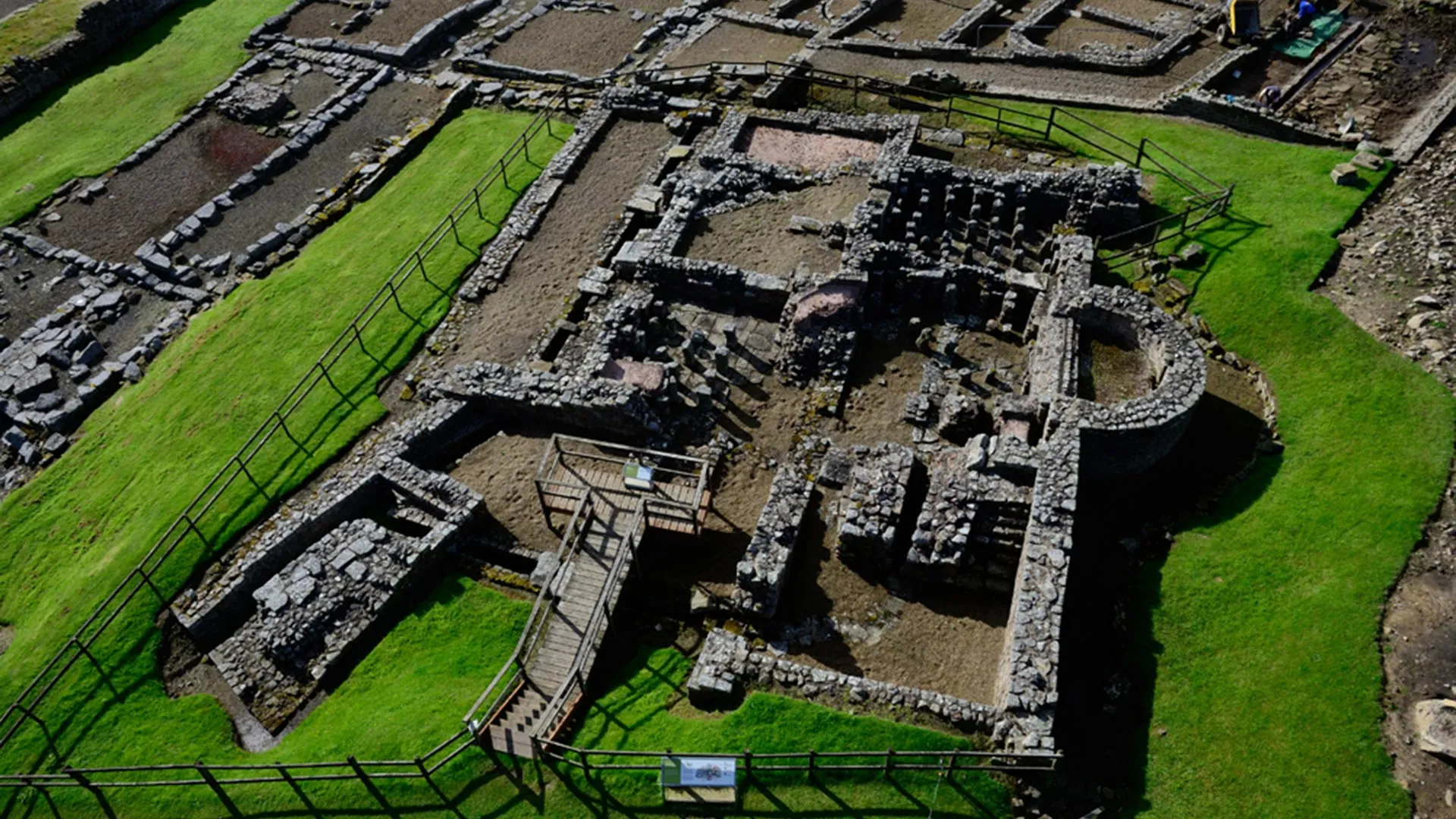
Scientists studying ancient sewer drains at the Roman fort of Vindolanda, located near Hadrian’s Wall, have uncovered evidence that the people living there were infected with three different intestinal parasites: roundworm, whipworm, and Giardia duodenalis.

All three parasites spread through poor sanitation, typically when food, water, or hands are contaminated with human feces. Roundworms can grow to 20-30cm in length, while whipworms reach about 5cm. Giardia duodenalis is a microscopic protozoan parasite known for causing outbreaks of severe diarrhea. The discovery marks the first confirmed evidence of Giardia duodenalis in Roman Britain.

Vindolanda and the Roman Frontier in Britain

Vindolanda sat close to Hadrian’s Wall in northern England. The wall was constructed by the Romans in the early 2nd century AD to protect the province of ‘Britannia’ from northern tribes and remained in use until the late 4th century. The fort itself lies between Carlisle and Corbridge in what is now Northumberland, Britain.

Stretching east to west from the North Sea to the Irish Sea, Hadrian’s Wall featured a series of forts and towers placed at regular intervals. It was defended by a mix of infantry, archers, and cavalry drawn from across the Roman Empire.

A Site Known for Remarkable Preservation

Vindolanda is well known among archaeologists for its exceptional preservation of organic materials, thanks to the site’s waterlogged soil. Discoveries include more than 1,000 thin wooden writing tablets that provide rare insight into everyday life at the fort, along with over 5,000 Roman leather shoes.

How Researchers Studied the Ancient Sewers

The parasite analysis focused on sediment taken from a sewer drain connected to the latrine block of a bath complex dating to the 3rd century CE. The research was carried out jointly by scientists from the universities of Cambridge and Oxford and published in the journal Parasitology.

Researchers collected 50 sediment samples from along the drain, which stretched roughly nine meters and carried waste from a communal latrine into a stream north of the fort. Along with the sediment, archaeologists recovered artifacts such as Roman beads, pottery fragments, and animal bones.

The samples were divided between laboratories at Cambridge and Oxford, where scientists examined them under microscopes to search for ancient helminth eggs, which are produced by parasitic worms that infect humans and animals.

Evidence of Worms and Giardia Infection

About 28% of the samples contained eggs from either roundworm or whipworm. One sample showed traces of both parasites. That same sample was further tested using a bio-molecular method called ‘ELISA’, a technique in which antibodies bind to proteins produced by single-celled organisms. This analysis revealed the presence of Giardia duodenalis.

The research team also examined a sample linked to an earlier fort from the 1st century CE. That fort was built around 85 CE and abandoned by 91/92 CE. The sediment came from a defensive ditch and also contained roundworm and whipworm eggs.

How Parasites Affected Roman Soldiers

“The three types of parasites we found could have led to malnutrition and cause diarrhea in some of the Roman soldiers,” said Dr. Marissa Ledger, who led the Cambridge portion of the research as part of her PhD at the University of Cambridge’s Department of Archaeology.

“While the Romans were aware of intestinal worms, there was little their doctors could do to clear infection by these parasites or help those experiencing diarrhea, meaning symptoms could persist and worsen. These chronic infections likely weakened soldiers, reducing fitness for duty. Helminths alone can cause nausea, cramping and diarrhea.”

Study senior author Dr. Piers Mitchell, an Affiliated Scholar at Cambridge’s McDonald Institute for Archaeological Research, explained that Giardia outbreaks could have been especially dangerous. “Some soldiers could have become severely ill from dehydration during summer outbreaks of Giardia, which are often linked to contaminated water and can infection dozens of people at a time. Untreated giardiasis can drag on for weeks, causing dramatic fatigue and weight loss.”

Mitchell added that “The presence of the fecal-oral parasites we found suggests conditions were ripe for other intestinal pathogens such as Salmonella and Shigella, which could have triggered additional disease outbreaks.”

How Vindolanda Compares to Other Roman Sites

According to the researchers, the dominance of fecal-oral parasites at Vindolanda mirrors findings from other Roman military sites, including Carnuntum in Austria, Valkenburg on Rhine in the Netherlands, and Bearsden in Scotland. In contrast, large urban centers like London and York show a wider range of parasites, including fish and meat tapeworms.

“Despite the fact that Vindolanda had communal latrines and a sewer system, this still did not protect the soldiers from infecting each other with these parasites,” said Dr. Patrik Flammer, who analyzed samples at the University of Oxford.

What Ancient Parasites Reveal About the Past

“The study of ancient parasites helps us to know the pathogens that infected our ancestors, how they varied with lifestyle, and how they changed over time,” said Prof Adrian Smith, who led the Oxford laboratory involved in the research.

Dr. Andrew Birley, CEO of the Vindolanda Charitable Trust and leader of ongoing excavations at the site, said the findings add to a growing picture of life on Rome’s northern frontier. “Excavations at Vindolanda continue to find new evidence that helps us to understand the incredible hardships faced by those posted to this northwestern frontier of the Roman Empire nearly 2,000 years ago, challenging our preconceptions about what life was really like in a Roman frontier fort and town.”

W. H. Auden once wrote of a miserable Roman soldier guarding a cold, rain-soaked wall in northern Europe, mentioning “lice in my tunic and a cold in my nose.” Based on this new evidence, chronic stomach trouble could easily be added to that list.

Share Button

Weight-loss jabs: What happens when you stop?

You may have lost the weight you wanted to lose – but now you’ve stopped the jabs, how easy is it to keep it off?

Share Button

This “mushroom” is not a fungus, it’s a bizarre plant that breaks all the rules

In the damp shade beneath moss-covered trees, high in the mountains of Taiwan and mainland Japan or deep within the subtropical forests of Okinawa, an unusual organism quietly grows. At first glance, it resembles a mushroom. In reality, it is a plant called Balanophora, and it possesses some of the smallest flowers and seeds known in the plant world.

Unlike most plants, Balanophora contains no chlorophyll and cannot perform photosynthesis. It also lacks a conventional root system to draw water from the soil. Instead, it survives entirely by attaching itself to the roots of specific nearby trees and stealing the nutrients it needs. Some species and populations take this strangeness even further by producing seeds without fertilization — a reproductive strategy that is extremely rare among plants.

Scientists uncover the secrets of a long-mysterious plant

The genus Balanophora takes its name from its acorn-like appearance (Greek: balanos, acorn; phoros, bearing), and it has puzzled scientists for generations. Because the plant is rare and restricted to highly specific habitats that are increasingly threatened by human activity, most research has been limited to isolated populations.

That is now changing. A collaborative team from the Okinawa Institute of Science and Technology (OIST), Kobe University, and the University of Taipei has conducted a broad survey of Balanophora across its scattered and hard-to-reach habitats. Their findings, published in New Phytologist, trace the plant’s evolutionary history, reveal how its internal structures have adapted to a parasitic lifestyle, and open new doors for future research into this unusual lineage.

As study lead author Dr. Petra Svetlikova, Science and Technology Associate at OIST, explains: “Balanophora has lost much of what defines it as a plant, but retained enough to function as a parasite. It’s a fascinating example of how something so strange can evolve from an ancestor that looked like a normal plant with leaves and a normal root system.”

Shrinking plastids and life without photosynthesis

Parasitic plants often undergo dramatic internal changes as they become more dependent on their hosts. One common trend is the reduction or loss of plastids — a category of plant organelles that includes chloroplasts, which enable photosynthesis in most plants.

Even though Balanophora relies completely on its host trees for nutrition, the researchers found that it has not eliminated its plastids. Instead, these structures have been pared down to a minimal form. While non-parasitic plants may use up to 200 genes to build and maintain plastids, Balanophora retains only about 20. Despite this extreme reduction, more than 700 proteins are still transported into these plastids from the surrounding cell, indicating that they continue to perform essential functions.

Professor Filip Husnik, head of the Evolution, Cell Biology, and Symbiosis Unit at OIST, notes the surprise of this discovery. “That Balanophora plastids are still involved in the biosynthesis of many compounds unrelated to photosynthesis was surprising. It implies that the order and timing of plastid reduction in non-photosynthetic plants is similar to other eukaryotes, such as the malaria-causing parasite, Plasmodium, which originated from a photosynthetic ancestor.”

An ancient lineage shaped by islands

By examining samples from many different populations, the team reconstructed the evolutionary tree of Balanophora and traced how it spread across subtropical regions of East Asia. The plant belongs to the family Balanophoraceae, one of the oldest known groups of fully parasitic plants.

This family began diversifying during the mid-Cretaceous period, roughly 100 million years ago — making it one of the earliest land plant lineages to abandon photosynthesis entirely.

Reproduction without sex and the risks of survival

Balanophora‘s reproductive strategies are just as unusual as its appearance and lifestyle. Reproductive methods vary widely between species and even between populations. Some require fertilization to produce seeds, while others can also reproduce without fertilization, a process known as facultative agamospermy. In the most extreme cases, some species are obligately agamospermous, meaning they never reproduce sexually at all.

“Obligate agamospermy is exceedingly rare in the plant kingdom, because it typically carries a lot of negative downsides — lack of genetic diversity, accumulation of bad mutations, dependence on specific conditions, higher extinction risk, and so on,” says Dr. Svetlikova. “Fascinatingly, we found that the obligately agamospermous Balanophora species were all island species — and we speculate that more Balanophora species may be facultative, or even obligate, agamosperms.”

One advantage of this reproductive approach is that a single female plant can establish a new population after reaching an island. This ability allows Balanophora to spread quickly into the narrow ecological niche it prefers: dark, moist forest undergrowth where few other plants can survive.

A fragile future for a highly specialized plant

Despite its ability to clone itself, Balanophora is extremely selective about its hosts. Each population typically parasitizes only a small number of tree species. This specialization makes the plant especially vulnerable to environmental change.

Dr. Svetlikova emphasizes the importance of collaboration and conservation. “We’re very thankful to our collaborators Dr. Huei-Jiun Su and Dr. Kenji Suetsugu, experts on parasitic plants, for their help in sampling the studied Balanophora species, and to local authorities in Okinawa that allowed us to study these extraordinary plants,” she says. “Most known habitats of Balanophora are protected in Okinawa, but the populations face extinction by logging and unauthorized collection. We hope to learn as much as we can about this fantastic, ancient plant before it’s too late. It serves as a reminder of how evolution continues to surprise us.”

Share Button

What scientists found inside Titan was not what anyone expected

A new examination of spacecraft data collected more than ten years ago suggests that Saturn’s largest moon, Titan, probably does not contain a massive ocean beneath its frozen surface, as scientists once believed. Instead, moving downward through Titan’s icy shell would likely reveal additional layers of ice that gradually transition into slushy pathways and isolated pockets of liquid water closer to the moon’s rocky interior.

Earlier interpretations of data from NASA’s Cassini mission to Saturn led scientists to propose a deep ocean of liquid water hidden beneath Titan’s ice. When researchers tested that idea using computer models, however, the results did not align with the physical characteristics seen in the data. A closer reanalysis produced new — slushier — conclusions. These results may prompt scientists to revisit assumptions about other icy worlds and refine how they search for life on Titan.

“Instead of an open ocean like we have here on Earth, we’re probably looking at something more like Arctic sea ice or aquifers, which has implications for what type of life we might find, but also the availability of nutrients, energy and so on,” said Baptiste Journaux, a University of Washington assistant professor of Earth and space sciences.

The study, published Dec. 17 in Nature, was led by NASA, with contributions from Journaux and Ula Jones, a UW graduate student of Earth and space sciences in his lab.

Cassini’s Legacy and Titan’s Unusual Surface

The Cassini mission began in 1997 and continued for nearly two decades, gathering extensive information about Saturn and its 274 moons. Titan — shrouded by a hazy atmosphere — stands out as the only place besides Earth where liquid is known to exist on the surface. With temperatures near -297 degrees Fahrenheit, that liquid is methane, not water. Methane forms lakes on Titan and even falls from the sky as rain.

As Titan travels around Saturn in an elongated orbit, scientists noticed that the moon stretches and compresses depending on its position relative to the planet. In 2008, researchers argued that this pronounced flexing could only occur if a large ocean existed beneath Titan’s crust.

“The degree of deformation depends on Titan’s interior structure. A deep ocean would permit the crust to flex more under Saturn’s gravitational pull, but if Titan were entirely frozen, it wouldn’t deform as much,” Journaux said. “The deformation we detected during the initial analysis of the Cassini mission data could have been compatible with a global ocean, but now we know that isn’t the full story.”

A Subtle Time Lag Reveals a Slushy Interior

The new research adds an important factor that earlier studies did not fully consider: timing. Titan’s changes in shape lag roughly 15 hours behind the strongest pull from Saturn’s gravity. Moving a thick, sticky material requires more energy than shifting a free flowing liquid, similar to how stirring honey takes more effort than stirring water. By measuring this delay, scientists could estimate how much energy Titan absorbs as it deforms, offering insight into how thick or viscous its interior must be.

The amount of energy lost, or dissipated, inside Titan turned out to be far greater than expected if a global liquid ocean were present.

“Nobody was expecting very strong energy dissipation inside Titan. That was the smoking gun indicating that Titan’s interior is different from what was inferred from previous analyses,” said Flavio Petricca, a postdoctoral fellow at NASA’s Jet Propulsion Laboratory and lead author of the study.

Based on these findings, the researchers propose an interior made up largely of slush, with significantly less liquid water than previously assumed. This slushy material is thick enough to explain the delayed response to Saturn’s gravity, while still containing enough water to allow Titan to change shape.

Radio Signals and Extreme Physics Support the Model

Petricca reached these conclusions by analyzing the frequencies of radio waves transmitted from the Cassini spacecraft during close fly-bys of Titan. Journaux helped interpret the results using thermodynamics. His work focuses on how water and minerals behave under intense pressure, knowledge that is critical for understanding whether other planetary environments might support life.

“The watery layer on Titan is so thick, the pressure is so immense, that the physics of water changes. Water and ice behave in a different way than sea water here on Earth,” Journaux said.

At his planetary cryo-mineral physics laboratory at UW, researchers have spent years developing methods to recreate the extreme conditions found on other worlds. Using this work, Journaux provided Petricca and his colleagues with data describing how water and ice are expected to behave deep inside Titan.

“We could help them determine what gravitational signal they should expect to see based on the experiments made here at UW,” Journaux said. “It was very rewarding.”

What Slush Could Mean for Life on Titan

“The discovery of a slushy layer on Titan also has exciting implications for the search for life beyond our solar system,” Jones said. “It expands the range of environments we might consider habitable.”

While the idea of a vast ocean once fueled optimism about life on Titan, the researchers suggest the updated picture may actually improve the odds. Their analysis indicates that Titan’s freshwater pockets could reach temperatures as high as 68 degrees Fahrenheit. In these smaller volumes of water, nutrients would be more concentrated than in a large ocean, potentially making it easier for simple life forms to survive.

Although scientists do not expect to find fish swimming through Titan’s slushy channels, any life discovered there might resemble organisms found in Earth’s polar regions.

Journaux is also part of NASA’s upcoming Dragonfly mission to Titan, which is scheduled to launch in 2028. The findings from this study will help inform that mission, and Journaux hopes future data will provide both evidence of life and a definitive answer about the presence of an ocean beneath Titan’s ice.

Co-authors include Steven D. Vance, Marzia Parisi, Dustin Buccino, Gael Cascioli, Julie Castillo-Rogez, Mark Panning and Jonathan I. Lunine from NASA; Brynna G. Downey at Southwest Research Institute; Francis Nimmo and Gabriel Tobie from the University of Nantes; Andrea Magnanini from the University of Bologna; Amirhossein Bagheri from the California Institute of Technology and Antonio Genova from Sapienza University of Rome.

This research was funded by NASA, the Swiss National Science Foundation and the Italian Space Agency.

Share Button