
Deaths of despair were rising long before opioids

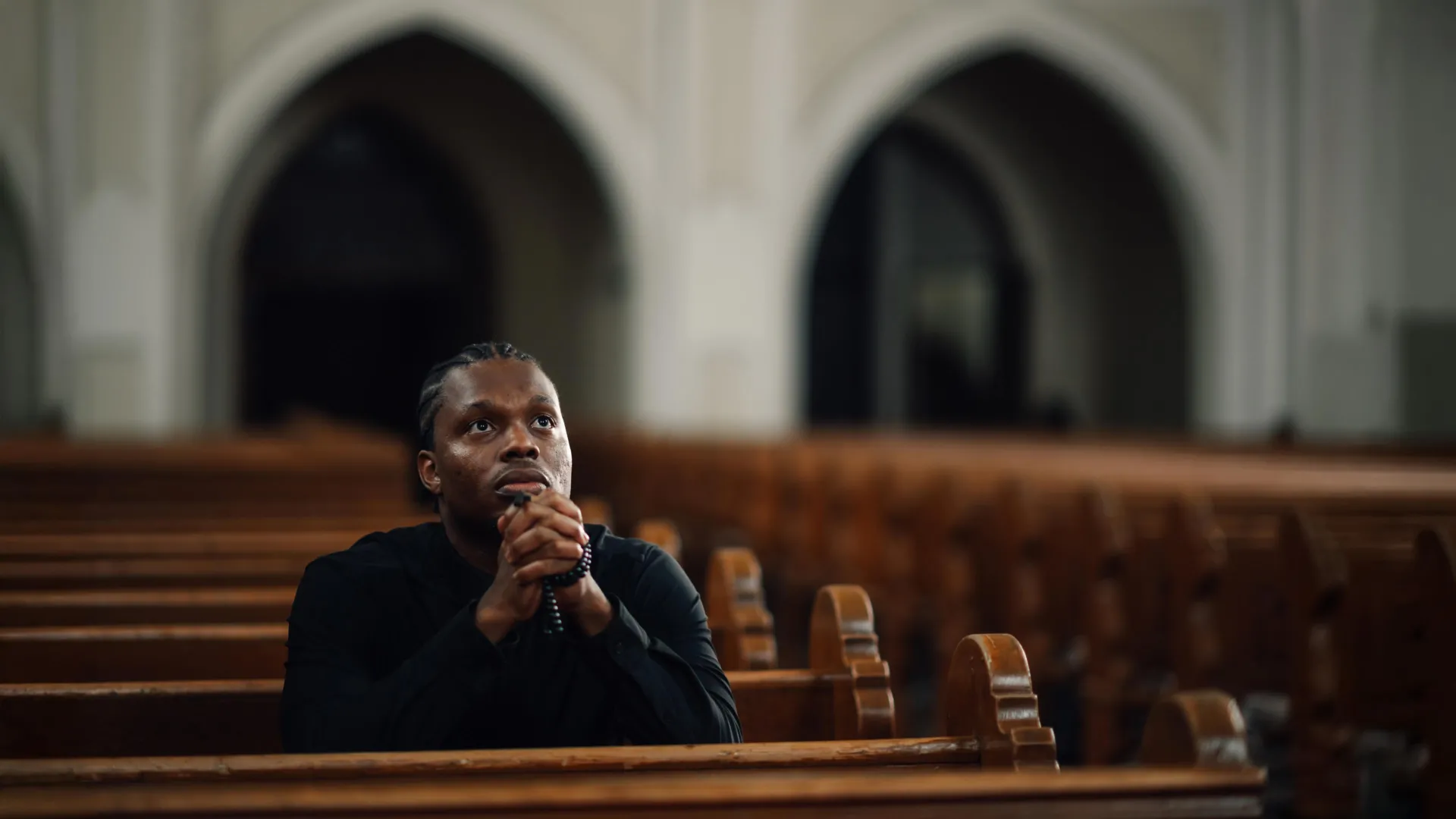
A new study suggests that falling participation in organized religion among middle-aged white Americans with lower levels of education may have contributed to the rise in so-called “deaths of despair.” These deaths include fatalities linked to drug overdoses, suicide, and alcoholic liver disease.

The researchers found a clear pattern at the state level. States that experienced the sharpest drops in church attendance between 1985 and 2000 also saw the largest increases in deaths from these causes during the same period.

A Trend That Began Before the Opioid Crisis

Deaths of despair are often associated with the arrival of OxyContin and other powerful opioids in the late 1990s. However, the new analysis indicates that the upward trend started earlier, at the same time religious participation began to decline.

“What we see in this study is the beginning of the story, before opioids became a major issue, and it shows rises in deaths of despair were already beginning to happen when the opioid crisis hit,” said Tamar Oostrom, co-author of the study and an assistant professor of economics at The Ohio State University.

Oostrom worked on the research with Tyler Giles of Wellsley College and Daniel Hungerman of the University of Notre Dame. The study was published online in the Journal of the European Economic Association.

Data Sources and Affected Populations

The research team combined survey data on religious involvement from the General Social Surveys with mortality records from the Centers for Disease Control and Prevention.

Their findings showed that the decline in religious participation was concentrated among white, middle-aged adults without a college degree. This was the same group that experienced the most pronounced increases in deaths of despair, Oostrom said.

The relationship between lower church attendance and higher mortality appeared consistently across genders and was seen in both rural and urban areas of the United States.

Blue Laws and Changes in Church Attendance

To strengthen their findings, the researchers examined the repeal of “blue laws,” which had previously restricted many businesses from operating on Sundays. These laws limited competition with church attendance by reducing alternative activities.

A major wave of repeals took place in 1985, when Minnesota, South Carolina, and Texas eliminated their blue laws. The researchers compared outcomes in those states with others that did not make similar changes at that time.

The analysis showed that repealing blue laws led to a 5- to 10-percentage-point drop in weekly attendance at religious services. In later years, those same states also experienced higher rates of deaths of despair.

Mortality Trends Before and After Opioids

Oostrom noted that deaths of despair among middle-aged white Americans had been steadily declining from the late 1970s through the early 1990s. That decline eventually stalled, a shift that aligns with both falling church attendance and the repeal of blue laws.

After OxyContin was introduced in 1996, mortality rates rose sharply.

“OxyContin and the opioid crisis made a bad situation worse, but the deaths of despair were already on the rise,” Oostrom said.

Why Churchgoing May Matter for Health

The study raises an important question: how could lower church attendance contribute to higher death rates?

Oostrom explained that people who stop attending religious services often lose social ties, which past research has shown play a crucial role in physical and mental health. However, the findings suggest that social connection alone does not fully explain the pattern.

The researchers did not observe similar declines in other types of social activities during the same period when church attendance was falling.

“Religion may provide some way of making sense of the world, some sense of identity in relation to others, that can’t easily be replaced by other forms of socialization,” Oostrom said.

She also emphasized that belief itself did not fade during the years studied.

“What changed is whether people identified as religious and whether they go to church. Those are the things that matter when it comes to deaths of despair,” she said.

Can Community Participation Reverse the Trend?

The findings raise the possibility that renewed involvement in religious organizations or even secular community groups might help counter rising mortality rates. However, the authors caution that existing evidence does not offer much optimism.

“To our knowledge, findings on this point have so far been pessimistic,” the researchers wrote.

Oostrom added that there is no clear sign that broader declines in community participation are reversing. She also noted that the positive effects of religious involvement on life satisfaction are difficult to reproduce through other forms of social engagement.

The growing role of social media in the 21st century may further reduce the likelihood of a meaningful reversal, she said.

“People are less religious now, and there hasn’t been a substitute that provides what religion provided to many people. And our paper suggests this could have long-term impacts on health and mortality,” Oostrom said.

Share Button

‘I thought I had flu but was told I had cancer’

Sophie Claxton, from Burnley, was 16 when she was diagnosed with acute lymphoblastic leukaemia.

Share Button

What’s really going on with flu this winter?

We’ve been told we’re facing an unprecedented superflu. Is it?

Share Button

Resident doctors in Scotland to go on strike for first time

Their union BMA Scotland has accused the government of reneging on a commitment to restore pay to 2008 levels.

Share Button

The 98% mystery: Scientists just cracked the code on “junk DNA” linked to Alzheimer’s

When people picture DNA, they often imagine a set of genes that shape our physical traits, influence behavior, and help keep our cells and organs functioning.

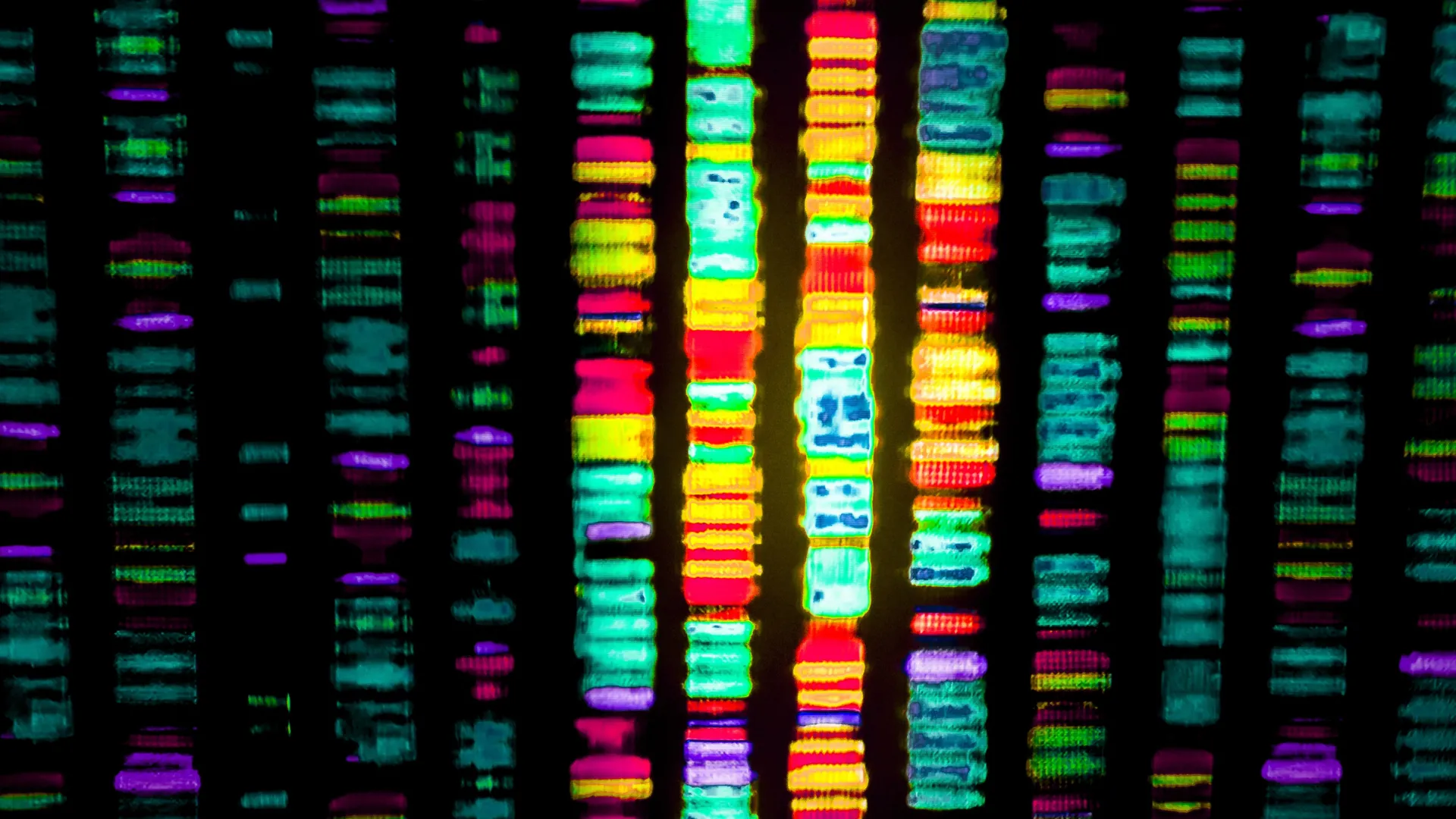
But genes make up only a small slice of our genetic code. Just around 2% of DNA contains our 20,000-odd genes. The other 98% has long been labelled the non-coding genome, or so-called ‘junk’ DNA. This larger portion includes many of the control switches that determine when genes turn on and how strongly they act.

Astrocytes and hidden DNA switches in the brain

Researchers from UNSW Sydney have now pinpointed DNA switches that help regulate astrocytes. Astrocytes are brain cells that support neurons, and they are known to be involved in Alzheimer’s disease.

In research published on December 18 in Nature Neuroscience, a team from UNSW’s School of Biotechnology & Biomolecular Sciences reported that they tested nearly 1000 possible switches in lab-grown human astrocytes. These switches are strings of DNA called enhancers. Enhancers can sit far from the genes they influence, sometimes separated by hundreds of thousands of DNA letters, which makes them difficult to investigate.

Testing nearly 1000 enhancers at once

To tackle that problem, the researchers combined CRISPRi with single-cell RNA sequencing. CRISPRi is a method that can switch off small stretches of DNA without cutting it. Single-cell RNA sequencing measures gene activity in individual cells. Together, the tools let the team examine the effects of nearly 1000 enhancers in a single large-scale test.

“We used CRISPRi to turn off potential enhancers in the astrocytes to see whether it changed gene expression,” says lead author Dr. Nicole Green.

“And if it did, then we knew we’d found a functional enhancer and could then figure out which gene — or genes — it controls. That’s what happened for about 150 of the potential enhancers we tested. And strikingly, a large fraction of these functional enhancers controlled genes implicated in Alzheimer’s disease.”

Cutting the list from 1000 candidates to about 150 confirmed switches greatly reduces the search area in the non-coding genome for genetic clues linked to Alzheimer’s disease.

“These findings suggest that similar studies in other brain cell types are needed to highlight the functional enhancers in the vast space of non-coding DNA”

Why “in-between” DNA matters for many diseases

Professor Irina Voineagu, who oversaw the study, says the results also provide a useful reference for interpreting other genetic research. The team’s findings create a catalogue of DNA regions that can help explain results from studies looking for disease-related genetic changes.

“When researchers look for genetic changes that explain diseases like hypertension, diabetes and also psychiatric and neurodegenerative disorders like Alzheimer’s disease — we often end up with changes not within genes so much, but in-between,” she says.

Her team directly tested those “in-between” stretches in human astrocytes and showed which enhancers truly control key brain genes.

“We’re not talking about therapies yet. But you can’t develop them unless you first understand the wiring diagram. That’s what this gives us — a deeper view into the circuitry of gene control in astrocytes.”

From gene switches to AI prediction models

Running nearly a thousand enhancer tests in the lab took painstaking effort. The researchers say this is the first time a CRISPRi enhancer screen of this size has been carried out in brain cells. Now that the groundwork has been done, the dataset can also be used to train computer models to predict which suspected enhancers are real gene switches, potentially saving years of lab work.

“This dataset can help computational biologists test how good their prediction models are at predicting enhancer function,” says Prof. Voineagu.

She adds that Google’s DeepMind team is already using the dataset to benchmark their recent deep learning model called AlphaGenome.

Potential tools for gene therapy and precision medicine

Because many enhancers are active only in specific cell types, targeting them could offer a way to fine-tune gene expression in astrocytes without changing neurons or other brain cells.

“While this is not close to being used in the clinic yet — and much work remains before these findings could lead to treatments — there is a clear precedent,” Prof. Voineagu says.

“The first gene editing drug approved for a blood disease — sickle cell anemia — targets a cell-type specific enhancer.”

Dr. Green says enhancer research could become an important part of precision medicine.

“This is something we want to look at more deeply: finding out which enhancers we can use to turn genes on or off in a single brain cell type, and in a very controlled way,” she says.

Share Button

An 11-year-old needed two new organs and doctors made history

Children’s Hospital Colorado (Children’s Colorado) has completed its first-ever dual heart and liver transplant, marking a major milestone for the hospital. The complex procedure involved dozens of specialists working across 25 multidisciplinary care teams. Nationwide, only 38 pediatric patients have previously received both a heart and liver transplant.

“Performing Children’s Colorado’s first-ever heart and liver dual organ transplant is an amazing accomplishment for our Pediatric Transplant Program,” said Dr. Megan Adams, surgical director of the Pediatric Liver Transplant and Kidney Transplant Programs. “Thanks to years of dedication and a team committed to being the trusted leaders in pediatric transplant across our seven-state region, we’re grateful to provide this level of care to even more kids who need complex organ transplants to treat life-threatening illnesses and help them live healthy and happy lives.”

Years of Preparation Lead to a Life-Saving Moment

Care teams at Children’s Colorado had spent years preparing for the possibility of a dual heart and liver transplant. Close coordination among specialists in surgery, cardiology, hepatology, and other fields, along with strong backing from hospital leadership, ensured the team was ready when 11-year-old Gracie Greenlaw and her family needed help.

Gracie was born with hypoplastic left heart syndrome (HLHS), a condition in which her heart developed with only one functioning pumping chamber. Before turning three, she underwent three major surgeries, the Norwood, the Glenn and the Fontan, to allow her heart to circulate blood effectively. Although many children with HLHS now survive into adulthood, the condition and its treatments can lead to serious long-term complications, including liver damage and liver failure.

Managing the Long-Term Effects of Congenital Heart Disease

To address these ongoing challenges, Children’s Colorado established the Fontan Multidisciplinary Clinic in 2016 as part of its Single Ventricle Program. The clinic focuses on caring for patients with HLHS and other single ventricle conditions, such as tricuspid atresia and unbalanced common atrioventricular canal, by providing coordinated, whole-patient care.

Through this program, Gracie received continuous monitoring and treatment for both her heart and liver. Her care team included experts like cardiologist Dr. Kathleen Simpson and hepatologist Dr. Dania Brigham, who worked together to manage her condition until a transplant became the best option.

“The Fontan is a lifesaving surgery, but the longer someone lives after the procedure, there is an increased chance of developing comorbidities,” Simpson said. “Our care team worked to keep her healthy and living a typical day-to-day life as long as possible before we determined a dual organ transplant would give her the best long-term quality of life.”

Preparing for a Complex Dual Organ Transplant

For years, Gracie lived with plastic bronchitis, a condition that causes thick, protein-like material to build up in the airways. Over the past year, her symptoms worsened, and signs of liver failure began to appear. Her medical team concluded that moving forward with a dual transplant was necessary, and she was placed on the transplant waitlist in April.

In preparation, dozens of specialists met regularly to plan for the surgery. They carefully accounted for the challenges of transplanting two organs at once, including differences in blood volume needs and electrolyte management during the operation.

A Carefully Orchestrated 16-Hour Surgery

Less than a month after joining the waitlist, compatible donor organs became available, made possible by another family’s decision to donate. Because the heart can only remain viable for a short time, the surgical team began with the heart transplant. Dr. Matthew Stone, surgical director of the Pediatric Heart Transplant Program, and congenital heart surgeon Dr. Emily Downs led the nine-hour procedure.

While the heart surgery was underway, the donor liver was maintained on a TransMedics Organ Care System — a specialized device designed to replicate normal liver function. This technology preserved the liver and allowed the heart surgeons the time they needed to complete their work. Dr. Adams and transplant surgeon Dr. Kendra Conzen then performed the liver transplant, which took an additional seven hours. Throughout the process, close coordination with anesthesiology teams was essential to protect Gracie’s health.

Recovery and a Return to Everyday Life

The surgery was successful. Gracie left the cardiac progress care unit just over a month later. Seven months after the transplant, she continues to attend monthly follow-up visits, but she has returned to school and is back home with her dogs.

Like other pediatric heart transplant recipients, Gracie will need another heart transplant later in life. Her transplanted liver, however, is expected to last for the rest of her lifetime.

“This procedure showcases the expertise, talent and level of care Children’s Colorado provides to our patients, including those with complex medical needs,” said Dr. Duncan Wilcox, Surgeon in Chief. “As the top-ranked pediatric hospital in Colorado and the Rocky Mountain region, we are proud of our leading-edge transplant care and look forward to supporting more patients who need dual organ transplants in the future.”

Share Button

Young people will feel burden of UK’s ageing society, report suggests

The House of Lords said raising the state pension age and increasing immigration would not be a solution.

Share Button

Neurons aren’t supposed to regrow but these ones brought back vision

For decades, neuroscientists have taught that neurons do not regenerate once they are damaged or destroyed. This belief has shaped how brain injuries are understood and treated. Yet people often regain at least some lost abilities after trauma, raising an important question: if neurons do not grow back, how does recovery happen?

A new JNeurosci paper offers insight into this puzzle. Athanasios Alexandris and colleagues at Johns Hopkins University used mice to study what happens inside the visual system after traumatic brain injury. The visual system includes cells in the eye that send information to the brain, allowing animals and humans to see. Damage to this system can disrupt communication between the eye and the brain, leading to vision problems.

Surviving Cells Rebuild Eye to Brain Connections

After injury, the researchers closely tracked the connections between cells in the eye and neurons in the brain. Instead of finding widespread regrowth of new cells, they observed something different. The cells that survived the injury began to adapt.

These surviving cells grew extra branches, which allowed them to connect with more neurons in the brain than before. This process, known as sprouting, helped compensate for cells that were lost due to injury. Over time, the number of connections between the eye and the brain returned to levels similar to those seen before the injury occurred.

Importantly, these rebuilt connections were not just structural. Measurements of brain activity showed that the new pathways were working properly and could transmit signals effectively. In practical terms, this means the visual system was able to function again despite the damage.

Sex Differences in Visual System Recovery

The study also revealed a significant difference between male and female mice. While male mice showed strong recovery through this compensatory sprouting process, female mice experienced slower or incomplete repair. The eye to brain connections in females did not always fully return to preinjury levels.

According to the authors, these findings point to a recovery mechanism that operates differently depending on sex. As Alexandris explains, “We didn’t expect to see sex differences, but this aligns with clinical observations in humans. Women experience more lingering symptoms from concussion or brain injury than men. Understanding the mechanism behind the branch sprouting we observed — and what delays or prevents this mechanism in females — could eventually point toward strategies to promote recovery from traumatic or other forms of neural injury.”

The research team plans to continue investigating why this repair process differs between females and males. By uncovering the biological factors that influence neural recovery, they hope to identify new ways to improve healing after brain injuries, including concussions and other forms of trauma.

Share Button

Has flu peaked? What the figures tell us

NHS remains on high alert over flu, health bosses say, but there are signs infections are levelling off.

Share Button

Astronomers just watched a black hole twist spacetime

The universe has delivered a rare breakthrough for researchers chasing one of the hardest effects to catch in the night sky.

In findings reported in Science Advances, scientists describe the first observations of a spiraling swirl in spacetime linked to a fast spinning black hole.

First evidence of black hole frame dragging

This phenomenon is called Lense-Thirring precession or frame-dragging. It refers to the way a rotating black hole twists the spacetime around it, tugging on nearby matter such as stars and causing their paths to wobble.

The research team was led by the National Astronomical Observatories at the Chinese Academy of Sciences, with support from Cardiff University. They focused on AT2020afhd, a tidal disruption event (TDE) where a star was ripped apart by a supermassive black hole.

As the star was destroyed, its remains formed a spinning disk around the black hole. From this disk, intense jets of material were launched at nearly the speed of light.

A 20 day cosmic wobble seen in X rays and radio

By tracking repeating patterns in both X ray and radio signals from the event, the researchers found that the disk and the jet were wobbling together. The motion repeated on a 20 day cycle.

Einstein first proposed the idea behind this effect in 1913, and it was later put into mathematical form by Lense and Thirring in 1918. These new measurements support a key prediction of general relativity and could help scientists investigate black hole spin, accretion physics, and how jets form.

Dr. Cosimo Inserra, a Reader in the School of Physics and Astronomy at Cardiff University and one of the paper’s co-authors, said: “Our study shows the most compelling evidence yet of Lense-Thirring precession — a black hole dragging space time along with it in much the same way that a spinning top might drag the water around it in a whirlpool.

“This is a real gift for physicists as we confirm predictions made more than a century ago. Not only that, but these observations also tell us more about the nature of TDEs — when a star is shredded by the immense gravitational forces exerted by a black hole.

“Unlike previous TDEs studied, which have steady radio signals, the signal for AT2020afhd showed short-term changes, which we were unable to attribute to the energy release from the black hole and its surrounding components. This is further confirmed the dragging effect in our minds and offers scientists a new method for probing black holes.”

Swift and VLA data plus spectroscopy

To pin down the frame dragging signal, the team analyzed X ray observations from the Neil Gehrels Swift Observatory (Swift) and radio measurements from the Karl G. Jansky Very Large Array (VLA).

They also examined the composition, structure and behavior of the material involved using electromagnetic spectroscopy, which helped them describe and identify the effect.

“By showing that a black hole can drag space time and create this frame-dragging effect, we are also beginning to understand the mechanics of the process,” explains Dr. Inserra.

“So, in the same way a charged object creates a magnetic field when it rotates, we’re seeing how a massive spinning object — in this case a black hole — generates a gravitomagnetic field that influences the motion of stars and other cosmic objects nearby.

“It’s a reminder to us, especially during the festive season as we gaze up at the night sky in wonder, that we have within our grasp the opportunity to identify ever more extraordinary objects in all the variations and flavors that nature has produced.”

The paper, ‘Detection of disk-jet coprecession in a tidal disruption event’, is published in Science Advances.

Share Button