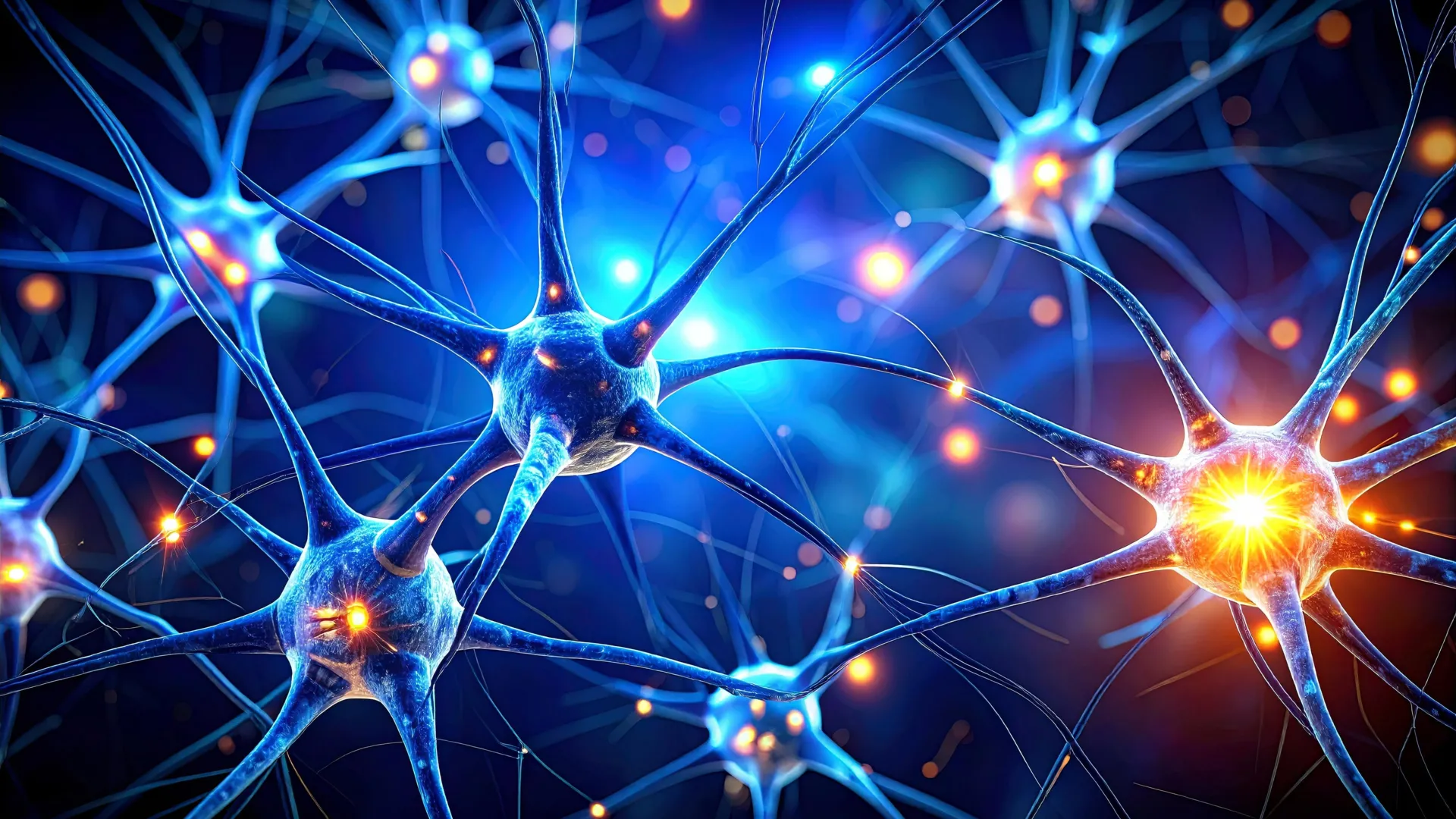
The brain switch that could rewrite how we treat mental illness

In a recent Genomic Press Interview published in Brain Medicine, Dr. Eric J. Nestler reflects on how an early fascination with brain chemistry helped shape a worldwide transformation in psychiatric research. As the Anne and Joel Ehrenkranz Dean of the Icahn School of Medicine at Mount Sinai, he describes nearly four decades spent unraveling the molecular processes that explain why drugs and stress influence human behavior. What started as an effort to study basic protein signaling in the laboratory of Nobel laureate Paul Greengard eventually grew into a broad understanding of how life experiences can alter the brain’s genetic activity over time.

Dr. Nestler traces his interest in science back to an unusual home laboratory in the basement of his family’s house in Nassau County, Long Island. Guided by his father, a high school biology teacher in the New York City public school system, he learned how to design and carry out experiments. These projects later became award-winning science fair entries and set the stage for an academic path through Yale University, where he earned BA, PhD, and MD degrees while training under Dr. Greengard.

Building a New Field in Molecular Psychiatry

His decision to name his research group at Yale Medical School “The Laboratory of Molecular Psychiatry” turned out to be remarkably forward-thinking. At a time when applying molecular biology to psychiatric questions was still considered bold, Dr. Nestler and colleague Dr. Ron Duman recognized that the field was ready for a new scientific direction. The name reflected genuine ambition. Within a few years, he was appointed Founding Director of the Division of Molecular Psychiatry at Yale, a role made possible when the sitting Director, Dr. George Heninger, voluntarily stepped aside. Dr. Nestler often recalls this moment as an example of generosity that he has tried to extend to younger scientists throughout his career.

Breakthrough Insights Into Brain Adaptation

One of the most influential discoveries associated with his work involves the transcription factor ΔFosB. This protein accumulates in the brain’s reward circuits during prolonged drug exposure and sustained stress, altering patterns of gene expression in affected neurons. While most proteins break down quickly, ΔFosB remains active for weeks or months. This unusually long lifespan provides a biological explanation for how relatively brief experiences can produce long-lasting changes in mood, motivation, and behavior. Researchers around the world now view ΔFosB as a key contributor to vulnerability to addiction.

The interview highlights the type of forward-looking scientific dialogue that characterizes Genomic Press’s open-access publications, which make cutting-edge findings accessible to researchers globally. The organization’s commitment to broad, barrier-free dissemination has helped accelerate progress across multiple branches of medical science.

From Signaling Pathways to Single-Cell Biology

Over roughly forty years, the direction of this research has shifted in notable ways. Early work focused on intracellular signaling cascades, then expanded into the study of transcription factors and gene networks that shape behavior in specific parts of the brain. Approximately twenty years ago, Dr. Nestler’s team began exploring epigenetic regulation, the chromatin modifications that allow environmental conditions to produce lasting changes in brain function. Improvements in scientific tools have since enabled increasingly detailed studies: first at the level of whole brain regions, then individual cell types, and now single-cell analyses that reveal subtle differences unseen in earlier studies. These advances raise an important question: could these insights eventually lead to personalized treatments tailored to select neuron populations within a single patient?

Resilience as a New Direction in Mental Health Science

A defining aspect of this research program is the emphasis on resilience rather than solely on pathology. His laboratory identified specific molecular, cellular, and circuit-level signatures in animals that maintain normal behavior despite exposure to stress or drugs. These animals show natural protective features that are absent in more susceptible individuals. The idea that some brains possess built-in defenses has far-reaching implications, suggesting new ways to develop treatments that strengthen resilience instead of only repairing damage.

“In addition to seeking ways to reverse the deleterious effects of drug or stress exposure, it is possible to develop treatments that promote mechanisms of natural resilience in individuals who are inherently more susceptible,” Dr. Nestler explains in the interview. Several of these resilience-based approaches are now in clinical testing for depression, offering one of the clearest examples of basic research informing new therapeutic possibilities. The potential success of these treatments prompts important questions about how psychiatric care may evolve in the coming decade.

Cross-Species Evidence and the Need to Protect Scientific Integrity

Key discoveries from animal research have been supported by findings in postmortem human brain tissue from individuals with addiction and stress disorders, providing strong evidence that the principles uncovered in the laboratory translate to humans. Dr. Nestler’s publication record includes more than 800 papers and major textbooks on the neurobiology of mental illness and molecular neuropharmacology. His work has been cited more than 177,000 times, and his h-index of 210 places him among the most influential scientists worldwide.

When asked about his greatest concern for the future of science, he offers a clear warning: “My greatest fear is that science becomes politicized, whereas science must never be political. People in blue and red states get the same illnesses.” His message emphasizes the need to safeguard scientific independence at a time when political pressures threaten evidence-based research in many regions. The mission of Genomic Press to advance open-access medical science aligns strongly with this vision of science serving people everywhere.

A Life Shaped by Family, Mentorship, and Service

Outside of his research, Dr. Nestler values time spent with his wife Susan of 45 years, their three children David, Matt, and Jane, their spouses, and their five grandchildren, who range in age from eighteen months to four years. He describes his defining traits as hard work and generosity and considers organization and discipline to be his strongest skills. He also shares a desire to cultivate more patience and to become more willing to challenge unkind behavior.

When asked what brings him the most pride, he points not to the major honors he has received, including the Julius Axelrod Prize for Mentorship, the Gold Medal Award from the Society of Biological Psychiatry, election to the National Academy of Sciences and the National Academy of Medicine, and honorary doctorates from Uppsala University and Concordia University. Instead, he cites the achievements of his former students and postdoctoral fellows. Additional information about Dr. Nestler and other leaders in science can be found on the Genomic Press website: https://genomicpress.kglmeridian.com/.

His guiding philosophy comes from Theodore Roosevelt, who wrote that credit belongs to “the man who is actually in the arena, whose face is marred by dust and sweat and blood.” For nearly four decades, Dr. Nestler has remained in that arena, contributing discoveries that continue to shape how the world understands the brain and its response to adversity.


Share Button

Ozempic may offer a surprising bonus benefit for brain health

  • GLP-1 medications, commonly used for type 2 diabetes, were linked to a possible reduction in epilepsy risk, offering an encouraging early signal for researchers.
  • Participants who used GLP-1 drugs were 16 percent less likely to develop epilepsy compared with those who took DPP-4 inhibitors.
  • Among the GLP-1 options studied, semaglutide stood out with the strongest association to a lower epilepsy risk.
  • The findings come from preliminary research and do not confirm cause and effect, so randomized, controlled clinical trials are still needed.
  • Tirzepatide was not part of the analysis because it was introduced after the study period began.

Early research suggests a possible connection between GLP-1 drugs and epilepsy risk

A preliminary study involving people with diabetes has found a possible link between the use of glucose-lowering GLP-1 drugs and a reduced chance of developing epilepsy. The findings were released on December 10, 2025, in Neurology, the medical journal of the American Academy of Neurology. GLP-1 drugs, known scientifically as glucagon-like peptide-1 receptor agonists, are commonly used to manage diabetes and support weight loss.

The study does not prove that GLP-1 drugs lower the risk of developing epilepsy; it only shows an association.

“Additional randomized, controlled trials that follow people over time are needed to confirm these findings, but these results are promising, since people with diabetes are at increased risk for developing epilepsy later in life,” said study author Edy Kornelius, MD, PhD, of Chung Shan Medical University in Taichung, Taiwan. “Epilepsy can have many physical, psychological and social consequences, and many people do not respond to the current medications, so finding ways to reduce this risk is critical.”

How researchers compared GLP-1 drugs with other diabetes medications

To explore this potential relationship, researchers reviewed data from a U.S. health database that included adults with type 2 diabetes. These individuals had begun treatment with either a GLP-1 drug or a different type of diabetes medication called a dipeptidyl peptidase-4 inhibitor (known as DPP-4 inhibitors or gliptins). None of the participants had a prior diagnosis of epilepsy or seizure. The GLP-1 medications included dulaglutide, liraglutide and semaglutide.

The study followed 452,766 people with an average age of 61. Half of them were prescribed GLP-1 drugs, and the other half received DPP-4 inhibitors. Each person was monitored for at least five years. During that time, 1,670 people using GLP-1 medications developed epilepsy, or 2.35%, compared with 1,886 people taking DPP-4 inhibitors, or 2.41%. Adjusted results show a modest reduction in epilepsy risk

After the researchers accounted for other health conditions that might influence epilepsy risk, including age, high blood pressure and cardiovascular disease, they found that people taking GLP-1 drugs were 16% less likely to develop epilepsy than people using DPP-4 inhibitors.

When the team evaluated the individual GLP-1 medications, semaglutide showed the strongest association with a lower epilepsy risk.

“More research is needed, but these findings support the theory that GLP-1 drugs may have neurological benefits beyond controlling blood sugar,” Kornelius said. “It should be noted that these findings do not imply that DPP-4 inhibitors are harmful in any way or that GLP-1 drugs are definitely beneficial for brain health.”

Additional considerations and study limitations

Kornelius also noted that tirzepatide, a dual GLP-1 and GIP (glucose-dependent insulinotropic polypeptide) receptor agonist, was not part of the analysis because it became available after the study period began. As a result, the findings may not apply to tirzepatide.

In addition to the limitations of the retrospective, observational design, researchers lacked information on several other factors that might influence epilepsy risk, such as family medical history, genetic susceptibility or alcohol use. It is also possible that cost, insurance requirements or the severity of a person’s diabetes played a role in which medication they were prescribed, which could create differences between the groups that were not fully captured.

The study was supported by Chung Shan Medical University Hospital.

Share Button

Kids’ anxiety and depression dropped fast after COVID school reopenings

  • Children who returned to in-person school during the COVID-19 pandemic were much less likely to receive mental health diagnoses than children whose schools stayed closed. Reductions were seen in anxiety, depression, and ADHD, and girls experienced the greatest improvements.
  • Mental health care spending fell notably after schools reopened, reaching an 11 percent decrease by the ninth month.
  • This research represents one of the largest and most comprehensive analyses to date on how pandemic school closures affected children’s mental health.

School Reopening During COVID Linked to Better Mental Health for Children

A new study from Harvard T.H. Chan School of Public Health and collaborating institutions reports that children experienced far fewer mental health diagnoses when their schools reopened during the COVID-19 pandemic. The reductions were seen across conditions such as anxiety, depression, and attention-deficit/hyperactivity disorder (ADHD). Health care spending connected to these diagnoses also declined, and girls showed the strongest improvements.

The study was published on Dec. 8, 2025, in Epidemiology.

“Our results provide solid evidence to parents, educators, and policymakers that in-person school plays a crucial role in kids’ well-being,” said senior author Rita Hamad, professor of social epidemiology and public policy. “The findings offer lessons for future public health emergencies and provide insight into why mental health worsened for children during the pandemic.”

Background on Youth Mental Health During the Pandemic

Earlier research consistently showed that children and teens struggled emotionally during COVID-19. Some studies suggested that returning to classrooms offered important support, but many of those investigations relied on small samples or self-reported experiences rather than comprehensive data.

To produce a more detailed picture, the research team examined health diagnoses and spending information for 185,735 children between the ages of five and 18 years from March 2020 through June 2021. The dataset indicated whether a child received mental health treatment or filled a prescription related to anxiety, depression, or ADHD. Participants lived in 24 counties and 224 school districts across California, a state where school closures lasted longer than in most of the country and reopening timelines varied widely. These differences created a natural opportunity to compare outcomes. Data came from the Healthcare Integrated Research Database, which includes individual-level commercial insurance claims, along with school-level administrative data from the California Department of Education.

Large Reductions in Diagnoses and Spending After Reopening

The study documented an overall rise in mental health diagnoses during the pandemic, increasing from 2.8% to 3.5%. However, children who returned to in-person school were substantially less likely to receive new diagnoses than peers whose schools stayed closed. By the ninth month after reopening, the chance of being diagnosed with a mental health condition had dropped by 43% compared with the period before reopening. This trend included fewer cases of anxiety, depression, and ADHD.

Health care spending reflected a similar pattern. Nine months after schools reopened, non-drug medical spending related to mental health was 11% lower, spending on psychiatric medications was 8% lower, and spending on ADHD-specific medications was 5% lower. Girls saw greater improvements than boys over the same period.

How School Closures May Have Affected Children

The research team outlined several possible reasons for the mental health challenges children experienced while schools were closed. These included limited social interaction, disrupted sleep routines, more screen time, poorer dietary patterns, academic struggles, family stress linked to economic hardship or increased time at home, and reduced access to school-based mental health services.

“As we consider future public health emergencies, this study suggests we need to prioritize safe school reopenings and ensure children have access to the social and emotional resources that schools provide,” Hamad said. “Policies should focus not only on infection control, but also on the mental wellbeing of children, recognizing that schools are a critical part of their support system.”

Study Limitations and Future Directions

The authors noted that the study focused on children living in relatively higher-income areas in California who were enrolled in commercial insurance plans, meaning they generally had better access to health care. More research is needed to explore how school reopening influenced children in marginalized communities, where the impact may have been even more significant.

The study received funding from the National Institutes of Health (grant U01MH129968).

Share Button

Doctor strike during flu outbreak would be ‘reckless’, says Starmer

The prime minister says it would be “reckless” for resident doctors to strike with the NHS at a “precarious” moment.

Share Button

Why are sperm donors having hundreds of children?

The European sperm market is booming, but are some donor’s sperm being used to make too many babies?

Share Button

Online gaming escaped Australia’s social media ban – but critics say it’s just as addictive

Parents and experts say gaming poses many of the same risks for kids as social media, and want them included.

Share Button

Scientists find dark chocolate ingredient that slows aging

A natural chemical in dark chocolate may play a role in slowing certain signs of biological aging. Researchers at King’s College London have identified theobromine, a plant compound found in cocoa, as a possible contributor to this effect.

The study, published on December 10 in Aging, analyzed how much theobromine was present in participants’ blood and compared those levels with biological aging markers measured in blood samples.

What Biological Age Reveals

Biological age reflects how well a person’s body is functioning, rather than the number of years they have lived. This measure is based on DNA methylation, a collection of tiny chemical tags on DNA that shift as we grow older.

The research team examined data from two European groups, including 509 people from TwinsUK and 1,160 from KORA. Individuals with higher amounts of theobromine in their bloodstream tended to have a biological age that appeared younger than their chronological age.

Professor Jordana Bell, senior author and Professor in Epigenomics at King’s College London, said: “Our study finds links between a key component of dark chocolate and staying younger for longer. While we’re not saying that people should eat more dark chocolate, this research can help us understand how everyday foods may hold clues to healthier, longer lives.”

Theobromine Stands Out Among Cocoa Compounds

The team also investigated whether other cocoa or coffee metabolites showed similar patterns. Their results suggested that theobromine was the only compound with this specific association.

To estimate biological age, the researchers used two approaches. One method examined DNA changes that reflect the pace of aging. The second measured telomere length, which refers to protective structures at the ends of chromosomes. Telomeres naturally shorten with age and are linked to age-related health risks.

How Plant Molecules Influence Aging

Many plant compounds in foods can influence how genes operate by turning them on or off. These compounds, known as alkaloids, can interact with cellular systems that regulate gene activity and contribute to long-term health.

Theobromine is one such alkaloid. Although it is widely known for being toxic to dogs, it has been connected to possible benefits in humans, including a reduced risk of heart disease. Despite this, it has received relatively limited scientific attention until now.

Next Questions for Aging Research

Dr. Ramy Saad, lead researcher at King’s College London and also affiliated with University College London as a doctor in Clinical Genetics, said: “This is a very exciting finding, and the next important questions are what is behind this association and how can we explore the interactions between dietary metabolites and our epigenome further? This approach could lead us to important discoveries towards aging, and beyond, in common and rare diseases.”

The team, which includes Professor Ana Rodriguez-Mateos, a Professor of Human Nutrition at King’s College London, is now examining whether theobromine’s effect occurs on its own or if it works alongside other well-known components of dark chocolate such as polyphenols, which are recognized for their positive effects on health.

Why More Chocolate Is Not a Shortcut

Dr. Ricardo Costeira, a Postdoctoral Research Associate at King’s College London, said: “This study identifies another molecular mechanism through which naturally occurring compounds in cocoa may support health. While more research is needed, the findings from this study highlight the value of population-level analyses in aging and genetics.”

Although the findings are encouraging, the researchers caution that increasing dark chocolate consumption is not automatically beneficial. Chocolate also contains sugar, fat and other ingredients, and more work is needed to fully understand how theobromine interacts with the body and how it may influence aging.

Share Button

Plea after girl, 13, died copying social media trend

Sonia Hopkin says her daughter had been trying to replicate videos she had seen on TikTok.

Share Button

Ghost particles slip through Earth and spark a hidden atomic reaction

Neutrinos are among the most puzzling particles known to science and are often called ‘ghost particles’ because they so rarely interact with matter. Trillions pass through each person every second without leaving any mark. These particles are created during nuclear reactions, including those inside the Sun’s core. Their extremely weak interactions make them exceptionally challenging to study. Only a few materials have ever been shown to respond to solar neutrinos. Scientists have now added another to that short list by observing neutrinos convert carbon atoms into nitrogen inside a massive underground detector.

This achievement came from a project led by Oxford researchers using the SNO+ detector, which sits two kilometers underground at SNOLAB in Sudbury, Canada. SNOLAB operates within an active mine and provides the shielding needed to block cosmic rays and background radiation that would otherwise overwhelm the delicate neutrino measurements.

Capturing a Rare Two-Part Flash From Carbon-13

The research team focused on detecting moments when a high-energy neutrino hits a carbon-13 nucleus and converts it into nitrogen-13, a radioactive form of nitrogen that decays roughly ten minutes later. To spot these events, they relied on a ‘delayed coincidence’ technique that searches for two related bursts of light: the first from the neutrino striking the carbon-13 nucleus and the second from the decay of nitrogen-13 several minutes afterward. This paired signal makes it possible to confidently distinguish true neutrino events from background noise.

Over a span of 231 days, from May 4, 2022, to June 29, 2023, the detector recorded 5.6 such events. This matches expectations, which predicted that 4.7 events would occur due to solar neutrinos during this period.

A New Window Into How the Universe Works

Neutrinos behave in unusual ways and are key to understanding how stars operate, how nuclear fusion unfolds, and how the universe evolves. The researchers say this new measurement opens opportunities for future studies of other low-energy neutrino interactions.

Lead author Gulliver Milton, a PhD student in the University of Oxford’s Department of Physics, said: “Capturing this interaction is an extraordinary achievement. Despite the rarity of the carbon isotope, we were able to observe its interaction with neutrinos, which were born in the Sun’s core and traveled vast distances to reach our detector.”

Co-author Professor Steven Biller (Department of Physics, University of Oxford) added: “Solar neutrinos themselves have been an intriguing subject of study for many years, and the measurements of these by our predecessor experiment, SNO, led to the 2015 Nobel Prize in physics. It is remarkable that our understanding of neutrinos from the Sun has advanced so much that we can now use them for the first time as a ‘test beam’ to study other kinds of rare atomic reactions!”

Building on the SNO Legacy and Advancing Neutrino Research

SNO+ is a successor to the earlier SNO experiment, which demonstrated that neutrinos switch between three forms known as electron, muon, and tau neutrinos as they travel from the Sun to Earth. According to SNOLAB staff scientist Dr. Christine Kraus, SNO’s original findings, led by Arthur B. McDonald, resolved the long-standing solar neutrino problem and contributed to the 2015 Nobel Prize in Physics. These results paved the way for deeper investigations into how neutrinos behave and their significance in the universe.

“This discovery uses the natural abundance of carbon-13 within the experiment’s liquid scintillator to measure a specific, rare interaction,” Kraus said. “To our knowledge, these results represent the lowest energy observation of neutrino interactions on carbon-13 nuclei to date and provides the first direct cross-section measurement for this specific nuclear reaction to the ground state of the resulting nitrogen-13 nucleus.”

Share Button

King to share personal message on cancer in TV broadcast

King Charles has recorded a message about his experience of cancer for the Stand Up To Cancer campaign.

Share Button