The service says calls increased by 20% in the past week, fuelled by illnesses such as the flu.


The service says calls increased by 20% in the past week, fuelled by illnesses such as the flu.
Meg Draper was enjoying the social side of student life – within weeks she had died from meningitis.
Walkout in England begins on 17 December and will be 14th strike in pay dispute.
The deal follows threats of tariffs as high as 100% on branded drug imports.
Too few people who could benefit from so-called “skinny jabs” are able to access them, says WHO.
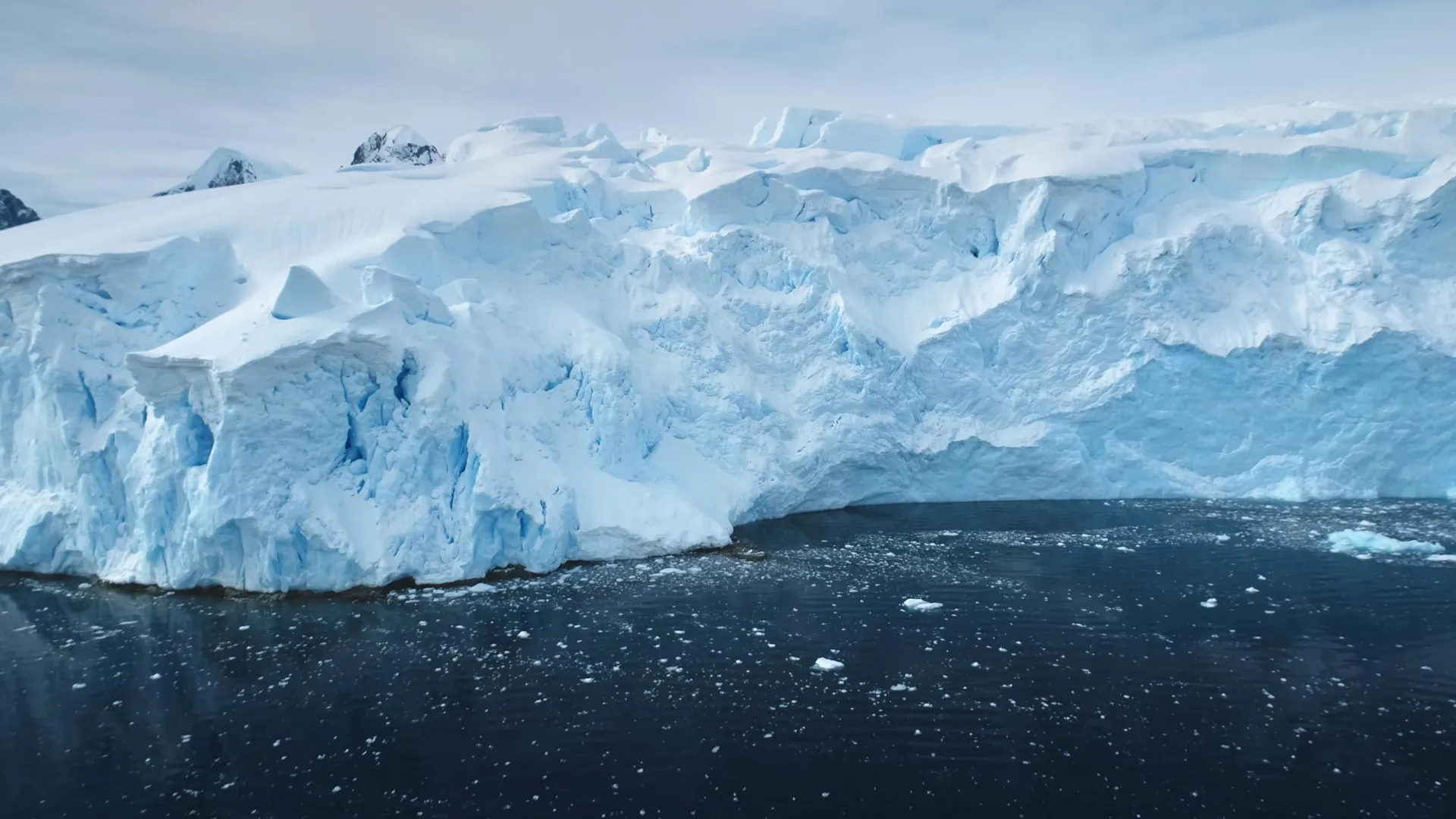
Thwaites Glacier in West Antarctica — widely known as the “Doomsday Glacier” — is changing more quickly than almost any other ice-ocean system on the planet. Its future behavior remains one of the biggest unknowns in forecasts of global sea-level rise. One part of this system, the Thwaites Eastern Ice Shelf (TEIS), floats on the ocean and is partly held in place by a pinning point at its northern edge. Over the past twenty years, this shelf has developed increasing fractures around a major shear zone located upstream of that pinning point.
A new study published in the Journal of Geophysical Research: Earth Surface (AGU, 2025) offers the most detailed account yet of how this slow breakdown has unfolded. The research was produced at the Centre for Earth Observation Sciences and led by Debangshu Banerjee, a recent graduate student from the Centre for Earth Observation Science (CEOS), along with Dr. Karen Alley (Assistant Professor, CEOS) and Dr. David Lilien (Assistant Professor, Indiana University Bloomington and former Research Associate at CEOS). Their work contributes to the TARSAN (Thwaites-Amundsen Regional Survey and Network) project, one of the programs within the International Thwaites Glacier Collaboration (ITGC) — a major U.S.-U.K. effort to understand the forces driving change in Thwaites Glacier. Several well-known glaciologists, including Dr. Ted Scambos, Dr. Martin Truffer, Dr. Adrian Luckman, and Dr. Erin Pettitt, also contributed to this research.
Fracture Growth, Ice Dynamics, and a Strengthening Feedback Loop
Using twenty years (2002-2022) of satellite observations, ice-flow speed measurements, and in-situ GPS data, the team documented how fractures within the TEIS shear zone formed and evolved. Their analysis shows that the gradual growth of these fractures weakened the shelf’s connection to the pinning point. As this attachment deteriorated, the ice upstream began to flow more quickly, reducing the shelf’s mechanical stability.
The researchers identified four clear stages in this weakening and highlighted two major findings. The first is that the fractures expanded in two distinct phases: long fractures aligned with the direction of ice flow appeared first, followed later by shorter fractures that cut across the flow. The second is evidence of a positive feedback cycle in which these fractures increased ice acceleration, which in turn caused further damage. This accelerating loop played a significant role in the shelf’s recent decline.
A Shift From Stabilizing Force to Source of Weakness
The study notes that the pinning point, once a key factor holding the TEIS in place, has slowly shifted into a feature that now contributes to its instability. This four-stage pattern of structural decline may be a signal for other Antarctic ice shelves that appear to be entering similar phases of weakness. If these floating shelves continue to deteriorate, the Antarctic Ice Sheet could contribute even more to future sea-level rise.
Regular pop-up vaccination clinics are available at The Bevy community pub in Brighton.
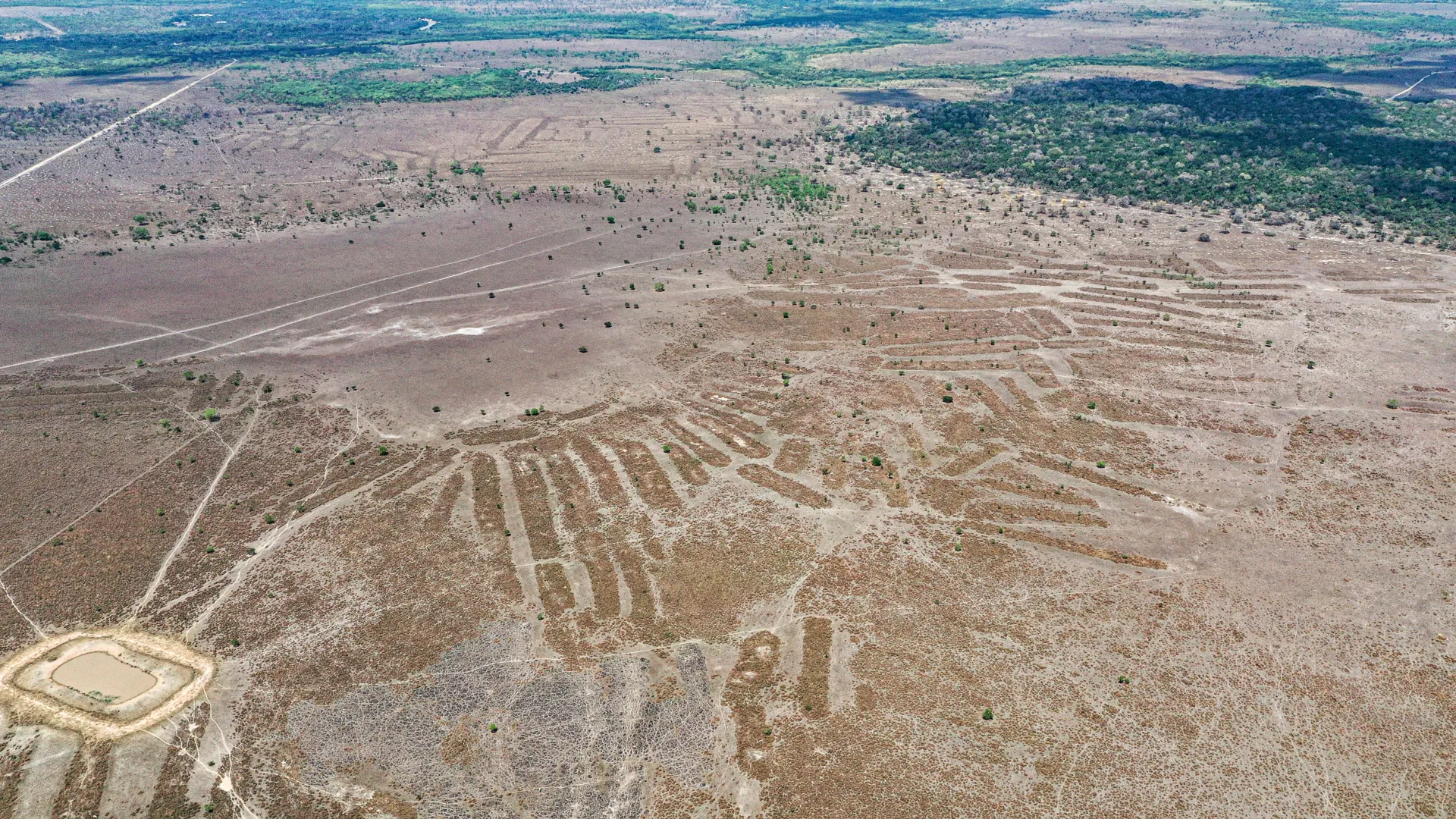
In September 2021, a team of specialists traveled to one of the least-documented areas of the Bolivian Amazon: the Great Tectonic Lakes of Exaltación in the department of Beni. The expedition, organized by the Grupo de Trabajo para los Llanos de Moxos (GTLM), brought together experts from the Wildlife Conservation Society, the National Museum of Natural History, the Institute of Ecology, the Biodiversity and Environment Research Center, the Aquatic Resources Research Center, and the Department of Anthropology of the Americas at the University of Bonn.
In the southwestern Amazon, the tectonic Lakes Rogaguado and Ginebra reveal a landscape shaped by generations of human innovation. Beneath the open grasslands and shallow waters lie the remains of extensive earthworks, raised agricultural fields, and interconnected canals that reflect a long history of people adapting to a dynamic environment.
These lakes sit within the Municipal Protected Area of Grandes Lagos Tectónicos de Exaltación and form part of the Río Yata Ramsar wetland complex, which is recognized by UNESCO for both its ecological and cultural value. Set in the Llanos de Moxos, a vast network of savannas, gallery forests, and floodplains that make up the largest wetland system in the Amazon basin, this area has inspired curiosity for centuries. Ethnohistorical accounts even linked it to the legendary ‘Land of Paititi.’ Only recently has its deep human past begun to come into clearer view.
Mapping a Long History of Settlement
Using a combination of surveys, excavations, and LiDAR imaging, the research team documented several archaeological sites: Paquío, Coquinal, Isla del Tesoro, and Jasschaja. Each site represents a different stage in the long sequence of habitation across this region.
Radiocarbon dates reveal repeated occupations from roughly 600 to 1400 CE. Findings at Paquío show an early settlement beginning around 600 CE, followed by a more intensive occupation between 1000 and 1200 CE. This later phase included shell middens, dense ceramic refuse, and a sophisticated system of canals and raised fields connected to maize-based farming. Jasschaja, which dates from 1300 to 1400 CE, reflects broader landscape alterations and greater botanical diversity, suggesting intensified forest and crop management during its occupation.
Innovations in Water Management and Agriculture
The terrain of the Llanos de Moxos is filled with geometric forms that reveal themselves on closer inspection. Circular and rectangular ditches, drainage channels, raised planting platforms, and clusters of mounds create a complex network designed for water control and cultivation. These structures were built to regulate seasonal flooding, guide water flow, and create stable areas for living and farming within a wetland that changes dramatically throughout the year.
Their many shapes, ranging from geometric enclosures to long elevated fields, indicate that there was no single standardized design. Instead, they represent centuries of experimentation as communities responded to shifting ecological and social conditions. Together, these features highlight the cultural diversity and long-term resilience of the people who developed them.
Excavations at Paquío and Jasschaja also revealed details about a varied pre-Hispanic diet that relied on wetland resources. Fish such as wolf fish, peacock bass, and South American lungfish were especially common, accompanied by reptiles including caimans and turtles, and mammals such as capybaras, pacas, and armadillos. Plant remains show the use of maize, legumes, and multiple palm species — moriche palm, corozo palm, cumare palm, totai palm, palmita, and peach palm. Together, these remains point to a balanced subsistence strategy that combined fishing, hunting, gathering, and farming.
Biocultural Knowledge and Indigenous Leadership
The Cayubaba and Movima communities continue to live in these landscapes, where rich biodiversity is deeply connected to cultural heritage. Their long-standing presence and environmental knowledge help maintain a unique form of biocultural heritage in which ecological and cultural diversity have developed side by side over many generations.
During the post-Covid-19 field seasons, collaboration with local communities was rooted in open communication and mutual respect. Representatives of the Cayubaba Indigenous Council, which includes 21 Cayubaba and Movima communities, assisted researchers in identifying areas for study, providing access to culturally important places, and specifying sites that should not be disturbed. While interactions were limited for health reasons, this partnership ensured that the research reflected community priorities and contributed to a fuller understanding of the living heritage of the region.
Through the GTLM, Indigenous leaders and scientists are working together to link archaeological and ecological research with conservation initiatives. These efforts emphasize that the Llanos de Moxos is not only a center of biodiversity but also a landscape shaped through long human histories, and they support continued management of the Yata River Ramsar site and the protected areas connected to it.
Lessons From the Past for a Changing Amazon
As deforestation, expanding agriculture, and climate change put increasing pressure on the Amazon, the landscapes around Lakes Rogaguado and Ginebra highlight the importance of sustainable land-use traditions. Archaeological evidence shows that past communities developed flexible ways of living that combined farming, fishing, and forest management. Rather than seeking to control or overexploit the environment, they adapted to its seasonal cycles and used periodic flooding as an opportunity.
Although raised-field agriculture eventually ended — likely because of population decline and social upheaval after European colonization — this does not diminish the effectiveness of these systems. For centuries, communities maintained productive landscapes by working with the region’s natural rhythms. Their practices challenge modern assumptions about what counts as “development” and remind us that resilience often emerges from diversity: of species, of knowledge, and of cultural traditions.
Protecting this biocultural heritage is now a global responsibility. The wetlands of the Llanos de Moxos continue to store carbon, moderate water systems, and support a wide range of species. Conservation efforts must also respect the people who have cared for these landscapes for generations. In this way, archaeology becomes more than a study of the past; it becomes a means of reconnecting ancient knowledge with today’s urgent debates about sustainability and environmental justice.
The Llanos de Moxos demonstrate that the Amazon has always been a place where people and nature have shaped one another. Its monumental earthworks, forest islands, and living cultural traditions suggest that part of our shared future may depend on listening more closely to these landscapes that remember.
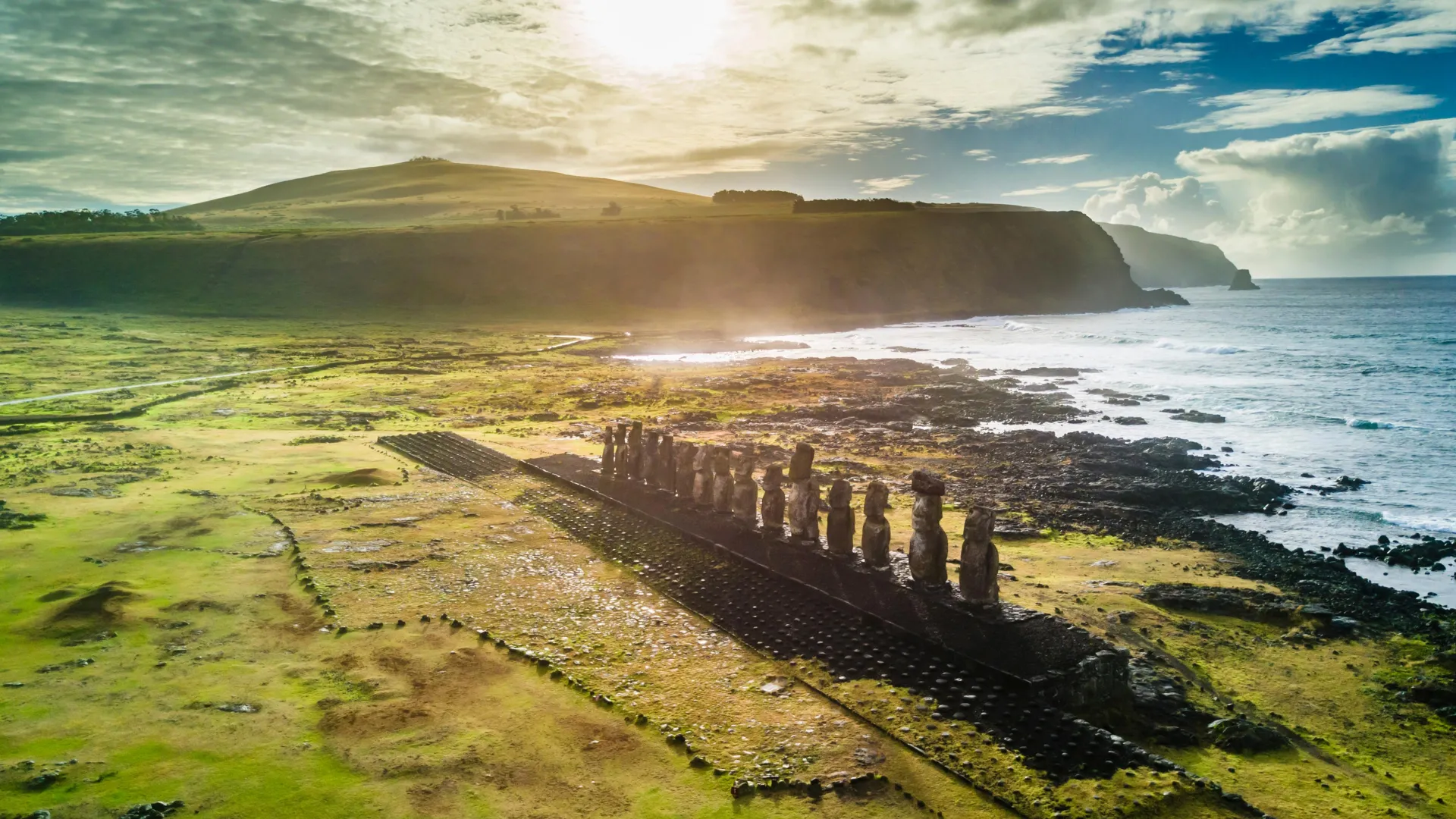
A new study published November 26, 2025 in the open-access journal PLOS One reports that the well-known stone figures of Rapa Nui (Easter Island) were created by many separate carving groups. The research team, led by Carl Philipp Lipo of Binghamton University, New York and colleagues, examined how these communities contributed to the making of the island’s famous monuments.
Rapa Nui is widely recognized for its hundreds of stone statues (moai), crafted by Polynesian settlers beginning in the 13th century. Archaeological work has repeatedly shown that the island was home to many small family groups rather than a unified political system. This background has prompted researchers to explore whether the carving of moai followed the same decentralized structure.
High-Resolution 3D Modeling Reveals 30 Quarry Work Zones
For this study, scientists gathered more than 11,000 photographs of Rano Raraku, the primary moai quarry. These images were merged into a detailed 3D reconstruction that captured hundreds of moai preserved in different stages of production. After analyzing the model, the team identified 30 distinct quarrying areas, each showing unique carving approaches. Additional clues indicate that completed or partially shaped moai were moved away from the quarry along several different paths. Taken together, these patterns suggest that statue creation reflected the island’s broader social organization, with carving efforts carried out independently rather than through centralized oversight.
New Evidence Challenges Long-Held Assumptions
The findings call into question the idea that projects of this scale require strict hierarchy or a single coordinating authority. Similarities between moai appear to come from the sharing of cultural knowledge instead of coordinated, joint labor. The new quarry model also provides a valuable dataset that can support future investigations and guide cultural management at this UNESCO World Heritage site. The same methods used here can also be applied to study other archaeological locations.
The authors explain: “Much of the so-called “mystery” of Rapa Nui (Easter Island) comes from the lack of openly available, detailed evidence that would allow researchers to evaluate hypotheses and construct explanations. Here, we present the first high-resolution 3D model of the moai quarry at Rano Raraku, the central quarry for nearly 1,000 statues, offering new insights into the organizational and manufacturing processes of these giant megalithic figures.”
Fieldwork for this research was supported by a National Science Foundation grant (Award #2218602). The funders had no involvement in study design, data collection and analysis, decisions related to publication, or manuscript preparation.
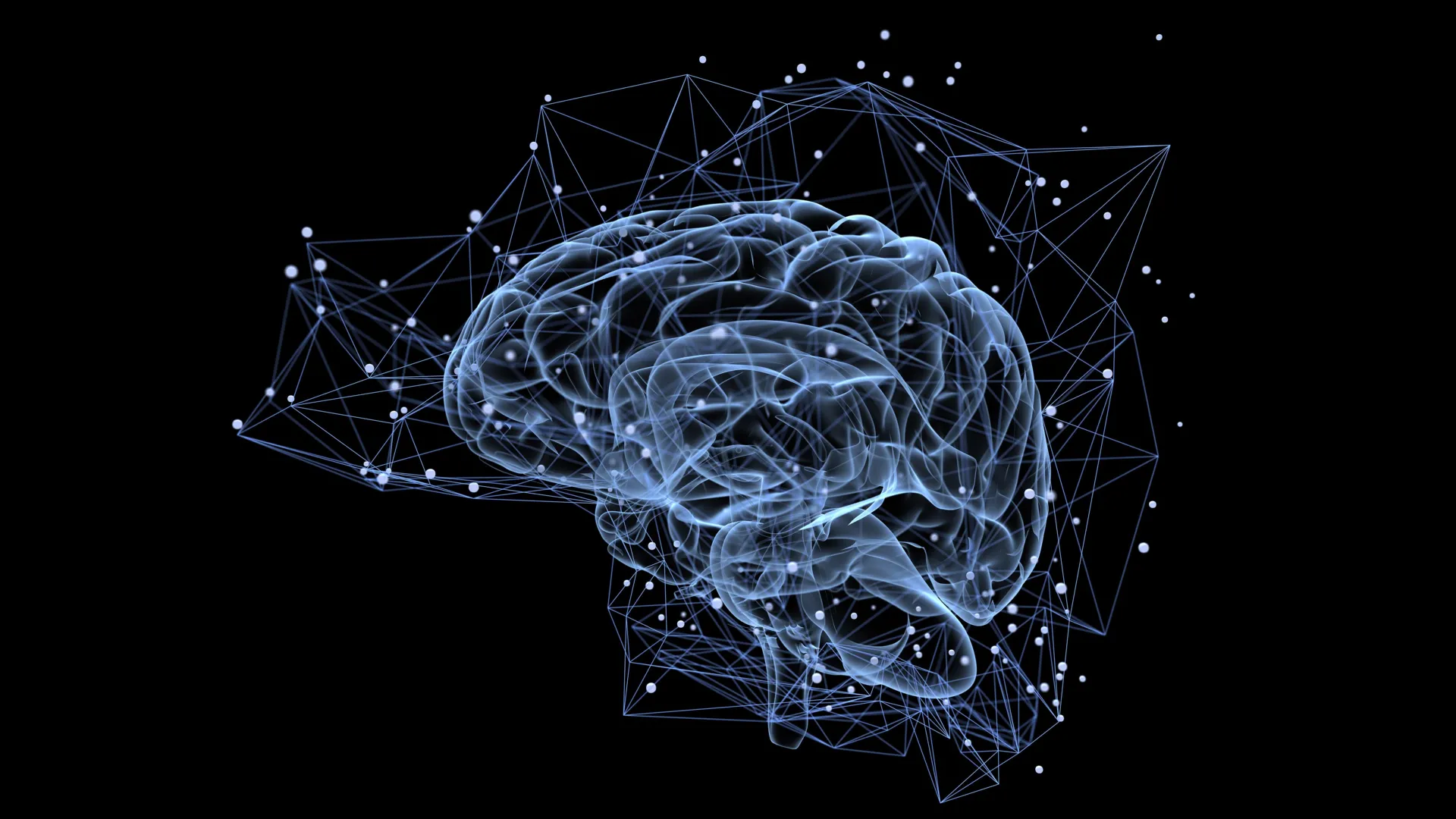
Vision guides an animal’s actions, but new research from MIT shows that the relationship goes both ways. The study, published November 25 in Neuron, reports that behavior and internal conditions directly influence how visual information is processed. In mice, the brain’s prefrontal cortex, which serves as a major center for executive control, sends tailored signals to regions involved in vision and movement. These signals adjust how those regions operate depending on factors such as how alert the mouse is and whether it is actively moving.
“That’s the major conclusion of this paper: There are targeted projections for targeted impact,” said senior author Mriganka Sur, Paul and Lilah Newton Professor in The Picower Institute for Learning and Memory and MIT’s Department of Brain and Cognitive Sciences.
Investigating Customized Prefrontal Signals
Scientists have long proposed, including Sur’s colleague Earl K. Miller at MIT, that the prefrontal cortex can guide the activity of more posterior areas of the brain. While anatomical evidence has supported this idea, the goal of the new study was to determine whether the prefrontal cortex sends one broad type of signal or instead crafts distinct messages for different target regions. Lead author and Sur Lab postdoctoral researcher Sofie Ährlund-Richter also sought to identify which specific neurons receive these signals and how the communication influences downstream processing.
Different Prefrontal Regions Serve Different Roles
The team identified a number of new insights. Two areas in the prefrontal cortex, the orbitofrontal cortex (ORB) and the anterior cingulate area (ACA), were found to relay information about both arousal and movement to two other regions: the primary visual cortex (VISp) and the primary motor cortex (MOp). These messages appear to have unique effects. For example, higher arousal increased ACA’s tendency to help VISp sharpen its visual representations. ORB, however, became influential only when arousal was very high, and its involvement appeared to decrease the clarity of visual encoding. According to Ährlund-Richter, ACA may help the brain focus on potentially meaningful visual details as arousal rises, while ORB may act to reduce attention to distracting or overly strong stimuli.
“These two PFC subregions are kind of balancing each other,” Ährlund-Richter said. “While one will enhance stimuli that might be more uncertain or more difficult to detect, the other one kind of dampens strong stimuli that might be irrelevant.”
Mapping and Monitoring Brain Circuits
To better understand the involved pathways, Ährlund-Richter performed detailed anatomical tracing of the connections ACA and ORB form with VISp and MOp. In additional experiments, mice ran freely on a wheel while viewing structured images or naturalistic movies at different contrast levels. At certain moments, small air puffs increased the animals’ arousal level. Throughout these tasks, researchers recorded the activity of neurons in ACA, ORB, VISp and MOp, with particular attention to the signals traveling along the axons linking prefrontal and posterior areas.
The tracing work showed that ACA and ORB each communicate with a variety of cell types in their target regions rather than a single cell class. They also connect in distinct spatial patterns. In VISp, ACA primarily targeted layer 6, while ORB communicated mainly with layer 5.
How Arousal and Movement Shift Visual Processing
When the team examined the transmitted information and neural activity, several consistent patterns emerged. ACA neurons conveyed more detailed visual information than ORB neurons and were more responsive to changes in contrast. ACA activity also tracked closely with arousal level, while ORB responded only when arousal reached a high threshold. When signaling to MOp, both regions conveyed information about running speed. When signaling to VISp, however, they only indicated whether the mouse was moving or still. The two prefrontal regions also carried information about arousal and a small amount of visual detail to MOp.
To see how this communication affects visual processing, the researchers temporarily blocked the pathways leading from ACA and ORB to VISp. This allowed them to measure how VISp neurons responded without these inputs. They found that ACA and ORB exerted specific and opposing effects on visual encoding depending on the mouse’s movement and level of arousal.
A Specialized Model of Prefrontal Feedback
“Our data support a model of PFC feedback that is specialized at both the level of PFC subregions and their targets, enabling each region to selectively shape target-specific cortical activity rather than modulating it globally,” the authors wrote in Neuron.
In addition to Sur and Ährlund-Richter, the research team included Yuma Osako, Kyle R. Jenks, Emma Odom, Haoyang Huang, and Don B. Arnold.
The work was supported by a Wenner-Gren foundations Postdoctoral Fellowship, the National Institutes of Health, and the Freedom Together Foundation.
