California’s next big one could be faster and far more destructive

Researchers from the Statewide California Earthquake Center at USC Dornsife are warning that extremely fast and powerful earthquakes could strike California and are calling for tougher building standards and improved fault monitoring.

Most residents of the state are accustomed to the idea of earthquakes, but scientists say a particularly dangerous type has been largely ignored: “supershear” earthquakes that move so quickly they overtake their own seismic waves.

In an opinion article in Seismological Research Letters, experts from the USC Dornsife College of Letters, Arts and Sciences explained that these rare events cause far stronger shaking across a wider region than typical quakes. They argue that California needs to strengthen its hazard planning and update building codes to address the greater potential for destruction.

“While California is no more likely to have supershear earthquakes than other, similar regions with large fault systems like the San Andreas, the threat has gone unnoticed for too long,” said Yehuda Ben-Zion, professor of Earth sciences and director of the Statewide California Earthquake Center (SCEC), based at USC Dornsife. “The frequency of these supershear ruptures has been greatly underappreciated.”

Scientists describe supershear earthquakes as being similar to sonic booms. When a jet surpasses the speed of sound, it produces a shock wave in the air. Likewise, when a supershear rupture travels faster than seismic shear waves, it creates powerful ground shock fronts, said Ahmed Elbanna, professor of Earth sciences and director-designate of SCEC. “It breaks the shear wave speed barrier in the rocks and produces destructive waves that are stronger than what’s generated by a normal earthquake,” he said.

This added energy can cause severe damage. Supershear quakes send intense shaking farther from the epicenter and strike twice, according to Elbanna — a sharp initial blow from the shock front followed by the trailing waves.

Globally, about one in three major strike-slip earthquakes are supershear. This is especially significant for California, where many faults near large cities are strike-slip and capable of producing magnitude 7 or higher events.

“We cannot say exactly when and where the next earthquake will be and which one will be supershear,” Ben-Zion said, “but we can say with certainty that over the next few decades, we will have multiple magnitude 7 earthquakes in California.

“They are coming, whether we are prepared or not,” he added.

The authors warn that current design standards don’t fully account for a supershear quake’s extra punch. Buildings and infrastructure are generally engineered for the strongest shaking perpendicular to faults, but supershear quakes direct their energy along the fault line itself.

“Critical structures should be built to this higher standard, and so far, they are not,” Ben-Zion said.

To prepare, the team calls for denser monitoring near major faults, advanced computer simulations of supershear scenarios, and stronger building codes.

“This is a collaborative effort where everybody has to chip in,” Elbanna said. “And I think here at USC and SCEC, with their reputation in the community, this is the right time and right place to get this effort started.”

Elbanna and Ben-Zion co-authored the opinion piece with researchers from Caltech and the University of Illinois Urbana-Champaign.


Share Button

Your nose gets colder when you’re stressed. These thermal images show the change

Psychologists subjected a BBC reporter to a carefully designed thermal camera stress test.

Share Button

Closest alien civilization could be 33,000 light years away

According to new research presented at the EPSC-DPS2025 Joint Meeting in Helsinki, the nearest technological civilization in the Milky Way could be roughly 33,000 light years away. For such a civilization to exist at the same time as humanity, it would need to have lasted for at least 280,000 years — and potentially millions of years.

These findings highlight the overwhelming odds against discovering Earth-like planets that possess both plate tectonics and a nitrogen-oxygen atmosphere containing the right balance of oxygen and carbon dioxide.

Taking these planetary requirements into account, the chances of success for SETI (Search for Extraterrestrial Intelligence) appear slim, say Dr. Manuel Scherf and Professor Helmut Lammer of the Space Research Institute at the Austrian Academy of Sciences in Graz.

“Extraterrestrial intelligences, ETIs, in our galaxy are probably pretty rare,” says Scherf.

A planet’s carbon dioxide level plays a key role in sustaining life. Higher levels of CO₂ help maintain photosynthesis and keep the atmosphere from leaking into space, but too much can trigger a runaway greenhouse effect or make the air toxic. Plate tectonics are essential because they regulate carbon dioxide through the carbon-silicate cycle, recycling the gas between the atmosphere and the planet’s crust. Over time, however, carbon dioxide becomes trapped in rocks and is no longer returned to the atmosphere.

“At some point enough carbon dioxide will be drawn from the atmosphere so that photosynthesis will stop working,” says Scherf. “For the Earth, that’s expected to happen in about 200 million to roughly one billion years.”

Today, Earth’s atmosphere consists mostly of nitrogen (78 percent) and oxygen (21 percent), with only a trace of carbon dioxide (0.042 percent). Scherf and Lammer modeled what would happen on other worlds. A planet with ten percent carbon dioxide — if located farther from its sun or orbiting a dimmer, younger star — could support a biosphere for up to 4.2 billion years. By comparison, a planet with one percent carbon dioxide would remain habitable for about 3.1 billion years.

For advanced life to emerge, such planets would also need at least 18 percent oxygen. Complex animals require higher oxygen levels, and earlier studies have shown that if oxygen drops below this threshold, there would not be enough free oxygen for open-air combustion. Without fire, metalworking would be impossible, preventing the rise of any technological civilization.

Scherf and Lammer compared these potential biosphere lifetimes with how long it took life on Earth to evolve technology — about 4.5 billion years — and with the expected longevity of intelligent species. The longer a civilization endures, the higher the likelihood that it overlaps in time with another.

From these calculations, the researchers concluded that a technological species on a planet with ten percent carbon dioxide would need to persist for at least 280,000 years for even one other civilization to exist in the Milky Way at the same time as ours.

“For ten civilizations to exist at the same time as ours, the average lifetime must be above 10 million years,” says Scherf. “The numbers of ETIs are pretty low and depend strongly upon the lifetime of a civilization.”

This means that if we do detect an ETI, it is almost certainly going to be much older than humanity.

It’s these numbers that also lead to the estimate that the next closest technological civilization is about 33,000 light years away. Our Sun is about 27,000 light years from the galactic center, which means that the next closest technological civilization to our own could be on the other side of the Milky Way.

These numbers are not absolutes – Scherf points out that there are other factors that should be included, such as the origin of life, the origin of photosynthesis, the origin of multi-cellular life and the frequency with which intelligent life develops technology, but they cannot be quantified at present. If each of these factors has a high probability, then ETIs might not be as rare. If each of these factors has a low probability, then a more pessimistic outlook is required.

Nevertheless, Scherf strongly believes that SETI should continue the search.

“Although ETIs might be rare there is only one way to really find out and that is by searching for it,” says Scherf. “If these searches find nothing, it makes our theory more likely, and if SETI does find something, then it will be one of the biggest scientific breakthroughs ever achieved as we would know that we are not alone in the Universe.”

Share Button

My late husband’s organs transformed the lives of four people

Mark Hutchinson was only 52 when he died unexpectedly last year after suffering two strokes “out of the blue”.

Share Button

Dolphins may be getting Alzheimer’s from toxic ocean blooms

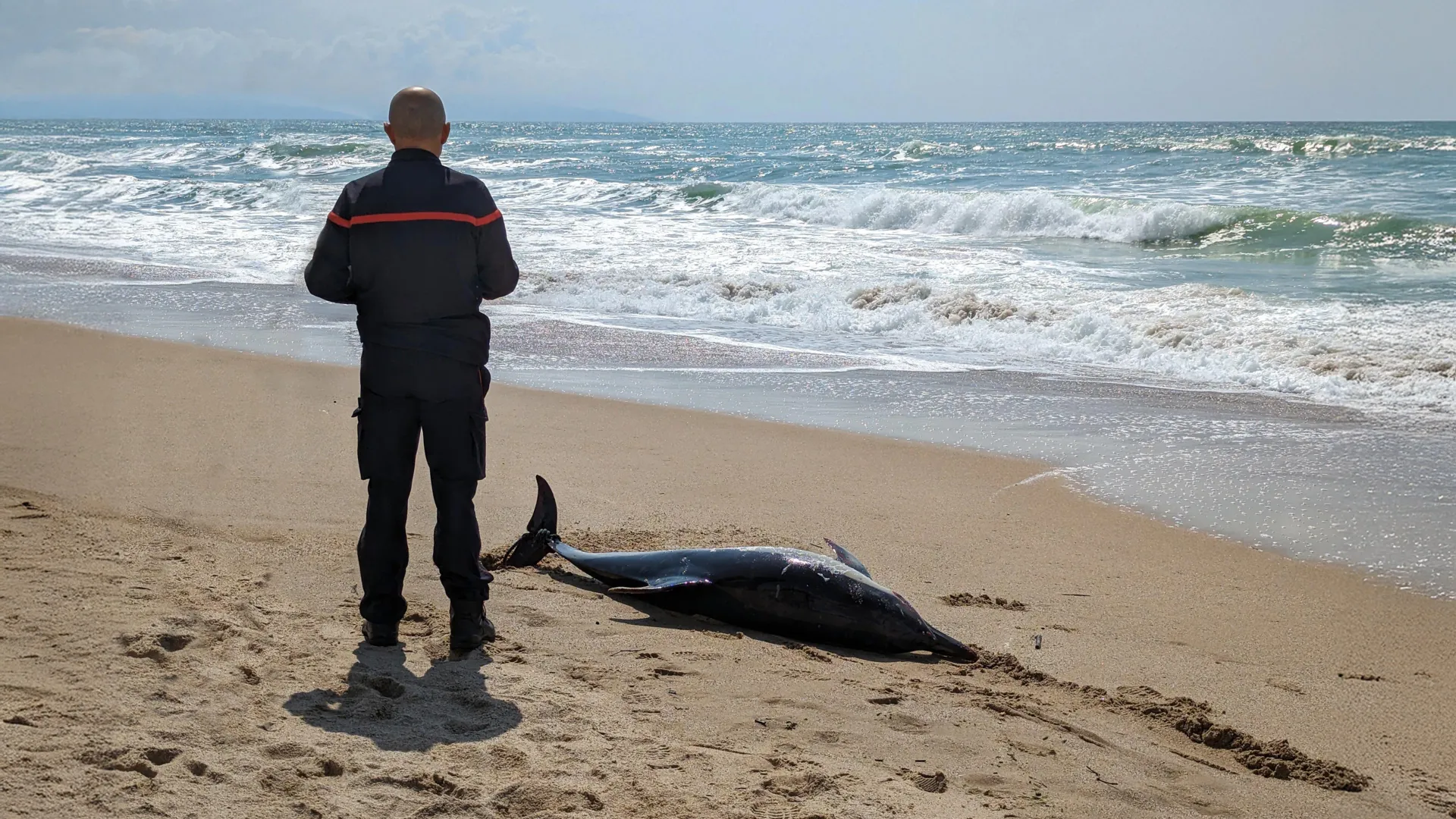
For many nature enthusiasts, few scenes are as distressing as finding a stranded whale or dolphin lying helpless on the beach. When these animals are still alive, marine biologists and volunteers rush to assist, shielding them from the sun and preventing their skin from drying out by pouring seawater over them or draping them with wet towels. Others work tirelessly to guide the animal back to deeper waters once the tide returns.

Tragically, not every rescue attempt comes in time. Some dolphins and whales are discovered already dead, leaving behind a haunting mystery that has puzzled scientists for decades: what drives these intelligent creatures to beach themselves in the first place?

A team of researchers from Florida to Wyoming believes they may have uncovered a surprising explanation. They suggest that, much like humans with dementia who sometimes wander away from familiar places, dolphins might also become disoriented due to a form of Alzheimer’s-like disease. Their findings point to a connection between this disorientation and long-term exposure to harmful compounds produced by cyanobacteria — microscopic organisms that thrive in warm, nutrient-rich waters.

Research involving residents of Guam has shown that people who regularly consume foods containing cyanobacterial toxins are more likely to develop the same brain abnormalities seen in Alzheimer’s disease, including misfolded tau proteins and amyloid plaques. One of the most concerning of these toxins is β-N-methylamino-L-alanine (BMAA), along with its chemical relatives 2,4-Diaminobutyric acid (2,4-DAB) and N-2-aminoethylglycine (AEG). These compounds are known to be highly toxic to nerve cells. Experiments in animals demonstrate that BMAA exposure can lead to Alzheimer’s-like brain damage and cognitive decline. Once released into marine ecosystems, these toxins can build up in the food chain, eventually reaching top predators such as dolphins.

When researchers examined the brains of twenty bottlenose dolphins that had stranded along Florida’s Indian River Lagoon, they found significant levels of BMAA and its related toxins, especially 2,4-DAB. Dolphins that washed ashore during peak cyanobacterial bloom periods contained up to 2,900 times more 2,4-DAB than those stranded at other times of the year. Their brains showed many of the same pathological features seen in humans with Alzheimer’s disease, including β-amyloid plaques and hyperphosphorylated tau proteins. The scientists also identified TDP-43 protein inclusions, a marker associated with more aggressive forms of Alzheimer’s, along with 536 genes expressed in patterns consistent with the disease.

The duration of cyanobacterial blooms is increasing with climate warming and nutrient inputs associated with agricultural runoff and sewage discharges. Cyanobacterial-laden waters have often been released down the St. Lucie River from Lake Okeechobee into the Indian River Lagoon. “Since dolphins are considered environmental sentinels for toxic exposures in marine environments,” Dr. David Davis at the Miller School of Medicine explains, “there are concerns about human health issues associated with cyanobacterial blooms.”

In 2024, Miami Dade County had the highest prevalence of Alzheimer’s disease in the United States. “Although there are likely many paths to Alzheimer’s disease, cyanobacterial exposures increasingly appear to be a risk factor,” adds Dr. Davis.

“Among Guam villagers, exposure to cyanobacterial toxins appeared to trigger neurological disease,” said Dr. Paul Alan Cox of the Brain Chemistry Labs in Jackson Hole.

This research was published in the current Nature journal Communication Biology by researchers at Hubbs-SeaWorld Research Institute in Melbourne Beach, Florida, The Blue World Research Institute in Cocoa, Florida, The University of Miami Miller School of Medicine, Miami, Florida, Brain Chemistry Labs, Jackson Hole, Wyoming, Rosenstiel School of Marine, Atmospheric, and Earth Science, University of Miami, Miami, Florida.

Share Button

‘We are inventing captivity medicine’: Hospital prepares for freed Israeli hostages

Several of the hostages will be brought from Gaza to the Rabin Medical Center in Petah Tikva.

Share Button

Scientists unearth a 112-million-year-old time capsule filled with ancient insects

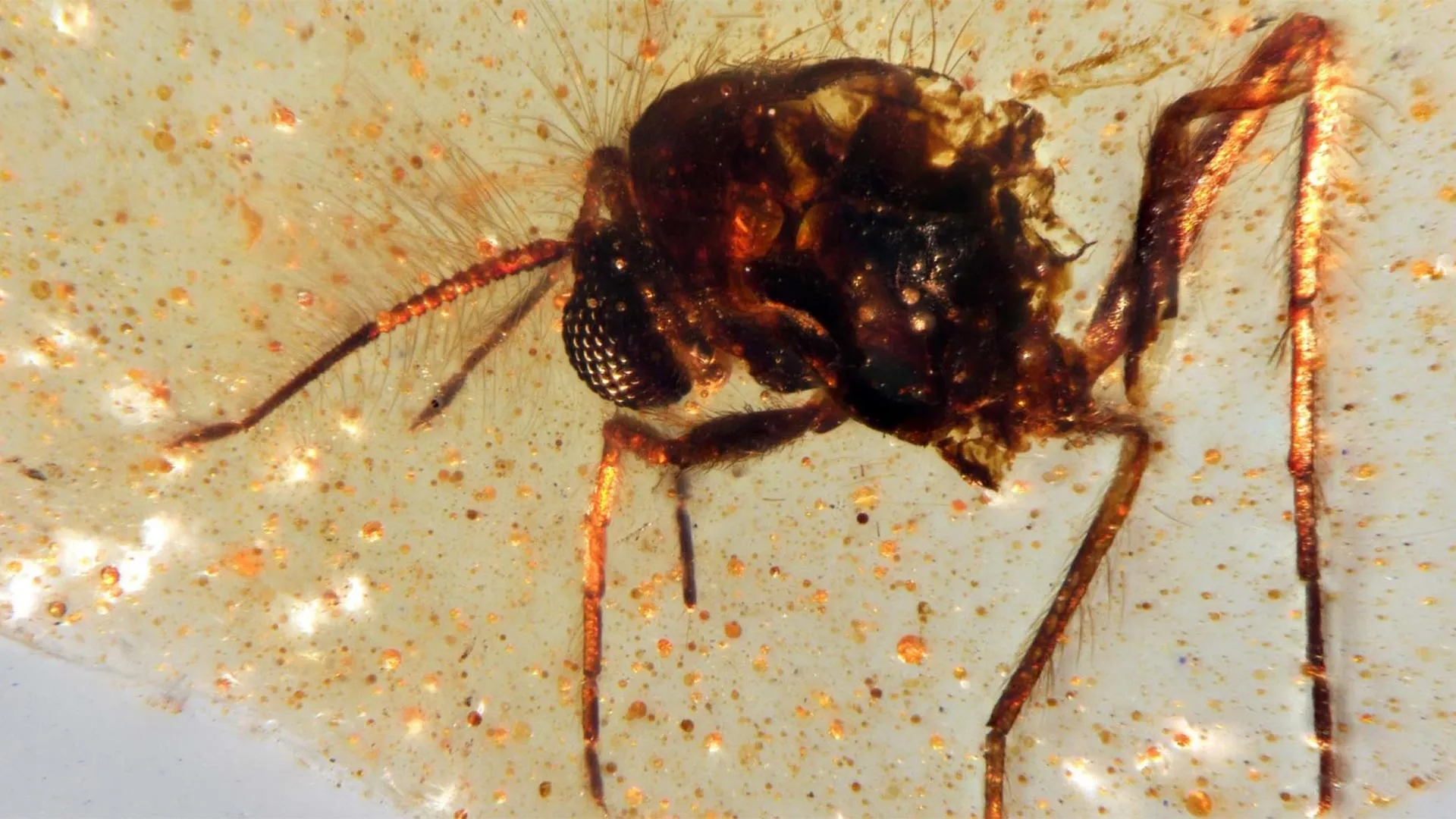
Scientists have uncovered the first South American amber deposits containing preserved insects in a quarry in Ecuador, according to a study published in Communications Earth & Environment. The discovery captures a vivid picture of a 112-million-year-old forest that once thrived on the ancient supercontinent Gondwana and opens new doors for exploring a long-overlooked prehistoric ecosystem.

Amber (fossilized tree resin) has been found in samples dating back as far as 320 million years, but it became far more common between 120 million and 70 million years ago, during the Cretaceous era (143.1 million to 66 million years ago). These ancient resins sometimes contain “bio-inclusions” — trapped remains of plants or animals — that offer rare, detailed glimpses of life forms such as insects and flowers that are not usually preserved as fossils. Until now, nearly all known major amber deposits were located in the Northern Hemisphere, leaving scientists with limited insight into what Southern Hemisphere ecosystems looked like during the time when the continents were beginning to separate from Gondwana.

To investigate, Xavier Delclòs and his research team examined amber and surrounding rock samples collected from the Genoveva quarry in Ecuador. The amber, dated to roughly 112 million years ago, belongs to the Hollín Formation, a sedimentary layer that stretches across Ecuador’s Oriente Basin. The team identified two distinct kinds of amber: one formed underground near the roots of resin-producing plants, and another that developed in the open air. Among 60 samples of the latter, the researchers found 21 bio-inclusions representing five insect orders, including Diptera (flies), Coleoptera (beetles), and Hymenoptera (a group that includes ants and wasps), as well as a fragment of spider web. In addition, the rock surrounding the amber contained numerous plant fossils such as spores, pollen, and other botanical traces.

According to the researchers, the characteristics of the fossils indicate that the amber originated in a warm, humid forest filled with dense vegetation and resin-producing trees in southern Gondwana. They emphasize that this rare find provides a crucial new resource for understanding life and biodiversity during this key period in Earth’s history.

Share Button

Report shows ‘stark’ gender gap in HIV prevention

A meeting will discuss how to tackle what organisers say is a growing inequality in HIV prevention.

Share Button

MIT’s “stealth” immune cells could change cancer treatment forever

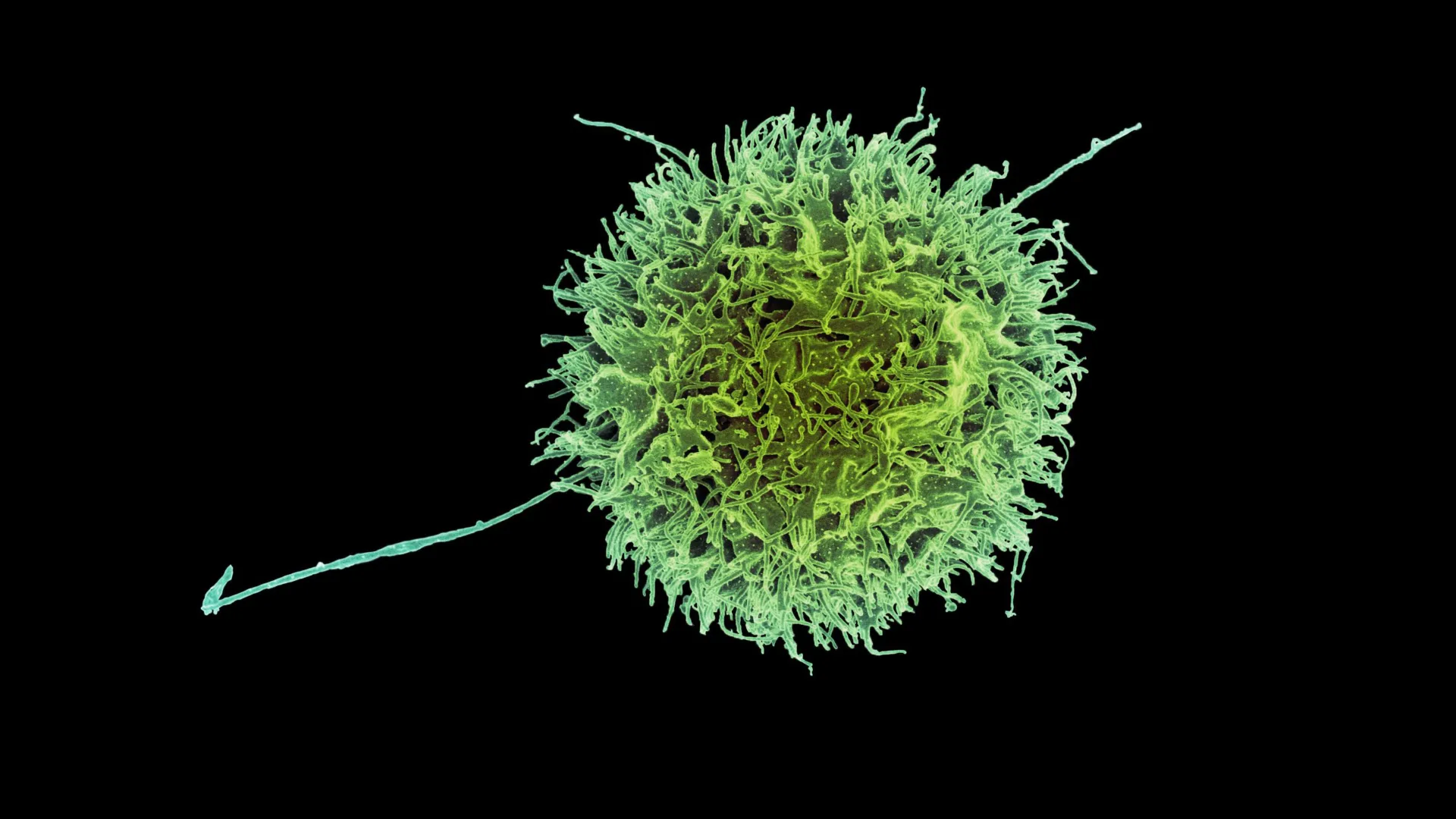
Scientists have created a new and more advanced form of immune-based cancer therapy using engineered cells known as CAR-NK (natural killer) cells. Like CAR-T cells, these modified immune cells can be programmed to recognize and attack cancer, but they rely on a different type of immune cell that naturally targets abnormal or infected cells.

A team from MIT and Harvard Medical School has now developed a more effective way to engineer CAR-NK cells that dramatically reduces the chance of the body’s immune system rejecting them. Immune rejection has been one of the biggest limitations of cell-based therapies, often weakening their effectiveness.

This innovation could also make it possible to produce “off-the-shelf” CAR-NK treatments that are available immediately after diagnosis, rather than waiting weeks for custom-engineered cells. Traditional CAR-NK and CAR-T manufacturing methods typically require several weeks to complete before patients can begin treatment.

“This enables us to do one-step engineering of CAR-NK cells that can avoid rejection by host T cells and other immune cells. And, they kill cancer cells better and they’re safer,” says Jianzhu Chen, an MIT professor of biology, a member of the Koch Institute for Integrative Cancer Research, and one of the senior authors of the study. 

In tests using mice with humanized immune systems, the newly engineered cells successfully destroyed most cancer cells while avoiding attack from the host’s own immune defenses.

Rizwan Romee, an associate professor of medicine at Harvard Medical School and Dana-Farber Cancer Institute, is also a senior author of the paper, which was published in Nature Communications. The study’s lead author is Fuguo Liu, a postdoctoral researcher at the Koch Institute and a research fellow at Dana-Farber.

Evading the immune system

Natural killer (NK) cells are a vital part of the body’s built-in immune defense, responsible for identifying and destroying cancerous and virus-infected cells. They eliminate these threats through a process called degranulation, which releases a protein known as perforin. This protein punctures the membrane of target cells, leading to their death.

To produce CAR-NK cells for treatment, doctors typically collect a blood sample from the patient. NK cells are then extracted and engineered to express a specialized protein called a chimeric antigen receptor (CAR), which is designed to target specific markers found on cancer cells.

Once modified, the cells must multiply in the lab for several weeks before there are enough to be infused back into the patient. The same general process is used for CAR-T cell therapies, some of which have already been approved to treat blood cancers like lymphoma and leukemia. CAR-NK therapies, however, are still being tested in clinical trials.

Because growing enough personalized CAR-NK cells takes time and the patient’s cells may not always be healthy enough for reliable use, scientists have been exploring an alternative: creating NK cells from healthy donors. These donor-derived cells could be mass-produced and stored for rapid use. The challenge, however, is that the recipient’s immune system often identifies donor cells as foreign and destroys them before they can attack the cancer.

In their latest research, the MIT team aimed to solve this problem by helping NK cells “hide” from immune detection. Their experiments showed that removing surface proteins known as HLA class 1 molecules allowed NK cells to avoid attack from T cells in the host’s immune system. These proteins normally act as identity markers that tell the immune system whether a cell belongs to the body.

To make use of this insight, the researchers added a sequence of siRNA (short interfering RNA) that silences the genes responsible for producing HLA class 1 proteins. Along with this genetic tweak, they introduced the CAR gene itself and another gene that encodes either PD-L1 or single-chain HLA-E (SCE), both of which help strengthen the NK cells’ cancer-fighting abilities.

All of these genetic components were combined into a single DNA construct, which allowed the team to efficiently convert donor NK cells into immune-evasive CAR-NK cells. Using this method, they engineered cells that target CD-19, a protein commonly found on malignant B cells in lymphoma patients.

NK cells unleashed

The researchers tested these CAR-NK cells in mice with a human-like immune system. These mice were also injected with lymphoma cells.

Mice that received CAR-NK cells with the new construct maintained the NK cell population for at least three weeks, and the NK cells were able to nearly eliminate cancer in those mice. In mice that received either NK cells with no genetic modifications or NK cells with only the CAR gene, the host immune cells attacked the donor NK cells. In these mice, the NK cells died out within two weeks, and the cancer spread unchecked.

The researchers also found that these engineered CAR-NK cells were much less likely to induce cytokine release syndrome — a common side effect of immunotherapy treatments, which can cause life-threatening complications.

Because of CAR-NK cells’ potentially better safety profile, Chen anticipates that they could eventually be used in place of CAR-T cells. For any CAR-NK cells that are now in development to target lymphoma or other types of cancer, it should be possible to adapt them by adding the construct developed in this study, he says.

The researchers now hope to run a clinical trial of this approach, working with colleagues at Dana-Farber. They are also working with a local biotech company to test CAR-NK cells to treat lupus, an autoimmune disorder that causes the immune system to attack healthy tissues and organs.

The research was funded, in part, by Skyline Therapeutics, the Koch Institute Frontier Research Program through the Kathy and Curt Marble Cancer Research Fund and the Elisa Rah Memorial Fund, the Claudia Adams Barr Foundation, and the Koch Institute Support (core) Grant from the National Cancer Institute.

Share Button

12,000-year-old rock art found in Arabia reveals a lost civilization

Recent research has revealed the crucial role of early human groups who settled in northern Arabia soon after the intensely dry period known as the Last Glacial Maximum (LGM). These communities followed the return of seasonal water sources and left behind an extraordinary record of their presence through monumental rock art.

An international team of archaeologists, coordinated by the Heritage Commission of the Saudi Ministry of Culture, uncovered the findings through the Green Arabia Project. The team included experts from the Max Planck Institute of Geoanthropology, KAUST (King Abdullah University of Science and Technology), University College London, Griffith University, and several other institutions.

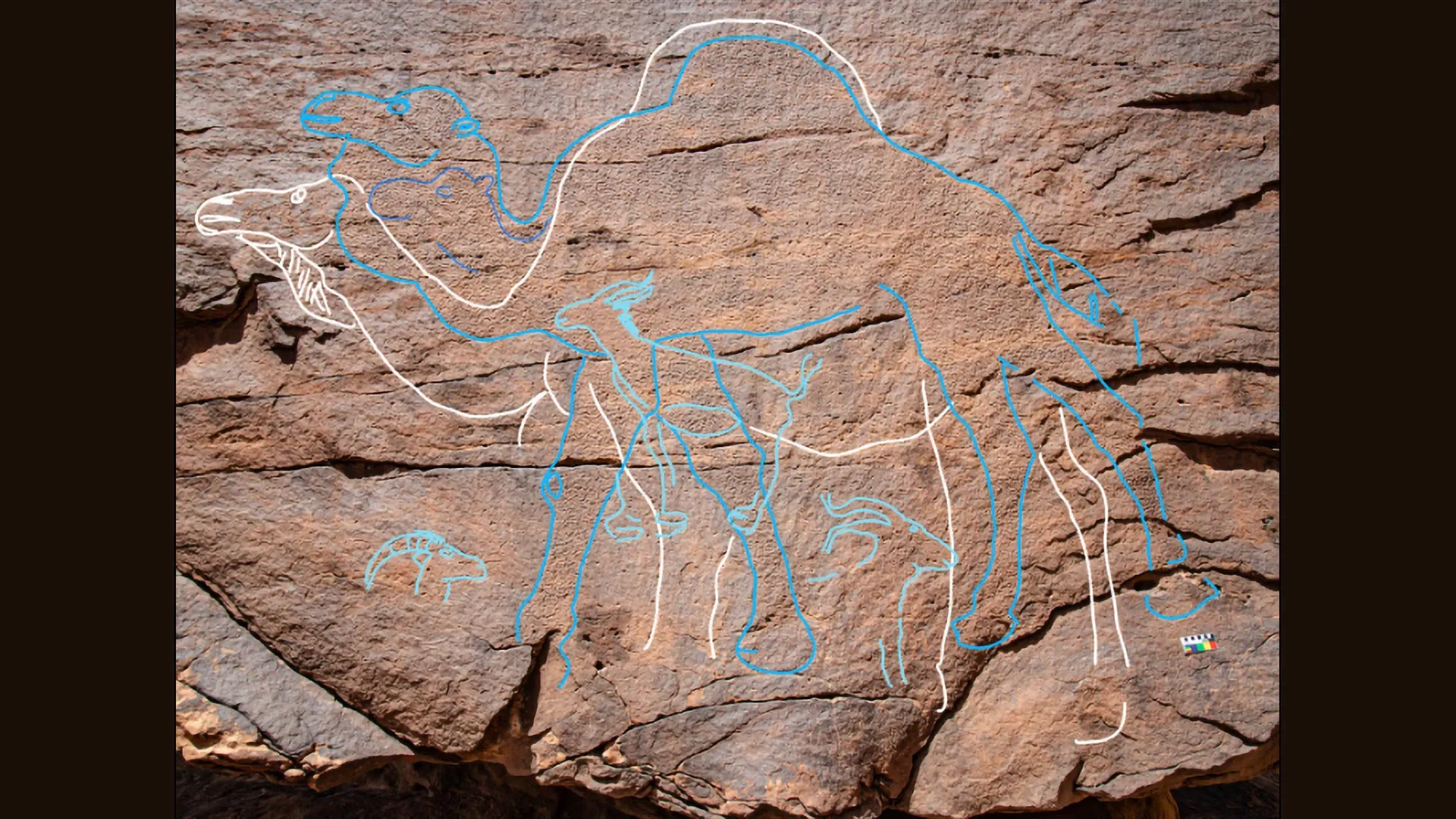
Researchers documented over 60 rock art panels featuring 176 individual engravings across three previously unexplored locations: Jebel Arnaan, Jebel Mleiha, and Jebel Misma, situated along the southern edge of the Nefud Desert in northern Saudi Arabia.

The engravings, which depict animals such as camels, ibex, equids, gazelles, and aurochs, include 130 highly detailed and life-sized figures, some reaching up to 3 meters long and more than 2 meters tall.

Dating to between 12,800 and 11,400 years ago, the engravings correspond to a time when temporary lakes and rivers reappeared after centuries of extreme aridity.

Sediment analysis confirmed the existence of these ancient water sources, which would have provided essential support for human groups venturing into the desert interior and allowed them to survive in this challenging environment.

“These large engravings are not just rock art – they were probably statements of presence, access, and cultural identity,” said lead author, Dr. Maria Guagnin from Max Planck Institute of Geoanthropology.

Dr. Ceri Shipton, co-lead author from the Institute of Archaeology, University College London, said: “The rock art marks water sources and movement routes, possibly signifying territorial rights and intergenerational memory.”

Unlike previously known sites where engravings were hidden in crevices, the Jebel Mleiha and the Jebel Arnaan panels were etched onto towering cliff faces, some up to 39 meters high, in visually commanding locations.

One panel would have required ancient artists to climb and work precariously on narrow ledges, underscoring the sheer effort and significance of the imagery.

Artefacts including Levantine-style El Khiam and Helwan stone points, green pigment, and dentalium beads suggest long-distance connections to Pre-Pottery Neolithic (PPN) populations in the Levant region.

However, the scale, content, and placement of the Arabian engravings set them apart.

“This unique form of symbolic expression belongs to a distinct cultural identity adapted to life in a challenging, arid environment,” said Dr. Faisal Al-Jibreen, from the Heritage Commmission, Saudi Ministry of Culture.

“The project’s interdisciplinary approach has begun to fill a critical gap in the archaeological record of northern Arabia between the LGM and the Holocene, shedding light on the resilience and innovation of early desert communities,” said Michael Petraglia, lead of the Green Arabia project.

The study ‘Monumental rock art illustrates that humans thrived in the Arabian Desert during the Pleistocene-Holocene transition’ has been published in Nature Communications.

Share Button