Former England captain Lewis Moody says in an exclusive BBC interview he has “a reluctance to look the future in the face”.


Former England captain Lewis Moody says in an exclusive BBC interview he has “a reluctance to look the future in the face”.

The universe is full of different types of radiation and particles that can be observed here on Earth. This includes photons across the entire range of the electromagnetic spectrum, from the lowest radio frequencies all the way to the highest-energy gamma rays. It also includes other particles such as neutrinos and cosmic rays, which race through the universe at close to the speed of light.
Curiously, “cosmic rays” are not actually rays – this name has historical reasons – but small particles, mostly atomic nuclei, which are accelerated to enormous energies somewhere in the universe. Although their sources are not yet fully understood, they are most likely associated with some of the most extreme environments in the universe, such as black holes, supernovae, or rotating neutron stars (a type of dead star).
But occasionally cosmic rays have much higher energy than usual. We’ve known about this since 1962, but we still have no idea why.
We also don’t know where this ultra-high-energy cosmic radiation comes from.
Now, research from the Norwegian University of Science and Technology (NTNU) may have found the answer to this big unanswered question in physics.
Supermassive black holes may be the cause
Foteini Oikonomou, an associate professor at NTNU’s Department of Physics, is working on the case. In a recent article, she and her colleagues present a completely new and plausible explanation for this ultra-high-energy radiation.
The lead author is PhD research fellow Domenik Ehlert from the same department. The team also includes postdoctoral fellow Enrico Peretti from the Université Paris Cité. Their work focuses on astroparticle physics, which studies the relationship between the smallest particles in the universe and the universe’s largest phenomena.
“We suspect that this high-energy radiation is created by winds from supermassive black holes,” said Oikonomou.
But what on earth does that mean?
Active black holes create winds
The Milky Way is the neighborhood in the universe where you and I live. Our Sun and solar system are part of this galaxy, along with at least 100 billion other stars.
“There is a black hole called Sagittarius-A* located right in the centre of the Milky Way. This black hole is currently in a quiet phase where it isn’t consuming any stars, as there is not enough matter in the vicinity,” Peretti said.
This contrasts with growing, supermassive, active black holes that consume up to several times the mass of our own Sun each year.
“A tiny portion of the material can be pushed away by the force of the black hole before it is pulled in. As a result, around half of these supermassive black holes create winds that move through the universe at up to half the speed of light,” Peretti said.
We have known about these gigantic winds for approximately ten years. The winds from these black holes can affect galaxies. By blowing away gases, they can prevent new stars from forming, for example. This is dramatic enough in itself, but Oikonomou and her colleagues looked at something else, much smaller, that these winds could be the cause of.”
It is possible that these powerful winds accelerate the particles that create the ultra-high-energy radiation,” said Ehlert.
To understand this, we also need to explain a little bit about atoms.
Atoms and enormous amounts of energy
Atoms consist of a nucleus, which is made up of protons and neutrons. These particles are made up of quarks, but we don’t need to go into that right now.
One or more electrons can be found around this nucleus in the so-called cloud.
“The ultra-high-energy radiation consists of protons or atomic nuclei with energy up to 1020 electron volts,” explained Oikonomou.
If that number doesn’t mean anything to you, you should know that in this context, it is an absolutely enormous amount of energy.
“A particle like this, which is smaller than an atom, contains about as much energy as a tennis ball when Serena Williams serves it at 200 kilometers per hour,” said Oikonomou.
It corresponds to approximately a billion times more energy than the particles created by researchers in the Large Hadron Collider in Switzerland and France.
Fortunately, these cosmic rays are destroyed by the Earth’s atmosphere. When they reach ground level, they are as harmless as all the other cosmic radiation that reaches us at the Earth’s surface.
“But for astronauts, cosmic radiation is a very serious problem,” Oikonomou said.
Airline crews don’t need to worry about this because they don’t fly high enough.
“The main concern for astronauts is cosmic low-energy radiation produced by our own Sun, because it is much more common. The rays we study are infrequent enough that it is extremely unlikely they would pass through an astronaut,” she said.
Other suspects
Previously, researchers have looked into whether these high-energy particles come from gamma-ray bursts, from galaxies that are creating new stars at an extremely high rate, or from plasma outflows from supermassive black holes.
However, Oikonomou and her colleagues have another hypothesis.
“All the other hypotheses are very good guesses – they are all sources that contain a lot of energy. But no one has provided evidence that any of them are the source. That is why we decided to investigate the winds from the supermassive black holes,” said Ehlert.
Guilty? Maybe
So what do we actually know? Is it the winds that create the high-energy particles in the cosmic radiation?
“Our answer is more of a cautious ‘maybe’,” said Oikonomou.
That doesn’t sound particularly dramatic. However, when researchers ask questions like this, they often feel a sense of excitement and think “YES, that might just be the case!,” but that doesn’t mean it is the case in this instance.
“We find that the conditions related to these winds align particularly well with particle acceleration. But we are still unable to prove that it is specifically these winds that accelerate the particles behind the high-energy cosmic radiation,” Oikonomou said.
However, the model the researchers are using can explain one specific aspect of these particles that we still don’t understand. Within a certain energy range, the particles have a chemical composition that other models cannot explain in any meaningful way.
“We can also test the model using neutrino experiments,” said Oikonomou.
That, however, is something for a completely different article.
“In the years to come, we hope to collaborate with neutrino astronomers to test our hypothesis,” Oikonomou said. Perhaps they will then find more evidence, one way or the other.

A supermoon takes over the sky, the Draconid meteor shower peeks through, and the Orionid meteor shower shines bright.
Skywatching Highlights
<See video link at the bottom.>
Transcript
What’s Up for October? A Supermoon takes over, the Draconid meteor shower peeks through, and the Orionid meteors sparkle across the night sky.
The evening of October 6, look up and be amazed as the full moon is bigger and brighter because — it’s a supermoon!
This evening, the moon could appear to be about 30% brighter and up to 14% larger than a typical full moon. But why?
Supermoons happen when a new moon or a full moon coincides with “perigee,” which is when the moon is at its closest to Earth all month.
So this is an exceptionally close full moon! Which explains its spectacular appearance.
And what timing — while the supermoon appears on October 6th, just a couple of days before on October 4th is “International Observe the Moon Night”!
It’s an annual, worldwide event when Moon enthusiasts come together to enjoy our natural satellite.You can attend or host a moon-viewing party, or simply observe the Moon from wherever you are.
So look up, and celebrate the moon along with people all around the world!
The supermoon will light up the sky on October 6th, but if you luck into some dark sky between October 6th and 10th, you might witness the first of two October meteor showers — the Draconids!
The Draconid meteor shower comes from debris trailing the comet 21P Giacobini-Zinner burning up in Earth’s atmosphere
These meteors originate from nearby the head of the constellation Draco the dragon in the northern sky and the shower can produce up to 10 meteors per hour!
The Draconids peak around October 8th, but if you don’t see any, you can always blame the bright supermoon and wait a few weeks until the next meteor shower — the Orionids!
The Orionid meteor shower, peaking October 21, is set to put on a spectacular show, shooting about 20 meteors per hour across the night sky.
This meteor shower happens when Earth travels through the debris trailing behind Halley’s Comet and it burns up in our atmosphere.
The full duration of the meteor shower stretches from September 26 to November 22, but your best bet to see meteors is on October 21 before midnight until around 2 am.
This is because, not only is this night the shower’s peak, it is also the October new moon, meaning the moon will be between the Earth and the Sun, making it dark and invisible to us.
With a moonless sky, you’re much more likely to catch a fireball careening through the night.
So find a dark location after the sun has set, look to the southeast sky (if you’re in the northern hemisphere) and the northeast (if you’re in the southern hemisphere) and enjoy!
Orionid meteors appear to come from the direction of the Orion constellation but you might catch them all across the sky.
Here are the phases of the Moon for October.
The soap actor meets families fighting for their children’s education for BBC Panorama.

Drinking any amount of alcohol likely increases the risk of dementia, suggests the largest combined observational and genetic study to date, published online in BMJ Evidence Based Medicine.
Even light drinking — generally thought to be protective, based on observational studies — is unlikely to lower the risk, which rises in tandem with the quantity of alcohol consumed, the research indicates.
Current thinking suggests that there might be an ‘optimal dose’ of alcohol for brain health, but most of these studies have focused on older people and/or didn’t differentiate between former and lifelong non-drinkers, complicating efforts to infer causality, note the researchers.
To try and circumnavigate these issues and strengthen the evidence base, the researchers drew on observational data and genetic methods (Mendelian randomization) from two large biological databanks for the entire ‘dose’ range of alcohol consumption.
These were the US Million Veteran Program (MVP), which includes people of European, African, and Latin American ancestry, and the UK Biobank (UKB), which includes people of predominantly European ancestry.
Participants who were aged 56-72 at baseline, were monitored from recruitment until their first dementia diagnosis, death, or the date of last follow-up (December 2019 for MVP and January 2022 for UKB), whichever came first. The average monitoring period was 4 years for the US group, and 12 for the UK group.
Alcohol consumption was derived from questionnaire responses — over 90% of participants said they drank alcohol — and the Alcohol Use Disorders Identification Test (AUDIT-C) clinical screening tool. This screens for hazardous drinking patterns, including the frequency of binge drinking (6 or more drinks at a time).
In all, 559,559 participants from both groups were included in observational analyses, 14,540 of whom developed dementia of any type during the monitoring period:10,564 in the US group; and 3976 in the UK group. And 48,034 died: 28,738 in the US group and 19,296 in the UK group.
Observational analyses revealed U-shaped associations between alcohol and dementia risk: compared with light drinkers (fewer than 7 drinks a week) a 41% higher risk was observed among non-drinkers and heavy drinkers consuming 40 or more drinks a week, rising to a 51% higher risk among those who were alcohol dependent.
Mendelian randomization genetic analyses drew on key data from multiple large individual genome-wide association studies (GWAS) of dementia, involving a total of 2.4 million participants to ascertain lifetime (rather than current) genetically predicted risks.
Mendelian randomization leverages genetic data, minimizing the impact of other potentially influential factors, to estimate causal effects: genomic risk for a trait (in this case, alcohol consumption) essentially stands in for the trait itself.
Three genetic measures related to alcohol use were used as different exposures, to study the impact on dementia risk of alcohol quantity, as well as problematic and dependent drinking.
These exposures were: self-reported weekly drinks (641 independent genetic variants); problematic ‘risky’ drinking (80 genetic variants); and alcohol dependency (66 genetic variants).
Higher genetic risk for all 3 exposure levels was associated with an increased risk of dementia, with a linear increase in dementia risk the higher the alcohol consumption.
For example, an extra 1-3 drinks a week was associated with a 15% higher risk. And a doubling in the genetic risk of alcohol dependency was associated with a 16% increase in dementia risk.
But no U-shaped association was found between alcohol intake and dementia, and no protective effects of low levels of alcohol intake were observed. Instead, dementia risk steadily increased with more genetically predicted drinking.
What’s more, those who went on to develop dementia typically drank less over time in the years preceding their diagnosis, suggesting that reverse causation — whereby early cognitive decline leads to reduced alcohol consumption — underlies the supposed protective effects of alcohol found in previous observational studies, say the researchers.
They acknowledge that a principal limitation of their findings is that the strongest statistical associations were found in people of European ancestry, because of the numbers of participants of this ethnic heritage studied. Mendelian randomisation also relies on assumptions that can’t be verified, they add.
Nevertheless, they suggest that their findings “challenge the notion that low levels of alcohol are neuroprotective.”
And they conclude: “Our study findings support a detrimental effect of all types of alcohol consumption on dementia risk, with no evidence supporting the previously suggested protective effect of moderate drinking.
“The pattern of reduced alcohol use before dementia diagnosis observed in our study underscores the complexity of inferring causality from observational data, especially in aging populations.
“Our findings highlight the importance of considering reverse causation and residual confounding in studies of alcohol and dementia, and they suggest that reducing alcohol consumption may be an important strategy for dementia prevention.”

A higher weekly dose of semaglutide (7.2 mg) can significantly improve weight loss and related health outcomes in adults living with obesity, including those with type 2 diabetes (T2D), according to the results of two large-scale, international phase 3 clinical trials. The findings, published in The Lancet Diabetes & Endocrinology journal, suggest that a higher dose of semaglutide offers a promising new option for people with obesity, including those with T2D, who have not achieved sufficient weight loss with existing treatments.
The STEP UP and STEP UP T2D clinical trials are the first to investigate whether increasing the dose of semaglutide from the currently approved dose of 2·4 mg to 7·2 mg is safe and leads to additional weight reduction. Trial participants were randomized to receive either the higher 7·2 mg dose of semaglutide, the currently approved 2.4 mg dose, or placebo over 72 weeks. All participants — regardless of treatment group — received lifestyle interventions such as dietary counseling and increased physical activity recommendations.
In adults without diabetes, a 7·2 mg dose of semaglutide led to an average weight loss of nearly 19%, surpassing the 16% loss seen with 2·4 mg and 4% with placebo. Nearly half of the participants on the higher dose lost 20% or more of their body weight, with about one-third losing at least 25%. Participants also experienced improvements in waist circumference, blood pressure, blood sugar, and cholesterol levels, all key factors in reducing obesity-related health risks. Similarly, in adults with obesity and T2D, the 7·2 mg dose resulted in an average 13% weight loss compared to 10% with 2.4 mg and 3.9% with placebo, along with significant reductions in blood sugar levels and waist size.
Both trials reported that the higher dose of semaglutide was safe and generally well tolerated. Gastrointestinal side effects like nausea and diarrhea, and some sensory symptoms like tingling, were the most common. However, most side effects were manageable, resolved over time, and did not lead to participants dropping out of the trial. No increase in serious adverse events or severe hypoglycemia was observed with the higher dose.
By delivering greater weight reduction and metabolic benefits while maintaining a favorable safety profile, the authors say this higher dose could help more people reach their health goals and reduce the burden of obesity-related complications worldwide. However, they highlight that further research is needed to fully understand the long-term benefits and risks.
It’s not an actual flu, and it’s rarely serious, but when thousands of students arrive on campus they bring a cocktail of viruses.
Taking vitamin D2 might lower the body’s levels of the more efficient form of vitamin D, vitamin D3, according to new research from the University of Surrey, John Innes Centre and Quadram Institute Bioscience. Many people take vitamin D supplements to support their bone and immune health and meet the UK government recommendation of 10 micrograms (µg) each day, especially during the winter months.
There are two forms of vitamin D supplements available: vitamin D2 and vitamin D3. Researchers have found that taking vitamin D2 supplements can lead to a drop in the body’s concentration of vitamin D3, which is the form our bodies naturally produce from sunlight and use most effectively to raise overall vitamin D levels.
The study, published in Nutrition Reviews, analysed data from randomised controlled trials and found that vitamin D2 supplementation resulted in a reduction in vitamin D3 levels compared to those not taking a vitamin D2 supplement. In many of the studies, the vitamin D3 levels went lower than in the control group.
Emily Brown, PhD Research Fellow and Lead Researcher of the study from the University of Surrey’s Nutrition, Exercise, Chronobiology & Sleep Discipline, said:
“Vitamin D supplements are important, especially between October and March, when our bodies cannot make vitamin D from sunlight in the UK. However, we discovered that vitamin D2 supplements can actually decrease levels of vitamin D3 in the body, which is a previously unknown effect of taking these supplements. This study suggests that subject to personal considerations, vitamin D3 supplements may be more beneficial for most individuals over vitamin D2.”
Professor Cathie Martin, Group Leader at the John Innes Centre, said:
“This meta-analysis highlights the importance of ensuring plant-based vitamin D3 is accessible in the UK.”
This research supports a previous study published in Frontiers in Immunology, led by Professor Colin Smith from the University of Surrey, which suggests that vitamin D2 and D3 do not have identical roles in supporting immune function. Vitamin D3 has a modifying effect on the immune system that could fortify the body against viral and bacterial diseases.
Professor Colin Smith said:
“We have shown that vitamin D3, but not vitamin D2, appears to stimulate the type I interferon signalling system in the body — a key part of the immune system that provides a first line of defence against bacteria and viruses. Thus, a healthy vitamin D3 status may help prevent viruses and bacteria from gaining a foothold in the body.”
Further research into the different functionalities of vitamin D2 and D3 should be a priority in deciding whether vitamin D3 should be the first-line choice of vitamin D supplement, subject to individual requirements.
Professor Martin Warren, Chief Scientific Officer at the Quadram Institute, said:
“Vitamin D deficiency represents a significant public health concern, especially during the winter months with significant deficiency across the UK population. This collaborative research effort aligns well with the Quadram Institute’s mission to deliver healthier lives through food innovation to enhance the nutrient density of the food we eat. Tackling this with the most effective form of vitamin D supplementation or fortification is of the utmost importance to the health of the nation.”
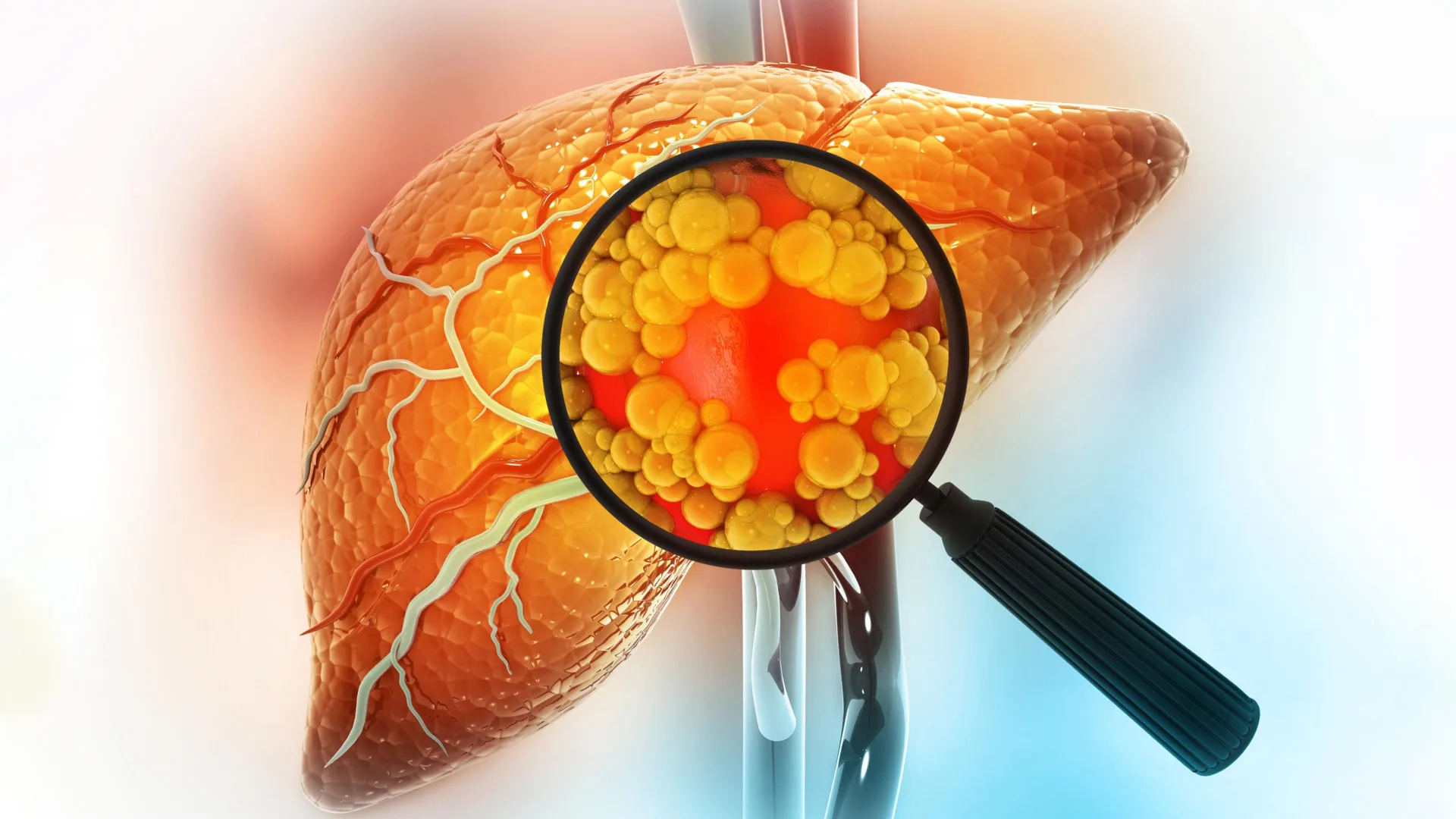
More than a third of the world’s population is affected by metabolic dysfunction-associated steatotic liver disease, or MASLD, the most common chronic liver disease in the world.
MASLD occurs when fat builds up in the liver and is associated with one or more of five conditions: obesity, Type 2 diabetes, high blood pressure, high blood sugar and low HDL cholesterol, known as “good” cholesterol. These conditions are characterized as cardiometabolic risk factors because they affect the heart or metabolism.
MASLD can lead to serious illness, such as advanced liver, heart and kidney disease, but little research has been done to examine if certain cardiometabolic risk factors for those with MASLD are more associated with death than others.
The deadliest cardiometabolic risk factors
Now, a new study from Keck Medicine of USC published in Clinical Gastroenterology and Hepatology reveals that three of the cardiometabolic risk factors carry the greatest risk of death for those with MASLD: high blood pressure, pre-diabetes or Type 2 diabetes, and low HDL, which raise the risk of death by 40%, 25% and 15%, respectively.
These results were independent of how many or which combination of cardiometabolic risk factors patients had, and held steady despite individuals’ gender, sex, race or ethnicity.
“MASLD is a complicated disease, and this study sheds new light on where doctors may want to focus their efforts when treating patients,” said Norah A. Terrault, MD, a hepatologist with Keck Medicine and a senior author of the study. “Knowing which aspects of MASLD might lead to poorer outcomes can help us offer patients the best possible care.”
Researchers were especially surprised to discover that high blood pressure was associated with a higher chance of death than diabetes, said Matthew Dukewich, MD, PharmD, MS, a USC transplant hepatology fellow and lead author of the study. “Until now, it was commonly thought that diabetes was the most pressing health problem for MASLD patients, which is a key insight.”
The study also found that obesity, the most common cardiometabolic risk factor of MASLD, can substantially raise the risk of mortality depending on a patient’s body mass index (BMI), which is a formula used to estimate body fat percentage based on an individual’s height and weight. The higher a patient’s BMI, the higher the association with death.
Additionally, the research adds to the growing body of research that patients with more cardiometabolic risk factors have poorer outcomes. The study found that the risk of death in MASLD patients increased by 15% for each additional cardiometabolic risk factor present.
How the study was conducted
Researchers used data from the National Health and Nutrition Examination Survey (NHANES), which collected health information about children and adults in the United States from 1988-2018, the most current year for which data was available for their study. Out of 134,515 participants 20 years or older, some 21,000 patients qualified as having MASLD.
The study authors tracked all-cause mortality rates by individual cardiometabolic risk factors to reach their conclusions.
Looking ahead, the study authors hope to conduct further studies examining patients’ genetic background, dietary habits and alcohol use in relation to MASLD outcomes to provide more comprehensive risk profiles. “The more we can understand about the drivers of the disease, the more we can identify those most in need of interventions and prioritize our resources for enhanced outcomes,” said Terrault.
Liyun Yuan, MD, a transplant hepatologist with Keck Medicine, is also a study author.
A Swedish-led research team at Karolinska Institutet and Karolinska University Hospital has shown in a new randomized clinical trial that a low dose of the well-known medicine aspirin halves the risk of recurrence after surgery in patients with colon and rectal cancer with a certain type of genetic alteration in the tumor.
Every year, nearly two million people worldwide are diagnosed with colorectal cancer. Between 20 and 40 percent develop metastases, which makes the disease both more difficult to treat and more deadly.
Previous observational studies have suggested that aspirin may reduce the risk of certain cancers and possibly also the risk of recurrence after surgery in patients with colorectal cancer harboring mutations in genes within the PIK3 signaling pathway.
These genes regulate key cellular processes such as growth and division. When mutated, these processes can become dysregulated, leading to uncontrolled cell proliferation and cancer development. However, prior findings have been inconsistent and no randomized clinical trials had previously confirmed the association. To address this gap, the ALASCCA trial was initiated and has now been published in The New England Journal of Medicine.
The current study included more than 3,500 patients with colon and rectal cancer from 33 hospitals in Sweden, Norway, Denmark, and Finland. Patients whose tumors showed a specific genetic mutation in the PIK3 signaling pathway — a mutation found in approximately 40 percent of patients — were randomized to receive either 160 mg of aspirin daily or a placebo for three years after surgery.
For patients with the genetic mutation in PIK3, the risk of recurrence was reduced by 55 percent in those who received aspirin compared with the placebo group.
“Aspirin is being tested here in a completely new context as a precision medicine treatment. This is a clear example of how we can use genetic information to personalize treatment and at the same time save both resources and suffering,” says first author Anna Martling, professor at the Department of Molecular Medicine and Surgery, Karolinska Institutet, and senior consultant surgeon at Karolinska University Hospital.
So how does aspirin reduce the risk of recurrence of colon and rectal cancer? The researchers believe that the effect is likely due to aspirin acting through several parallel mechanisms – it reduces inflammation, inhibits platelet function and tumor growth. This combination makes the environment less favorable for cancer.
“Although we do not yet fully understand all the molecular links, the findings strongly support the biological rationale and suggest that the treatment may be particularly effective in genetically defined subgroups of patients,” says Anna Martling.
The researchers believe that the results could have global significance and influence treatment guidelines for colon and rectal cancer worldwide. Anna Martling sees the fact that the drug is well established as a major advantage.
“Aspirin is a drug that is readily available globally and extremely inexpensive compared to many modern cancer drugs, which is very positive,” says Anna Martling.
The study was funded in part by the Swedish Research Council and the Swedish Cancer Society. The researchers state that there are no conflicts of interest.
Facts: What is aspirin?
Aspirin is a medicine that contains acetylsalicylic acid, a substance that relieves pain, fever, and inflammation. It belongs to the group of NSAIDs (non-steroidal anti-inflammatory drugs). The effect usually occurs within 30 minutes. In low doses, it is also used to prevent blood clots.
Common side effects include stomach problems and increased bleeding tendency. People with stomach ulcers, bleeding disorders, or asthma should avoid aspirin. Aspirin is available over the counter in higher doses, but should be used with caution, especially in combination with other blood-thinning agents or alcohol.
