Maui’s fires drove a 67% jump in deaths. Most went uncounted

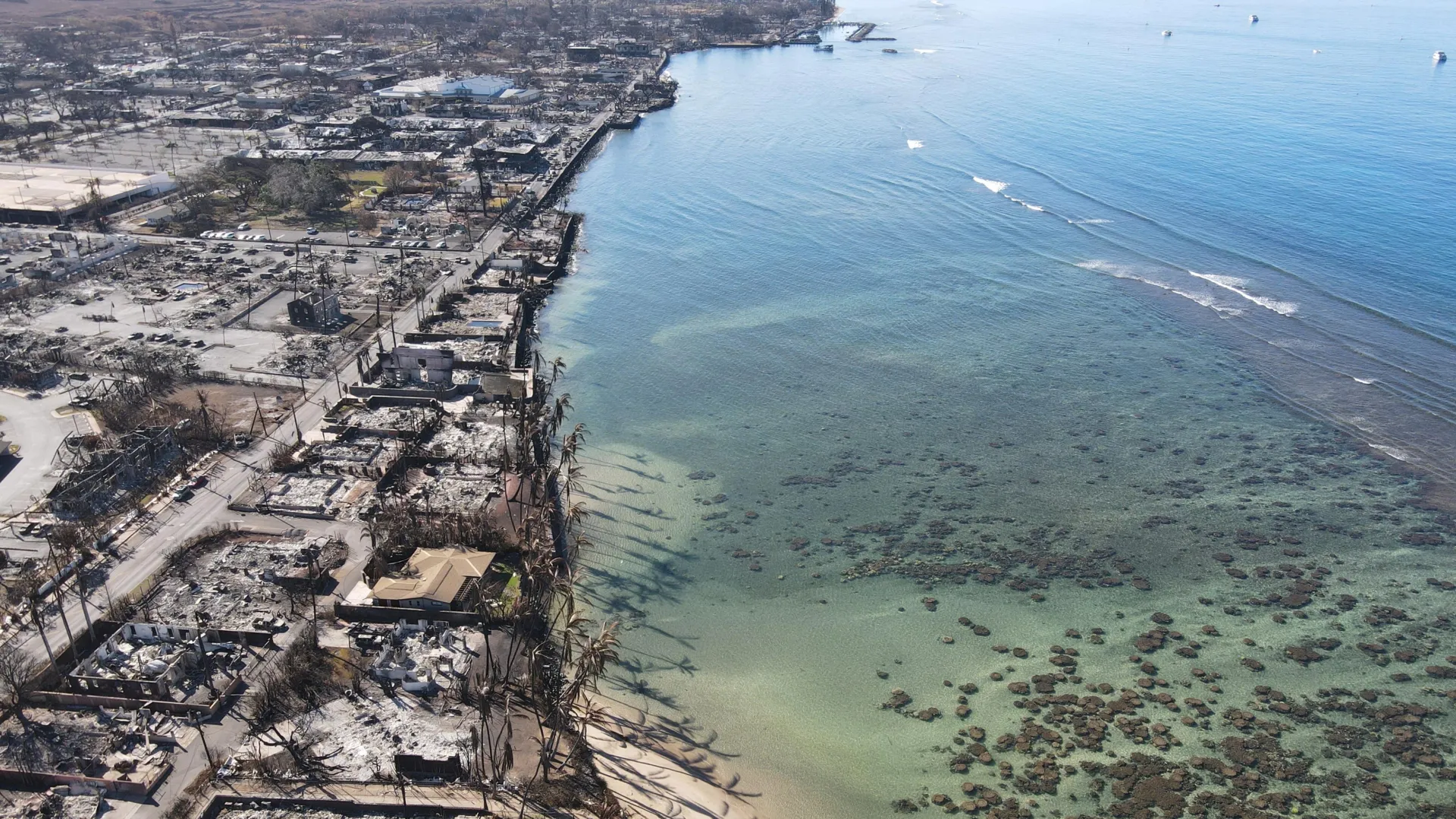
New research unveils the true death toll of the deadly August 2023 wildfires which took place in Lāhainā, Maui, Hawaiʻi — and which temporarily made wildfire a leading cause of death in Maui. By comparing death rates over time, the scientists found that two-thirds more people died that August than would have been expected. To stop this happening again, the authors say, major policy changes are needed, ranging from removing flammable invasive vegetation to improving disaster preparedness.  

“Wildfires can cause a measurable, population-wide increase in mortality, beyond what is captured in official fatality counts,” said Michelle Nakatsuka of the Grossman School of Medicine, co-first author of the article in Frontiers in Climate. “This suggests the true toll of the Lāhainā wildfire was even broader than previously understood.”  

“It also points to the need for prevention strategies that go beyond reactive wildfire control,” added Nakatsuka. “As Native Hawaiians, the co-first authors are especially hopeful that wildfire mitigation strategies will center kānaka maoli perspectives, including the restoration of traditional agroecological systems.” 

Fire risk  

As the climate crisis makes wildfires more common and destructive, understanding the full extent of their impact is critical to mitigating it. To capture the wide range of possible deaths attributable to the fires, the authors calculated the all-cause excess death rate: this is how many more deaths took place over a given period than would have been expected. They trained a model on demographic data from Maui County from August 2018 to July 2023 and weighted the analysis to exclude deaths caused by Covid-19.  

“Wildfires can cause death in a variety of ways,” said Dr Kekoa Taparra of UCLA, co-first author. “In this case, recent reports suggest many deaths were due to direct exposure, smoke inhalation and burns. Others likely stemmed from disruptions in healthcare, like not being able to access critical medications or emergency treatment. Wildfires can also exacerbate pre-existing conditions.” 

The researchers found that in August 2023, 82 more deaths were reported than expected: an excess death rate of 67%. In the week of 19 August, the rate was 367% higher than expected compared to previous years. 80% of these deaths didn’t take place in a medical context, 12% higher than in other months, suggesting some people never reached medical care because of the fires. At the same time, the proportion of deaths with a non-medical cause rose from 68% to 80%.  

This differs slightly from the official fatality count of 102, although it’s very close to the 88 fire-related deaths reported in August 2023 by the CDC.  

“We think this might reflect a temporary drop in other causes of death, like car accidents, during the fire period, similar to what we saw during Covid-19, when deaths from some non-Covid causes dropped during lockdowns,” said Nakatsuka. “It’s also possible that some deaths occurred after the August time window we studied, for example from missed treatments or worsening of chronic conditions.” 

The scientists point out that there are some limitations to this analysis. For instance, the data is not geographically granular enough to identify whether the death toll was particularly high in Lāhainā itself.  

“Our study only covers a short time window, so we can’t speak to longer-term mortality impacts,” explained Nakatsuka. “Excess mortality models also can’t determine exact causes of death, and we didn’t have access to detailed death certificate data like toxicology reports or autopsy findings. Still, we believe this type of analysis offers important insights into the broader health impacts of disasters like the Lāhainā fire.” 

Planting the future 

To protect Hawaiʻi from similar tragedies in the future, the researchers call for improved disaster preparedness and investment in the restoration of Native Hawaiian plants and agroecological systems, which reduce the likelihood of destructive wildfires compared to modern monocultures and invasive plant species.  

“In the short term, it’s critical for people exposed to wildfires to get immediate medical treatment,” said Nakatsuka. “Fast, accessible emergency care can save lives.” 

“In the long term, we’d like to see more policy investment in wildfire prevention rooted in Native Hawaiian ecological knowledge,” said Taparra. “This includes restoring traditional agroecological systems, removing dry, non-native grasses, restoring traditional pre-colonial water systems, and improving fire risk modeling to better guide preparedness efforts.” 

Share Button

Ocean air may add years to your life, research shows

Living within miles of the ocean breeze may be linked to a longer life, but you shouldn’t count on the same benefits if you live in a riverside city, suggests a recent study.

Researchers from The Ohio State University analyzed population data — including life expectancy — in more than 66,000 census tracts throughout the U.S. and compared it based on proximity to waterways. Their study was published online in the journal Environmental Research.

A correlation between longer life expectancy and water was clear for those who live within about 30 miles of an ocean or gulf. But for those who live in urban settings and near an inland body of water larger than 4 square miles, the opposite was true. Rural residents who live near water may also reap some lifespan advantages, according to the research.

“Overall, the coastal residents were expected to live a year or more longer than the 79-year average, and those who lived in more urban areas near inland rivers and lakes were likely to die by about 78 or so. The coastal residents probably live longer due to a variety of intertwined factors,” said lead researcher Jianyong “Jamie” Wu.

The analysis suggested that milder temperatures, better air quality, more opportunities for recreation, better transportation, less susceptibility to drought, and higher incomes could all be contributors to a better outlook for coastal residents compared to those who live inland.

“On the other side, pollution, poverty, lack of safe opportunities to be physically active and an increased risk of flooding are likely drivers of these differences,” said Yanni Cao, a postdoctoral researcher who worked on the study.

The most critical difference the researchers found is that coastal areas experience fewer hot days and lower maximum temperatures compared to inland water areas.

Previous research has found a connection between living near water and better health measures, including higher physical activity levels, lower obesity rates and improved heart health. That prompted Wu to wonder if there could be a link between “blue space” living and longer lives, and how that relationship might differ depending on the type of neighborhood people call home, he said.

“We thought it was possible that any type of ‘blue space’ would offer some beneficial effects, and we were surprised to find such a significant and clear difference between those who live near coastal waters and those who live near inland waters,” said Wu, an assistant professor of environmental health sciences at The Ohio State University College of Public Health.

“We found a clear difference — in coastal areas, people are living longer,” said Wu, adding that the study is the first to comprehensively and systematically examine the relationship between various types of “blue space” and longevity in the U.S.

Cao said she was especially curious about how this data might provide insights into the trends in life expectancy in the U.S. compared to other wealthy nations. In the past several years, the U.S. experienced a sharper decline and a slower rebound in life expectancy than peer countries.

“It’s likely that various social determinants of health, including complex environmental factors, that contribute to health inequities are playing a key role in the differences we saw,” she said.

Ria Martins, a graduate student in public health, was also a co-author.

Share Button

Sitting up straight isn’t the only secret to good posture – here are three more tips

Here are Dr Xand’s three suggestions on how to look after your back without turning into a statue.

Share Button

First human case of flesh-eating screwworm parasite confirmed in US

New World screwworm myiasis was found in a patient who returned to the US from El Salvador, authorities say.

Share Button

How to get the most out of a dehumidifier

Professors Cath Noakes and Richard Fitton explain how dehumidifiers combat mould and why it’s crucial to put them in the right place to be effective.

Share Button

500-million-year-old “squid” were actually ferocious worms

Remarkable fossils found in North Greenland have helped researchers solve a 500-million-year-old puzzle surrounding squid-like ancestors.

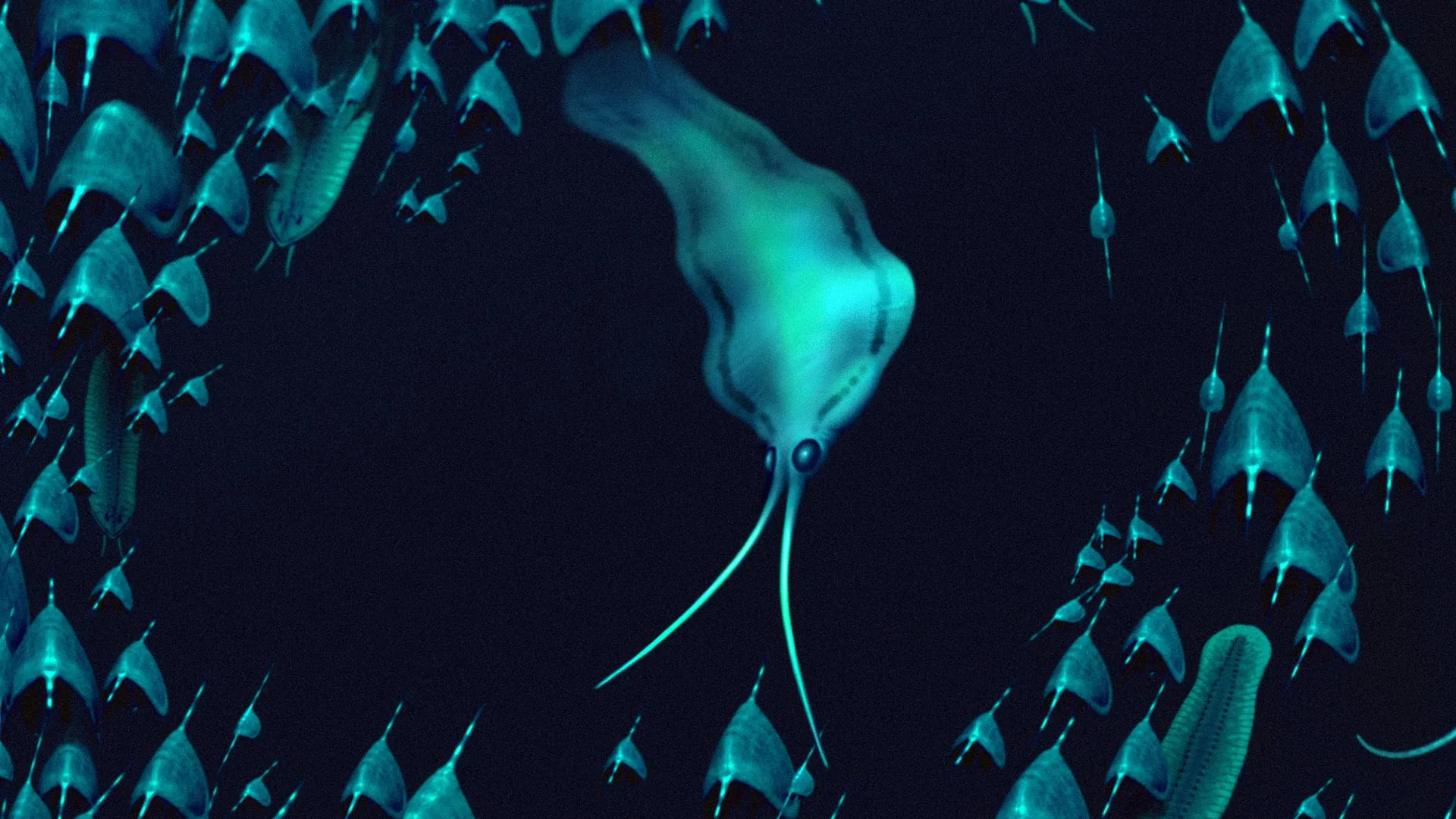
It was previously thought ancient organisms called nectocaridids, which bear a resemblance to squid, were a type of cephalopod – marine molluscs with tentacles and a prominent head. But scientists, co-led by the University of Bristol, have now shown these creatures are actually an early descendent of arrow worms, also known as chaetognaths.

This surprising discovery means the rather simple marine arrow worms had ancestors with much more complex anatomies and a predatory role higher up in the food chain.

The study, in partnership with paleontologists at the Korean Polar Research Institute and University of Copenhagen, is the culmination of a series of excavation expeditions to Sirius Passet in North Greenland, which began nine years ago. The locality is famous for its extreme exceptional preservation of marine organisms from the Early Cambrian around 518 million years ago.

Co-lead author Dr Jakob Vinther, Associate Professor in Macroevolution at the University of Bristol, said: “Sirius Passet is a treasure trove of fossils from the Cambrian Explosion. We not only find delicate soft-bodied fossils but also their digestive systems, musculature and sometimes even their nervous system.

“Around 15 years ago a research paper, based on fossils from the famous Burgess Shale, claimed nectocaridids were cephalopods. It never really made sense to me, as the hypothesis would upend everything we otherwise know about cephalopods and their anatomy didn’t closely match cephalopods when you looked carefully.”

The research team’s excitement grew as fossils of the mysterious nectocaridids were unearthed in Sirius Passet for the first time.

By analysing 25 fossil specimens, the researchers were able to pinpoint where nectocaridids fit into the tree of life. The solution came from Sirius Passets’ unique preservation conditions resulting in their nervous systems commonly remaining intact.

“We discovered our nectocaridids preserve parts of their nervous system as paired mineralized structures, and that was a giveaway as to where these animals sit in the tree of life,” Dr Vinther explained.

Recently, the team uncovered fossils in Sirius Passet belonging to another branch of the animal tree – a small group of swimming worms called arrow worms or chaetognaths.

“These fossils all preserve a unique feature, distinct for arrow worms, called the ventral ganglion,” said co-lead author Dr Tae-Yoon Park of the Korean Polar Institute.

The ventral ganglion is a large mass of nerves situated on the belly of living arrow worms, which is unique to this type of creature. The unique anatomy of the organ combined with the special preservation conditions means it sometimes is replaced by phosphate minerals during decay.

Dr Park added: “We now had a smoking gun to resolve the nectocaridid controversy. Nectocaridids share a number of features with some of the other fossils that also belong to the arrow worm stem lineage. Many of these features are superficially squid-like and reflect simple adaptations to an active swimming mode of life in invertebrates, just like whales and ancient marine reptiles end up looking like fish when they evolve such a mode of life.”

The discovery helps reveal clues about arrow worms and their past.

“Nectocaridids have complex camera eyes just like ours. Living arrow worms can hardly form an image beyond working out roughly where the sun shines. So, the ancestors of arrow worms were really complex predators, just like the squids that only evolved about 400 million years later,” Dr Vinther added.

“We can therefore show how arrow worms used to occupy a role much higher in the food chain. Our fossils can be much bigger than a typical living arrow worm and combined with their swimming apparatus, eyes and long antennae, they must have been formidable and stealthy predators.”

As further evidence for nectocaridids being swimming carnivores, the researchers found several specimens with the carapaces of a swimming arthropod, called Isoxys, inside their digestive tract.

The fossil is named Nektognathus evasmithae. The species name honours Professor Eva Smith, the first female professor of law in Denmark and renowned human rights advocate.

Dr Vinther said: “My decision to name our fossil after Eva, is that this animal was a smart and stealthy fighter just like she is.”

Share Button

The Conversation

Two women leading the way in Equine Assisted Therapy and Learning

Share Button

Scientists discover flaws that make electronics faster, smarter, and more efficient

Scientists have turned a longstanding challenge in electronics — material defects — into a quantum-enhanced solution, paving the way for new-generation ultra-low-power spintronic devices.

Spintronics, short for “spin electronics,” is a field of technology that aims to go beyond the limits of conventional electronics. Traditional devices rely only on the electric charge of electrons to store and process information. Spintronics takes advantage of two additional quantum properties: spin angular momentum, which can be imagined as a built-in “up” or “down” orientation of the electron, and orbital angular momentum, which describes how electrons move around atomic nuclei. By using these extra degrees of freedom, spintronic devices can store more data in smaller spaces, operate faster, consume less energy, and retain information even when the power is switched off.

A longstanding challenge in spintronics has been the role of material defects. Introducing imperfections into a material can sometimes make it easier to “write” data into memory bits by reducing the current needed, but this typically comes at a cost: electrical resistance increases, spin Hall conductivity declines, and overall power consumption goes up. This trade-off has been a major obstacle to developing ultra-low-power spintronic devices.

Now, the Flexible Magnetic-Electronic Materials and Devices Group from the Ningbo Institute of Materials Technology and Engineering (NIMTE) of the Chinese Academy of Sciences have found a way to turn this problem into an advantage. Their study, published in Nature Materials, focused on the orbital Hall effect in strontium ruthenate (SrRuO3), a transition metal oxide whose properties can be finely tuned. This quantum phenomenon causes electrons to move in a way determined by their orbital angular momentum.

Using custom-designed devices and precision measurement techniques, the researchers uncovered an unconventional scaling law that achieves a “two birds with one stone” outcome: Defect engineering simultaneously boosts both orbital Hall conductivity and orbital Hall angle, a stark contrast to conventional spin-based systems.

To explain this finding, the team linked it to the Dyakonov-Perel-like orbital relaxation mechanism. “Scattering processes that typically degrade performance actually extend the lifetime of orbital angular momentum, thereby enhancing orbital current,” said Dr. Xuan Zheng, a co-first author of the study.

“This work essentially rewrites the rulebook for designing these devices,” said Prof. Zhiming Wang, a corresponding author of the study. “Instead of fighting material imperfections, we can now exploit them.”

Experimental measurements confirm the technology’s potential: tailored conductivity modulation yielded a threefold improvement in switching energy efficiency.

This study not only provides new insights into orbital transport physics but also redefines design strategies for energy-efficient spintronics.

This study received support from the National Key Research and Development Program of China, the National Natural Science Foundation of China, and other funding bodies.

Share Button

Scientists supercharge solar power 15x with black metal tech

In the quest for energy independence, researchers have studied solar thermoelectric generators (STEGs) as a promising source of solar electricity generation. Unlike the photovoltaics currently used in most solar panels, STEGs can harness all kinds of thermal energy in addition to sunlight. The simple devices have hot and cold sides with semiconductor materials in between, and the difference in temperature between the sides generates electricity through a physical phenomenon known as the Seebeck effect.

But current STEGs have major efficiency limitations preventing them from being more widely adopted as a practical form of energy production. Right now, most solar thermoelectric generators convert less than 1 percent of sunlight into electricity, compared to roughly 20 percent for residential solar panel systems.

That gap in efficiency was dramatically reduced through new techniques developed by researchers at the University of Rochester’s Institute of Optics. In a study published in Light: Science and Applications, the team described their unique spectral engineering and thermal management methods to create a STEG device that generates 15 times more power than previous devices.

“For decades, the research community has been focusing on improving the semiconductor materials used in STEGs and has made modest gains in overall efficiency,” says Chunlei Guo, a professor of optics and of physics and a senior scientist at Rochester’s Laboratory for Laser Energetics. “In this study, we don’t even touch the semiconductor materials — instead, we focused on the hot and the cold sides of the device instead. By combining better solar energy absorption and heat trapping at the hot side with better heat dissipation at the cold side, we made an astonishing improvement in efficiency.”

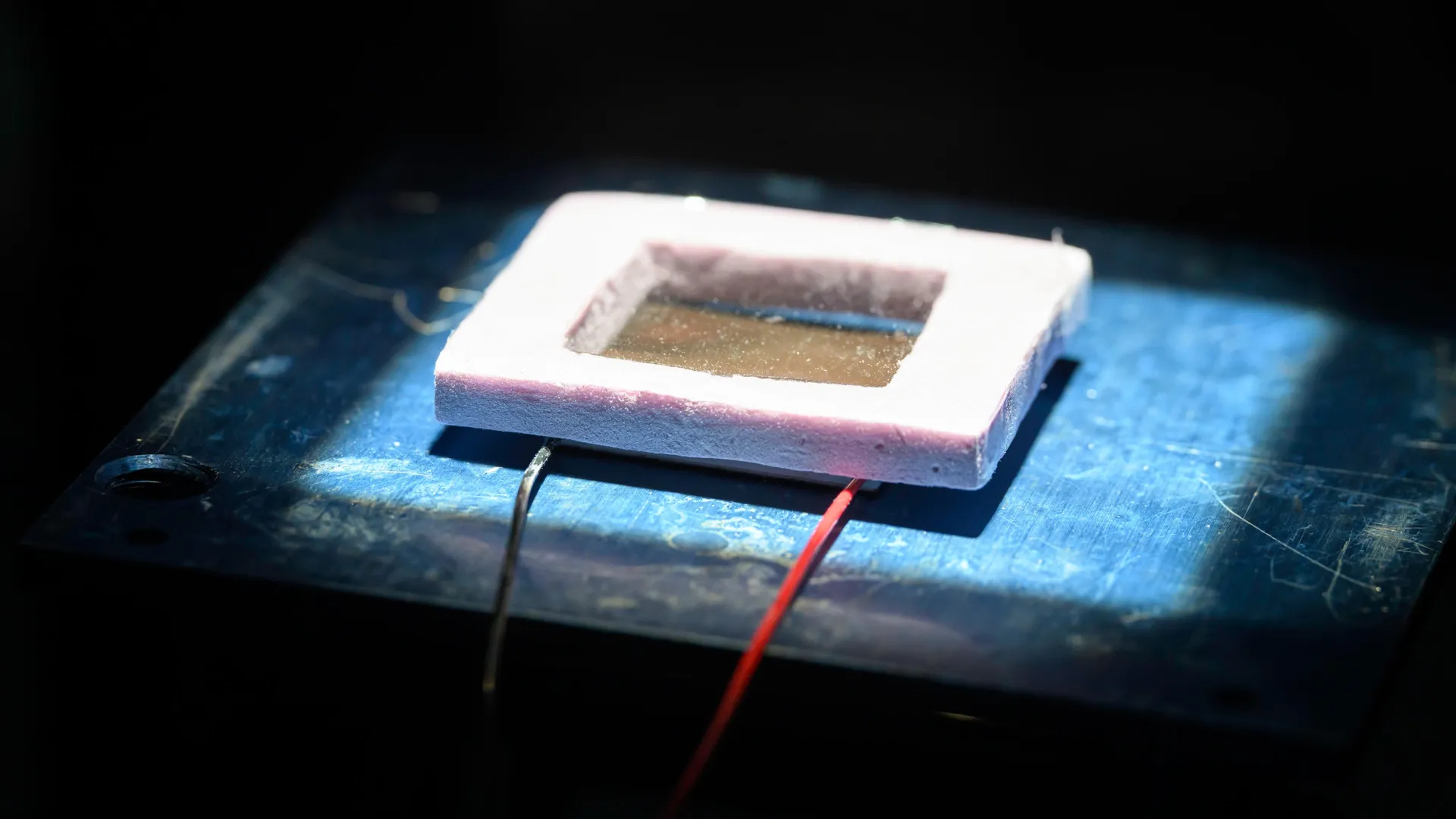
The new, high-efficiency STEGs were engineered with three strategies. First, on the hot side of the STEG, the researchers used a special black metal technology developed in Guo’s lab to transform regular tungsten to selectively absorb light at the solar wavelengths. Using powerful femtosecond laser pulses to etch metal surfaces with nanoscale structures, they enhanced the material’s energy absorption from sunlight, while also reducing heat dissipation at other wavelengths.

Second, the researchers “covered the black metal with a piece of plastic to make a mini greenhouse, just like on a farm,” says Guo. “You can minimize the convection and conduction to trap more heat, increasing the temperature on the hot side.”

Lastly, on the cold side of the STEG, they once again used femtosecond laser pulses, but this time on regular aluminum, to create a heat sink with tiny structures that improved the heat dissipation through both radiation and convection. That process doubles the cooling performance of a typical aluminum heat dissipator.

In the study, Guo and his research team provided a simple demonstration of how their STEGS can be used to power LEDs much more effectively than the current methods. Guo says the technology could also be used to power wireless sensors for the Internet of Things, fuel wearable devices, or serve as off-grid renewable energy systems in rural areas.

The National Science Foundation, FuzeHub, and the Goergen Institute for Data Science and Artificial Intelligence supported the research.

Share Button

Strange ripples frozen in Mars’ sands could hold keys to human survival

On Mars, the past is written in stone — but the present is written in sand. Last week, Perseverance explored inactive megaripples to learn more about the wind-driven processes that are reshaping the Martian landscape every day.

After wrapping up its investigation at the contact between clay and olivine-bearing rocks at “Westport,” Perseverance is journeying south once more. Previously, attempts were made to drive uphill to visit a new rock exposure called “Midtoya.” However, a combination of the steep slope and rubbly, rock-strewn soil made drive progress difficult, and after several attempts, the decision was made to return to smoother terrain. Thankfully, the effort wasn’t fruitless, as the rover was able to gather data on new spherule-rich rocks thought to have rolled downhill from “Midtoya,” including the witch hat or helmet-shaped rock “Horneflya,” which has attracted much online interest.

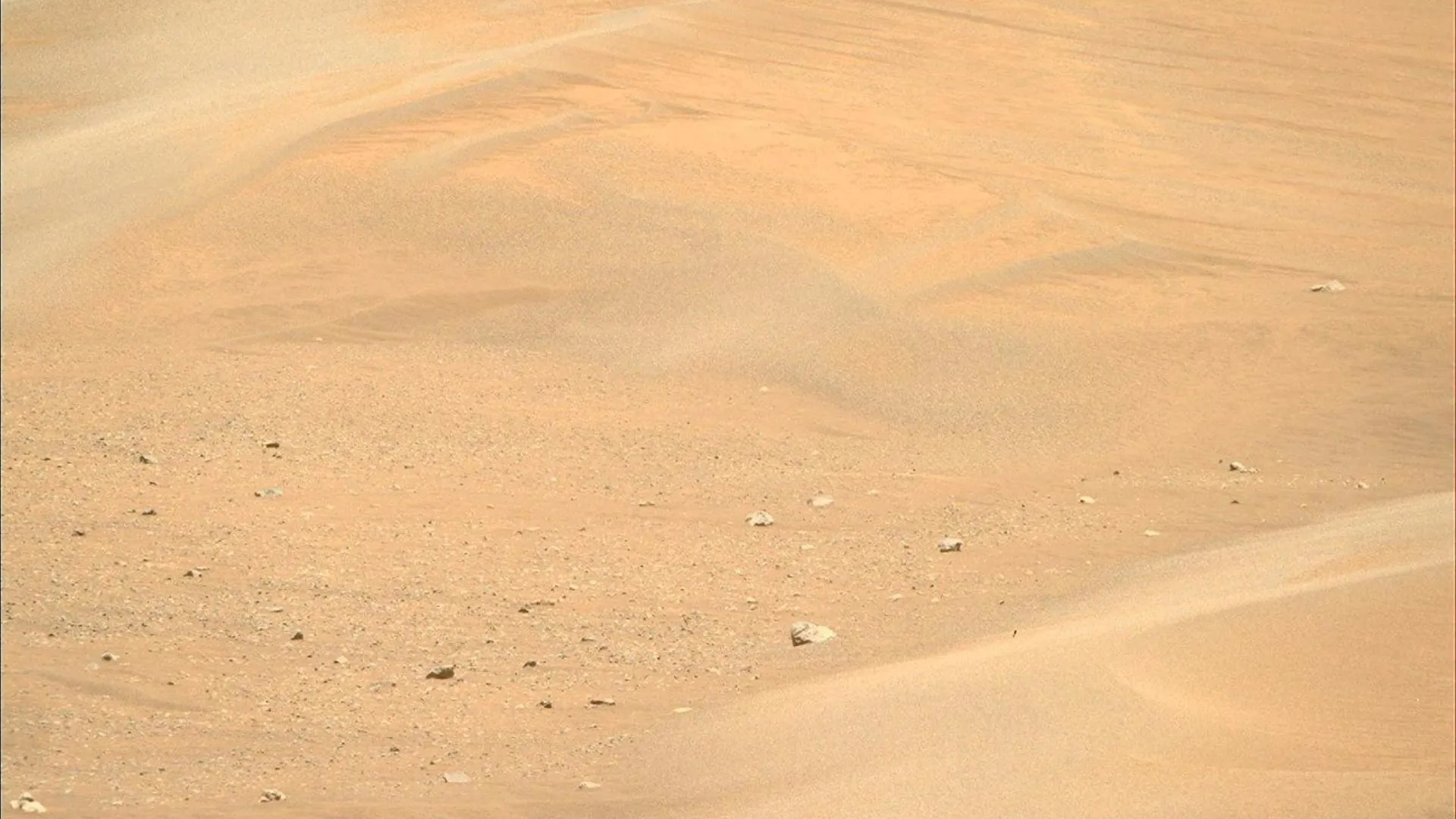
More recently, Perseverance explored a site called “Kerrlaguna” where the steep slopes give way to a field of megaripples: large windblown sand formations up to 1 meter (about 3 feet) tall. The science team chose to perform a mini-campaign to make a detailed study of these features. Why such interest? While often the rover’s attention is focused on studying processes in Mars’ distant past that are recorded in ancient rocks, we still have much to learn about the modern Martian environment.

Almost a decade ago, Perseverance’s forerunner Curiosity studied an active sand dune at “Namib Dune” on the floor of Gale crater, where it took a memorable selfie. However the smaller megaripples — and especially dusty, apparently no longer active ones like at “Kerrlaguna” — are also common across the surface of Mars. These older immobile features could teach us new insights about the role that wind and water play on the modern Martian surface.

After arriving near several of these inactive megaripples, Perseverance performed a series of measurements using its SuperCam, Mastcam-Z, and MEDA science instruments in order to characterize the surrounding environment, the size and chemistry of the sand grains, and any salty crusts that may have developed over time.

Besides furthering our understanding of the Martian environment, documenting these potential resources could help us prepare for the day when astronauts explore the Red Planet and need resources held within Martian soils to help them survive. It is hoped that this investigation at “Kerrlaguna” can provide a practice run for a more comprehensive campaign located at a more extensive field of larger bedforms at “Lac de Charmes,” further along the rover traverse.

Written by Melissa Rice, Professor of Planetary Science at Western Washington University

Share Button