Art Shape works with the NHS to deliver creative courses as prescriptions.


Art Shape works with the NHS to deliver creative courses as prescriptions.
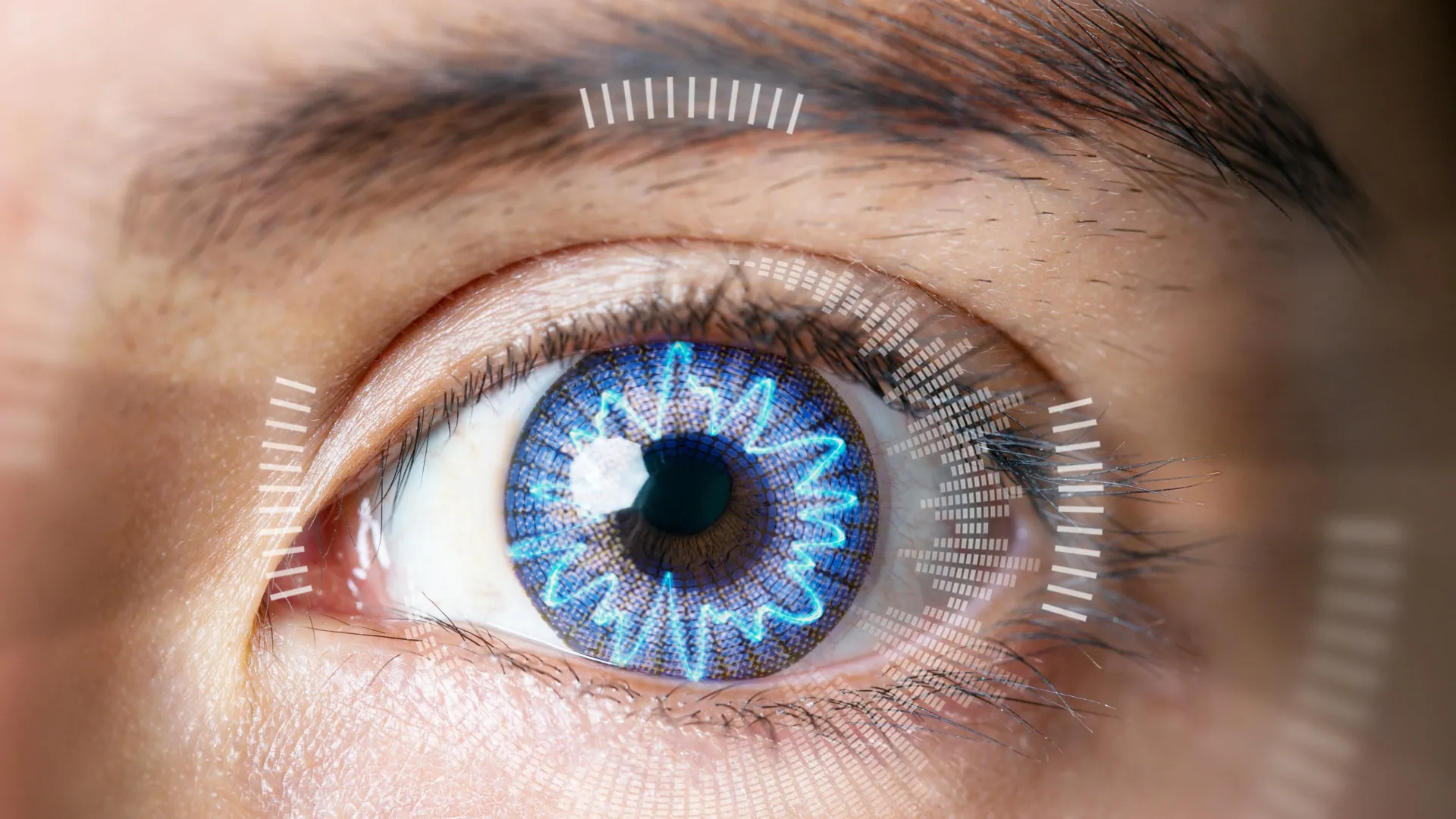
Millions of Americans have altered vision, ranging from blurriness to blindness. But not everyone wants to wear prescription glasses or contact lenses. Accordingly, hundreds of thousands of people undergo corrective eye surgery each year, including LASIK — a laser-assisted surgery that reshapes the cornea and corrects vision. The procedure can result in negative side effects, prompting researchers to take the laser out of LASIK by remodeling the cornea, rather than cutting it, in initial animal tissue tests.
Michael Hill, a professor of chemistry at Occidental College, will present his team’s results at the fall meeting of the American Chemical Society (ACS). ACS Fall 2025 is being held Aug. 17-21; it features about 9,000 presentations on a range of science topics.
Human corneas are dome-shaped, clear structures that sit at the front of the eye, bending light from surroundings and focusing it onto the retina, where it’s sent to the brain and interpreted as an image. But if the cornea is misshapen, it doesn’t focus light properly, resulting in a blurry image. With LASIK, specialized lasers reshape the cornea by removing precise sections of the tissue. This common procedure is considered safe, but it has some limitations and risks, and cutting the cornea compromises the structural integrity of the eye. Hill explains that “LASIK is just a fancy way of doing traditional surgery. It’s still carving tissue — it’s just carving with a laser.”
But what if the cornea could be reshaped without the need for any incisions?
This is what Hill and collaborator Brian Wong are exploring through a process known as electromechanical reshaping (EMR). “The whole effect was discovered by accident,” explains Wong, a professor and surgeon at the University of California, Irvine. “I was looking at living tissues as moldable materials and discovered this whole process of chemical modification.”
In the body, the shapes of many collagen-containing tissues, including corneas, are held in place by attractions of oppositely charged components. These tissues contain a lot of water, so applying an electric potential to them lowers the tissue’s pH, making it more acidic. By altering the pH, the rigid attractions within the tissue are loosened and make the shape malleable. When the original pH is restored, the tissue is locked into the new shape.
Previously, the researchers used EMR to reshape cartilage-rich rabbit ears, as well as alter scars and skin in pigs. But one collagen-rich tissue that they were eager to explore was the cornea.
In this work, the team constructed specialized, platinum “contact lenses” that provided a template for the corrected shape of the cornea, then placed each over a rabbit eyeball in a saline solution meant to mimic natural tears. The platinum lens acted as an electrode to generate a precise pH change when the researchers applied a small electric potential to the lens. After about a minute, the cornea’s curvature conformed to the shape of the lens — about the same amount of time LASIK takes, but with fewer steps, less expensive equipment and no incisions.
They repeated this setup on 12 separate rabbit eyeballs, 10 of which were treated as if they had myopia, or nearsightedness. In all the “myopic” eyeballs, the treatment dialed in the targeted focusing power of the eye, which would correspond to improved vision. The cells in the eyeball survived the treatment, because the researchers carefully controlled the pH gradient. Additionally, in other experiments, the team demonstrated that their technique might be able to reverse some chemical-caused cloudiness to the cornea — a condition that is currently only treatable through a complete corneal transplant.
Though this initial work is promising, the researchers emphasize that it is in its very early stages. Next up is what Wong describes as, “the long march through animal studies that are detailed and precise,” including tests on a living rabbit rather than just its eyeball. They also plan to determine the types of vision correction possible with EMR, such as near- and far-sightedness and astigmatism. Though the next steps are planned, uncertainties in the team’s scientific funding have put them on hold. “There’s a long road between what we’ve done and the clinic. But, if we get there, this technique is widely applicable, vastly cheaper and potentially even reversible,” concludes Hill.
Title Electrochemical corneal refraction
Abstract The cornea is a transparent, highly organized anatomical structure that is responsible for ~2/3 of the refractive power of the eye. The corneal stroma consists of orthogonally stacked collagen- fibril lamellae whose molecular composition and precise macromolecular geometry eliminate backscattered light and maintain the shape of the cornea. Anatomical variation, birth defects, trauma, and various pathologies can alter the shape, structural stability, and transparency of the cornea, thus affecting vision. Surgical interventions to treat myopia, hyperopia, and astigmatism include laser-assisted in situ keratomileusis (LASIK) and photorefractive keratectomy (PRK). Despite their popularity, these procedures are expensive and permanently lower the biomechanical strength of the cornea. Here we report our efforts to apply electromechanical reshaping (EMR) as a molecular- based, non-ablative/non-incisional alternative to laser vision refraction, using ex vivo rabbit globes. EMR relies on short electrochemical pulses to electrolyze interstitial water, with subsequent diffusion of protons into the extracellular matrix of collagenous tissues; protonation of immobilized anions within this matrix disrupts the ionic-bonding network that provides structural integrity. This leaves the tissue transiently responsive to mechanical remodeling; subsequent re-equilibration to physiological pH restores the ionic matrix, resulting in persistent shape change of the tissue. Optical coherence tomography (OCT), second-harmonic generation (SHG), and confocal microscopy suggest that EMR enables control over corneal contouring while maintaining the underlying macromolecular collagen structure and stromal cellular viability.
This research was funded by the National Eye Institute of the National Institutes of Health and the John Stauffer Charitable Trust.
Andrew had known since childhood that one day he would lose his sight. He donated his skin cells to researchers working on a treatment, hoping for a breakthrough not just for himself, but also for his daughter…
An undeclared drug that can cause drowsiness and headaches has been found in Nutrition Ignition supplements.

How can the behavior of elementary particles and the structure of the entire universe be described using the same mathematical concepts? This question is at the heart of recent work by the mathematicians Claudia Fevola from Inria Saclay and Anna-Laura Sattelberger from the Max Planck Institute for Mathematics in the Sciences, recently published in the Notices of the American Mathematical Society.
To the point:
Mathematics and physics share a close, reciprocal relationship. Mathematics offers the language and tools to describe physical phenomena, while physics drives the development of new mathematical ideas. This interplay remains vital in areas such as quantum field theory and cosmology, where advanced mathematical structures and physical theory evolve together.
In their article, the authors explore how algebraic structures and geometric shapes can help us understand phenomena ranging from particle collisions such as happens, for instance, in particle accelerators to the large-scale architecture of the cosmos. Their research is centered around algebraic geometry. Their recent undertakings also connect to a field called positive geometry – an interdisciplinary and novel subject in mathematics driven by new ideas in particle physics and cosmology. This field was inspired by the geometrical concept of positive geometry which expands the standard Feynman diagram approach in particle physics by representing interactions as volumes of high-dimensional geometric objects, such as the amplituhedron, as introduced by the theoretical physicists Nima Arkani-Hamed and Jaroslav Trnka in 2013. It carries a rich combinatorial structure and offers an alternative, potentially simpler way to compute scattering amplitudes, from which one can derive probabilities of scattering events.
This approach has far-reaching implications that go beyond particle physics. In cosmology, scientists are using the faint light of the cosmic microwave background and the distribution of galaxies to infer what shaped the early universe. Similar mathematical tools are now being applied. For instance, cosmological polytopes, which are themselves positive geometries, can represent correlations in the universe’s first light and help reconstruct the physical laws that governed the birth of the cosmos.
A Geometry for the Universe
The article highlights that positive geometry is not a niche mathematical curiosity but a potential unifying language for form branches of theoretical physics. These geometric frameworks naturally encode the transfer of information between physical systems, for example, by mapping concrete, sensory-based concepts to abstract structures, a process that mirrors how humans metaphorically understand the world.
The mathematics behind this is sophisticated and spans multiple disciplines. The authors draw on algebraic geometry, which defines shapes and spaces through solutions to systems of polynomial equations, algebraic analysis, which studies differential equations through mathematical objects called D-modules, and combinatorics, which describes the arrangements and interactions within these structures.
The formal objects under consideration, such as Feynman integrals, generalized Euler integrals, or canonical forms of positive geometries, are not merely mathematical abstractions. They correspond to observable phenomena in high-energy physics and cosmology, enabling precision computations of particle behavior and cosmic structures alike.
Bridging Scales with Mathematics
The study presents an approach with broad applicability and scalability. Scattering processes are often illustrated using Feynman diagrams. Feynman’s approach in the study of scattering amplitudes boils down to the study of intricate integrals associated to such diagrams. Algebraic geometry provides a range of tools for systematically investigating these integrals.
The graph polynomial of a Feynman diagram is defined in terms of the spanning trees and forests of the underlying graph. The associated Feynman integral can be expressed as a Mellin transform of a power of this graph polynomial, interpreted as a function of its coefficients. These coefficients, however, are constrained by the underlying physical conditions. Feynman integrals are therefore closely connected to generalized Euler integrals, specifically through restrictions to the relevant geometric subspaces. One way to study these holonomic functions is via the linear differential equations they satisfy, which are D-module inverse images of hypergeometric D-modules. Constructing these differential equations explicitly, however, remains challenging. In theoretical cosmology, correlation functions in toy models also take the form of such integrals, with integrands arising from hyperplane arrangements.
The complement of the algebraic variety defined by the graph polynomial in an algebraic torus is a very affine variety, and the Feynman integral can be viewed as the pairing of a twisted cycle and cocycle of this variety. Its geometric and (co-)homological properties reflect physical concepts such as the number of master integrals. These master integrals form a basis for the space of integrals when the kinematic parameters vary, and the size of this basis is, at least generically, equal to the signed topological Euler characteristic of the variety.
A Field in Motion
Fevola and Sattelberger’s work reflects a growing international effort, supported by the ERC synergy grant UNIVERSE+ of Nima Arkani-Hamed, Daniel Baumann, and Johannes Henn, Bernd Sturmfels. It brings together mathematics, particle physics, and cosmology focusing on precisely these connections between algebra, geometry, and theoretical physics. “Positive geometry is still a young field, but it has the potential to significantly influence fundamental research in both physics and mathematics,” the authors emphasize. “It is now up to the scientific community to work out the details of these emerging mathematical objects and theories and to validate them. Encouragingly, several successful collaborations have already laid important groundwork.”
The recent developments are not only advancing our understanding of the physical world but also pushing the boundaries of mathematics itself. Positive geometry is more than a tool. It is a language. One that might unify our understanding of nature at all scales.
Faye Woodley says dental care in the UK “feels like we’re going back to Victorian times”.
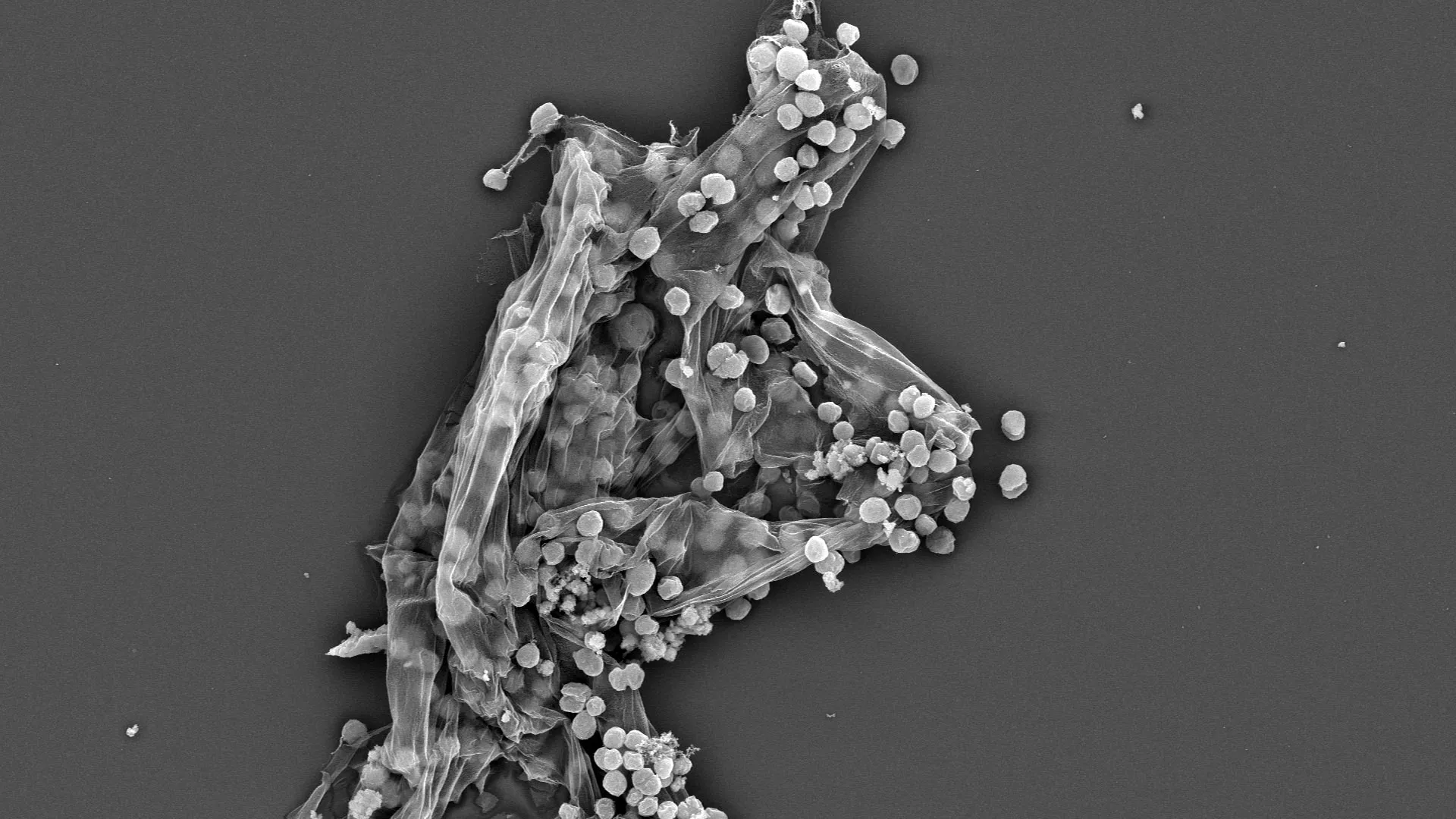
Roughly two-thirds of all emissions of atmospheric methane — a highly potent greenhouse gas that is warming planet Earth — come from microbes that live in oxygen-free environments like wetlands, rice fields, landfills and the guts of cows.
Tracking atmospheric methane to its specific sources and quantifying their importance remains a challenge, however. Scientists are pretty good at tracing the sources of the main greenhouse gas, carbon dioxide, to focus on mitigating these emissions. But to trace methane’s origins, scientists often have to measure the isotopic composition of methane’s component atoms, carbon and hydrogen, to use as a fingerprint of various environmental sources.
A new paper by researchers at the University of California, Berkeley, reveals how the activity of one of the main microbial enzymes involved in producing methane affects this isotope composition. The finding could change how scientists calculate the contributions of different environmental sources to Earth’s total methane budget.
“When we integrate all the sources and sinks of carbon dioxide into the atmosphere, we kind of get the number that we’re expecting from direct measurement in the atmosphere. But for methane, large uncertainties in fluxes exist — within tens of percents for some of the fluxes — that challenge our ability to precisely quantify the relative importance and changes in time of the sources,” said UC Berkeley postdoctoral fellow Jonathan Gropp, who is first author of the paper. “To quantify the actual sources of methane, you need to really understand the isotopic processes that are used to constrain these fluxes.”
Gropp teamed up with a molecular biologist and a geochemist at UC Berkeley to, for the first time, employ CRISPR to manipulate the activity of this key enzyme to reveal how these methanogens interact with their food supply to produce methane.
“It is well understood that methane levels are rising, but there is a lot of disagreement on the underlying cause,” said co-author Dipti Nayak, UC Berkeley assistant professor of molecular and cell biology. “This study is the first time the disciplines of molecular biology and isotope biogeochemistry have been fused to provide better constraints on how the biology of methanogens controls the isotopic composition of methane.”
Many elements have heavier or lighter versions, called isotopes, that are found in small proportions in nature. Humans are about 99% carbon-12 and 1% carbon-13, which is slightly heavier because it has an extra neutron in its nucleus. The hydrogen in water is 99.985% hydrogen-1 and 0.015% deuterium or hydrogen-2, which is twice as heavy because it has a neutron in its nucleus.
The natural abundances of isotopes are reflected in all biologically produced molecules and variations can be used to study and fingerprint various biological metabolisms.
“Over the last 70 years, people have shown that methane produced by different organisms and other processes can have distinctive isotopic fingerprints,” said geochemist and co-author Daniel Stolper, UC Berkeley associate professor of earth and planetary science. “Natural gas from oil deposits often looks one way. Methane made by the methanogens within cow guts looks another way. Methane made in deep sea sediments by microorganisms has a different fingerprint. Methanogens can consume or ‘eat’, if you will, a variety of compounds including methanol, acetate or hydrogen; make methane; and generate energy from the process. Scientists have commonly assumed that the isotopic fingerprint depends on what the organisms are eating, which often varies from environment to environment, creating our ability to link isotopes to methane origins.”
“I think what’s unique about the paper is, we learned that the isotopic composition of microbial methane isn’t just based on what methanogens eat,” Nayak said. “What you ‘eat’ matters, of course, but the amount of these substrates and the environmental conditions matter too, and perhaps more importantly, how microbes react to those changes.”
“Microbes respond to the environment by manipulating their gene expression, and then the isotopic compositions change as well,” Gropp said. “This should cause us to think more carefully when we analyze data from the environment.”
The paper will appear Aug. 14 in the journal Science.
Vinegar- and alcohol-eating microbes
Methanogens — microorganisms that are archaea, which are on an entirely separate branch of the tree of life from bacteria — are essential to ridding the world of dead and decaying matter. They ingest simple molecules — molecular hydrogen, acetate or methanol, for example — excreted by other organisms and produce methane gas as waste. This natural methane can be observed in the pale Will-o’-the-wisps seen around swamps and marshes at night, but it’s also released invisibly in cow burps, bubbles up from rice paddies and natural wetlands and leaks out of landfills. While most of the methane in the natural gas we burn formed in association with hydrocarbon generation, some deposits were originally produced by methanogens eating buried organic matter.
The isotopic fingerprint of methane produced by methanogens growing on different “food” sources has been well established in laboratory studies, but scientists have found that in the complexity of the real world, methanogens don’t always produce methane with the same isotopic fingerprint as seen in the lab. For example, when grown in the lab, species of methanogens that eat acetate (essentially vinegar), methanol (the simplest alcohol), or molecular hydrogen (H2) produce methane, CH4, with a ratio of hydrogen and carbon isotopes different from the ratios observed in the environment.
Gropp had earlier created a computer model of the metabolic network in methanogens to understand better how the isotope composition of methane is determined. When he got a fellowship to come to UC Berkeley, Stolper and Nayak proposed that he experimentally test his model. Stolper’s laboratory specializes in measuring isotope compositions to explore Earth’s history. Nayak studies methanogens and, as a postdoctoral fellow, found a way to use CRISPR gene editing in methanogens. Her group recently altered the expression of the key enzyme in methanogens that produces the methane — methyl-coenzyme M reductase (MCR) — so that its activity can be dialed down. Enzymes are proteins that catalyze chemical reactions.
Experimenting with these CRISPR-edited microbes — in a common methanogen called Methanosarcina acetivorans growing on acetate and methanol — the researchers looked at how the isotopic composition of methane changed when the enzyme activity was reduced, mimicking what is thought to happen when the microbes are starved for their preferred food.
They found that when MCR is at low concentrations, cells respond by altering the activity of many other enzymes in the cell, causing their inputs and outputs to accumulate and the rate of methane generation to slow so much that enzymes begin running both backwards and forwards. In reverse, these other enzymes remove a hydrogen from carbon atoms; running forward, they add a hydrogen. Together with MCR, they ultimately produce methane (CH4). Each forward and reverse cycle requires one of these enzymes to pull a hydrogen off of the carbon and add a new one ultimately sourced from water. As a result, the isotopic composition of methane’s four hydrogen molecules gradually comes to reflect that of the water, and not just their food source, which starts with three hydrogens.
This is different from typical assumptions for growth on acetate and methanol that assume no exchange between hydrogen derived from water and that from the food source.
“This isotope exchange we found changes the fingerprint of methane generated by acetate and methanol consuming methanogens vs. that typically assumed. Given this, it might be that we have underestimated the contribution of the acetate-consuming microbes, and they might be even more dominant than we have thought,” Gropp said. “We’re proposing that we at least should consider the cellular response of methanogens to their environment when studying isotopic composition of methane.”
Beyond this study, the CRISPR technique for tuning production of enzymes in methanogens could be used to manipulate and study isotope effects in other enzyme networks broadly, which could help researchers answer questions about geobiology and the Earth’s environment today and in the past.
“This opens up a pathway where modern molecular biology is married with isotope-geochemistry to answer environmental problems,” Stolper said. “There are an enormous number of isotopic systems associated with biology and biochemistry that are studied in the environment; I hope we can start looking at them in the way molecular biologists now are looking at these problems in people and other organisms — by controlling gene expression and looking at how the stable isotopes respond.”
For Nayak, the experiments are also a big step in discovering how to alter methanogens to derail production of methane and redirect their energy to producing useful products instead of an environmentally destructive gas.
“By reducing the amount of this enzyme that makes methane and by putting in alternate pathways that the cell can use, we can essentially give them another release valve, if you will, to put those electrons, which they were otherwise putting in carbon to make methane, into something else that would be more useful,” she said.
Other co-authors of the paper are Markus Bill of Lawrence Berkeley National Laboratory and former UC Berkeley postdoc Rebekah Stein, and Max Lloyd, who is a professor at Penn State University. Gropp was supported by a fellowship from the European Molecular Biology Organization. Nayak and Stolper were funded, in part, by Alfred B. Sloan Research Fellowships. Nayak also is an investigator with the Chan-Zuckerberg Biohub.
Her story has reignited conversations about the condition that affects about one in ten women.
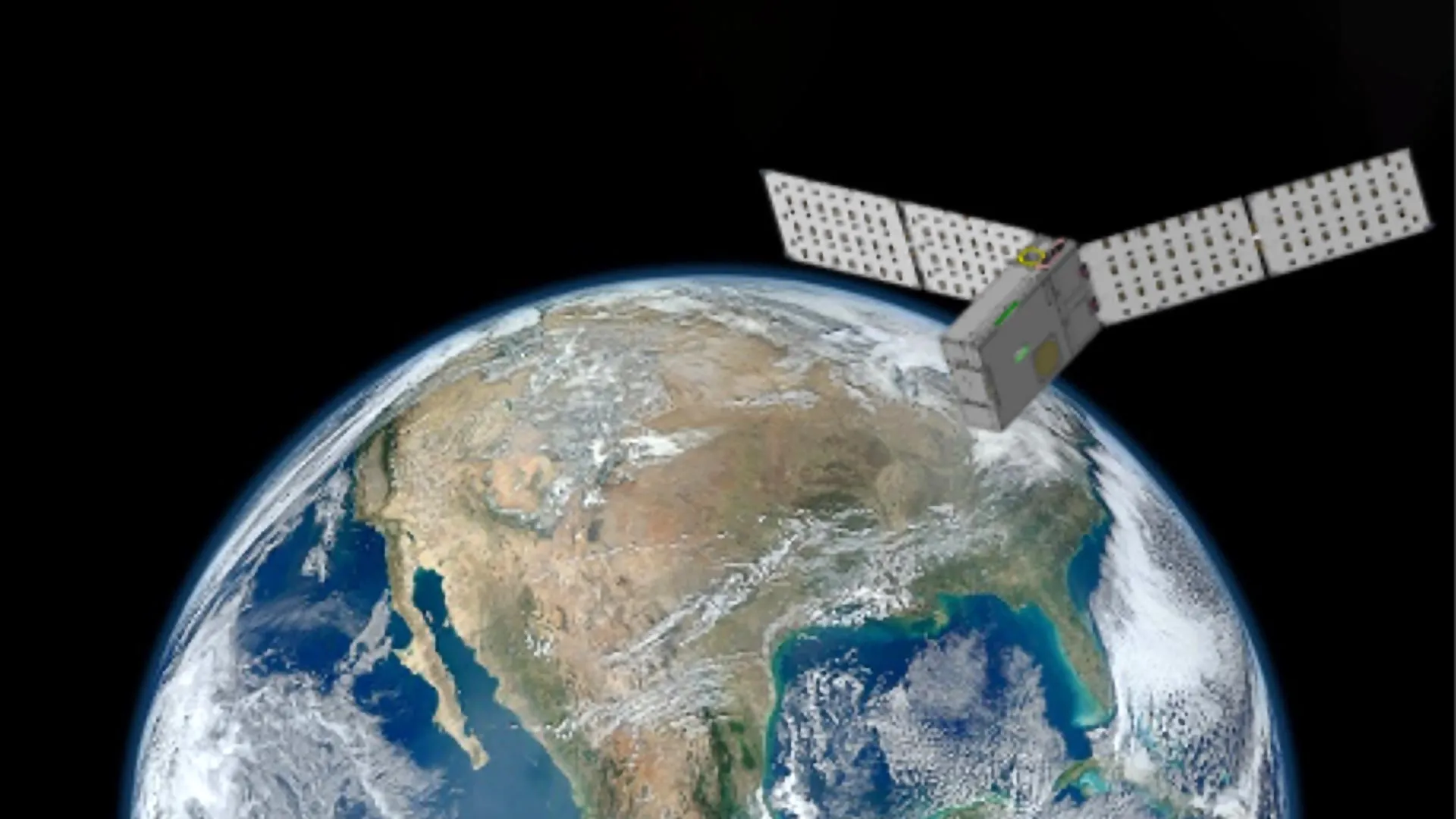
The twin cube satellites will operate through at least September 2026, expanding focus from the poles to the whole planet to improve modelling and weather forecasts.
NASA’s PREFIRE (Polar Radiant Energy in the Far-InfraRed Experiment) mission has been extended through September 2026 and is broadening its focus from Earth’s poles to the entire globe. The mission’s two shoebox-size CubeSats gauge the capacity of water vapor, clouds, and other elements of Earth’s system to trap heat and keep it from radiating into space. This information can help improve forecasts, including weather severity and storm frequency.
Launched in spring 2024, PREFIRE has been measuring how much heat the planet emits into space from the Arctic and Antarctic. Earth absorbs a significant amount of the Sun’s energy in the tropics. Winds, weather, and ocean currents transport that heat toward the poles, which receive much less sunlight. Ice, snow, and clouds, among other parts of the polar environment, emit some of that heat into space, much of it as far-infrared radiation. The difference between the amount of heat Earth absorbs at the tropics and radiates out from the Arctic and Antarctic is a key influence on the planet’s temperature, helping to drive dynamic systems of climate and weather.
At the core of the mission is a pair of advanced spectrometers designed by NASA’s Jet Propulsion Laboratory in Southern California. They measure wavelengths of light in the far-infrared range of the electromagnetic spectrum and are sensitive to 10 times more far-infrared wavelengths than any similar instrument. This information gives researchers insight into processes associated with surface ice melt and formation, snowmelt and accumulation, and changes in cloud cover.
“The PREFIRE satellites show that at these longer wavelengths, the amount of radiation going into space can differ from one type of ice to another by as much as 5%,” said Brian Drouin, PREFIRE’s project scientist at JPL. “Measurements that look at the same areas but with shorter wavelengths do not show this difference.”
Although the PREFIRE CubeSats have been gathering data on the entire globe, the science team has concentrated their analysis on Earth’s polar regions for its prime mission. Going forward, they will expand their work to include data from the rest of the world.
“We have the capacity to collect data for the whole world, not just the poles. What we’ll be able to do is look at the size of ice particles in clouds that affect energy exchange between Earth and space,” said PREFIRE’s principal investigator, Tristan L’Ecuyer of the University of Wisconsin-Madison. “We’ll be able to incorporate the data into weather prediction models to improve forecasts and improve our understanding of how moisture circulates, which affects where storms form and how precipitation moves around the world.”
The satellites are in what’s called an asynchronous near-polar orbit, traveling near the poles with each pass but hours apart from one another. This provides two snapshots of the same area over time, enabling the mission to capture phenomena that occur on short timescales, such as cloud cover’s temporary effects on the temperature of the area beneath it.
More About PREFIRE
NASA’s Jet Propulsion Laboratory manages PREFIRE for the agency’s Science Mission Directorate and provided the spectrometers. Blue Canyon Technologies built the CubeSats and the University of Wisconsin-Madison processes the data the instruments collect. The launch services provider, Rocket Lab USA Inc. of Long Beach, California, launched both PREFIRE CubeSats from Rocket Lab Launch Complex 1 in New Zealand in May and June 2024.
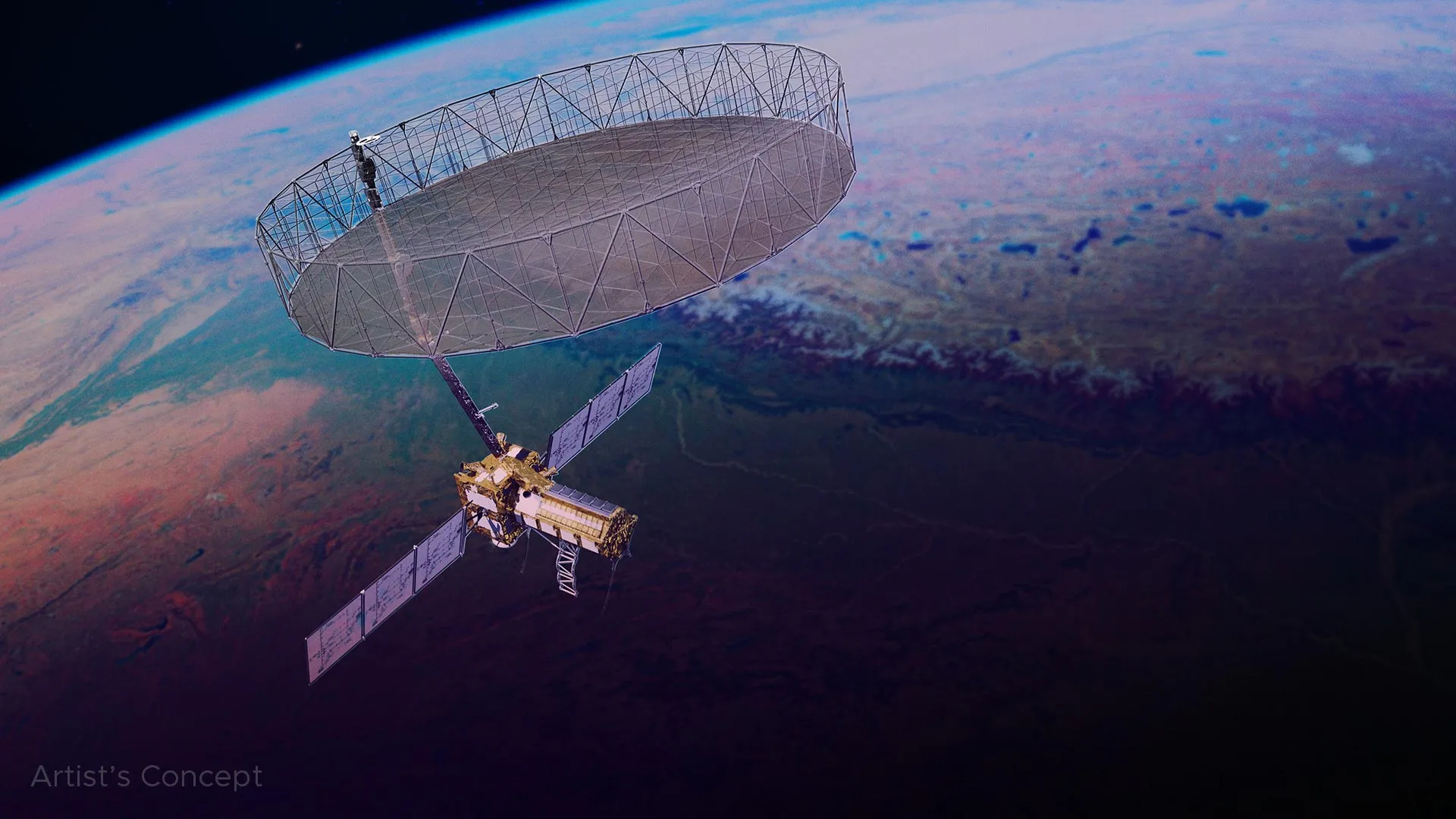
Seventeen days after NISAR’s launch from southeastern India, an essential piece of science hardware has unfurled in orbit.
Spanning 39 feet (12 meters), the drum-shaped antenna reflector on the NISAR (NASA-ISRO Synthetic Aperture Radar) satellite mission from NASA and the Indian Space Research Organisation (ISRO) successfully unfurled in low Earth orbit. The reflector had been stowed, umbrella-like, until the 30-foot (9-meter) boom that supports it could be deployed and locked in place.
Launched by ISRO on July 30 from the Satish Dhawan Space Centre on India’s southeastern coast, NISAR will track the motion of ice sheets and glaciers, the deformation of land due to earthquakes, volcanoes, and landslides, and changes in forest and wetland ecosystems down to fractions of an inch. It also will aid decision-makers in fields as diverse as disaster response, infrastructure monitoring, and agriculture.
“The successful deployment of NISAR’s reflector marks a significant milestone in the capabilities of the satellite,” said Karen St. Germain, director, Earth Science Division at NASA Headquarters in Washington. “From innovative technology to research and modeling to delivering science to help inform decisions, the data NISAR is poised to gather will have a major impact on how global communities and stakeholders improve infrastructure, prepare for and recover from natural disasters, and maintain food security.”
The mission carries the most sophisticated radar systems ever launched as part of a NASA mission. In a first, the satellite combines two synthetic aperture radar (SAR) systems: an L-band system that can see through clouds and forest canopy, and an S-band system that can see through clouds as well but is more sensitive to light vegetation and moisture in snow. The reflector plays a key role for both systems, which is why the successful deployment of the hardware is such a significant milestone.
“This is the largest antenna reflector ever deployed for a NASA mission, and we were of course eager to see the deployment go well. It’s a critical part of the NISAR Earth science mission and has taken years to design, develop, and test to be ready for this big day,” said Phil Barela, NISAR project manager at NASA’s Jet Propulsion Laboratory in Southern California, which managed the U.S. portion of the mission and provided one of the two radar systems aboard NISAR. “Now that we’ve launched, we are focusing on fine-tuning it to begin delivering transformative science by late fall of this year.”
<See link to video at bottom of page.>
How Bloom Works
Weighing about 142 pounds (64 kilograms), the reflector features a cylindrical frame made of 123 composite struts and a gold-plated wire mesh. On Aug. 9, the satellite’s boom, which had been tucked close to its main body, started unfolding one joint at a time until it was fully extended about four days later. The reflector assembly is mounted at the end of the boom.
Then, on Aug. 15, small explosive bolts that held the reflector assembly in place were fired, enabling the antenna to begin a process called the “bloom” — its unfurling by the release of tension stored in its flexible frame while stowed like an umbrella. Subsequent activation of motors and cables then pulled the antenna into its final, locked position.
To image Earth’s surface down to pixels about 30 feet (10 meters) across, the reflector was designed with a diameter about as wide as a school bus is long. Using SAR processing, NISAR’s reflector simulates a traditional radar antenna that for the mission’s L-band instrument would have to be 12 miles (19 kilometers) long to achieve the same resolution.
“Synthetic aperture radar, in principle, works like the lens of a camera, which focuses light to make a sharp image. The size of the lens, called the aperture, determines the sharpness of the image,” said Paul Rosen, NISAR’s project scientist at JPL. “Without SAR, spaceborne radars could generate data, but the resolution would be too rough to be useful. With SAR, NISAR will be able to generate high-resolution imagery. Using special interferometric techniques that compare images over time, NISAR enables researchers and data users to create 3D movies of changes happening on Earth’s surface.”
The NISAR satellite is the culmination of decades of space-based radar development at JPL. Starting in the in the 1970s, JPL managed the first Earth-observing SAR satellite, Seasat, which launched in 1978, as well as Magellan, which used SAR to map the cloud-shrouded surface of Venus in the 1990s.
More About NISAR
The NISAR mission is a partnership between NASA and ISRO spanning years of technical and programmatic collaboration. The successful launch and deployment of NISAR builds upon a strong heritage of cooperation between the United States and India in space. The data produced by NISAR’s two radar systems, one provided by NASA and one by ISRO, will be a testament to what can be achieved when countries unite around a shared vision of innovation and discovery.
The ISRO Space Applications Centre provided the mission’s S-band SAR. The U R Rao Satellite Centre provided the spacecraft bus. Launch services were through Satish Dhawan Space Centre. After launch, key operations, including boom and radar antenna reflector deployment, are being executed and monitored by the ISRO Telemetry, Tracking and Command Network’s global system of ground stations.
Managed by Caltech in Pasadena, JPL leads the U.S. component of the project. In addition to the L-band SAR, reflector, and boom, JPL also provided the high-rate communication subsystem for science data, a solid-state data recorder, and payload data subsystem. NASA’s Goddard Space Flight Center in Greenbelt, Maryland, manages the Near Space Network, which receives NISAR’s L-band data.
