Obstacles include difficulty booking appointments and too few jab reminders, say child health experts.


Obstacles include difficulty booking appointments and too few jab reminders, say child health experts.
The most powerful public health official in the US is reviled by some medics – but even some of his critics accept that he is bringing drive to healthcare areas that have long been neglected
Relatives of care home residents tell the Covid inquiry they will never get over how their loved ones died.

A new study from scientists at the Buck Institute for Research on Aging has revealed a surprising player in the battle against Alzheimer’s disease and other forms of dementia: brain sugar metabolism. Published in Nature Metabolism, the research uncovers how breaking down glycogen — a stored form of glucose — in neurons may protect the brain from toxic protein buildup and degeneration.
Glycogen is typically thought of as a reserve energy source stored in the liver and muscles. While small amounts also exist in the brain, particularly in support cells called astrocytes, its role in neurons has long been dismissed as negligible. “This new study challenges that view, and it does so with striking implications,” says Professor Pankaj Kapahi, PhD, senior scientist on the study. “Stored glycogen doesn’t just sit there in the brain; it is involved in pathology.”
The research team, led by postdoc Sudipta Bar, PhD, discovered that in both fly and human models of tauopathy (a group of neurodegenerative diseases including Alzheimer’s), neurons accumulate excessive glycogen. More importantly, this buildup appears to contribute to disease progression. Bar says tau, the infamous protein that clumps into tangles in Alzheimer’s patients, appears to physically bind to glycogen, trapping it and preventing its breakdown.
When glycogen can’t be broken down, the neurons lose an essential mechanism for managing oxidative stress, a key feature in aging and neurodegeneration. By restoring the activity of an enzyme called glycogen phosphorylase (GlyP) — which kicks off the process of glycogen breakdown — the researchers found they could reduce tau-related damage in fruit flies and human stem cell-derived neurons.
Rather than using glycogen as a fuel for energy production, these enzyme-supported neurons rerouted the sugar molecules into the pentose phosphate pathway (PPP) — a critical route for generating NADPH (nicotinamide adenine dinucleotide phosphate) and Glutathione, molecules that protect against oxidative stress. “By increasing GlyP activity, the brain cells could better detoxify harmful reactive oxygen species, thereby reducing damage and even extending the lifespan of tauopathy model flies,” said Bar.
Even more promising, the team demonstrated that dietary restriction (DR) — a well-known intervention to extend lifespan — naturally enhanced GlyP activity and improved tau-related outcomes in flies. They further mimicked these effects pharmacologically using a molecule called 8-Br-cAMP, showing that the benefits of DR might be reproduced through drug-based activation of this sugar-clearing system. “This work could explain why GLP-1 drugs, now widely used for weight loss, show promise against dementia, potentially by mimicking dietary restriction,” said Kapahi.
Researchers also confirmed similar glycogen accumulation and protective effects of GlyP in human neurons derived from patients with frontotemporal dementia (FTD), strengthening the potential for translational therapies. Kapahi says the study emphasizes the power of the fly as a model system in uncovering how metabolic dysregulation impacts neurodegeneration. “Work in this simple animal allowed us to move into human neurons in a much more targeted way,” he said.
Kapahi also acknowledges the Buck’s highly collaborative atmosphere as a major factor in the work. His lab, with expertise in fly aging and neurodegeneration, took advantage of proteomics expertise in the Schilling lab and the Seyfried lab (at Emory University) as well as the Ellerby lab which has expertise in human iPSCs and neurodegeneration.
Kapahi says this study not only highlights glycogen metabolism as an unexpected hero in the brain but also opens up a new direction in the search for treatments against Alzheimer’s and related diseases. “By discovering how neurons manage sugar, we may have unearthed a novel therapeutic strategy: one that targets the cell’s inner chemistry to fight age-related decline,” he says. “As we continue to age as a society, findings like these offer hope that better understanding — and perhaps rebalancing — our brain’s hidden sugar code could unlock powerful tools for combating dementia.”
Coauthors: Additional Buck collaborators include Kenneth A. Wilson, Tyler A.U. Hilsabeck, Sydney Alderfer, Jordan B Burton, Samah Shah, Anja Holtz, Enrique M. Carrera, Jennifer N. Beck, Jackson H Chen, Grant Kauwe, Tara E. Tracy, Birgit Schilling, and Lisa M. Ellerby. Other collaborators include Eric B. Dammer, Fatemeh Seifar and Nicholas T. Seyfried, Emory Center for Neurodegenerative Disease, Emory University School of Medicine, Atlanta, GA as well as Ananth Shantaraman, Department of Biochemistry, Emory University School of Medicine, Atlanta, GA
Acknowledgments: The work was supported by NIH grants R01AG038688, R21AG054121, AG045835, R01AG071995, R01AG070193, T32AG000266-23, R01AG061879, P01AG066591 and 1S10 OD016281. Other support came from the Hevolution Foundation, American Federation of Aging Research, the Larry L. Hillblom Foundation and the CatalystX award from Alex and Bob Griswold
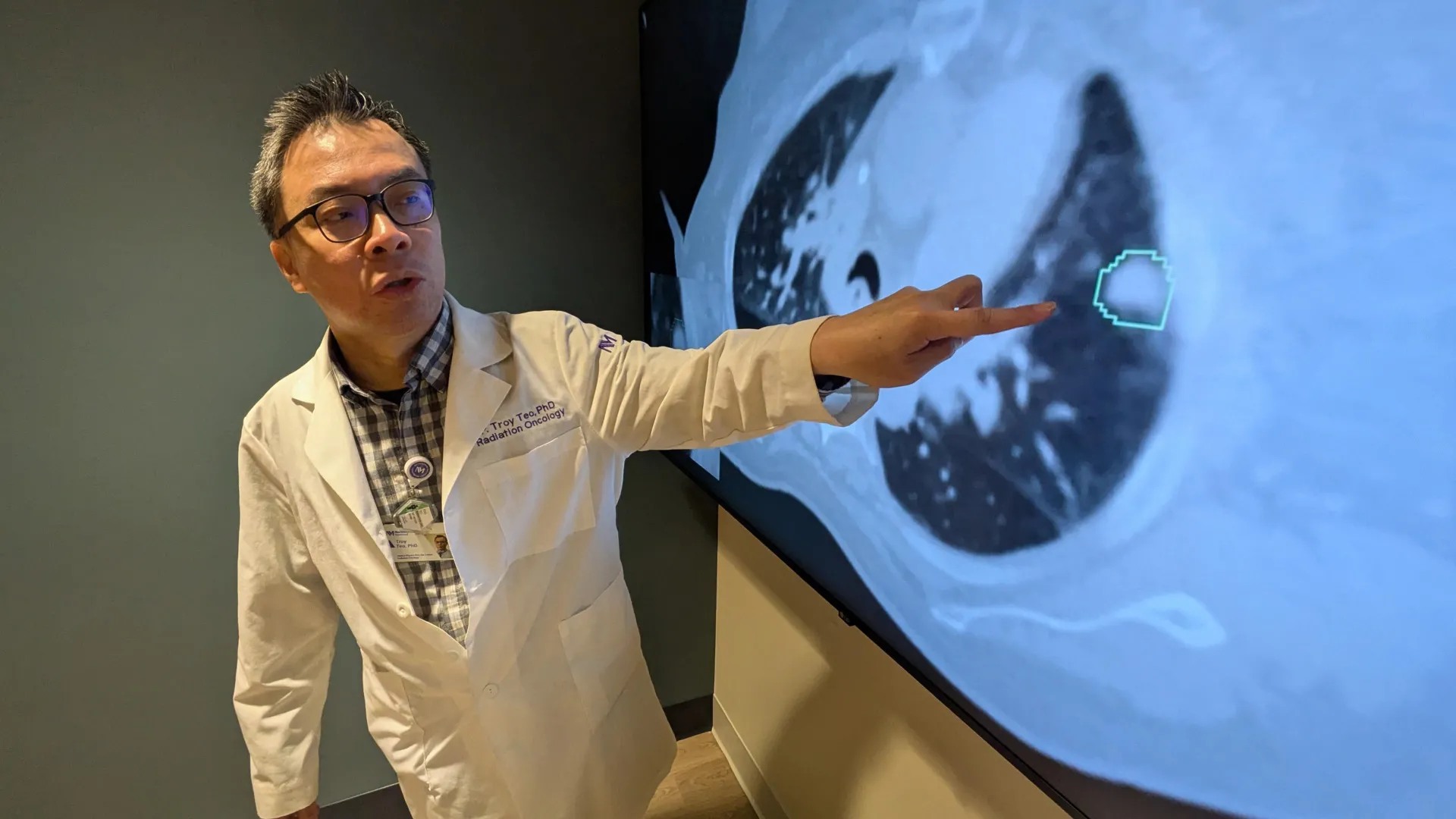
In radiation therapy, precision can save lives. Oncologists must carefully map the size and location of a tumor before delivering high-dose radiation to destroy cancer cells while sparing healthy tissue. But this process, called tumor segmentation, is still done manually, takes time, varies between doctors — and can lead to critical tumor areas being overlooked.
Now, a team of Northwestern Medicine scientists has developed an AI tool called iSeg that not only matches doctors in accurately outlining lung tumors on CT scans but can also identify areas that some doctors may miss, reports a large new study.
Unlike earlier AI tools that focused on static images, iSeg is the first 3D deep learning tool shown to segment tumors as they move with each breath — a critical factor in planning radiation treatment, which half of all cancer patients in the U.S. receive during their illness.
“We’re one step closer to cancer treatments that are even more precise than any of us imagined just a decade ago,” said senior author Dr. Mohamed Abazeed, chair and professor of radiation oncology at Northwestern University Feinberg School of Medicine.
“The goal of this technology is to give our doctors better tools,” added Abazeed, who leads a research team developing data-driven tools to personalize and improve cancer treatment and is a member of the Robert H. Lurie Comprehensive Cancer Center of Northwestern University.
The study was published today (June 30) in the journal npj Precision Oncology.
How iSeg was built and tested
The Northwestern scientists trained iSeg using CT scans and doctor-drawn tumor outlines from hundreds of lung cancer patients treated at nine clinics within the Northwestern Medicine and Cleveland Clinic health systems. That’s far beyond the small, single-hospital datasets used in many past studies.
After training, the AI was tested on patient scans it hadn’t seen before. Its tumor outlines were then compared to those drawn by physicians. The study found that iSeg consistently matched expert outlines across hospitals and scan types. It also flagged additional areas that some doctors missed — and those missed areas were linked to worse outcomes if left untreated. This suggests iSeg may help catch high-risk regions that often go unnoticed.
“Accurate tumor targeting is the foundation of safe and effective radiation therapy, where even small errors in targeting can impact tumor control or cause unnecessary toxicity,” Abazeed said.
“By automating and standardizing tumor contouring, our AI tool can help reduce delays, ensure fairness across hospitals and potentially identify areas that doctors might miss — ultimately improving patient care and clinical outcomes,” added first author Sagnik Sarkar, a senior research technologist at Feinberg who holds a Master of Science in artificial intelligence from Northwestern.
Clinical deployment possible ‘within a couple years’
The research team is now testing iSeg in clinical settings, comparing its performance to physicians in real time. They are also integrating features like user feedback and working to expand the technology to other tumor types, such as liver, brain and prostate cancers. The team also plans to adapt iSeg to other imaging methods, including MRI and PET scans.
“We envision this as a foundational tool that could standardize and enhance how tumors are targeted in radiation oncology, especially in settings where access to subspecialty expertise is limited,” said co- author Troy Teo, instructor of radiation oncology at Feinberg.
“This technology can help support more consistent care across institutions, and we believe clinical deployment could be possible within a couple of years,” Teo added.
This study is titled “Deep learning for automated, motion- resolved tumor segmentation in radiotherapy.”
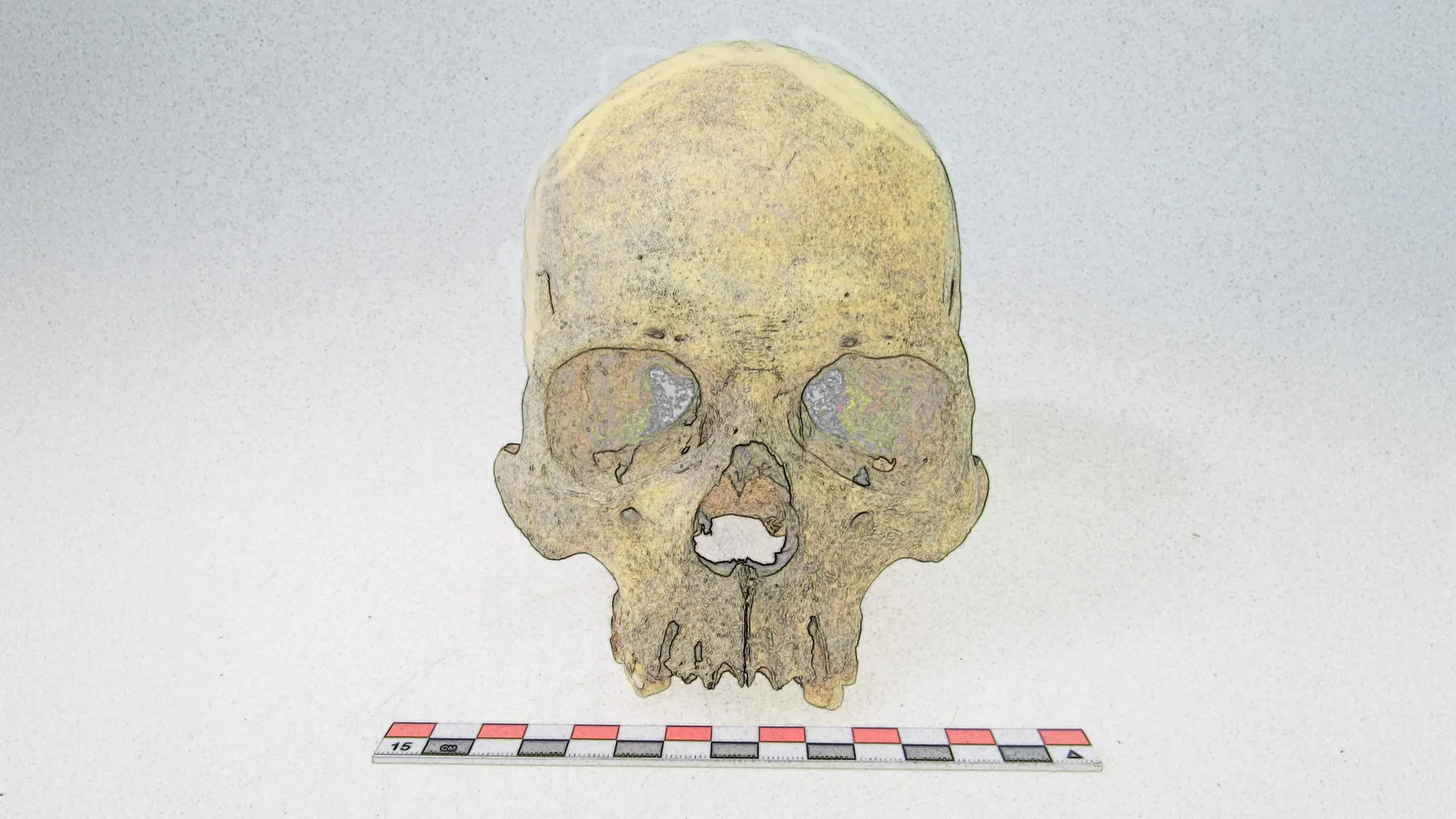
Hansen’s Disease, more commonly known as leprosy, is a chronic disease that can lead to physical impairment. Today it exists in over 100 countries, and while the infection is treatable, access to treatment varies widely with socioeconomic conditions. Its mention in historical texts give us a glimpse into its past impact on population health in Europe and Asia. Prolonged untreated infection can result in characteristic changes in bone, and these have been documented in archaeological skeletons as early as 5000 years ago in Europe, Asia, and Oceania. So far, absence of these characteristic changes in the pre-contact American contexts suggests that leprosy was one of the many diseases introduced to the continent in the colonial period. Thereafter it afflicted humans and curiously also armadillos.
From a genetic perspective, Hansen’s Disease is caused by either the globally dominant Mycobacterium leprae or the newly identified and rare Mycobacterium lepromatosis. The recovery of M. leprae from archaeological bone in Europe suggests the disease originated in Eurasia sometime during the Neolithic transition about 7000 years ago. Similar emergence estimates have been proposed for other notorious diseases such as plague, tuberculosis, and typhoid fever. Ancient genomes for M. lepromatosis have remained elusive, and these may hold important clues on the history of Hansen’s Disease.
Past disease in the American continent
We know comparatively little about the infectious disease experience of the diverse communities of people living in the Americas before the colonial period. This accounts for almost 20,000 years of human history, and the diverse ecosystems into which humans integrated across the continent would have presented challenges to the immune system not otherwise encountered in other parts of the world. We know very little of these diseases, as they were smothered by the onslaught of pathogens that Europeans later brought with them. Archaeological study of human bones from the pre-contact Americas confirm that the time was far from disease-free, but often the traces seen on the bones aren’t specific enough to assign to a known disease.
“Ancient DNA has become a great tool that allows us to dig deeper into diseases that have had a long history in the Americas,” says Kirsten Bos, group leader for Molecular Paleopathology at the Max Planck Institute for Evolutionary Anthropology. She and her team have been studying pathological bone from American context for over a decade. Some diseases that the group has found were expected – just last year they found evidence that the family of diseases closely related to syphilis had its roots in the Americas, which many had suspected. “The advanced techniques now used to study ancient pathogen DNA allows us to look beyond the suspects and into other diseases that might not be expected from the context,” she adds.
Re-writing the history of Hansen’s Disease
Bos’s team worked closely with researchers from Argentina and Chile to both identify bones suitable for analysis and to carry out the meticulous work of isolating the DNA of ancient pathogens. Doctoral candidate Darío Ramirez of the University of Córdoba, Argentina, worked extensively with such material, and was the first to identify a genetic signature related to leprosy in some 4000-year-old skeletons from Chile. “We were initially suspicious, since leprosy is regarded a colonial-era disease, but more careful evaluation of the DNA revealed the pathogen to be of the lepromatosis form.” This provided the first clue that M. lepromatosis and M. leprae, though nominally both pathogens that cause Hansen’s Disease, might have very different histories. Reconstruction of the genome was key in looking into this. While putting the molecular puzzle of an ancient genome back together is never an easy task, these pathogens in particular had “amazing preservation, which is uncommon in ancient DNA, especially from specimens of that age,” comments Lesley Sitter, a postdoctoral researcher in Bos’s team who carried out the analysis.
The pathogen is related to all known modern forms of M. lepromatosis, but as there are so few genomes available for comparison, there is still much to be learned about it. This work has shown that a pathogen considered rare in a modern context caused disease for thousands of years in the Americas. Rodrigo Nores, professor of Anthropology at the University of Córdoba, Argentina is convinced that more cases, both ancient and modern, will be identified in the coming years: “this disease was present in Chile as early as 4000 years ago, and now that we know it was there, we can specifically look for it in other contexts.” Once more genomes surface, we’ll be able to piece out further details of its history and better understand its global distribution today. The pathogen has recently been discovered in squirrel populations from the United Kingdom and Ireland, but in the Americas it has yet to be found in any species other than humans. With such little data, mystery still surrounds its origin. “It remains to be determined if the disease originated in the Americas, or if it joined some of the first settlers from Eurasia,” adds Bos. “So far the evidence points in the direction of an American origin, but we’ll need more genomes from other time periods and contexts to be sure.”
What to look for when choosing sunscreen and how to apply it to get the maximum protection.
The Covid inquiry will examine the impact of the pandemic on care services, starting on Monday.
Supermarkets will be challenged to sell healthier food, under a new government obesity plan.

Parts of New Orleans and its surrounding wetlands are gradually sinking, and while most of the city remains stable, a new study from Tulane University researchers suggests that sections of the region’s $15 billion post-Katrina flood protection system may need regular upgrades to outpace long-term land subsidence.
The study, published in Science Advances, used satellite radar data to track subtle shifts in ground elevation across Greater New Orleans between 2002 and 2020. The study found that some neighborhoods, wetlands and even sections of floodwalls are sinking by more than an inch per year — with some areas experiencing up to 47 millimeters (nearly 2 inches) of elevation loss annually.
“In a city like New Orleans, where much of the land is already near sea level, even minor drops in elevation can increase flood risk,” said Simone Fiaschi, lead author of the study and a former researcher with Tulane’s Department of River-Coastal Science and Engineering, now employed at TRE-Altamira.
The findings underscore how both natural and human-driven forces are reshaping the city’s landscape. Causes of the sinking — known as subsidence — include natural soil compaction, groundwater pumping, industrial development and the legacy of wetland drainage for urban growth.
The study used a remote sensing technique called InSAR (Interferometric Synthetic Aperture Radar), which detects millimeter-scale changes in land surface elevation by comparing satellite radar images taken over time. This allowed the researchers to build the most detailed map yet of vertical land motion in New Orleans — including areas like wetlands that had previously lacked reliable data.
Among the most troubling findings: some of the concrete floodwalls and levees built to protect the city after Katrina are themselves sinking. In a few cases, parts of the Hurricane and Storm Damage Risk Reduction System (HSDRRS) are losing elevation faster than sea levels are rising, reducing their capacity to block storm surges.
“These results are a wake-up call,” said co-author Prof. Mead Allison, also of Tulane. “We need ongoing monitoring and maintenance to ensure that our flood defenses don’t lose their level of protection beneath us.”
The study also found pockets of sinking around industrial sites, the airport and newer residential developments — areas where soil compression and groundwater withdrawal are likely contributors. In contrast, some areas such as parts of Michoud showed modest land uplift, likely due to the halt of industrial groundwater pumping and recovery of the water table.
Wetlands east of the city, long known for their ecological importance, are also sinking rapidly in places. In some spots, the loss of elevation could transform marshes into open water within a decade if trends continue. This has implications not just for wildlife but also for storm protection, as wetlands help buffer storm surges.
New Orleans, much of which lies below sea level, relies on an elaborate system of levees, pumps and drainage canals to keep water out. As sea levels rise and the ground sinks, the margin for error narrows.
Experts say that without sustained monitoring, including satellite data and ground-based measurements, it’s difficult to know where to reinforce levees or how to plan for future storms.
“This research shows that land movement isn’t uniform, and understanding these patterns is crucial for protecting lives and property in a city where inches truly matter,” Fiaschi said. “However, it’s crucial to remember that our results still require careful ground-truthing. This is especially true for critical areas like the floodwalls, where on-site verification was not possible during this project.”
The study highlights the potential of satellite monitoring to guide infrastructure maintenance and urban planning, not just in New Orleans but in coastal cities worldwide facing similar challenges.
