Why cats prefer sleeping on their left side—and how it might help them survive

Cats prefer to sleep on their left side. This is the conclusion drawn by an international research team that analyzed several hundred YouTube videos of sleeping cats. The researchers see this bias as an evolutionary advantage because it favors hunting and escape behavior after waking up. The team from the University of Bari Aldo Moro (Italy), Ruhr University Bochum, Medical School Hamburg and other partners in Germany, Canada, Switzerland and Turkey report on the study in the journal Current Biology, published online on June 23, 2025.

All animals are particularly vulnerable while sleeping. Cats sleep around 12 to 16 hours a day, preferably in elevated places where their predators can only access them from below. The research team around Dr. Sevim Isparta from the Animal Physiology and Behaviour Research Unit in Bari and Professor Onur Güntürkün from the Bochum working group Biopsychology wanted to find out whether cats prefer to sleep on one side or the other. “Asymmetries in behavior can have advantages because both hemispheres of the brain specialize in different tasks,” says Onur Güntürkün.

Perceiving dangers with the left visual field brings advantages

The group analyzed 408 publicly available YouTube videos in which a single cat was clearly visible with its entire body sleeping on one side for at least ten seconds. Only original videos were used; modified or flipped material was excluded from the study. Two thirds of the videos showed cats sleeping on their left side.

The explanation: Cats that sleep on their left side perceive their surroundings upon awakening with their left visual field, which is processed in the right hemisphere of the brain. This hemisphere is specialized in spatial awareness, the processing of threats and the coordination of rapid escape movements. If a cat sleeps on its left shoulder and wakes up, visual information about predators or prey goes directly to the right hemisphere of the brain, which is best in processing them. “Sleeping on the left side can therefore be a survival strategy,” the researchers conclude.

Cooperation partners

  • University of Bari Aldo Moro (Italy)
  • Ruhr University Bochum (Germany)
  • Medical School Hamburg (Germany)
  • Research Institute for Farm Animal Biology (Germany)
  • University of Prince Edward Island (Canada)
  • Kafkas University (Turkey)
  • Federal Food Safety and Veterinary Office (Switzerland)
Share Button

Acid-busting diet triggers 13-pound weight loss in just 16 weeks

Compared with a Mediterranean diet, dietary acid load decreased significantly on a low-fat vegan diet and was associated with weight loss, according to a randomized cross-over trial conducted by the Physicians Committee for Responsible Medicine and published in Frontiers in Nutrition.

“Eating acid-producing foods like meat, eggs, and dairy can increase the dietary acid load, or the amount of acids consumed, causing inflammation linked to weight gain,” says Hana Kahleova, MD, PhD, director of clinical research at the Physicians Committee and lead author of the study. “But replacing animal products with plant-based foods like leafy greens, berries, and legumes can help promote weight loss and create a healthy gut microbiome.”

This new research included 62 overweight adults who were randomized to a Mediterranean or a low-fat vegan diet for 16 weeks, separated by a four-week cleansing period, followed by an additional 16 weeks on the alternate diet.

Participants’ dietary records were used to calculate dietary acid load, which is commonly estimated by two scores: Potential Renal Acid Load (PRAL) and Net Endogenous Acid Production (NEAP). A higher score indicates a higher dietary acid load.

Animal products including meat, fish, eggs, and cheese cause the body to produce more acid, increasing dietary acid load, which is linked to chronic inflammation that disrupts metabolism and can lead to increased body weight. Plant-based diets, which are more alkaline, are associated with weight loss, improved insulin sensitivity, and lower blood pressure.

In the new analysis, both PRAL and NEAP scores decreased significantly on the vegan diet, with no significant change on the Mediterranean diet. The reduction in dietary acid load was associated with weight loss, and this association remained significant even after adjustment for changes in energy intake. Body weight was reduced by 13.2 pounds on the vegan diet, compared with no change on the Mediterranean diet.

The authors say that a vegan diet’s alkalizing effect, which increases the body’s pH level to make it less acidic, may also help promote weight loss. Top alkalizing foods include vegetables, particularly leafy greens, broccoli, beets, asparagus, garlic, carrots, and cabbage; fruits, such as berries, apples, cherries, apricots, or cantaloupe; legumes, for example lentils, chickpeas, peas, beans or soy; and grains, such as quinoa or millet.

Founded in 1985, the Physicians Committee for Responsible Medicine is a nonprofit organization that promotes preventive medicine, conducts clinical research, and encourages higher standards for ethics and effectiveness in education and research.

Share Button

Can these endangered lizards beat the heat? Scientists test bold relocation plan

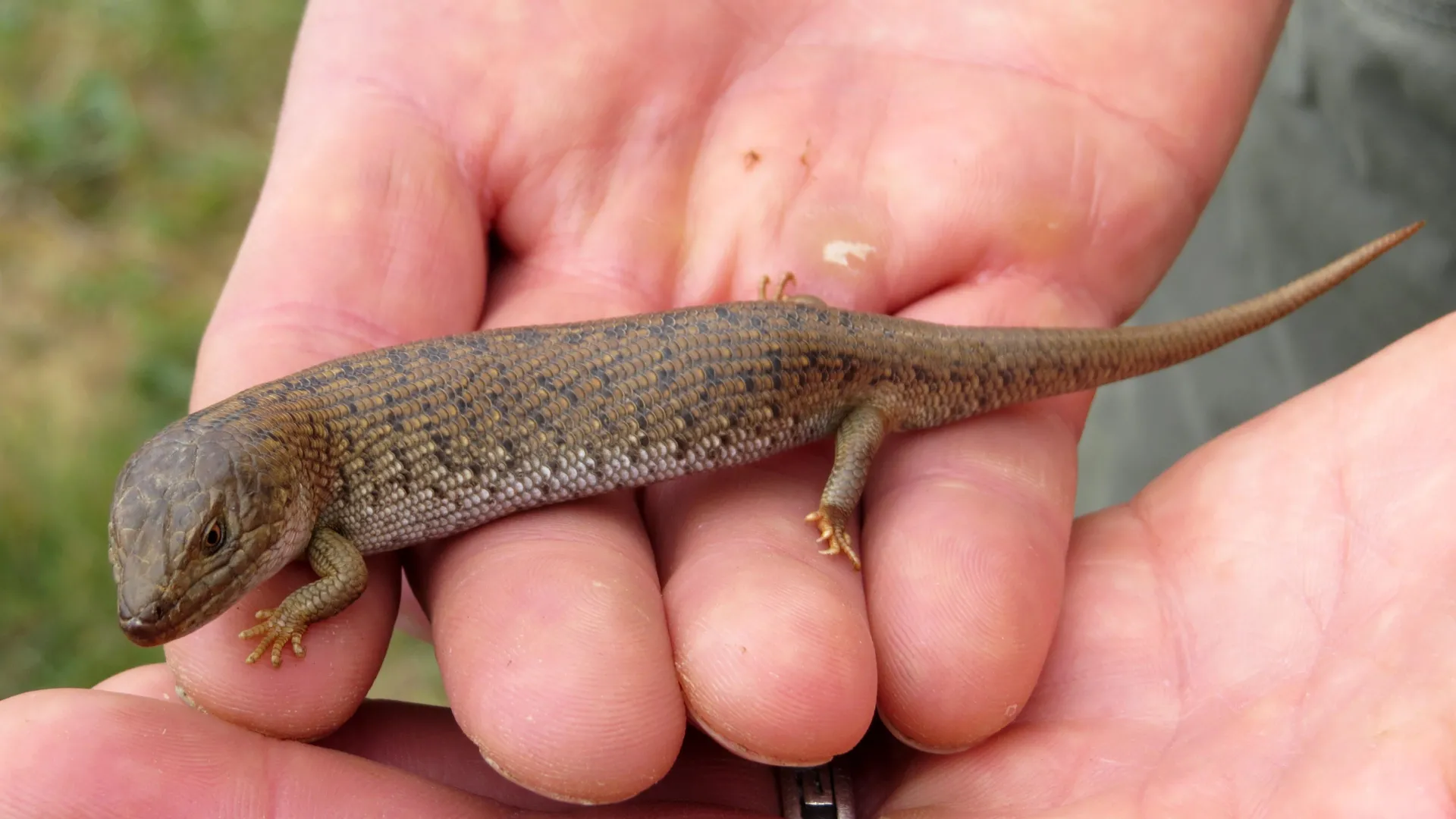
Climate change and habitat loss are affecting animal populations around the world and reptiles such as South Australia’s own endangered pygmy bluetongue are susceptible to higher temperatures and declining long-term rainfall trends.

Flinders University scientists are working on securing a sustainable future for the burrow-dwelling endemic skink (Tiliqua adelaidensis) by assessing their suitability to cooler and slightly greener locations, below their usual range in the state’s drier, hotter northern regions.

While the lizards take time to acclimatize to their new homes, translocation remains one of the more important ways to conserve rare species and mitigate extinction risk to climate and habitat changes.

The latest research, outlined in a new article in Biology, compared the ability of three separate pygmy bluetongue lizard populations to withstand different microclimates in South Australia – between the northern Flinders Ranges near Jamestown, Mid North near Burra, and southern-most translocation sites near Tarlee and Kapunda.

The study, led by PhD candidate Deanne Trewartha from the College of Science and Engineering, says moving wildlife adapted to a hotter, drier location to another microclimate can mean exposure to different temperatures, water availability and humidity and needs extensive assessment.

“We need to understand how this species, which are highly dependent on body temperature, adapt to cooler and often wetter seasons in these new environments,” says Ms Trewartha, from the Flinders University Lab of Evolutionary Genetics and Sociality (LEGS) research group.

Reptiles rely on attaining certain body temperatures for basic bodily function and increasing body temperature raises dehydration risk.

She says the research so far suggests acclimatization to new sites may take longer than two years for all three populations and may vary with latitude of origin.

“Despite this acclimatization delay, our results indicate that these lizards may cope with translocation as a mitigation strategy in the longer term.

“Further monitoring of the three lineages will continue to see any behavioral variations in wet versus dry seasons and the long-term behavioral acclimatization periods for translocations.”

Australia has the highest reptile diversity in the world, and Flinders University Professor of Biodiversity and Ecology Mike Gardner says translocation may be the only way for the conservation of numerous small burrow-dwelling reptiles, other ectotherms and reptile species in future.

“With high biodiversity loss, translocation to ‘future-suitable’ sites is becoming increasingly urgent for the conservation of numerous reptile species,” says Professor Gardner, who leads an Australian Research Council Linkage project to study various pygmy bluetongue groups at different latitudes in South Australia.

“So far, these three populations are showing various responses to their new locations, but behavioral variations may not be detrimental in the long term and may potentially aid animals in acclimatizing to changed environments to optimize their chance their survival.”

A previous study published last year noted differences between the way the colonies behaved.

From spring 2020 to autumn 2021, monthly monitoring of behaviors found the translocated southern lineage lizards showed significantly less daily activity and were active at lower temperatures and higher humidity than northern lineage lizards.

Southern lineage lizards allowed a human observer to approach closer as base-of-burrow humidity increased, while northern lineage lizards were quicker to retreat into burrows, at both source and translocation sites.

This project was carried out in accordance with Flinders University ethics approval E453-17, Department of Environment and Water ‘Take from the wild’ permit 20210331 and research permit G25011. Acknowledgements: The authors acknowledge the Ngadjuri people, who are the traditional custodians of the Mid North study sites and represent the oldest human culture. We acknowledge their elders, past, present and emerging, and that sovereignty was never ceded. Thanks to the Nature Foundation, relevant private landowners, Department for Environment and Water, Renewable Energy Systems Pty Ltd, Flow Power, Nature Foundation and Adelaide Airport Limited for their support in accommodating this research.

Share Button

Weight loss jabs study begins after reports of pancreas issues

There have been hundreds of cases of acute pancreatitis in people who have also taken Mounjaro, Ozempic and Wegovy.

Share Button

Womb lining test offers miscarriage hope to women

The test can measure whether an abnormal reaction in the womb could make pregnancy loss more likely.

Share Button

Ransomware attack contributed to patient’s death

An NHS trust in London confirms an unexpected patient death during the cyber attack on 3 June 2024.

Share Button

Martian dust to dream homes: How microbes can build on the red planet

Inhabiting Mars has long been a futuristic fantasy fueled by science fiction. However, successful landings on our neighboring planet over the past half-century have made this seemingly far-fetched idea increasingly plausible.

But don’t start packing just yet. First, we must figure out how to build structures millions of miles from Earth. Sending rockets carrying massive payloads of construction materials into space isn’t practical or affordable. So, how can we use the resources already present on the Red Planet to build your dream home?

Enter Texas A&M University’s Dr. Congrui Grace Jin with the possible answer.

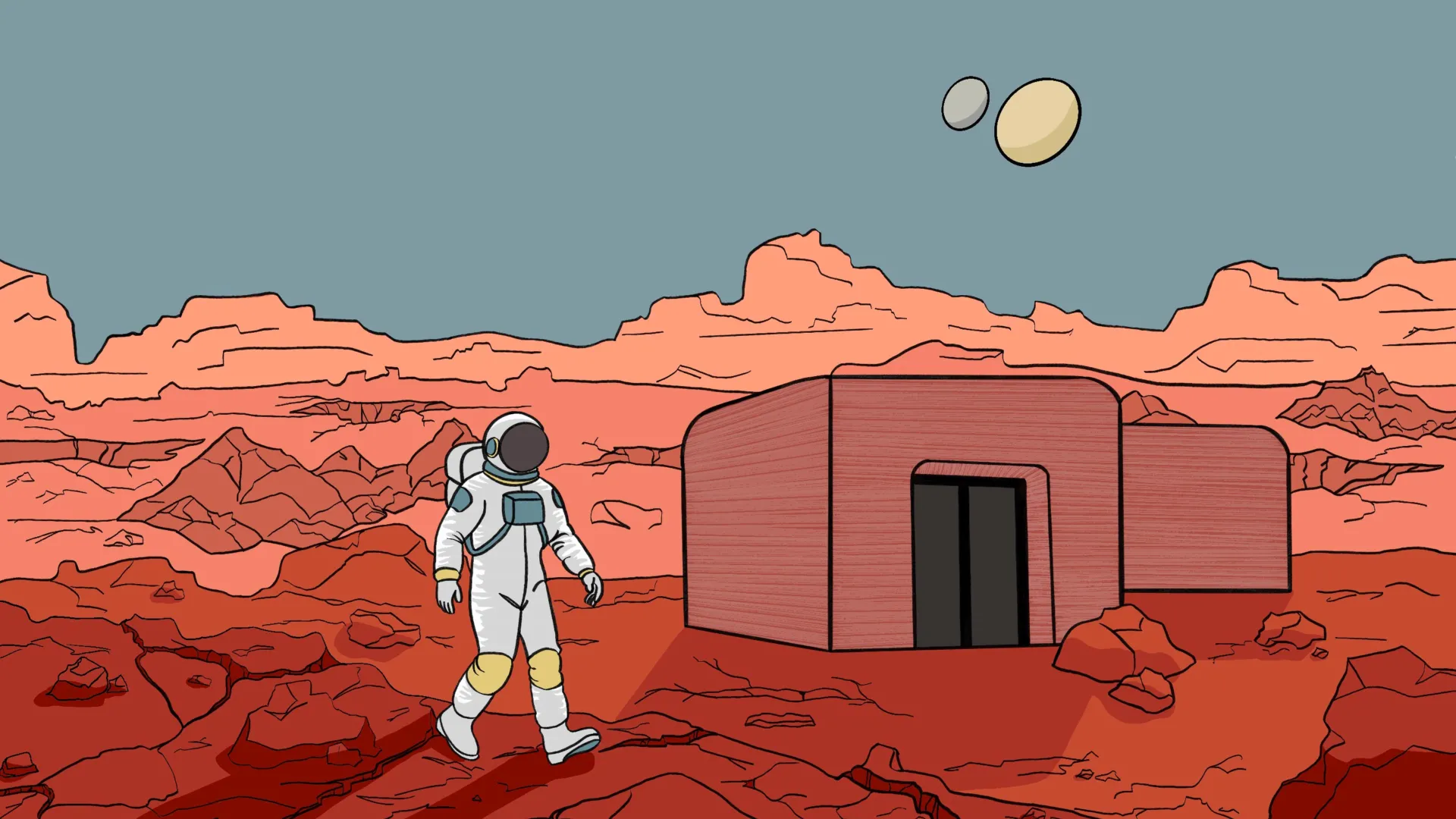
Jin and her colleagues from the University of Nebraska-Lincoln have worked for years on bio-manufacturing engineered living materials and have developed a synthetic lichen system that can form building materials with no outside intervention. Their latest study, funded by the NASA Innovative Advanced Concepts program and recently published in the Journal of Manufacturing Science and Engineering, applies this research to the autonomous construction of structures on Mars, using the planet’s regolith, which includes dust, sand and rocks.

This advancement has the potential to revolutionize extraterrestrial construction by enabling structures to be built in the most demanding environments with restricted resources.

“We can build a synthetic community by mimicking natural lichens,” explains Jin. “We’ve developed a way to build synthetic lichens to create biomaterials that glue Martian regolith particles into structures. Then, through 3D printing, a wide range of structures can be fabricated, such as buildings, houses and furniture.”

Others have researched a variety of methods for bonding Martian regolith particles, including magnesium-based, sulfur-based, and a geopolymer creation. Yet all the methods require significant human assistance and thus are not feasible with the obvious lack of manpower on Mars.

Another approach has been microbe-mediated self-growing technology. Various designs have been developed, such as bacterial biomineralization to bind sand particles into masonry, ureolytic bacteria to promote the production of calcium carbonate to make bricks, and NASA’s exploration of the use of fungal mycelium as a bonding agent.

Although microbe-mediated self-growing technology is very promising, the current practices are not completely autonomous because the microbes being used are limited to a single species or strain, thus their survivability requires a continuous supply of nutrients, meaning outside intervention is needed. Again, the lack of manpower on Mars makes this challenging.

To solve this problem, Jin’s team has developed a completely autonomous self-growing technology by designing a synthetic community making use of the advantages of multiple species. This system eliminates the need for external nutrient supplies.

The design uses heterotrophic filamentous fungi as bonding material producers because they can promote large amounts of biominerals and survive harsh conditions much better than heterotrophic bacteria. These fungi are paired with photoautotrophic diazotrophic cyanobacteria to create the synthetic lichen system.

How does it work? The diazotrophic cyanobacteria fix carbon dioxide and dinitrogen from the atmosphere and convert them into oxygen and organic nutrients to help the survival and growth of filamentous fungi and increase the concentration of carbonate ions by photosynthetic activities. The filamentous fungi bind metal ions onto fungal cell walls and serve as nucleation sites for biomineral production, as well as enhance the growth of cyanobacteria by providing them water, minerals, and carbon dioxide. Both components secrete biopolymers that enhance the adhesion and cohesion among Martian regolith and precipitated particles to create a consolidated body.

The system grows with only Martian regolith simulant, air, light and an inorganic liquid medium. In other words, no manpower needed.

“The potential of this self-growing technology in enabling long-term extraterrestrial exploration and colonization is significant,” states Jin.

The next step of the project, already underway, is the creation of regolith ink to print bio-structures using the 3D printing technique of direct ink writing.

Jin is an assistant professor in the Mechanical and Manufacturing Engineering Technology program in the Department of Engineering Technology and Industrial Distribution at Texas A&M University. Her fellow researchers from the University of Nebraska-Lincoln are Dr. Richard Wilson, Nisha Rokaya and Erin Carr. Read about the team’s related research.

Funding for this research is administered by the Texas A&M Engineering Experiment Station (TEES), the official research agency for Texas A&M Engineering.

Share Button

New viruses discovered in bats in China could be the next pandemic threat

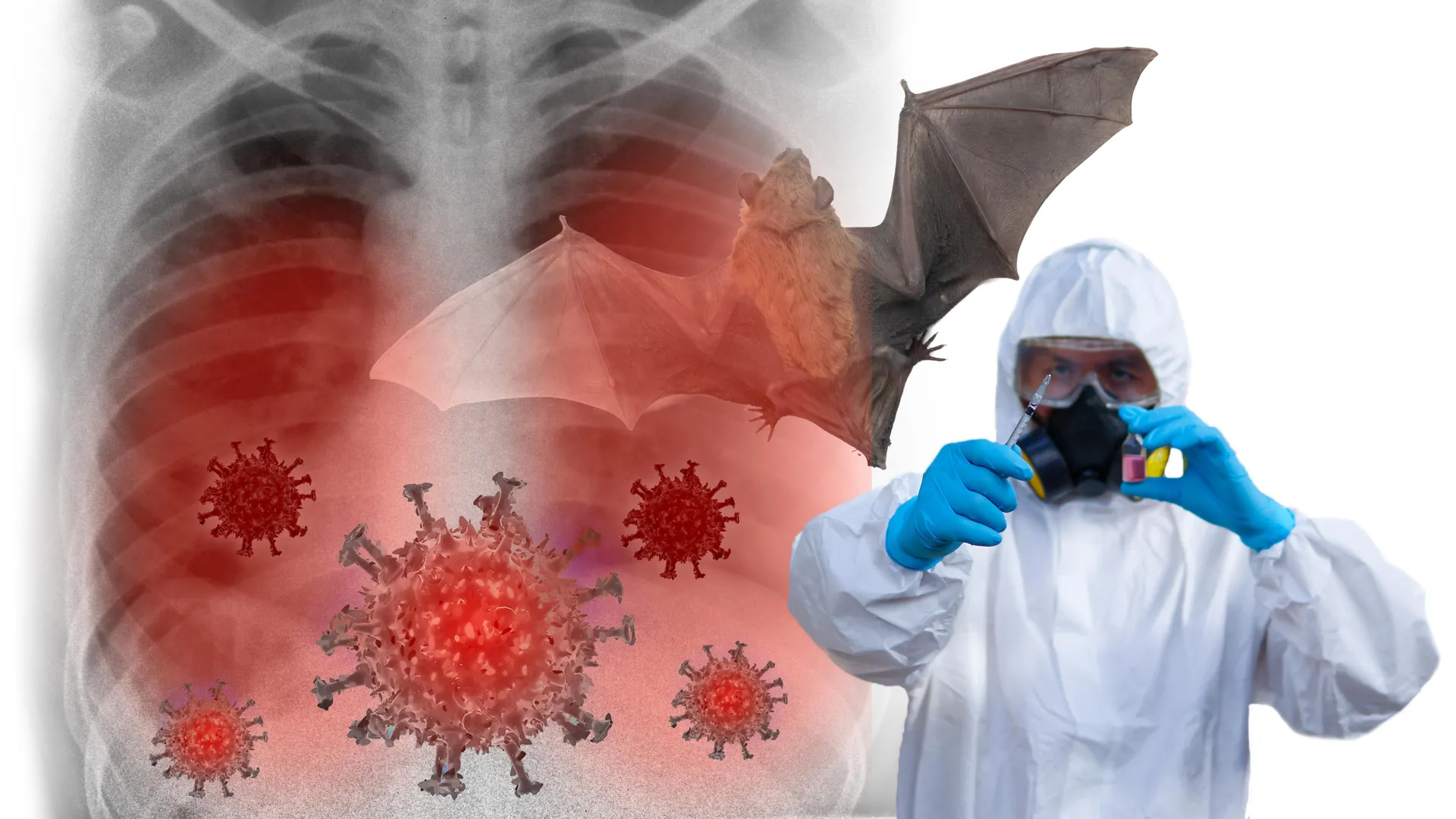
Researchers have discovered two new viruses in bats that are closely related to the deadly Nipah and Hendra viruses — pathogens that can cause severe brain inflammation and respiratory disease in humans. The viruses, as well as other new viruses, bacteria, and parasites identified from bat kidneys, were reported this week in the open-access journal PLOS Pathogens by Yun Feng of the Yunnan Institute of Endemic Disease Control and Prevention, China, and colleagues.

Bats are natural reservoirs for a wide range of microorganisms, including many notable pathogens that have been transmitted to humans. However, a full survey of the diverse array of viruses, fungi, bacteria, and parasites that infect bats has been lacking. Most previous studies have focused on bat feces rather than the animals’ organs.

In the new study, researchers looked inside the kidneys of 142 bats from ten species, collected over four years across five areas of Yunnan province, China. Using advanced genetic sequencing, the team found 22 viruses — 20 of them never seen before.

Two of the most concerning were new henipaviruses, the same genus as Nipah and Hendra viruses, which are known for their high fatality rates in humans. The henipaviruses were found in fruit bats living near orchards close to human villages. Since henipaviruses can spread through urine, the study raises concerns about contaminated fruit and the risk of these viruses jumping to humans or livestock.

The research also identified a novel protozoan parasite, tentatively named Klossiella yunnanensis, along with two highly abundant bacterial species, one of which is a newly discovered species — Flavobacterium yunnanensis.

“These findings broaden our understanding of the bat kidney infectome, underscore critical zoonotic threats, and highlight the need for comprehensive, full-spectrum microbial analyses of previously understudied organs to better assess spillover risks from bat populations.,” the authors say.

The authors add: “By analyzing the infectome of bat kidneys collected near village orchards and caves in Yunnan, we uncovered not only the diverse microbes bats carry, but also the first full-length genomes of novel bat-borne henipaviruses closely related to Hendra and Nipah viruses identified in China — raising urgent concerns about the potential for these viruses to spill over into humans or livestock.”

Funding: This study was funded by grants from the National Key R&D Program of China (2024YFC2607501 & 2024YFC2607502 to M.S.), Yunnan Revitalization Talent Support Program Top Physician Project (XDYC-MY-2022-0074 to Y.F.), the National Natural Science Foundation of China (82341118 to M.S.), Natural Science Foundation of Guangdong Province of China (2022A1515011854 to M.S.), Shenzhen Science and Technology Program (KQTD20200820145822023 to M.S.), Major Project of Guangzhou National Laboratory (GZNL2023A01001 to M.S.), Guangdong Province “Pearl River Talent Plan” Innovation, Entrepreneurship Team Project (2019ZT08Y464 to M.S.), and the Fund of Shenzhen Key Laboratory (ZDSYS20220606100803007 to M.S.), National Health & Medical Research Council (NHMRC) Investigator grant (GNT2017197 to E.C.H.) and AIR@InnoHK administered by the Innovation and Technology Commission, Hong Kong Special Administrative Region, China (to E.C.H.). The funders had no role in study design, data collection and analysis, decision to publish, or preparation of the manuscript.

Share Button

Mammals didn’t walk upright until late—here’s what fossils reveal

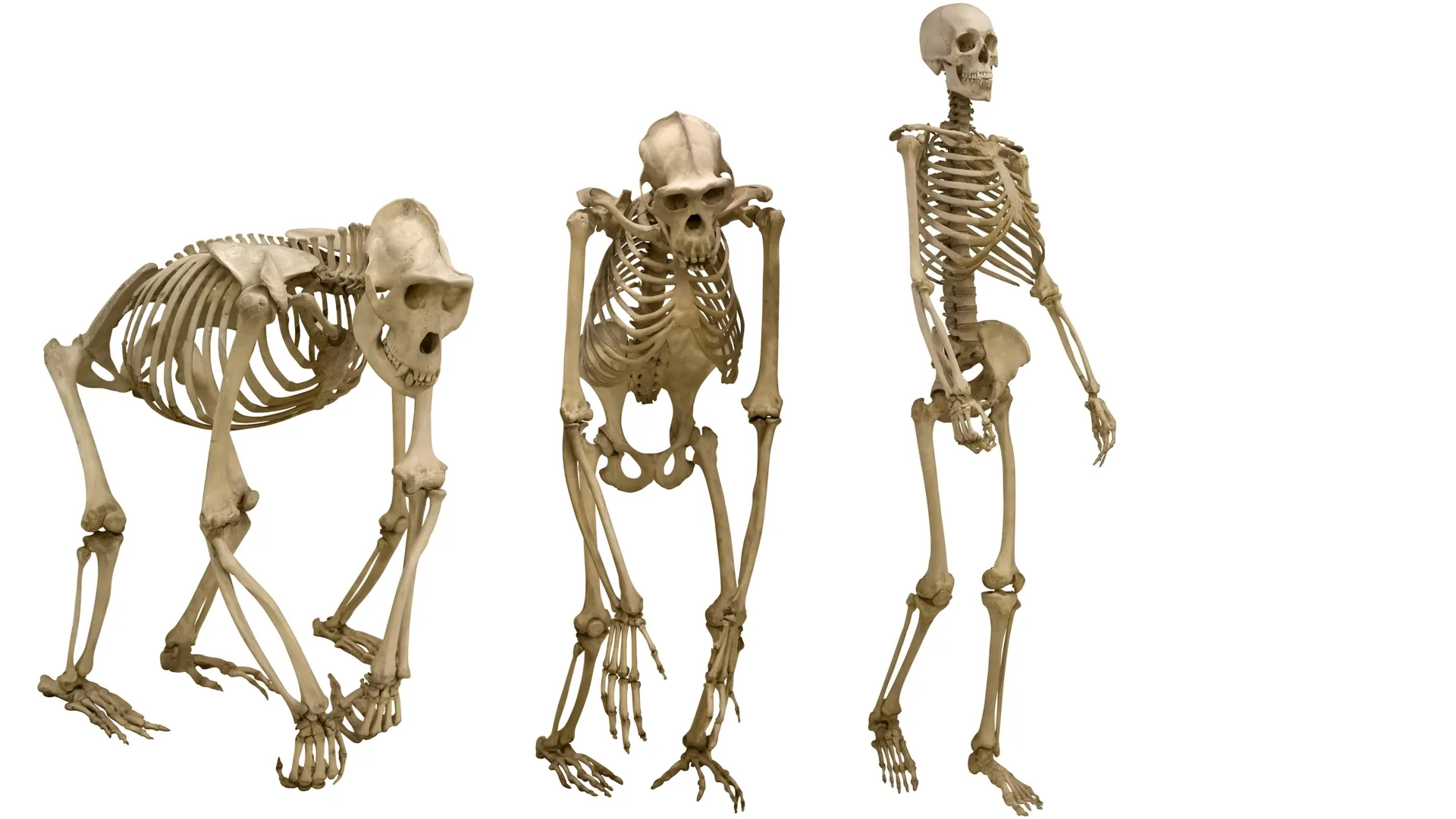
For over a century, scientists have puzzled over a fundamental mystery in our evolutionary history: how did mammals go from sprawling like lizards to striding like cats and dogs? This transition — from a sprawled stance (like a lizard) to an upright (parasagittal) posture — marked a pivotal moment in mammal evolution. While the earliest non-mammalian synapsids, the ancestors of living mammals, had a sprawling posture, researchers debated when and how the upright postures of modern mammals evolved.

Now, a groundbreaking study in PLOS Biology led by Dr. Robert Brocklehurst, a former postdoctoral fellow in the Department of Organismic and Evolutionary Biology (OEB) at Harvard University, offers a surprising answer: the path to upright posture wasn’t linear, but full of unexpected detours, evolutionary experimentation, and dramatic anatomical upheaval.

“The evolution of mammals has previously been characterized as a series of steps from sprawling, to semi-sprawling, to upright,” said Brocklehurst. “However, what we discovered was a more nonlinear evolutionary progression throughout mammalian history.”

All mammals — from bats and whales to moles and humans — share a distinctive way of moving: they hold their limbs underneath their bodies, unlike the sprawling posture with limbs out to the side. This posture enables more efficient movement and is tied to mammals’ ability to adapt to diverse lifestyles, from digging to flying. This dramatic transition was also accompanied by big changes in limb bone shape and mechanics. To assess these changes, the team analyzed the humerus (upper arm bone) of over 60 non-mammalian synapsid fossils and 140 living animals, including mammals, reptiles and amphibians.

Using a novel analytical technique, pioneered in senior author Professor Stephanie Pierce’s lab (also in OEB), researchers mapped each bone’s surface to measure traits like length, mass distribution, muscle leverage, and torsion (the degree to which the bone twists along its length). These traits correlate with specific modes of locomotion and allowed the researchers to reconstruct posture and locomotion in the fossils.

“By correlating bone shape and limb biomechanics with posture, we could test how well the fossil bones were optimized for specific functional tasks, like upright walking versus sprawled walking,” Brocklehurst said. The researchers achieved this by mapping the fossil non-mammalian synapsids onto a functional adaptive landscape, similar to a topographic map, with peaks and valleys that relate to high and low performance of different locomotor postures.

“We expected to see a neat progression — from sprawling pelycosaurs to a bit more upright therapsids, then cynodonts, then fully upright mammals,” said Brocklehurst. “Instead, we found bursts of innovation.”

The findings suggest that mammal evolution involved a series of adaptive radiations, with each major ancestral groups exploring a range of forelimb functions and postures — some of which were closer to modern mammals, others not.

“The path to upright posture wasn’t a straight line,” says Pierce, “the ancestors of mammals weren’t steps on a ladder with modern mammals at the top. Mammals have been evolving and radiating into many different niches and habitats throughout their history, and their postures reflect that variation.”

One fossil, a close relative of today’s marsupials and placentals, showed bone features consistent with a modern upright gait, suggesting that fully parasagittal postures evolved relatively late in mammalian history as opposed to previously held hypotheses. This result supports recent work from the same lab on the backbone and hindlimb.

“Our work challenges the idea that posture changed gradually and early on,” said Pierce, “instead, it shows that upright posture and locomotion were a late evolutionary innovation, not an early defining trait of the mammalian lineage.”

The researchers also challenge the long-held idea that the earliest non-mammalian synapsids sprawled in a similar way to living lizards or crocodiles. “Our study showed that most synapsid limbs functioned differently than those of modern reptiles. They’re not just copies of reptiles, but distinctive animals in their own right that are a little different from anything that’s alive today,” says co-author Kenneth Angielczyk of Chicago’s Field Museum.

To compare such a wide range of bones — spanning hundreds of species, including those hundreds of millions of years apart in age and wildly different in shape — the team had to overcome major technical hurdles. Traditional methods that describe shape in similar structures didn’t work. So, the team re-engineered an existing R software package designed for a different task, transforming it into a novel “slice-based” landmarking tool tailored for this study. Co-author Magdalen Mercado, former undergraduate student in the Integrative Biology program at Harvard, helped gather the extensive dataset as part of her senior thesis and research in the Pierce lab.

The study builds on a rich scientific legacy — both at Harvard and in paleontology. Pierce, who is also Curator of Vertebrate Paleontology in the Museum of Comparative Zoology (MCZ), noted that, “Researchers and former MCZ curators, like Alfred Sherwood Romer and Farish Jenkins, Jr., were grappling with these same questions a century ago. Now, with new tools and data, we can revisit those ideas and see the story more clearly.”

This study marks the first large-scale evolutionary analysis of mammalian posture using quantitative biomechanics. But that’s just the beginning. The team is now building detailed models of forelimbs in select fossil species to understand how joints and muscles functioned in ancient animals, offering even deeper insights into the evolution of mammalian motion.

As Brocklehurst put it: “Understanding how mammals came to walk upright isn’t just about bones, it’s about uncovering the dynamic history of life on Earth.”

Funding was provided by the US National Science Foundation (DEB1754459 and DEB1754502), by the Harvard Museum of Comparative Zoology and the Wetmore Colles Fund.

Robert Brocklehurst is currently a postdoctoral research associate in the Department of Biological Sciences at the University of Massachusetts, Lowell. Magdalen Mercado is currently a graduate student in the Committee on Evolutionary Biology at the University of Chicago.


Share Button

I lost £15,000 after going to an IVF middleman

Companies that act as “middlemen” between patients and doctors are not regulated by the fertility watchdog.

Share Button