Cleaner fish: Tiny healers or hidden spreaders in coral reef ecosystems?

Where do you go when you’re a fish and you need a skincare treatment? Coral reefs contain natural “beauty salons,” lively social hubs of activity where fish “clients” swim up and wait to be serviced by smaller fish cleaners. The little cleaners dart under and around their much bigger clients — even entering their mouths — cleaning their scales of bacteria and parasites like a team of car washers servicing a Buick. Sometimes cleaners even rub against their clients, providing a soothing massage.

But aside from skincare benefits, what role might busy cleaner fish stations play in spreading microbes and bacteria — for good or ill — throughout the reef?

A study published in the journal Marine Ecology Progress Series is the first to investigate the influence of cleaner fish stations on reef microbial diversity. It is led by scientists from the University of California, Davis, and Woods Hole Oceanographic Institute (WHOI) in collaboration with the University of Miami Rosenstiel School of Marine, Atmospheric, and Earth Science.

Could busy cleaning stations, like some medical clinics, be hotspots for spreading bacteria and pathogens? Conversely, could they help spread beneficial microbes among reef communities? Such questions carry important implications for protecting and restoring coral reefs.

“How pathogens or microbes are moving around a reef could be critically important to understanding how individuals will be affected,” said lead author Anya Brown, an assistant professor with the UC Davis Bodega Marine Laboratory and a National Geographic Explorer who conducted the study while at WHOI. “We know microbes play a role in coral bleaching, for example. This study really lays a foundation for using cleaner fish stations as a way to study movement of microbes around the reef environment.”

Cleaner fish and reef health

One hardworking fish is the cleaning goby, a pinky-sized fish with a boldly colored stripe running along its length. To understand how the presence of cleaner fish stations influence microbial diversity, the researchers experimentally removed cleaning gobies from cleaner stations on two Caribbean reefs in Puerto Rico and St. Croix in June 2021. They compared water nutrients and microbial communities of the surrounding reef area with and without gobies. This also included resident damselfish, frequent clients of cleaner gobies.

They found that more fish visited sites where cleaner fish were present compared to where they were removed in both Puerto Rico and St. Croix. They also found that cleaner fish do influence damselfish and reef microbial diversity, but the extent of their role depends on substrate type and the specific reef environment, as each reef carries a unique microbial signature. In the study, client fish, nutrient concentrations and water bacterial cell densities varied throughout the sites.

The authors say the results highlight yet another potential impact of cleaner fish and the need to further demystify their role in shaping reef microbial diversity and transmission.

Tiny fish can have big impact

“While larger organisms on coral reefs attract the most attention, the study underscores the huge impact tiny organisms such as these fish can have and how important they are to helping healthy reef ecosystems function,” said coauthor Paul Sikkel, a research professor at the Rosenstiel School’s Department of Marine Biology and Ecology. “While cleaner fish are well-known for their role in consuming parasites and reducing stress in other fish, this is the first field study to quantify their effects on microbes of other fish and the surrounding coral reef environment.”

Additional coauthors include Amy Apprill and Jeanne Bloomberg of Woods Hole Oceanographic Institution (WHOI), Gina Hendrick and Matthew Nicholson of the University of Miami Rosenstiel School, and Marta Soares and Raquel Xavier of the University of Porto in Portugal.

The study was funded by the National Science Foundation, WHOI, and The Foundation for Science and Technology in Portugal.

Share Button

Astronomers just found a giant planet that shouldn’t exist

Star TOI-6894 is just like many in our galaxy, a small red dwarf, and only ~20% of the mass of our Sun. Like many small stars, it is not expected to provide suitable conditions for the formation and hosting of a large planet.

However, as published today in Nature Astronomy, an international team of astronomers have found the unmistakable signature of a giant planet, called TOI-6894b, orbiting this tiny star.

This system has been discovered as part of a large-scale investigation of TESS (Transiting Exoplanet Survey Satellite) data, looking for giant planets around low-mass stars, led by Dr. Edward Bryant, who completed this work at The University of Warwick and at UCL’s Mullard Space Science Laboratory.

Dr. Edward Bryant, Warwick Astrophysics Prize Fellow and first author said: “I was very excited by this discovery. I originally searched through TESS observations of more than 91,000 low-mass red-dwarf stars looking for giant planets.

“Then, using observations taken with one of the world’s largest telescopes, ESO’s VLT, I discovered TOI-6894b, a giant planet transiting the lowest mass star known to date to host such a planet. We did not expect planets like TOI-6894b to be able to form around stars this low-mass. This discovery will be a cornerstone for understanding the extremes of giant planet formation.”

The planet (TOI-6894b) is a low-density gas giant with a radius a little larger than Saturn’s but with only ~50% of Saturn’s mass. The star (TOI-6894) is the lowest mass star to have a transiting giant planet discovered to date and is just 60% the size of the next smallest star to host such a planet.

Dr. Daniel Bayliss, Associate Professor at The University of Warwick said: “Most stars in our Galaxy are actually small stars exactly like this, with low masses and previously thought to not be able to host gas giant planets. So, the fact that this star hosts a giant planet has big implications for the total number of giant planets we estimate exist in our Galaxy.”

A Challenge to the Leading Theory

Dr Vincent Van Eylen, from UCL’s Mullard Space Science Laboratory, said: “It’s an intriguing discovery. We don’t really understand how a star with so little mass can form such a massive planet! This is one of the goals of the search for more exoplanets. By finding planetary systems different from our solar system, we can test our models and better understand how our own solar system formed.”

The most widely held theory of planet formation is called the core accretion theory. A planetary core forms first through accretion (gradual accumulation of material) and as the core becomes more massive, it eventually attracts gases that form an atmosphere. It then gets massive enough to enter a runaway gas accretion process to become a gas giant.

In this theory, the formation of gas giants is harder around low-mass stars because the amount of gas and dust in a protoplanetary disc around the star (the raw material of planet formation) is too limited to allow a massive enough core to form, and the runaway process to occur.

Yet the existence of TOI-6894b (a giant planet orbiting an extremely low-mass star) suggests this model cannot be completely accurate and alternative theories are needed.

Edward added: “Given the mass of the planet, TOI-6894b could have formed through an intermediate core-accretion process, in which a protoplanet forms and steadily accretes gas without the core becoming massive enough for runaway gas accretion.

“Alternatively, it could have formed because of a gravitationally unstable disc. In some cases, the disc surrounding the star will become unstable due to the gravitational force it exerts on itself. These discs can then fragment, with the gas and dust collapsing to form a planet.”

But the team found that neither theory could completely explain the formation of TOI-6894b from the available data, which leaves the origin of this giant planet as an open question for now.

Atmospheric Answers

One avenue to shed light on the mystery of TOI-6894b’s formation is a detailed atmospheric analysis. By measuring the distribution of material within the planet, astronomers can determine the size and structure of the planet’s core, which can tell us whether TOI-6894b formed via accretion or via an unstable disc.

This is not the only interesting feature of TOI-6894b’s atmosphere; it is unusually cold for a gas giant. Most of the gas giants found by exoplanet hunters are hot Jupiters, massive gas giants with temperatures of ~1000-2000 Kelvin. TOI-6894b, by comparison, is just 420 Kelvin. The cool temperature alongside other features of this planet, such as the very deep transits, makes it one of the most promising giant planets for astronomers to characterise with a cool atmosphere.

Professor Amaury Triaud, University of Birmingham, co-author, and member of the SPECULOOS collaboration said: “Based on the stellar irradiation of TOI-6894b, we expect the atmosphere is dominated by methane chemistry, which is exceedingly rare to identify. Temperatures are low enough that atmospheric observations could even show us ammonia, which would be the first time it is found in an exoplanet atmosphere.

“TOI-6894b likely presents a benchmark exoplanet for the study of methane-dominated atmospheres and the best ‘laboratory’ to study a planetary atmosphere containing carbon, nitrogen, and oxygen outside the Solar System.”

The atmosphere of TOI-6894b is already scheduled to be observed by the James Webb Space Telescope (JWST) within the next 12 months. This should allow astronomers to determine which, if either, of the possible theories can explain the formation of this unexpected planet.

Co-author Dr. Andrés Jordán, researcher at the Millennium Institute of Astrophysics and professor at Adolfo Ibáñez University, said: “This system provides a new challenge for models of planet formation, and it offers a very interesting target for follow-up observations to characterize its atmosphere.

“This discovery is the result of a systematic program we have been carrying out for several years from Chile and the UK. Our efforts have allowed us to contribute significantly to a better understanding of how often small stars can form giant planets, and we are providing prime targets for follow-up with space-based platforms.”

Share Button

Scientists found the brain glitch that makes you think you’re still hungry

Researchers identify “meal memory” neurons in laboratory rats that could explain why forgetting lunch leads to overeating.

Scientists have discovered a specific group of brain cells that create memories of meals, encoding not just what food was eaten but when it was eaten. The findings, published today in Nature Communications, could explain why people with memory problems often overeat and why forgetting about a recent meal can trigger excessive hunger and lead to disordered eating.

During eating, neurons in the ventral hippocampus region of the brain become active and form what the team of researchers call “meal engrams” — specialized memory traces that store information about the experience of food consumption. While scientists have long studied engrams for their role in storing memories and other experiences in the brain, the new study identified engrams dedicated to meal experiences.

“An engram is the physical trace that a memory leaves behind in the brain,” said Scott Kanoski, professor of biological sciences at the USC Dornsife College of Letters, Arts and Sciences and corresponding author of the study. “Meal engrams function like sophisticated biological databases that store multiple types of information such as where you were eating, as well as the time that you ate.”

Distracted eating implications

The discovery has immediate relevance for understanding human eating disorders. Patients with memory impairments, such as those with dementia or brain injuries that affect memory formation, may often consume multiple meals in quick succession because they cannot remember eating.

Furthermore, distracted eating — such as mindlessly snacking while watching television or scrolling on a phone — may impair meal memories and contribute to overconsumption.

Based on the experiment’s findings, meal engrams are formed during brief pauses between bites when the brain of laboratory rats naturally survey the eating environment. These moments of awareness allow specialized hippocampal neurons to integrate multiple streams of information.

Kanoski said it can be assumed a human’s brain would undergo a similar phenomenon. When someone’s attention is focused elsewhere — on phone or television screens — these critical encoding moments are compromised. “The brain fails to properly catalog the meal experience,” said Lea Decarie-Spain, postdoctoral scholar at USC Dornsife and the study’s first author, “leading to weak or incomplete meal engrams.”

Mechanism of ‘meal memories’

The research team used advanced neuroscience techniques to observe the brain activity of laboratory rats as they ate, providing the first real-time view of how meal memories form.

The meal memory neurons are distinct from brain cells involved in other types of memory formation. When researchers selectively destroyed these neurons, lab rats showed impaired memory for food locations but retained normal spatial memory for non-food-related tasks, indicating a specialized system dedicated to meal-related information processing. The study revealed that meal memory neurons communicate with the lateral hypothalamus, a brain region long known to control hunger and eating behavior. When this hippocampus-hypothalamus connection was blocked, the lab rats overate and could not remember where meals were consumed.

Eating management implications

Kanoski said the findings could eventually inform new clinical approaches for treating obesity and weight management. Current weight management strategies often focus on restricting food intake or increasing exercise, but the new research suggests that enhancing meal memory formation could be equally important.

“We’re finally beginning to understand that remembering what and when you ate is just as crucial for healthy eating as the food choices themselves,” Kanoski said.

In addition to Kanoski, other study authors include Lea Decarie-Spain, Cindy Gu, Logan Tierno Lauer, Alicia E. Kao, Iris Deng, Molly E. Klug, Alice I. Waldow, Ashyah Hewage Galbokke, Olivia Moody, Kristen N. Donohue, Keshav S. Subramanian, Serena X. Gao, Alexander G. Bashaw and Jessica J. Rea of USC; and Samar N. Chehimi, Richard C. Crist, Benjamin C. Reiner and Matthew R. Hayes from the University of Pennsylvania’s Perelman School of Medicine; and Mingxin Yang and Guillaume de Lartigue from the Monell Chemical Senses Center; and Kevin P. Myers from the Department of Psychology at Bucknell University.

The study was supported by a Quebec Research Funds Postdoctoral Fellowship (315201), an Alzheimer’s Association Research Fellowship (AARFD-22-972811), a National Science Foundation Graduate Research Fellowship (DK105155), and a National Institute of Diabetes and Digestive and Kidney Diseases grant (K104897).

Share Button

This “Healthy” Fat May Secretly Be Fueling Obesity

Eating a high-fat diet containing a large amount of oleic acid – a type of fatty acid commonly found in olive oil – could drive obesity more than other types of dietary fats, according to a study published in the journal Cell Reports.

The study found that oleic acid, a monounsaturated fat associated with obesity, causes the body to make more fat cells. By boosting a signaling protein called AKT2 and reducing the activity of a regulating protein called LXR, high levels of oleic acid resulted in faster growth of the precursor cells that form new fat cells.

“We know that the types of fat that people eat have changed during the obesity epidemic. We wanted to know whether simply overeating a diet rich in fat causes obesity, or whether the composition of these fatty acids that make up the oils in the diet is important. Do specific fat molecules trigger responses in the cells?” said Michael Rudolph, Ph.D., assistant professor of biochemistry and physiology at the University of Oklahoma College of Medicine and member of OU Health Harold Hamm Diabetes Center.

Rudolph and his team, including Matthew Rodeheffer, Ph.D., of Yale University School of Medicine and other collaborators at Yale and New York University School of Medicine, fed mice a variety of specialized diets enriched in specific individual fatty acids, including those found in coconut oil, peanut oil, milk, lard and soybean oil. Oleic acid was the only one that caused the precursor cells that give rise to fat cells to proliferate more than other fatty acids.

“You can think of the fat cells as an army,” Rudolph said. “When you give oleic acid, it initially increases the number of ‘fat cell soldiers’ in the army, which creates a larger capacity to store excess dietary nutrients. Over time, if the excess nutrients overtake the number of fat cells, obesity can occur, which can then lead to cardiovascular disease or diabetes if not controlled.”

Unfortunately, it’s not quite so easy to isolate different fatty acids in a human diet. People generally consume a complex mixture if they have cream in their coffee, a salad for lunch and meat and pasta for dinner. However, Rudolph said, there are increasing levels of oleic acid in the food supply, particularly when access to food variety is limited and fast food is an affordable option.

“I think the take-home message is moderation and to consume fats from a variety of different sources,” he said. “Relatively balanced levels of oleic acid seem to be beneficial, but higher and prolonged levels may be detrimental. If someone is at risk for heart disease, high levels of oleic acid may not be a good idea.”

Share Button

Menstrual tracking app users cautioned about risks

Women deserve better than to have their menstrual data treated as consumer data, say researchers.

Share Button

Cervical screening invites to change in England

Invitations be sent out by the NHS every five years instead of every three for women aged 25-49 in England, if they have a negative test.

Share Button

MPs set to vote on decriminalising abortion in England and Wales

Women would never be prosecuted for terminating a pregnancy under proposed new laws.

Share Button

What a dinosaur ate 100 million years ago—Preserved in a fossilized time capsule

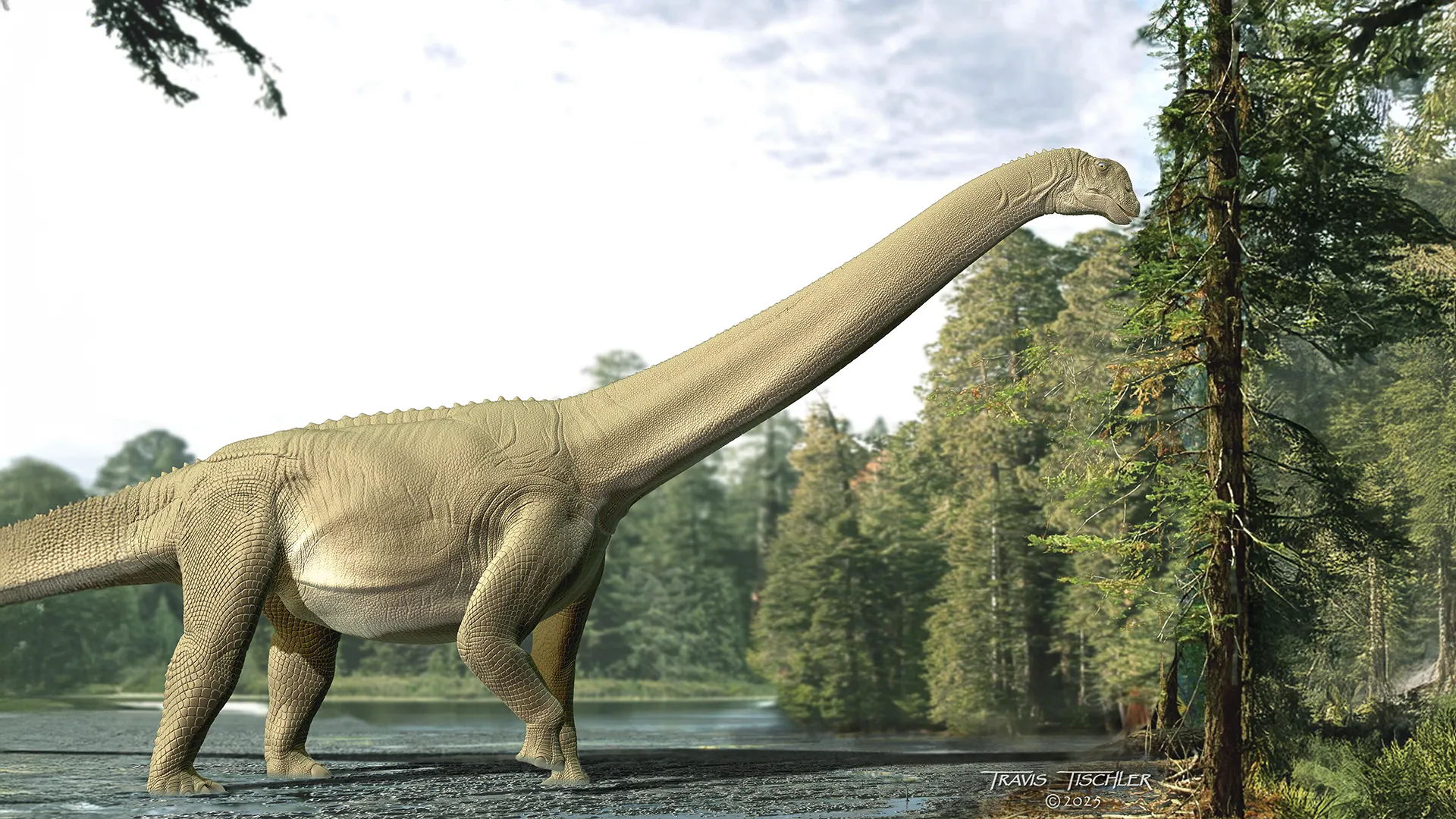
Plant fossils found in the abdomen of a sauropod support the long-standing hypothesis that these dinosaurs were herbivores, finds a study published on June 9 in the Cell Press journal Current Biology. The dinosaur, which was alive an estimated 94 to 101 million years ago, ate a variety of plants and relied almost entirely on its gut microbes for digestion.

“No genuine sauropod gut contents had ever been found anywhere before, despite sauropods being known from fossils found on every continent and despite the group being known to span at least 130 million years of time,” says lead author Stephen Poropat of Curtin University. “This finding confirms several hypotheses about the sauropod diet that had been made based on studies of their anatomy and comparisons with modern-day animals.”

Knowledge of the diet of dinosaurs is critical for understanding their biology and the role they played in ancient ecosystems, say the researchers. However, very few dinosaur fossils have been found with cololites, or preserved gut contents. Sauropod cololites have remained particularly elusive, even though these dinosaurs may have been the most ecologically impactful terrestrial herbivores worldwide throughout much of the Jurassic and Cretaceous periods, given their gigantic sizes. Due to this lack of direct evidence when it comes to diet, the specifics of sauropod herbivory — including the plant taxa they ate — have been largely inferred based on anatomical features such as tooth wear, jaw morphology, and neck length.

In the summer of 2017, the staff and volunteers at the Australian Age of Dinosaurs Museum of Natural History were excavating a relatively complete subadult skeleton of the sauropod Diamantinasaurus matildae from the mid-Cretaceous period, which was found in the Winton Formation of Queensland, Australia. During this process, they noticed an unusual, fractured rock layer that appeared to contain the sauropod’s cololite, which consisted of many well-preserved plant fossils.

Analysis of the plant specimens within the cololite showed that sauropods likely only engaged in minimal oral processing of their food, relying instead on fermentation and their gut microbiota for digestion. The cololite consisted of a variety of plants, including foliage from conifers (cone-bearing seed plants), seed-fern fruiting bodies (plant structures that hold seeds), and leaves from angiosperms (flowering plants), indicating that Diamantinasaurus was an indiscriminate, bulk feeder.

“The plants within show evidence of having been severed, possibly bitten, but have not been chewed, supporting the hypothesis of bulk feeding in sauropods,” says Poropat.

The researchers also found chemical biomarkers of both angiosperms and gymnosperms — a group of woody, seed-producing plants that include conifers. “This implies that at least some sauropods were not selective feeders, instead eating whatever plants they could reach and safely process,” Poropat says. “These findings largely corroborate past ideas regarding the enormous influence that sauropods must have had on ecosystems worldwide during the Mesozoic Era.”

Although it was not unexpected that the gut contents provided support for sauropod herbivory and bulk feeding, Poropat was surprised to find angiosperms in the dinosaur’s gut. “Angiosperms became approximately as diverse as conifers in Australia around 100 to 95 million years ago, when this sauropod was alive,” he says. “This suggests that sauropods had successfully adapted to eat flowering plants within 40 million years of the first evidence of the presence of these plants in the fossil record.”

Based on these findings, the team suggests that Diamantinasaurus likely fed on both low- and high-growing plants, at least before adulthood. As hatchlings, sauropods could only access plants found close to the ground, but as they grew, so did their viable dietary options. In addition, the prevalence of small shoots, bracts, and seed pods in the cololite implies that subadult Diamantinasaurus targeted new growth portions of conifers and seed ferns, which are easier to digest.

According to the authors, the strategy of indiscriminate bulk feeding seems to have served sauropods well for 130 million years and might have enabled their success and longevity as a clade. Despite the importance of this discovery, Poropat pointed out a few caveats.

“The primary limitation of this study is that the sauropod gut contents we describe constitute a single data point,” he explains. “These gut contents only tell us about the last meal or several meals of a single subadult sauropod individual,” says Poropat. “We don’t know if the plants preserved in our sauropod represent its typical diet or the diet of a stressed animal. We also don’t know how indicative the plants in the gut contents are of juvenile or adult sauropods, since ours is a subadult, and we don’t know how seasonality might have affected this sauropod’s diet.”

This research was supported by funding from the Australian Research Council.

Share Button

Scientists uncover why “stealth” volcanoes stay silent until eruption

When volcanoes are preparing to erupt, scientists rely on typical signs to warn people living nearby: deformation of the ground and earthquakes, caused by underground chambers filling up with magma and volcanic gas. But some volcanoes, called ‘stealthy’ volcanoes, don’t give obvious warning signs. Now scientists studying Veniaminof, Alaska, have developed a model which could explain and predict stealthy eruptions.

“Despite major advances in monitoring, some volcanoes erupt with little or no detectable precursors, significantly increasing the risk to nearby populations,” said Dr Yuyu Li of the University of Illinois, lead author of the study in Frontiers in Earth Science. “Some of these volcanoes are located near major air routes or close to communities: examples include Popocatépetl and Colima in Mexico, Merapi in Indonesia, Galeras in Colombia, and Stromboli in Italy.

“Our work helps explain how this happens, by identifying the key internal conditions — such as low magma supply and warm host rock — that make eruptions stealthy.”

Warning signs

Veniaminof is an ice-clad volcano in the Aleutian Arc of Alaska. It’s carefully monitored, but only two of its 13 eruptions since 1993 have been preceded by enough signs to alert observing scientists. In fact, a 2021 eruption wasn’t caught until three days after it had started.

“Veniaminof is a case study in how a volcano can appear quiet while still being primed to erupt,” said Li. “It is one of the most active volcanoes in Alaska. In recent decades, it has produced several VEI 3 eruptions — moderate-sized explosive events that can send ash up to 15 km high, disrupt air traffic, and pose regional hazards to nearby communities and infrastructure — often without clear warning signs.”

To understand Veniaminof better, the scientists used monitoring data over three summer seasons immediately before the 2018 stealthy eruption, which produced only ambiguous warning signs immediately before it happened. They created a model of the volcano’s behavior in different conditions which would change the impact of a filling magma reservoir on the ground above: six potential volumes of magma reservoir, a range of magma flow rates and reservoir depths, and three shapes of reservoir. They then compared the models to the data to see which matched best, and which conditions produced eruptions, stealthy or otherwise.

Volcano by the numbers

They found that a high flow of magma into a chamber increases the deformation of the ground and the likelihood of an eruption. If magma is flowing quickly into a large chamber, an eruption may not occur, but if one does the ground will deform enough to warn scientists first. Similarly, a high flow of magma into a small chamber is likely to produce an eruption, but not a stealthy one. Stealthy eruptions become likely when a low flow of magma enters a relatively small chamber. Compared to observational data, the results suggest that Veniaminof has a small magma chamber and a low flow of magma.

The model also suggests that different conditions could produce different warning signs. Magma flowing into larger, flatter chambers may cause minimal earthquakes, while smaller, more elongated chambers may produce little deformation of the ground. But stealthy eruptions only happen when all the conditions are in place — the right magma flow and the right chamber size, shape, and depth.

However, when the scientists added temperature to their model, they found that if magma is consistently present over time so that the rock of the chamber is warm, size and shape matters less. If the rock is warm, it’s less likely to fail in ways that cause detectable earthquakes or deformation of the ground when magma flows into the chamber, increasing the likelihood of a stealthy eruption.

What next?

“To mitigate the impact of these potential surprise eruptions, we need to integrate high-precision instruments like borehole tiltmeters and strainmeters and fiber optic sensing, as well as newer approaches such as infrasound and gas emission monitoring,” said Li. “Machine learning has also shown promise in detecting subtle changes in volcanic behavior, especially in earthquake signal picking.”

At Veniaminof, taking measures to improve the coverage of satellite monitoring and adding tiltmeters and strainmeters could improve the rate of detection. In the meantime, scientists now know which volcanoes they need to watch most closely: volcanoes with small, warm reservoirs and slow magma flows.

“Combining these models with real-time observations represents a promising direction for improving volcano forecasting,” said Li. “In the future, this approach can enable improved monitoring for these stealthy systems, ultimately leading to more effective responses to protect nearby communities.”

Share Button

Sharper than lightning: Oxford’s one-in-6. 7-million quantum breakthrough

Physicists at the University of Oxford have set a new global benchmark for the accuracy of controlling a single quantum bit, achieving the lowest-ever error rate for a quantum logic operation — just 0.000015%, or one error in 6.7 million operations. This record-breaking result represents nearly an order of magnitude improvement over the previous benchmark, set by the same research group a decade ago.

To put the result in perspective: a person is more likely to be struck by lightning in a given year (1 in 1.2 million) than for one of Oxford’s quantum logic gates to make a mistake.

The findings, published in Physical Review Letters, are a major advance towards having robust and useful quantum computers.

“As far as we are aware, this is the most accurate qubit operation ever recorded anywhere in the world,” said Professor David Lucas, co-author on the paper, from the University of Oxford’s Department of Physics. “It is an important step toward building practical quantum computers that can tackle real-world problems.”

To perform useful calculations on a quantum computer, millions of operations will need to be run across many qubits. This means that if the error rate is too high, the final result of the calculation will be meaningless. Although error correction can be used to fix mistakes, this comes at the cost of requiring many more qubits. By reducing the error, the new method reduces the number of qubits required and consequently the cost and size of the quantum computer itself.

Co-lead author Molly Smith (Graduate Student, Department of Physics, University of Oxford), said: “By drastically reducing the chance of error, this work significantly reduces the infrastructure required for error correction, opening the way for future quantum computers to be smaller, faster, and more efficient. Precise control of qubits will also be useful for other quantum technologies such as clocks and quantum sensors.”

This unprecedented level of precision was achieved using a trapped calcium ion as the qubit (quantum bit). These are a natural choice to store quantum information due to their long lifetime and their robustness. Unlike the conventional approach, which uses lasers, the Oxford team controlled the quantum state of the calcium ions using electronic (microwave) signals.

This method offers greater stability than laser control and also has other benefits for building a practical quantum computer. For instance, electronic control is much cheaper and more robust than lasers, and easier to integrate in ion trapping chips. Furthermore, the experiment was conducted at room temperature and without magnetic shielding, thus simplifying the technical requirements for a working quantum computer.

The previous best single-qubit error rate, also achieved by the Oxford team, in 2014, was 1 in 1 million. The group’s expertise led to the launch of the spinout company Oxford Ionics in 2019, which has become an established leader in high-performance trapped-ion qubit platforms.

Whilst this record-breaking result marks a major milestone, the research team caution that it is part of a larger challenge. Quantum computing requires both single- and two-qubit gates to function together. Currently, two-qubit gates still have significantly higher error rates — around 1 in 2000 in the best demonstrations to date — so reducing these will be crucial to building fully fault-tolerant quantum machines.

The experiments were carried out at the University of Oxford’s Department of Physics by Molly Smith, Aaron Leu, Dr Mario Gely and Professor David Lucas, together with a visiting researcher, Dr Koichiro Miyanishi, from the University of Osaka’s Centre for Quantum Information and Quantum Biology.

The Oxford scientists are part of the UK Quantum Computing and Simulation (QCS) Hub, which was a part of the ongoing UK National Quantum Technologies Programme.

Share Button