How outdated phones can power smart cities and save the seas

Each year, more than 1.2 billion smartphones are produced globally. The production of electronic devices is not only energy-intensive but also consumes valuable natural resources. Additionally, the manufacturing and delivery processes release a significant amount of CO2 into the atmosphere. Meanwhile, devices are aging faster than ever — users replace their still-functional phones on average every 2 to 3 years. At best, old devices are recycled; at worst, they end up in landfills.

Although the most sustainable solution would be to change consumer behavior and consider more carefully whether every new model truly requires replacing the old one, this is easier said than done. Rapid technological development quickly renders older devices obsolete. Therefore, alternative solutions are needed — such as extending the lifespan of devices by giving them an entirely new purpose.

This is precisely the approach tested by researchers Huber Flores, Ulrich Norbisrath, and Zhigang Yin from the University of Tartu’s Institute of Computer Science, along with Perseverance Ngoy from the Institute of Technology and their international colleagues. “Innovation often begins not with something new, but with a new way of thinking about the old, re-imagining its role in shaping the future,” explained Huber Flores, Associate Professor of Pervasive Computing. They demonstrated that old smartphones can be successfully repurposed into tiny data centers capable of efficiently processing and storing data. They also found that building such a data center is remarkably inexpensive — around 8 euros per device.

These tiny data centers have a wide range of applications. For example, they could be used in urban environments like bus stops to collect real-time data on the number of passengers, which could then be used to optimize public transportation networks.

In the project’s first stage, the researchers removed the phones’ batteries and replaced them with external power sources to reduce the risk of chemical leakage into the environment. Then, four phones were connected together, fitted with 3D-printed casings and holders, and turned into a working prototype ready to be re-used, fostering sustainable practices for old electronics.

The prototype was then successfully tested underwater, where it participated in marine life monitoring by helping to count different sea species. Normally, these kinds of tasks require a scuba diver to record video and bring it to the surface for analysis. But with the prototype, the whole process was done automatically underwater.

The team’s results show that outdated technology doesn’t have to end up as waste. With minimal resources, these devices can be given a new purpose, contributing to the development of more environmentally friendly and sustainable digital solutions.

“Sustainability is not just about preserving the future — it’s about reimagining the present, where yesterday’s devices become tomorrow’s opportunities,” commented Ulrich Norbisrath, Associate Professor of Software Engineering.

Share Button

Hidden in your dna: The mutation combo that raises clot risk by 180%

Blood clots can form in both arteries and veins. However, the reasons behind them differ, as do the consequences and the chances of preventing blood clots. In Sweden, almost half of all cases of venous thrombosis have a genetic explanation. A team of researchers from Lund University in Sweden has now discovered three gene variants that increase the risk of blood clots in the leg by up to 180 percent.

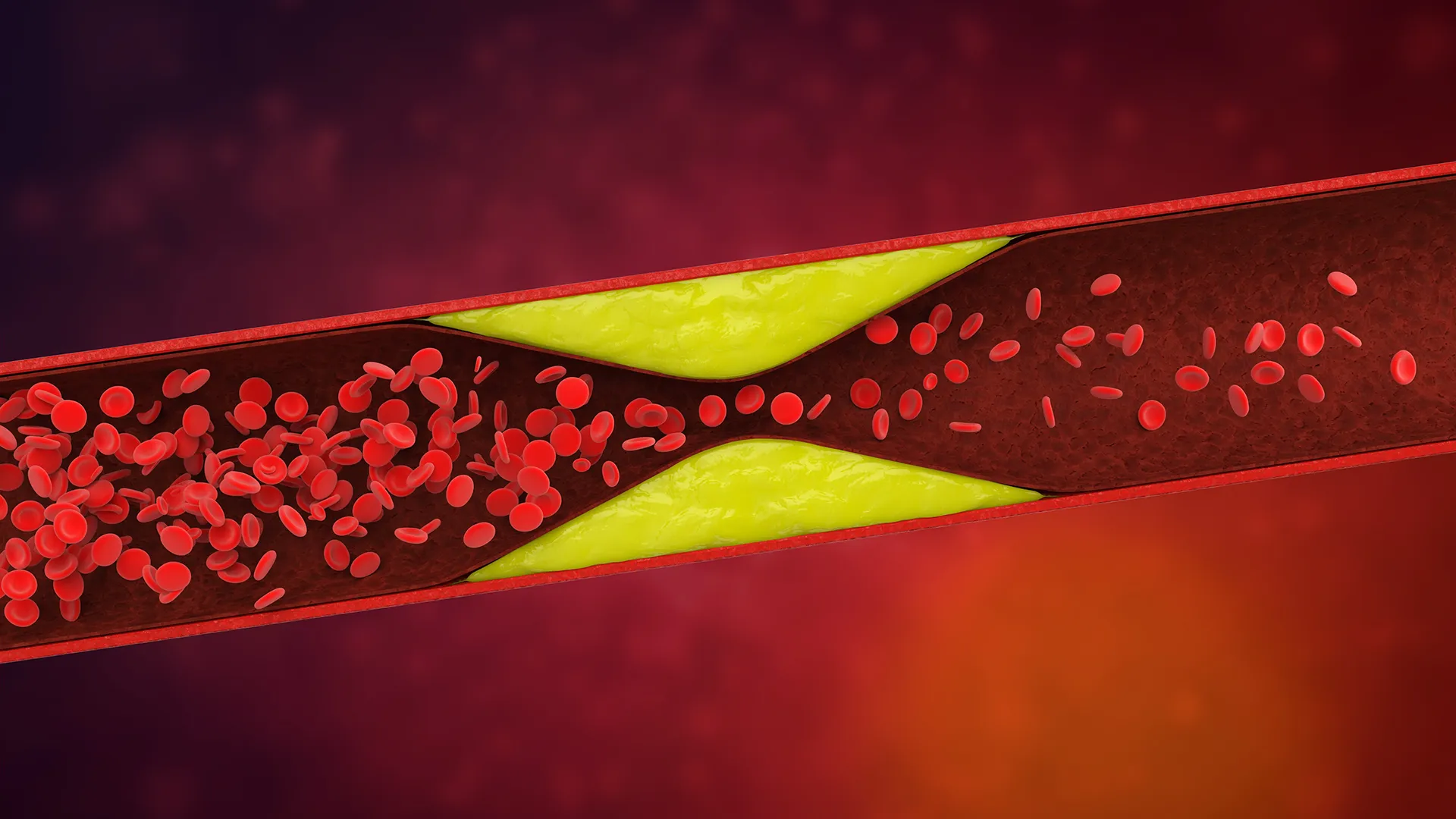
There is a difference between arterial and venous blood clots. Blood clots in the arteries form when plaque in calcified vessels bursts and the body perceives it as an injury. This activates the platelets, which clump together and form a clot. In the worst case, it can lead to a stroke or heart attack. A venous thrombus, on the other hand, usually forms in the leg when the blood stagnates for too long. This can activate the body’s coagulation system, allowing the clotting system to be activated and the blood to clot, blocking blood flow. If the clot breaks loose and travels with the blood to the lungs, it can lead to pulmonary embolism, a life-threatening condition.

“Venous thrombosis is in fact one of the most common causes of death in the world. It is a common disease that has always been somewhat overshadowed by arterial blood clots,” says Bengt Zöller, a specialist in general medicine at Skåne University Hospital and professor of general medicine at Lund University.

In Sweden, more than 10,000 people suffer from venous thromboembolism each year and that number appears to be increasing. Several factors are contributing to this increase. One of the strongest risk factors is age, and as the number of older people in Sweden grows, the number of clots is also increasing. Ten per cent of 80-year-olds experience a blood clot at some point. The risk also increases if you are overweight or tall.

“The muscles control the blood flow in the veins and the legs become like columns of fluid where the force of gravity is strong. Too much sedentary and inactive behaviour, then, is harmful. Only the valves of the veins prevent backflow and if these are damaged, the risk of blood clots can increase. Therefore, tall people are more prone to blood clots, as their larger veins provide less blood flow, combined with the fact that blood must travel a greater distance back to the heart.”

Because the heart pumps blood out into the arteries, there is much higher blood pressure in the arteries than in the veins, which can contribute to atherosclerosis. High blood pressure, high levels of blood lipids and smoking are all risk factors for atherosclerosis of the arteries. But because the veins are a low-pressure system, the vessels do not become atherosclerotic. Therefore, neither high blood pressure nor blood lipids are associated with venous clots and smoking is considered only a weak to moderate risk factor. Being overweight, on the other hand, is a very significant culprit. Obesity has a negative impact on venous circulation, especially when combined with the fact that overweight people are often less active. Some clotting factors are also affected by obesity.

“In terms of diet, there are fewer studies, but ultra-processed foods have been associated with a slightly increased risk of blood clots, and plant-based, healthy foods with a reduced risk. In our studies, we have also seen that commercial fishermen have a lower risk, which may be due to a higher omega-3 content in their diet.”

There are also specific situations in which the risk of venous blood clots is particularly high. The risk of blood clots increases when blood flow is reduced, such as when travelling by air for long periods of time or when lying in bed for several days. Surgery or inflammation that damages the vessel wall can also lead to an increased tendency to clot. Particularly during pregnancy, blood clotting factors increase and levels of some protective proteins may decrease.

“In these risk situations, prophylaxis in the form of blood thinners may be particularly important if other risk factors are also present.”

Other risk factors are the genetic variants that affect different parts of the blood’s clotting ability. In Sweden, we have a high prevalence of APC (activated protein C) resistance due to an inherited mutation in the gene for coagulation factor V, called Factor V Leiden. About 10 per cent of Swedes have this mutation, which is considered the most common coagulation mutation among Indo-Europeans.

“Evolutionarily, bleeding less has been an advantage, but in our modern, sedentary society, APC resistance is becoming a risk factor.”

Bengt Zöller and his fellow researchers have now identified the strongest genetic risk factor since Factor V Leiden was discovered. They used data from the population-based Malmö Kost Cancer study, involving 30,000 Malmö residents. By selecting 27 genes previously associated with clotting disorders, they found three variants that, when taken together, were as significant a risk factor for venous blood clots as Factor V Leiden: ABO, F8, and VWF each increased the risk of venous blood clots by 10 to 30 percent.

“And the more of these variants a person has – the higher the risk. An individual with five of these gene variants has a 180 per cent higher risk of venous thrombosis. Unlike Factor V Leiden, which is only found in Indo-Europeans, these three different mutations are found in between five and fifty per cent of various populations around the globe.”

As these genetic variants are present in all populations, the next step is to investigate how the number of risk genes affects the duration of treatment with anticoagulants after a blood clot.

“I think tailoring treatment based on risk assessment will become increasingly important,” concludes Bengt Zöller.

What you can do to prevent blood clots:

  • Movement: Avoid sitting still for long periods. Stand up and move around on long flights.
  • Support stockings: Can help blood flow when you must stand or sit for long periods.
  • Blood-thinning medicines: Can be given prophylactically in high-risk situations such as surgery, cancer and others.
  • Contraceptive pills containing oestrogen: avoid contraceptive pills containing oestrogen or hormone replacement therapy if there is strong heredity for venous thromboembolism or if you have a history of blood clots.
  • Lifestyle changes: Stop smoking, eat healthier, lose weight and exercise.
  • Get vaccinated: Infections can activate the coagulation system.

Blood clot

A blood clot consists of coagulated blood that has become lodged in a blood vessel. Clots can form either in the oxygen-rich blood in the body’s arteries as it is pumped out of the heart, or in the low-oxygen blood in the veins (usually in the legs) as it is returned to the lungs and heart.

Share Button

Doctors trialling ‘poo pills’ to flush out dangerous superbugs

Can a dose of good bacteria clear superbugs from their hiding place in the bowels?

Share Button

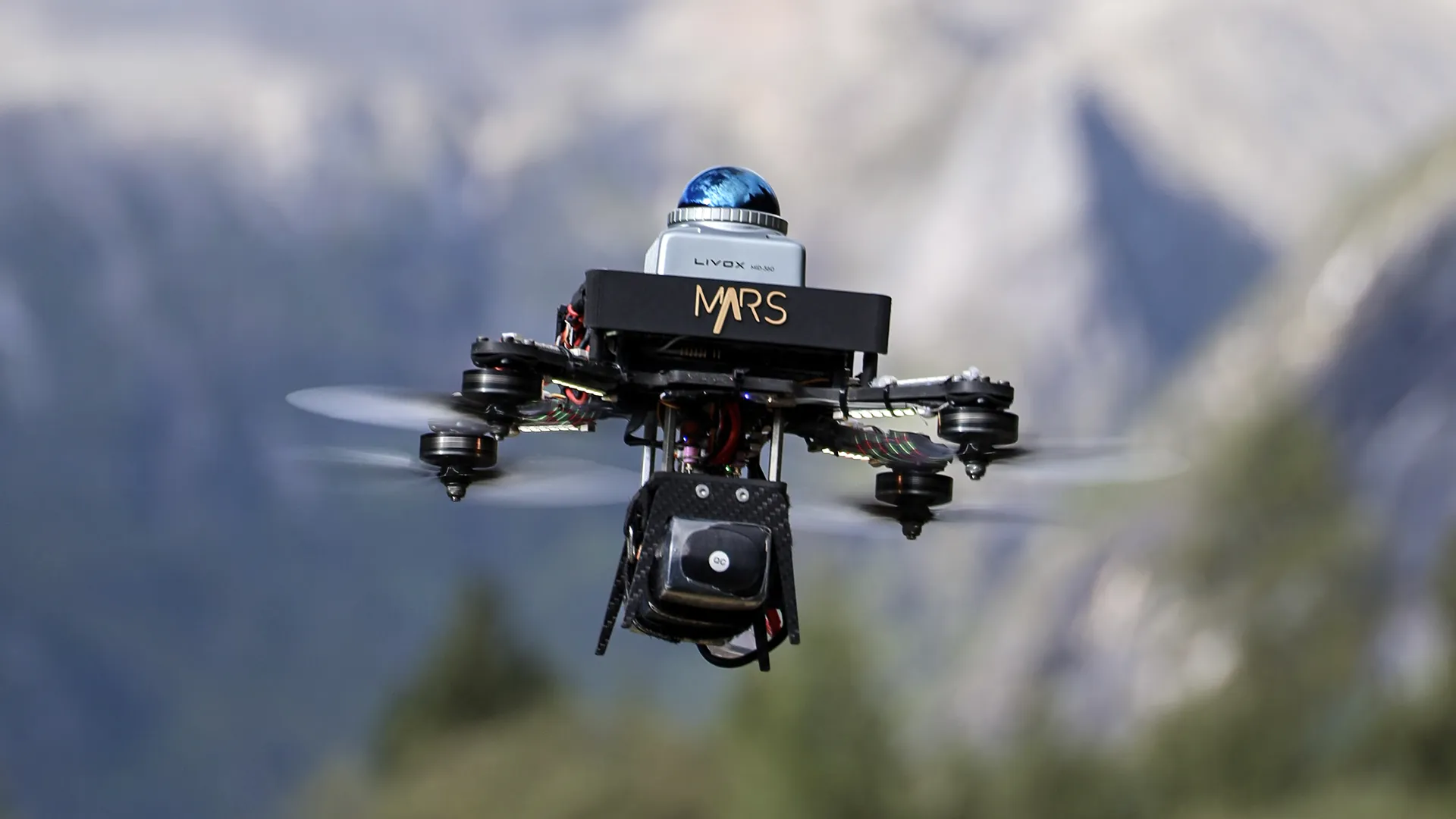
This “robot bird” flies at 45 mph through forests—With no GPS or light

Unlike birds, which navigate unknown environments with remarkable speed and agility, drones typically rely on external guidance or pre-mapped routes. However, a groundbreaking development by Professor Fu Zhang and researchers from the Department of Mechanical Engineering of Faculty of Engineering at the University of Hong Kong (HKU), has enabled drones and micro air vehicles (MAVs) to emulate the flight capabilities of birds more closely than ever before.

The team has developed the Safety-Assured High-Speed Aerial Robot (SUPER), capable of flying at speeds exceeding 20 meters per second and avoiding obstacles as thin as 2.5 millimeters – such as power lines or twigs – using solely on onboard sensors and computing power. With a compact design featuring a wheelbase of just 280 mm and a takeoff weight of 1.5 kg, SUPER demonstrates exceptional agility, navigating dense forests at night and skillfully avoiding thin wires.

Professor Zhang describes this invention as a game-changer in the field of drone technology, “Picture a ‘Robot Bird’ swiftly maneuvering through the forest, effortlessly dodging branches and obstacles at high speeds. This is a significant step forward in autonomous flight technology. Our system allows MAVs to navigate complex environments at high speeds with a level of safety previously unattainable. It’s like giving the drone the reflexes of a bird, enabling it to dodge obstacles in real-time while racing toward its goal.”

The breakthrough lies in the sophisticated integration of hardware and software. SUPER utilizes a lightweight 3D light detection and ranging (LIDAR) sensor capable of detecting obstacles up to 70 meters away with pinpoint accuracy. This is paired with an advanced planning framework that generates two trajectories during flight: one that optimizing speed by venturing into unknown spaces and another prioritizing safety by remaining within known, obstacle-free zones.

By processing LIDAR data directly as point clouds, the system significantly reduces computation time, enabling rapid decision-making even at high velocities. The technology has been tested in various real-life applications, such as the autonomous exploration of ancient sites, and has demonstrated seamless navigation in both indoor and outdoor environments.

“The ability to avoid thin obstacles and navigate tight spaces opens up new possibilities for applications like search and rescue, where every second counts. SUPER’s robustness in various lighting conditions, including nighttime, makes it a reliable tool for round-the-clock operations.” said Mr Yunfan Ren, the lead author of the research paper.

The research team envisions a wide range of applications for this innovative technology, including autonomous delivery, power line inspection, forest monitoring, autonomous exploration, and mapping. In search and rescue missions, MAVs equipped with SUPER technology could swiftly navigate disaster zones – such as collapsed buildings or dense forests – day and night, locating survivors or assessing hazards more efficiently than current drones. Moreover, in disaster relief scenarios, they could deliver crucial supplies to remote and inaccessible areas.

Share Button

Why your diet might be making you sad—Especially if you’re a man

Following a low calorie diet is linked to a heightened risk of depressive symptoms, finds research published in the open access journal, BMJ Nutrition Prevention & Health.

Men and those who are overweight may be especially vulnerable to the effects of restrictive eating, the findings suggest.

A ‘healthy’ diet rich in minimally processed foods, fresh fruits and vegetables, whole grains, nuts, seeds, lean proteins and fish, is generally associated with a lower risk of depression, while an ‘unhealthy’ diet, dominated by ultra-processed foods, refined carbs, saturated fats, processed meats and sweets, is generally associated with a heightened risk, explain the researchers.

But people follow many different types of diet for health or medical reasons, including those that restrict calories or particular nutrients, and it’s not clear if these other dietary patterns might be associated with a risk of depressive symptoms, they add.

To explore this further, they drew on 28,525 adult respondents (14,329 women and 14,196 men) to the nationally representative US National Health and Nutrition Examination Survey (NHANES) for the years 2007-18, who had completed the Patient Health Questionnaire-9 (PHQ-9) for depressive symptom severity.

In all, 2508 people (just under 8%) reported depressive symptoms, and 7995 participants (29%) had a healthy weight; 9470 (33%) were overweight; and 11060 (38%) were obese.

Participants were asked if they were following any particular diet either to lose weight or for other health reasons, and if so, which of the 9 diet options set out in all 6 cycles of NHANES they were on.

Dietary patterns were categorised into 4 groups: (1) calorie-restrictive; (2) nutrient-restrictive (low in fat/cholesterol, sugar, salt, fibre, or carbs); (3) established dietary patterns (adapted for diabetes, for example); and (4) not on a diet.

Most participants (25,009, 87%) said they weren’t on any specific diet, while 2026 (8%) followed a calorie-restrictive diet, 859 (3%) a nutrient-restrictive diet, and 631 (2%) an established dietary pattern.

When stratified by sex, a greater proportion of men (12,772; 90%) than women (12,237; 85%) said they weren’t on a diet. Calorie restriction was most commonly reported by obese participants (1247;12%) and those who were overweight (594; 8%), while nutrient-restrictive and established dietary patterns were less commonly reported, with the highest proportion of established dietary pattern users among obese participants (359; 3%).

PHQ-9 scores were 0.29 points higher in those on calorie-restrictive diets than in those not on any specific diet.

The scores were higher among those who were overweight and following a calorie-restrictive diet: their PHQ-9 scores were 0.46 points higher, while a nutrient-restrictive diet was associated with a 0.61 point increase in PHQ-9 scores.

Calorie-restrictive diets were also associated with higher cognitive-affective symptom scores (measure of relationship between thoughts and feelings) while nutrient-restrictive diets were associated with higher somatic symptom scores (excessive distress and anxiety about physical symptoms).

These scores also varied by sex: a nutrient-restrictive diet was associated with higher cognitive-affective symptom scores in men than in women not on a diet, while all 3 types of diet were associated with higher somatic symptom scores in men.

And people living with obesity following an established dietary pattern had higher cognitive-affective and somatic symptom scores than those of a healthy weight not on a diet.

This is an observational study, and as such no firm conclusions can be drawn about causality. Respondents may not have accurately classified their diets either, say the researchers.

The findings also contradict those of previously published studies suggesting that low calorie diets improve depressive symptoms. But the researchers explain: “This discrepancy may arise because prior studies were primarily randomised controlled trials (RCTs) where participants adhered to carefully designed diets ensuring balanced nutrient intake.

“In contrast, real-life calorie-restricted diets and obesity often result in nutritional deficiencies (particularly in protein, essential vitamins/minerals) and induce physiological stress, which can exacerbate depressive symptomatology including cognitive-affective symptoms.” Another possible explanation might be a failure to lose weight or weight cycling — losing weight and then putting it back on, they suggest.

By way of an explanation for the observed gender discrepancies, the researchers point out that glucose and the fatty acid omega-3 are critical for brain health. “Diets low in carbohydrates (glucose) or fats (omega-3s) may theoretically worsen brain function and exacerbate cognitive-affective symptoms, especially in men with greater nutritional needs,” they suggest.

Professor Sumantra Ray, Chief Scientist and Executive Director of the NNEdPro Global Institute for Food, Nutrition and Health, which co-owns BMJ Nutrition Prevention & Health with BMJ Group, comments: “This study adds to the emerging evidence linking dietary patterns and mental health, raising important questions about whether restrictive diets which are low in nutrients considered beneficial for cognitive health, such as omega-3 fatty acids and vitamin B12, may precipitate depressive symptoms.

“But the effect sizes are small, with further statistical limitations limiting the generalisability of the findings. Further well designed studies that accurately capture dietary intake and minimise the impact of chance and confounding are needed to continue this important line of inquiry.”

Share Button

Largest-ever map of the universe reveals 10x more early galaxies than expected

In the name of open science, the multinational scientific collaboration COSMOS on Thursday released the data behind the largest map of the universe. Called the COSMOS-Web field, the project, built with data collected by the James Webb Space Telescope (JWST), consists of all the imaging and a catalog of nearly 800,000 galaxies spanning nearly all of cosmic time. And it’s been challenging existing notions of the infant universe.

“Our goal was to construct this deep field of space on a physical scale that far exceeded anything that had been done before,” said UC Santa Barbara physics professor Caitlin Casey, who co-leads the COSMOS-Web collaboration alongside Jeyhan Kartaltepe of the Rochester Institute of Technology. “If you had a printout of the Hubble Ultra Deep Field on a standard piece of paper,” she said, referring to the iconic view of nearly 10,000 galaxies released by NASA in 2004, “our image would be slightly larger than a 13-foot by 13-foot-wide mural, at the same depth. So it’s really strikingly large.”

The COSMOS-Web composite image reaches back about 13.5 billion years; according to NASA, the universe is about 13.8 billion years old, give or take one hundred million years. That covers about 98% of all cosmic time. The objective for the researchers was not just to see some of the most interesting galaxies at the beginning of time but also to see the wider view of cosmic environments that existed during the early universe, during the formation of the first stars, galaxies and black holes.

“The cosmos is organized in dense regions and voids,” Casey explained. “And we wanted to go beyond finding the most distant galaxies; we wanted to get that broader context of where they lived.”

A ‘big surprise’

And what a cosmic neighborhood it turned out to be. Before JWST turned on, Casey said, she and fellow astronomers made their best predictions about how many more galaxies the space telescope would be able to see, given its 6.5 meter (21 foot) diameter light-collecting primary mirror, about six times larger than Hubble’s 2.4 meter (7 foot, 10 in) diameter mirror. The best measurements from Hubble suggested that galaxies within the first 500 million years would be incredibly rare, she said.

“It makes sense — the Big Bang happens and things take time to gravitationally collapse and form, and for stars to turn on. There’s a timescale associated with that,” Casey explained. “And the big surprise is that with JWST, we see roughly 10 times more galaxies than expected at these incredible distances. We’re also seeing supermassive black holes that are not even visible with Hubble.” And they’re not just seeing more, they’re seeing different types of galaxies and black holes, she added.

‘Lots of unanswered questions’

While the COSMOS-Web images and catalog answer many questions astronomers have had about the early universe, they also spark more questions.

“Since the telescope turned on we’ve been wondering ‘Are these JWST datasets breaking the cosmological model? Because the universe was producing too much light too early; it had only about 400 million years to form something like a billion solar masses of stars. We just do not know how to make that happen,” Casey said. “So, lots of details to unpack, and lots of unanswered questions.”

In releasing the data to the public, the hope is that other astronomers from all over the world will use it to, among other things, further refine our understanding of how the early universe was populated and how everything evolved to the present day. The dataset may also provide clues to other outstanding mysteries of the cosmos, such as dark matter and physics of the early universe that may be different from what we know today.

“A big part of this project is the democratization of science and making tools and data from the best telescopes accessible to the broader community,” Casey said. The data was made public almost immediately after it was gathered, but only in its raw form, useful only to those with the specialized technical knowledge and the supercomputer access to process and interpret it. The COSMOS collaboration has worked tirelessly for the past two years to convert raw data into broadly usable images and catalogs. In creating these products and releasing them, the researchers hope that even undergraduate astronomers could dig into the material and learn something new.

“Because the best science is really done when everyone thinks about the same data set differently,” Casey said. “It’s not just for one group of people to figure out the mysteries.”

For the COSMOS collaboration, the exploration continues. They’ve headed back to the deep field to further map and study it.

“We have more data collection coming up,” she said. “We think we have identified the earliest galaxies in the image, but we need to verify that.” To do so, they’ll be using spectroscopy, which breaks up light from galaxies into a prism, to confirm the distance of these sources (more distant = older). “As a byproduct,” Casey added, “we’ll get to understand the interstellar chemistry in these systems through tracing nitrogen, carbon and oxygen. There’s a lot left to learn and we’re just beginning to scratch the surface.”

The COSMOS-Web image is available to browse interactively; the accompanying scientific papers have been submitted to the Astrophysical Journal and Astronomy & Astrophysics.

Share Button

We always joked dad looked nothing like his parents – then we found out why

Matthew’s father died late last year – before learning the truth about his family history.

Share Button

‘I’m going to outlive our child, there are no words’

Jack is one of only 16 children in the world with a genetic condition so rare it doesn’t have a name.

Share Button

Measles holiday warning as cases rise in Europe

As the summer holiday season gets going, families are being warned of measles outbreaks in many popular European destinations, with vaccination rates in the UK still far below what experts advise.

Share Button

Growing number of MPs changing their mind on assisted dying

At least a dozen MPs who backed the bill or abstained now say they are likely to vote against it.

Share Button