This year’s jab has a few tweaks, including changes to better combat the Super-K strain.


This year’s jab has a few tweaks, including changes to better combat the Super-K strain.

Choosing the diet version of a favorite soda often means consuming non-nutritive sweeteners. These additives provide sweetness without the calories found in sugar. However, some health organizations have begun raising questions about their possible long-term effects, including whether they may disrupt energy metabolism and eventually contribute to a higher risk of diabetes or cardiovascular disease.
New research in mice adds to those concerns. The study suggests that sucralose and stevia, two widely used sweeteners, can alter the gut microbiome and gene activity in ways that may affect metabolic health. Some of these biological changes were also observed in later generations.
“We found it intriguing that despite the growing consumption of these additives, the prevalence of obesity and metabolic disorders such as insulin resistance has not declined,” said Dr. Francisca Concha Celume of the Universidad de Chile, lead author of the article in Frontiers in Nutrition. “This does not mean that sweeteners are responsible for these trends, but it raises the question of whether they influence metabolism in ways we do not yet fully understand.”
Testing Sucralose and Stevia Across Generations
Researchers began by dividing 47 male and female mice into three groups. One group received plain water, while the other two received water containing either sucralose or stevia. The doses were designed to resemble amounts that a person might reasonably consume as part of a normal diet.
The mice were then bred for two successive generations. Unlike the original animals, both later generations were given only plain water.
“Animal models allow us to control environmental conditions very precisely and to isolate the effect of a specific factor, such as a dietary compound, while also following several generations within a relatively short time,” explained Concha.
Tracking Blood Sugar, Gut Bacteria, and Gene Activity
Researchers tested each generation for oral glucose tolerance, a measure used to evaluate how effectively the body handles glucose and identify signs of insulin resistance, which is an important warning sign for diabetes.
They also collected fecal samples to examine changes in the gut microbiome and measure concentrations of short-chain fatty acids. These compounds are produced by gut bacteria and can influence biological processes related to gene regulation. Changes in their levels could therefore point to epigenetic effects that may be transmitted from parents to offspring.
Scientists think sweeteners may alter short-chain fatty acid production by disrupting normal gut microbiome function. Those disruptions could ultimately influence gene expression.
The team also measured the activity of five genes in the liver and intestines. The genes are involved in inflammation, the integrity of the gut barrier, and metabolism. By examining them, researchers hoped to identify possible epigenetic changes connected with gut function, inflammation, and metabolic health that could help explain some of the suspected negative effects of non-nutritive sweeteners.
Sucralose and Stevia Produced Different Effects
The two sweeteners did not affect the mice in exactly the same way, and their effects also shifted between generations.
Among first-generation offspring, signs of impaired glucose tolerance appeared only in males descended from mice that consumed sucralose. By the second generation, researchers found elevated fasting blood sugar in male descendants of the sucralose group and female descendants of the stevia group.
Mice that consumed either sweetener also developed more diverse fecal microbiomes, but they had lower levels of short-chain fatty acids. That pattern suggests their gut bacteria were producing fewer beneficial metabolites. Reduced short-chain fatty acid concentrations were also found in both subsequent generations.
The effects associated with sucralose were stronger and more persistent. Mice exposed to sucralose showed larger changes in the composition of their fecal microbiomes, including greater numbers of potentially pathogenic bacteria and fewer beneficial species.
Sucralose Changes Persisted Longer
Sucralose also appeared to increase the activity of genes linked to inflammation while reducing the activity of genes associated with metabolism. Those effects were still detectable two generations after the original exposure.
Stevia also altered gene expression, but the changes were weaker and did not persist beyond one generation.
“When we compared generations, these effects were generally strongest in the first generation and tended to decrease in the second generation,” said Concha. “Overall, the effects linked to sucralose were more consistent and persistent across generations.”
“The changes we observed in glucose tolerance and gene expression could be interpreted as early biological signals related to metabolic or inflammatory processes,” said Concha. “For example, the animals did not develop diabetes. Instead, what we observed were subtle changes in how the body regulates glucose and in the activity of genes associated with inflammation and metabolic regulation. It is possible that such changes could increase susceptibility to metabolic disturbances under certain conditions, such as a high-fat diet.”
What the Mouse Study Does and Does Not Show
The researchers caution that the findings show associations between sweetener exposure and changes in metabolic health, but they do not prove that the sweeteners directly caused all of the observed effects.
The results also come from mice, meaning the biological response to non-nutritive sweeteners may differ in humans.
“The goal of this research is not to create alarm, but to highlight the need for further investigation,” said Concha. “It may be reasonable to consider moderation in the consumption of these additives and to continue studying their long-term biological effects.”
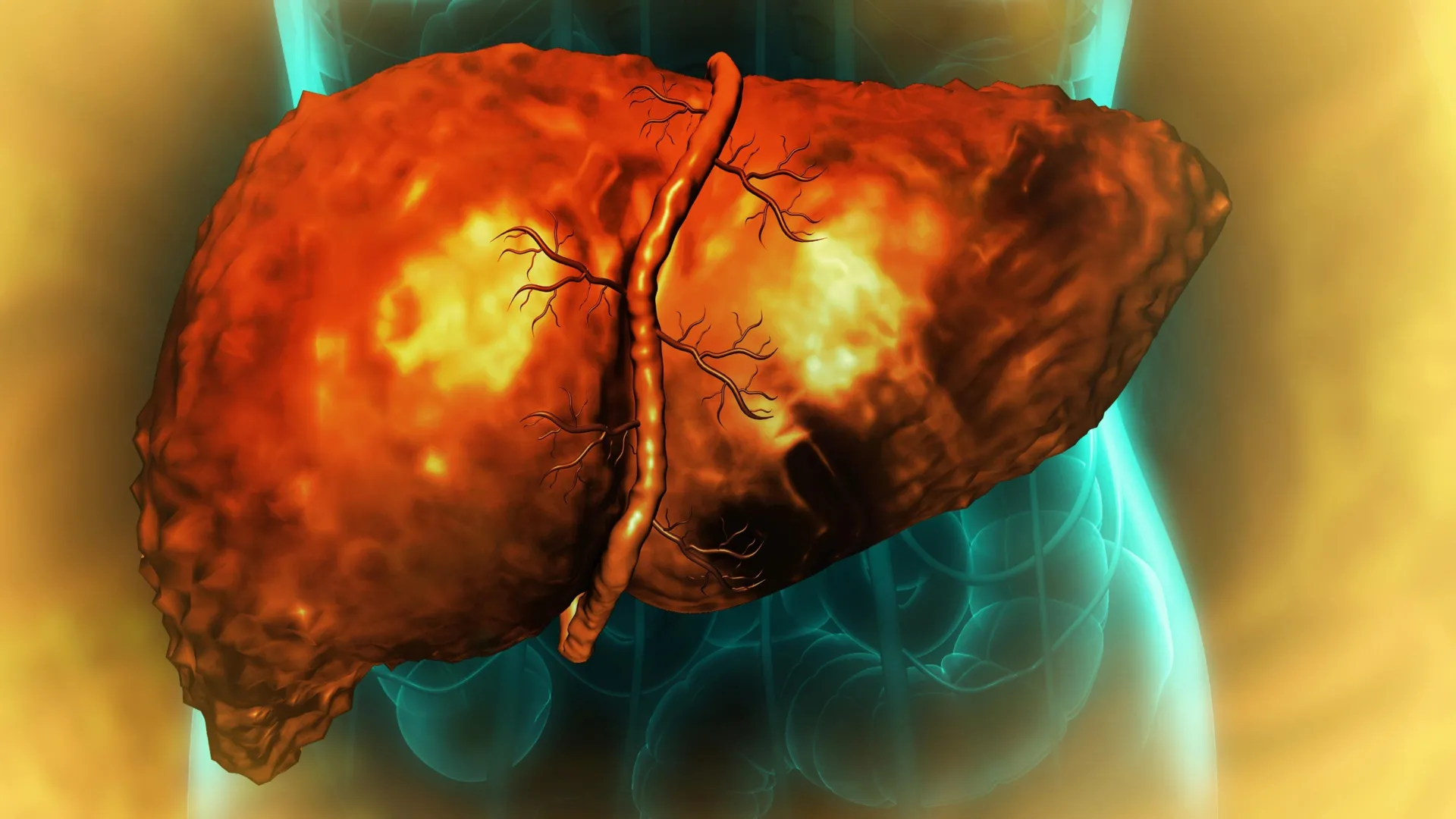
Excessive alcohol use can interfere with one of the liver’s most remarkable abilities: repairing and rebuilding itself after injury. New research suggests that alcohol related damage can leave liver cells trapped in an abnormal middle state, unable to function normally or complete the regeneration process, even after a person stops drinking.
Researchers at the University of Illinois Urbana-Champaign, Duke University, and the Chan Zuckerberg Biohub Chicago found that this cellular limbo appears to be driven by inflammation that disrupts RNA splicing, an essential step cells use to turn genetic instructions into working proteins.
The findings, published in Nature Communications, could point toward new ways to diagnose and potentially treat severe alcohol associated liver disease.
Why the Liver Stops Repairing Itself
The liver is unusual among major human organs because it can regenerate after significant damage or even partial removal. Under normal circumstances, surviving liver cells can temporarily change their identity, multiply, and then mature again to restore lost tissue.
That ability can break down in alcohol associated liver disease, which is the leading cause of liver-related mortality worldwide and is linked to roughly 3 million deaths each year.
“We knew that the liver stops functioning and stops regenerating in patients with alcohol-related hepatitis and cirrhosis, even when a patient has discontinued consuming alcohol, but we didn’t know why,” said U. of I. biochemistry professor Auinash Kalsotra, who co-led the study with Duke University School of Medicine professor Anna Mae Diehl. “The only real life-saving treatment option once a patient reaches the liver failure stage in those diseases is transplantation. But if we understood why these livers were failing, maybe we could intervene.”
Kalsotra and Diehl have spent years studying the molecular processes that allow the liver to rebuild itself. Their previous work showed that regenerating liver cells temporarily reprogram which genes they use.
To begin the repair process, mature liver cells revert toward a fetal-like progenitor state. Progenitor cells are less specialized cells that can divide and produce new tissue. After multiplying, the cells normally reverse that process and become mature, fully functioning liver cells again.
That earlier discovery led the researchers to ask what goes wrong with this regenerative cycle in alcohol associated liver disease.
Liver Cells Become Trapped in Limbo
The team compared healthy liver samples with liver tissue from people with alcohol associated hepatitis or cirrhosis. The diseased samples were obtained from Johns Hopkins University Hospital through an initiative supported by the National Institute on Alcohol Abuse and Alcoholism, part of the National Institutes of Health.
A striking pattern quickly emerged.
Cells in the diseased livers had started moving away from their mature state and toward the regenerative state, but they were unable to finish the transition. Instead, they remained trapped between the two.
“They are neither functional adult cells nor proliferative progenitor cells. Since they are not functioning, more pressure builds on the remaining cells. So they try to regenerate, and they’re all ending up in this unproductive quasi-progenitor state, and that’s what is causing liver failure,” said U. of I. graduate students Ullas Chembazhi and Sushant Bangru, the co-first authors of the study.
The result is a damaging cycle. As more cells enter this unproductive state, fewer remain available to carry out the liver’s normal work. The remaining healthy cells then face greater demands and attempt to regenerate, only to risk becoming trapped as well.
RNA Splicing Emerges as a Key Problem
To understand what was preventing the cells from completing regeneration, the researchers examined the proteins being produced inside liver cells as well as the RNA molecules carrying genetic instructions from DNA to the cellular machinery that builds those proteins.
RNA acts as an intermediary between the genetic code stored in DNA and the proteins that perform most of a cell’s work. Before many RNA molecules can be used, pieces of them must be cut and joined together in a process known as RNA splicing.
This editing step matters because different combinations of RNA segments can produce proteins with different functions or direct them to different locations inside a cell.
Instead of simply measuring the total amounts of RNA and protein, as many studies do, Kalsotra’s team used deep RNA sequencing and computational analysis to examine how RNA fragments were being spliced.
“In comparing the samples, we saw RNA was getting misspliced broadly in alcohol-related liver disease, across thousands of genes, and it was affecting major functions of proteins,” said Kalsotra, who also is affiliated with the Carl R. Woese Institute for Genomic Biology at Illinois.
The scale of the problem was substantial. Mis-splicing appeared across thousands of genes, potentially altering how important proteins function throughout damaged liver cells.
A Missing Protein May Help Explain the Damage
The researchers identified one possible driver of these widespread errors: low levels of a protein called ESRP2.
ESRP2 binds to RNA and helps ensure that it is spliced correctly. In alcohol damaged liver cells, the team found that ESRP2 was deficient.
The consequences were not limited to whether a protein was produced. In many cases, the RNA errors altered molecular instructions that tell proteins where inside the cell they need to go.
“Proteins function at a very specific place in the cell, and that is directed by sequences within the protein that take the protein to that particular spot. We found that, in many cases, the sequence that dictates where the protein localizes within a cell was misspliced. That’s why it was important that we did the multiple analyses we did,” said Kalsotra, also a member of the Chan Zuckerberg Biohub Chicago. “There was the same amount of RNA and protein, but the protein was not at the right place to function. Due to missplicing, key proteins that are required for productive liver regeneration were getting stuck in the cytoplasm, when they needed to be in the nucleus.”
The nucleus contains a cell’s DNA and plays a central role in regulating gene activity. The cytoplasm is the surrounding area where many other cellular processes occur. If proteins needed for regeneration remain in the cytoplasm rather than reaching the nucleus, they may be present in normal amounts but unable to perform their intended jobs.
Mouse Experiments Strengthen the ESRP2 Link
To test whether the loss of ESRP2 could actually contribute to the regeneration failure, the researchers studied mice lacking the gene that produces the protein.
Those animals developed patterns of liver injury and failed regeneration that resembled what the scientists observed in people with advanced alcohol related hepatitis.
That raised another important question: Why was ESRP2 reduced in the first place?
The researchers traced the problem back to inflammation.
When alcohol is processed by the liver, it can damage tissue and attract immune cells and liver support cells to the affected areas. According to the study, those cells released high levels of inflammatory factors and growth factors.
The researchers found that these signals suppress both the production and activity of ESRP2.
Blocking Inflammation Restored Normal Splicing
The team then tested whether interrupting one of those inflammatory signals could reverse the problem.
In laboratory cultures of liver cells, the researchers used a molecule that blocks the receptor for one inflammation-promoting factor. After treatment, ESRP2 levels recovered, and RNA splicing became more normal.
That result suggests the pathway could become a potential treatment target. Rather than attempting to replace damaged liver tissue directly, future therapies might try to interrupt the inflammatory signals that prevent cells from completing regeneration.
The researchers also see potential diagnostic uses. Abnormally spliced RNA molecules could potentially serve as biological markers that help identify or monitor alcohol associated liver disease.
“I’m hopeful these findings will become a launching pad for future clinical studies. We can use these mis-spliced RNAs as diagnostic markers or develop treatments that can curb the inflammation. And if we can correct the splicing defects, then maybe we can improve recovery and restore damaged livers,” Kalsotra said.
Research Team and Support
The research team also included U. of I. biochemistry graduate students Diptatanu Das and Subhashis Natua; U. of I. undergraduate students Katelyn Toohill, Ishita Purwar, and Anuprova Bhowmik; Brandon Peiffer and Zhaoli Sun from Johns Hopkins University School of Medicine; Aurelia Leona and Yogesh Goyal from Northwestern University and Rajesh Dutta from Duke University School of Medicine.
The National Institutes of Health, the Chan-Zuckerberg Biohub Chicago, the Duke Endowment and the Muscular Dystrophy Association supported this work. The National Institutes of Health supported this work through grants R01-AA010154, R01-HL126845, R21-HD104039, R01-AA010154, 5R01-DK077794, 1R56-DK1343340 and R24 AA025017.

NASA’s Nancy Grace Roman Space Telescope has begun a three-month journey covering roughly one million miles as it travels toward its final orbit. The observatory lifted off at 7:26 a.m. EDT Sunday aboard a SpaceX Falcon Heavy rocket from Launch Complex 39A at NASA’s Kennedy Space Center in Florida.
Once operational, Roman will combine sharp infrared vision with an unusually wide view of the sky. That combination will allow astronomers to examine enormous regions of space while also looking far back into cosmic history. Among its primary goals are studying dark matter, dark energy, and worlds outside of our solar system, known as exoplanets. Its sweeping observations are also expected to support many discoveries beyond those central objectives.
“Roman is exactly the kind of success story we want to see across NASA,” said NASA Administrator Jared Isaacman. “Delivered ahead of schedule and on budget, this mission reflects more than a decade of dedication from the NASA workforce and our industry partners. Now, Roman will give us a new atlas of the universe, push the boundaries of discovery, and demonstrate what is possible when America’s space program pairs bold ambition with disciplined execution.”
Roman Begins Its Journey Into Deep Space
Controllers at NASA’s Goddard Space Flight Center in Greenbelt, Maryland, started receiving telemetry from Roman just seven minutes after launch. Falcon Heavy operated as planned and separated from the observatory 31 minutes after liftoff. After detaching from the rocket’s center core, the two boosters returned safely to the launch site, where they can be refurbished.
“Roman will be a discovery machine that will bring us closer than ever before to answering humanity’s most profound questions about our cosmic history,” said Nicky Fox, associate administrator for the Science Mission Directorate at NASA Headquarters in Washington. “With its large field of view and fast survey speeds, Roman will usher us into a new era of discovery and make the invisible visible, setting the foundation for humanity’s search for life beyond our solar system.”
During the first part of the mission, Roman communicates with controllers using the Near Space Network, a system of ground stations and relay satellites that handles tracking, telemetry, and commands. Roughly 70 minutes after launch, communications shift to NASA’s Deep Space Network, which will help guide the observatory toward the second Sun-Earth Lagrange point, or L2, about one million miles from Earth.
L2 is a region where the gravitational influences of the Sun and Earth allow spacecraft to maintain a relatively stable position with limited fuel use. Roman will first communicate through the Canberra Deep Space Communication Complex in Australia. Approximately six hours later, communications will transfer to the Madrid Deep Space Communication Complex in Spain and then to the Goldstone Deep Space Communication Complex in California. Together, these facilities will help maintain continuous contact with the spacecraft during its journey.
Key Systems Deploy After Launch
One hour and 23 minutes after launch, the Roman team confirmed that the observatory’s solar panels and lower instrument sun shade had deployed successfully.
Over the next several days, Roman’s high-gain antenna and visor-like deployable aperture cover will also deploy. Mission controllers will carry out the first of two course corrections, and Roman’s Coronagraph Instrument will be switched on.
The Coronagraph Instrument will demonstrate technology that could eventually be used by future missions such as NASA’s Habitable Worlds Observatory concept to directly photograph planets resembling Earth. Directly imaging such planets is extraordinarily difficult because a host star can be billions of times brighter than the planet orbiting it. A coronagraph helps by blocking much of the star’s light so that nearby planets become easier to detect. Roman will move that technology forward by capturing images of planets similar in size to Jupiter.
A 300 Megapixel View of the Cosmos
A few weeks into the journey, Roman’s main scientific instrument, the Wide Field Instrument, will be activated.
The instrument is a 300 megapixel infrared camera equipped with 18 4K detectors, each roughly the size of a saltine cracker. Those detectors will gather photons from distant astronomical objects and turn them into detailed panoramas of the cosmos.
Roman was designed to remain optically stable while rapidly moving from one observation to another. That means it can cover huge portions of the sky without lengthy pauses between observations. NASA says the telescope is designed to survey the universe about 1,000 times faster than the Hubble Space Telescope.
This speed is one of Roman’s defining advantages. Hubble can capture extremely detailed images of relatively small areas of the sky, while Roman is designed to combine similarly sharp views with a much larger field of view. That should allow astronomers to study enormous numbers of galaxies, stars, and planets in a fraction of the time previously required.
First Roman Images Expected in Early 2027
For the remainder of its three-month commissioning period, scientists and engineers will carefully test and calibrate Roman’s instruments. These procedures are designed to make sure the observatory is operating precisely before its full science program begins.
NASA expects to release Roman’s first images in early 2027.
Once science operations are underway, Roman will transmit about 1.4 terabytes of data to Earth every day. That is the highest daily data rate yet for a NASA astrophysics mission. The enormous volume of information will require more than traditional analysis alone.
Machine learning, artificial intelligence, and citizen scientists will help researchers search through Roman’s observations and identify potentially important discoveries. Astronomers can then investigate the most promising findings in greater detail.
“We’ve never been able to view the universe with eyes like Roman’s before,” said Julie McEnery, Roman’s senior project scientist at NASA Goddard. “There’s no telling what more we’ll know and have seen by this time next year.”
A Major New NASA Astrophysics Mission
Roman is the fourth primary NASA mission to launch aboard a Falcon Heavy rocket. Earlier this year, NASA’s Launch Services Program worked with SpaceX to move the launch date forward after the telescope was completed earlier than expected.
NASA Goddard manages the Roman mission, with participation from the agency’s Jet Propulsion Laboratory in Southern California; Caltech/IPAC in Pasadena, California; the Space Telescope Science Institute in Baltimore; and scientists from a range of research institutions.
The mission’s main industrial partners are BAE Systems Inc., L3Harris Technologies, and Teledyne Scientific & Imaging. International contributions also come from ESA, JAXA, the French space agency CNES (Centre National d’Études Spatiales), and the Max Planck Institute for Astronomy in Germany.
Wolverhampton Wood Recycling’s bigger premises will bring more volunteers together, its founders say.
Using an in-home HEPA purifier for one month spurs a small but significant improvement in brain function in adults age 40 and older. That’s the result of a new study we co-authored in the journal Scientific Reports.
HEPA purifiers – HEPA stands for high efficiency particulate air – remove particulate matter from the air. Exposure to particulate matter has been connected to respiratory and cardiovascular illnesses as well as neurological diseases such as Alzheimer’s and Parkinson’s. Environmental health researchers increasingly recommend that people use HEPA air purifiers in their homes to lower their exposure to particulate matter, but few studies have examined whether using them boosts mental function.
We analyzed data from a study of 119 people ages 30 to 74 living in Somerville, Massachusetts. Somerville sits along Interstate 93 and Route 28, two major highways, resulting in relatively high levels of traffic-related air pollution. This makes it an especially good location for testing the health effects of air purifiers.
We randomly assigned participants to one of two groups. One used a HEPA air purifier for one month and then a sham air purifier – which looked and acted like the real thing but did not contain the air-cleaning filter – for one month, with a monthlong break in between. The second group used the real and sham purifiers in reverse order.
After each month, participants took a test that measured different aspects of their mental capacity. The test probed people’s visual memory and motor speed skills by measuring how quickly they could draw lines between sequential numbers, and it tested executive function and mental flexibility by asking them to draw lines between alternating sequential numbers and letters.
We found that participants 40 years and older – about 42% of our sample – on average completed the section testing for mental flexibility and executive function 12% faster after using the HEPA purifier than after using the sham purifier. That was true even when we accounted for factors like differences in the amount of time participants spent indoors, with either filter, as well as how stressful they found the test.
This improvement may seem small, but it is similar to the cognitive benefits that people experience from increasing their daily exercise. While you may not experience a sudden increase in clarity from a 12% boost, preventing cognitive decline is vital for long-term well-being. Even small decreases in cognitive functioning may be associated with a higher risk of death.
Air pollution can negatively affect mental function after just a few hours of exposure. Studies show that air purifiers are effective at reducing particulates, but it’s unclear whether these reductions can prevent cognitive harm from ongoing pollution sources like traffic. Research has been especially lacking in people living near major sources of air pollution, such as highways.
People living near highways or major roadways are exposed to more air pollution and also experience higher rates of air pollution-related diseases. These risks aren’t encountered by all Americans equally: People of color and low-income people are more likely to live near highways or areas with heavy traffic.
Our study shows that HEPA air purifiers may offer meaningful health benefits under these circumstances.
Research shows that air pollution begins to affect cognitive function especially strongly around age 40. These effects may become increasingly prominent as people age.
HEPA air purifiers may therefore be especially beneficial for older adults. Our study did not explore this possibility, as fewer than 10 of our 119 participants were over the age of 60.
Also, our participants only used a HEPA air purifier for one month. It’s possible that longer durations of air purification may sustain or even increase the improvement in cognitive function we observed in our study.
Finally, it is unclear exactly how air purifiers improve cognition. Some studies suggest that exposure to particulate matter reduces the amount of the brain’s white matter, which helps brain cells conduct electrical signals and maintains connections between brain regions. The brain regions most harmed by air pollution are the ones that control mental flexibility and executive function, the same domains in which we saw improvements in our study.
We plan to study whether reducing particulate matter by using air purifiers is indeed protecting the brain’s white matter, and whether it could reverse some cognitive decline. We will explore that possibility by studying how levels of molecules called metabolites, which cells produce as they do their jobs, change in response to breathing polluted air and air cleaned by a HEPA filter.
Glacial earthquakes are a special type of earthquake generated in cold, icy regions. First discovered in the northern hemisphere more than 20 years ago, these quakes occur when huge chunks of ice fall from glaciers into the sea.
Until now, only a very few have been found in the Antarctic. In a study published in Geophysical Research Letters, I present evidence for hundreds of these quakes in Antarctica between 2010 and 2023, mostly at the ocean end of the Thwaites Glacier – the so-called Doomsday Glacier that could send sea levels rising rapidly if it were to collapse.
A glacial earthquake is created when tall, thin icebergs fall off the end of a glacier into the ocean.
When these icebergs capsize, they clash violently with the “mother” glacier. The clash generates strong mechanical ground vibrations, or seismic waves, that propagate thousands of kilometres from the origin.
What makes glacial earthquakes unique is that they do not generate any high-frequency seismic waves. These waves play a vital role in the detection and location of typical seismic sources, such as earthquakes, volcanoes and nuclear explosions.
Due to this difference, glacial earthquakes were only discovered relatively recently, despite other seismic sources having been documented routinely for several decades.
Most glacial earthquakes detected so far have been located near the ends of glaciers in Greenland, the largest ice cap in the northern hemisphere.
The Greenland glacial earthquakes are relatively large in magnitude. The largest ones are similar in size to those caused by nuclear tests conducted by North Korea in the past two decades. As such, they have been detected by a high-quality, continuously operating seismic monitoring network worldwide.
The Greenland events vary with the seasons, occurring more often in late summer. They have also become more common in recent decades. The signs may be associated with a faster rate of global warming in the polar regions.
Although Antarctica is the largest ice sheet on Earth, direct evidence of glacial earthquakes caused by capsizing icebergs there has been elusive. Most previous attempts to detect Antarctic glacial earthquakes used the worldwide network of seismic detectors.
However, if Antarctic glacial earthquakes are of much lower magnitude than those in Greenland, the global network may not detect them.
In my new study, I used seismic stations in Antarctica itself to look for signs of these quakes. My search turned up more than 360 glacier seismic events, most of which are not yet included in any earthquake catalogue.
The events I detected were in two clusters, near Thwaites and Pine Island glaciers. These glaciers have been the largest sources of sea-level rise from Antarctica.
Thwaites Glacier is sometimes known as the Doomsday Glacier. If it were to collapse completely it would raise global sea levels by 3 metres, and it also has the potential to fall apart rapidly.
About two-thirds of the events I detected – 245 out of 362 – were located near the marine end of Thwaites. Most of these events are likely glacial earthquakes due to capsizing icebergs.
The strongest driver of such events does not appear to be the annual oscillation of warm air temperatures that drives the seasonal behaviour of Greenland glacier earthquakes.
Instead, the most prolific period of glacial earthquakes at Thwaites, between 2018 and 2020, coincides with a period of accelerated flow of the glacier’s ice tongue towards the sea. The ice-tongue speed-up period was independently confirmed by satellite observations.
This speed-up could have been caused by ocean conditions, the effect of which is not yet well understood.
The findings suggest the short-term scale impact of ocean states on the stability of marine-terminating glaciers. This is worth further exploration to assess the potential contribution of the glacier to future sea-level rise.
The second largest cluster of detections occurred near the Pine Island Glacier. However, these were consistently located 60–80 kilometres from the waterfront, so they are not likely to have been caused by capsizing icebergs.
These events remain puzzling and require follow-up research.
The detection of glacial earthquakes associated with iceberg calving at Thwaites Glacier could help answer several important research questions. These include a fundamental question about the potential instability of the Thwaites Glacier due to the interaction of the ocean, ice and solid ground near where it meets the sea.
Better understanding may hold the key to resolving the current large uncertainty in the projected sea-level rise over the next couple of centuries.

Scientists have found a way to grow Spirulina that produces biologically active vitamin B12 at levels comparable to beef, potentially overcoming one of the biggest nutritional limitations of this widely promoted algae.
The research, published in the scientific journal Discover Food, was led by Dr. Asaf Tzachor, Founder and Academic Director of the Aviram Sustainability and Climate Program at Reichman University, together with researchers from Iceland, Denmark and Austria. Using advanced biotechnology and carefully controlled light conditions, the team produced carbon-neutral, nutrient-rich Spirulina biomass containing active vitamin B12. According to the researchers, this is the first time biologically active vitamin B12 has been reported in Spirulina.
A Global Vitamin B12 Problem
Vitamin B12 is an essential micronutrient involved in several critical processes in the body, including red blood cell formation and normal nervous system function. More than a billion people worldwide are estimated to have low levels of the vitamin.
For many people, meat and dairy products are important dietary sources of B12. The recommended intake cited by the researchers is 2.4 µg/day. However, producing animal-based foods at the scale required to meet global demand also carries environmental costs, which has driven interest in more sustainable alternatives.
Spirulina blue green algae (Arthrospira platensis) has often been promoted as one such option because it is nutrient dense and can be cultivated with a relatively small environmental footprint. But there has been a major obstacle.
Traditional Spirulina contains much of its B12 in the form of pseudo-vitamin B12. Although chemically similar to the vitamin humans need, this form is not bioavailable to people, meaning the body cannot effectively use it. That limitation has prevented conventional Spirulina from serving as a reliable replacement for animal-sourced vitamin B12.
Using Light to Change Spirulina’s Nutrition
To address that problem, researchers from Reichman University, University of Natural Resources and Life Sciences, Vienna, Ruppin Academic Center, Danish Technological Institute, and MATIS, Iceland, carried out an exploratory study of a biotechnology platform developed by VAXA Technologies in Iceland.
The team examined the system’s engineering design, its inputs (such as energy), and the nutritional composition of the biomass it produced.
A central feature of the technology is photonic management (modified light conditions). By changing the light environment in which Spirulina grows, the researchers were able to encourage production of biologically active vitamin B12.
The cultivated Spirulina also contained other bioactive compounds associated with antioxidant, anti-inflammatory, and immune-boosting properties.
Most notably, the resulting carbon-neutral biomass contained 1.64 µg of active vitamin B12 per 100 grams, compared with 0.7-1.5 μg per 100 grams in beef.
Dr. Asaf Tzachor explains, “the findings demonstrate that photosynthetically controlled Spirulina can produce desirable levels of active vitamin B12, offering a sustainable alternative to traditional animal-source foods.”
Could Spirulina Supply Vitamin B12 at Scale?
The researchers also explored what could happen if the system were expanded far beyond its current scale.
In one scenario, reallocating electricity currently used by heavy industry in Iceland could support production of 277,950 tonnes of Spirulina biomass each year. The researchers estimate that this amount would contain about 4555 grams of active vitamin B12 annually.
According to their calculations, that quantity could provide the recommended dietary allowance (RDA) for more than 13.8 million children aged 1-3.
More ambitious production scenarios could potentially supply enough vitamin B12 to meet the RDA for more than 26.5 million children aged 1-3 and more than 50 million children aged 0-6 months.
These figures are projections based on possible scale-up scenarios rather than existing production levels, but they illustrate the nutritional potential the researchers see in the technology.
A More Sustainable Source of an Essential Vitamin
If the approach can be successfully expanded, photosynthetically controlled Spirulina could provide another route for addressing vitamin B12 deficiency while reducing some dependence on meat and dairy production.
The work also highlights how biotechnology can alter the nutritional properties of microorganisms and other rapidly growing food sources. Rather than simply cultivating conventional Spirulina, researchers are changing the conditions under which it grows to encourage production of specific compounds that are useful to humans.
The findings represent a step toward developing more sustainable sources of essential nutrients, although further research and larger-scale production will be needed to determine how the technology could fit into real-world food systems.
Reichman University and the Aviram Foundation established the Aviram Sustainability and Climate Program in response to growing environmental and public health challenges around the world. The program trains students from a range of disciplines to develop strategies for addressing resource scarcity, climate change, and extreme weather events, as well as food, water, and energy crises.

Dogs and humans may share some of the same biological patterns tied to lifespan, according to new research from the Dog Aging Project. The finding could give scientists a useful new way to investigate how aging works in both species.
In a study recently published in The Journals of Gerontology, researchers examined metabolites, small chemicals and molecules created during normal processes in the body. They found that certain combinations of these metabolites were associated with earlier or later death in dogs in ways that closely resembled patterns previously identified in humans.
“The molecules that are risky for dogs or protective against a sooner death are very similar to those in people, showing that we share important features of aging biology, which is really interesting and rewarding,” said Dr. Kate Creevy, chief veterinary officer for the Dog Aging Project and a professor in the Texas A&M College of Veterinary Medicine and Biomedical Sciences, where the work of the Dog Aging Project is generously supported by the WoodNext Foundation. “Our findings also highlight the value of pet dogs as a model for studying long-term health and lifespan.”
Searching for Biological Signs of Lifespan
Metabolites can provide a snapshot of what is happening inside cells, making them useful for detecting biological patterns that may be connected to health and aging.
For the study, researchers analyzed blood samples from dogs participating in the Dog Aging Project. This community science effort follows dogs throughout their lives, with owners contributing detailed survey information and, in some cases, physical samples. The research team examined the blood for metabolic patterns associated with lifespan, focusing specifically on whether individual dogs died earlier or later.
“Death is an easy outcome to understand,” Creevy said. “It is very easy to tell when a person or a dog has died, whereas other features of aging health are a bit more nuanced.”
Using mortality as a clear endpoint allows scientists to work backward and investigate which biological processes may have contributed to the outcome. These processes can include metabolism, inflammation and the ways cells react to stress.
“If we understand why something happened, we have a greater chance of identifying ways to change it,” Creevy said.
A Metabolic Fingerprint of Aging
Rather than focusing on individual molecules, the researchers analyzed thousands of metabolites together to look for larger patterns associated with risk. Creevy said these broader groups can reveal more about what may be taking place inside cells than any single molecule alone.
“Some of my colleagues refer to it as a fingerprint,” Creevy said. “We often look at a pattern or grouping that has a relationship with better or worse outcomes rather than just looking at a single molecule.”
These measurable biological indicators, known as biomarkers, can help researchers estimate the likelihood of certain health outcomes by revealing changes occurring inside the body.
“Importantly, those biomarkers do not necessarily cause an outcome; when we find a biomarker associated with sooner or later mortality, we don’t know that it’s causing it,” Creevy said. “But if we understand why that biomarker is present, we may be able to identify what the cause of the relationship is.”
Finding these recurring patterns gives scientists possible starting points for investigating the mechanisms behind aging and, eventually, identifying biological targets that might help improve health over time.
Dogs and Humans Share Similar Aging Signals
The researchers then asked whether the metabolic patterns seen in dogs also appeared in people. To find out, they compared their results with five large published studies of human mortality that used similar methods to examine metabolites.
Across those studies, the signals associated with earlier or later death were broadly similar to those found in dogs.
That consistency was one of the most striking results, adding evidence that dogs and humans share important features of the biology that underlies aging.
“Frequently, we know a little more about this in people than we do in dogs,” Creevy said. “If we have the same targets, we’ll be able to leverage human research to benefit dogs.”
The similarities could allow scientists to use knowledge already gained from human research to improve canine health, while also using dogs to study how aging develops across an entire lifespan.
Why Dogs Are Valuable for Aging Research
Pet dogs offer several advantages for researchers studying aging. They share many parts of everyday life with humans, including their surroundings, diets and activity patterns. That overlap gives scientists an opportunity to examine how lifestyle and environment affect long-term health.
“One of the things we like most about learning from dogs as it pertains to aging is their widely varied lifestyles that mirror their owners’ lifestyles in a way that’s less true for other companion animals,” Creevy said.
Cats, for example, often live more independent and relatively consistent lifestyles. Dogs are more likely to follow the routines, environments and activity patterns of the people they live with.
Their shorter lifespans provide another major advantage. Humans, on average, live into their 70s, while dogs typically live only 12-13 years. That difference allows researchers to observe aging and lifespan outcomes in dogs much more quickly than would be possible in human studies.
Inside the Dog Aging Project
The research was made possible by the Dog Aging Project, a nationwide, long-term study that follows pet dogs living with owners across the United States.
Owners who participate provide extensive information about their dogs’ lives, while a subset also submit biological samples each year. Together, those contributions allow researchers to track changes in health and aging over time.
“The owners who enroll their dogs make everything possible,” Creevy said. “The dedication and commitment of these owners to participate in research and discovery to better the health of dogs is remarkable.”
Creevy said the latest findings are an early but important step toward understanding the mechanisms that influence aging. Researchers have now identified metabolic patterns associated with lifespan, giving them specific biological signals to investigate further.
“This is a starting point,” she said. “We’ve identified these metabolites, and now we know where to start looking.”
For people who own dogs, Creevy said the practical message is straightforward. Many of the same behaviors that promote healthier aging in people are also likely to benefit dogs.
“Keeping them on a healthy diet, at a healthy body weight, and preserving mobility and cognitive health — just like we would do for ourselves,” Creevy said. “What’s good for us is probably good for them.”
Long-term use of melatonin, a widely used sleep supplement, was linked to a higher risk of heart failure, hospitalization for heart failure, and death from any cause among people with chronic insomnia, according to preliminary research presented at the American Heart Association’s Scientific Sessions 2025.
The findings do not prove that melatonin itself caused the increased risks. However, they raise new questions about the long-term safety of a supplement that many people view as a harmless or “natural” way to improve sleep.
Why Melatonin Is So Widely Used
Melatonin is a hormone made naturally by the pineal gland in the brain. It helps control the body’s sleep and wake cycle, also known as the circadian rhythm. Levels of the hormone typically rise when it gets dark and fall during daylight.
Synthetic melatonin is chemically identical to the hormone produced by the body. It is commonly used for insomnia (difficulty falling and/or staying asleep) and jet lag.
Melatonin supplements are available over the counter in many countries, including the U.S. In the U.S., over-the-counter supplements are not regulated, so each brand of supplement can vary in strength, purity, etc.
For the new study, researchers divided participants according to their documented melatonin use. People with at least one year of melatonin use recorded in their electronic medical records were placed in the “melatonin group.” Those with no record of melatonin use anywhere in their medical records were assigned to the “non-melatonin group.”
“Melatonin supplements may not be as harmless as commonly assumed. If our study is confirmed, this could affect how doctors counsel patients about sleep aids,” said Ekenedilichukwu Nnadi, M.D., lead author of the study and chief resident in internal medicine at SUNY Downstate/Kings County Primary Care in Brooklyn, New York.
Researchers Looked for Long-Term Heart Risks
Melatonin is often promoted as a safe sleep aid, but researchers say there is limited evidence about its cardiovascular safety when taken for extended periods.
That uncertainty led the team to investigate whether long-term melatonin use might be associated with heart failure among people who already had chronic insomnia.
Heart failure does not mean that the heart has completely stopped working. It develops when the heart cannot pump enough oxygen-rich blood to meet the body’s needs. According to the American Heart Association’s 2025 Heart Disease and Stroke Statistics, the condition affects about 6.7 million adults in the U.S.
Researchers used data from the TriNetX Global Research Network, a large international database containing de-identified electronic health records.
They examined five years of medical records for adults with chronic insomnia whose records showed melatonin use for more than a year. Those participants were matched with other people who also had insomnia but had no documented melatonin use.
Anyone who had already been diagnosed with heart failure or who had been prescribed other sleep medications was excluded.
Heart Failure Risk Was About 90% Higher
The main analysis found a substantial difference between the two groups.
Among adults with insomnia, people with documented long-term melatonin use (12 months or more) had about a 90% higher chance of developing heart failure during the following five years compared with matched nonusers. Heart failure occurred in 4.6% of the melatonin group compared with 2.7% of the comparison group.
Researchers then performed another analysis designed to strengthen confidence that participants had actually been using melatonin over an extended period.
When they limited the analysis to people who had filled at least two melatonin prescriptions at least 90 days apart, the association remained. That group had an 82% higher risk of heart failure. (Melatonin is only available by prescription in the United Kingdom.)
Hospitalization and Death Were Also Higher
A secondary analysis found even larger differences in some outcomes.
People in the melatonin group were nearly 3.5 times as likely to be hospitalized for heart failure as those in the comparison group. The hospitalization rates were 19.0% and 6.6%, respectively.
Deaths from any cause were also more common among people with documented melatonin use. During the five-year period, 7.8% of participants in the melatonin group died compared with 4.3% of those in the non-melatonin group, making the risk nearly twice as high.
“Melatonin supplements are widely thought of as a safe and ‘natural’ option to support better sleep, so it was striking to see such consistent and significant increases in serious health outcomes, even after balancing for many other risk factors,” Nnadi said.
The results also drew concern from sleep researcher Marie-Pierre St-Onge, Ph.D., C.C.S.H., FAHA, who was not involved in the study.
“I’m surprised that physicians would prescribe melatonin for insomnia and have patients use it for more than 365 days, since melatonin, at least in the U.S., is not indicated for the treatment of insomnia. In the U.S., melatonin can be taken as an over-the-counter supplement and people should be aware that it should not be taken chronically without a proper indication,” said Marie-Pierre St-Onge, Ph.D., C.C.S.H., FAHA, chair of the writing group for the American Heart Association’s 2025 scientific statement, Multidimensional Sleep Health: Definitions and Implications for Cardiometabolic Health.
St-Onge is a professor of nutritional medicine in the division of general medicine and director of the Center of Excellence for Sleep & Circadian Research in the department of medicine at Columbia University Irving Medical Center in New York City.
Important Limitations Complicate the Findings
The study comes with several significant limitations, particularly because melatonin is handled differently from one country to another.
Some countries, such as the United Kingdom, require a prescription for melatonin, while others, including the United States, allow people to buy it over the counter. Researchers did not have access to participants’ locations because the medical data had been de-identified.
Melatonin use was identified only when it appeared in electronic medical records. That means people in the U.S. or other countries who bought melatonin over the counter without having it entered into their medical records could have been incorrectly classified as nonusers.
As a result, the melatonin and nonmelatonin groups may not perfectly reflect who was actually taking the supplement.
There was another complication involving hospitalizations. The number of heart failure-related hospitalizations was higher than the number of newly diagnosed heart failure cases because hospitals may enter a variety of related diagnostic codes. Those records do not always include a code specifically identifying a new heart failure diagnosis.
Researchers also did not have information about how severe each participant’s insomnia was or whether participants had other psychiatric disorders.
Those missing factors are important because people with more severe insomnia, depression, anxiety, or other conditions may be more likely to use melatonin and could independently have a different cardiovascular risk.
“Worse insomnia, depression/anxiety, or the use of other sleep-enhancing medicines might be linked to both melatonin use and heart risk,” Nnadi said. “Also, while the association we found raises safety concerns about the widely used supplement, our study cannot prove a direct cause-and-effect relationship. This means more research is needed to test melatonin’s safety for the heart.”
What the Study Included
