Neon is on trend, but some make-up products pose a serious risk to your health. Here’s what to check for, and how to dazzle.


Neon is on trend, but some make-up products pose a serious risk to your health. Here’s what to check for, and how to dazzle.
Niamh Smyth and her husband Justyn have spent over a decade trying to start a family, undergoing four rounds of IVF, with three unsuccessful attempts and one pregnancy which ended in miscarriage.
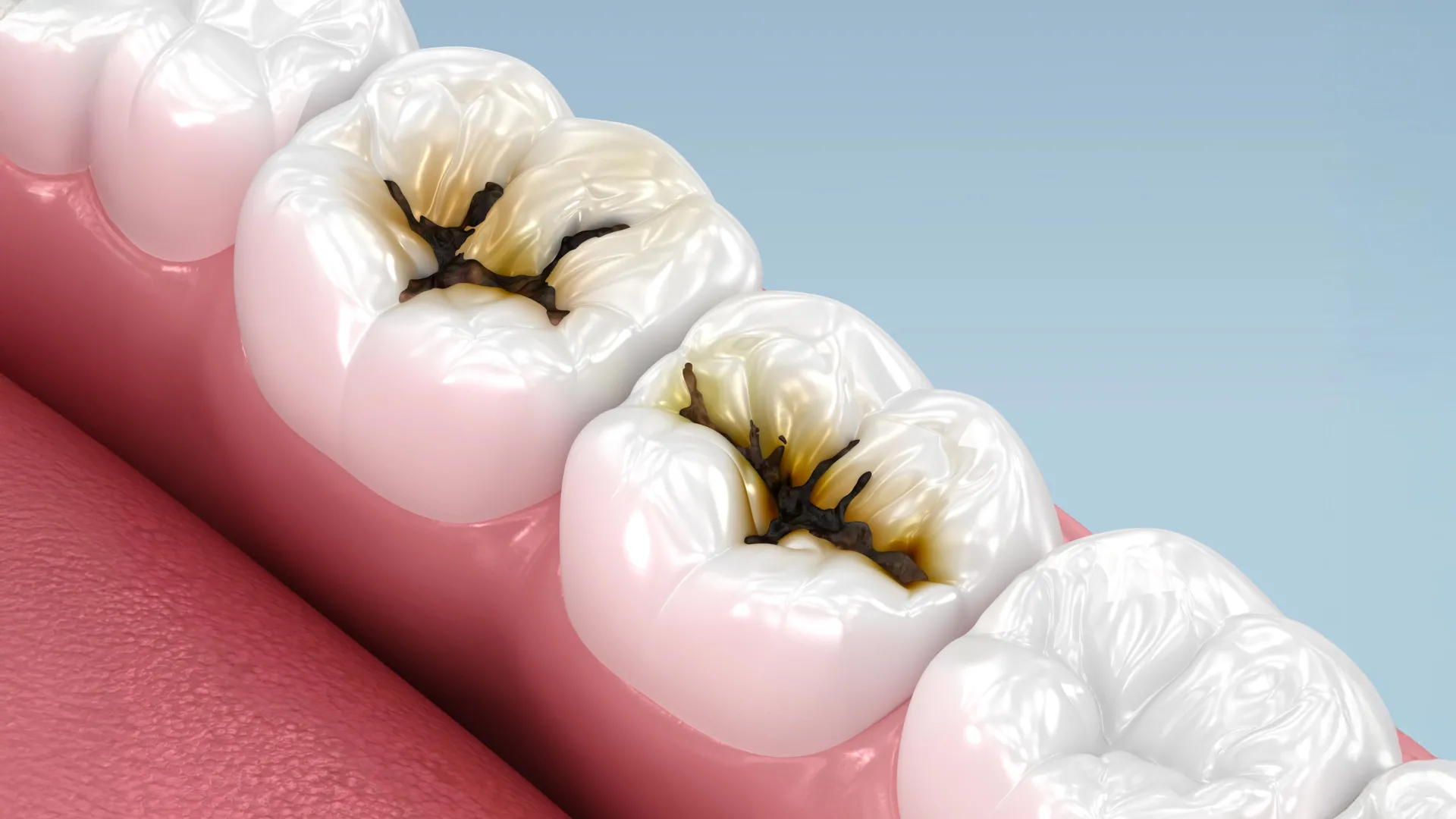
Untreated cavities send thousands of young children in the United States to emergency departments each year. Because hospital doctors usually cannot repair the underlying dental problem, some children continue to suffer from pain and infection, while others eventually need surgery under general anesthesia.
A low-cost liquid known as silver diamine fluoride, or SDF, may offer a much simpler option. Dentists apply it directly to a cavity with a small sponge-tipped applicator, a process that takes only a few seconds for each tooth. The treatment can stop decay without drilling, injections, or sedation.
A Long-Used Treatment Gains Stronger Evidence
SDF has been used successfully in many countries for decades. In the United States, dentists have used it off-label since 2014, when it was approved as a medical device for reducing tooth sensitivity.
However, researchers had not yet completed the large U.S. clinical trials needed to demonstrate its safety and effectiveness as a cavity treatment. That evidence would be necessary for the Food and Drug Administration to approve SDF as a drug for treating tooth decay.
A clinical trial led by the University of Michigan has now supplied those data.
The Phase III study, published in JAMA Pediatrics, included 830 children younger than age 6. Participants were recruited through dental offices, pediatric medical practices, Head Start and Early Head Start programs in Michigan, New York and Iowa.
SDF Stopped Decay in Many Baby Teeth
The researchers found that 38% SDF stopped tooth decay in more than half of the affected baby teeth when the treatment was applied every six months.
Traditional cavity treatment usually involves removing damaged tooth material and placing a filling. SDF requires no removal of the tooth. Instead, the liquid is painted directly onto the decayed area.
“This is a very effective and safe treatment — even in children as young as 1,” said Margherita Fontana, professor of dentistry at the University of Michigan School of Dentistry and the study’s lead investigator.
Tooth decay is the most common chronic disease among children and affects more than 40% of children in the United States. Cavities that are not treated can lead to intense pain, infections, difficulty sleeping or eating, missed school days and repeated medical appointments.
A Potential Option for Hard-to-Treat Patients
Fontana said SDF could be particularly useful for very young children, older adults, people with developmental or physical disabilities, and patients with severe dental anxiety. It may also help people who have limited access to conventional dental care or cannot easily tolerate standard procedures.
The treatment does have a visible drawback. The silver permanently turns the decayed part of the tooth dark.
“If we want more children and families to benefit from this treatment, we need rigorous evidence showing both that it works and that it’s safe. From a public health perspective, if we want broader implementation across the United States, including in medical settings, we need carefully collected data in U.S. populations, and we now have that,” Fontana said.
The research began in 2018 and continued despite disruptions caused by the COVID-19 pandemic.
“In medicine, clinicians want high-quality evidence before changing practice,” Fontana said. “It is important to have data they can refer to because young children often see pediatricians years before they ever visit a dentist; broader acceptance could allow many more cavities to be treated while a referral to a dental home is successful, and before they become painful, infected, or require surgery.”
Findings Could Support FDA Approval
Fontana worked with researchers from New York University, the University of Iowa and Indiana University, as well as the NIH’s National Institute of Dental and Craniofacial Research. The institute provided more than $12 million to support the study.
The trial generated the clinical evidence the manufacturer needs to submit a dental caries drug application to the FDA. Elevate Oral Care supplied Advantage Arrest 38% SDF, the product tested in the study.
Amr Moursi, professor of pediatric dentistry at New York University College of Dentistry, said the findings could help expand access to the treatment.
“Our results support FDA approval of SDF for managing arrest of tooth decay in young children. Removing SDF from off-label status would be an important innovation which could lead to increased utilization by providers, enhanced payments by insurers and more consistent product quality,” said Moursi, a co-principal investigator on the study.
A Bridge or Long-Term Treatment
For some children, applying SDF again every few months may control the cavity until the baby tooth falls out naturally. In adults, it could function as a long-term treatment or provide temporary protection until a restorative procedure becomes affordable or practical.
“For almost anyone, this can arrest the decay and stop the infection and the pain it causes,” Fontana said. “This could benefit many people.”
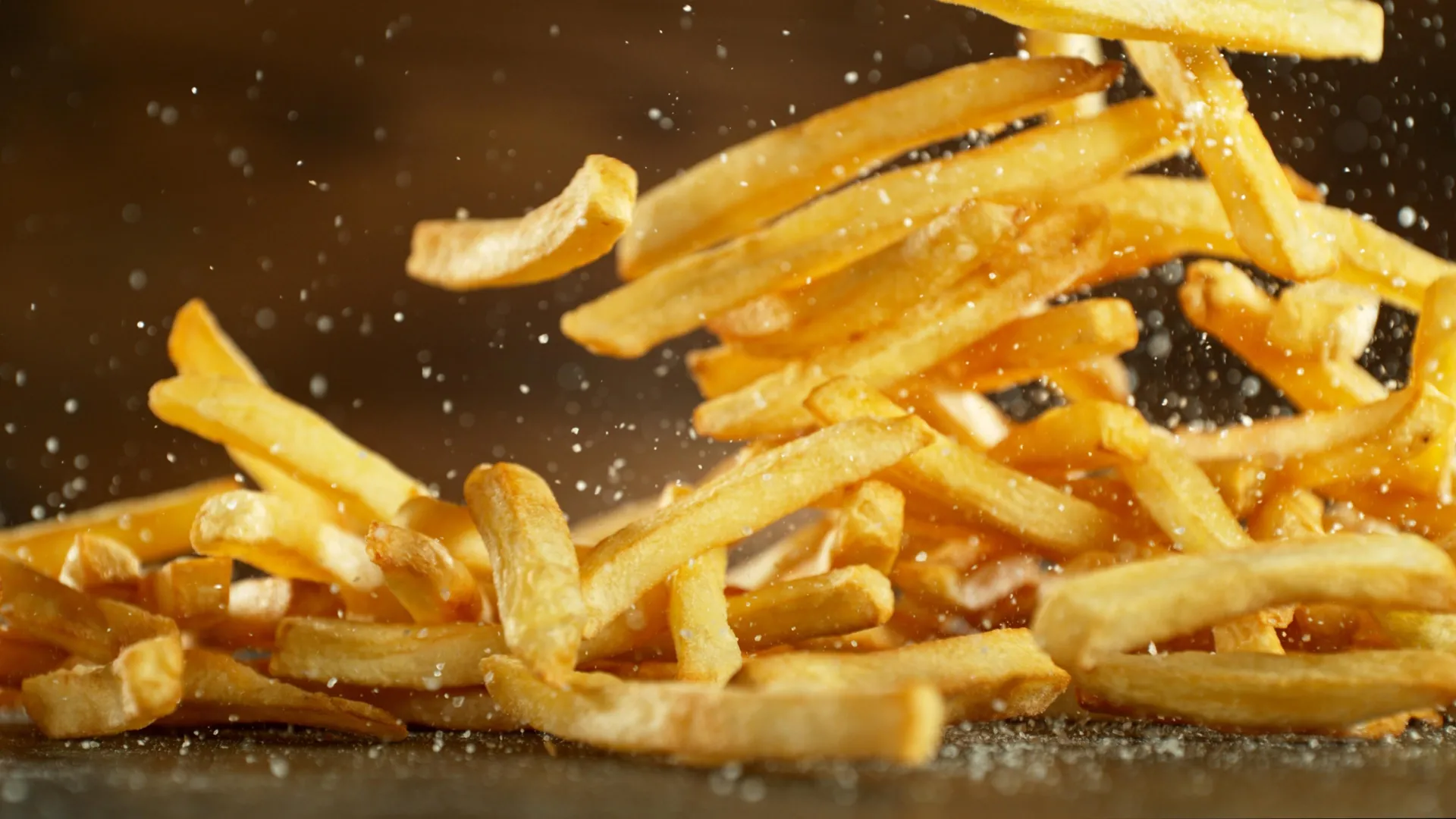
French fries and other fried foods are popular largely because of their crisp texture and rich flavor. However, they can absorb large amounts of oil during cooking, increasing their fat and calorie content. Regularly consuming foods high in fat can contribute to health problems such as obesity and hypertension.
Researchers at the University of Illinois Urbana-Champaign are investigating whether microwave energy could help produce French fries that absorb less oil without losing the qualities consumers expect. Their findings suggest that combining microwave frying with conventional frying could shorten cooking time, limit oil uptake, and still create the crisp exterior and satisfying texture associated with traditional fries.
Creating Healthier Fries Without Sacrificing Flavor
“Consumers want healthy foods, but at the time of purchase, their cravings often take over. High oil content adds flavor, but it also contains a lot of energy and calories. My research team studies frying with the aim of obtaining lower fat content without significant differences in taste and texture,” said principal investigator Pawan Singh Takhar, professor of food engineering in the Department of Food Science and Human Nutrition, part of the College of Agricultural, Consumer and Environmental Sciences at U of I.
Takhar and Yash Shah, a doctoral student in FSHN, reported their results in two new publications examining the physical changes that occur when French fries are cooked with microwave energy.
For the first study, the Illinois researchers worked with scientists at Washington State University who had developed a specialized microwave fryer. The device could operate at both 2.45 gigahertz (similar to a regular microwave oven) and 5.8 gigahertz.
Gigahertz is a unit used to describe the frequency of electromagnetic waves. Different microwave frequencies can affect how energy moves through food and how quickly water molecules respond during cooking.
Tracking What Happens Inside a French Fry
The researchers rinsed and peeled potatoes before cutting them into strips. The strips were then blanched, salted, and fried in soybean oil that had been heated to 180 degrees Celsius.
Blanching briefly exposes food to hot water or steam. For potatoes, this step can begin softening the tissue and help prepare the surface for frying.
During and after cooking, the team measured temperature, internal pressure, volume, texture, moisture, and oil content. These measurements helped reveal how water escaped from the potatoes and how oil entered the spaces it left behind.
According to Takhar, one of the central challenges in frying is preventing oil from moving into food both during cooking and immediately afterward.
At the start of frying, the tiny pores inside a potato are still filled with water, leaving little room for oil. As the potato heats up, however, that water turns into vapor and escapes. Empty spaces begin to form, and negative pressure can pull oil into the potato.
“Think about a straw in a drink. If you push air into the straw, it creates positive pressure and any liquid will be pushed out. But if you suck on the straw, the liquid moves upward. Now imagine food materials have lots of tiny straws. When there is positive pressure, the oil stays out. But if there is negative pressure, the oil starts moving in,” Takhar explained.
Why Pressure Determines Oil Absorption
The researchers found that as much as 90% of frying occurs while the food is under negative pressure. That creates a prolonged suction effect, allowing oil to move into the newly opened pores.
A more effective frying process would keep pressure inside the potato positive for a longer period and reduce the amount of time spent under negative pressure. This could limit the amount of oil drawn into the food.
Microwave energy may help by heating water throughout the potato rather than relying only on heat moving inward from the surface. As water molecules absorb microwave energy, they move more rapidly and generate additional vapor. That vapor raises the pressure inside the food and makes it harder for oil to enter.
“When we heat something in a conventional oven, the heat moves from outside to inside, but a microwave oven heats from the inside out, because the microwaves penetrate everywhere in the material. The microwaves oscillate water molecules, causing more vapor formation and thus shifting the pressure profile towards the positive side. The higher pressure in microwaves helps reduce oil penetration,” Takhar said.
Microwave Frying Cuts Cooking Time and Oil Uptake
Alongside the laboratory tests, the researchers used mathematical modeling to examine the frying process in greater detail. Computer models allowed them to explore how different variables interacted and to predict changes that would be difficult to measure directly in every experiment.
The team compared temperature, pressure, volume, texture, moisture, and oil absorption during frying at 2.45 GHz, 5.8 GHz, and under conventional conditions.
Across the experiments and simulations, microwave frying caused moisture to leave the potatoes more quickly. It also reduced total cooking time and lowered the amount of oil absorbed by the fries.
Microwave frying by itself, however, did not produce the desired texture. Fries cooked only with microwave energy tended to remain soft rather than developing the crisp surface consumers expect.
“However, if you just use microwave frying, you get soggy food. To obtain a crispy texture and taste, you need conventional heating. Therefore, we propose combining the two approaches in the same unit. Conventional heating maintains the crispiness, while microwave heating lowers the oil intake,” Takhar said.
A Hybrid Fryer Could Offer the Best of Both Methods
The proposed system would use conventional frying to brown the surface and create crunch, while microwave energy would speed moisture removal and help prevent excess oil from entering the potato.
This combined approach could allow manufacturers to produce fries with less oil while preserving the flavor and texture that make fried foods appealing. Faster cooking could also improve production efficiency.
The researchers noted that continuous fryers used in large food processing facilities could be modified to include microwave generators. Because these components are widely available and relatively inexpensive, the system may be economically practical for commercial production.
The first paper, “The Effect of Conventional and Microwave Frying on the Quality Characteristics of French Fries,” is published in the Journal of Food Science.
The second paper “Predicting the quality changes during microwave frying of food biopolymers by solving the hybrid mixture theory-based unsaturated transport, and electromagnetics equations,” was published in Current Research in Food Science.
The research was funded by USDA National Institute of Food and Agriculture (Awards 2020-67017-31194, ILLU-698-308, and ILLU-698-926).
When temperatures rise, sleep often suffers. Hot nights can make it harder to fall asleep, increase waking during the night and leave people feeling less rested the next day.
One reason is thermoregulation, the body’s ability to keep its internal temperature within a safe range. Sleep is closely linked to body temperature: to fall asleep and stay asleep, the body usually needs to lose some heat. Hot bedrooms make that harder.
And UK summers are becoming hotter. The Met Office has reported that the chance of exceeding 40°C in the UK is now more than 20 times higher than it was in the 1960s, with a 50% chance of another 40°C day in the next 12 years.
Humidity can make the problem worse. Research on humidity and heat stress shows that high humidity can increase the strain heat places on the body. The body cools itself partly by sweating. As sweat evaporates from the skin, it carries heat away. But when the air is already humid, evaporation becomes less efficient.
So how can you sleep better in hot weather?
Air conditioning is one answer, but it is not affordable or practical for many households. According to the Energy Saving Trust, the electricity unit rate under the July to September 2026 price cap is 26.11p per kWh for direct debit customers. A small portable air-conditioning unit using about 1kW for seven hours a night over 30 nights would cost around £54.83 in electricity alone, before buying the unit.
Research on overheating in homes shows that shading and ventilation can be important passive cooling strategies: reducing indoor heat without mechanical cooling. Before cooling the air, then, it helps to reduce the heat entering the home. Overheating usually comes from sunlight entering through windows, known as solar gain, and warm outside air.
These eight steps can help keep bedrooms cooler before nightfall.
On sunny days, keep curtains or blinds closed on sun-facing windows. This reduces sunlight entering the room and heating up floors, walls and furniture. External shading, such as shutters, awnings or shades, can be even more effective because it stops some sunlight before it reaches the glass.
Be careful with windows. If the air outside is hotter than the air inside, opening windows can bring heat in. Open windows when the outside air is cooler than indoors, often early in the morning, evening or overnight. Close them during the hottest part of the day if the outside air is warmer.
Cross-ventilation means opening windows or doors on different sides of a home so air can flow through. When outdoor air is cooler, this can help remove heat that has built up indoors. Studies of passive cooling in homes have found that night-time ventilation can reduce overheating, although effectiveness depends on the building, outdoor temperature, safety, noise and air quality.
Conservatories can become very hot because sunlight passes through the glass and warms the surfaces inside. Keep them ventilated during the day and, where possible, close internal doors between the conservatory and the rest of the house. Reflective films, blinds, shutters, awnings and shaded roofs can all reduce heat gain.
Loft spaces and top-floor rooms can also become hot because roofs absorb solar heat. Loft ventilation or reflective roof materials may help in some homes, although these are usually more substantial interventions. For example, solar panels on the roof can generate electricity and at the same time act as a barrier to reduce heat transfer to the building.
If your bedroom is on an upper floor or faces south or west, it may be one of the hottest rooms in the house. Heat rises through the building, and sun-facing walls and roofs can continue releasing stored heat after sunset.
During a heatwave, sleeping on the ground floor or north-facing side of the home may help.
Ovens, hobs, tumble dryers, washing machines and dishwashers can all make indoor spaces warmer. Cooking and drying clothes indoors can also increase humidity, making it harder for sweat to evaporate.
On very hot days, use heat-producing appliances earlier in the day or later in the evening. Use extractor fans when cooking or showering because they remove warm, moist air before it spreads through the home. Research on moisture movement and extractor fans has shown that fans can reduce the movement of moisture from kitchens and bathrooms to other rooms.
A review of sleepwear and bedding fibre types found that bedding and clothing can affect thermal comfort during sleep. Light, loose sleepwear and bedding can help the body lose heat. Cotton and linen are often comfortable because they absorb moisture and allow air movement, although fabric weave, thickness and moisture handling also matter. Avoid heavy bedding, thick duvets and tight synthetic fabrics that trap heat and moisture.
Evidence on electric fan use in hot weather suggests that fans can be useful in many hot conditions, but their safety depends on temperature, humidity, age, hydration and health.
Fans do not cool the air. They move air across the skin, which can help sweat evaporate and make people feel cooler.
In very high temperatures, especially for older adults or people who are dehydrated or unwell, fans alone may not be enough. If using a fan, drink water, avoid directing it continuously at the face while sleeping, and stop using it if it makes you feel hotter, dizzy or unwell.
Reusable ice packs, freezer blocks or cooling pillows may help some people feel more comfortable. Wrap ice packs in a cloth or place them on a tray to avoid condensation soaking bedding or direct cold contact with skin.
Cooling mattress toppers and bedding that use water or phase change materials may also help. These materials absorb, store and release heat as they change state, although cost and effectiveness vary.
In hot weather, better sleep starts long before bedtime.
The most effective approach is usually a combination: block sunlight during the day, ventilate when outside air is cooler, reduce heat from appliances, sleep in the coolest room available and use bedding that allows the body to lose heat.
Ed Butler investigates one of Europe’s most wanted drug smugglers

A major Atlantic Ocean current is slowing, and the consequences could reach far beyond the Atlantic. New research from the University of California, Riverside suggests the change could strengthen powerful storms along the California coast while reducing snowfall over Greenland.
The Atlantic Meridional Overturning Circulation, or AMOC, is a vast system of ocean currents that acts like a planetary conveyor belt. It carries warm tropical water northward, helping keep regions such as Europe relatively mild. After the water cools and becomes denser, it sinks and flows southward along the ocean floor.
“It is well known that the AMOC is a big player in the world’s climate system, and that it is slowing down. What we didn’t know is exactly how the AMOC might impact atmospheric moisture and storms outside the Atlantic region,” said Mohima Mimi, a UCR doctoral student in climate dynamics and the paper’s lead author.
“It turns out a weakening AMOC will strengthen storms across parts of North America by the end of the century, along the California coast in particular, while reducing them over Greenland and the Arctic.”
Stronger Atmospheric Rivers for California
The study, published in Nature Communications, found that a weaker AMOC could alter ocean temperatures in ways that change how much moisture the atmosphere can carry. It could also strengthen winds high in the atmosphere that guide storms across the Northern Hemisphere.
Those stronger winds would help storms move more moisture toward the West Coast, increasing the intensity of atmospheric rivers.
Atmospheric rivers are long, narrow bands of water vapor that transport moisture from tropical regions toward higher latitudes. They provide California with a significant share of its water, but they can also produce severe flooding and widespread damage.
“In California, atmospheric rivers are a double-edged sword,” Mimi said. “They supply much of the state’s water supply, but as they become stronger, they’re likely to also bring widespread destruction.”
Storm Patterns Could Shift Worldwide
The climate modeling also points to more atmospheric rivers along the eastern coast of South America and around Antarctica. At the same time, Greenland would experience fewer storms, leading to less snowfall and slower ice accumulation.
These projected changes appear in a high greenhouse gas emissions scenario in which the AMOC continues weakening throughout the century.
Scientists have already observed signs that the AMOC is slowing as human-caused climate change raises global temperatures. Climate models indicate that the decline is likely to continue if greenhouse gas emissions remain high.
Cutting Emissions Could Reduce the Impact
Greenhouse gases mainly come from burning fossil fuels such as coal, oil, and natural gas. Other major sources include methane from livestock such as cattle, deforestation, industrial activity, and waste from sources including landfills.
Wei Liu, an associate professor of climate change and the paper’s senior author, said reducing these emissions could limit their effects on the AMOC and lessen the current’s influence on future rainfall patterns.
Stronger atmospheric rivers would raise the threat of flooding and infrastructure damage. However, they could also offer opportunities to collect additional water if communities improve forecasting and expand storage systems.
An Atlantic Shift With Global Consequences
The results highlight the deep connections within Earth’s climate system. A change in one major ocean current can alter rainfall and extreme weather thousands of miles away, affecting ecosystems, water supplies, and communities across several continents.
“This research shows that the effects of the AMOC extend far beyond the Atlantic Ocean,” Mimi said. “Understanding these connections will help us better prepare for future changes in water resources and extreme weather.”

Much like paper must be folded into the correct shape to create an origami sculpture, proteins inside cells must form precise three-dimensional structures before they can function properly.
As prediabetes advances toward diabetes, this delicate process can begin to break down. Misfolded and defective proteins accumulate inside cells, creating stress that can damage the pancreatic cells responsible for producing insulin.
Researchers from Sanford Burnham Prebys Medical Discovery Institute and the University of Michigan reported new details about this process on June 1, 2026, in the Proceedings of the National Academy of Sciences. Their findings reveal how insulin-producing cells coordinate protein folding and what happens when that system falls out of balance. The work suggests that strengthening the cellular machinery responsible for folding proteins could help protect these cells from damage.
Why Insulin-Producing Beta Cells Become Overwhelmed
Beta cells in the pancreas monitor blood sugar levels. When glucose rises, they respond by producing additional insulin, which helps return blood sugar to a normal range.
As diabetes progresses, however, beta cells increasingly struggle to meet the body’s demand for insulin.
Previous research has linked this decline to the misfolding of proinsulin, the precursor protein cells use to make insulin. Scientists already knew that improperly folded proinsulin accumulates during diabetes and places stress on pancreatic beta cells. What remained uncertain was which additional proteins help control the process and how they work together.
“We knew that the system for preventing proinsulin misfolding depended on a chaperone protein called binding immunoglobulin protein and a number of cochaperones,” said Randal J. Kaufman, PhD, a professor in the Center for Metabolic and Liver Diseases at Sanford Burnham Prebys and senior and corresponding author of the study.
“Our goal was to examine how these partner proteins coordinate proinsulin folding and remove any misfolded mistakes, as these steps are essential for the health of insulin-producing cells.”
Tracking a Key Protein Inside Beta Cells
To study the interactions of binding immunoglobulin protein (BiP), the researchers genetically modified mice so that BiP in their beta cells carried an additional amino acid chain called a peptide.
The added marker consisted of three copies of an eight-amino-acid sequence known as a 3xFLAG-tag. It acted like a molecular beacon, allowing scientists to detect and isolate BiP more easily during experiments.
The results pointed to an especially important role for p58IPK, one of BiP’s cochaperone proteins.
When researchers genetically removed p58IPK from two different cell lines, misfolded proinsulin accumulated at higher levels. Tests in mice engineered not to produce p58IPK produced similar evidence. Their beta cells made smaller amounts of both proinsulin and insulin.
BiP and p58IPK Must Work Together
The team then restored p58IPK in one of the modified cell lines. Reintroducing the protein improved the cells’ ability to fold and transport proinsulin while reducing the accumulation of improperly folded copies.
However, p58IPK could not replace BiP’s central role. Those improvements did not occur unless BiP was also present.
The researchers next investigated whether increasing BiP could compensate for the absence of p58IPK. When cells produced extra BiP but lacked p58IPK, they showed only modest gains in proinsulin folding and its movement out of the cell. The improvements were substantially greater when both proteins were present at normal levels.
“Like a single tennis player trying to play a doubles match, we found that BiP cannot just go it alone in maintaining the proper folding of proinsulin,” said Insook Jang, PhD, a staff scientist in the Kaufman lab and lead author of the manuscript.
The investigators also identified additional partner proteins involved in folding and transporting proinsulin, as well as detecting and managing misfolded versions. More research will be needed to determine precisely how these proteins influence insulin production and the progression of diabetes.
“Our studies highlight that proinsulin folding is vulnerable to many of the same cellular stresses that cause beta cell failure in type 2 diabetes,” said Kaufman.
A Potential New Diabetes Treatment Strategy
Most existing diabetes medications do not directly correct the protein-folding problems that may contribute to beta cell failure. Instead, they primarily control the disease by helping tissues absorb more glucose or prompting the pancreas to release more insulin.
No current therapies are designed to improve proinsulin folding in order to preserve the health and function of beta cells.
“If we can learn how to influence the coordinated activity of BiP as a key regulator of proinsulin folding, we may find a promising treatment strategy for intervening early to prevent or reduce damage to insulin-producing cells,” said Kaufman.
Additional authors include Alec Duffey and Pamela Itkin-Ansari at Sanford Burnham Prebys and Peter Arvan at the University of Michigan.
The study was supported by the National Institutes of Health, National Institute of Diabetes and Digestive and Kidney Diseases, National Cancer Institute and Breakthrough T1D (formerly JDRF).
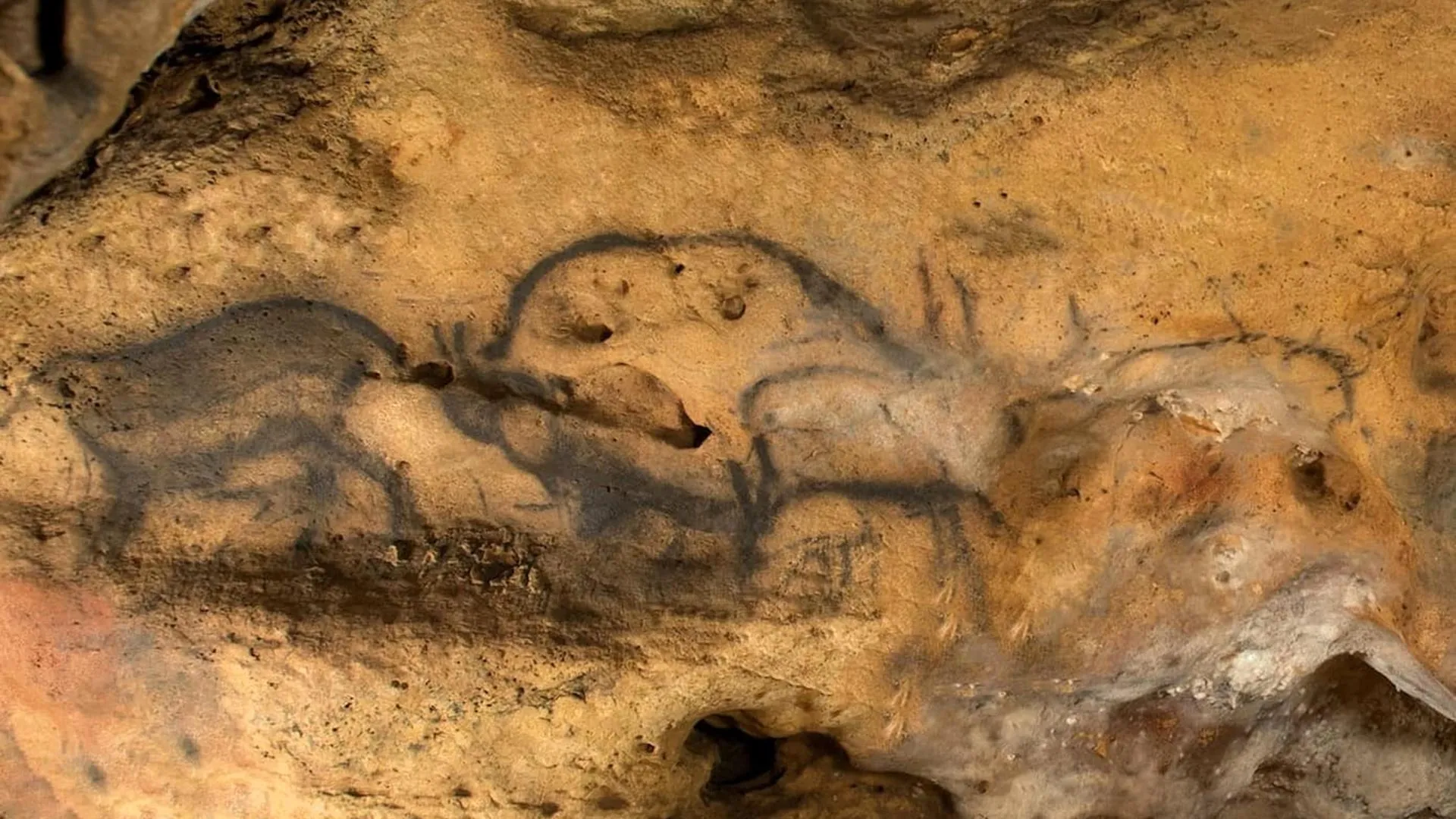
For the first time, scientists have accurately determined the age of prehistoric paintings inside Font-de-Gaume, a celebrated decorated cave near Les Eyzies in Dordogne (southwestern France).
The new findings provide firm dates for two black images, a bison and a masklike figure, and reveal that parts of the artwork were created during widely separated periods. The results could give archaeologists a powerful new way to reconstruct when people entered decorated caves, made paintings, and returned to alter or add to them.
Why Ice Age Cave Paintings Are Difficult to Date
Dordogne is home to some of the best-known prehistoric art in Europe, including the paintings at Lascaux. Yet determining exactly when many of these images were created has remained extremely difficult.
Radiocarbon dating works by measuring carbon-14, a radioactive form of carbon that gradually disappears after an organism dies. Because charcoal is made from burned organic material, it can often be dated using this method. Mineral pigments, however, usually contain no carbon and therefore cannot be analyzed in the same way.
Researchers had long believed that many black paintings in the region were made entirely from iron and manganese oxides. These naturally occurring minerals can produce dark pigments, but they do not contain the organic carbon needed for radiocarbon dating.
As a result, the artwork was generally considered impossible to date directly. However, scientists had never conclusively demonstrated that the pigments contained no carbon at all.
Searching for Charcoal Hidden in the Pigment
To investigate, the researchers analyzed the chemical composition of two black figures at Font-de-Gaume. One depicts a bison, while the other is commonly described as a mask.
The team used Raman microspectrometry and hyperspectral imaging, two techniques that can identify materials without noticeably damaging the artwork.
Raman microspectrometry uses light to examine how molecules vibrate, producing a chemical signature that can help identify pigments and other substances. Hyperspectral imaging records subtle differences in color and reflected light at each point in an image. Scientists can use those measurements to determine which compounds are present.
Hyperspectral imaging is widely used in cultural heritage research because it can reveal features that are difficult or impossible to see with the human eye. It also has applications in biomedical science, agriculture, environmental monitoring, and astrophysics.
Both methods revealed traces of charcoal in the paintings’ black pigment.
The charcoal was distributed consistently throughout the black lines of the figures. That pattern was important because it indicated that the carbon was part of the original pigment rather than contamination left by later graffiti, visitors, or tourist activity inside the cave.
Tiny Samples Reveal the Paintings’ Ages
Once the charcoal had been confirmed, researchers received exceptional authorization to remove extremely small samples for carbon-14 dating.
Analyzing such limited material is technically challenging. Scientists must collect enough carbon to obtain a reliable measurement while removing as little as possible from the ancient image.
The results confirmed that the bison dates to the Upper Paleolithic, the later portion of the Old Stone Age when anatomically modern humans created many of Europe’s most famous cave paintings.
The bison was painted between 13,461 and 13,162 calBP.
CalBP means Calibrated Before Present, with present conventionally defined as the year 1950. Radiocarbon measurements must be calibrated because the amount of carbon-14 in the atmosphere has changed over time. Those variations can be influenced by factors including solar activity and changes in Earth’s magnetic field.
The new date places the bison slightly later than previous estimates.
A Mysterious Mask Created Across Different Periods
The mask produced an even more complex result. Samples from separate parts of the figure yielded three different ranges.
One section was dated to between 8,993 and 8,590 calBP. Another was dated to between 15,981 and 15,121 calBP, while a third was placed between 15,297 and 14,246 calBP.
These results suggest that the image may contain elements created at very different times. Rather than being the work of a single artist during one visit, the mask may preserve multiple episodes of artistic activity separated by thousands of years.
That possibility offers a more layered picture of prehistoric cave art. Decorated caves may not always have been completed during a single period. Some could have remained meaningful places that later communities revisited, modified, or reinterpreted.
A New Tool for Understanding Prehistoric Art
The research was led by a scientist from the Laboratoire de développement instrumental et de méthodologies innovantes pour les biens culturels (Chimie ParisTech-PSL/CNRS/Ministère de la Culture). The study was published in PNAS.
The research brought together specialists from several French scientific and cultural institutions.
Contributors included scientists from Laboratoire de mesure du carbone 14 (CEA/CNRS/IRD/ASNR/ Ministère de la Culture), a national platform affiliated with Laboratoire des sciences du climat et de l’environnement (CEA/CNRS/ Université de Versailles Saint-Quentin-en-Yvelines). Researchers from the Histoire naturelle des Humanités préhistoriques laboratory (CNRS/MNHN/Université de Perpignan Via Domitia), the Centre des monuments nationaux, and the Centre de recherche et de restauration des musées de France also participated.
By combining chemical imaging with highly sensitive radiocarbon measurements, the team has developed a method that could be applied to other prehistoric figures previously considered undatable.
More precise dates could help researchers determine which paintings were created during the same period, how artistic styles changed, and whether generations of people repeatedly returned to particular caves. That information may ultimately reveal more about the communities that produced the images and the cultural importance these underground spaces held over thousands of years.
A group of Ballycastle teenagers are calling for Stormont to appoint a dedicated Women’s Minister.
