A senior Buddhist monk says Herefordshire has “everything” for a “person to be happy”.


A senior Buddhist monk says Herefordshire has “everything” for a “person to be happy”.
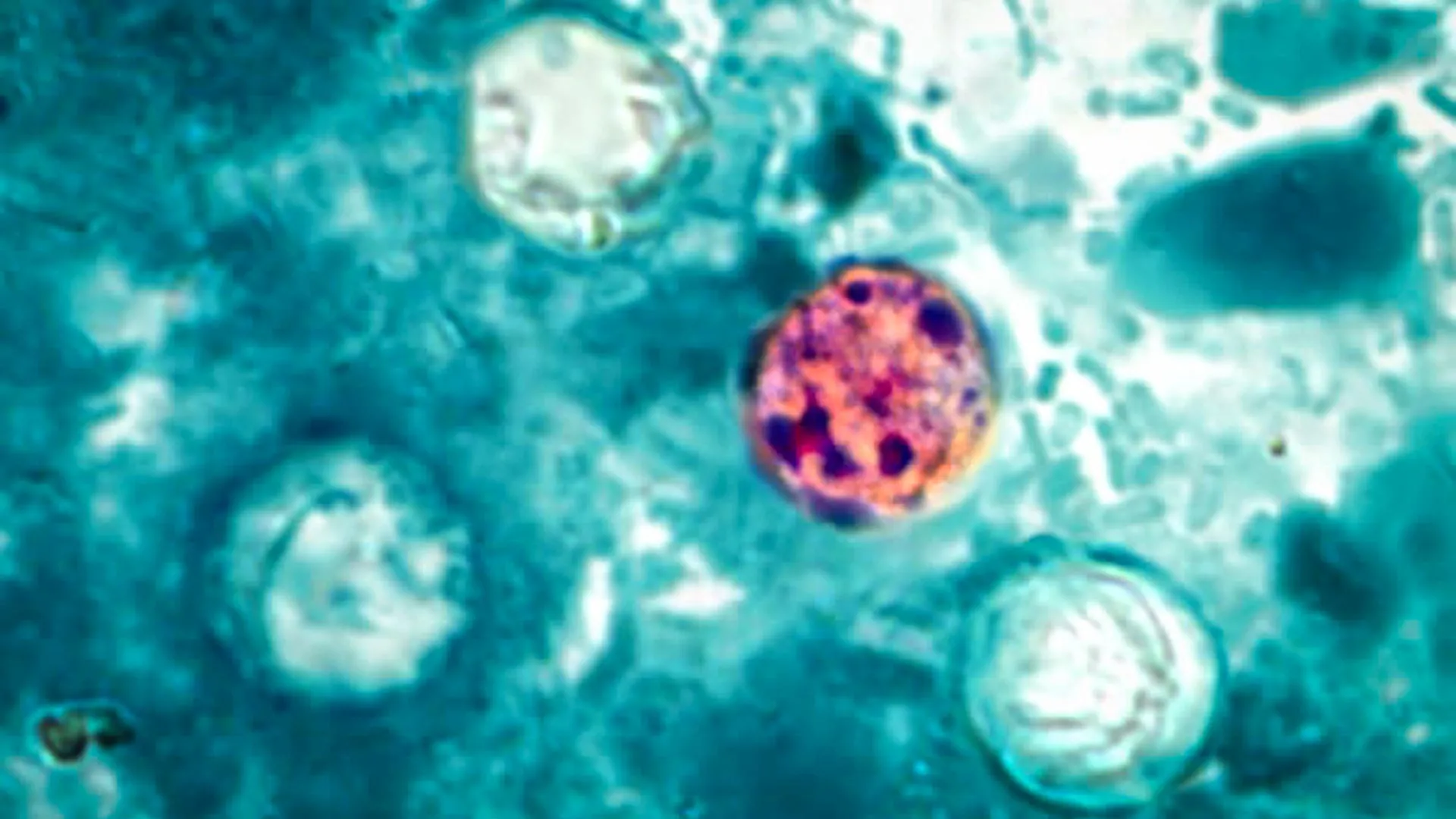
The U.S. Centers for Disease Control and Prevention (CDC) is working with state and federal health agencies to investigate several outbreaks of cyclosporiasis. Efforts to determine and confirm the sources of these outbreaks are still underway.
A large outbreak of cyclosporiasis has been reported in at least four Midwestern states. Public health officials are interviewing people who became sick to learn what foods they ate before their symptoms began.
So far, investigators have not confirmed a specific food as the source. Health agencies are continuing to gather information in an effort to identify what caused the outbreak.
Cases Have Increased Since May
The CDC says it is concerned about the rise in cyclosporiasis cases since the beginning of May. In addition to the large multistate outbreak, federal and state officials are investigating several other clusters of illness across the United States.
Cyclosporiasis is generally not life threatening, but some people can become very sick and may need to be hospitalized. Anyone experiencing possible symptoms should contact a healthcare provider promptly.
CDC and FDA Collecting Outbreak Data
The CDC, public health and regulatory agencies in several states, and the U.S. Food and Drug Administration (FDA) are reviewing multiple types of information as part of the investigation.
As of July 13, more than 400 people infected with Cyclospora had been reported to the CDC in connection with the outbreak. Cases have been identified in Michigan, Ohio, West Virginia, and Kentucky.
The CDC is also aware of additional illnesses that remain under investigation. People linked to the outbreak reported becoming sick on or after June 22, 2026.
Actual Case Count May Be Higher
Health officials believe the true number of illnesses is probably greater than the confirmed total. The outbreak may also extend beyond the four states where cases have already been identified.
Some infected people recover without seeking medical care and are never tested for Cyclospora. Recent illnesses may also be missing from the official count because it can take several weeks to determine whether a case is connected to an outbreak.
To help identify the source, public health officials collect information from patients about their age, race, ethnicity, other demographic details, and the foods they ate before becoming sick. These responses may reveal patterns that help investigators trace the contaminated food.
What To Do If You Have Symptoms
Contact your healthcare provider if you develop symptoms of cyclosporiasis.
Symptoms can vary and usually appear about one week after infection (ranging from 2 days to 2 weeks or more).
Without treatment, symptoms may continue for several days, a month, or even longer.
Help Investigators Find the Contaminated Food
People diagnosed with cyclosporiasis may be contacted by local or state health officials. Investigators may ask what they ate during the two weeks before they became ill.
Providing detailed information can help health agencies identify the food responsible for the outbreak.
How To Reduce Your Risk
Learn which foods are more likely to be associated with cyclosporiasis and what steps can help prevent infection.
Consumers should also stay up to date on food recalls and outbreaks.
Guidance for Healthcare Providers
Healthcare providers should report cyclosporiasis cases to their local health department.
Additional information about symptoms, treatment, and patient management is available through Clinical Care of Cyclosporiasis.

Researchers at the City College of New York are charting a fast-growing area of quantum science centered on materials only a few atoms thick. In these systems, light, electric charge, and magnetism are closely connected rather than behaving independently.
The work comes from physicist Vinod M. Menon’s Laboratory for Nano and Micro Photonics (LaNMP). Researchers believe these unusual interactions could eventually support advanced optoelectronic devices and quantum technologies that manipulate light, charge, and electron spin together.
When Light and Magnetism Interact
In a review published in Nature Materials, titled “Excitons in van der Waals magnetic materials,” the researchers examine recent progress involving layered magnetic semiconductors. These materials allow light-generated excitations called excitons to interact with magnetic order and with magnetic waves known as magnons.
An exciton forms when incoming light energizes an electron and causes it to move, leaving behind a positively charged “hole.” The electron and hole remain linked, forming an electrically neutral particle that can still interact strongly with light. Magnons are different. They are collective waves that travel through the organized magnetic structure of a material.
Scientists have spent years trying to unite the optical properties of exciton-rich semiconductors with magnetism. Earlier strategies included adding magnetic atoms to semiconductors or stacking atomically thin semiconductors on top of magnetic materials.
Van der Waals magnetic semiconductors provide a more direct approach. Within these crystals, excitons and magnetic moments can emerge from the same electronic orbitals. This shared origin allows light and magnetism to influence one another inside the material itself.
“In these materials, light and magnetism no longer operate as separate channels,” said Pratap Chandra Adak, a postdoctoral researcher in Menon’s group and lead author of the Review. “An exciton is not just a passive light-driven excitation sitting on top of the magnetism. It can sense the spin order and magnons, and under the right conditions, even help control the magnetic state itself.”
Reading Magnetic States With Light
The Review examines several important material platforms, including chromium triiodide, nickel phosphorus trisulfide, and chromium sulfur bromide. Research on these two-dimensional magnets has revealed several ways that excitons and magnetic behavior can affect each other.
Excitons can significantly strengthen magneto-optical effects, allowing scientists to identify magnetic states by observing changes in the polarization of light. Magnetic order can also alter the energy of excitons and influence where they are confined within a material.
Interactions between excitons and magnons can connect optical signals with magnetic activity occurring at gigahertz frequencies. The researchers also discuss exciton polaritons, hybrid particles that combine properties of light and matter and can transport optical information through a material.
“Over the past few years, this field has moved from detecting magnetism in atomically thin crystals to actively exploring how magnetic order can control light-matter interactions,” said Menon, professor of physics and senior author of the Review. “The goal of this article is to bring those developments into a coherent framework and identify where the field can go next.”
New Possibilities for Quantum Technology
The researchers identify several potential applications that would depend on precise control of light and magnetism at extremely small scales. These include magneto-photonic memory and data readout, all-optical logic, adjustable light-emitting devices, magneto-optic lasers, and polaritonic technologies.
Another promising application involves quantum transducers. These devices convert signals between microwave and optical frequencies, a capability that could become important for connecting components in future quantum networks.
Major Scientific Challenges Remain
Despite the rapid progress, much of this field remains unexplored. Many possible materials have not yet been studied in detail, and scientists still need better theoretical models that can predict how excitons, electron spins, lattice vibrations, and photons behave when they interact at the same time.
Future research could investigate moiré magnetic excitons, the optical control of spin textures, magneto-photonic devices, magnetic exciton polariton condensation, and the conversion of microwave signals into optical signals for quantum communication.
Other co-authors include Florian Dirnberger of the Technical University of Munich; Swagata Acharya of the National Laboratory of the Rockies; Akashdeep Kamra of Rheinland-Pfälzische Technische Universität Kaiserslautern-Landau; and Xiaodong Xu of the University of Washington.
The work at CCNY was supported by DARPA and the Gordon and Betty Moore Foundation.
Relationship OCD is gaining awareness, but limited data means little in known about how common the condition is.
All newborn babies are set to have a heel prick test for Spinal Muscular Atrophy (SMA) in England.
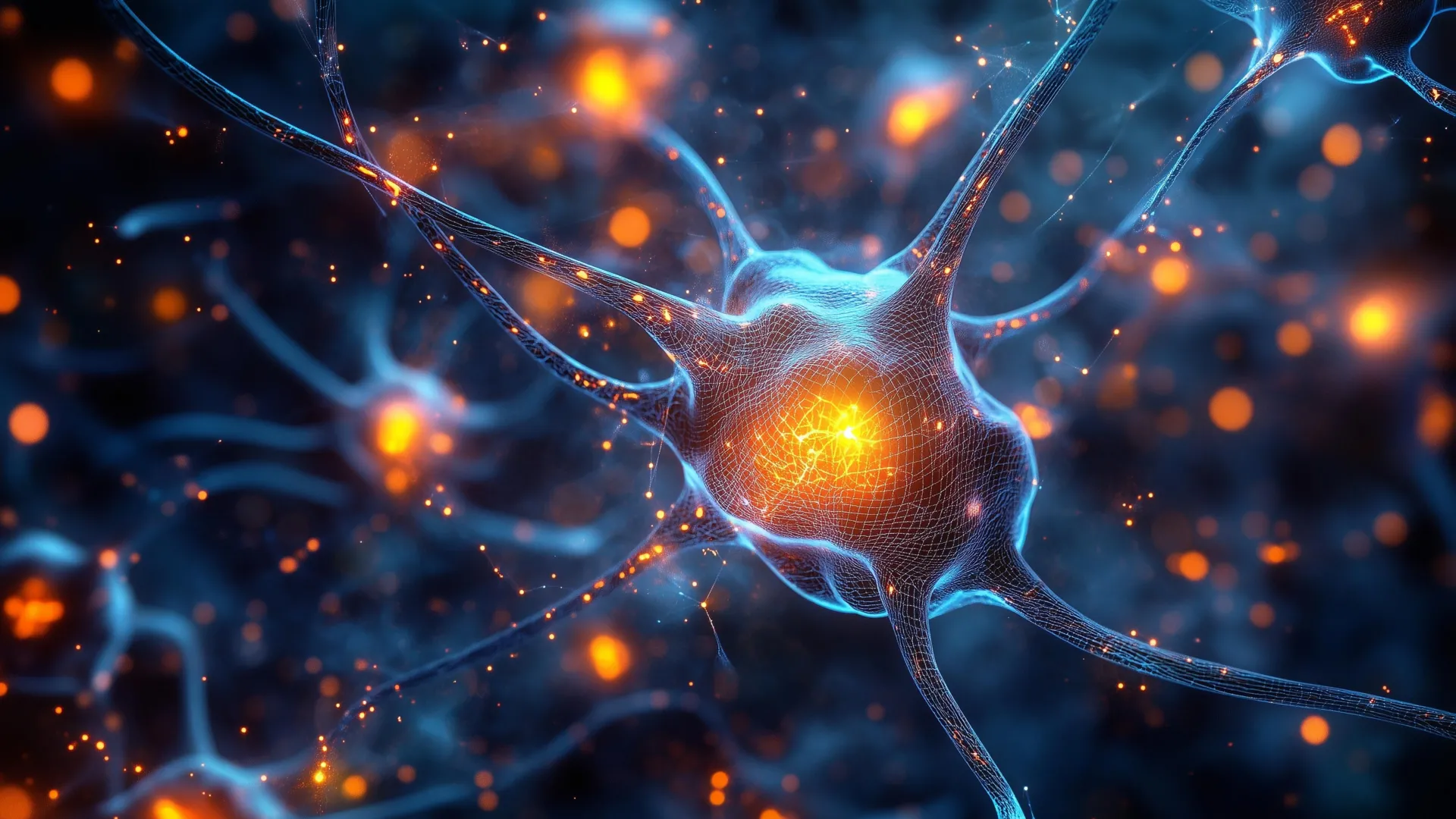
Brain cells continually pull material from the fluid around them, including nutrients, signaling molecules, and fragments of their own outer surfaces. This process, called endocytosis, supports learning, memory, and the routine maintenance of neurons.
Penn State researchers have now identified a previously unrecognized structure that may control much of this activity. The structure is a lattice located just beneath the surface of neurons and is known as the membrane-associated periodic skeleton, or MPS.
A Hidden Gatekeeper Inside Neurons
In findings published in Science Advances, the team showed that the MPS acts as a physical gatekeeper for nearly every major type of endocytosis. Built from repeating rings of proteins, the structure was already known to help neurons retain their shape. The new results indicate that it also plays a much more active role by controlling where and when substances enter the cell.
“For many, many years we have been trying to understand this molecular mechanism, what kind of machinery will help to facilitate this process, because it’s connected to neurodegenerative diseases,” said Ruobo Zhou, assistant professor of chemistry, of biochemistry and molecular biology, and of biomedical engineering, at Penn State and corresponding author on the study. “When endocytosis — this nutrient uptake and regulation — goes wrong, then there’s protein aggregation that will build up in the brain, which is the hallmark of neurodegenerative diseases such as Alzheimer’s and Parkinson’s.”
Zhou helped discover the MPS in 2013 while working as a postdoctoral researcher on a Harvard team. At the time, scientists believed the structure mainly served as a passive internal support system. In the new study, Zhou and colleagues used super-resolution imaging on neurons grown in the laboratory and found that the MPS behaves more like a cellular traffic controller, regulating all major forms of endocytosis.
Watching Cellular Uptake at the Nanoscale
The researchers relied on advanced super-resolution microscopy, which can reveal structures at the nanoscale — about 10,000 times smaller than the thickness of a human hair. They studied neurons grown in petri dishes and caused selected proteins to form inside the cells so those proteins could be tracked.
The scientists then exposed the neurons to different molecules and observed how the cells absorbed them while the MPS remained intact. They also altered the structure by damaging or protecting specific sections, allowing them to see how neurons responded when the lattice changed.
When the MPS was disrupted, the neurons began absorbing material much faster. This indicated that the lattice normally slows the process and prevents excessive uptake.
The researchers also discovered that the structure can contribute to its own breakdown. Faster endocytosis weakened the lattice and triggered a positive feedback loop. Increased uptake activated molecular signals that directed proteins inside the neurons to cut apart sections of the skeleton. That opened additional entry points and allowed even more nutrients and proteins to enter.
“We discovered that this membrane skeleton is actively regulating the nutrient uptake process of neurons,” Zhou said. “You can think of it as a gatekeeper, guarding this physical barrier to not allow nutrient uptake to happen. When a neuron needs to take in a specific nutrient, this gatekeeper will open the gates and let it in.”
Zhou explained that this flexibility may allow neurons to increase their activity when they need to respond quickly. However, the same mechanism could become harmful if it is no longer properly controlled.
A Possible Link to Alzheimer’s Disease
To investigate that possibility, the researchers created cellular experiments that resembled the early stages of Alzheimer’s disease. They caused neurons to produce higher levels of amyloid precursor protein (APP), a key marker associated with the disease.
Weakening the MPS caused neurons to take in APP more rapidly. After entering the cells, APP was cut into amyloid-B42, a toxic fragment strongly associated with Alzheimer’s disease. Neurons with a damaged MPS accumulated increasing amounts of this harmful molecule and displayed more markers of cell death.
“We created a model which is very much like Alzheimer’s disease and found that in some aging neurons, or neurons under pathologic conditions, the endocytosis of toxic proteins was enhanced, which caused stressing conditions, ultimately leading to neuron deaths,” said Jinyu Fei, a graduate student in the chemistry department in Penn State’s Eberly College of Science and lead author on the study.
A Potential New Treatment Target
The results suggest that the MPS may act as a protective barrier in neurons by slowing APP uptake and limiting the accumulation of toxic molecules. Because the structure is known to deteriorate during aging and neurodegenerative disease, its breakdown could push neurons into a damaging cycle involving greater amyloid production, further structural weakening, and eventual cell death.
The researchers said that protecting or stabilizing this lattice may offer a new way to slow neurodegeneration.
“We think this could open the door for future therapies such as a protein target for neurodegenerative disease treatment,” Fei said. “Preserving or stabilizing the MPS might offer a way to slow the early, hidden cellular changes that precede Alzheimer’s symptoms.”
Other authors on the paper are Yuanmin Zheng, doctoral candidate in biomedical engineering; Caden LaLonde, fourth-year undergraduate student majoring in biochemistry and molecular biology; and Yuan Tao, graduate student at Penn State’s Huck Institutes of Life Sciences.
The National Institutes of Health funded this work.

Humans have earned a reputation as “super-predators” because they hunt, trap, and fish on a scale unmatched by other predators. These activities can reshape animal behavior across entire landscapes. However, new research led by the Centre for Ecological Sciences, Indian Institute of Science (IISc), suggests that wildlife does not respond to every type of human presence in the same way.
Animals consistently show fear when people pose a direct lethal threat, such as through hunting or fishing. Their reactions to non-lethal human activity, however, are much less predictable.
How Wildlife Responds to Human Threats
The meta-analysis, published in Ecology Letters, brought together three decades of research examining how wild animals alter their behavior around humans. The researchers compared changes in feeding, vigilance, and movement across many species and ecosystems to determine whether people are always perceived as an extreme danger.
“The short answer is: no, not always,” says Shawn D’Souza, PhD student at CES and the study’s lead author. “We found strong evidence that lethal humans such as hunters and fishers are indeed perceived as threatening. Animals in areas exposed to lethal humans tend to be more vigilant and spend less time foraging. In contrast, responses to non-lethal humans such as tourists or researchers are weaker and more variable.”
Roads and Settlements Can Feel Safer
One of the more unexpected findings was that human infrastructure, including roads and settlements, sometimes caused animals to become less watchful.
“In certain cases, these areas can function as perceived refuges,” D’Souza explains. “Predators often avoid humans, which can make areas near people feel safer for some prey species.”
Co-author Maria Thaker, Professor at CES, says another factor may be the open vegetation commonly found beside roads. These cleared spaces can provide appealing grazing areas for smaller animals. However, feeding near roads also exposes them to the danger of being struck by vehicles.
The Costs of Staying Alert
The researchers focused on foraging, vigilance, and movement because each behavior reflects the difficult choices animals make when assessing danger.
Every moment spent scanning for threats is time taken away from feeding. Changes in movement can also affect how much energy an animal uses and whether it can reach food, shelter, or other important resources. Because these behaviors influence survival and reproduction, they can reveal how fear of people may shape wildlife populations over time.
Animals Adjust to the Level of Risk
The findings generally support the “risk allocation hypothesis,” which proposes that animals change their behavior according to how severe and predictable a threat appears.
When danger is frequent and intense, animals tend to remain cautious, D’Souza says. When a threat is limited or occurs in a predictable way, wildlife may be more willing to relax and resume normal activities.
These decisions can also have consequences far beyond a single animal. Changes in feeding, movement, and fear can spread through ecosystems, affecting grazing patterns, predator-prey relationships, and broader ecological stability.
Possible Implications for Wildlife Conflict
Co-author Kartik Shanker, Professor at CES, says the behavioral effects of lethal human activity could have implications for managing conflict between people and wildlife. According to Shanker, limited culling may sometimes discourage wild animals from entering human-dominated areas more effectively than several other approaches currently in use.
The researchers say more work is needed to predict how different species will respond in different environments.
“We need more predictive frameworks that link behavioral responses to ecological and evolutionary context. That includes incorporating species traits, past exposure to humans, predator communities, and landscape structure,” says D’Souza.
He adds that long-term and experimental research will be essential for determining whether animals are simply becoming accustomed to human activity or experiencing deeper evolutionary changes.
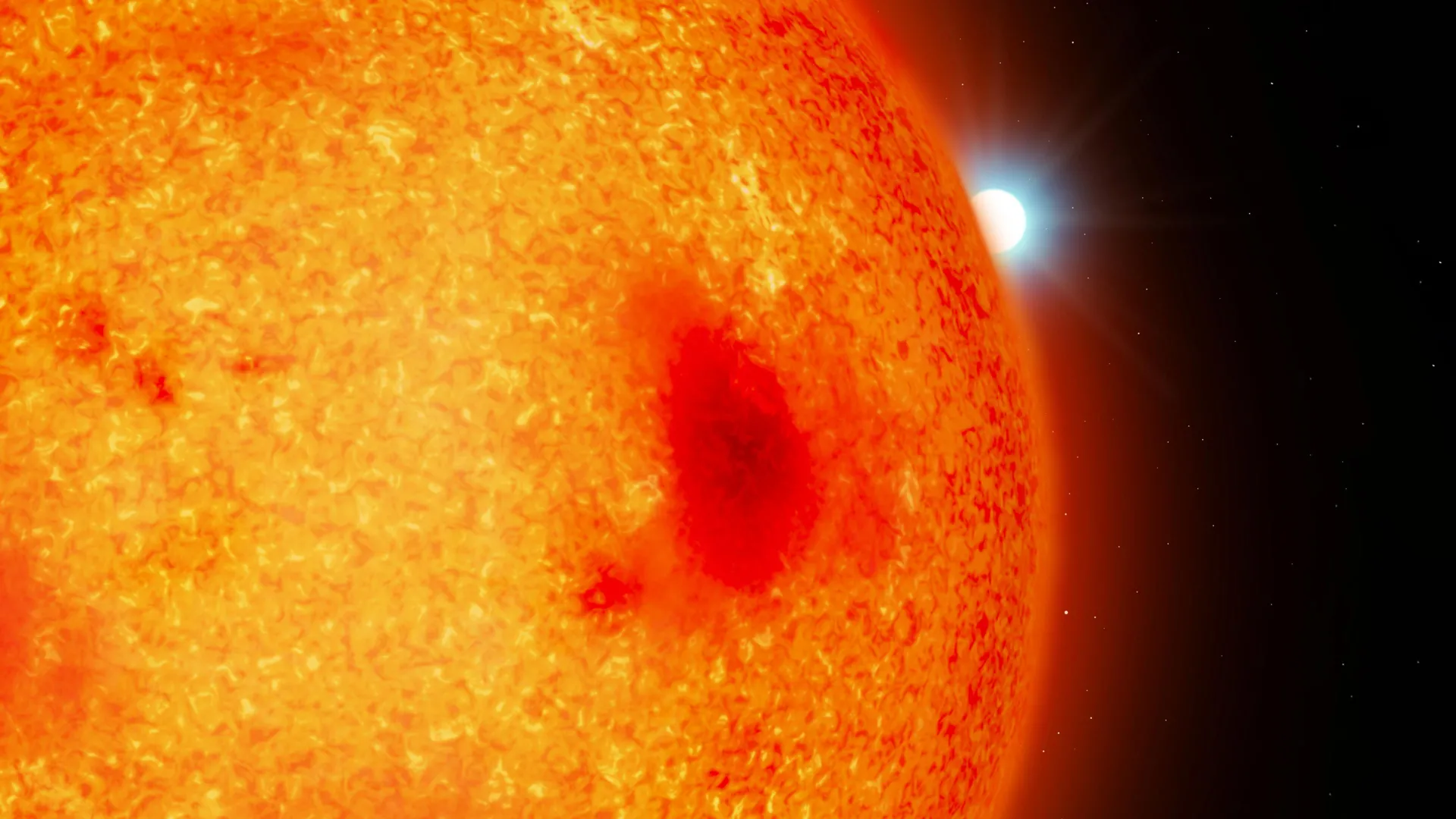
Astronomers have directly confirmed four previously hidden white dwarf stars in nearby binary systems. Every system lies within 65 light-years of Earth, and one contains the ninth closest known white dwarf to the Sun.
The discoveries were made by researchers at the University of Warwick and the University of Colorado Boulder. Their findings were published in the Monthly Notices of the Royal Astronomical Society (MNRAS).
White Dwarfs Hidden by Brighter Companions
Each white dwarf orbits alongside a red dwarf star. Because the red dwarfs appear larger and brighter, the systems looked like they contained only a single star when viewed in visible light.
The new observations revealed that all four nearby red dwarfs were concealing white dwarf companions.
First author, Dr. Mairi O’Brien, Research Fellow, University of Warwick said: “Nearby isolated white dwarfs are usually easy to find, but we couldn’t see these four stars directly in visible wavelengths because their red dwarf companions were drowning out their light. It’s a reminder that even in our own cosmic neighborhood, we can still find surprises if we look in the right way, at the right wavelengths.”
Astronomers have spent decades carefully cataloging stars near the Sun, yet white dwarfs in systems like these remain difficult to detect. The four systems attracted attention because their visible stars showed a pronounced radial wobble.
This motion occurs when a star moves slightly toward and away from Earth as an unseen, massive object pulls on it while orbiting. The wobble suggested that each red dwarf had a hidden companion.
Hubble Ultraviolet Data Reveals the Stars
The researchers used ultraviolet spectrograph data from the Hubble Space Telescope to examine the four systems in greater detail.
White dwarfs are generally much easier to recognize in ultraviolet light. Red dwarfs, however, can produce powerful flares that imitate the ultraviolet signal of a white dwarf, making confirmation more difficult.
To separate the true signals from the effects of stellar flaring, the team developed specialized calibration methods. This analysis officially confirmed that all four systems contained white dwarf stars.
A White Dwarf Hidden for 27 Years
One of the systems, G 203-47, was especially puzzling. Although it is located only 25 light-years away, astronomers needed 27 years after first detecting its radial wobble to identify the hidden white dwarf.
The object is now recognized as the ninth closest white dwarf to the Sun.
G 203-47 also behaves differently from similar binary systems. Its red dwarf takes more than 100 days to complete one rotation, even though it circles the white dwarf every 14.9 days.
Under normal circumstances, the gravitational interaction between two closely orbiting stars would be expected to synchronize their motion through tidal locking. The Moon and Earth provide a familiar example, since the same side of the Moon continually faces Earth.
In G 203-47, however, the red dwarf rotates far too slowly to be synchronized with its orbit.
Coauthor Dr. David Wilson, Research Associate, University of Colorado Boulder, said: “What’s fascinating is that G 203-47 shouldn’t be rotating this slowly if it formed the same way as similar systems. This suggests that these binaries have had very different evolutionary histories. Some underwent violent, prolonged interactions early on that locked them tidally. Others, like G 203-47, experienced gentler, briefer encounters that left them in this unusual state.”
Clues About Binary Star Evolution
The unusual rotation of G 203-47 suggests that not all white dwarf and red dwarf pairs developed through the same process.
Some systems may have experienced long and intense interactions early in their histories, causing the stars to become tidally locked. Others may have interacted for a shorter period and with less force, leaving their rotations unsynchronized.
The four discoveries have also allowed astronomers to revise the census of white dwarfs within 20 parsecs (65 light-years).
Previous population models predicted that roughly 4 to 5 closely orbiting white dwarf and red dwarf systems should exist in this region. The researchers identified exactly four, closely matching those theoretical estimates.
More Hidden White Dwarfs May Be Nearby
The discoveries may not complete the picture. Most nearby red dwarfs have not yet been systematically examined for concealed white dwarf companions.
Professor Pier-Emmanuel Tremblay, Astronomy and Astrophysics Group, University of Warwick, said: “Only about 30 percent of red dwarfs within 20 parsecs have been systematically surveyed for hidden white dwarf companions. We think there could be as many as 9 or 10 additional binary systems in our local stellar environment that we haven’t found yet. If we put more targeted effort into observing red dwarfs, perhaps we will find more surprises like this.”

People who regularly visit museums, theaters, concerts, and movie theaters may be doing more than enjoying themselves. A new study suggests these cultural activities are associated with a younger physiological age, meaning the body may function more like that of a younger person.
The findings, published in the Journal of Epidemiology and Community Health, add to growing evidence that staying socially and culturally active could play an important role in healthy aging.
Cultural Activities and Biological Aging
Everyone grows older, but the rate at which the body ages can vary from person to person. Physiological age reflects how well the body is functioning and may differ from chronological age, which is simply the number of years someone has lived.
Previous research has linked cultural activities, such as going to the movies, museums, and live performances, with better health and well-being in older adults. However, relatively few studies have explored whether these activities are connected to physiological aging itself.
Researchers at the Institute of Science Tokyo in Japan say they have carried out the first longitudinal study to examine this relationship while accounting for unmeasured factors that remain stable over time.
How the Study Measured Aging
The team analyzed data from 1,899 adults participating in the English Longitudinal Study of Ageing, an ongoing population-based study of a nationally representative sample of adults aged 50 and older living in England.
Participants contributed data during at least two survey waves conducted in 2004/2005, 2006/2007, or 2008/2009.
To estimate physiological age, nurses measured 10 indicators of physical health, including pulse pressure, diastolic blood pressure, forced expiratory volume, hemoglobin concentration, fibrinogen, glycated hemoglobin, low-density lipoprotein (LDL) cholesterol, body mass index (BMI), grip strength, and walking speed. These measurements were combined into a single physiological age score.
Participants also reported how often they attended (a) the cinema, (b) a museum or art gallery, and (c) a theater, concert, or the opera. Each activity was scored on a scale from 0 (never) to 5 (twice a month or more), producing a total cultural engagement score ranging from 0 to 15.
Higher Cultural Engagement Linked to Younger Bodies
People with higher levels of cultural engagement, defined as taking part in cultural activities at least every few months, had an average physiological age of 66.9 years. In comparison, those with lower levels of participation had an average physiological age of 69.9 years, a difference of about three years.
Participants with higher cultural engagement were also more likely to be women, have higher socioeconomic status, be employed, and already enjoy better overall health.
After adjusting for factors such as household income, employment, and chronic health conditions, the researchers found that each one-point increase in cultural engagement score was associated with a 0.085-year (31-day) reduction in physiological age.
Why Cultural Activities Might Matter
The researchers suggest several possible explanations for the association. Cultural activities can strengthen social connections, encourage healthier lifestyle habits, and support better mental health, all of which may contribute to slower physiological aging.
Because the research was observational, it cannot determine whether cultural activities directly slow aging. The authors also note that reverse causation is possible, meaning healthier people may simply be more able to attend cultural events.
Even so, they argue that cultural engagement is a modifiable behavior that could become an effective public health strategy. “Notably, the impact can be comparable to frequent physical activity,” they write.
The researchers also say that making cultural events more geographically and financially accessible could allow more people to participate.
Additional research will be needed to determine whether encouraging greater cultural engagement leads to lasting improvements in health and healthier aging over the long term.

Could eating lots of chili peppers affect your cancer risk? Scientists have been debating that question for years, and the answer remains far from simple. While chili peppers contain compounds that have shown anti inflammatory and even anticancer effects in laboratory experiments, some human studies have linked very high consumption to a greater risk of certain cancers of the digestive tract.
A large review published in Frontiers in Nutrition examined the available evidence and found that people who consumed the most chili peppers were more likely to develop certain gastrointestinal cancers, especially esophageal cancer. At the same time, researchers emphasized that the evidence does not prove chili peppers cause cancer and that more rigorous studies are still needed.
A Closer Look at Chili Peppers and Cancer Risk
Gastrointestinal cancers include cancers of the esophagus, stomach, and colon or rectum. Together, they account for millions of new cancer diagnoses worldwide each year and remain among the leading causes of cancer related deaths. Because these cancers are often discovered after they have already advanced, scientists continue searching for dietary and lifestyle factors that might influence risk.
Chili peppers are eaten every day by billions of people and are an essential ingredient in cuisines across Asia, Latin America, Africa, and many other parts of the world. Their signature heat comes from capsaicin, a natural compound that activates heat and pain sensing nerve receptors.
Capsaicin has attracted considerable scientific interest. Laboratory studies have suggested it may reduce inflammation, influence metabolism, and even kill certain cancer cells under specific conditions. However, other experiments have found that under different circumstances it could promote tumor growth or contribute to tissue irritation. That conflicting evidence has made its overall effect on cancer difficult to pin down.
What the Analysis Found
To better understand the relationship, researchers combined data from 14 observational studies involving more than 11,000 participants, including over 5,000 people diagnosed with gastrointestinal cancers.
Compared with people who consumed the least chili peppers, those with the highest intake were about 64% more likely to develop gastrointestinal cancers overall.
The strongest association involved esophageal cancer. People in the highest consumption group were nearly three times more likely to develop this cancer than those in the lowest intake group.
The picture was less clear for other digestive cancers. Researchers did not find a statistically significant increase in the risk of stomach or colorectal cancer. Although stomach cancer showed a trend toward higher risk, about 77% higher among heavy chili pepper consumers, the difference did not reach statistical significance.
Based on their findings, the researchers concluded that the evidence “suggest that chili pepper is a risk factor for certain GI cancers (e.g., EC).”
Why Results Differ Around the World
The findings also varied by region.
Studies from Asia, Africa, and North America generally found higher cancer risks among people with the greatest chili pepper consumption. By contrast, studies from Europe and South America found either no increased risk or even lower risks.
Researchers believe several factors could explain these differences. Average chili pepper intake varies dramatically around the world, and cooking methods, pepper varieties, genetics, smoking, alcohol use, and other dietary habits may all influence the results. The researchers noted that “geographical regions influence the risk of GI cancers,” suggesting that regional differences should be considered when making dietary recommendations.
Why the Esophagus May Be Especially Vulnerable
Scientists have proposed several explanations for why the esophagus appears more strongly affected than other parts of the digestive tract.
Capsaicin activates receptors called TRPV1 receptors, producing the familiar burning sensation associated with spicy foods. Some researchers suspect that repeated exposure to extremely spicy foods could contribute to chronic irritation of the esophageal lining in susceptible individuals. Differences in how quickly cells are repaired and replaced throughout the digestive tract may also influence how tissues respond over time. These ideas remain hypotheses and have not been proven.
The Bigger Picture
Although these findings may sound concerning, they should be interpreted with caution.
Every study included in the review was observational. That means the researchers could identify associations, but they could not determine whether chili peppers themselves caused the higher cancer risk. Other factors, such as smoking, alcohol consumption, socioeconomic differences, infections, or overall dietary patterns, could also contribute.
Since the review was published, broader analyses have continued to paint a mixed picture. An umbrella review examining multiple systematic reviews concluded that spicy foods and capsaicin appear to have both potential health benefits and possible risks, depending on the disease being studied, the amount consumed, and the population involved. Some evidence links spicy food to lower risks of cardiovascular disease and premature death, while studies of digestive cancers remain inconsistent.
For now, researchers say one of the biggest unanswered questions is dose. It is still unclear whether moderate chili pepper consumption carries the same risks observed among the heaviest consumers, or whether there is a threshold above which risk begins to increase.
Future studies that follow people over many years will be needed to determine whether chili peppers themselves play a direct role in cancer development or whether the observed associations are driven by other lifestyle and environmental factors.
