Brain inspired machines are better at math than expected

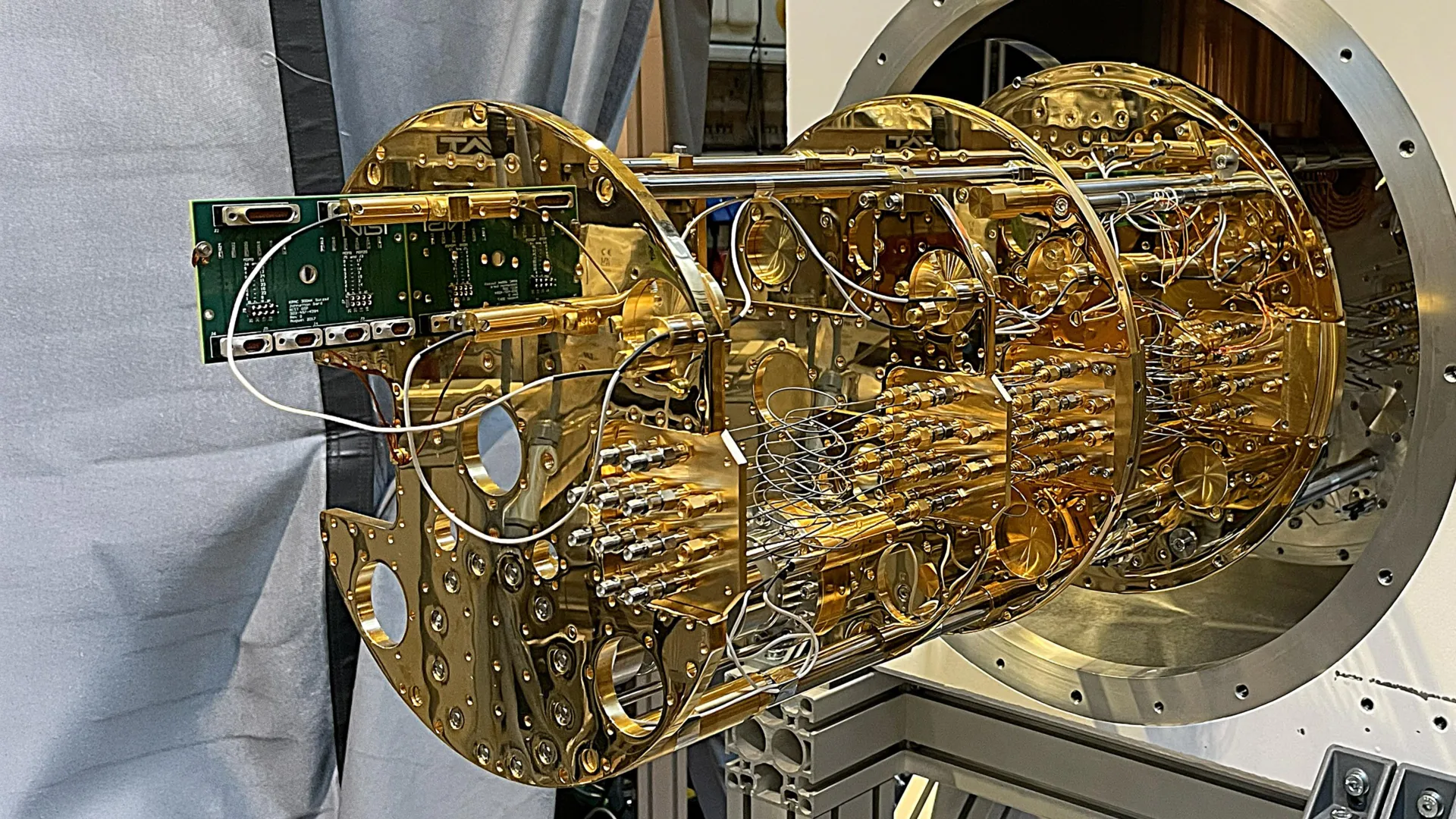
Computers designed to mimic the structure of the human brain are showing an unexpected strength. They can solve some of the demanding mathematical equations that lie at the heart of major scientific and engineering problems.

In a study published in Nature Machine Intelligence, Sandia National Laboratories computational neuroscientists Brad Theilman and Brad Aimone introduced a new algorithm that allows neuromorphic hardware to solve partial differential equations, or PDEs — the mathematical foundation for modeling phenomena such as fluid dynamics, electromagnetic fields and structural mechanics.

The results demonstrate that neuromorphic systems can handle these equations efficiently. The advance could help open the door to the first neuromorphic supercomputer, offering a new path toward energy efficient computing for national security and other critical applications.

The research was funded by the Department of Energy’s Office of Science through the Advanced Scientific Computing Research and Basic Energy Sciences programs, as well as the National Nuclear Security Administration’s Advanced Simulation and Computing program.

Solving Partial Differential Equations With Brain Like Hardware

Partial differential equations are essential for simulating real world systems. They are used to forecast weather, analyze how materials respond to stress, and model complex physical processes. Traditionally, solving PDEs requires enormous computing power. Neuromorphic computers approach the problem differently by processing information in ways that resemble how the brain operates.

“We’re just starting to have computational systems that can exhibit intelligent-like behavior. But they look nothing like the brain, and the amount of resources that they require is ridiculous, frankly,” Theilman said.

For years, neuromorphic systems were mainly viewed as tools for pattern recognition or for speeding up artificial neural networks. Few expected them to manage mathematically rigorous problems such as PDEs, which are typically handled by large scale supercomputers.

Aimone and Theilman were not surprised by the outcome. They argue that the human brain routinely carries out highly complex calculations, even if people are unaware of it.

“Pick any sort of motor control task — like hitting a tennis ball or swinging a bat at a baseball,” Aimone said. “These are very sophisticated computations. They are exascale-level problems that our brains are capable of doing very cheaply.”

Energy Efficient Computing for National Security

The findings could have major implications for the National Nuclear Security Administration, which is responsible for maintaining the nation’s nuclear deterrent. Supercomputers used across the nuclear weapons complex consume vast amounts of electricity to simulate the physics of nuclear systems and other high stakes scenarios.

Neuromorphic computing may provide a way to significantly cut energy use while still delivering strong computational performance. By solving PDEs in a brain inspired manner, these systems suggest that large simulations could be run using far less power than conventional supercomputers require.

“You can solve real physics problems with brain-like computation,” Aimone said. “That’s something you wouldn’t expect because people’s intuition goes the opposite way. And in fact, that intuition is often wrong.”

The team envisions neuromorphic supercomputers eventually becoming central to Sandia’s mission of protecting national security.

What Neuromorphic Computing Reveals About the Brain

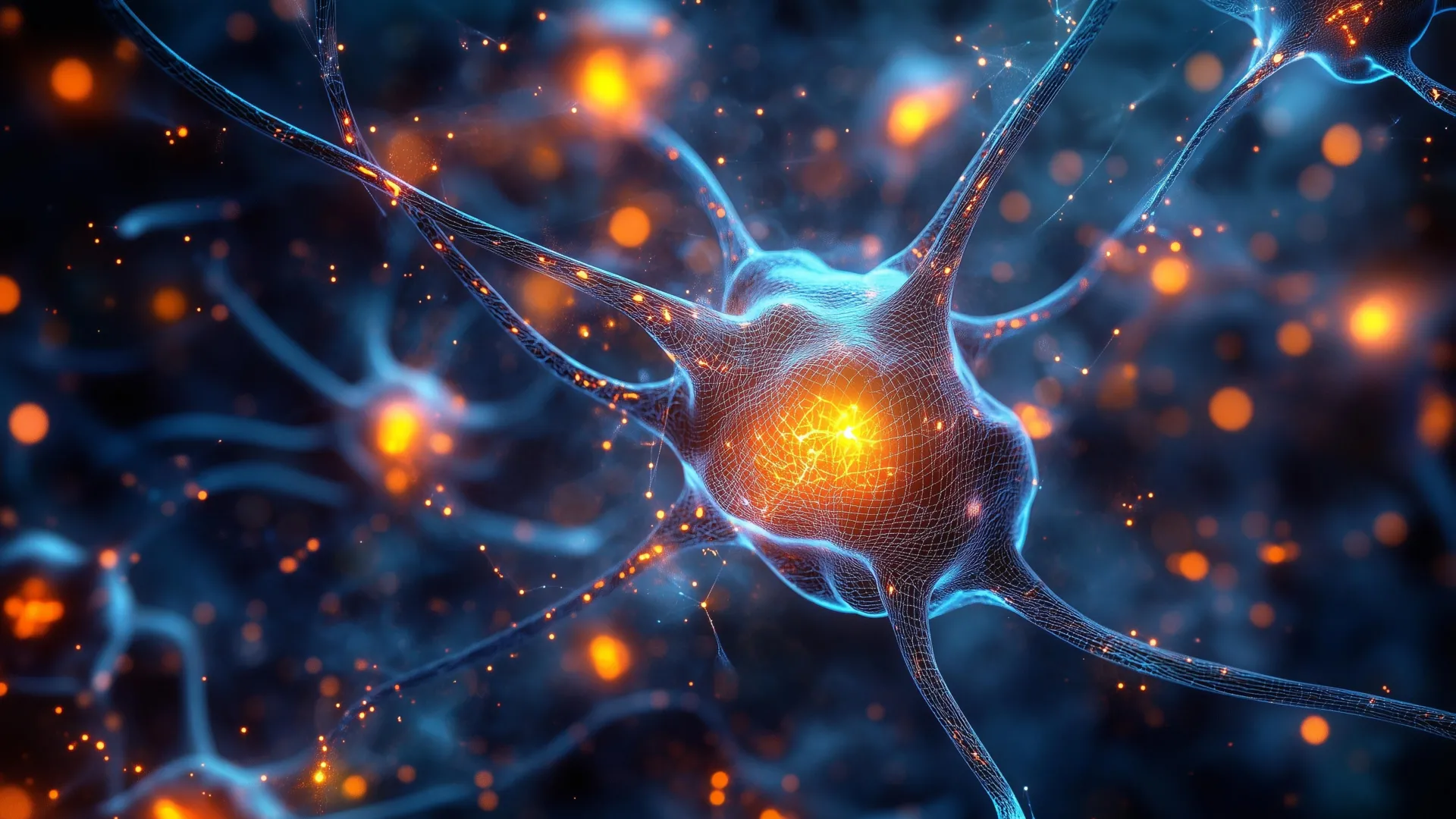
Beyond engineering advances, the research also touches on deeper questions about intelligence and how the brain performs calculations. The algorithm developed by Theilman and Aimone closely mirrors the structure and behavior of cortical networks.

“We based our circuit on a relatively well-known model in the computational neuroscience world,” Theilman said. “We’ve shown the model has a natural but non-obvious link to PDEs, and that link hasn’t been made until now — 12 years after the model was introduced.”

The researchers believe this work could help connect neuroscience with applied mathematics, offering new understanding of how the brain processes information.

“Diseases of the brain could be diseases of computation,” Aimone said. “But we don’t have a solid grasp on how the brain performs computations yet.”

If that idea proves correct, neuromorphic computing might one day contribute to better understanding and treatment of neurological disorders such as Alzheimer’s and Parkinson’s.

Building the Next Generation of Supercomputers

Neuromorphic computing remains an emerging field, but this work represents an important step forward. The Sandia team hopes their results will encourage collaboration among mathematicians, neuroscientists and engineers to expand what this technology can achieve.

“If we’ve already shown that we can import this relatively basic but fundamental applied math algorithm into neuromorphic — is there a corresponding neuromorphic formulation for even more advanced applied math techniques?” Theilman said.

As development continues, the researchers are optimistic. “We have a foot in the door for understanding the scientific questions, but also we have something that solves a real problem,” Theilman said.

Share Button

Couples who savor happy moments together have stronger, longer-lasting relationships

Couples who intentionally pause to appreciate the enjoyable experiences they share tend to be more satisfied in their relationships, argue less, and feel more confident that their partnership will endure, according to researchers at the University of Illinois Urbana Champaign.

“Savoring involves slowing down to become aware of and focus on positive experiences,” said first author Noah Larsen, a graduate student at Illinois. “Savoring can occur when we reminisce on a past experience, focus on the present moment or look ahead to a future experience.”

Previous studies have shown that savoring benefits individuals. Larsen and his colleagues, Illinois human development and family studies professors Allen W. Barton and Brian G. Ogolsky, wanted to see what happens when couples practice savoring together as a shared activity. The participants were drawn from a larger project examining resilience in romantic relationships.

Study of Joint Savoring in Romantic Relationships

The research included 589 adults from across the United States who completed an online survey. The questionnaire measured how often they and their partners intentionally appreciated positive experiences in their relationship. Researchers used a scale called Joint Savoring in Romantic Relationships, adapted from the widely used Savoring Beliefs Inventory, which assesses how individuals savor positive moments.

Participants also answered questions about how satisfied they felt with their spouse or significant other, how much conflict they experienced in communication, and how confident they were that their relationship would last.

The survey assessed stress as well. Participants reported how frequently during the past month they felt in control of their responsibilities or, on the other hand, overwhelmed by what they had to handle. They also rated their overall quality of life, general health, and psychological distress.

Who Took Part in the Study

Of the 589 respondents, more than 85% were married, around 10% were engaged, and 4% were in committed dating relationships. Their partners did not participate in the survey. The average age was about 39. Slightly more than half were women, more than 85% were white, and the typical household income ranged from $85,000 to $95,000.

Overall, participants reported relatively high levels of both individual savoring and joint savoring, along with generally low stress levels.

How Savoring Buffers Relationship Stress

“We found that joint savoring has the most benefits for romantic relationships, as well as secondary benefits for individuals’ health and well-being,” Larsen said. “Specifically, individuals who engaged in more joint savoring with their partners reported less conflict with them, more satisfaction with their relationship and more confidence in their future together.”

The protective effect was especially noticeable among couples facing higher stress. “When couples face greater stress, savoring can serve as a buffer, helping protect their confidence in their relationship and their mental health,” Larsen said.

“Being able to identify factors that provide this type of buffering effect is important for marriage and romantic relationships, as they provide tangible things that couples can do to keep their relationship strong, even in the midst of heightened levels of stress,” Barton said.

The researchers noted that intentionally focusing on shared positive experiences can serve as a practical strategy for maintaining or strengthening a relationship.

A Simple Weekly Habit for Stronger Love

“We all are busy and have so many things going on in our day-to-day lives,” Larsen said. “Finding time — even just once a week — to slow down, be present with your partner and talk about positive experiences in your relationship or focus on something you both enjoy can really benefit you as a couple. That might be reminiscing about a memory from earlier in your relationship, enjoying a dinner together or talking about an upcoming event that you both are excited about. And if you are going through a stressful time, making time for these conversations can be especially important.”

Share Button

Stroke survivors trial new at-home tech: ‘It’s given me my freedom back’

Participants in the NHS ‘Triceps’ trial wear a device in their ear which emits electrical pulses while they do rehab.

Share Button

High Court dismisses challenge to single-sex toilet guidance

Campaigners claimed the guidance for employers, such as hospitals, shops and restaurants, was “legally flawed” and “overly simplistic”.

Share Button

Critical incident declared at Nottingham hospitals

A high number of elderly people on wards and respiratory cases in A&E prompt warnings from staff.

Share Button

Omega-3 fish oil supplements could backfire without this key enzyme

Nearly 19 million adults in the United States take fish oil supplements. These products are rich in omega-3 fatty acids, mainly eicosapentaenoic acid and docosahexaenoic acid, commonly known as EPA and DHA. Many people use them in hopes of lowering inflammation and reducing the risk of chronic diseases.

When it comes to cancer, however, the evidence has been mixed. Some large clinical trials have suggested omega-3 supplements may lower cancer risk, while others have found no benefit or even a possible increase in cancer cases.

A Key Gene in Colon Cancer Protection

Researchers from the University of Michigan and the University of Texas MD Anderson Cancer Center set out to better understand these conflicting results. Their study, published in Cellular and Molecular Gastroenterology and Hepatology, identified a gene called 15-lipoxygenase-1, or ALOX15, as a crucial factor in whether EPA and DHA can help suppress colorectal cancer.

The findings suggest that testing cancer patients for ALOX15 could be important when considering prevention strategies that involve omega-3 supplements.

Surprising Results in Mice

To explore how fish oil affects tumor development, scientists compared mice fed a fish oil enriched diet with mice given a standard diet. Unexpectedly, fish oil increased the number of colon tumors in mice exposed to chemicals that trigger inflammation and speed up tumor growth.

Normally, when EPA and DHA are consumed, the body converts them into compounds known as resolvins. These molecules help reduce chronic inflammation, which plays a major role in cancer development. This conversion process relies on the enzyme ALOX15. However, ALOX15 is often switched off in several types of cancer.

The researchers then examined what happened when mice lacking ALOX15 were given fish oil. In those animals, the absence of ALOX15 led to a rise in colorectal tumors, although the impact varied depending on which omega-3 fatty acid was used.

EPA vs DHA and Different Supplement Forms

Mice fed diets rich in EPA developed fewer tumors than those given DHA. EPA and DHA are available in several forms, including free fatty acids, ethyl esters and triglycerides.

Lovaza, a prescription medication containing the ethyl ester forms of EPA and DHA, is approved by the Food and Drug Administration to treat high triglyceride levels in the blood.

In this study, Lovaza as well as the ethyl ester and free fatty acid forms of EPA reduced both the number and size of tumors, particularly in mice that had active ALOX15. In contrast, DHA variants did not prevent tumor growth in mice lacking ALOX15. When ALOX15 was present, tumor growth was reduced.

“Not all fish oil supplements are the same,” said Imad Shureiqi, professor of internal medicine at the University of Michigan and a member of Rogel Cancer Center.

“It is also important to ask whether the person who is taking the supplement has the required enzymes to metabolize these products to prevent chronic inflammation and subsequently cancer development.”

What This Means for Patients

Although most of the data come from animal studies, the results raise important questions. They suggest that people with colon polyps who do not have active ALOX15 may not receive the same protective benefits from EPA and DHA, making the supplements less effective at slowing tumor growth.

Shureiqi advises patients to speak with their doctors before starting fish oil supplements.

Meanwhile, the research team is developing medications designed to boost ALOX15 levels in cancer cells. Their goal is to enhance the body’s ability to process EPA and DHA, potentially strengthening efforts to prevent colon cancer.

Share Button

Scientists discover hidden brain cells that help heal spinal cord injuries

Researchers at Cedars-Sinai have identified a biological repair process that could eventually lead to new treatments for spinal cord injuries, stroke, and neurological diseases such as multiple sclerosis. The findings, published in Nature, reveal an unexpected role for astrocytes, a major support cell in the central nervous system.

“Astrocytes are critical responders to disease and disorders of the central nervous system — the brain and spinal cord,” said neuroscientist Joshua Burda, PhD, assistant professor of Biomedical Sciences and Neurology at Cedars-Sinai and senior author of the study. “We discovered that astrocytes far from the site of an injury actually help drive spinal cord repair. Our research also uncovered a mechanism used by these unique astrocytes to signal the immune system to clean up debris resulting from the injury, which is a critical step in the tissue-healing process.”

The team named these cells “lesion-remote astrocytes,” or LRAs. They also identified several distinct subtypes. For the first time, the study explains how one subtype can detect damage from a distance and respond in ways that support recovery.

How the Spinal Cord Responds to Injury

The spinal cord is a long bundle of nerve tissue that extends from the brain down the back. Its inner region, called gray matter, contains nerve cell bodies along with astrocytes. Surrounding that is white matter, made up of astrocytes and long nerve fibers that carry signals between the brain and the rest of the body. Astrocytes help maintain a stable environment so these signals can travel properly.

When the spinal cord is injured, nerve fibers are torn apart. This can cause paralysis and disrupt sensations such as touch and temperature. The damaged fibers break down into debris. In most tissues, inflammation remains confined to the injured area. In the spinal cord, however, nerve fibers can span long distances, so damage and inflammation can spread well beyond the original injury site.

Lesion-Remote Astrocytes and Immune Cleanup

In experiments involving mice with spinal cord injuries, researchers found that LRAs play a key role in promoting repair. They also found strong signs that the same process occurs in spinal cord tissue from human patients.

One LRA subtype produces a protein called CCN1. This molecule sends signals to immune cells known as microglia.

“One function of microglia is to serve as chief garbage collectors in the central nervous system,” Burda said. “After tissue damage, they eat up pieces of nerve fiber debris — which are very fatty and can cause them to get a kind of indigestion. Our experiments showed that astrocyte CCN1 signals the microglia to change their metabolism so they can better digest all that fat.”

According to Burda, this improved debris removal may help explain why some patients experience partial, spontaneous recovery after spinal cord injury. When researchers eliminated astrocyte-derived CCN1, healing was significantly reduced.

“If we remove astrocyte CCN1, the microglia eat, but they don’t digest. They call in more microglia, which also eat but don’t digest,” Burda said. “Big clusters of debris-filled microglia form, heightening inflammation up and down the spinal cord. And when that happens, the tissue doesn’t repair as well.”

Implications for Multiple Sclerosis and Brain Injury

When scientists examined spinal cord samples from people with multiple sclerosis, they observed the same CCN1-related repair process. Burda noted that these basic repair principles may apply broadly to injuries affecting either the brain or spinal cord.

“The role of astrocytes in central nervous system healing is remarkably understudied,” said David Underhill, PhD, chair of the Department of Biomedical Sciences. “This work strongly suggests that lesion-remote astrocytes offer a viable path for limiting chronic inflammation, enhancing functionally meaningful regeneration, and promoting neurological recovery after brain and spinal cord injury and in disease.”

Burda is now working to develop strategies that harness the CCN1 pathway to improve spinal cord healing. His team is also studying how astrocyte CCN1 may influence inflammatory neurodegenerative diseases and aging.

Additional Cedars-Sinai authors include Sarah McCallum, Keshav B. Suresh, Timothy S. Islam, Manish K. Tripathi, Ann W. Saustad, Oksana Shelest, Aditya Patil, David Lee, Brandon Kwon, Katherine Leitholf, Inga Yenokian, Sophia E. Shaka, Jasmine Plummer, Vinicius F. Calsavara, and Simon R.V. Knott.

Other authors include Connor H. Beveridge, Palak Manchandra, Caitlin E. Randolph, Gordon P. Meares, Ranjan Dutta, Riki Kawaguchi, and Gaurav Chopra.

Funding: This work was supported by: the US National Institutes of Health (NIH) 5R01NS128094, R00NS105915, K99NS105915 (to J.E.B.), F31NS129372 (to K.S.), K99AG084864 (S.M.) R35 NS097303 and R01 NS123532 (RD), R01MH128866, U18TR004146, P30 CA023168 and ASPIRE Challenge and Reduction-to-Practice award (to G.C.); the Paralyzed Veterans Research Foundation of America (to J.E.B.); Wings for Life (to J.E.B.); Cedars-Sinai Center for Neuroscience and Medicine Postdoctoral Fellowship (to S.M.); American Academy of Neurology Neuroscience Research Fellowship (to S.M.); California Institute for Regenerative Medicine Postdoctoral Scholarship (to S.M.); The United States Department of Defense USAMRAA award W81XWH2010665 through the Peer Reviewed Alzheimer’s Research Program (to G.C.); The Arnold O. Beckman Postdoctoral Fellowship (to C.E.R.); The Purdue University Center for Cancer Research funded by NIH grant P30 CA023168 is also acknowledged.

Share Button

Roman mosaic in Britain reveals a 2,000 year old Trojan War secret

Researchers studying what has been called one of the most important mosaics ever found in the UK say it portrays a rarely told version of the Trojan War that had largely faded from history.

A new investigation by the University of Leicester explains why the well known Ketton mosaic in Rutland — considered one of the most remarkable Roman era discoveries in Britain in the past century — does not illustrate scenes from Homer’s Iliad, as scholars first believed. Instead, the artwork reflects a different telling of the Trojan War that was made famous by the Greek playwright Aeschylus. That dramatic version has not survived in full and is considered lost.

The findings also show that the mosaic incorporates decorative motifs that had been circulating around the Mediterranean for centuries. This suggests that artists working in Roman Britain were closely connected to broader artistic traditions across the classical world.

Discovery During Lockdown

The Ketton mosaic came to light in 2020 during the COVID-19 lockdown, when local resident Jim Irvine spotted it on his family farm. The discovery led to a major excavation by University of Leicester Archaeological Services (ULAS), funded by Historic England. The mosaic and the surrounding Roman villa have since been granted Scheduled Monument status because of their national significance. Historic England and ULAS carried out joint excavations in 2021 and 2022 and are now preparing the full publication of their findings.

The mosaic features three dramatic moments involving the Greek warrior Achilles and the Trojan prince Hector: their fierce duel, Achilles dragging Hector’s body, and the later scene in which King Priam ransoms his son’s body, which is shown being weighed in gold.

The Trojan War, most famously described in Homer’s epic poem the Iliad, tells of a legendary ten year conflict between Greek forces and the city of Troy, ruled by King Priam. According to myth, the war began after Helen of Sparta was taken to Troy.

Aeschylus and a Forgotten Greek Tragedy

Detailed analysis now indicates that the Ketton mosaic does not follow Homer’s narrative. Instead, it closely matches Phrygians, a lesser known tragedy written by the Athenian playwright Aeschylus. While Romans were familiar with multiple versions of the Trojan War story, choosing this more unusual interpretation would have set the villa’s owner apart and signaled cultural sophistication.

The study also highlights how the mosaic blends long established artistic designs from across the Mediterranean.

Dr. Jane Masséglia, lead author of the study and Associate Professor in Ancient History at the University of Leicester, said: “In the Ketton Mosaic, not only have we got scenes telling the Aeschylus version of the story, but the top panel is actually based on a design used on a Greek pot that dates from the time of Aeschylus, 800 years before the mosaic was laid. Once I’d noticed the use of standard patterns in one panel, I found other parts of the mosaic were based on designs that we can see in much older silverware, coins and pottery, from Greece, Turkey, and Gaul.

“Romano-British craftspeople weren’t isolated from the rest of the ancient world, but were part of this wider network of trades passing their pattern catalogues down the generations. At Ketton, we’ve got Roman British craftsmanship but a Mediterranean heritage of design.”

Roman Britain and the Wider Ancient World

Jim Irvine, who first uncovered the mosaic in 2020, said: “Jane’s detailed research into the Rutland mosaic imagery reveals a level of cultural integration across the Roman world that we’re only just beginning to appreciate. It’s a fascinating and important development that suggests Roman Britain may have been far more cosmopolitan than we often imagine. The new paper is a suspenseful and thrilling narrative in its own right which deserves recognition.”

Rachel Cubitt, Post-Excavation Coordinator at Historic England, added: “Working in collaboration with the University of Leicester brings an added dimension to investigations at the Ketton villa site. This fascinating new research offers a more nuanced picture of the interests and influences of those who may have lived there, and of people living across Roman Britain at this time.”

Hella Eckhardt, Professor of Roman Archaeology at the University of Reading, who was not involved in the study, said: “This is an exciting piece of research, untangling the ways in which the stories of the Greek heroes Achilles and Hector were transmitted not just through texts but through a repertoire of images created by artists working in all sorts of materials, from pottery and silverware to paintings and mosaics.”

Share Button

‘My husband stole £600k for sex and antiques’ – drug side effects tearing families apart

Side effects of a common Parkinson’s medications had devastating consequences on one family, BBC hears.

Share Button

Vaping in cars with children could be banned under new plans

The plans are subject to a 12-week public consultation which starts on Friday.

Share Button